The Reasons Why Yarrow Deserves A Place In Your Texas Garden
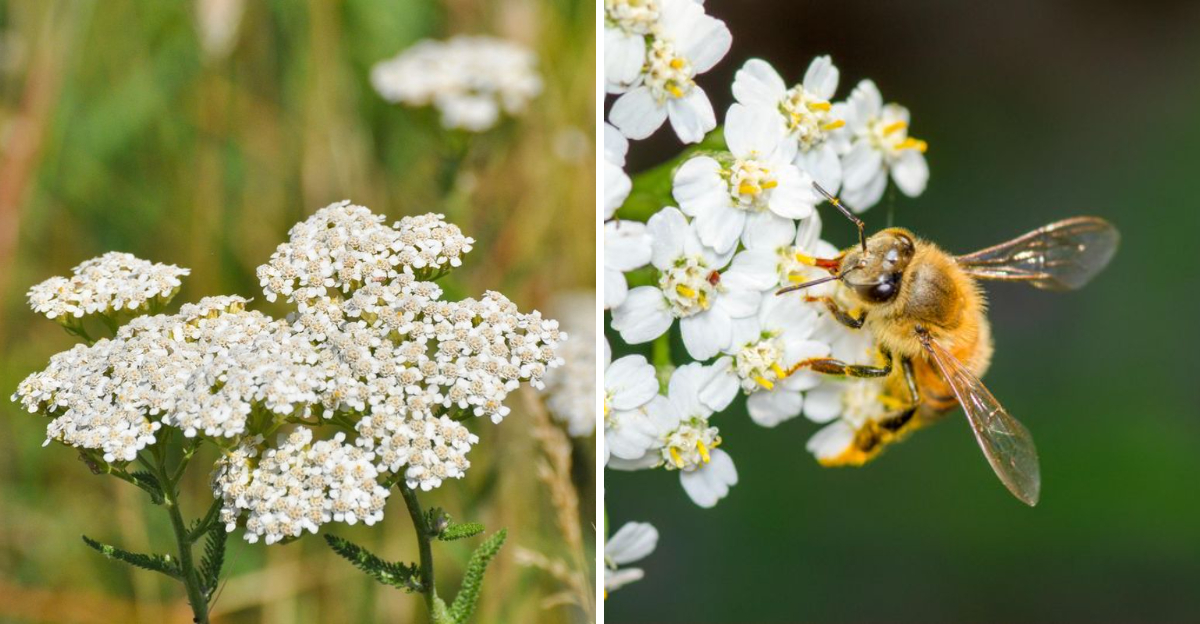
Yarrow is one of those plants that experienced Texas gardeners quietly rely on while everyone else walks right past it at the garden center. It doesn’t have the flashiest blooms or the trendiest reputation.
But spend one full season growing yarrow in your Texas garden and you’ll understand why the gardeners who know their plants keep coming back to it year after year. This plant earns its spot in ways that most garden favorites simply don’t.
It blooms reliably, attracts a remarkable range of pollinators and beneficial insects, shrugs off drought like it’s nothing, and comes back strong every single year without needing to be fussed over.
In a Texas summer that can be relentlessly hot and dry for weeks at a stretch, yarrow just keeps going.
Beyond its toughness, yarrow has a long and well documented history of practical uses that make it genuinely valuable in the garden and beyond. Here’s every reason yarrow deserves a permanent place in your Texas garden.
1. It Handles Heat Better Than Many Delicate Flowers
Some plants just wave a white flag the moment a Texas summer really gets going. Not yarrow.
This tough perennial is practically built for heat, blazing sun, and the kind of relentless humidity that makes other flowers wilt before noon.
Yarrow has been thriving in tough climates for thousands of years, and gardeners across the South have noticed just how dependable it really is.
Yarrow grows best in full sun, which means it actually loves being planted in those brutally bright spots where other plants struggle. It does not need shade cloth or afternoon shelter.
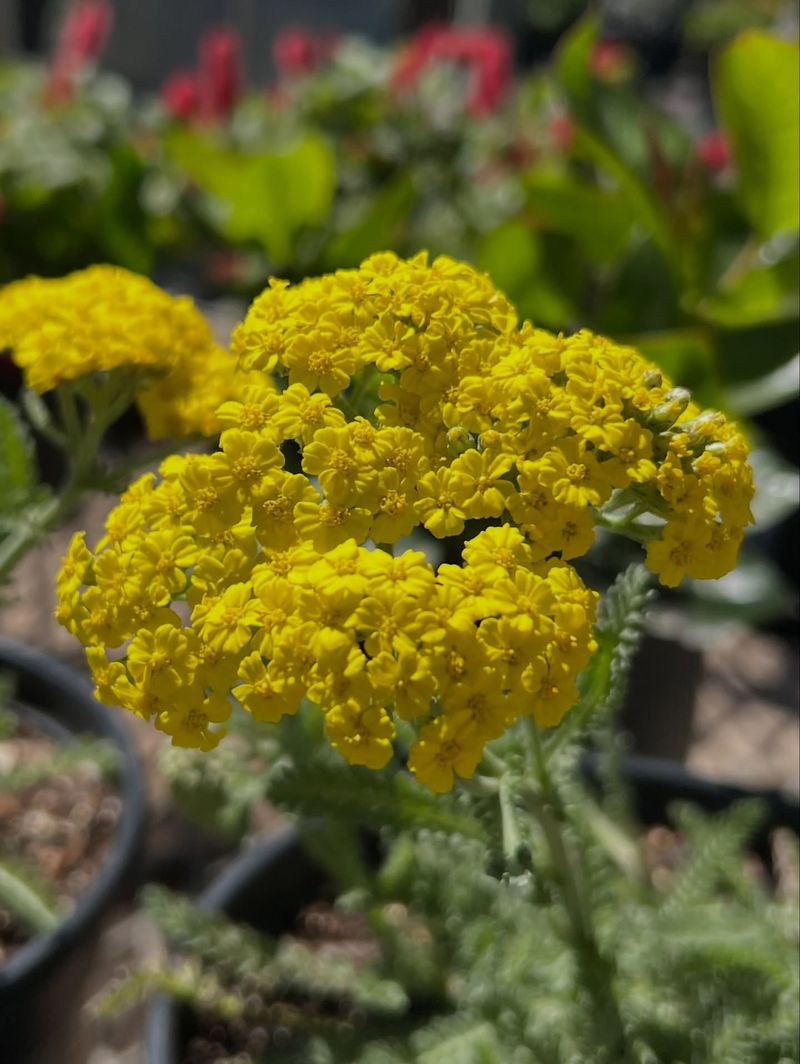
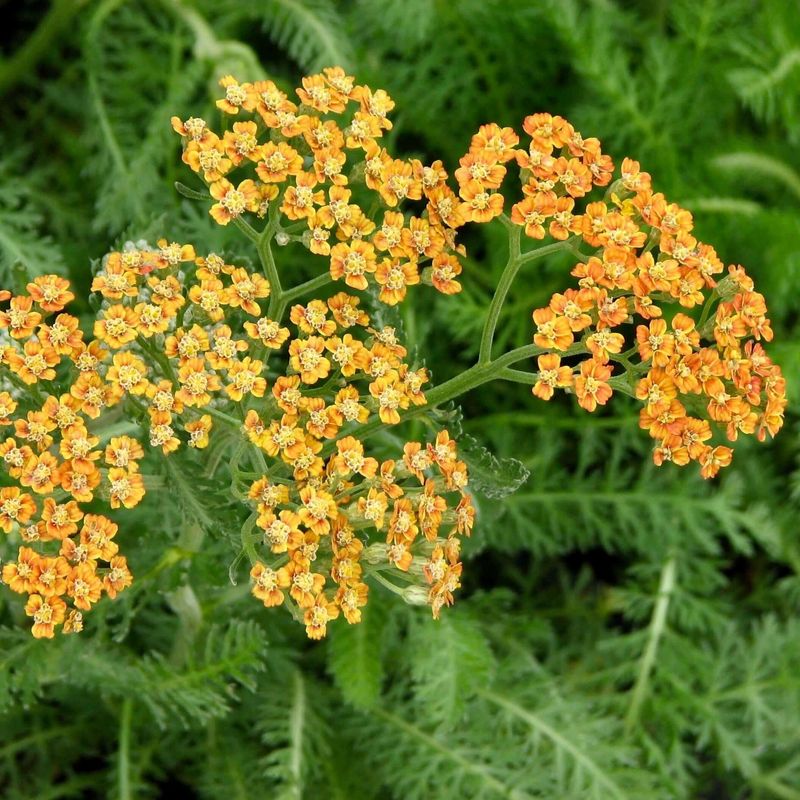
Give it six to eight hours of direct sunlight, and it will reward you with cheerful flat-topped flower clusters in shades of white, yellow, pink, coral, and red throughout the warm season.
In Texas, that kind of reliability matters a lot. Gardeners in cities like Austin, San Antonio, Dallas, and Houston all deal with intense summer heat that can push temperatures well past 100 degrees.
Yarrow handles this without fuss. It works beautifully along sunny borders, in cottage-style beds, and in low-water pollinator gardens where tougher plants are needed.
Another reason yarrow performs so well in heat is its deep root system. Those roots reach down into the soil, helping the plant stay anchored and nourished even when the surface dries out quickly.
The feathery, silvery-green foliage also helps reflect some heat and reduce water loss. Yarrow is one of those rare plants that genuinely thrives when conditions get rough, making it one of the smartest additions any Texas gardener can make to a sunny bed or border.
2. It Tolerates Dry Conditions Once Established
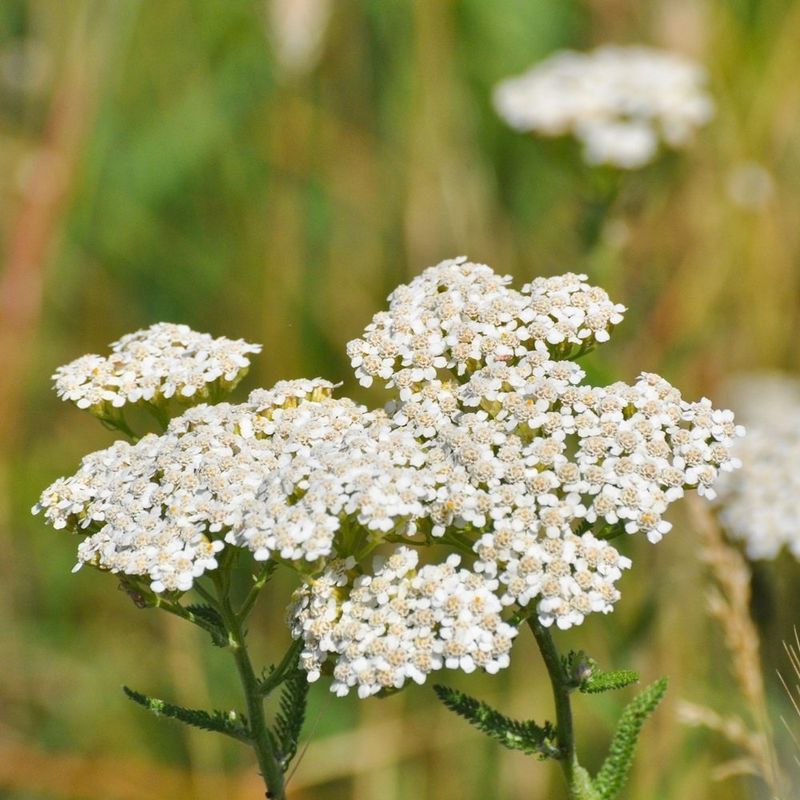
Water is precious in Texas, especially during those long dry stretches that seem to last all summer.
Smart gardeners look for plants that can hold their own without constant irrigation, and yarrow is one of the best choices out there for exactly that reason. Once it gets settled into the ground, yarrow becomes remarkably self-sufficient.
Your Texas Garden Changes Every Week. Your Plan Should Too.
Gardening in Texas changes quickly throughout the season. Every Friday you’ll receive a simple weekly plan showing exactly what to plant, prune, fertilize, harvest, and protect so you never miss the right timing.
During the first season, yarrow does need some regular watering to help its roots get established. Think of it like helping a new neighbor get comfortable.
Once those roots spread out and anchor in, the plant can handle dry spells with very little help from you. Most established yarrow plants only need watering during extended droughts, which is a huge advantage in a state where water restrictions are common.
Yarrow actually prefers soil that drains well and does not hold onto moisture for too long. Heavy, soggy soil can cause root rot, so if your garden has clay-heavy ground, mixing in some sand or gravel can make a real difference.
Sandy or rocky Texas soils, on the other hand, tend to suit yarrow just fine right out of the gate.
This drought tolerance makes yarrow an excellent fit for xeriscaping, which is a style of gardening focused on reducing water use.
Pairing yarrow with other drought-tough plants like blackfoot daisy, salvia, and Texas sage creates a garden that looks vibrant even when the rain stays away for weeks.
For any gardener trying to cut back on their water bill while still enjoying a colorful yard, yarrow is a practical and beautiful solution that genuinely delivers through the toughest Texas summers.
3. It Brings Pollinators Into The Garden
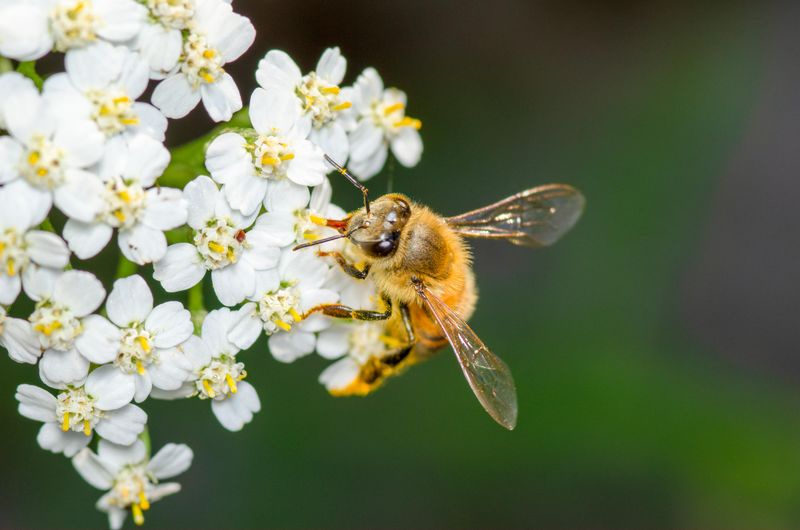
Picture stepping outside on a warm Texas morning and finding your garden buzzing with life. Butterflies drifting from flower to flower, bees working steadily through the blooms, and tiny beneficial insects doing their quiet work across the yard.
Yarrow makes that scene happen. Its flat, open flower clusters are practically a landing pad for pollinators of all kinds.
The structure of yarrow flowers is part of what makes them so attractive to insects. Each large flower head is actually made up of dozens of tiny individual blooms packed closely together.
That design gives butterflies, bees, hoverflies, and beneficial wasps easy access to nectar and pollen without having to work too hard. For pollinators, yarrow is essentially an all-you-can-eat buffet laid out in a convenient flat format.
In Texas, supporting pollinators matters more than many people realize. Native bees and butterflies play a huge role in keeping local ecosystems healthy and helping food gardens produce well.
Planting yarrow alongside other pollinator-friendly plants like coneflower, milkweed, and black-eyed Susan creates a habitat that supports beneficial insects through the entire warm season.
Did you know that yarrow is also known to attract predatory insects like lacewings and parasitic wasps?
These helpful bugs feed on common garden pests like aphids and caterpillars, giving you a natural form of pest control without reaching for a single spray bottle.
That means yarrow is not just pretty and pollinator-friendly. It is actively working to keep your garden healthier and more balanced.
For Texas gardeners who want to garden with nature rather than against it, yarrow is a genuinely powerful plant to have on their side.
4. It Adds Soft, Fern-Like Texture
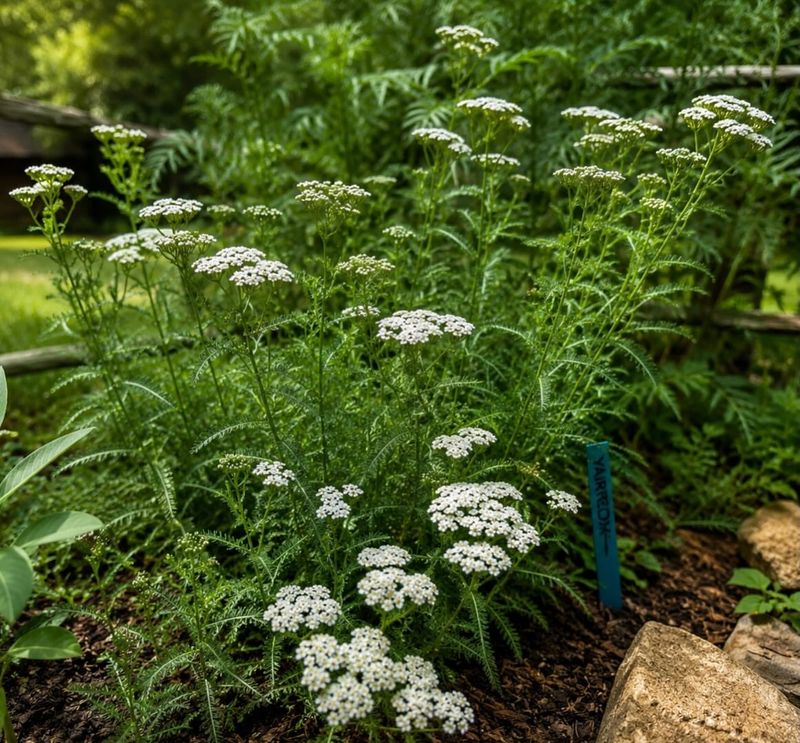
Flowers get most of the attention, but experienced gardeners know that texture is what gives a garden real depth and personality.
Walk through any well-designed garden and you will notice how different leaf shapes play off each other, creating contrast that keeps the eye moving and the space feeling layered. Yarrow brings exactly that kind of textural magic, even when it is not in bloom.
The foliage of yarrow is soft, feathery, and finely divided, almost like delicate fern fronds or tiny, intricate lace. It has a grayish-green color that feels cool and airy against bolder, chunkier plants.
Running your fingers across the leaves releases a pleasant herbal scent, which is a nice bonus on a slow garden stroll. That fine texture is a natural complement to plants with broader, bolder leaves or more upright, structural forms.
In Texas gardens, yarrow pairs beautifully with plants like salvia, lantana, coneflower, and ornamental grasses.
The contrast between yarrow’s feathery softness and the firmer shapes of those companions creates a layered, naturalistic look that feels relaxed but intentional.
It works especially well as a filler plant between showier specimens, tying a planting scheme together without competing for the spotlight.
Even after yarrow finishes blooming, the foliage stays attractive through much of the season. Some varieties hold their shape well into fall, giving the garden continued structure when other plants start to fade.
For gardeners who think carefully about how their beds look between bloom cycles, yarrow is a reliable and good-looking team player that earns its space through every single month it spends in the ground.
5. It Works In Both Wild And Polished Garden Styles
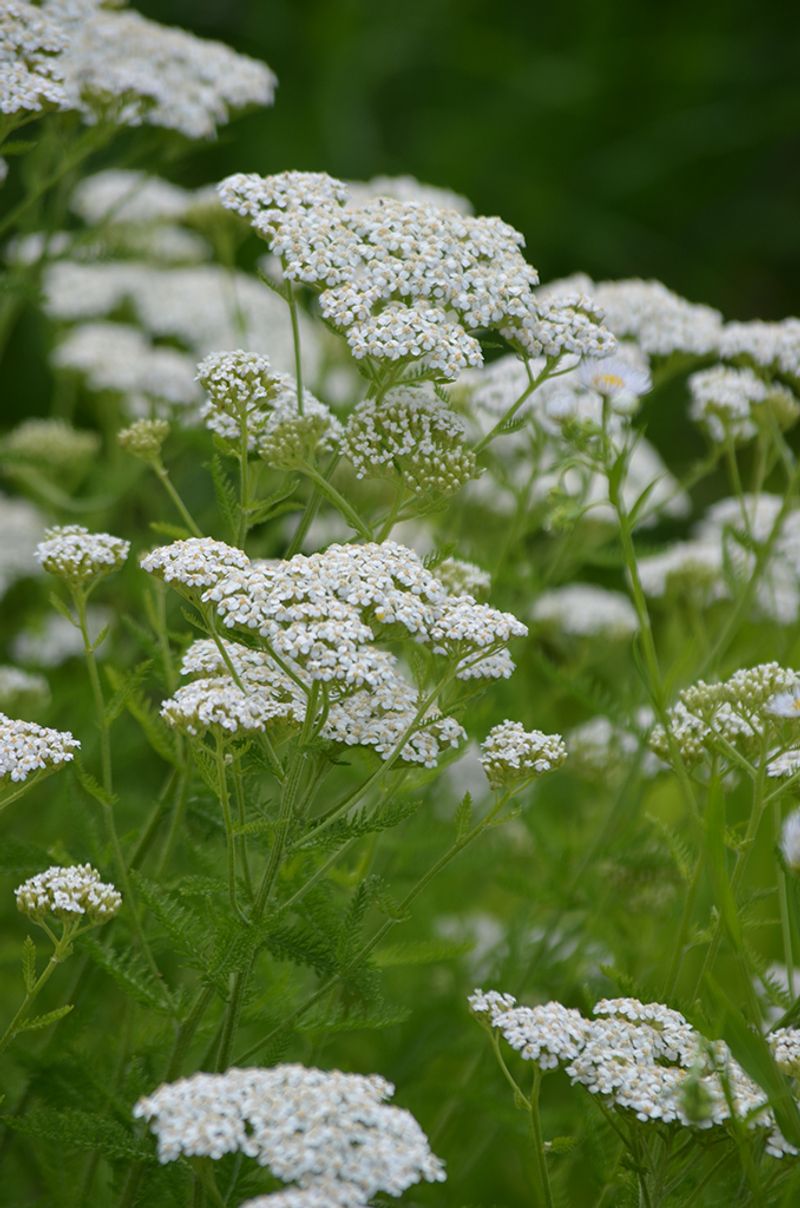
Not every plant can pull off looking at home in a wild meadow and a neat, structured garden at the same time. Yarrow can.
It is one of those wonderfully flexible plants that adapts to the vibe you are going for, which makes it useful no matter what kind of outdoor space you are working with. That kind of versatility is genuinely rare in the plant world.
In naturalistic or meadow-style plantings, yarrow fits right in alongside native wildflowers, ornamental grasses, and casual drifts of color. It has a relaxed, romantic quality that looks like it just wandered in from the wild and decided to stay.
Planted in loose clusters or allowed to self-seed gently across a bed, it creates that effortless, cottage-garden feeling that many Texas gardeners love chasing.
On the more polished side, yarrow can be used as a tidy filler or edging plant in formal perennial borders. Its upright stems and flat flower heads give it a clean enough silhouette to hold its own in structured plantings.
Deadheading spent blooms and dividing clumps every couple of years keeps it looking neat and contained. In herb gardens, yarrow has been used for centuries alongside culinary and medicinal plants, adding both beauty and function to organized spaces.
The wide variety of yarrow cultivars available today makes it even easier to match the plant to your garden style. Compact varieties like Strawberry Seduction or Moonshine work well in tighter spaces, while taller varieties spread out beautifully in big open beds.
Whatever direction your garden leans, yarrow has a version that fits right in without requiring you to redesign everything around it.
6. It Is Easy To Divide And Spread Around The Garden
One of the best feelings in gardening is getting more plants for free. Yarrow makes that happen regularly and without much effort on your part.
As a spreading perennial, yarrow naturally forms expanding clumps over time, and those clumps can be dug up and divided into several new plants whenever you are ready to expand your garden without spending extra money at the nursery.
Dividing yarrow is a simple process that most beginner gardeners can handle with confidence. Wait until early spring or fall when temperatures are cooler.
Use a garden fork or spade to gently lift the clump out of the ground. Then pull or cut the clump apart into smaller sections, making sure each section has healthy roots attached.
Replant those sections wherever you want more yarrow, water them in well, and watch them settle right back in.
Beyond saving money, dividing yarrow actually keeps the plant healthier. Older clumps can get crowded in the center and start to look a little ragged.
Dividing every two to three years refreshes the plant and encourages stronger blooming. It is one of those gardening tasks that benefits both you and the plant at the same time, which always feels like a good deal.
For Texas gardeners trying to fill large sunny beds on a budget, yarrow is one of the smartest investments around.
Buy a few plants in the first season, divide them in the second or third, and suddenly you have enough yarrow to line a whole fence, fill a pollinator bed, or share extras with neighbors.
Few perennials give back so generously for so little effort, and in a big Texas yard, that kind of plant is worth its weight in gold.