What It Really Means When Anole Lizards Start Disappearing From Your North Carolina Garden
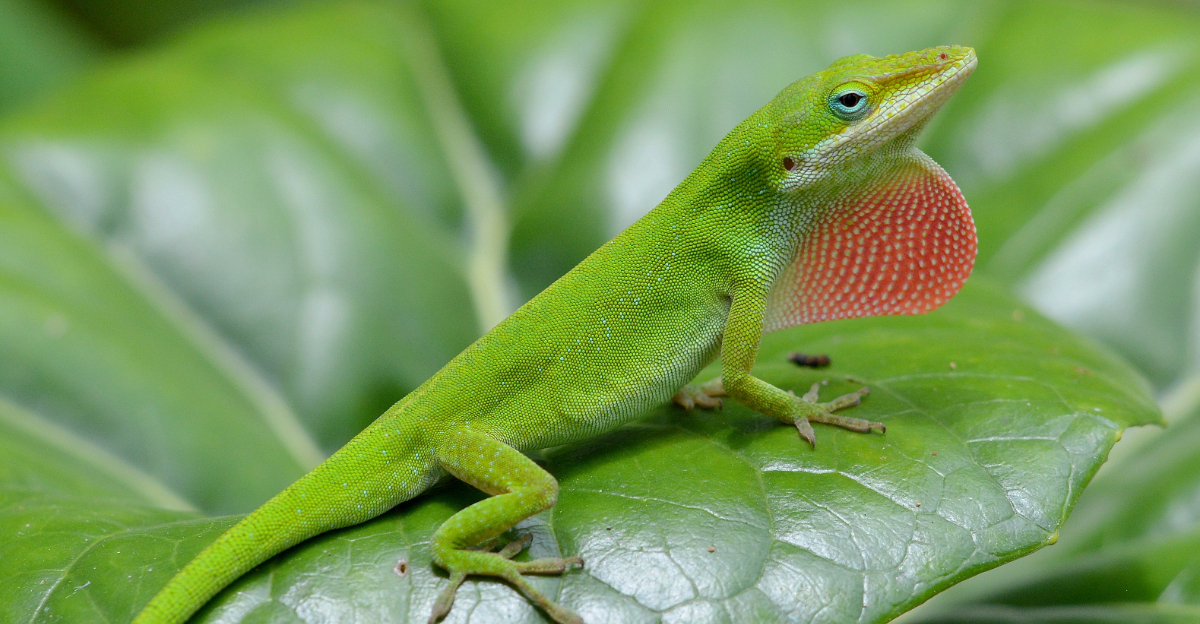
Green anoles are such a familiar presence in North Carolina gardens that most people stop noticing them until they are gone.
Their disappearance from spaces where they were previously active and visible is rarely a coincidence, and it almost never happens without a specific cause rooted in what changed in that immediate environment.
Anoles are sensitive enough to pesticide exposure, habitat disruption, and prey availability shifts that their declining presence functions as an early warning system for garden health changes that have not yet surfaced in more obvious ways.
A North Carolina garden that has gone quiet in terms of anole activity is communicating something specific about what is happening at ground level and in the plant canopy above it.
1. They May Be Moving Higher Into Shrubs And Trees
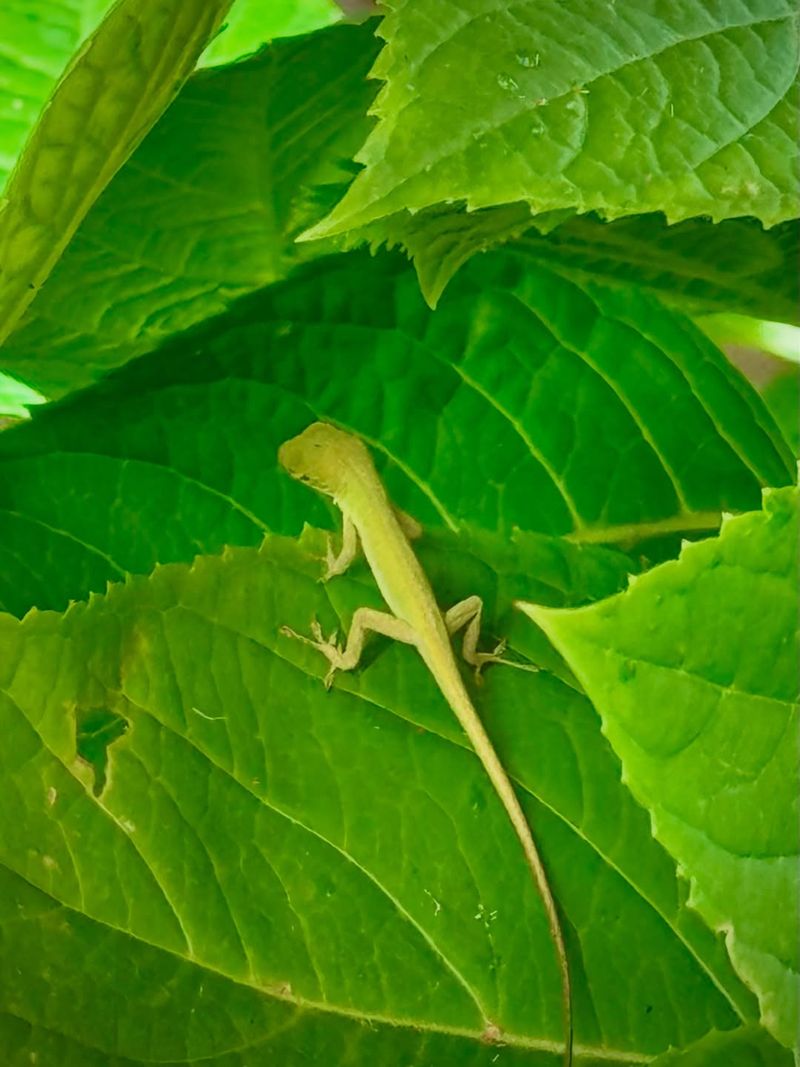
Spotting a green anole has a lot to do with where you are looking. If you have been scanning the ground or the lower edge of your garden beds and coming up empty, there is a good chance those lizards are simply higher up than you expect.
Green anoles are natural climbers, and their sticky toe pads allow them to grip branches, vines, fence rails, and tree bark with impressive ease.
North Carolina gardens with mature shrubs, climbing vines like Carolina jessamine or trumpet vine, wooden fences, or nearby trees offer perfect vertical habitat for these lizards.
They love to bask in warm sunlight that filters through upper leaves, and they hunt insects that gather around blooming plants and new growth.
A gardener who only looks down at the mulch level will often miss them completely. Male anoles especially like to perch on elevated surfaces where they can display their bright pink dewlap and watch over their territory.
You might catch a flash of green near the top of an azalea, along a fence post, or tucked under a leaf on a climbing rose.
Try tilting your gaze upward the next time you walk through your garden. Give your eyes a moment to adjust to the layered canopy above the flower beds.
You may be surprised to find that your anoles never actually left at all. They were just living their best life a few feet above where you were searching all along.
2. The Garden May Have Lost Too Much Shelter
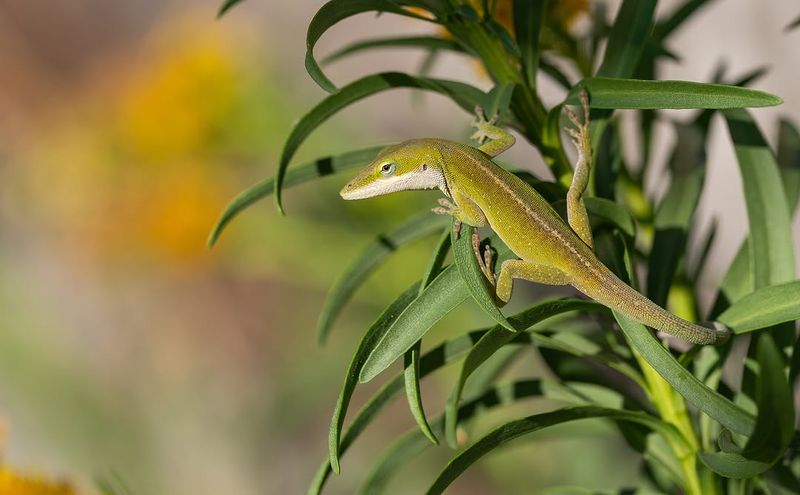
A tidy garden can look beautiful to a homeowner but feel completely unwelcoming to a green anole.
These lizards depend on dense plant cover, leaf litter, woody stems, and brushy corners to rest safely, stay cool during the hottest parts of the day, and hunt for the small insects they eat.
When those features get cleaned away, anoles have very little reason to stick around. Many North Carolina gardeners do a thorough fall or spring cleanup that removes exactly the kind of habitat anoles love.
Raking out every leaf, trimming shrubs to bare stubs, clearing away fallen branches, and pulling out sprawling groundcovers can strip a yard of the layered structure that makes it livable for small reptiles.
Your North Carolina Garden Changes Every Week. Your Plan Should Too.
Gardening in North Carolina changes quickly throughout the season. Every Friday you’ll receive a simple weekly plan showing exactly what to plant, prune, fertilize, harvest, and protect so you never miss the right timing.
Even a small brushy corner or a patch of dense native plants can make a big difference for these lizards. Adding back some structure does not have to mean letting your yard look neglected.
Planting native groundcovers like wild ginger or native ferns, leaving a small pile of logs or branches in a back corner, and allowing some leaf litter to stay under shrubs can restore the kind of habitat that anoles seek out.
Layered plantings with tall shrubs, medium perennials, and low groundcovers create the vertical complexity these lizards thrive in. Think of it as designing your garden for both beauty and function.
When shelter comes back, curious little green lizards tend to follow right along with it.
3. The Yard May Be Too Dry During Hot Weather
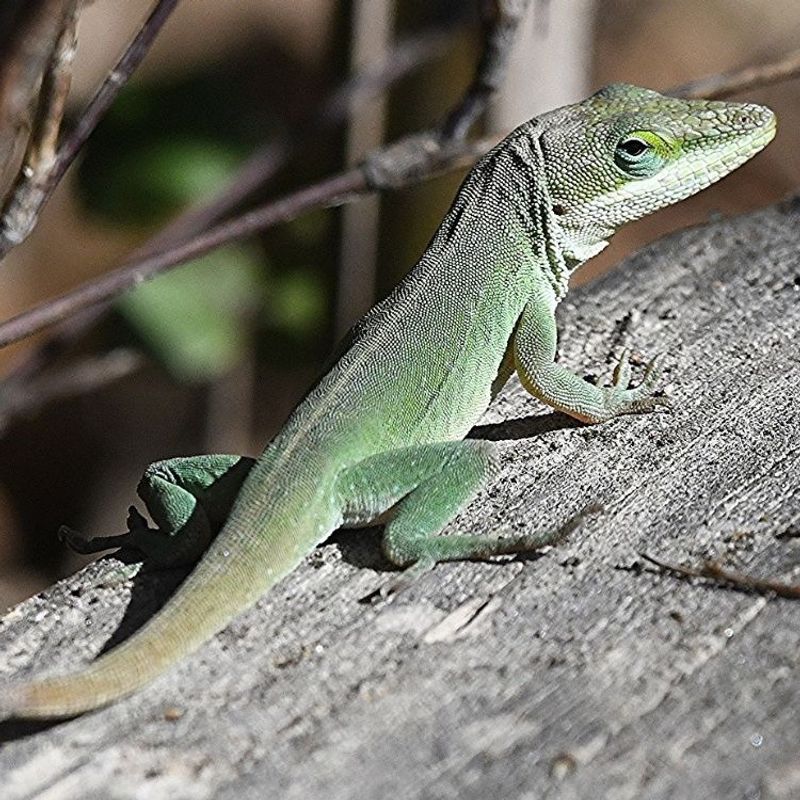
Green anoles are humidity lovers. Across their natural range in the southeastern United States, they thrive in warm, moist environments where dew collects on leaves, shade keeps the ground cool, and moisture lingers under dense vegetation.
When North Carolina summers turn brutally hot and dry, your garden may simply stop feeling like a comfortable place for them to hang around.
During extended dry spells, anoles will shift toward spots that still hold some moisture and shade. That might mean moving under a deck, retreating into a thick hedge, or heading toward a neighbor’s yard that has more irrigation or a water feature.
A garden that feels like a sun-baked desert from June through August is not going to hold much appeal for these moisture-sensitive reptiles, no matter how much they might have enjoyed it in spring.
The fix is more manageable than you might think. Applying a good layer of organic mulch around two to three inches deep under your shrubs and garden beds helps the soil retain moisture much longer after rain or watering.
Planting native shade-tolerant species like beautyberry, sweetshrub, or native azaleas adds canopy and keeps the ground underneath noticeably cooler.
A simple shallow dish of fresh water set in a shaded garden corner can also attract anoles and other beneficial wildlife.
Small changes to how you manage moisture in your garden during summer heat can make a real difference in whether anoles stay active and visible or simply move on to a more comfortable spot nearby.
4. Their Insect Food May Have Dropped
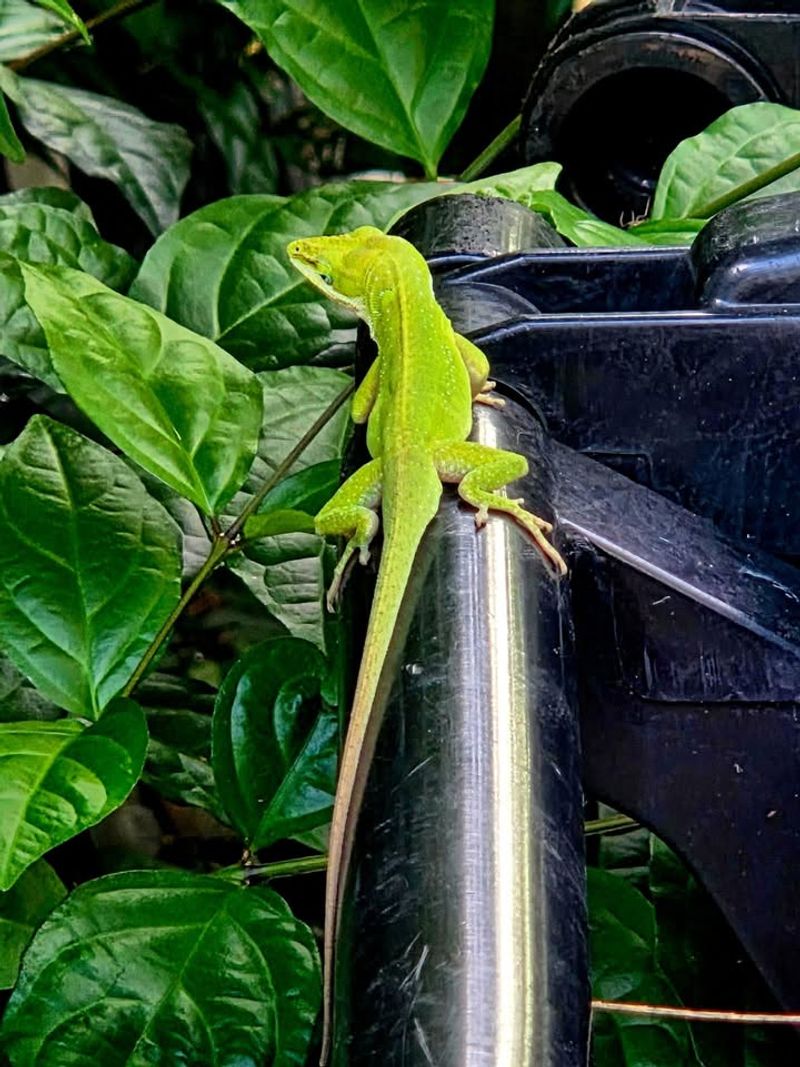
Green anoles are active hunters, and they spend a big part of their day scanning for small insects, spiders, and other tiny arthropods. A healthy garden that buzzes with insect life gives anoles plenty of reasons to stay put and keep patrolling.
When that insect activity drops sharply, anoles follow the food and move somewhere more rewarding.
Broad-spectrum pesticide spraying is one of the most common reasons insect populations crash in home gardens.
Products that target pest insects often affect beneficial insects too, including the beetles, flies, caterpillars, and small bugs that anoles depend on for food.
Even one heavy application during spring or early summer can reduce insect activity enough to make a garden noticeably quieter, and not just for the lizards. Fewer pollinators, fewer fireflies, and fewer birds often follow.
Switching to targeted pest management instead of blanket spraying can help restore insect diversity over time.
Focusing on specific problem insects using the least harmful method, and only when damage is actually significant, gives beneficial insect populations a chance to recover.
Planting a wider variety of native flowering plants also increases the insect diversity that supports anoles.
Native species like black-eyed Susan, coneflower, native asters, and wild bergamot attract a broad range of small insects that become easy meals for hunting lizards.
A garden rich in plant diversity tends to support rich insect diversity, and that combination is exactly what keeps green anoles active, visible, and patrolling your beds all season long.
5. Outdoor Cats Or Frequent Disturbance May Be Pushing Them Away
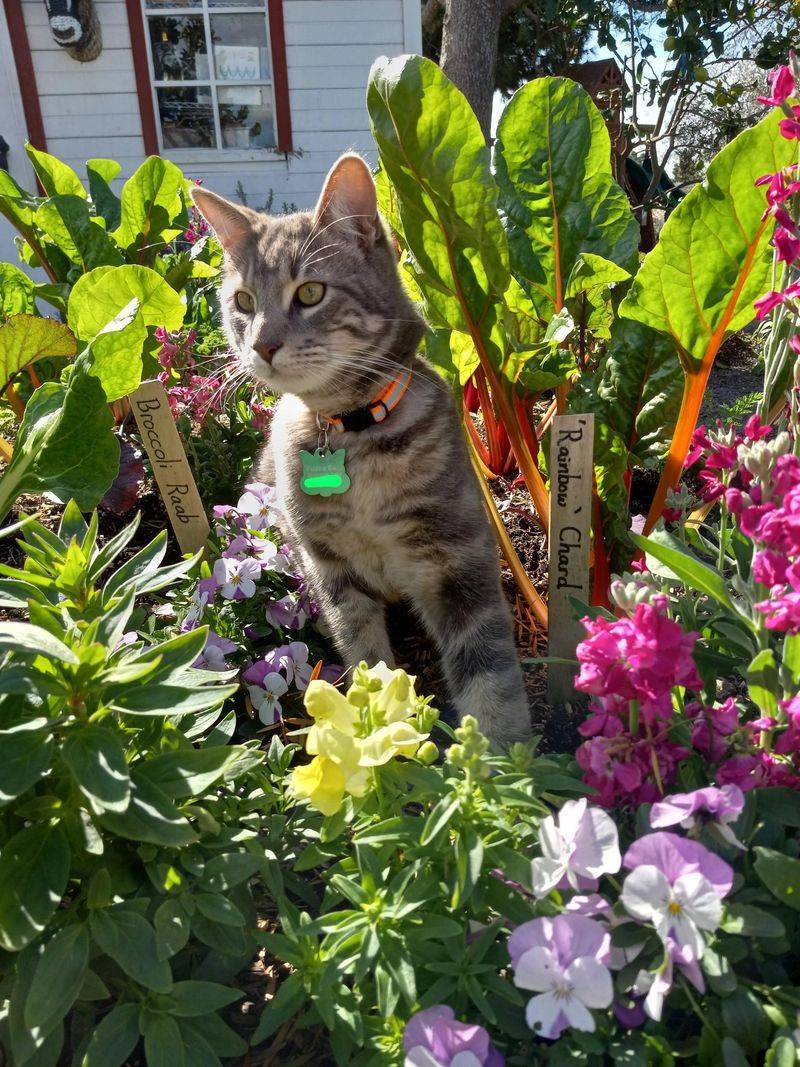
Even a single outdoor cat can completely change the way small wildlife uses a garden. Cats are skilled hunters with strong instincts, and they will actively patrol garden beds, stake out spots near shrubs, and stalk small reptiles with focused patience.
Green anoles are quick, but repeated pressure from a predator in their space will eventually push them to find a quieter, safer territory.
NC State Extension and wildlife organizations across North Carolina recommend keeping pet cats indoors as a practical step for protecting native wildlife. This is not just about birds.
Small lizards like green anoles, skinks, and fence lizards are all vulnerable to cat predation and disturbance.
Beyond cats, frequent loud activity near garden beds, heavy foot traffic through planting areas, or constant disturbance from tools and equipment can also make anoles nervous enough to relocate.
Creating calm, undisturbed zones in your garden can make a real difference.
Designating a back corner or a side bed as a low-traffic wildlife area, where you limit foot traffic and avoid frequent disruption, gives small reptiles the sense of safety they need to settle in.
Dense layered plantings with native shrubs and groundcovers help too, because they offer quick escape routes and hiding spots that make anoles feel more secure even when people are nearby.
Reducing disturbance and keeping cats indoors are two of the most straightforward and effective steps you can take to make your North Carolina garden genuinely welcoming for these helpful little lizards.
6. They May Be Hiding During Cool Weather
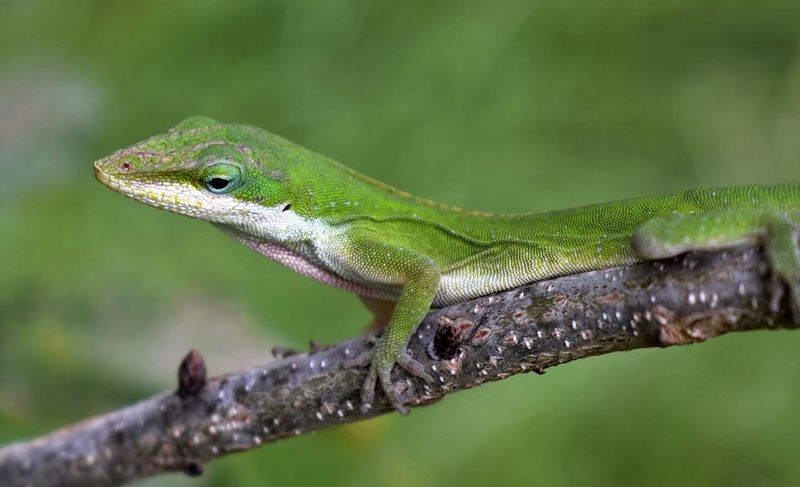
Cold weather has a dramatic effect on reptiles, and green anoles are no exception. Unlike mammals and birds, reptiles cannot generate their own body heat internally.
They rely entirely on warmth from their environment to stay active, digest food, and move around.
When temperatures drop, their entire pace of life slows way down, and they spend much more time hidden in protected spots rather than out basking and hunting.
In North Carolina, late fall and winter bring stretches of cool weather that can make anoles nearly invisible for weeks at a time.
You might see one on a warm sunny afternoon in November, soaking up heat on a south-facing fence post, and then not spot another one until March.
During cold snaps, they tuck themselves into spaces under loose bark, inside hollow stems, beneath thick leaf litter, or deep within the base of a dense shrub where temperatures stay a bit more stable.
Early spring can also be a slow period for anole sightings, especially after an unusually cold winter. As soil and air temperatures climb back up and sunny days become more consistent, anoles gradually become more active and start showing themselves again.
Patience is really the key here. If your garden still has good shelter, food sources, and appropriate habitat, the anoles that seemed to vanish in October will likely reappear as warmth returns.
Seeing one bask on a warm February afternoon is always a welcome sign that your garden is still a good home for them.
7. Pruning May Have Removed Their Favorite Perches
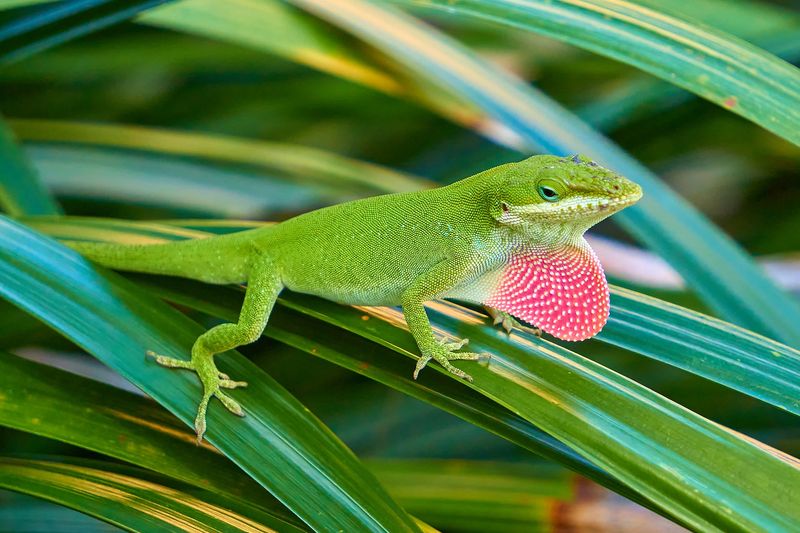
Timing and intensity of pruning can have a surprisingly big impact on where anoles spend their time. Green anoles are creatures of habit.
They return to the same shrubs, vines, fence sections, and woody stems day after day to bask, hunt, display, and rest. When a heavy pruning session removes their preferred perches all at once, they can seem to vanish almost overnight.
A dense azalea that got cut back hard in late spring, a climbing vine that was pulled off a fence, or a row of hollies that were trimmed into tight formal shapes can all remove the complex structure that anoles depend on.
They need surfaces at different heights, spots with both sun and shade, and areas with enough leaf cover to feel protected while still being able to see their surroundings.
A freshly sheared hedge or a bare-stemmed shrub simply does not offer those features anymore.
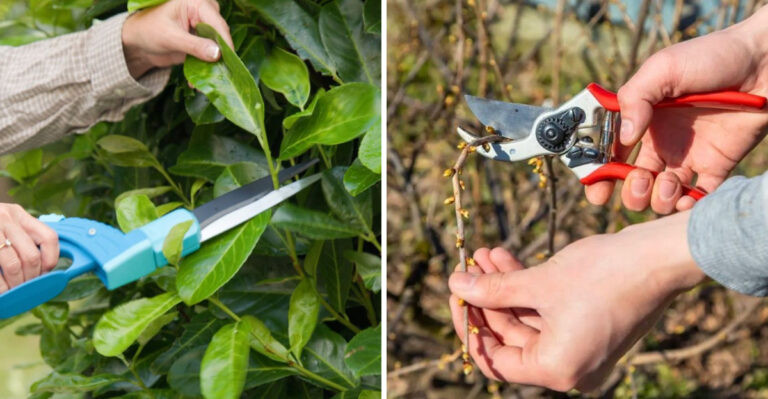
Gradual pruning over time, rather than cutting everything back hard in one session, helps maintain enough structural variety to keep anoles comfortable.
Leaving some mature, unpruned sections of a shrub while you work on other parts gives lizards somewhere to retreat during the process.
Woody climbing vines on fences and trellises are especially valuable for anoles, so preserving at least some of that growth year-round pays off.
As pruned plants fill back in over the following months and new stems and leaves return, you will likely notice the anoles returning right along with the regrowth, reclaiming their old favorite spots one by one.
8. They May Still Be There But Blending In Better
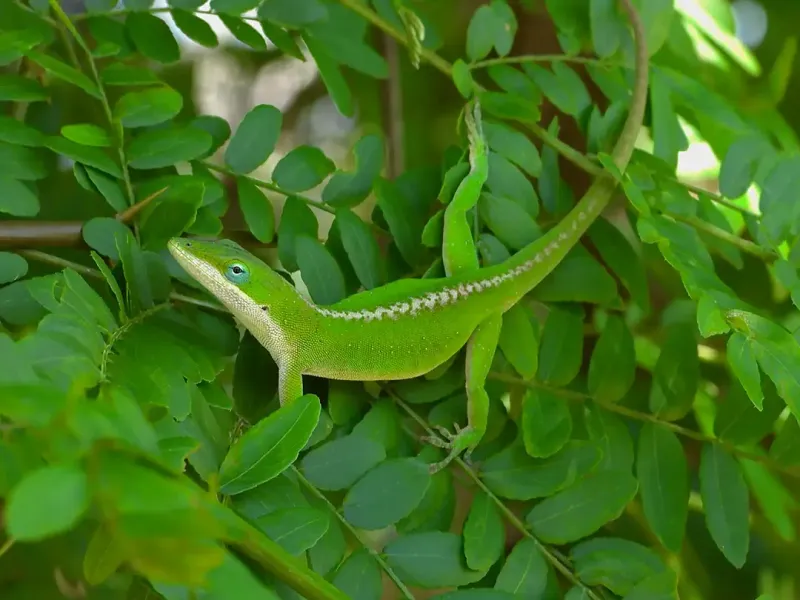
One of the most fascinating things about green anoles is their ability to change color.
Most people know they can turn bright green, but these lizards also shift to shades of brown, gray, olive, and even mottled patterns depending on temperature, stress levels, and the surface they are resting on.
A brown anole sitting on brown bark or a gray fence post can be almost completely invisible to a casual glance.
Many gardeners assume the lizards have left when in reality they are still present and active, just much harder to spot than they were in spring when bright green against fresh green foliage made them easy to find.
As summer foliage matures and turns darker, as wooden fences weather to gray, and as bark becomes more textured, anoles blend in with remarkable precision. Their camouflage is genuinely impressive, and it works against even attentive human eyes.
Slowing down your garden walk can completely change what you notice. Move quietly along fence lines, pause near sunny shrub edges, and scan stems and branches carefully rather than sweeping your eyes across the whole garden at once.
Look for the subtle signs of an anole even before you spot the lizard itself.
A tiny head turning to track a flying insect, a flicker of a dewlap flash, or the quick flick of a tail disappearing around a stem are all giveaways that anoles are very much still at home in your garden.
Sometimes they were there the whole time, just waiting for a closer look.