Skip Butterfly Bush In North Carolina Pollinator Gardens And Plant This Native Magnet Instead
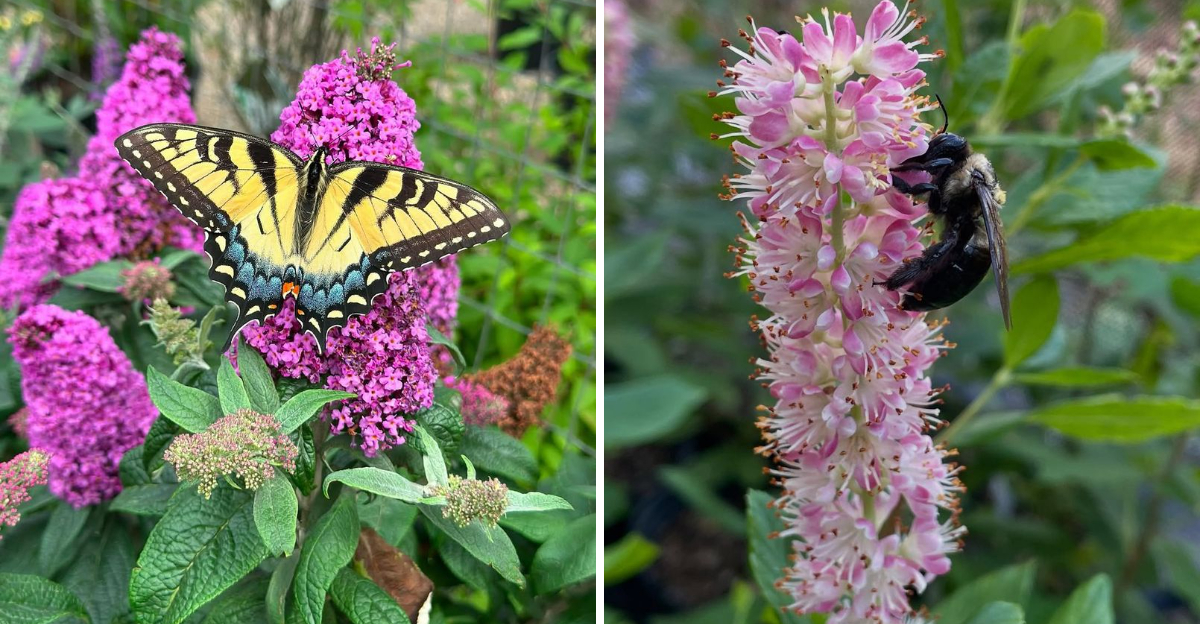
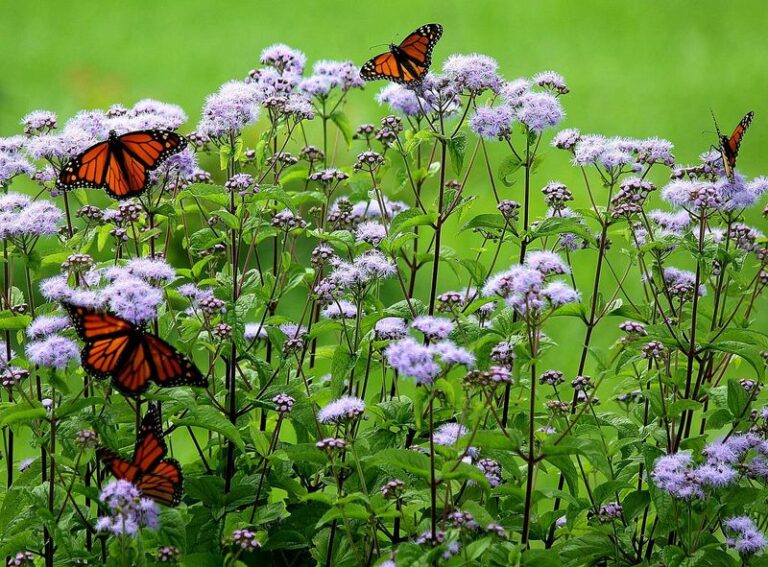
Butterfly bush built its reputation on one genuinely impressive quality. The nectar it produces draws butterflies in numbers that are hard to argue with visually, and that spectacle made it a pollinator garden staple across North Carolina for years.
It does not support the full life cycle of those butterflies, serve as a host plant for caterpillars, or stay contained. Instead, it spreads aggressively into wild areas, crowding out the native plants that pollinators actually need to survive.
This native alternative attracts adult pollinators just as well as butterfly bush while doing everything butterfly bush cannot. It fully supports the ancient relationship between North Carolina’s native plants and the insects that evolved with them.
1. Butterfly Bush Is Invasive In North Carolina
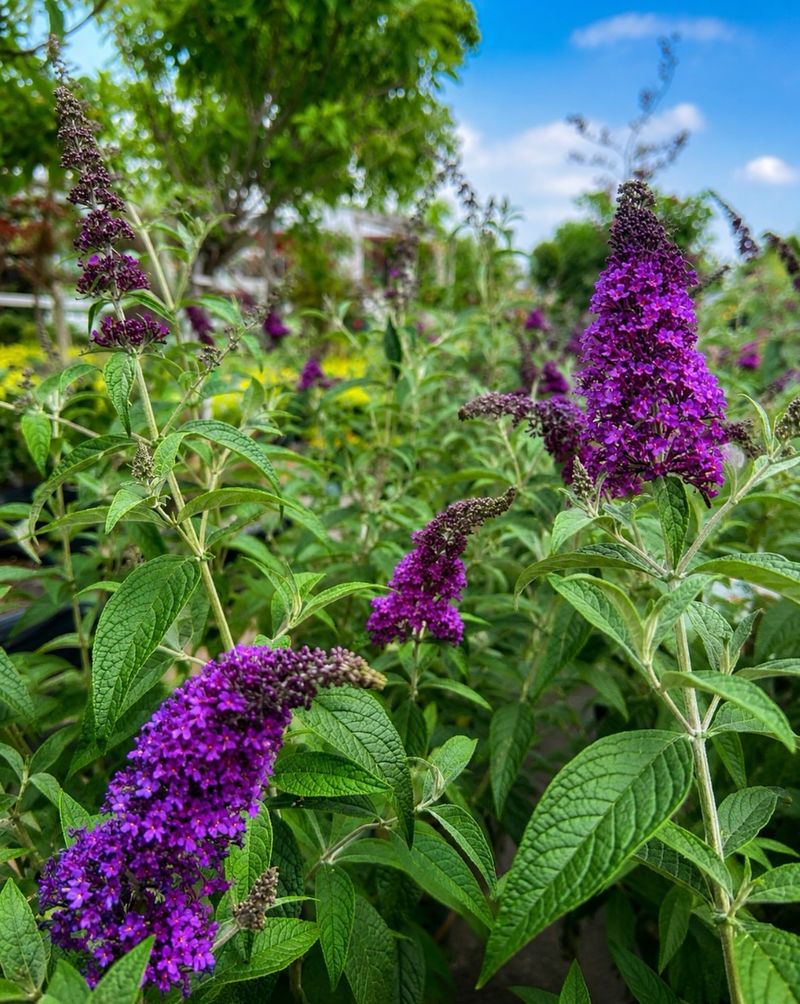
Most gardeners plant Butterfly Bush with the best intentions, hoping to create a welcoming spot for pollinators.
NC State Extension has identified Butterfly Bush as invasive in many states, including North Carolina, which means it does not stay neatly inside garden borders.
Once it gets established, it spreads into natural areas, roadsides, and disturbed spaces where it was never invited.
A plant being invasive does not cancel out the fact that butterflies enjoy visiting its flowers. Adult butterflies will absolutely land on Butterfly Bush blooms and sip nectar.
The real problem shows up over time, when the shrub starts competing with native plants that those same butterflies depend on for egg laying, shelter, and larval food.
North Carolina has incredible biodiversity, with rich forests, wetland edges, and meadow systems that native plants have supported for thousands of years. Introducing an invasive shrub into or near those spaces puts pressure on entire plant communities.
NC State Extension recommends that gardeners consider the full picture of a plant, not just whether butterflies visit the flowers on a sunny afternoon.
Choosing a plant that looks good in the short term but spreads beyond control is not actually helping pollinators. Real pollinator gardening means thinking about the whole ecosystem.
Skipping Butterfly Bush is one of the smartest decisions a gardener can make for the long-term health of local natural spaces.
2. Butterfly Bush Produces Too Many Seeds
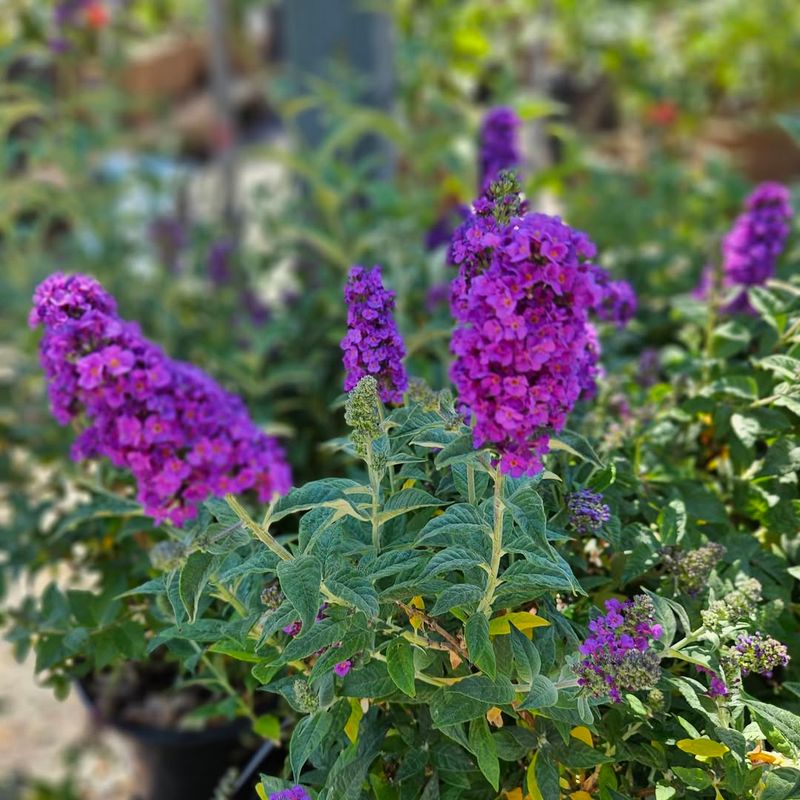
One flower panicle on a Butterfly Bush can produce an enormous number of seeds, and that is not an exaggeration. Researchers have estimated that a single Butterfly Bush plant can generate hundreds of thousands of seeds in one growing season.
Those seeds are lightweight and small, which makes them easy to carry far from the original plant by wind, rain, and moving water.
North Carolina has a lot of creeks, streams, wet woodland edges, and low-lying areas near neighborhoods and gardens. Seeds that fall near those spots do not stay put.
Water picks them up and moves them downstream, dropping them into new locations where conditions are just right for germination.
Before long, a shrub that started in a backyard can show up along a creek bank or at the edge of a nature preserve.
This is why the seed production issue matters so much more in North Carolina than it might seem at first. Gardens do not exist in isolation.
Your North Carolina Garden Changes Every Week. Your Plan Should Too.
Gardening in North Carolina changes quickly throughout the season. Every Friday you’ll receive a simple weekly plan showing exactly what to plant, prune, fertilize, harvest, and protect so you never miss the right timing.
They sit within larger landscapes that include natural areas, parks, and conservation land. What grows in a yard can absolutely influence what grows beyond it.
Deadheading Butterfly Bush, meaning removing spent flowers before seeds form, is sometimes suggested as a management strategy. However, keeping up with that task consistently through an entire blooming season is very difficult in practice.
Choosing a native plant that does not produce invasive seeds in the first place is a far more reliable solution for any garden.
3. Butterfly Bush Offers Nectar But Not Enough Habitat Value
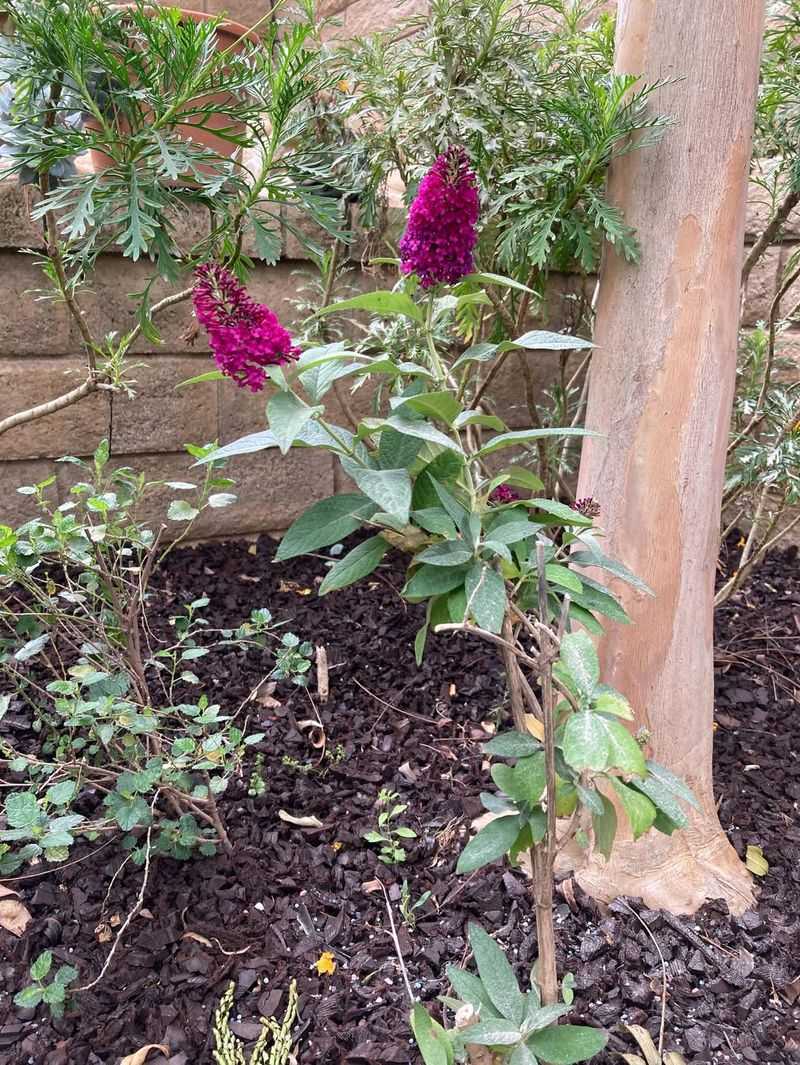
Watching a butterfly hover over a Butterfly Bush bloom is genuinely satisfying, and nectar does matter to pollinators. However, nectar is only one piece of what a healthy pollinator garden needs to offer.
A truly supportive habitat goes far beyond providing a quick sugar source for adult insects passing through.
Pollinators need places to raise their young, and that requires specific host plants. Many butterflies and moths will only lay eggs on certain native plants because their caterpillars can only eat specific leaves.
Butterfly Bush does not serve as a host plant for any native North Carolina butterfly or moth species, which means it contributes nothing to the next generation of pollinators.
Beyond caterpillar food, a well-rounded pollinator garden should also provide high-quality pollen for bees, which need it as a protein source for their larvae.
Butterfly Bush pollen is not particularly valuable to native bees compared to what native flowering plants offer.
Bees that visit Butterfly Bush flowers are mostly collecting nectar rather than pollen, which limits the garden’s overall support for bee populations.
Shelter matters too. Native shrubs and perennials provide stem cavities, leaf litter, and bark textures that many native bees and beneficial insects use for nesting and overwintering.
Butterfly Bush does not contribute meaningfully to that kind of habitat structure. Filling a garden with plants that serve pollinators across every stage of their lives is what separates a decorative yard from a genuinely functional habitat garden.
4. Butterfly Bush Can Crowd Out Better Native Plants
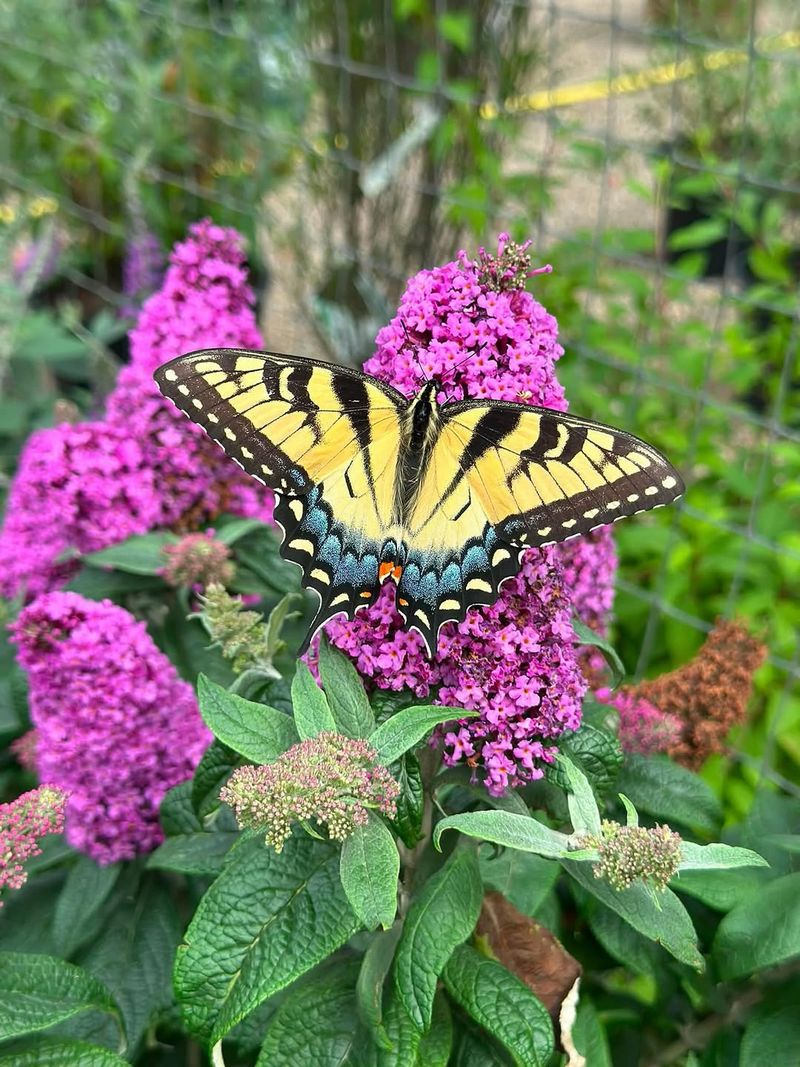
When Butterfly Bush spreads beyond a garden, it does not just take up empty space. It moves into areas where native plants already live, and it competes aggressively for light, water, and nutrients.
Over time, dense patches of Butterfly Bush can reduce the diversity of native understory plants that pollinators and wildlife depend on throughout the year.
Native understory shrubs like native viburnums, native azaleas, and spicebush support dozens of insect species in ways that Butterfly Bush simply cannot.
Those plants have co-evolved with local wildlife over thousands of years, forming relationships that a non-native shrub cannot replicate.
When Butterfly Bush pushes them out, the insects and birds that relied on them lose critical resources.
Seasonal variety in a native plant community is also important. Different plants bloom, fruit, and provide shelter at different times, creating a year-round network of support for wildlife.
A dense stand of Butterfly Bush disrupts that seasonal rhythm by filling space with a plant that offers limited value outside of its bloom window.
North Carolina gardeners who love beautiful shrubs do not have to give up on having a gorgeous yard to avoid this problem. Native shrubs can be just as striking as Butterfly Bush, and many of them produce flowers that rival it in beauty.
The difference is that native shrubs add genuine value to the local ecosystem instead of quietly competing with it. Choosing wisely means the garden stays beautiful and the natural areas nearby stay healthy.
5. Summersweet Is The Better Native Magnet
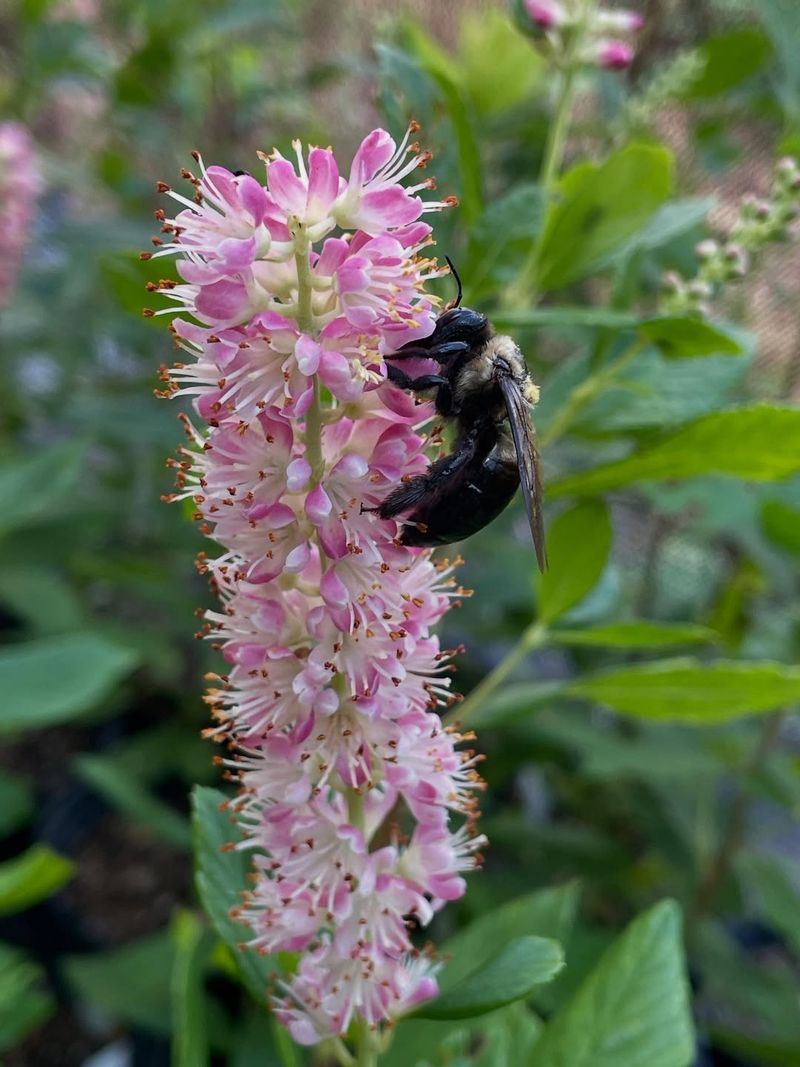
Summersweet, known botanically as Clethra alnifolia, is one of those native shrubs that deserves far more attention than it gets.
Native to eastern North America, including North Carolina, it produces beautiful upright flower spikes in mid to late summer that look surprisingly similar to the flower panicles that make Butterfly Bush so popular.
The difference is that Summersweet earns its place in the garden without any of the ecological drawbacks.
The flowers come in white or soft pink depending on the cultivar, and they fill the late summer garden with a genuinely lovely fragrance. Many gardeners describe the scent as sweet and spicy, almost like a mix of cloves and honey.
That fragrance is not just pleasant for people walking through the garden. It is a powerful signal to pollinators searching for late season blooms.
Gardeners who have always loved the look of Butterfly Bush but feel hesitant about its invasive reputation will find Summersweet to be a completely satisfying swap.
It delivers the same tall, graceful flower spike aesthetic with a fragrance bonus and a much cleaner ecological record.
Summersweet does not spread aggressively, does not produce invasive seeds, and does not threaten surrounding native plant communities.
For pollinator gardens, Summersweet represents exactly the kind of plant that makes a real difference. It looks good, smells wonderful, supports wildlife, and stays where it is planted.
That combination is hard to beat when choosing shrubs for a thoughtful, ecologically responsible garden.
6. Summersweet Feeds A Wide Range Of Pollinators
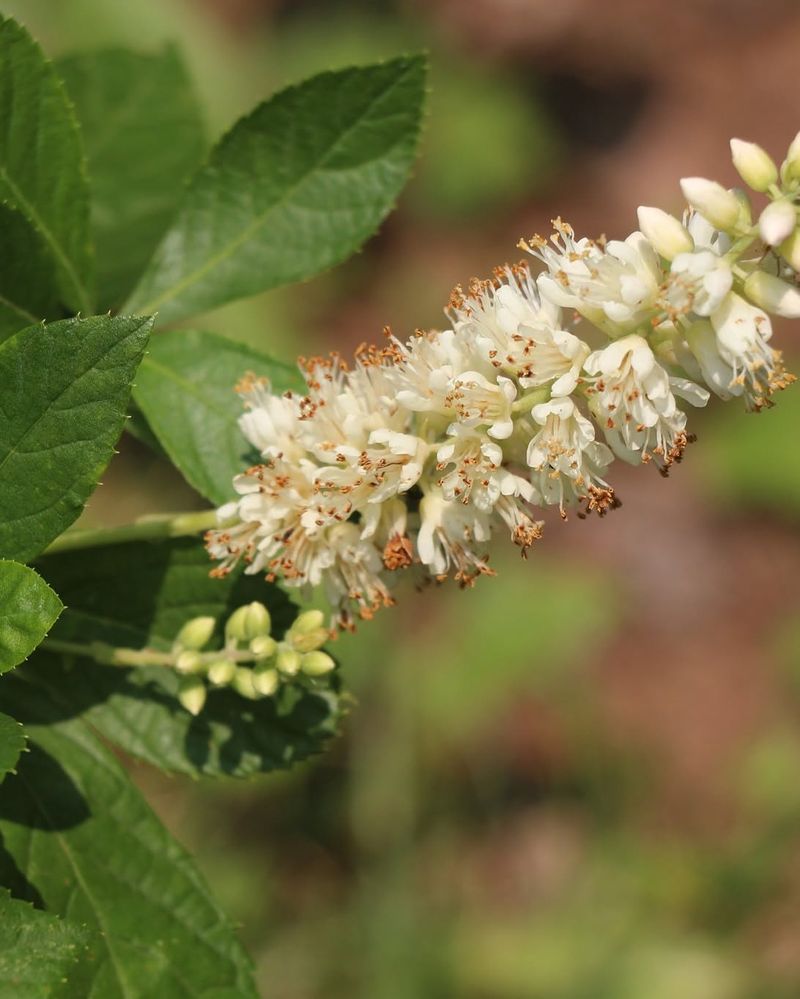
Few native shrubs can match Summersweet when it comes to feeding a broad range of pollinators during the late summer season.
Its flowers produce both high-quality nectar and pollen, which means it supports a much wider group of insects than nectar-only plants can.
Bees especially appreciate this combination because pollen is essential protein for raising healthy larvae back in the nest.
Butterflies flock to Summersweet blooms just as enthusiastically as they visit Butterfly Bush, and the fragrance seems to draw them in from a distance.
Swallowtails, skippers, fritillaries, and many other North Carolina butterfly species visit regularly throughout the bloom period.
Hummingbirds also seek out Summersweet flowers, making it a rare shrub that genuinely serves multiple types of wildlife at once.
What makes Summersweet especially valuable in a North Carolina pollinator garden is its bloom timing.
Most flowering shrubs wrap up their show by midsummer, leaving a gap in available resources right when many pollinators are still active and preparing for fall.
Summersweet blooms from July into September, filling that gap with a steady supply of nectar and pollen when the garden needs it most.
Shady gardens often struggle to support pollinators because many flowering plants need full sun to bloom well. Summersweet handles partial shade beautifully and still produces abundant flowers even in lower light conditions.
That makes it one of the most useful native shrubs for North Carolina gardeners working with wooded lots, north-facing borders, or spots under tall trees where other pollinator plants might struggle to perform.
7. Summersweet Also Supports Birds After Blooming
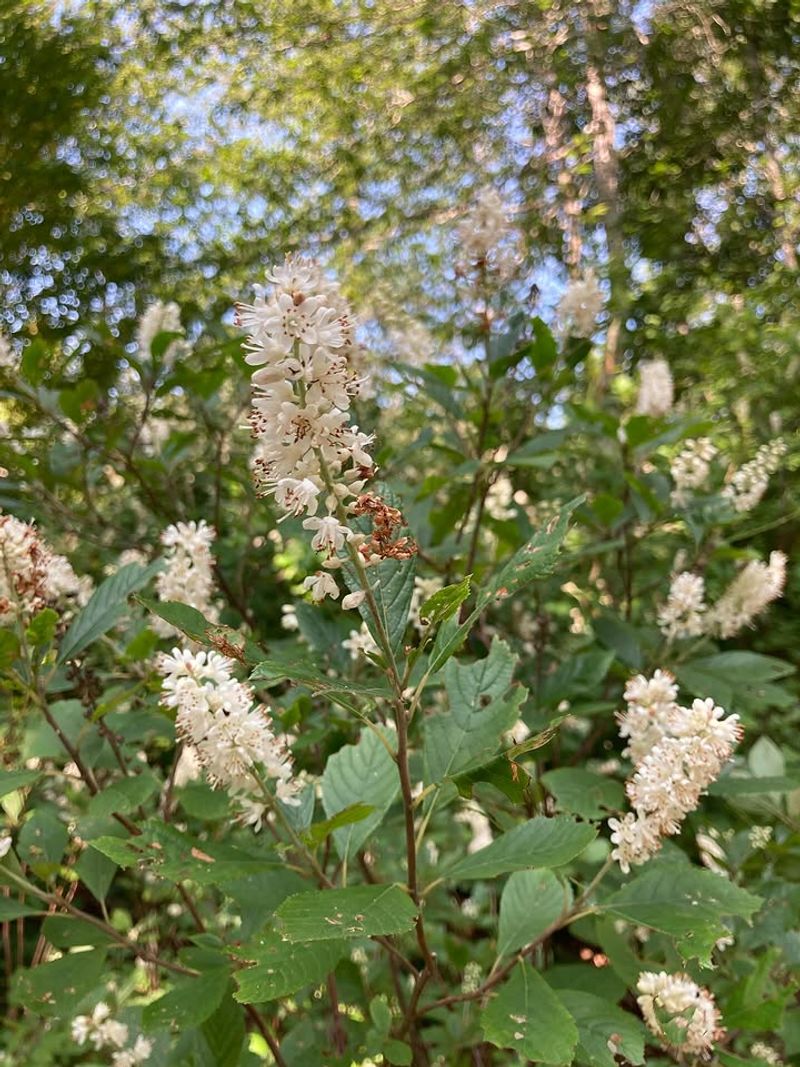
Most gardeners fall in love with Summersweet during its summer bloom, but the plant keeps giving long after the last flower fades.
Once the fragrant spikes finish blooming, the shrub produces clusters of small seed capsules that persist on the branches well into fall and winter.
Those seed capsules are a food source for birds searching for nutrition during the colder months.
Songbirds including chickadees, finches, and wrens have been observed foraging on Summersweet seed capsules during fall and winter in eastern North America.
For a North Carolina garden, that means Summersweet contributes to bird feeding season without requiring a single bag of store-bought seed. The plant essentially becomes a living bird feeder once summer ends.
This kind of multi-season value is what separates a truly great garden plant from one that only shines for a few weeks. Butterfly Bush, by comparison, offers very little wildlife value once its bloom window closes.
The spent panicles do not provide meaningful bird food, and the plant does not contribute shelter, texture, or resources to the winter garden in any significant way.
Summersweet also develops attractive fall foliage in shades of yellow and gold, adding visual interest to the garden even after the flowers are gone.
The combination of summer fragrance, late bloom support for pollinators, fall color, and winter bird food makes it one of the most well-rounded native shrubs available to North Carolina gardeners.
Planting it means the garden stays alive and purposeful across every season, not just during peak bloom.
8. Summersweet Fits Moist North Carolina Garden Spots Beautifully
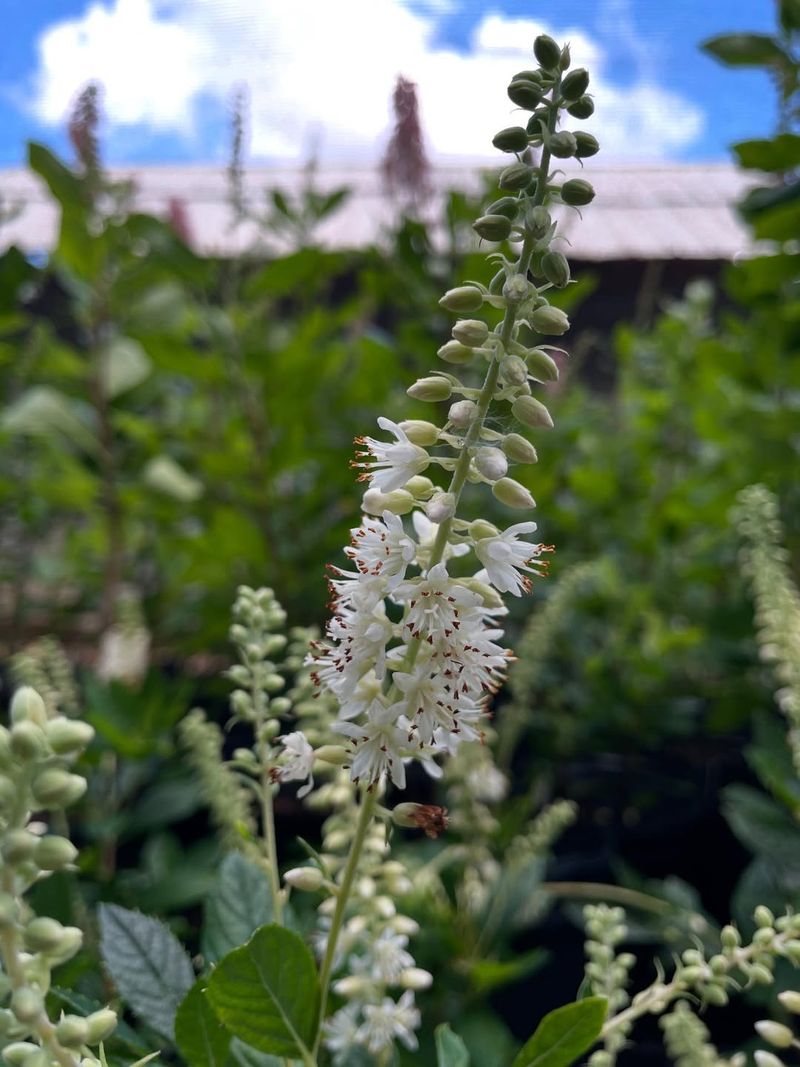
Every garden has that one tricky spot, the low corner that stays wet after rain, the shaded border along the fence, the damp area near a downspout that nothing seems to thrive in. Summersweet was practically designed for those challenging locations.
It naturally grows along stream banks, bog edges, and moist woodland margins throughout eastern North America, which means it is completely at home in the wet, shady spots that frustrate so many gardeners.
Summersweet prefers moist, acidic soil with good organic matter, which describes a large portion of North Carolina’s native soil conditions perfectly.
It grows well in full sun to partial shade, though it performs especially beautifully in dappled light under tall trees.
Hot, dry, and compacted sites are the only conditions it genuinely dislikes, so matching it to the right spot makes all the difference.
Rain gardens are one of the best places to use Summersweet in a North Carolina landscape. Its tolerance for periodic flooding combined with its pollinator value makes it an ideal choice for those functional garden features.
It also works wonderfully along woodland edges, in native shrub groupings, in moist pollinator borders, and as a fragrant backdrop plant near seating areas where its scent can be fully appreciated.
Unlike Butterfly Bush, which can seed into natural areas and become a management problem, Summersweet spreads slowly and politely through root suckers that are easy to manage.
It builds a full, natural-looking clump over time without ever becoming a nuisance. For North Carolina gardeners ready to make a smarter choice, Summersweet is the native shrub that checks every single box.