The One Thing You Must Do To North Carolina Smooth Hydrangeas Before The Summer Heat Peaks
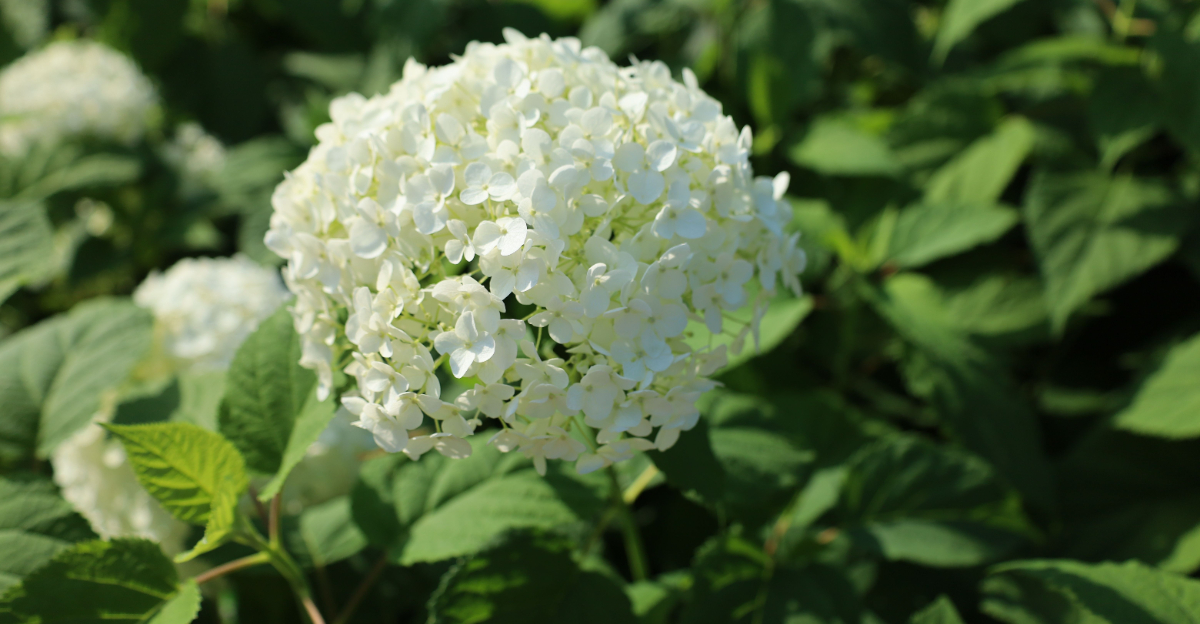
Smooth hydrangeas, the kind producing those big round white blooms that turn gardens into something out of a painting, are tougher than they look.
They handle North Carolina summers reasonably well and come back reliably year after year without much fuss.
But there is one task that a surprising number of gardeners either skip entirely or do at the wrong time, and it shows up clearly in how the plant performs through the hottest weeks of the season.
The timing is specific to where smooth hydrangeas are in their growth cycle right now.
Acting before the heat peaks rather than after makes a measurable difference in bloom quality, stem strength, and how well the plant holds up when temperatures really start climbing.
It is a small investment of time with results that are visible for the entire remainder of summer.
1. Keep Soil Moisture Consistent Before Peak Heat
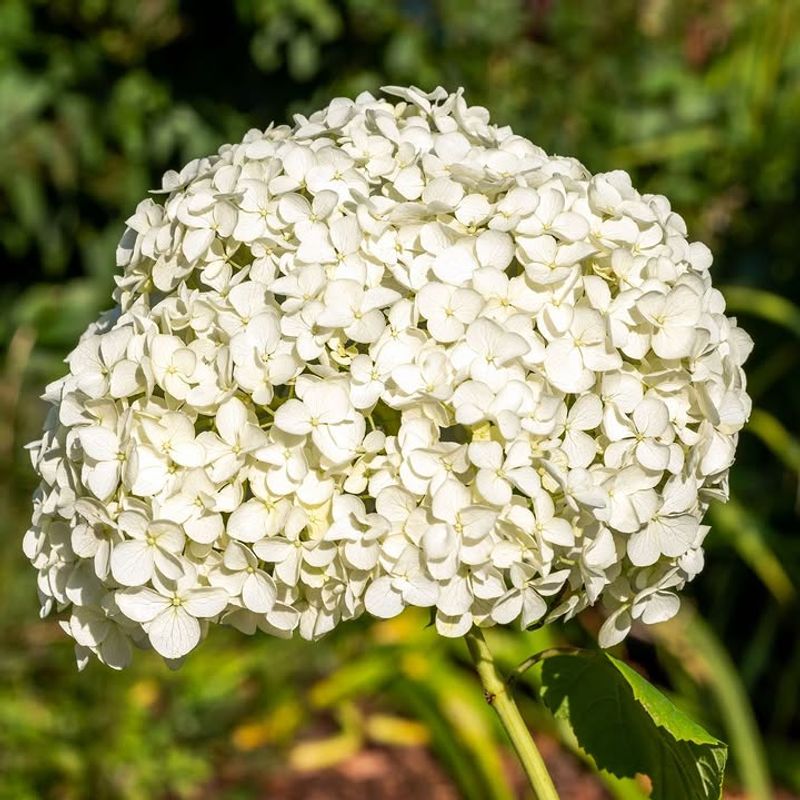
Smooth hydrangeas are thirsty plants, and nothing sets them up for summer success quite like steady, consistent soil moisture heading into July.
When the soil swings between soaking wet and bone dry, plants respond with wilted leaves, smaller blooms, and weaker stems that struggle to stand upright.
June is the window where you can really make a difference before the heat fully takes hold.
Consistent moisture means watering on a regular schedule rather than waiting until the plant looks stressed. By the time your hydrangea starts drooping dramatically, it has already spent a lot of energy trying to recover.
Getting ahead of that cycle is one of the smartest things a North Carolina gardener can do.
Bloom size is directly tied to water availability during the weeks before and during flowering. Plants that receive steady moisture tend to produce fuller, rounder flower heads with stronger stems that hold up better during summer rainstorms.
Foliage also stays cleaner and greener when moisture stress is kept low. Think of June watering as an investment.
The work you put in now pays off when August arrives and your neighbors are watching their hydrangeas struggle while yours are still going strong. Stable soil moisture is the foundation everything else builds on.
2. Why Smooth Hydrangeas Need More Water Than Gardeners Expect
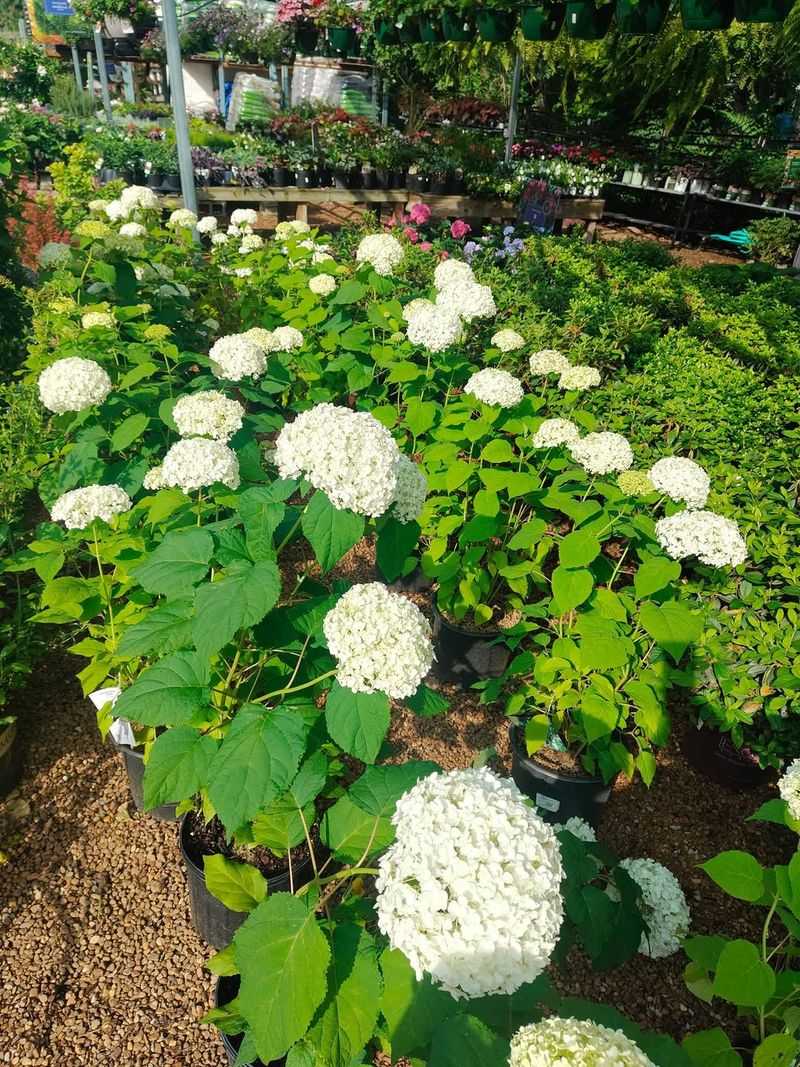
Annabelle and Incrediball hydrangeas are beloved for their enormous flower heads, but those big blooms come with a big thirst.
Most gardeners are surprised to learn just how much water these plants pull from the soil, especially during hot, humid North Carolina summers.
Their large leaves act almost like solar panels, soaking up heat and losing moisture to the air at a rapid pace.
Smooth hydrangeas also have relatively shallow root systems compared to larger shrubs and trees. That means they cannot dig deep into the soil to find moisture reserves during dry spells.
When surface soil dries out quickly in the summer heat, these plants feel it fast, and they show it with drooping leaves and stems.
Afternoon wilt is something a lot of gardeners panic about, but it is worth knowing the difference between temporary and serious stress.
Your North Carolina Garden Changes Every Week. Your Plan Should Too.
Gardening in North Carolina changes quickly throughout the season. Every Friday you’ll receive a simple weekly plan showing exactly what to plant, prune, fertilize, harvest, and protect so you never miss the right timing.
A plant that wilts slightly around two or three in the afternoon but bounces back by evening is likely just responding to peak heat.
A plant that stays limp overnight or through the morning is genuinely struggling and needs more consistent watering.
Checking the soil an inch or two below the surface is a much more reliable guide than watching the leaves alone. If the soil feels dry at that depth, your hydrangea is ready for water right now, not tomorrow.
3. Deep Watering Works Better Than Daily Sprinkling
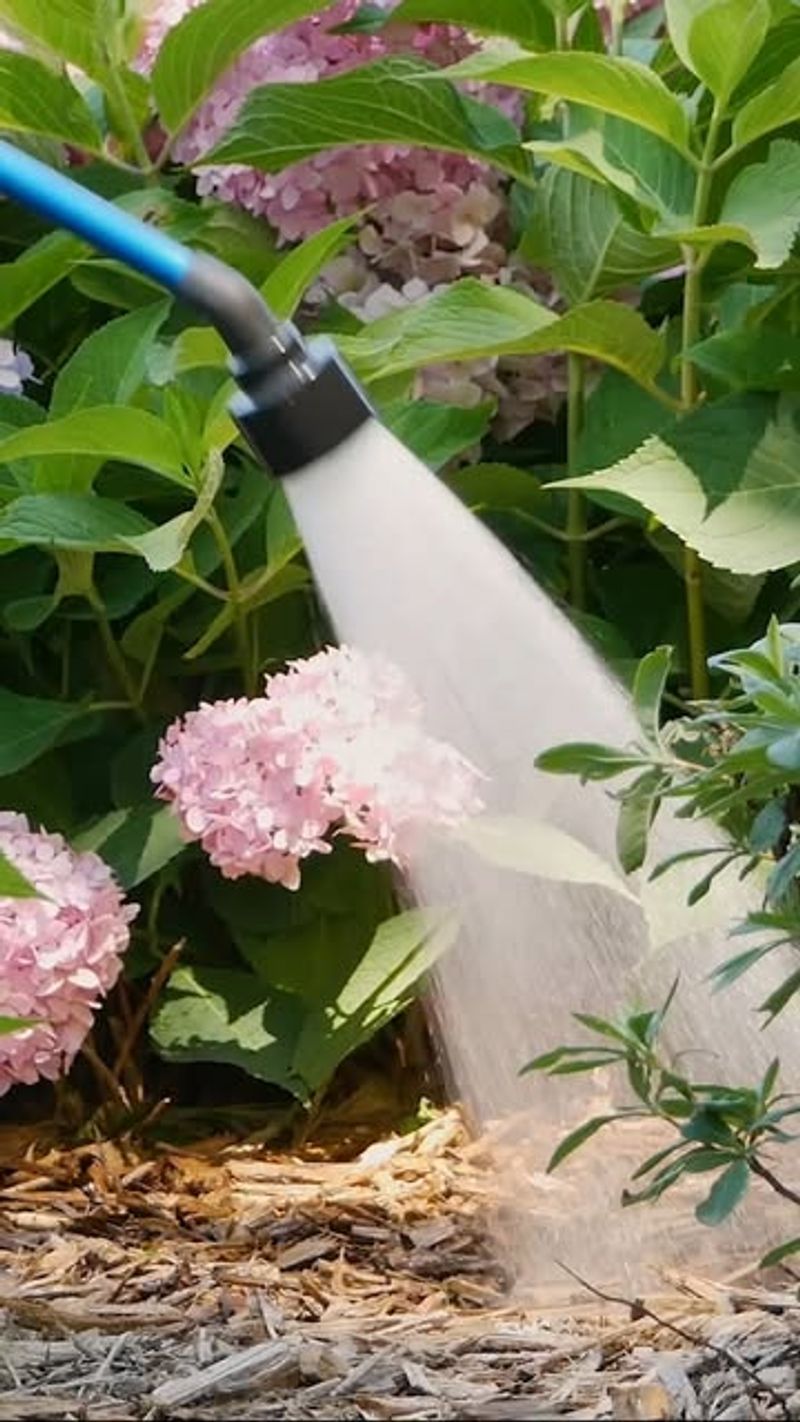
Watering a little bit every day might feel like you are being attentive, but shallow watering actually trains roots to stay near the surface where they are most vulnerable to heat.
Deep watering, where moisture soaks several inches down into the soil, encourages roots to grow downward and find more stable, cooler ground.
That deeper root system is what helps smooth hydrangeas survive North Carolina summers without constant stress.
Clay soil, which is common across much of North Carolina, holds moisture well but can become compacted and slow to absorb water. Watering slowly and deeply, letting the water soak in rather than run off, is the right approach here.
Sandy soils on the other hand drain quickly, so more frequent deep watering sessions may be needed to keep moisture available to the roots.
Newly planted smooth hydrangeas need extra attention because their root systems have not had time to spread out and establish. Even if the surrounding soil seems moist, the root ball itself can dry out faster than you expect.
Watering directly at the base of the plant for the first full season is a smart habit.
A slow soaker hose or drip line placed around the root zone is one of the most efficient tools you can use. It delivers moisture exactly where the plant needs it without wasting water on leaves or open soil between plants.
4. Mulch The Root Zone Before The Soil Overheats
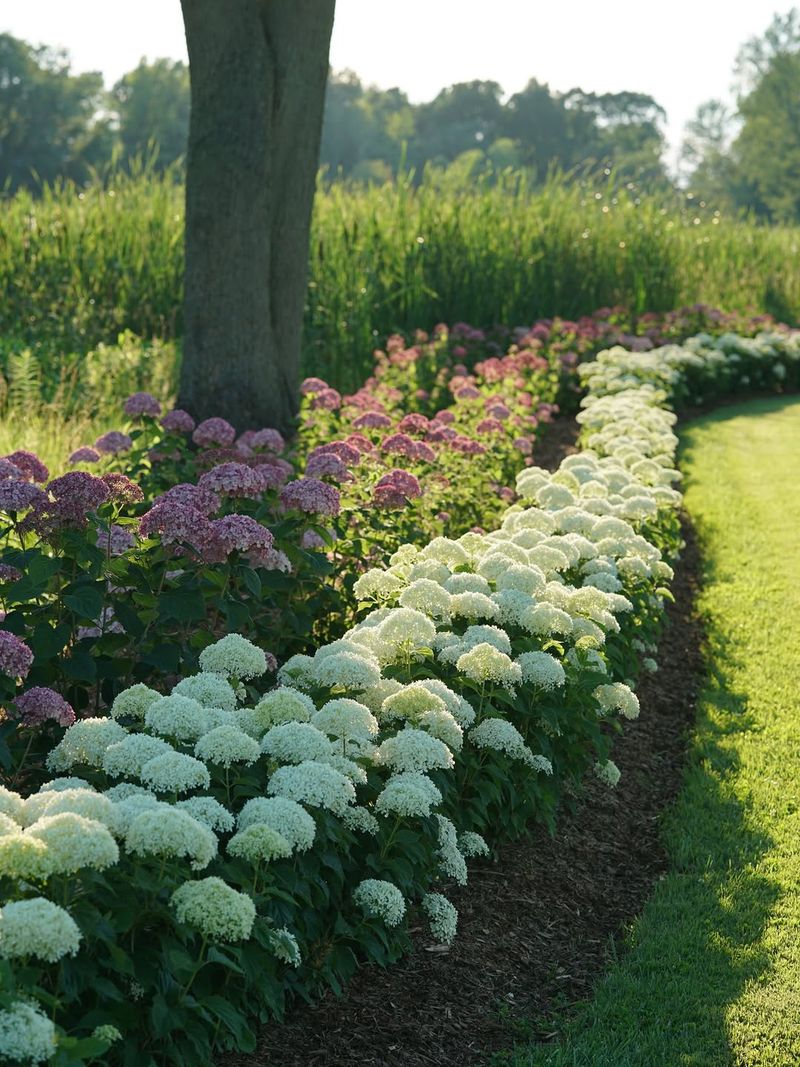
Bare soil heats up fast in a North Carolina summer, and that heat travels straight down to the roots of your smooth hydrangeas.
A two to three inch layer of organic mulch over the root zone acts like a blanket, keeping soil temperatures cooler and holding onto moisture far longer between waterings.
It is one of the simplest upgrades you can make to your garden before summer hits full stride.
Pine straw is a classic choice in North Carolina and works beautifully around hydrangeas. Shredded bark, leaf mulch, and composted wood chips are also excellent options that break down over time and add organic matter back into the soil.
Each of these materials does a great job of slowing evaporation and keeping weed competition down so your plants are not fighting for resources.
One important detail that catches some gardeners off guard is mulch placement. Piling mulch directly against the stems of your hydrangeas can trap moisture against the wood and invite rot or fungal problems.
Always leave a small gap of a few inches around the base of each stem so air can circulate freely.
Applying mulch in late May or early June, before the really intense heat arrives, gives it time to settle and start doing its job. A well-mulched root zone can make a noticeable difference in how well your smooth hydrangeas handle the weeks ahead.
5. Avoid Hard Pruning In June
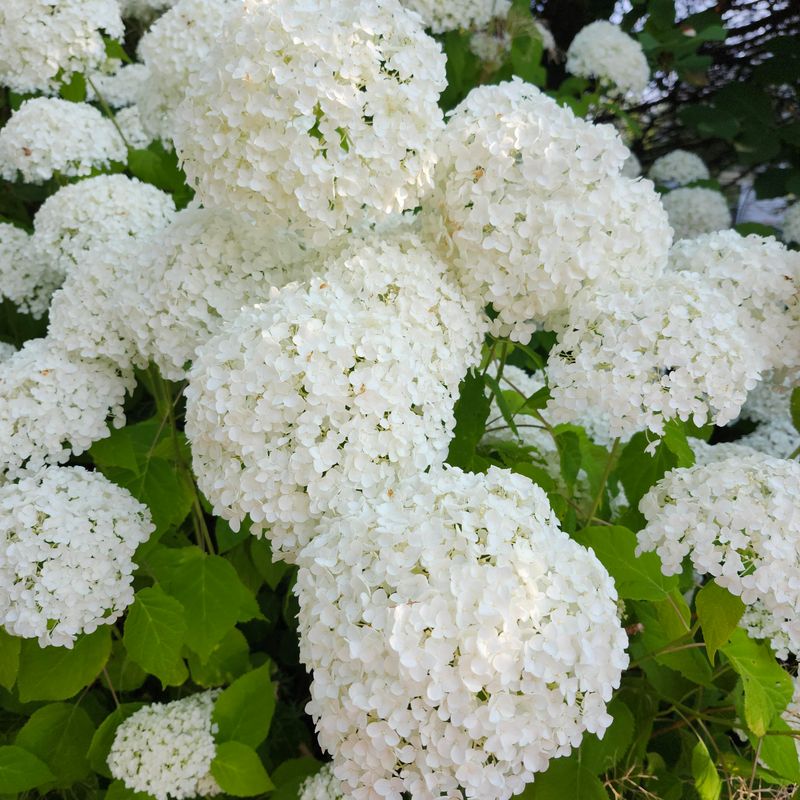
Smooth hydrangeas bloom on new wood, which means the flower buds for this season develop on fresh growth that sprouted in spring. By the time June arrives, many of those buds are already forming and preparing to open.
Hard pruning in June can remove exactly the growth you have been waiting all season to see bloom, setting your display back significantly or wiping it out for the year.
The right time to cut smooth hydrangeas back hard is late winter or very early spring, before new growth begins. That timing allows the plant to put all its energy into fresh, strong stems that carry large flower heads through summer.
Pruning at that stage also helps control the floppy habit that Annabelle and similar varieties are known for.
June is not the time for major cuts, but it is perfectly fine to remove any stems that look clearly damaged, broken, or struggling. Light cleanup does not hurt the plant and can actually improve airflow around the base.
Just be careful not to get carried away and start removing healthy green stems that are carrying buds.
A good rule of thumb is to ask yourself whether each stem you are about to cut has any sign of healthy green growth or buds. If it does, leave it alone and let it do its job.
Patience in June pays off in spectacular blooms just a few weeks later.
6. Support Heavy Blooms Before Summer Storms
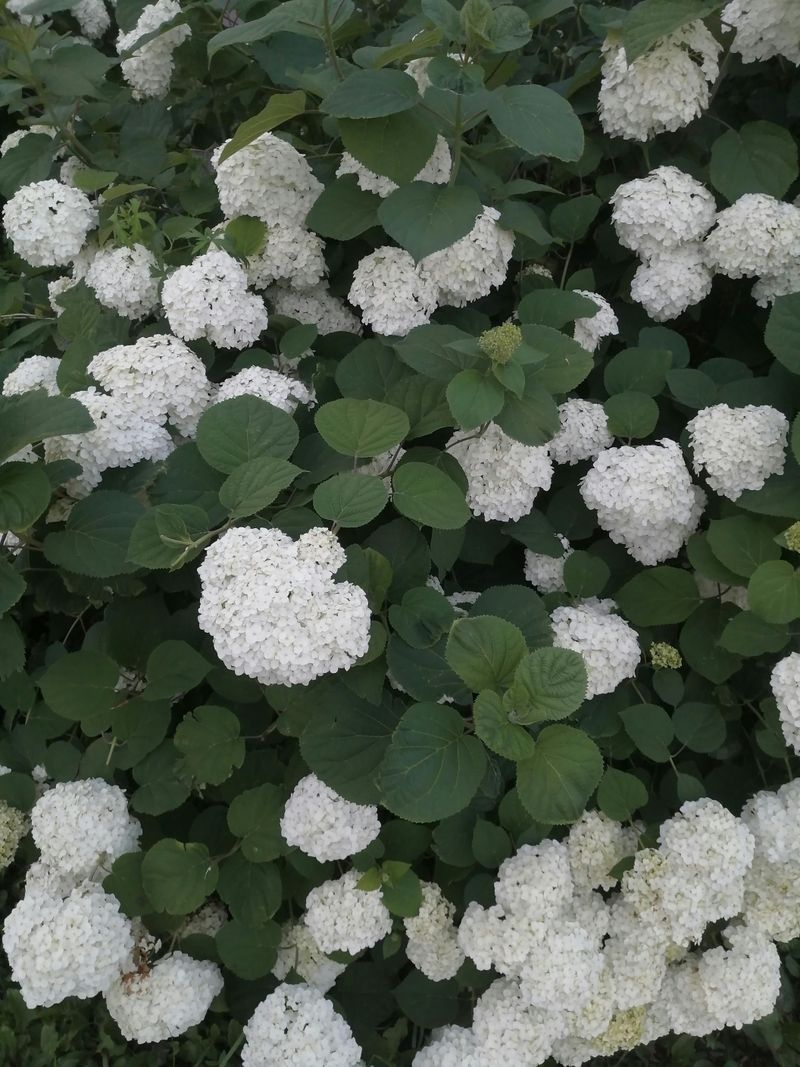
Anyone who has grown Annabelle hydrangeas knows the scene all too well: a gorgeous, full plant with enormous white blooms that suddenly flattens to the ground after one strong summer rainstorm.
The flower heads on smooth hydrangeas can get incredibly heavy, especially after rain soaks into them, and the stems simply were not built to hold that weight upright without a little help.
Getting support in place before the blooms fully open is the key move here. Once the stems are flopped over and the flower heads are dragging on the ground, it is much harder to fix without damaging the plant.
Grow-through rings are one of the most effective and least visible options, allowing stems to grow up through the support naturally so the whole plant looks tidy and upright.
Discreet stakes with soft garden ties work well too, especially for individual stems that are particularly heavy.
Surrounding companion plants that are sturdy and upright can also provide natural support, helping to hold hydrangea stems in place without any hardware at all.
Dense ornamental grasses or robust perennials planted nearby can quietly do a lot of the work.
Supporting your smooth hydrangeas in early to mid June, before North Carolina storm season gets serious, saves you from watching a beautiful display collapse just when it reaches its peak. A few minutes of setup now protects weeks of blooming to come.
7. Give Morning Sun And Afternoon Shade Where Possible
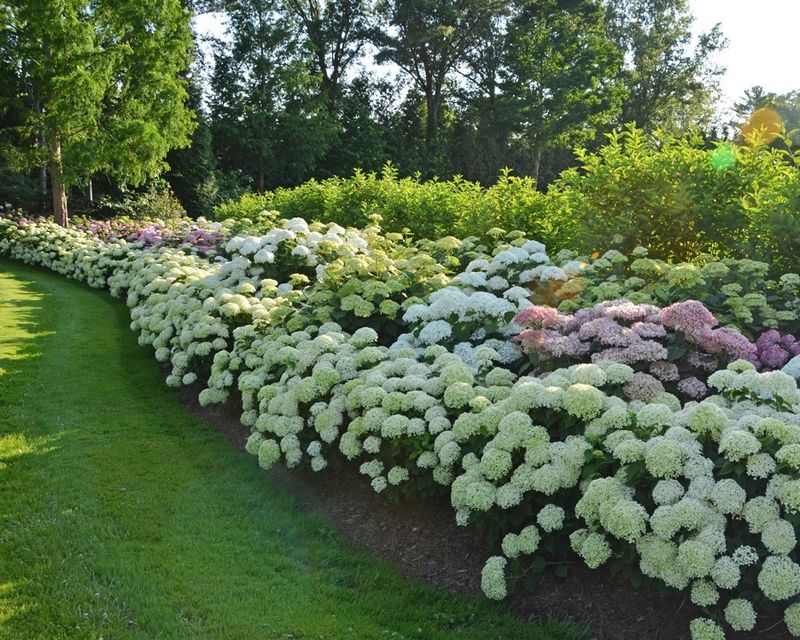
Smooth hydrangeas are tougher than many other hydrangea types, but they still have a sweet spot when it comes to light.
Morning sun gives them the energy they need to produce strong stems and full flower heads, while afternoon shade protects them from the most intense heat of the day.
In North Carolina, where summer afternoons can push temperatures well above ninety degrees, that shade can make a real difference.
A plant getting too much hot afternoon sun will often tell you in a few clear ways. Leaf edges may start to look scorched or crispy, almost like someone held a flame near them.
Repeated severe wilting that does not recover well by morning is another sign that the plant is struggling with excessive heat exposure rather than just temporary afternoon stress.
Bloom life also suffers when plants bake in full afternoon sun. Flowers that might last several weeks in a shadier spot can fade or turn brown much faster when exposed to intense heat day after day.
Moving a plant is not always practical, but even adding a temporary shade cloth during the hottest weeks can extend bloom quality noticeably.
If you are planting new smooth hydrangeas this season, pay close attention to where afternoon shadows fall in your yard.
Positioning them on the east side of a building, fence, or larger shrub is one of the easiest ways to give them the light balance they need to truly thrive.
8. Avoid Heavy Fertilizer Before Peak Heat
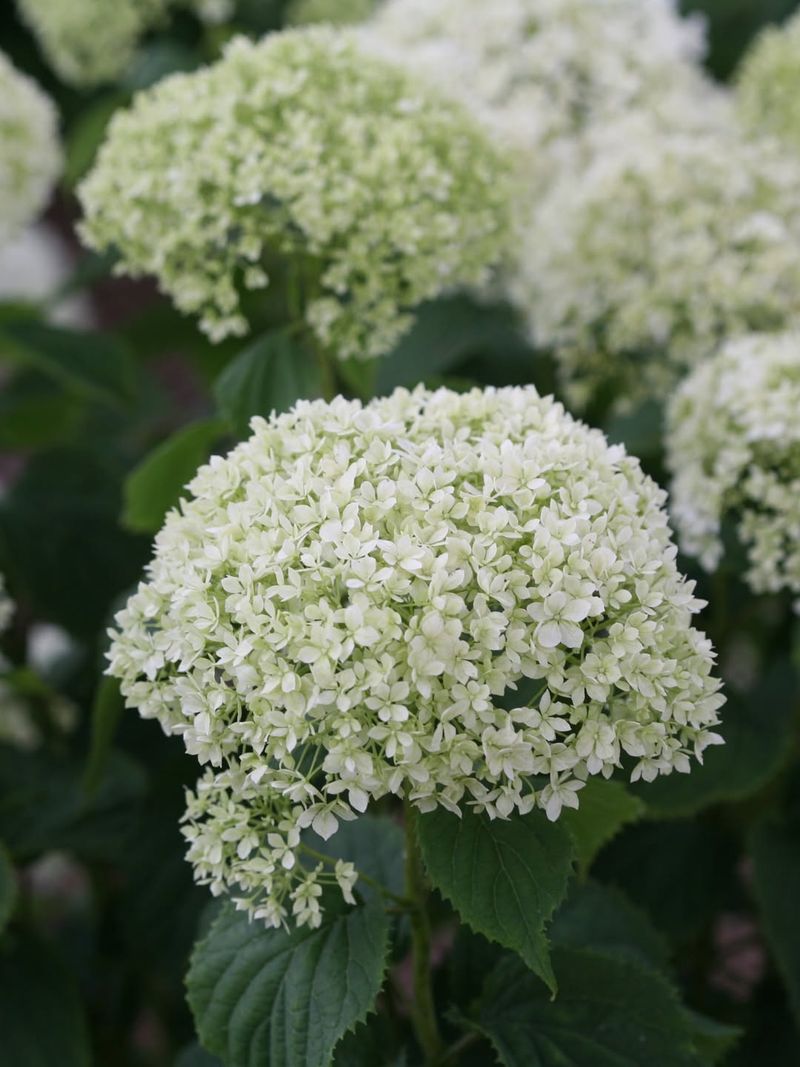
Fertilizer feels like a helpful thing to add when you want your plants to perform their best, but timing matters enormously with smooth hydrangeas heading into summer.
Heavy fertilizing in June pushes the plant to produce a flush of soft, tender new growth right before the most stressful time of year.
That soft growth is much more vulnerable to heat stress, wilting, and pest damage than growth that has had time to harden off properly.
A light application of a balanced, slow-release fertilizer in early spring is typically the most beneficial approach. By the time June arrives, the plant has already used that nutrition to build strong stems and healthy foliage.
Adding more fertilizer at that point is unlikely to improve your summer display and could actually create problems.
Soil testing is genuinely useful here and something many North Carolina gardeners overlook. Your local cooperative extension office can help you test your soil and find out exactly what nutrients are already present.
You might discover your soil is already well-stocked and that your hydrangeas need nothing more than good moisture management to perform beautifully.
Once the heat of summer arrives, water becomes far more important than fertilizer for smooth hydrangeas. A well-watered, mulched plant with average soil nutrition will almost always outperform an over-fertilized plant in dry, hot conditions.
Keep it simple and focus on what the plant actually needs most.
9. Watch For Early Leaf Stress And Disease
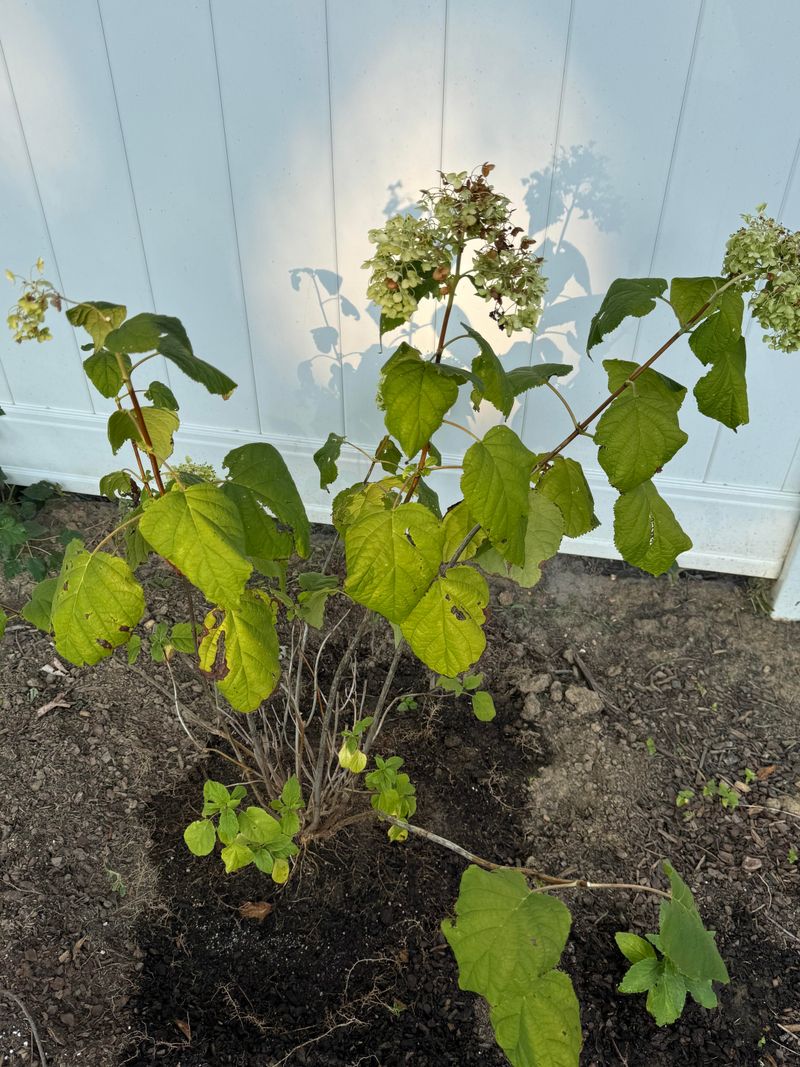
North Carolina summers bring heat and humidity together in a combination that fungal diseases absolutely love.
Smooth hydrangeas under moisture stress or growing in crowded conditions are especially prone to leaf spots, powdery mildew, and general foliage decline once the warm, sticky weather settles in.
Catching problems early gives you the best chance of keeping your plant healthy through the whole season.
Start by checking the undersides of leaves as well as the tops, since many early fungal issues show up first where air circulation is poorest.
Small brown or tan spots with yellow halos, a dusty white coating on leaf surfaces, or leaves that look waterlogged and soft are all signs worth paying attention to. The sooner you spot these issues, the easier they are to manage.
Watering at the soil level rather than overhead is one of the most effective habits you can build. Wet foliage that stays damp overnight is an open invitation for fungal problems, especially during humid North Carolina summers.
If you water in the evening, aim for the root zone only and avoid splashing water onto leaves.
Removing badly affected leaves and improving airflow by thinning any crossing or crowded stems can slow the spread of disease significantly. You do not need to strip the plant bare, just remove the worst-affected foliage and give the remaining leaves room to breathe.
Staying observant through June and July makes a big difference in overall plant health by August.
10. Know What A Healthy Smooth Hydrangea Looks Like By August
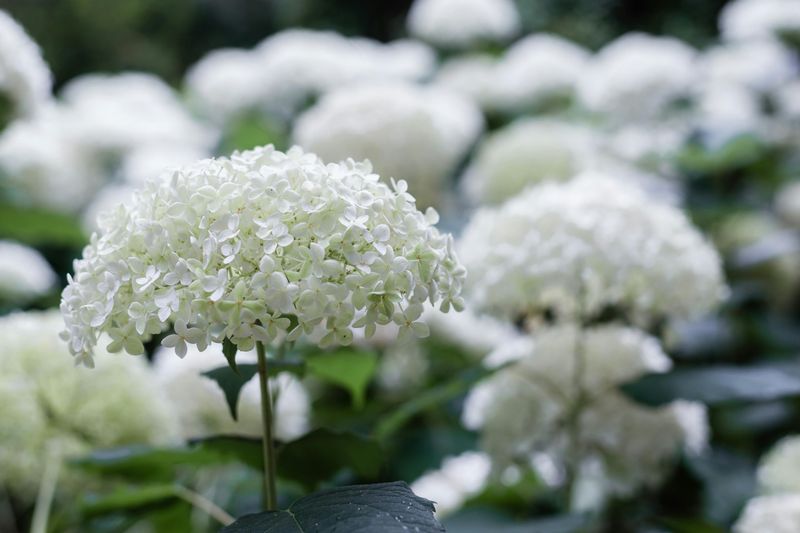
By August, even a well-cared-for smooth hydrangea in North Carolina is going to show some signs of summer wear. That is completely normal and nothing to worry about.
Knowing what healthy summer performance actually looks like helps you tell the difference between a plant that is doing well and one that genuinely needs intervention.
A healthy, well-watered, and mulched smooth hydrangea may still wilt slightly during the hottest part of a summer afternoon. That temporary wilting is the plant conserving moisture during peak heat, and it should recover fully by evening or the following morning.
If your plant is bouncing back overnight and the foliage looks clean and green in the morning, you are in good shape.
Bloom quality is one of the clearest indicators of overall plant health. A smooth hydrangea that received consistent moisture, good mulching, and proper support heading into summer should be producing full, rounded flower heads that hold their shape well.
Blooms may start to transition from white to a soft green or parchment tone as summer progresses, which is a natural part of the cycle rather than a problem.
Plants that were left without mulch, watered inconsistently, or never given support often look noticeably different by August, with faded blooms, scorched leaves, and flopped stems.
The care you put in during May and June is written all over your plant by the time August arrives, and the difference is always worth the effort.