The California Landscaping Mistakes That Turn Yards Into Fire Hazards Overnight
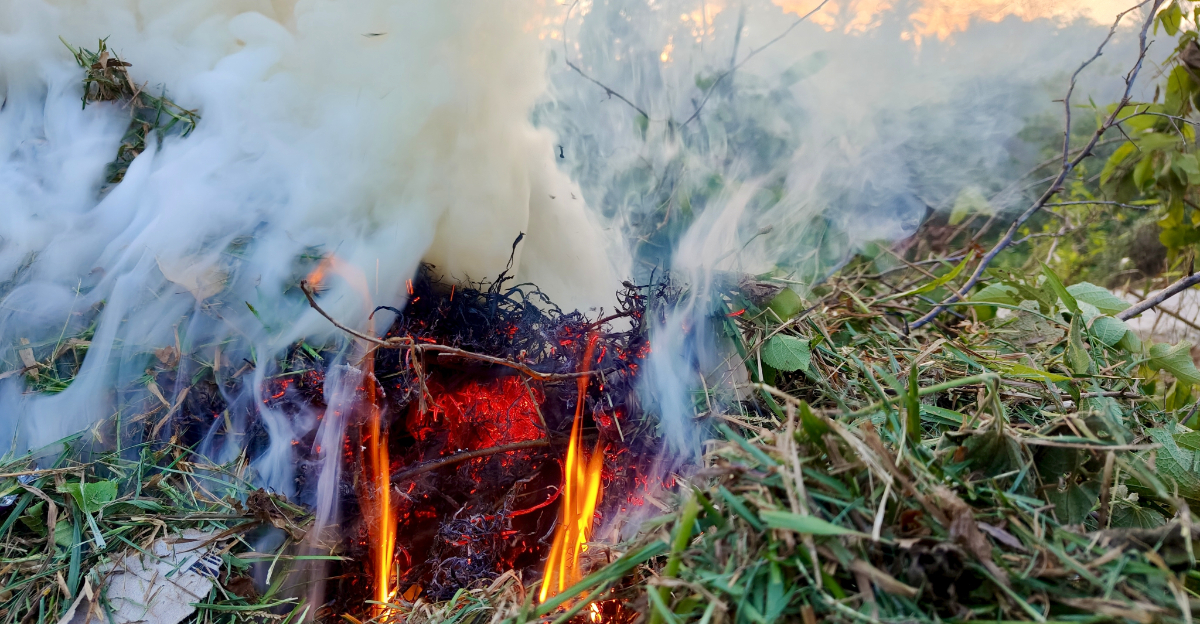
A California yard can look neat one day and become risky fast when fire weather moves in. The problem is not always a huge, obvious mess.
Sometimes it is a row of dry shrubs pressed against the house. Other times it is mulch tucked too close to siding or leaves gathered near a fence.
These little choices can give flames an easier path when wind, heat, and sparks line up. That is what makes fire-safe landscaping so important in summer.
A pretty yard still needs space, cleanup, and smart plant placement. The goal is not to strip everything bare.
It is to remove the easy fuel and break up the path fire could follow. Once you know the habits that create the most risk, your yard becomes easier to protect before the next red flag day.
1. Bark Mulch Against The House Creates Ember Fuel
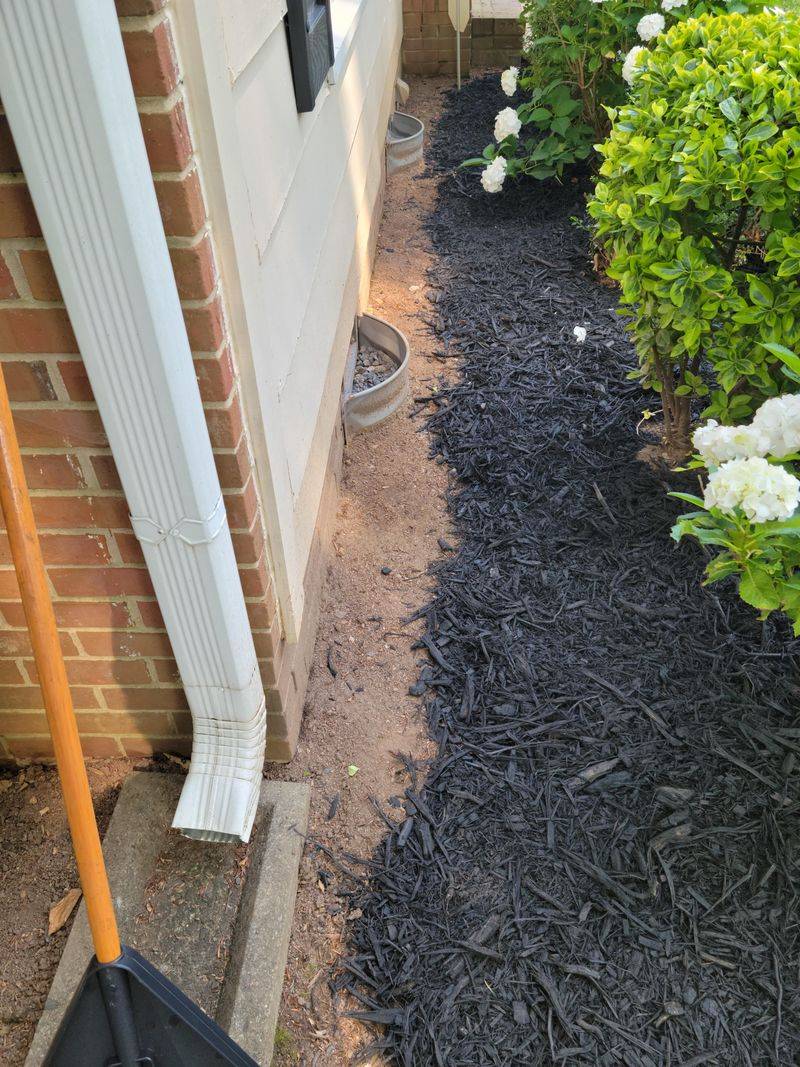
Most homeowners lay bark mulch around their plants to keep moisture in and weeds out. It looks tidy, smells fresh, and seems harmless.
But when that mulch is piled right against your house, it becomes one of the most dangerous fire hazards in your yard.
Bark mulch dries out fast in California’s hot, low-humidity climate. When an ember lands on dry mulch, it can smolder quietly for minutes before bursting into flames.
Once it ignites near your siding, the fire has a direct path into your home’s walls.
Fire researchers have found that mulch fires are one of the leading causes of home ignitions during wildfires. The embers do not need to touch your house directly.
They just need to land on the mulch nearby.
The fix is straightforward. Pull mulch back at least 6 inches from your foundation and exterior walls.
Better yet, replace the first 12 inches closest to the house with gravel, decomposed granite, or another non-combustible material.
Rubber mulch is not a safe swap either. It burns hotter than wood mulch and releases toxic smoke.
Stick with stone-based materials near your structure. Keep organic mulch in garden beds that are farther from the house.
A little rearranging now can prevent a devastating loss later.
2. Dry Leaves In Gutters Put Flames Overhead
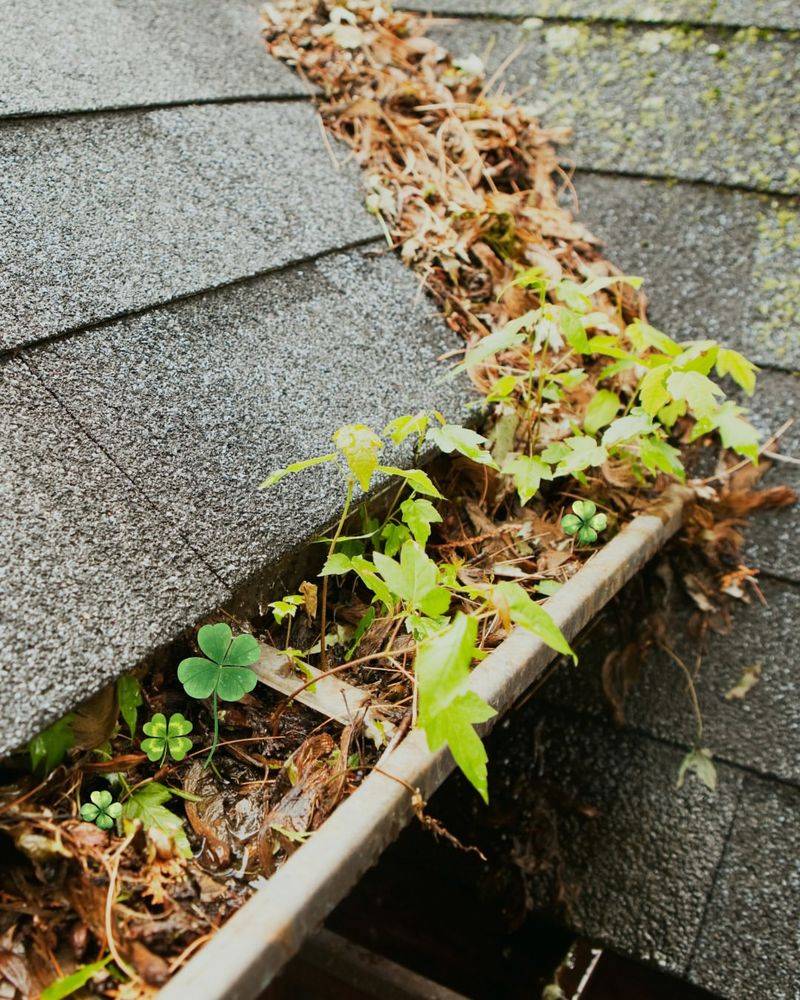
Gutters are easy to forget about. They sit up high, out of sight, and most people only think about them when it rains.
But in California’s dry fire season, clogged gutters packed with withered leaves are a serious overhead hazard.
When a wildfire passes through, it throws embers far ahead of the main flame. Those embers travel on wind and land on rooftops and in gutters.
Dry leaf buildup in gutters ignites quickly and burns long enough to catch the roof deck or fascia board on fire.
Fire officials in our northern regions have documented countless homes lost this way. The fire did not climb the walls.
It started right at the roofline, fed by a season’s worth of neglected leaf buildup.
Cleaning gutters twice a year is the basic recommendation, but in our state, more frequent cleaning makes sense. If your yard has large trees overhead, check gutters monthly during dry months.
Your California Garden Changes Every Week. Your Plan Should Too.
Gardening in California changes quickly throughout the season. Every Friday you’ll receive a simple weekly plan showing exactly what to plant, prune, fertilize, harvest, and protect so you never miss the right timing.
Installing gutter guards can reduce buildup, but they still need occasional inspection.
While you are up there, check for any debris on the roof itself. Leaves, pine needles, and small twigs that collect in roof valleys are just as dangerous as gutter buildup.
A clean roofline gives embers nowhere to land and nothing to ignite. It is one of the simplest defenses you can make.
3. Junipers Under Windows Burn Too Easily
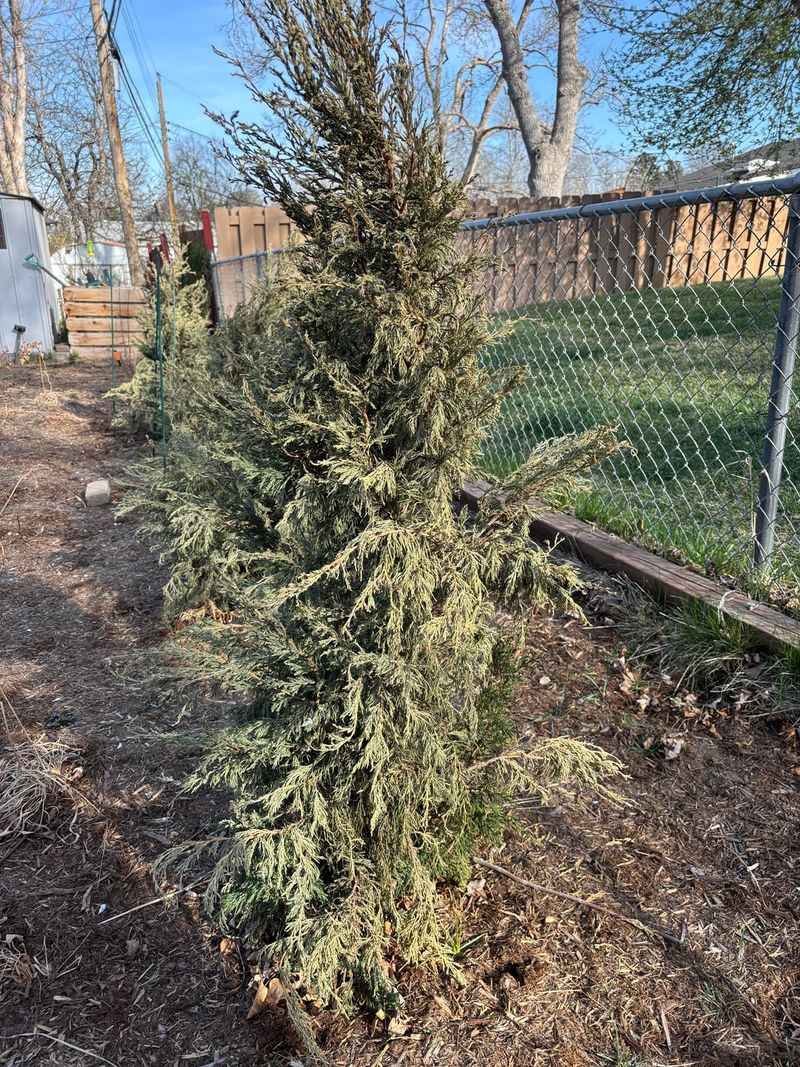
Junipers are one of the most popular landscaping shrubs in California. They are drought-tolerant, low-maintenance, and stay green year-round.
Those qualities make them attractive to homeowners, but they also make them one of the most fire-prone plants you can put near your house.
The oils inside juniper branches are highly flammable. A dry juniper bush can go from an ember to a full flame in seconds.
When one is planted right under a window, that flame has a clear path into your home’s interior.
Fire departments across California have used junipers in burn demonstrations to show homeowners just how fast these shrubs ignite. The results are always shocking.
A mature juniper can be fully engulfed in under 30 seconds under dry conditions.
Replacing junipers near your home does not mean your yard has to look bare. Many fire-resistant plants thrive in our state’s climate.
Lavender, sage, and rockrose are all lower in flammable oils and still look beautiful near a house. They also attract pollinators, which is a bonus.
If removing junipers is not an option right now, keep them heavily pruned to reduce the amount of dry material. Remove damaged interior branches regularly.
And never let them grow tall enough to reach a window ledge. Distance and maintenance are your best tools when working with high-risk plants.
4. Overgrown Shrubs Create A Ladder For Fire
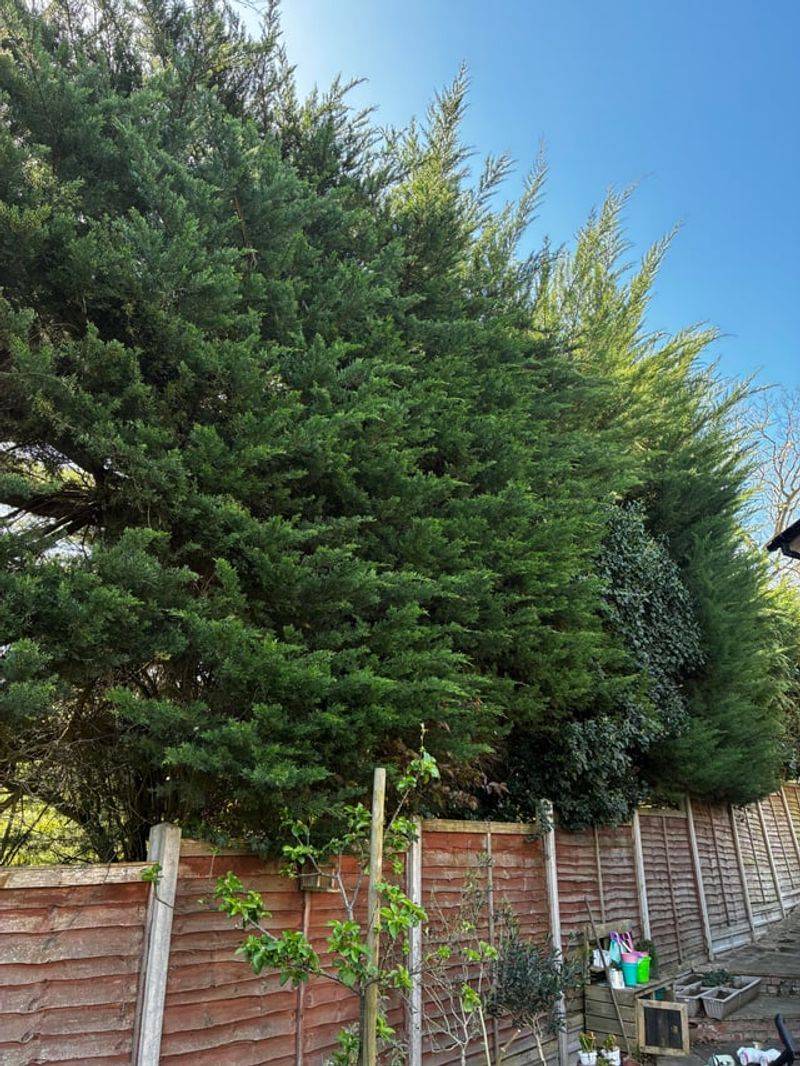
Fire behaves differently depending on how plants are arranged in a yard. When shrubs and trees are stacked closely together, fire does not stay on the ground.
It climbs. Firefighters call this a ladder effect, and overgrown shrubs are one of its main causes.
A ladder fire starts in dry ground-level vegetation and uses overlapping branches to climb higher and higher.
Once it reaches tree canopies, it becomes a crown fire that spreads rapidly and is nearly impossible to stop at the property level.
Overgrown shrubs are especially risky when they have not been trimmed in several seasons. Long, drooping branches sweep the ground and collect dry debris underneath.
That debris acts as kindling, and the branches above act as the ladder rungs.
The solution involves both pruning and spacing. Trim shrubs so their lowest branches are at least 18 inches off the ground.
Remove any withered wood from inside the shrub. Thin out dense clusters so there is visible airflow between plants.
Also think about vertical spacing. The gap between the tops of your shrubs and the lowest branches of nearby trees should be at least 10 feet.
That gap breaks the ladder and keeps a ground-level fire from climbing into the canopy above your roof.
This kind of thoughtful spacing is a core part of what fire professionals call defensible space, and it works.
5. Woodpiles Near Walls Invite Trouble Fast
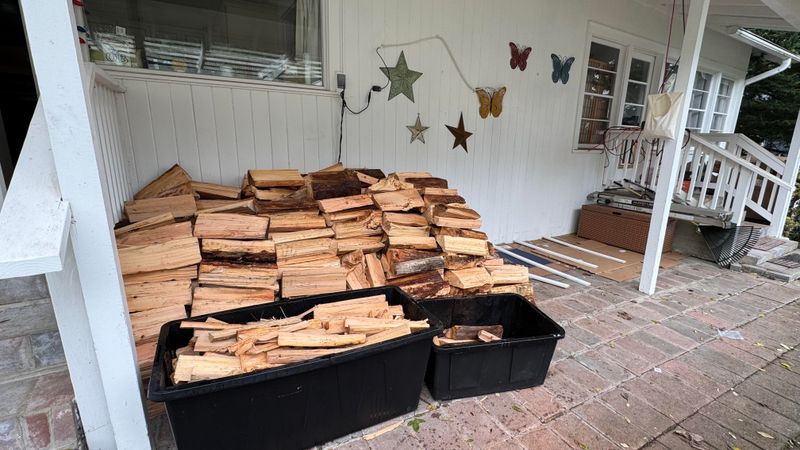
Nothing says cozy like a stacked woodpile ready for the fireplace. But where that woodpile sits can mean the difference between a safe yard and a fire that reaches your home’s structure within minutes of ignition.
Stacked firewood is incredibly easy to ignite. It is dry, dense, and full of air gaps that feed combustion.
When a woodpile is pressed against an exterior wall, it turns into a concentrated heat source right next to your siding, insulation, and framing.
During a wildfire event, embers land on and around woodpiles constantly. A single ember buried in a stack of seasoned wood can smolder for a long time before flames appear.
By then, the wall behind it may already be heating up from the inside.
Moving your woodpile is one of the easiest risk reductions you can make. Store firewood at least 30 feet from your home if space allows.
If your lot is small, aim for at least 10 feet and store the wood on a metal rack elevated off the ground.
Avoid stacking wood under decks or in enclosed spaces against the house. Those spots trap heat and limit your ability to see a smoldering problem before it spreads.
Cover the top of the stack with a metal cover rather than a tarp, which can also ignite. A small change in location makes a big difference in risk.
6. Planter Boxes Can Carry Fire To Siding

Planter boxes add charm to porches, decks, and window ledges. Filled with colorful flowers or herbs, they make a home feel welcoming.
But when those boxes are made of wood and filled with dry plant material, they become small fire packages attached directly to your house.
Wood planter boxes absorb heat quickly and ignite at relatively low temperatures. During a wildfire, the combination of a wooden box, dry soil, and wilting plant material creates a concentrated fuel source right at siding level.
That is exactly where you do not want fire to start. Even plastic planter boxes carry risk. Many plastics melt and release flammable gases before they fully combust.
If the box is sitting on a wood deck or mounted to wood siding, the melting plastic can transfer heat directly to those surfaces.
Switching to metal or ceramic planters is a simple upgrade with real safety benefits. These materials do not ignite and do not melt onto your siding.
Keep them filled with low-water, fire-resistant plants rather than dried-out annuals that turn to tinder in late summer.
Also consider location. Planters mounted directly on siding are riskier than those sitting on the ground several feet away from the structure.
If you love porch planters, keep them watered, deadhead spent blooms regularly, and remove any dry debris from the soil surface. Small habits protect big investments.
7. Withered Grass Turns Driveways Into Fuse Lines
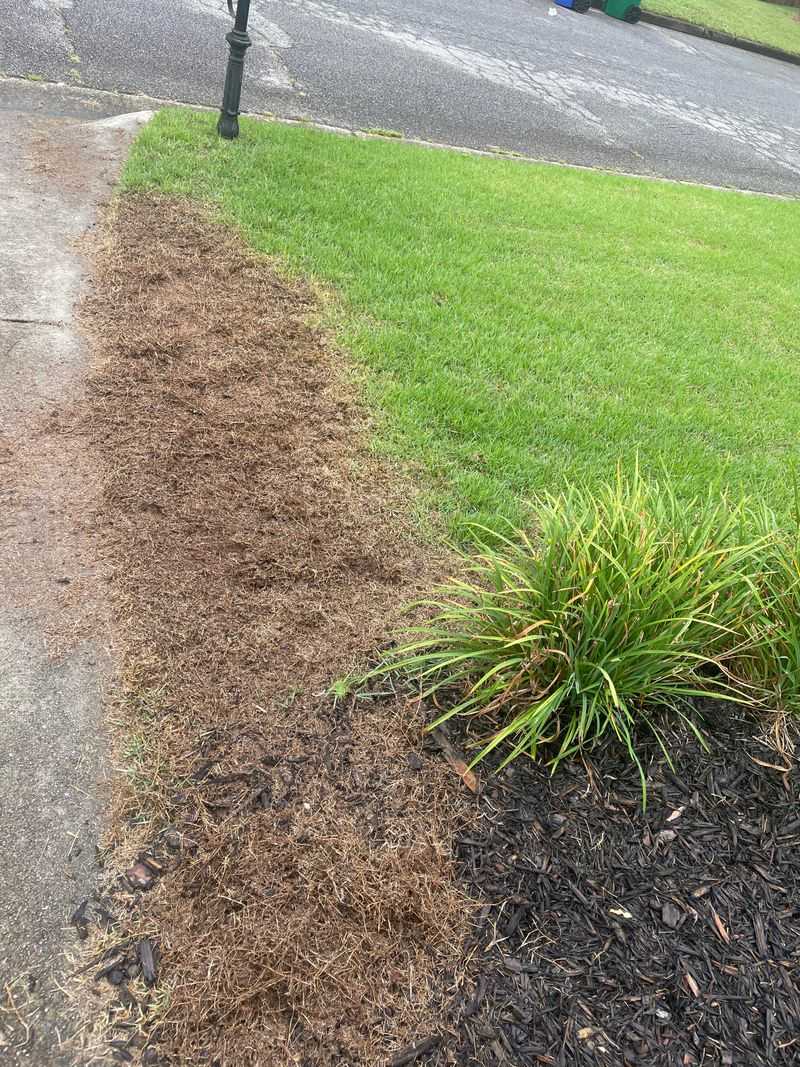
By late summer in California, lawns that were green in spring turn golden brown and bone dry. Most homeowners accept this as a normal part of the season.
But that strip of withered grass along your driveway is not just an eyesore. It is a fuse line that can carry fire directly to your home.
Dry grass ignites faster than almost any other common yard material. A single ember, a spark from a passing vehicle, or even a hot exhaust pipe can set a dry grass strip on fire.
Once burning, it spreads in the direction of the wind at surprising speed.
Driveways create a false sense of separation. Homeowners assume the concrete will stop a fire from crossing.
But fire does not need to cross the driveway. It follows the grass alongside it, right up to the garage door or the side of the house.
Keeping grass along driveways short and watered reduces this risk significantly. If watering is restricted in your area, consider replacing grass strips with gravel, decomposed granite, or low-water ground covers that stay green longer into the season.
Another option is to create a mowed buffer zone where grass is kept at 4 inches or shorter throughout fire season.
Short, dry grass still carries some risk, but it burns with far less intensity than tall, dense, dry grass. Managing these edges is a habit that pays off every fire season.
8. Tree Limbs Over The Roof Raise The Risk
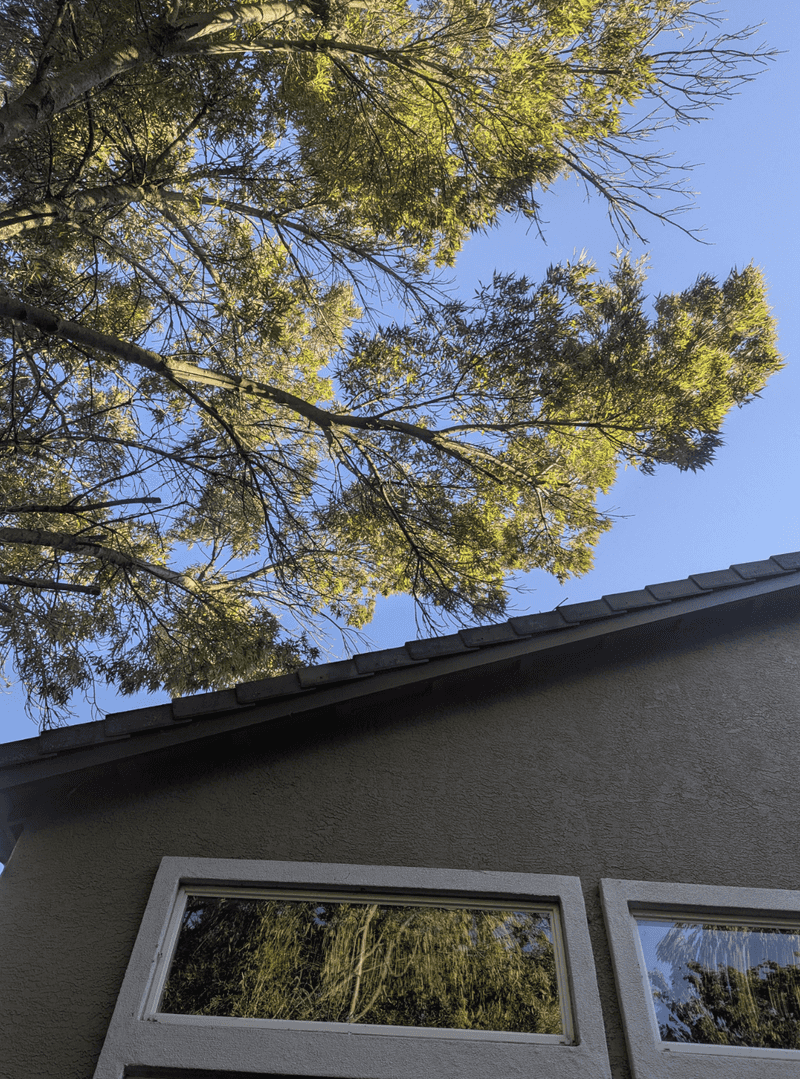
A big shady tree over the roof feels like a luxury on a hot day. It cuts cooling costs, blocks harsh afternoon sun, and adds serious curb appeal.
But those same branches create a direct pathway for fire to move from the tree canopy onto your roof.
When a wildfire moves through an area, trees often ignite from the top down. Burning branches break off and fall.
If those branches are hanging over your roof, they land on your shingles and can ignite the roof deck quickly, especially if there is any debris buildup in the roof valleys below.
Beyond falling branches, overhanging limbs also drop leaves, pine needles, and small twigs onto the roof throughout the year. That material collects in corners and valleys, building up into a layer of dry fuel that sits just above your home’s structure.
The standard recommendation from fire agencies in California is to keep tree branches trimmed back at least 10 feet from the roofline.
This clearance prevents direct branch contact and reduces the amount of debris falling onto the roof surface.
Hire a certified arborist for large trees near the house. Improper cutting can stress a tree or create unbalanced weight that causes future problems.
A professional will know how to trim for both safety and tree health. Done right, this single step dramatically lowers your roof’s vulnerability during fire season.
9. Wood Fences Can Lead Fire Straight Home
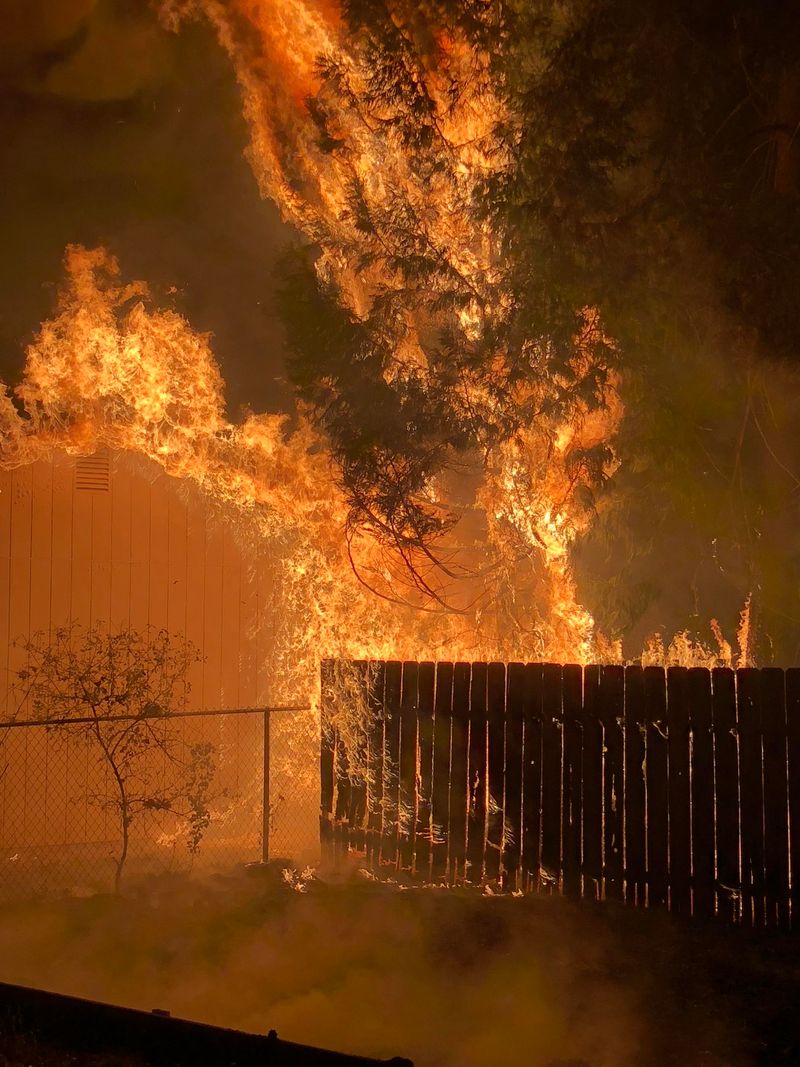
Wood fences are everywhere in California neighborhoods, and for good reason. They offer privacy, define property lines, and add structure to a yard.
But a wood fence connected directly to your house is one of the most underestimated fire risks in residential landscaping.
Think of a wood fence as a long fuse. If it catches fire at the far end, the flames travel along its length until they reach whatever the fence is attached to.
When that is your home’s exterior wall, the fire arrives with momentum and heat already built up.
This risk is highest when fences run through dry vegetation or sit in areas where debris collects along the base.
Leaves, pine needles, and dry grass pile up against fence boards and give fire an easy entry point to start climbing the structure.
One of the most effective solutions is to create a gap where the fence meets the house.
Even a 12-inch break in the fence line, filled with a metal gate or non-combustible post, interrupts the path fire would follow. It is a small design change with a big protective benefit.
If replacing the fence is in your budget, composite or metal fencing near the house offers far better fire resistance.
For existing wood fences, applying a fire-retardant coating and keeping the base clear of debris are practical steps that reduce risk without requiring a full replacement. Protecting the connection point is what matters most.