This Michigan Native Shrub Forms Colonies Over Time, Perfect For Slopes, Birds, And Privacy
Slopes are one of the most challenging planting situations in a Michigan yard, combining erosion pressure, inconsistent moisture, and the kind of difficult access that makes ongoing maintenance genuinely unpleasant.
Most shrubs planted on slopes stay exactly where they were put and do nothing to help the surrounding area. This native shrub operates differently.
It spreads through underground runners to form gradual colonies that stabilize soil, fill gaps without any replanting effort, and create the kind of dense layered structure that birds use for nesting, shelter, and foraging through every season of the year.
The privacy it builds over time is not the rigid wall of a formal hedge. It is something that looks like it belongs in a Michigan landscape because it genuinely does.
1. Gray Dogwood
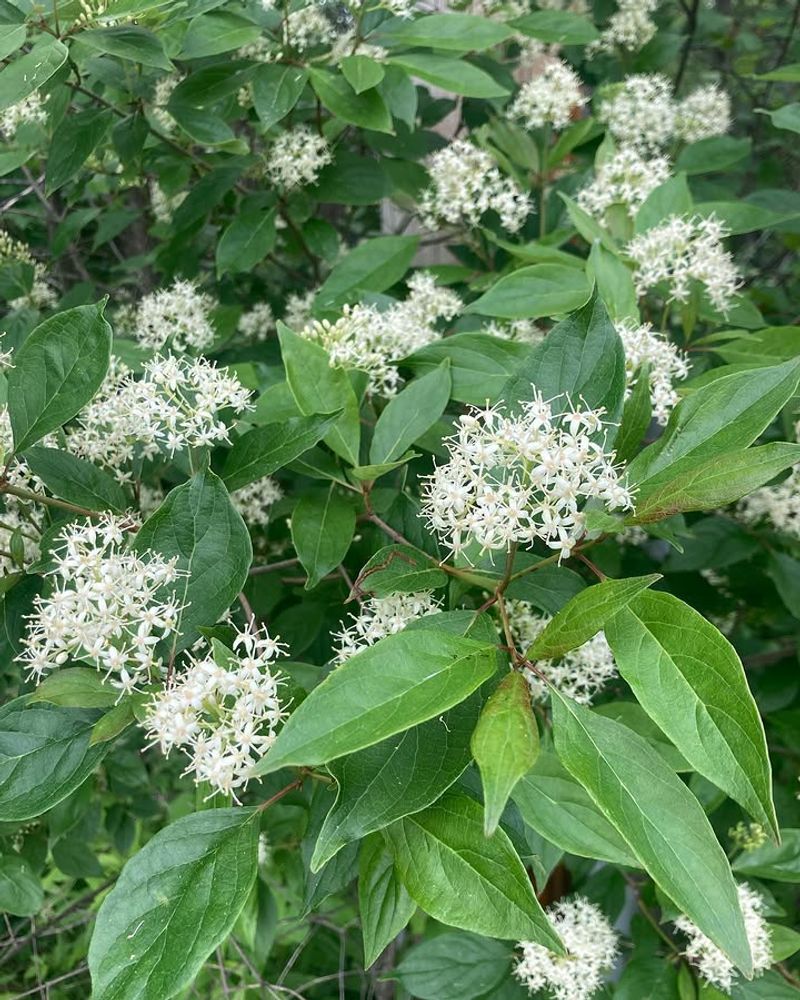
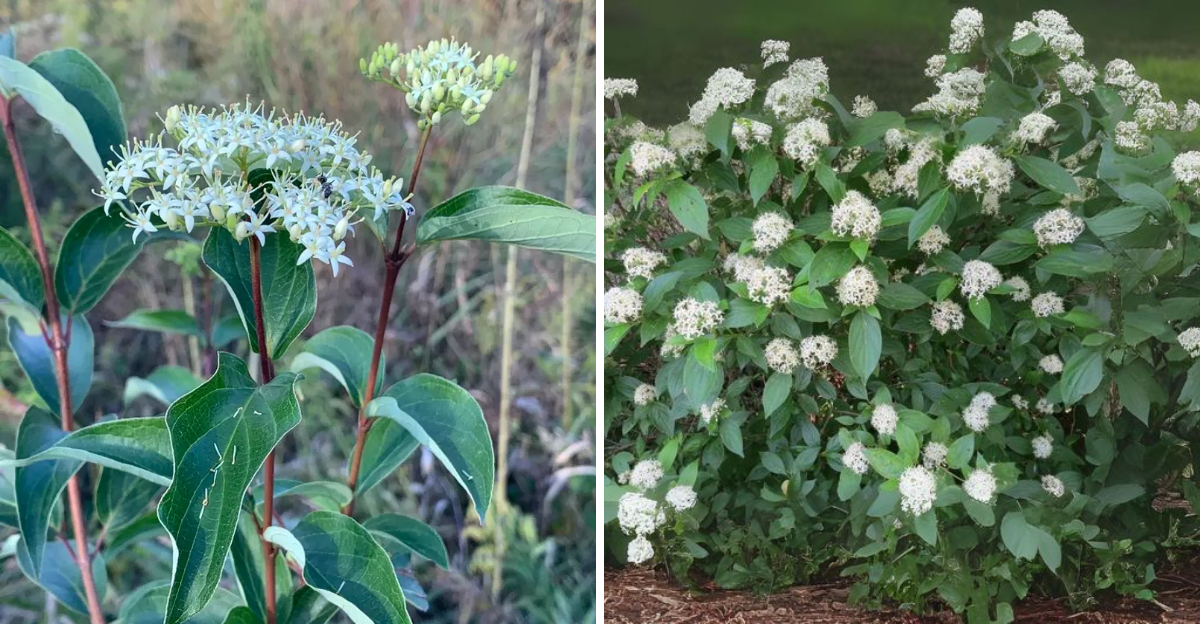
Not every shrub earns its place in a Michigan yard, but gray dogwood has been doing exactly that for centuries. Known by its botanical name Cornus racemosa, it is a true Michigan native that grows as a deciduous, multi-stemmed shrub.
You will find it growing wild along roadsides, woodland edges, stream banks, and open fields across the state.
What sets it apart from ornamental shrubs at the garden center is its deep connection to the local ecosystem. It evolved here.
It knows our winters, clay, and wildlife. That kind of built-in toughness is something you simply cannot fake with a non-native plant.
For gardeners who want a natural screen that grows fuller and wider over time, gray dogwood fits the job perfectly. It does not stay small and neat, and that is actually the point.
Over several years, it fills in beautifully on its own, creating a living, breathing border that looks like it belongs in the landscape. If you want a shrub that works with nature rather than against it, gray dogwood is a strong place to start.
2. Its Suckering Habit Helps It Form Colonies
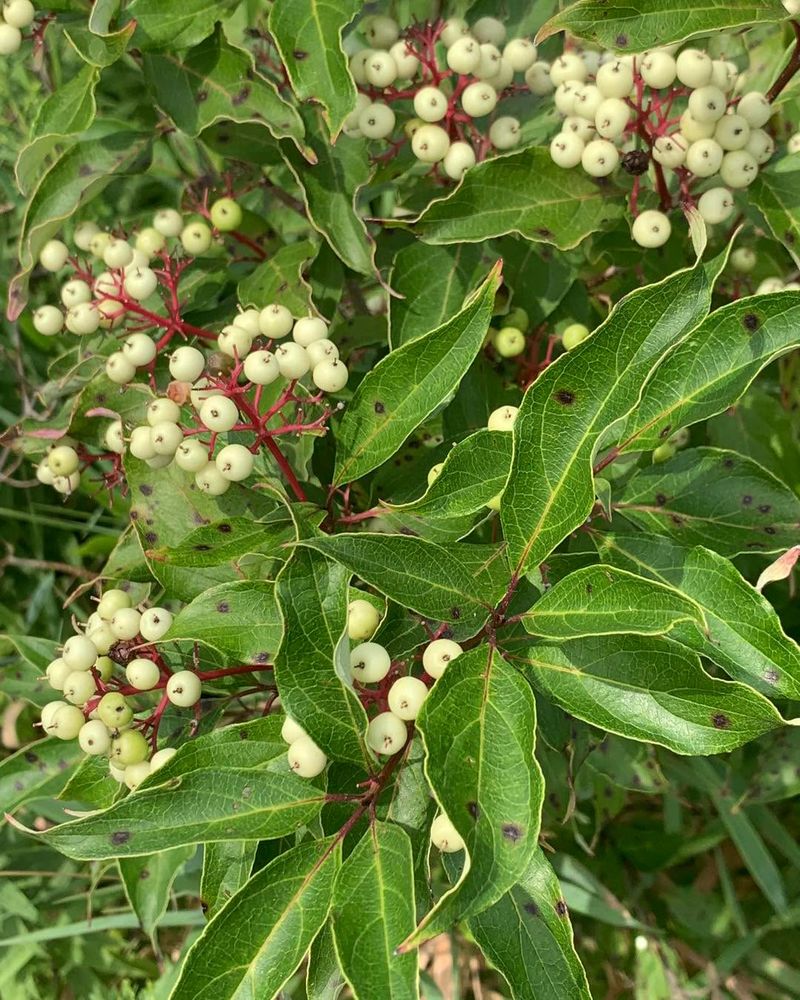
Gray dogwood has a secret weapon underground. It spreads through rhizomes, which are root-like stems that travel horizontally beneath the soil and send up new shoots called suckers.
Over time, one plant becomes a cluster, and that cluster slowly becomes a full colony. It is a completely natural process, and it is one of the main reasons this shrub is so useful in the right setting.
In naturalized areas, along property edges, or on slopes where you want living ground cover, this spreading habit is a genuine advantage. The colony fills in gaps on its own, saving you the work of planting individual shrubs every few feet.
It also creates a denser, more connected planting than you would get from a single specimen.
That said, this is not the right shrub for a tiny raised bed or a narrow strip between a driveway and a fence. The suckering habit needs space to be an asset rather than a headache.
Gardeners who understand that up front tend to love this plant. Those who plant it in a tight spot and expect it to stay put may find themselves frustrated.
Your Michigan Garden Changes Every Week. Your Plan Should Too.
Gardening in Michigan changes quickly throughout the season. Every Friday you’ll receive a simple weekly plan showing exactly what to plant, prune, fertilize, harvest, and protect so you never miss the right timing.
Give it room, and it will reward you with a full, lush colony that looks completely at home in a Michigan landscape.
3. It Is Useful On Slopes And Embankments
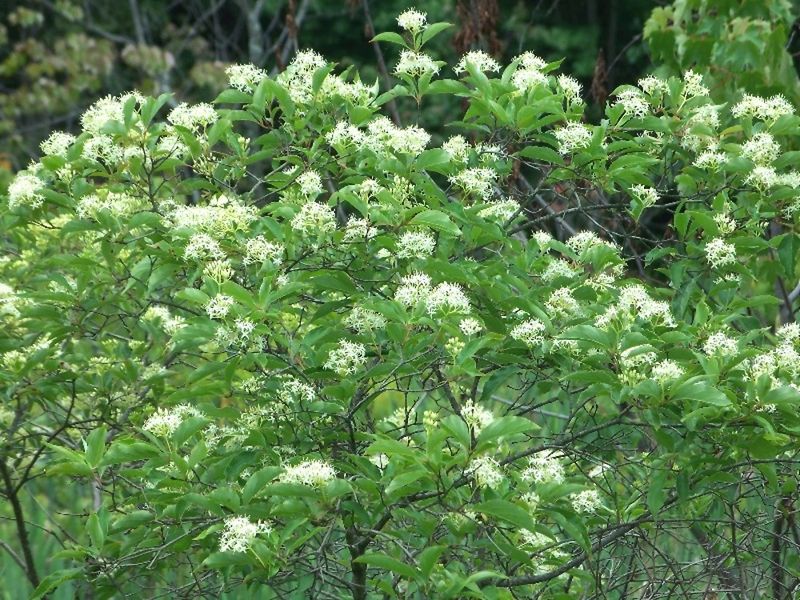
Slopes are one of the trickiest spots in any Michigan yard. Rain washes soil downhill, grass struggles to stay put, and most ornamental shrubs just do not have the root system to make a real difference.
Gray dogwood is different. Its spreading rhizome network creates a web of roots that anchors into the soil and helps hold it in place over time.
Along pond edges, stream banks, and steep embankments, this shrub earns its keep. As the colony expands, more roots are added to the network, and the slope becomes more stable season after season.
It is a living solution to an erosion problem, and it looks far better than a retaining wall or a pile of landscape fabric.
One thing worth knowing is that the soil-holding benefit builds gradually. The first year or two, you are still establishing the plants.
By years three and four, the colony starts to fill in, and the root system becomes genuinely effective at gripping the slope. Patience pays off here.
Planting gray dogwood on a slope is a long-term investment in your property, and the results are both practical and beautiful. Birds and other wildlife will also start using the thicket as it grows, adding even more value to the planting.
4. Birds Use The Fruit And The Thickets
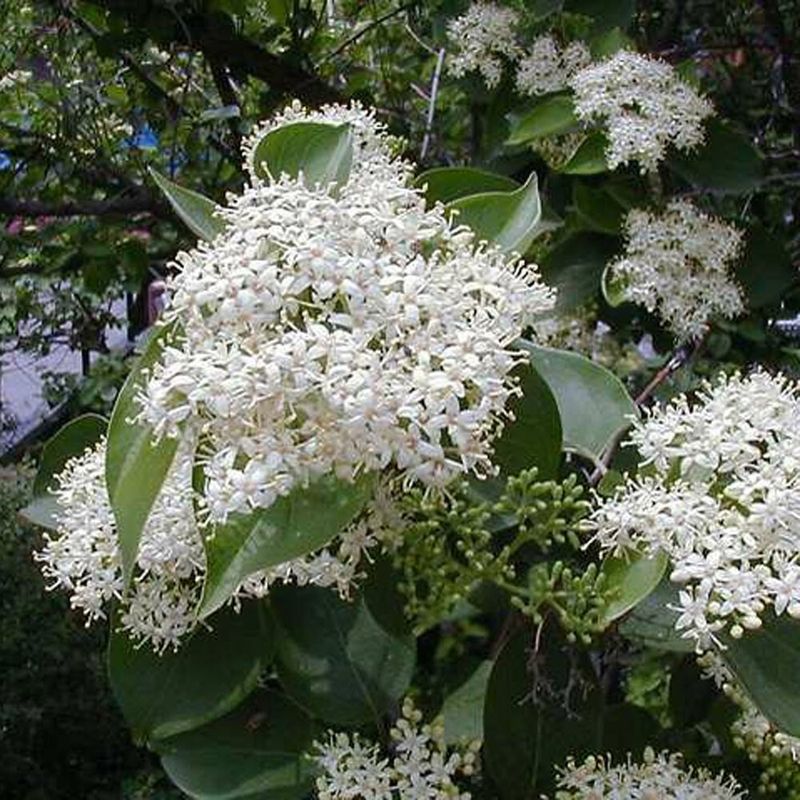
Few things bring a yard to life like a shrub that birds actually want to use. Gray dogwood delivers on that front in a big way.
In late summer and early fall, it produces clusters of small white fruits held on bright red stems. Those berries are a magnet for migrating and resident songbirds, including robins, cedar waxwings, bluebirds, catbirds, and thrushes.
The fruit does not last long once the birds find it. That is actually a good sign.
It means the shrub is doing exactly what a native plant should do, feeding the local wildlife at exactly the right time of year.
Many migrating birds time their journeys around food sources like this, so having gray dogwood in your yard puts your property on their radar.
Beyond the fruit, the dense thickets that form as the colony grows provide valuable cover and nesting space. Birds need places to hide from predators, escape bad weather, and raise their young. A mature gray dogwood colony offers all of that in one package.
Gardeners who want to attract more birds to their Michigan property will find that few native shrubs offer this combination of food and shelter as reliably as gray dogwood does throughout the growing season and into fall.
5. It Can Work As An Informal Privacy Screen
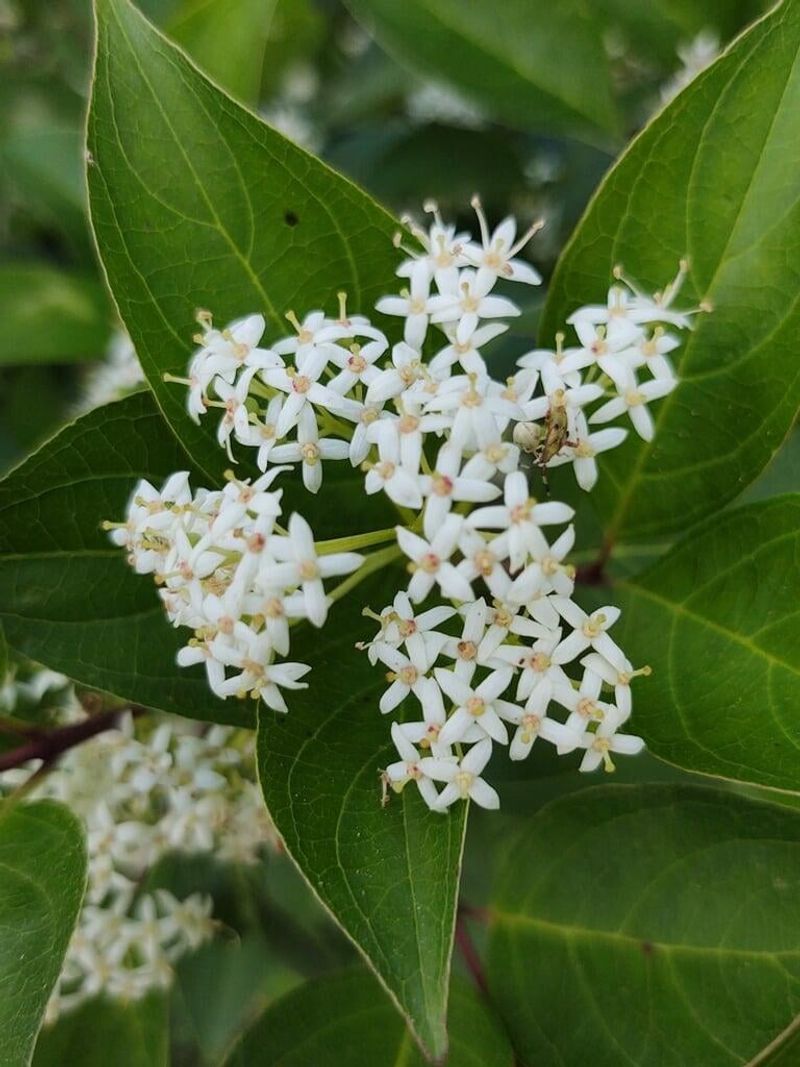
Privacy in a yard does not have to mean a wooden fence or a row of arborvitae. Gray dogwood offers a softer, more natural alternative that actually improves with age.
As the colony fills in over time, it creates a dense, multi-stemmed wall of foliage that blocks views, muffles noise, and marks a property boundary without looking harsh or artificial.
Along back corners, open edges, and wildlife-friendly borders, gray dogwood can grow into a large shrub mass that reaches eight to ten feet tall in ideal conditions.
It will not give you instant privacy the first spring, but by the third or fourth year, the difference is noticeable.
The colony thickens, the stems multiply, and the screen becomes genuinely effective. What makes this option especially appealing for gardeners is that it supports the local ecosystem at the same time.
A row of arborvitae looks green, but it does not feed birds or anchor a hillside. Gray dogwood does both while also giving you the visual barrier you are looking for.
For anyone who wants a living, breathing privacy screen that earns its place in the landscape every single season, this native shrub is absolutely worth considering along any open property edge.
6. It Is Not The Right Choice For A Tiny Clipped Hedge
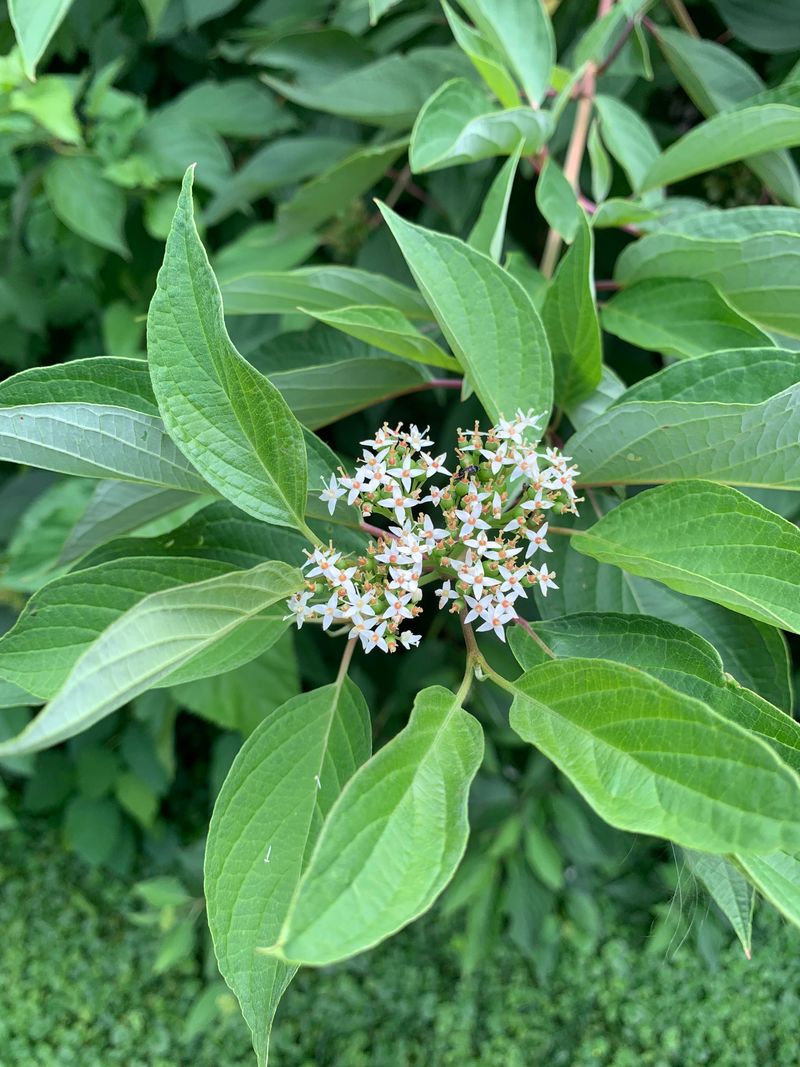
Honesty matters when recommending plants, and gray dogwood deserves a fair warning alongside all of its strengths.
If you picture a tidy, clipped hedge along a walkway or a compact shrub tucked into a narrow foundation bed, this is not your plant.
Gray dogwood spreads. That is what it does, and no amount of pruning will change its fundamental nature.
In tight spaces, the suckering habit becomes a real management challenge. New shoots pop up outside the intended area, roots wander into nearby beds, and the shrub constantly pushes against whatever boundaries you try to set.
Keeping it contained in a small space requires regular attention, and even then, the results rarely look polished enough to satisfy a formal garden style.
The gardeners who struggle with gray dogwood are usually the ones who planted it in the wrong spot. Put it in a four-foot-wide foundation bed next to the front door, and you will spend years fighting it.
Plant it along a back fence line with plenty of room to spread, and you will wonder why you ever hesitated.
Matching the right plant to the right location is the most important gardening skill there is, and with gray dogwood, that lesson is especially clear.
Know what you are getting, plan accordingly, and this shrub becomes an asset rather than a problem.
7. It Handles A Range Of Michigan Garden Conditions
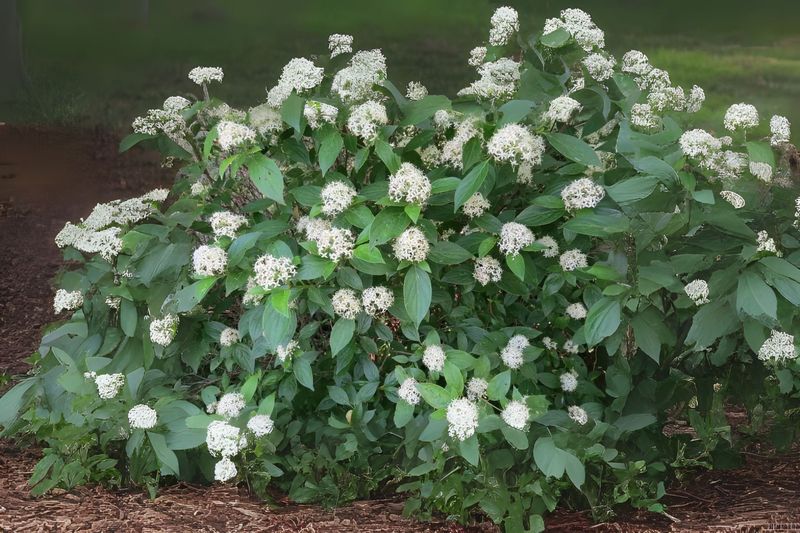
One of the most practical things about gray dogwood is how adaptable it is once it gets established. Michigan gardens throw a lot at plants: heavy clay, sandy loam, wet spring soils, dry summer stretches, and everything in between.
Gray dogwood handles most of it without complaint, which makes it genuinely useful in spots where other shrubs give up.
It grows best in full sun to partial shade and prefers moist, well-drained soil. But here is the thing that surprises many gardeners: it can also handle dry conditions, poorly drained wet spots, and low-fertility soils once the root system is established.
That kind of flexibility is rare, and it is one of the reasons landscape professionals reach for this shrub when they have a difficult site to plant.
Rain garden edges, low-lying corners of the yard, sunny slopes, and partly shaded woodland borders are all fair game for gray dogwood. It is not fussy about soil pH either, tolerating a fairly wide range.
The first season, keep new plants watered consistently while the roots settle in. After that, the shrub largely takes care of itself.
For gardeners dealing with challenging microclimates or uneven terrain, that kind of low-maintenance toughness is exactly what a reliable landscape plant should offer year after year.
8. It Offers More Than Privacy
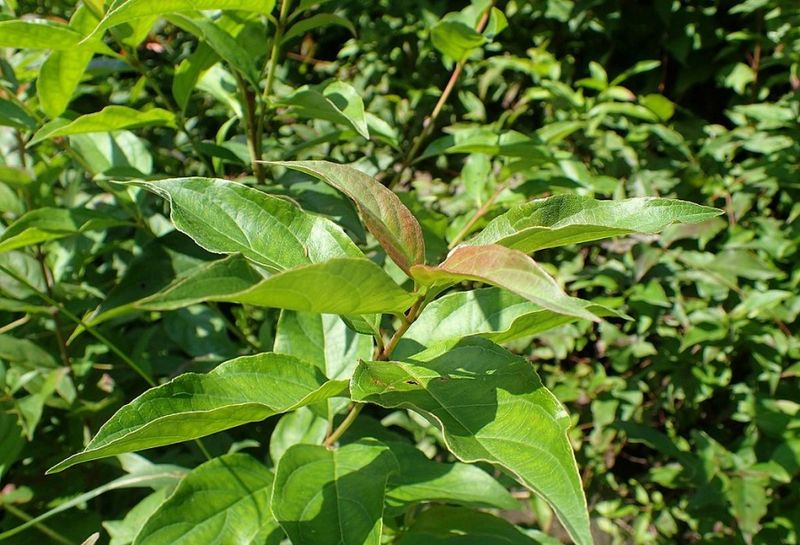
A shrub that only looks good in one season is a wasted opportunity. Gray dogwood earns its space all year long, cycling through a lineup of features that keep the planting interesting from spring through winter.
Most people discover it because of the bird-friendly berries, but the seasonal show starts long before those appear.
Spring brings clusters of small white flowers that attract pollinators, including native bees and butterflies.
Summer offers clean, medium-green foliage that fills in the landscape and provides that dense, leafy backdrop that makes a yard feel lush and established.
Then late summer arrives, and the show really picks up. The white berries appear on those distinctive red stems, creating a striking color combination that looks almost decorative even before the birds arrive to claim the fruit.
Fall foliage on gray dogwood tends toward reddish-purple tones, adding warm color to the Michigan landscape as other plants wind down.
Even after the leaves drop, the dense branching structure remains, providing winter cover for birds and visual texture in the dormant garden.
Four-season interest is something gardeners often chase with elaborate plant combinations, but gray dogwood delivers it naturally in a single, low-maintenance shrub.
For anyone building a Michigan landscape that looks good and functions well in every month of the year, this native shrub belongs in the plan.
9. Give It Room And Let It Look Natural
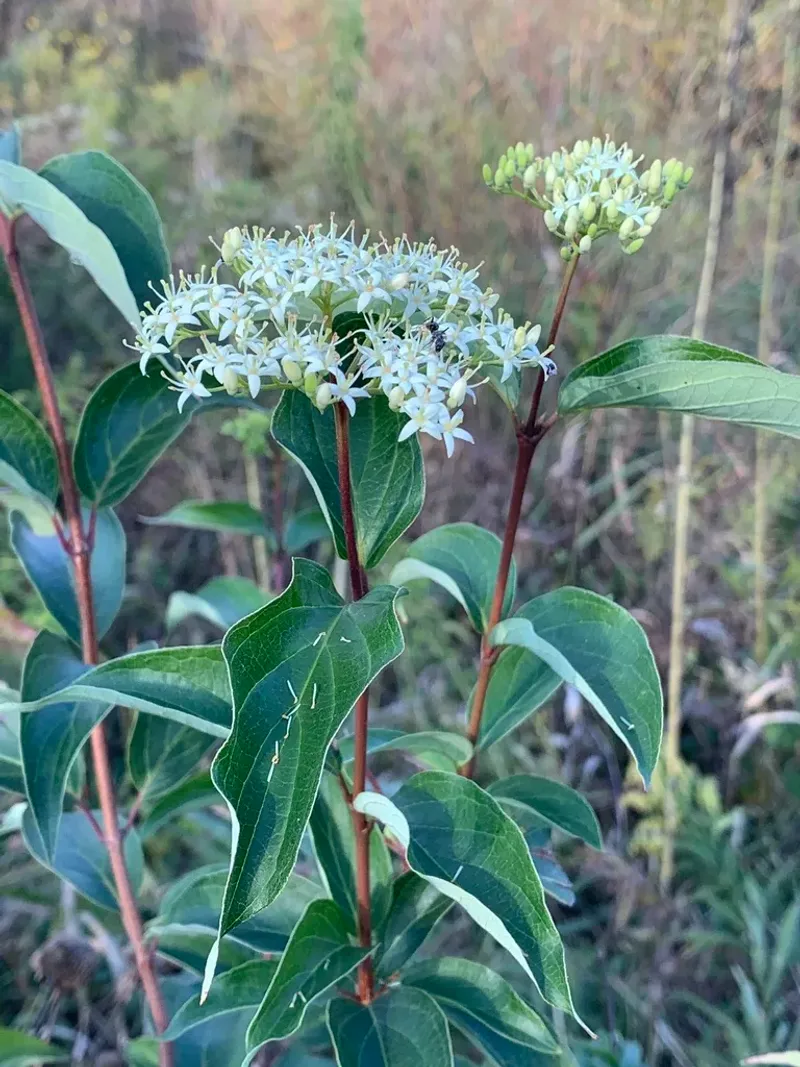
Placement is everything with gray dogwood, and the gardeners who love it most are the ones who set it up to succeed from the beginning.
This shrub looks its absolute best when it is allowed to spread and fill in naturally, forming loose, organic drifts rather than being forced into a rigid shape or a narrow row.
Mixed native shrub borders are an ideal setting. Pair gray dogwood with other Michigan natives like buttonbush, ninebark, or elderberry, and you get a layered planting that supports multiple wildlife species while looking intentionally designed.
Along the edges of rain gardens, it helps absorb excess moisture while adding seasonal interest. In wildlife corridors or naturalized back areas, the colony habit becomes a genuine feature rather than a flaw.
When planning where to put it, think in terms of generous space, at least six to eight feet of width per planting area, and ideally more if you want a full colony effect.
Avoid planting it right against structures, walkways, or other plants that cannot tolerate competition.
Once it is sited correctly and given a season or two to establish, gray dogwood basically manages itself.
That low-maintenance quality, combined with its natural good looks and wildlife value, is exactly why so many Michigan gardeners and landscape designers keep coming back to this reliable native shrub.