The Yard Mistakes Making Mosquito Problems Worse In Michigan This Summer
Michigan summers are short enough that spending them swatting mosquitoes on your own porch feels like a real loss. Most people reach for a spray and call it done, but the yard itself is usually doing a lot of the work of keeping mosquito populations high.
Certain common habits and setup choices create breeding conditions and resting spots that bring mosquitoes in and keep them comfortable, often in spots you’d never think to look.
The frustrating part is that a lot of these mistakes are easy to fix once you know what you’re looking at.
You don’t need to overhaul your whole yard or hire anyone. Some of the biggest contributors to a bad mosquito season are surprisingly small things that have been quietly sitting there, making the problem worse every single week.
1. Letting Water Collect In Pots And Saucers
That cute ceramic pot on your porch might be doing more harm than good if water is sitting in its saucer. Mosquitoes can lay eggs in as little as half an inch of water, and those tiny plastic or clay saucers beneath your planters are basically a welcome mat for them.
It happens fast, especially after a Michigan summer rainstorm rolls through.
Most people never think twice about the water pooling under their plants. You water your tomatoes, the excess drains out, and within a few days that shallow puddle becomes a nursery for mosquito larvae.
The warm, still water heats up quickly in the sun, which actually speeds up the mosquito life cycle even more during July and August.
The fix is surprisingly simple. Empty your saucers every two to three days, especially after rain.
If you have a lot of container plants, consider switching to saucers with drainage holes or skipping them entirely for pots placed in garden beds. You can also use a turkey baster to quickly suck out collected water without moving heavy pots around.
Another smart option is placing a layer of sand or gravel inside the saucer. Water still drains through but does not pool on the surface in a way that attracts mosquitoes.
Small changes like these add up quickly across an entire yard. Staying on top of container drainage is one of the fastest and most affordable ways to reduce mosquito activity around your home this summer.
2. Leaving Gutters Clogged After Rain
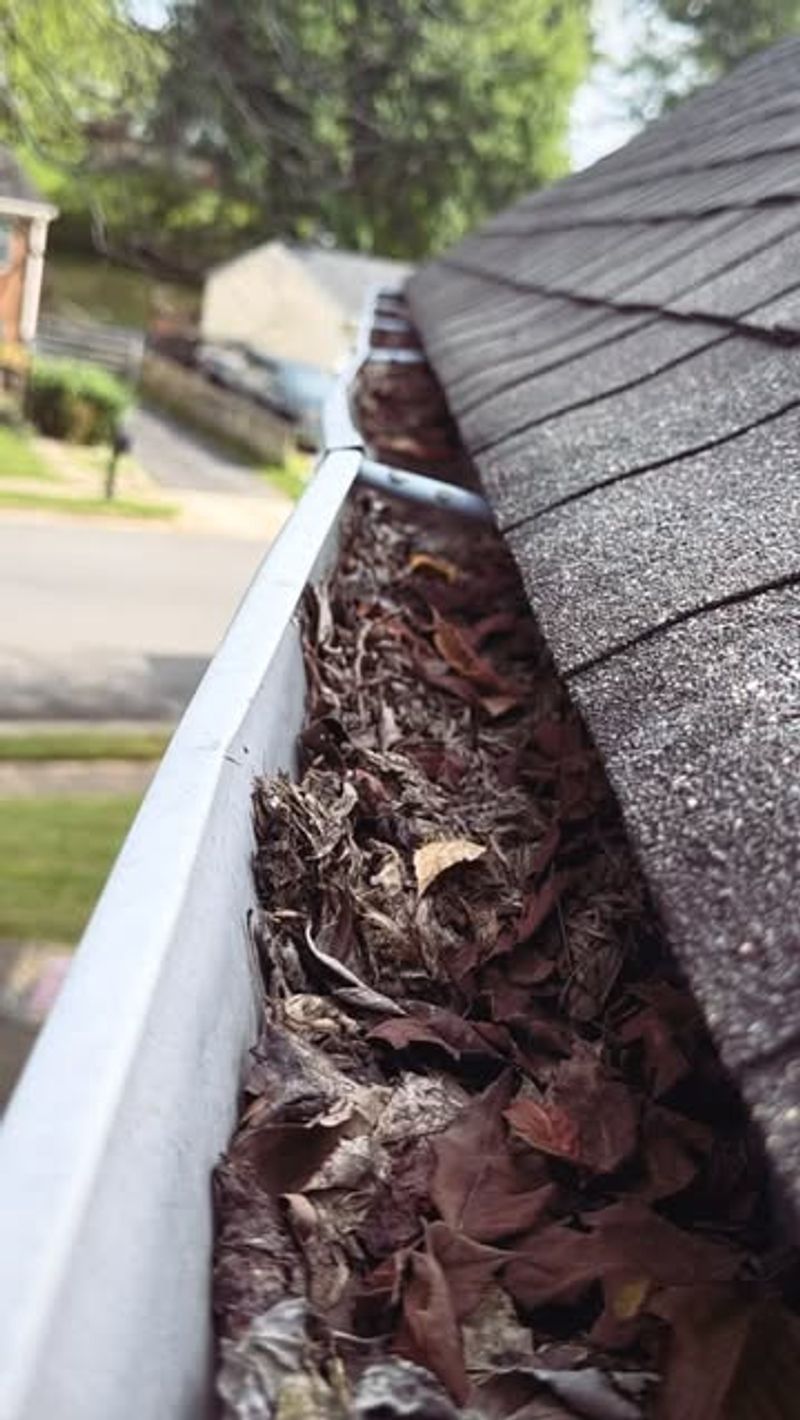
Gutters are easy to forget about because you rarely look up at them. But when they get packed with leaves, twigs, and debris, rainwater stops flowing and starts sitting.
That slow, stagnant pool of water tucked along your roofline is a perfect mosquito breeding spot, hidden from view and rarely disturbed.
Michigan summers bring plenty of rain, and even one good storm can fill a clogged gutter with enough standing water to support multiple generations of mosquitoes.
Because gutters sit up high and out of direct wind, the water stays calm and warm, which mosquitoes absolutely love.
You might be spending money on yard sprays while the real problem is right above your head.
Your Michigan Garden Changes Every Week. Your Plan Should Too.
Gardening in Michigan changes quickly throughout the season. Every Friday you’ll receive a simple weekly plan showing exactly what to plant, prune, fertilize, harvest, and protect so you never miss the right timing.
Cleaning your gutters at least twice a year is a good baseline, but during summer you may want to check them more often. After a big storm, take a quick walk around your house and look for any gutters that are sagging or overflowing.
Those are signs water is sitting and not draining properly. Installing gutter guards is a worthwhile investment if cleaning them feels like too much of a hassle. They block debris while letting water flow freely through.
Also check your downspouts to make sure water is moving away from your foundation rather than pooling near the house. When gutters work the way they should, rainwater moves through quickly and never gets a chance to become a mosquito nursery.
A clean gutter is one of the most underrated mosquito prevention tools you have.
3. Allowing Dense Overgrown Vegetation Near Patios

Mosquitoes are not just about water. They also need shade and humidity to survive during the day, and thick overgrown plants give them exactly that.
When shrubs, tall grasses, and weeds crowd around your patio or deck, mosquitoes have a cool, moist place to rest between feedings. Trimming back that vegetation can make a noticeable difference fast.
Think about where you always seem to get bitten. More often than not, it is near a hedge, a cluster of tall weeds, or a shady corner of the yard with dense plant growth.
Adult mosquitoes spend most of the day hiding in cool, shaded foliage, waiting for evening to come out and feed. Your beautifully landscaped yard can accidentally become their resting headquarters.
Regular trimming is key. Keep shrubs and bushes neat, especially those closest to where your family spends time outside.
Mow your lawn consistently so grass stays short and dries out quickly after rain or watering. Tall grass holds moisture near the soil, which creates the humid microclimate mosquitoes thrive in.
It also helps to increase airflow in your yard. When air moves through your landscape freely, it dries out vegetation faster and makes conditions less comfortable for resting mosquitoes.
Pruning lower branches on trees, thinning out dense plantings, and keeping borders clear of weedy growth all contribute to a less mosquito-friendly yard.
You do not have to sacrifice a lush garden, just keep it maintained and well-spaced so mosquitoes have fewer cozy hiding spots around your outdoor living area.
4. Forgetting To Refresh Birdbath Water Frequently
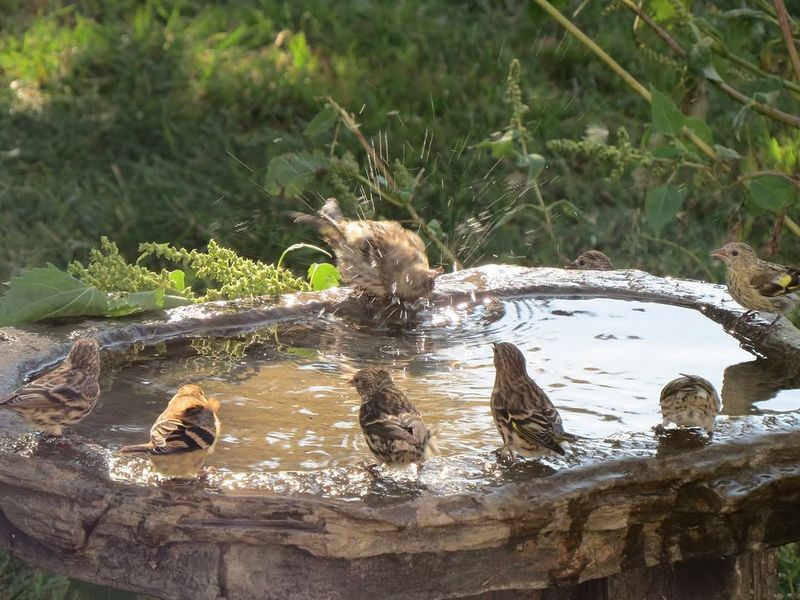
Birdbaths are one of the most beloved backyard features in Michigan, attracting cardinals, robins, and all kinds of beautiful wildlife.
But that same shallow basin of water that birds love can also become one of the biggest mosquito breeding spots in your yard if you are not refreshing it often enough.
Still water sitting for more than a few days is all mosquitoes need to get started.
Mosquito eggs hatch into larvae within 24 to 48 hours under warm summer conditions. By day seven or eight, those larvae can become fully grown adults ready to fly.
A birdbath that only gets refilled once a week is essentially running a mosquito production line in your backyard without you even realizing it.
The good news is that keeping a birdbath mosquito-free is not complicated. Simply dump and refill the water every two to three days.
Scrubbing the basin with a brush when you refill it removes any eggs or larvae that may have been deposited. Birds will not mind at all, and they actually prefer fresh, clean water.
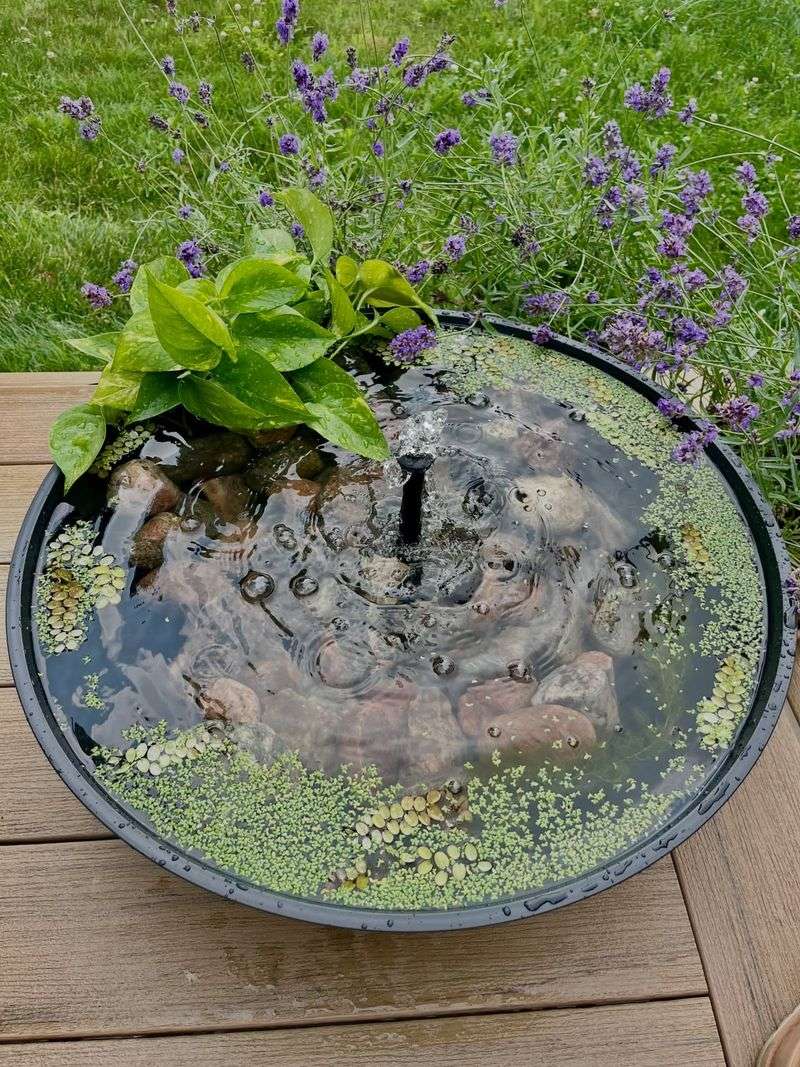
Another great option is adding a small solar-powered water wiggler or fountain attachment to your birdbath. Moving water does not allow mosquitoes to lay eggs successfully, so even gentle circulation makes a big difference.
These devices are inexpensive, easy to find online or at garden centers, and require no wiring. Birds love the movement too, making your birdbath even more attractive to them while keeping mosquitoes at bay all summer long.
5. Storing Buckets And Tarps Where Rainwater Collects
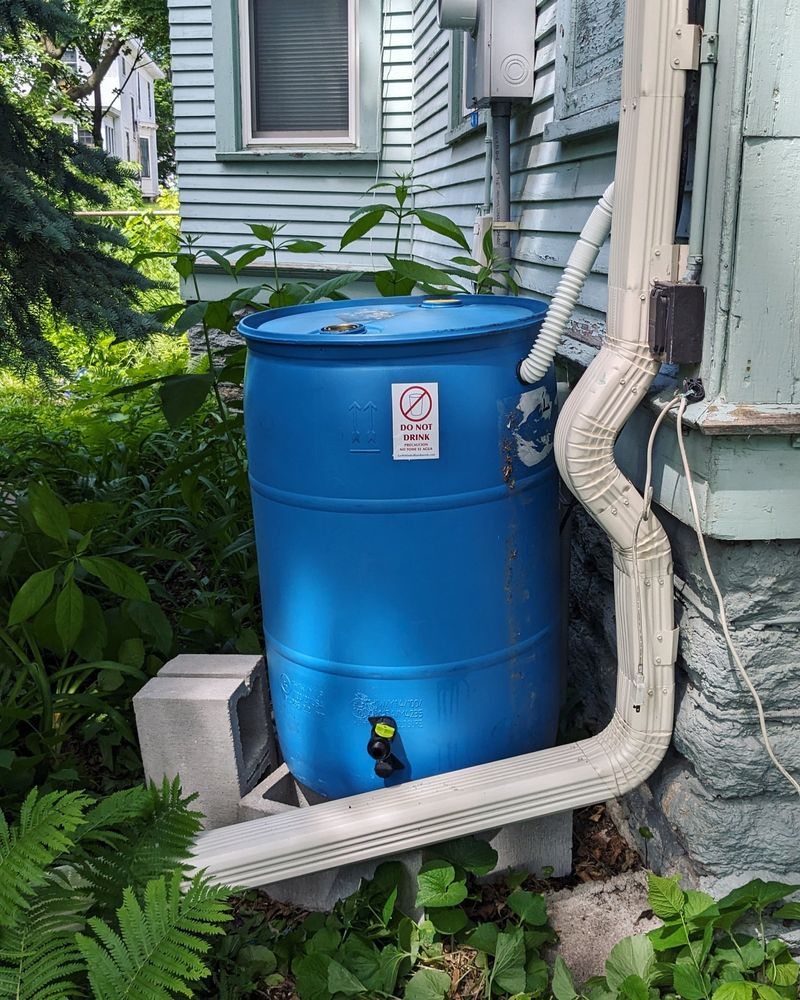
Walk around your yard right now and count how many containers could hold water after a rainstorm. Old buckets near the shed, a folded tarp with a low spot in the middle, a forgotten wheelbarrow, even a cracked flowerpot sitting upside down.
Each one of these is a potential mosquito breeding site, and Michigan summers bring enough rain to fill them up regularly.
Tarps are especially sneaky offenders. When they are draped over woodpiles, boats, or lawn equipment, they tend to sag in the middle and collect pools of rainwater that can sit for days or even weeks.
Because the water is shaded and sheltered from wind, it stays still and warm, which is exactly what mosquitoes are looking for when choosing where to lay eggs.
The simplest solution is to store items properly. Buckets should be flipped upside down or stored inside a shed or garage when not in use.
If you use tarps to cover things, adjust them so they are taut and angled, allowing water to run off rather than pool. Even a small tilt can make a significant difference in how water drains after rain.
For items you cannot easily move or cover differently, drill small drainage holes in the lowest points so water cannot accumulate. It takes five minutes and a drill bit to solve what could otherwise become a serious mosquito problem.
Getting in the habit of scanning your yard after every rainstorm for unexpected water collection spots will help you stay ahead of mosquito activity all season long.
6. Ignoring Drainage Problems In Shady Areas
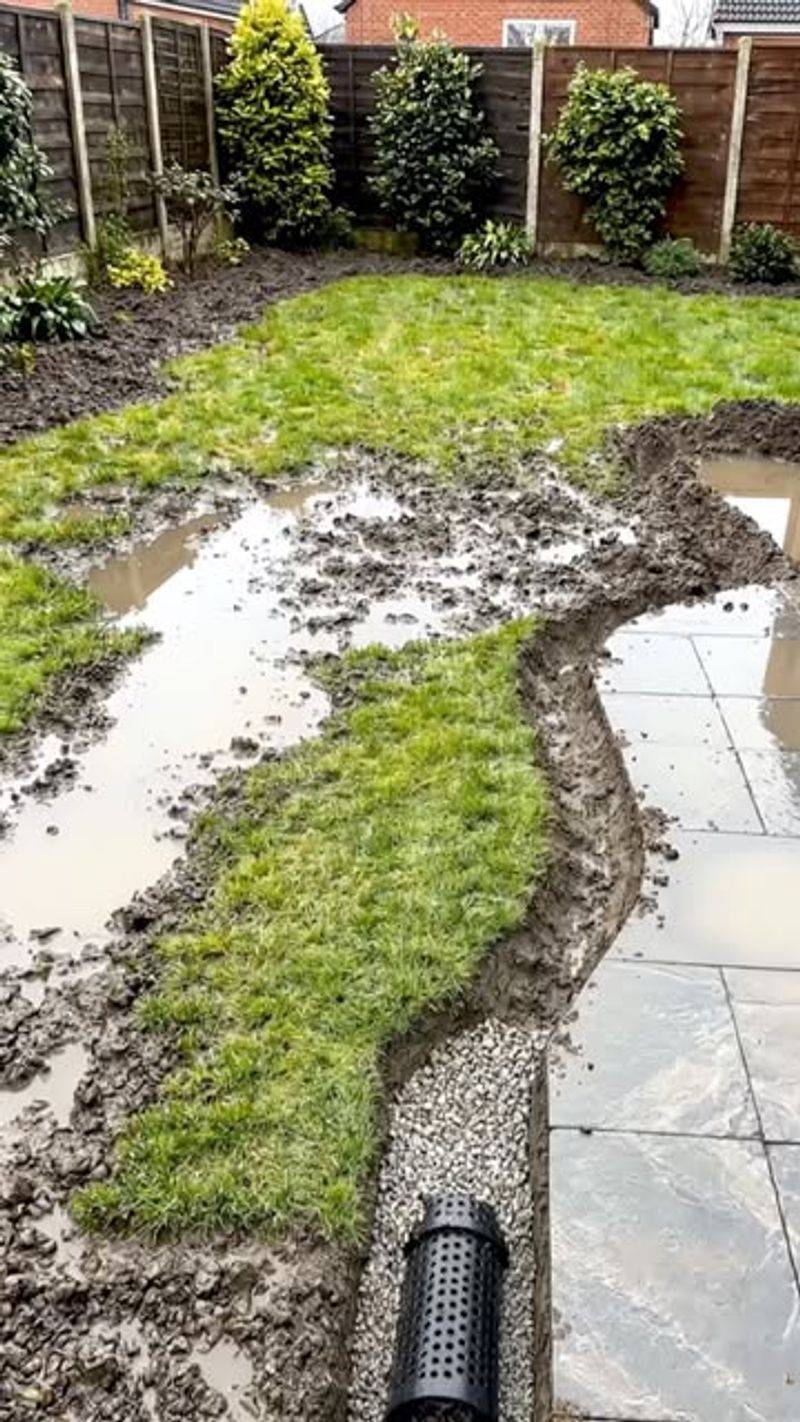
That soggy patch under the maple tree at the back of your yard might seem harmless, but it is one of the most mosquito-friendly spots a yard can have.
Shaded areas that drain poorly after rain stay wet for much longer than sunny spots, and that extended moisture creates a perfect environment for mosquitoes to breed and rest.
Many Michigan homeowners have these trouble zones and just learn to avoid them, not realizing they are feeding the mosquito population.
Poor drainage happens for several reasons. Compacted soil, low-lying ground, tree root systems that disrupt natural water flow, and heavy clay soils common in parts of Michigan can all cause water to sit rather than soak in or run off.
Once that water sits still for 48 hours or more in a shaded spot, mosquitoes will find it.
Addressing drainage issues does not always require major landscaping work. Aerating compacted soil helps water absorb more quickly.
Adding organic matter like compost improves soil structure over time. For more stubborn problem areas, installing a French drain or a simple gravel trench can redirect water away from low spots and toward a better drainage outlet.
Planting moisture-loving native plants in these areas can also help by absorbing excess water naturally. Rain gardens are a popular and attractive solution in Michigan that put problem drainage areas to good use.
Fixing these spots reduces standing water, improves your overall yard health, and takes away one of the most reliable mosquito hangouts in your outdoor space. Your yard will look better and feel much more enjoyable.
7. Overwatering The Lawn And Garden
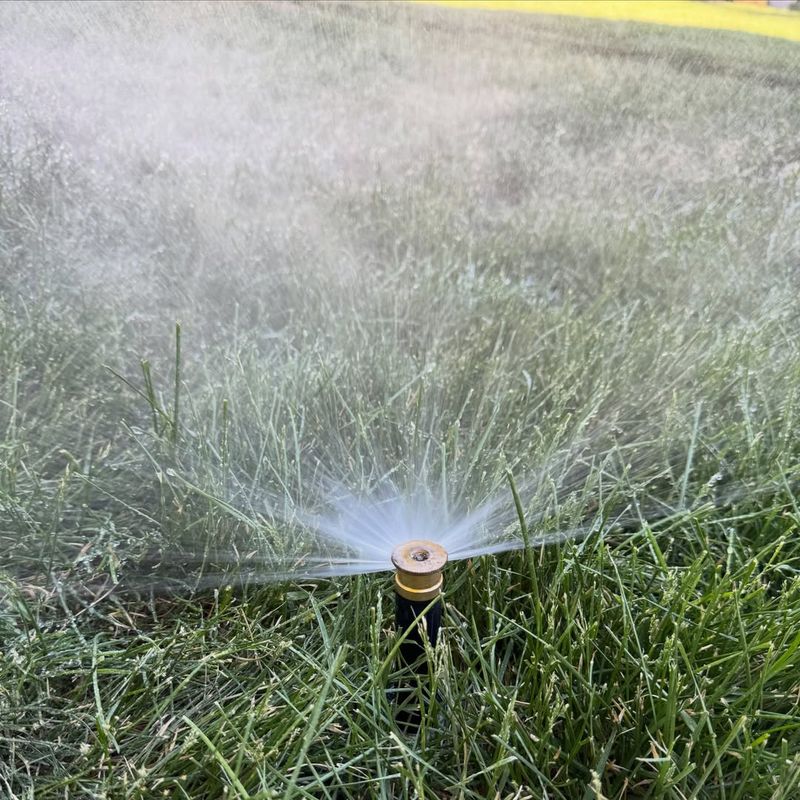
More water does not always mean a healthier lawn. Overwatering is one of the most common yard mistakes in Michigan, and it does double damage by stressing your grass and plants while also creating the moist, humid conditions that mosquitoes love.
When soil stays perpetually soggy, it takes much longer to dry out between waterings, giving mosquitoes extended access to the damp environment they need to thrive.
Mosquitoes do not just breed in open puddles. They also favor areas where the ground stays consistently moist and shaded vegetation stays damp.
Overwatered lawns develop thatch buildup and compacted soil over time, both of which hold water near the surface. That wet layer of grass and soil becomes a comfortable resting zone for adult mosquitoes during the hottest parts of the day.
Most lawns in Michigan only need about one inch of water per week during summer, including rainfall. Watering deeply but less frequently encourages grass roots to grow deeper and makes the lawn more drought-tolerant overall.
Investing in a rain gauge is a smart and inexpensive move that helps you track how much water your yard is actually getting from nature before you add more.
Watering in the early morning rather than the evening also makes a big difference. Morning watering gives the soil and grass time to dry out throughout the day, while evening watering leaves everything wet overnight when mosquitoes are most active.
Smart watering habits improve your lawn, protect your plants, and take away one of the key environmental factors that encourages mosquito populations to grow right in your backyard.