8 Corn Belt Gardening Tricks Illinois Suburban Yards Actually Use
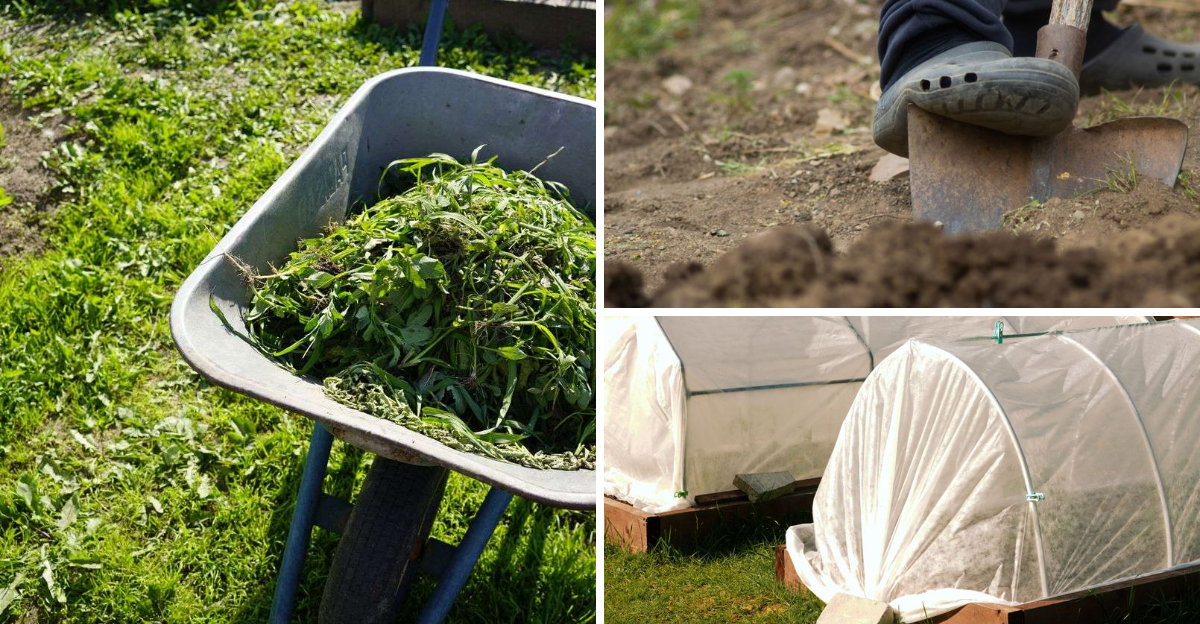
Your suburban yard outside Chicago was never going to make gardening easy. Clay-heavy soil clings to shovels, spring storms roll in without warning, and most lots leave only a narrow strip between the driveway and the fence line for anything green.
Corn Belt farmers figured out how to work with these exact conditions decades ago, long before raised beds became a backyard trend. Their methods, scaled down from acres to a few square feet, hold up remarkably well on a quarter-acre suburban lot.
New gardeners waste a full season fighting the soil. Longtime planters just make a few adjustments and everything changes. These eight tricks come straight from Illinois farmland, resized for suburban yards boxed in by fences and shade.
1. Improving Heavy Clay Soil With Compost
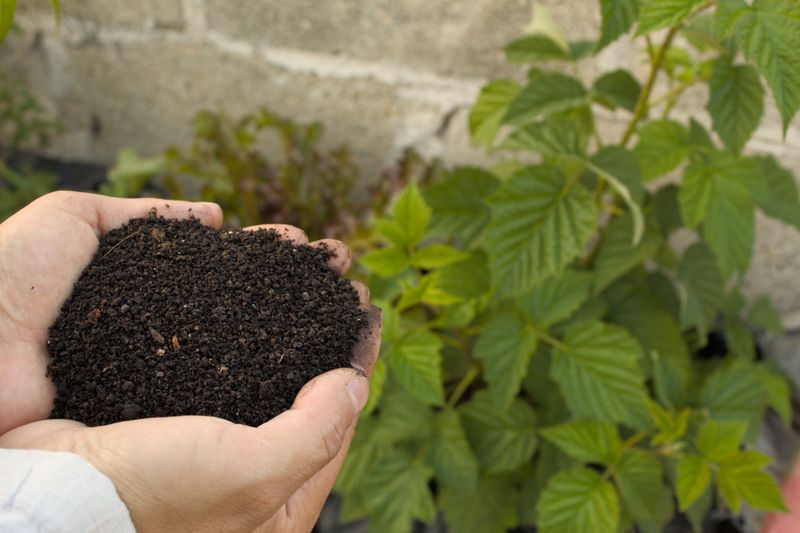
Clay soil is the uninvited guest in almost every Illinois suburban yard. It clings to your boots, cracks in summer heat, and turns into a soggy mess after rain.
Corn Belt farmers have worked around this same soil for over a century. Their go-to fix is simple: add organic compost every single season.
Compost loosens clay particles so air and water can move freely. Roots stop struggling and start spreading, which means plants grow stronger and faster.
You do not need to buy expensive bags from a garden center. Kitchen scraps, dried leaves, and grass clippings break down into rich, dark material your soil craves.
Work about three inches of compost into the top twelve inches of your garden bed. Do this every spring before planting and again in fall after you harvest.
Over two or three seasons, you will notice a dramatic shift in how your soil feels and performs. It will crumble instead of clump, and water will drain instead of pool.
One practical tip: mix in a handful of coarse sand along with compost for raised areas. Sand alone does not fix clay, but combined with organic matter, it speeds up the process.
These corn belt gardening tricks Illinois gardeners swear by are not complicated. Compost is one of the most effective things you can add to a struggling suburban yard.
2. Raised Beds For Poorly Drained Yards
Standing water after a rainstorm is a familiar sight in many Illinois suburbs. Low spots in the yard can drown plant roots before they ever get a chance to grow.
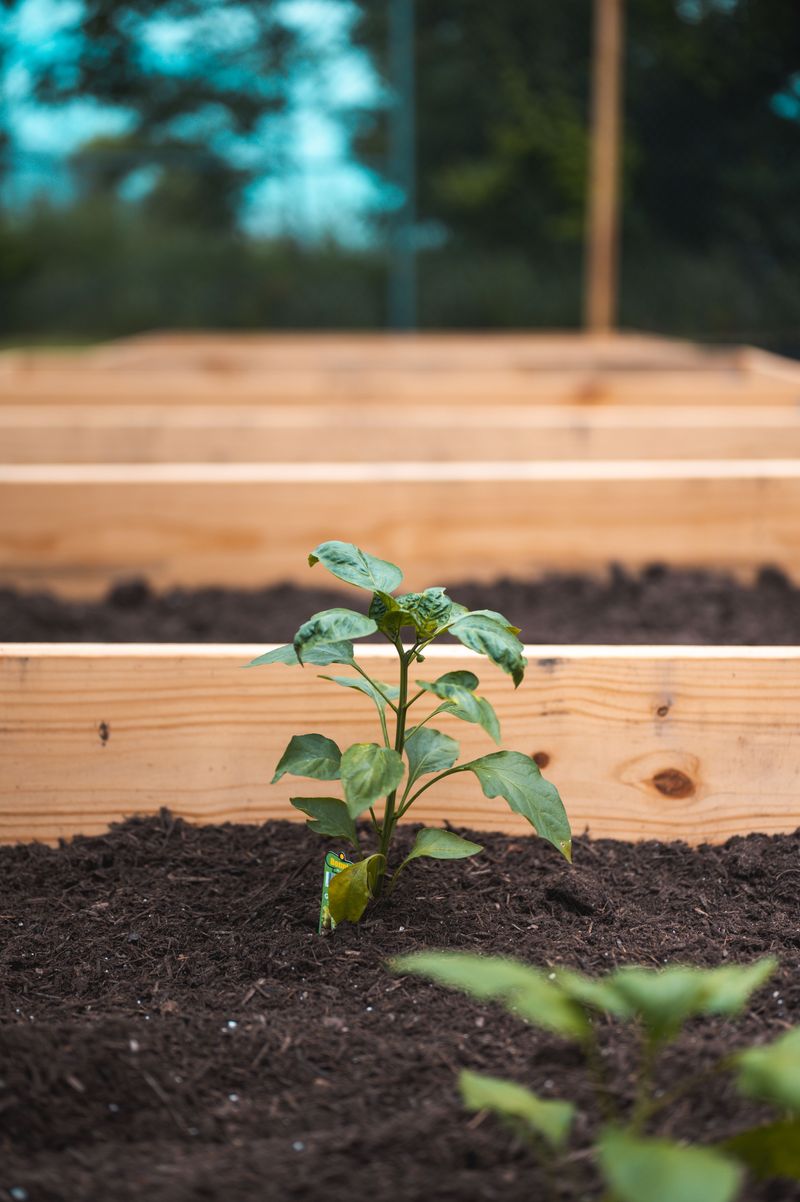
Raised beds solve this problem in a single season. You build up instead of digging down, which puts your plants above the soggy ground entirely.
Corn Belt market gardeners have used raised growing areas for decades. They learned early that controlling your soil environment beats fighting the native ground every season.
Cedar or pine boards work well for building beds, and a height of twelve inches is usually enough for most vegetables. Fill them with a blend of topsoil, compost, and a bit of perlite for drainage.
Raised beds also warm up faster in spring. Since the soil sits above ground level, it absorbs more sunlight and dries out after rain much quicker than flat garden rows.
Your Illinois Garden Changes Every Week. Your Plan Should Too.
Gardening in Illinois changes quickly throughout the season. Every Friday you’ll receive a simple weekly plan showing exactly what to plant, prune, fertilize, harvest, and protect so you never miss the right timing.
Spacing matters when you plan your layout. Leave at least two feet between beds so you can walk, kneel, and reach every plant without stepping on the soil.
Compaction is a real problem in suburban yards where foot traffic is constant. Raised beds keep your growing zone protected from accidental stomping by kids, pets, or weekend guests.
Once you plant in a raised bed for one season, going back to ground-level gardening feels like a downgrade. The control, the drainage, and the harvests speak for themselves.
3. Restoring Compacted Soil After Construction
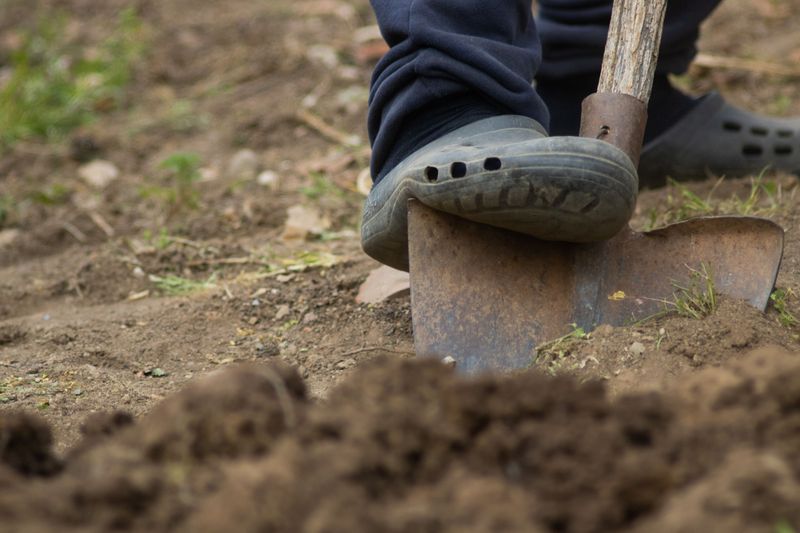
New construction homes in Illinois often come with a hidden problem buried just below the surface. Builders use heavy equipment that presses soil into a dense, airless layer that roots simply cannot penetrate.
If your plants seem stunted despite regular watering and fertilizing, compaction is likely the culprit. A simple screwdriver test tells you quickly: if it does not push six inches into the soil easily, your ground is too tight.
Corn Belt farmers deal with compaction using a tool called a broadfork or a subsoiler. For suburban yards, a broadfork is the friendlier option since it does not require a tractor.
Push the broadfork tines into the ground and rock it back and forth gently. This breaks up the hardpan without breaking down the soil structure the way rototilling sometimes does.
After loosening the soil, add a thick layer of compost and let earthworms do the rest. Worms are some of the most effective natural aerators, and they move in quickly when organic matter is present.
Cover crops like winter rye or crimson clover also help restore compacted ground. Their deep roots punch through hard layers and add organic matter when you till them under in spring.
Patience is part of the process here. Rebuilding truly compacted soil takes one to two full growing seasons of consistent effort.
The reward is worth every hour spent, because loose, living soil grows food faster and with far less frustration than hardpacked ground ever could.
4. Mulching With Grass Clippings Instead Of Store-Bought Mulch
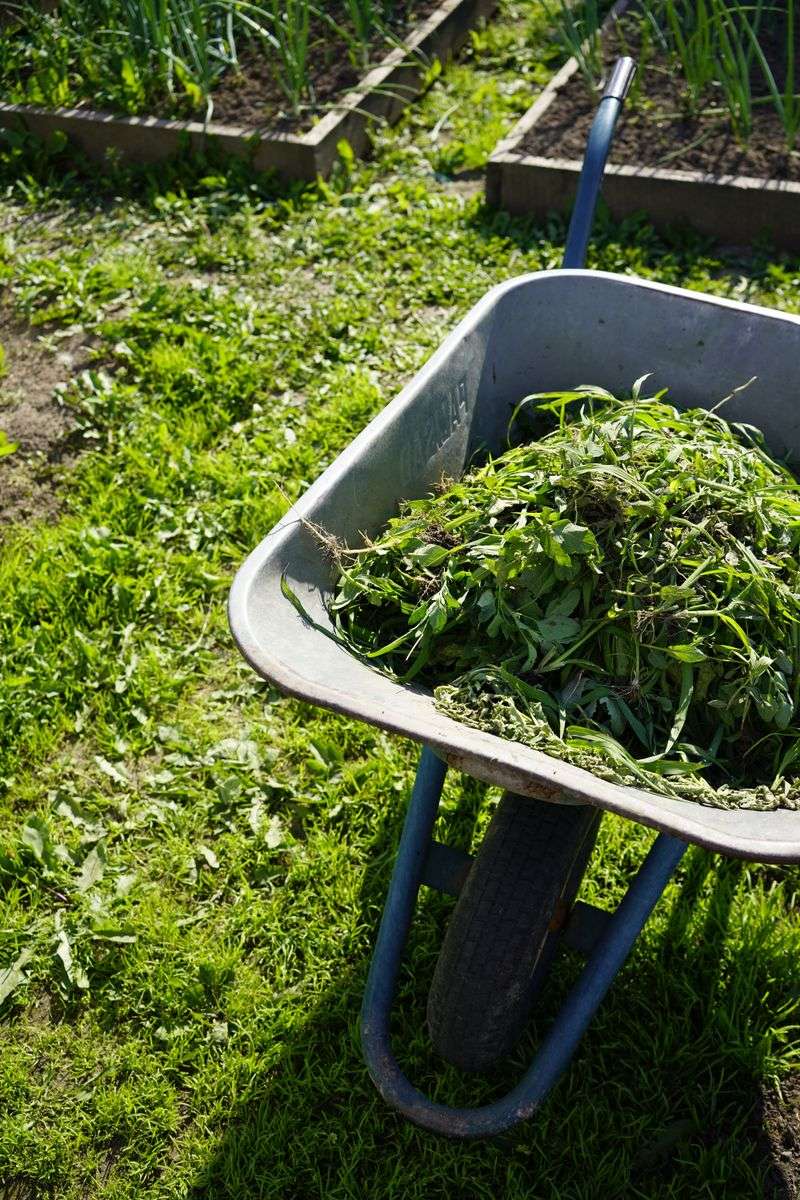
Every time you mow your lawn, you create a free resource most gardeners throw away. Grass clippings are one of the most underrated mulching materials available to suburban gardeners.
Corn Belt homesteaders have spread clippings around their crops for generations. The practice costs nothing, reduces waste, and feeds the soil at the same time.
A thin layer of clippings about one inch thick keeps moisture locked into the ground during hot Illinois summers. Soil stays cooler and plants need less frequent watering when clippings are in place.
As the clippings break down, they release nitrogen back into the earth. That slow feeding gives your vegetables a gentle, steady nutrient boost without any chemical fertilizers.
Keep clippings under two inches deep, since thick layers mat together, block airflow, and create a slimy barrier that harms your plants.
Also, skip the clippings if your lawn was recently treated with herbicides. Those chemicals can linger and damage vegetable roots or stunt seedling growth significantly.
Fresh clippings work best when they are dry or at least partially wilted before you spread them. Wet clippings clump fast, so let them sit in the sun for a day first.
Store-bought wood mulch has its place, but for vegetable gardens and annual beds, grass clippings outperform it in affordability and soil nutrition every single season.
5. Testing Soil pH Before Planting
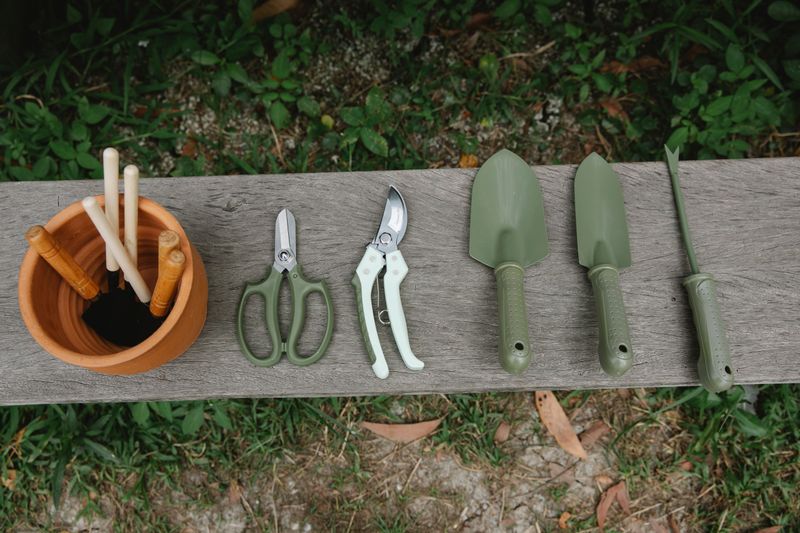
Most gardeners guess at what their soil needs and wonder why plants still struggle. Skipping a pH test is like cooking without tasting the dish first.
Soil pH controls how well plants absorb nutrients from the ground. Even if you add fertilizer generously, the wrong pH locks those nutrients away where roots cannot reach them.
Illinois suburban soils tend to run slightly alkaline, often between 7.0 and 7.5. Most vegetables prefer a slightly acidic range of 6.0 to 6.8, so there is often a gap to close.
Testing is easy and inexpensive. Home test kits from a garden center cost under fifteen dollars and give you results in minutes using colored liquid or paper strips.
For more precise readings, contact your local university extension office. The University of Illinois extension program can point you toward certified soil testing labs with detailed recommendations.
If your pH is too high, sulfur can bring it down over several months. If it is too low, lime raises it back up without harming your existing plants.
Test every three to five years rather than every single season. Soil chemistry changes slowly, so annual testing is usually unnecessary and adds extra cost without much benefit.
These corn belt gardening tricks Illinois suburban gardeners use most often start with knowing what you are working with. A five-minute test can save an entire season of frustration.
6. Rotating Crops To Keep Soil And Plants Healthy
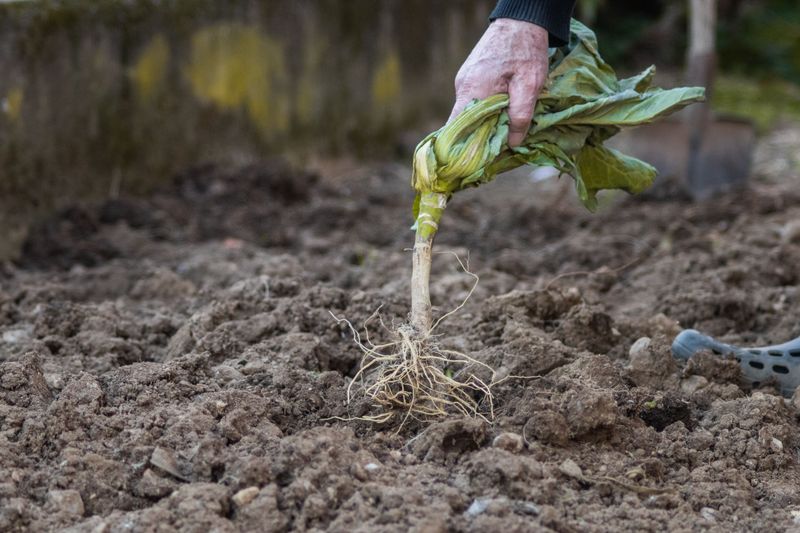
Planting tomatoes in the same spot every year is one of the fastest ways to invite disease and pest problems. The soil gets depleted and pathogens build up in the exact zone where roots live.
Crop rotation is a cornerstone technique in Corn Belt farming. It works just as well in a twelve-by-twelve suburban plot as it does across a hundred-acre field.
The basic idea is straightforward: move each plant family to a different spot each season. Tomatoes, peppers, and eggplants all belong to the same family, so move them together as a group.
Legumes like beans and peas fix nitrogen in the soil naturally. Planting them after heavy feeders like corn or squash replenishes what those crops pulled out the previous year.
A four-section rotation plan works well for most suburban gardens. Section one grows heavy feeders, section two grows legumes, section three grows root vegetables, and section four rests with cover crops.
Draw a simple map of your garden each spring and note what grew where. Without a record, you will forget which tomatoes went where by the time next season arrives.
Rotation also disrupts the lifecycle of common pests like squash vine borers and Colorado potato beetles. Moving host plants confuses them and reduces their population naturally over time.
Healthy soil and fewer pest problems mean bigger harvests with less effort, which is exactly what every suburban gardener hopes to achieve each growing season.
7. Using Sun And Slope To Extend The Growing Season
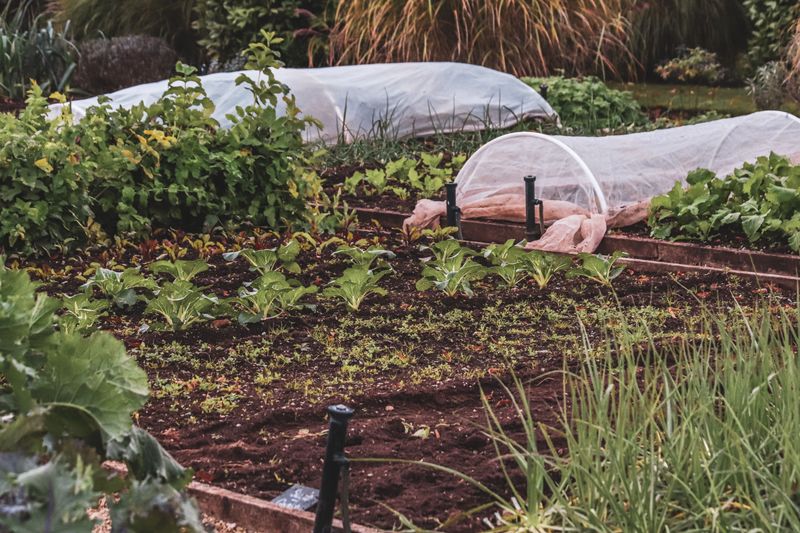
Not all parts of your yard heat up at the same rate in spring. A south-facing slope can be two to four degrees warmer than a flat shaded area just twenty feet away.
Corn Belt farmers have long known that slope and sun exposure are free tools. Planting on a gentle south-facing rise gives you a head start of one to two weeks each season.
In suburban yards, this might mean choosing the sunniest corner near the back fence or along a south-facing wall. Even a slight incline makes a measurable difference in soil temperature.
Soil thermometers are inexpensive and worth every penny. Most cool-season crops like lettuce and spinach can go in the ground when soil hits 40 degrees Fahrenheit consistently.
Walls and fences on the south or west side of your yard act as heat sinks. They absorb warmth during the day and release it slowly at night, protecting tender plants from cold snaps.
Row covers or clear plastic tunnels placed on a south slope create a mini greenhouse effect. Daytime temperatures inside can climb ten degrees higher than outside air temperature on a sunny day.
Shade from trees or the house itself can steal weeks from your growing season. Map your yard’s sun patterns before choosing where to place your most important crops.
Smart placement costs nothing but a few minutes of observation, yet it can add a full extra month to what your suburban garden produces each year.
8. Timing Plantings Around Local Frost Dates
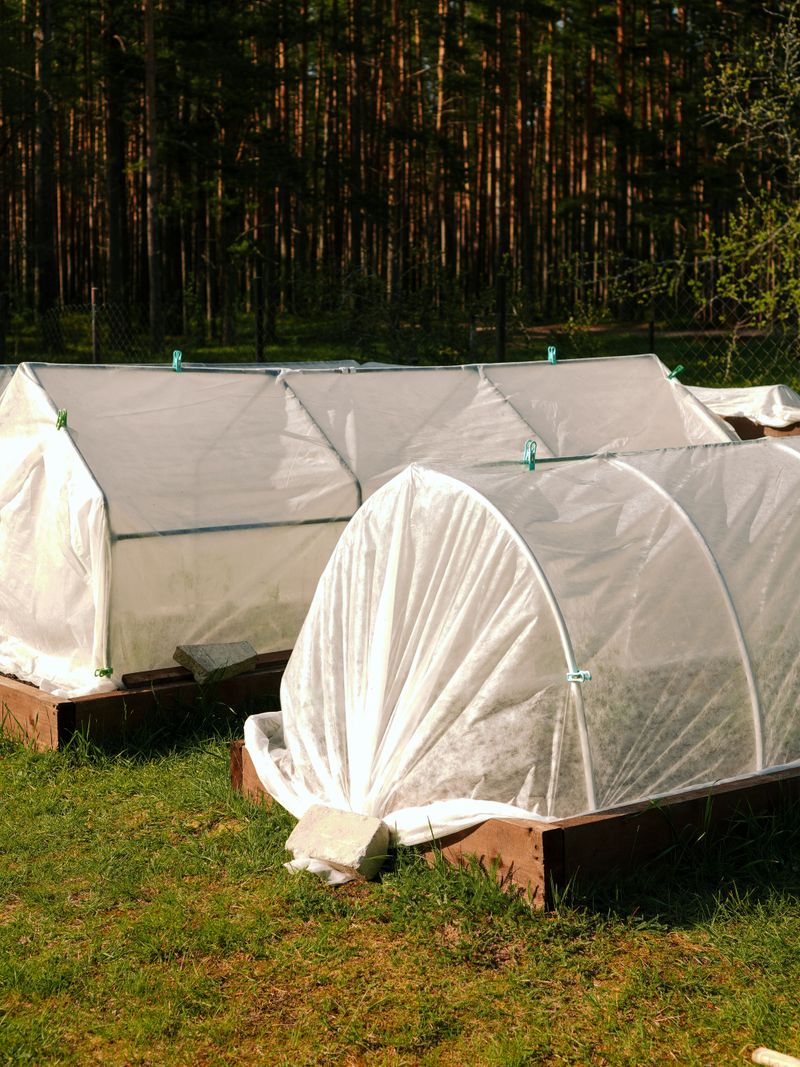
Planting too early is one of the most common and costly mistakes suburban gardeners make each spring. One late frost can undo weeks of careful seedling work in a single night.
Illinois has a wide range of frost dates depending on where you live. Northern suburbs near Chicago see last frosts as late as mid-May, while central areas often clear by late April.
The USDA Plant Hardiness Zone map is a helpful starting point, but local extension offices give you the most precise dates for your specific county. Knowing your exact window is everything.
Work backward from your last expected frost date to plan when to start seeds indoors. Tomatoes need six to eight weeks of indoor growing time before they are ready to transplant outside.
Corn belt gardening tricks Illinois growers count on include watching more than just the calendar. Soil temperature, wind patterns, and cloud cover all influence whether a cold night turns into a damaging frost.
A simple min-max thermometer placed in your garden gives you nightly low readings. That data helps you decide when to cover plants and when the coast is finally clear.
Fall frost dates matter just as much as spring ones. Knowing your first expected fall frost lets you squeeze in a late-season crop of greens or radishes before winter arrives.
Gardening with frost dates instead of against them is one of the smartest corn belt gardening tricks Illinois suburban yards can borrow from the farming world.