These 9 Native Catskill Plants Deserve More Summer Attention
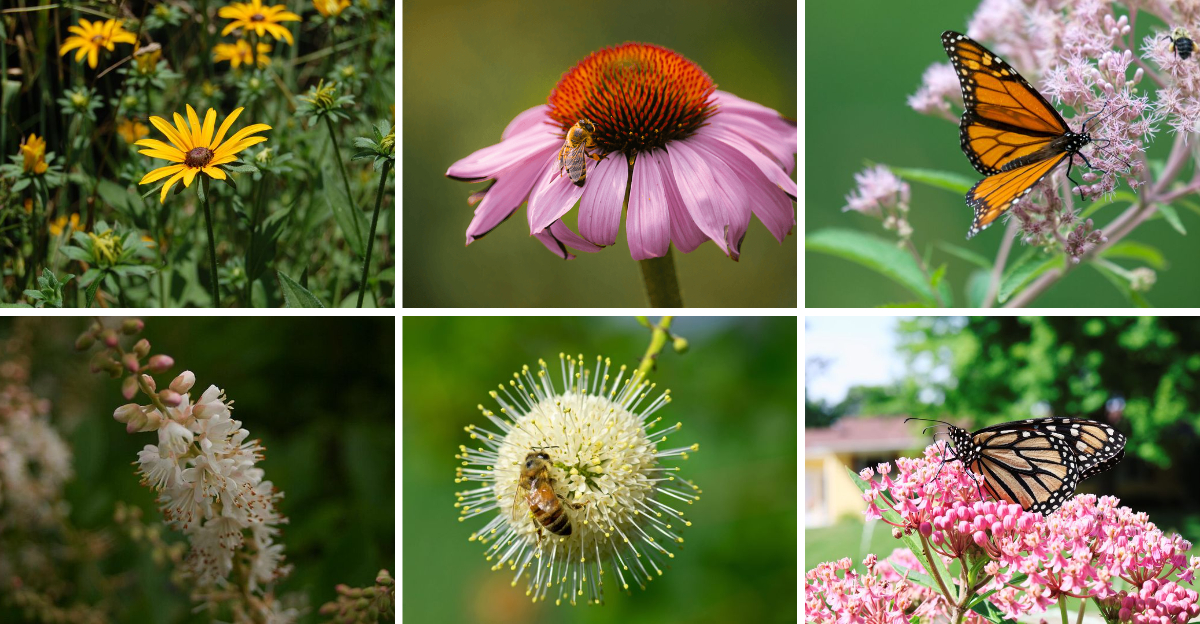
Tucked between ridgelines and creek beds, the Catskills hide a plant world most hikers never notice. Long before any garden fence went up here, these species had already learned to survive New York’s rocky soil and brutal winters.
That kind of resilience does not happen by accident. Ferns, sedges, wildflowers, and shrubs native to this region have spent centuries adapting to exactly these conditions, which makes them tougher and far less demanding than anything sold at a nursery.
Plant them in your own yard and something shifts. Bees show up. Birds start nesting closer. The whole space starts behaving like a real ecosystem instead of a decoration.
Anyone who has driven past these mountains without a second thought is missing a huge piece of what makes this landscape work. This is the season to actually look.
1. Cardinal Flower
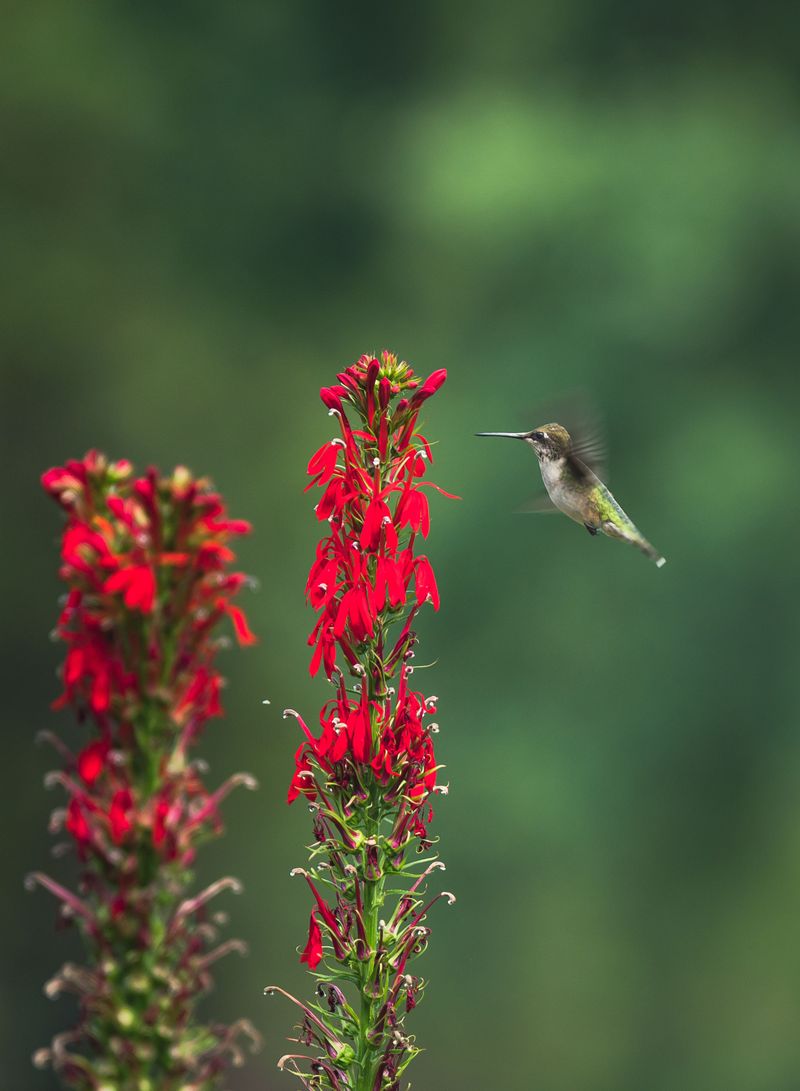
Few plants stop hikers cold in their tracks like the Cardinal Flower. That electric red spike rising from a shaded stream bank looks almost too bold to be real.
Cardinal Flower is one of the native Catskill plants that hummingbirds seek out again and again. The tubular red blossoms are shaped perfectly for a hummingbird’s long beak, making this plant a natural feeder.
It loves wet feet, so plant it near a pond, rain garden, or low-lying area. Give it partial shade and moist, rich soil and it will reward you generously.
Most gardeners overlook it because they assume red flowers need full sun. That assumption is wrong, and Cardinal Flower proves it every single summer.
Reaching heights of two to four feet, it creates a dramatic vertical accent in the landscape. The blooms appear from July through September, which is prime pollinator season.
Bees struggle to access the nectar, but hummingbirds and large swallowtail butterflies manage just fine. That selective pollination makes Cardinal Flower a fascinating ecological player.
Starting from seed takes patience, but transplants establish quickly in the right conditions. Division in early spring is the easiest way to multiply your patch.
Once established, it self-seeds reliably and spreads into natural colonies. A single plant can become a glowing red river of color within a few seasons.
2. Butterfly Weed
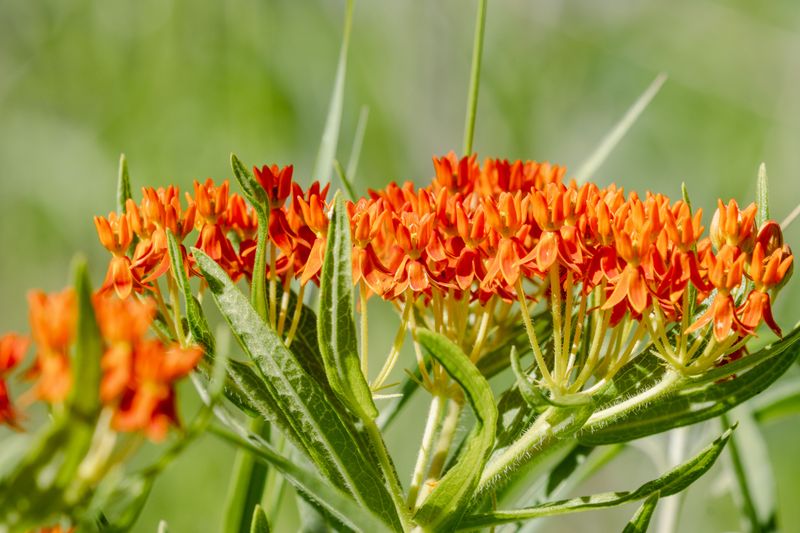
Butterfly Weed might have the most misleading name in the plant world. There is nothing weedy about this fiery orange native wildflower that monarchs and swallowtails flock to all summer long.
Unlike most milkweeds, this one thrives in dry, sandy, or rocky soil where other plants give up. That drought tolerance makes it one of the toughest native Catskill plants you can grow.
The flat-topped orange flower clusters bloom from June through August, creating a landing pad for dozens of pollinator species. Fritillaries, skippers, and bumblebees join monarchs in the feeding frenzy.
Monarch butterflies specifically use Asclepias tuberosa as a host plant for their larvae. Planting it means you are actively supporting one of North America’s most beloved migrations.
Full sun brings out its best bloom. It struggles in shade and performs best in well-drained spots with minimal competition from aggressive grasses.
Your New York Garden Changes Every Week. Your Plan Should Too.
Gardening in New York changes quickly throughout the season. Every Friday you’ll receive a simple weekly plan showing exactly what to plant, prune, fertilize, harvest, and protect so you never miss the right timing.
One quirk worth knowing: it is slow to emerge in spring. Mark the spot in fall so you do not accidentally dig it up while planting something else.
The taproot goes deep, which is why it handles drought so well. Avoid transplanting once established, because disturbing that root system sets it back significantly.
Seed pods in fall are ornamental and split open to release silky white floss. Letting them mature adds winter interest and ensures natural reseeding for seasons ahead.
3. Black-Eyed Susan
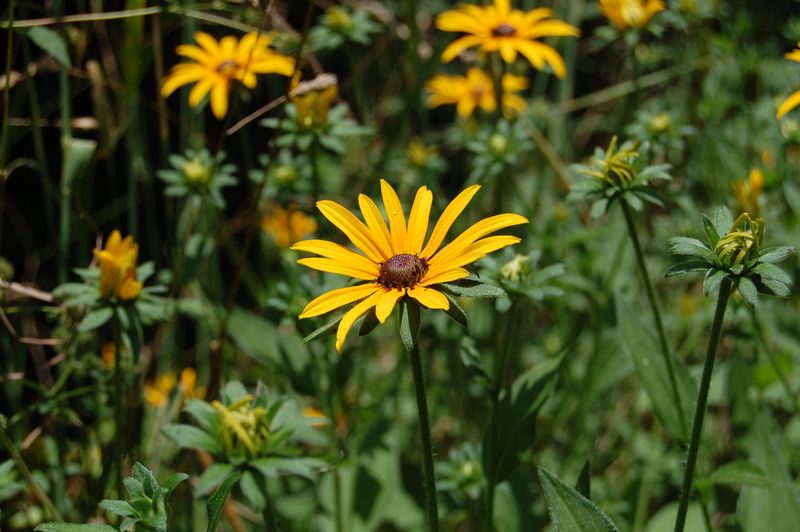
If summer had a mascot flower, Black-Eyed Susan would win by a landslide. Those cheerful golden petals around a dark chocolate center are practically synonymous with warm July afternoons.
Rudbeckia hirta is one of the most adaptable native Catskill plants you will ever grow. It handles poor soil, full sun, and periods of drought without skipping a beat.
Blooming from June through October, it bridges the gap between early summer and fall. That long season of color makes it an anchor plant in any pollinator garden design.
Bees are the primary visitors, but goldfinches arrive in fall to feast on the seed heads. Leaving those spent blooms standing through winter feeds birds and adds texture to the garden.
Black-Eyed Susan grows one to three feet tall and works beautifully in masses or mixed borders. It pairs naturally with purple coneflower, creating a classic pollinator garden combination.
Starting from seed is easy and inexpensive, making it accessible for gardeners on any budget. Direct sow in fall or early spring for blooms the following summer.
It self-seeds prolifically, so expect it to roam a bit over time. Embrace the naturalistic spread or remove spent blooms regularly to keep it contained in smaller spaces.
Biennial or short-lived perennial behavior means it benefits from letting some seeds mature each year. That simple habit keeps the colony thriving without any extra effort from you.
4. Coneflower
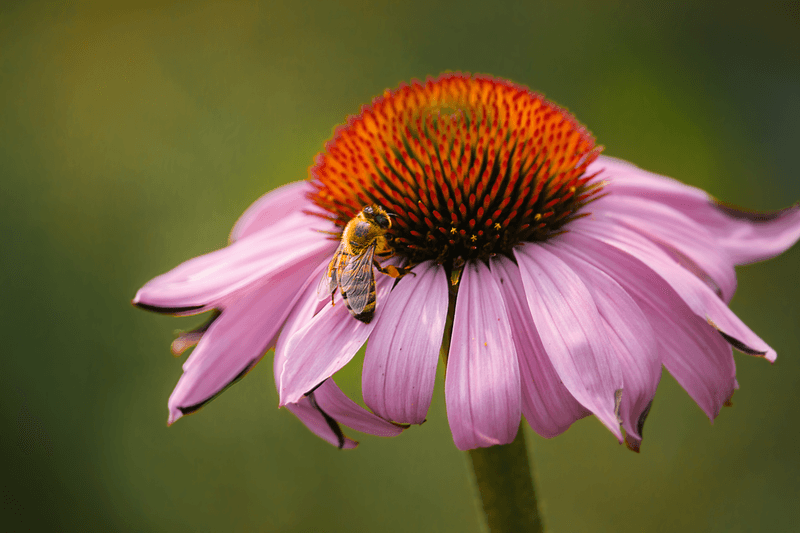
Coneflower has earned a permanent spot in American gardens, and though its true native range centers on the central and southeastern U.S., it has naturalized happily across the Northeast, including here in the Catskills.
The drooping lavender-pink petals around a spiky orange cone are unmistakable. That cone is not just ornamental; it is a landing pad and feeding station for a huge range of insects.
Among the plants that thrive in the Catskills, coneflower stands out for its sheer staying power in the landscape. It tolerates heat, drought, and average soil without complaint, making it nearly foolproof for beginners.
Blooms appear from July through September, and the cones remain standing through winter. Birds like goldfinches and chickadees peck at those seed heads on cold mornings, so resist the urge to cut them back.
Echinacea grows two to five feet tall depending on the variety and growing conditions. Plant it in full sun with decent drainage and it will multiply steadily over the years.
Division every three to four years keeps clumps vigorous and productive. Spring division is easiest, right when new growth is just beginning to emerge from the ground.
Many people know coneflower for its herbal reputation in immune support teas and tinctures. That traditional use adds an interesting layer to an already impressive plant story.
Pair it with grasses and Joe Pye Weed for a naturalistic planting that feels effortlessly wild. The combination is low-maintenance and genuinely beautiful from midsummer into fall.
5. Joe Pye Weed
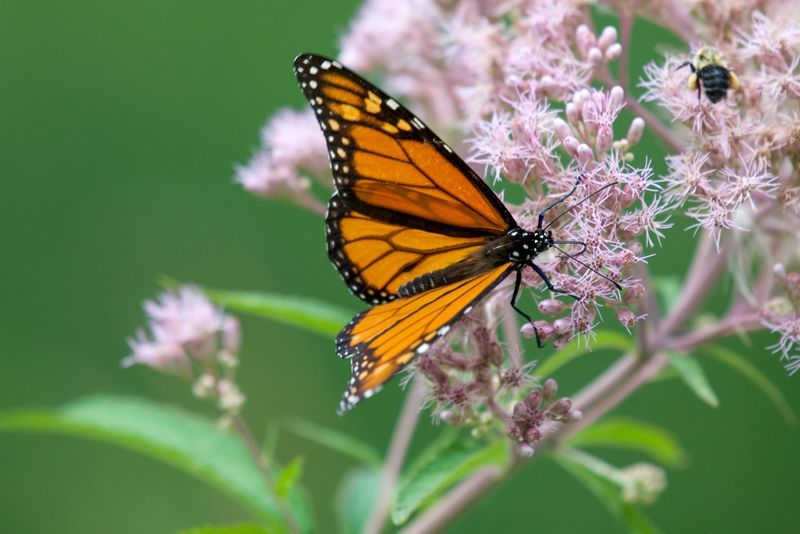
Joe Pye Weed commands attention simply by showing up. This towering native reaches six to ten feet tall, turning the back of any border into a statement piece by late summer.
The fluffy dusty-rose flower clusters appear in August and September, right when many other plants are fading. That late-season bloom timing makes it a critical resource for migrating monarchs and native bees.
Its name comes from a legend about a Native American healer named Joe Pye who used the plant medicinally. The exact origin of the story is debated, but the plant’s historical roots run deep in this region.
Joe Pye Weed is one of the native Catskill plants that genuinely thrives in moist conditions. Stream banks, rain gardens, and low spots in the yard are ideal placements for this giant.
Despite its size, it rarely needs staking because the stems are sturdy and well-branched. Give it full to partial sun and let it do its thing without much interference.
The foliage is whorled and attractive even before blooming begins. Vanilla-scented flowers are a bonus detail that most people discover only when standing close enough to breathe it in.
Swallowtail butterflies treat Joe Pye Weed like a buffet table in late summer. Watching them work the flower clusters is one of the season’s genuine pleasures.
Cut it back by half in late May to control height without sacrificing bloom quality. That single step keeps this giant manageable in smaller garden spaces.
6. Bee Balm
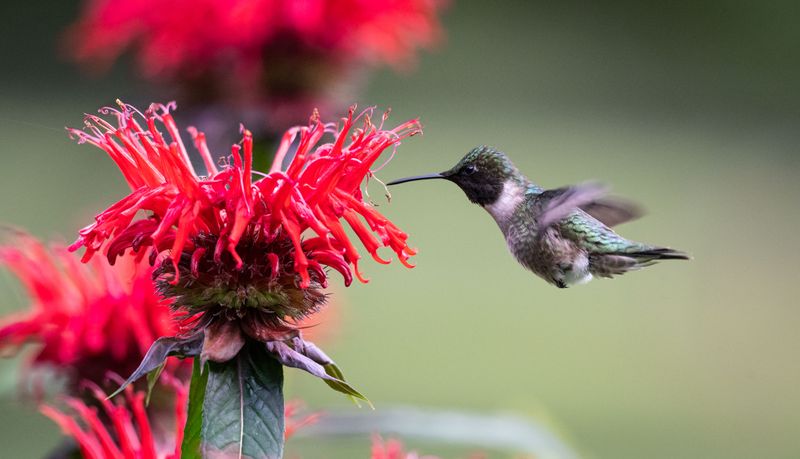
Bee Balm smells like a wild Italian kitchen and looks like a fireworks display at the same time. The shaggy, spidery blooms in red, pink, or purple are unlike anything else in the summer garden.
Monarda is a native Catskill plant with serious wildlife credentials. Hummingbirds, bumblebees, sphinx moths, and swallowtail butterflies all depend on it during peak summer months.
The fragrance comes from aromatic oils in the leaves, which have been used in teas and cooking for centuries. Crush a leaf between your fingers and you get an immediate hit of oregano meets citrus.
It spreads by underground runners, forming colonies that grow wider each year. That spreading habit is great in naturalistic settings but requires some editing in formal borders.
Powdery mildew is the main challenge with Bee Balm, especially in humid summers. Choosing mildew-resistant varieties like Jacob Cline or Raspberry Wine solves that problem before it starts.
Plant it in full sun with good air circulation to minimize fungal issues. Dividing clumps every two to three years also keeps the plants healthy and blooming strongly.
Bloom time runs from June through August, peaking in the heat of midsummer. That long window gives pollinators an extended food source during the season’s most demanding stretch.
The dried seed heads look architectural in winter and provide food for small birds. Bee Balm earns its place in the garden from the first bloom to the last frost.
7. Buttonbush
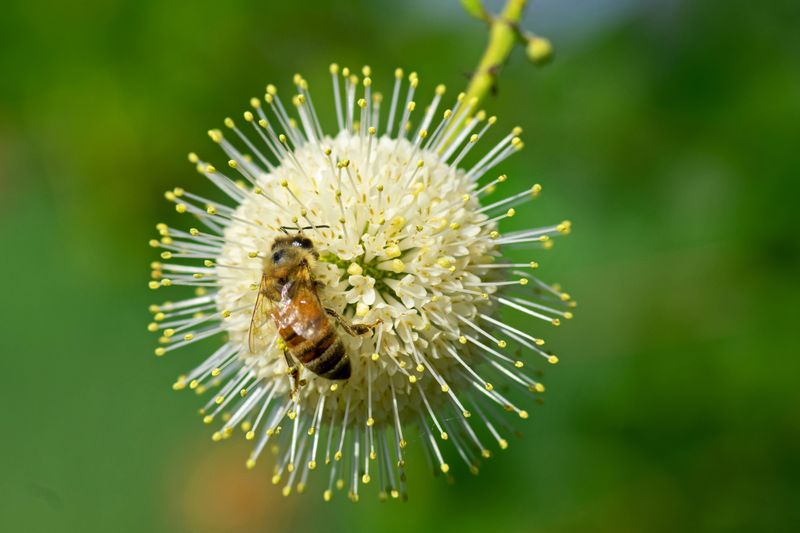
Buttonbush looks like something a botanist dreamed up after a very creative evening. Those perfectly round, white, pincushion flowers are one of the most unusual and striking blooms in the native plant world.
This shrub is built for wet places that other plants avoid entirely. Stream edges, pond margins, and seasonally flooded areas are exactly where Cephalanthus occidentalis feels most at home.
Buttonbush is a native Catskill plant that pulls serious ecological weight in the landscape. Bees, butterflies, and hummingbirds all visit the flowers, while ducks and shorebirds feed on the seeds in fall.
It blooms in July and August, which is when many shrubs have already finished flowering. That midsummer timing fills a gap in the pollinator food calendar that few other shrubs address.
Growing six to twelve feet tall, it can be kept smaller with annual pruning after flowering. Its adaptability to wet conditions makes it nearly irreplaceable along waterways and rain garden edges.
The glossy dark green leaves are attractive all season long. Fall color is not dramatic, but the round fruit clusters that follow the flowers add ornamental interest into early winter.
Wildlife value is almost unmatched among native shrubs of this size. Researchers have documented dozens of bee species visiting Buttonbush during peak bloom.
If you have a soggy corner of the yard that defeats every plant you try, Buttonbush is your answer. Wet soil is exactly what this shrub asks for.
8. Summersweet
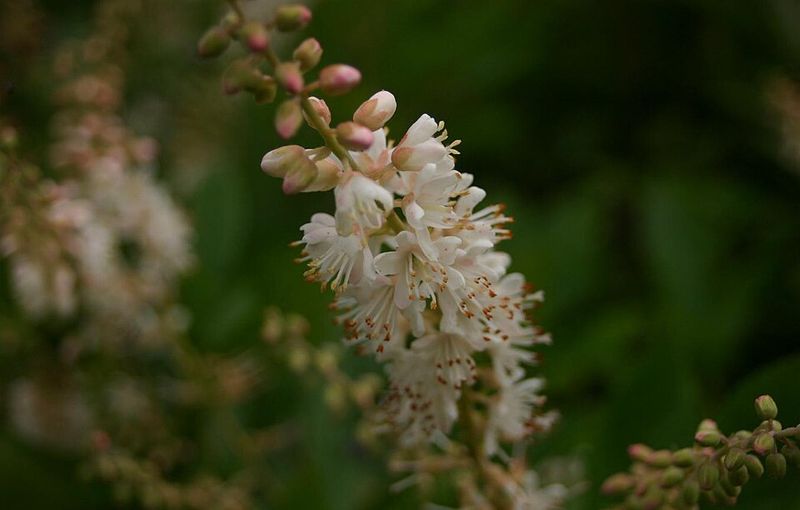
Walk past a blooming Summersweet on a warm August afternoon and you will stop in your tracks. The fragrance is sweet, spicy, and impossible to ignore once you catch a whiff of it.
Clethra alnifolia is one of those native Catskill plants that solves a genuinely tricky garden problem. It thrives in moist, shady spots where most flowering shrubs simply refuse to perform.
The white or pink flower spikes appear in July and August, lasting for several weeks. That late-summer bloom window is a lifeline for bumblebees and native bees that are still actively foraging.
Growing four to eight feet tall, Summersweet works well as a hedge, foundation planting, or woodland edge shrub. It suckers to form colonies over time, which is either charming or something to manage depending on your space.
Fall foliage turns a warm golden yellow, adding a second season of interest. The plant earns its keep from fragrant summer bloom through bright autumn color.
It tolerates both wet soil and occasional flooding, making it a smart choice near downspouts or low-lying areas. Acidic soil conditions found throughout much of the Catskill region suit it perfectly.
Hummingbird Moth visits are common during bloom time, and the show is mesmerizing. These day-flying moths hover over the flower spikes exactly like their avian lookalikes.
Plant Summersweet where you sit outdoors and let the fragrance do the rest. Few native shrubs deliver this much sensory reward with this little maintenance.
9. Swamp Milkweed
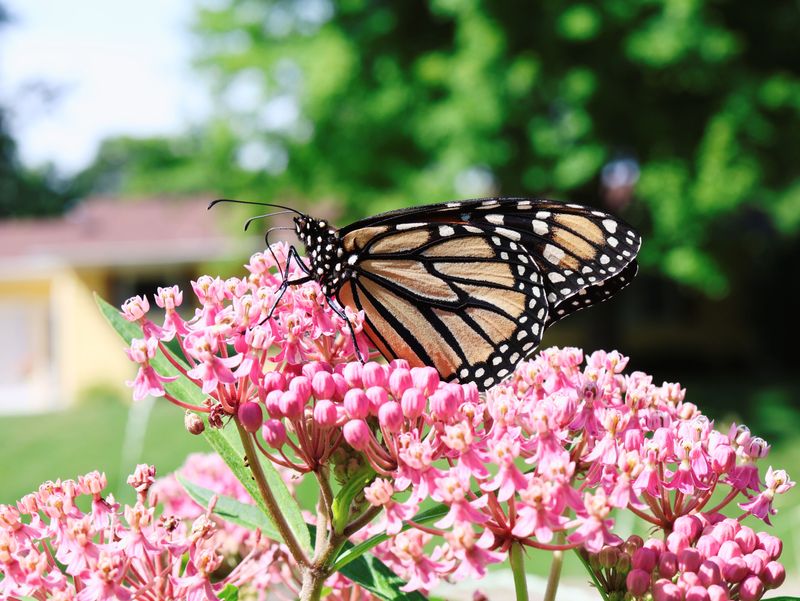
Swamp Milkweed is the understated cousin of the milkweed family, and it deserves far more recognition than it typically gets. The rosy pink flower clusters are genuinely beautiful, not just ecologically important.
Asclepias incarnata is a native Catskill plant that supports monarch butterflies at every stage of their life cycle. Adult monarchs nectar on the flowers while their larvae feed exclusively on the foliage.
Unlike common milkweed, this species stays tidy and upright without flopping over. It grows three to five feet tall and holds its structure well through summer storms and heavy rain.
Wet conditions are where it shines brightest, making it a perfect fit for rain gardens, pond edges, and low areas. It also performs reasonably well in average garden soil with regular moisture.
The fragrance of the flowers is light and sweet, drawing pollinators from a surprising distance. Bumblebees, fritillaries, and native skippers join monarchs at the blooms from July through August.
Seed pods split open in fall to release seeds attached to silky white fiber. Collecting a few pods before they open lets you start new plants from seed the following spring.
Swamp Milkweed is longer-lived than many milkweed species and grows more robust each passing year. Established plants develop thick root systems that make them highly resistant to drought once settled in.
Planting this alongside native Catskill plants like Joe Pye Weed and Buttonbush creates a complete late-summer habitat. Together, they form a living ecosystem that pays dividends every single season.