Why Wasps Are Building Nests Around Your New York Porch This Summer
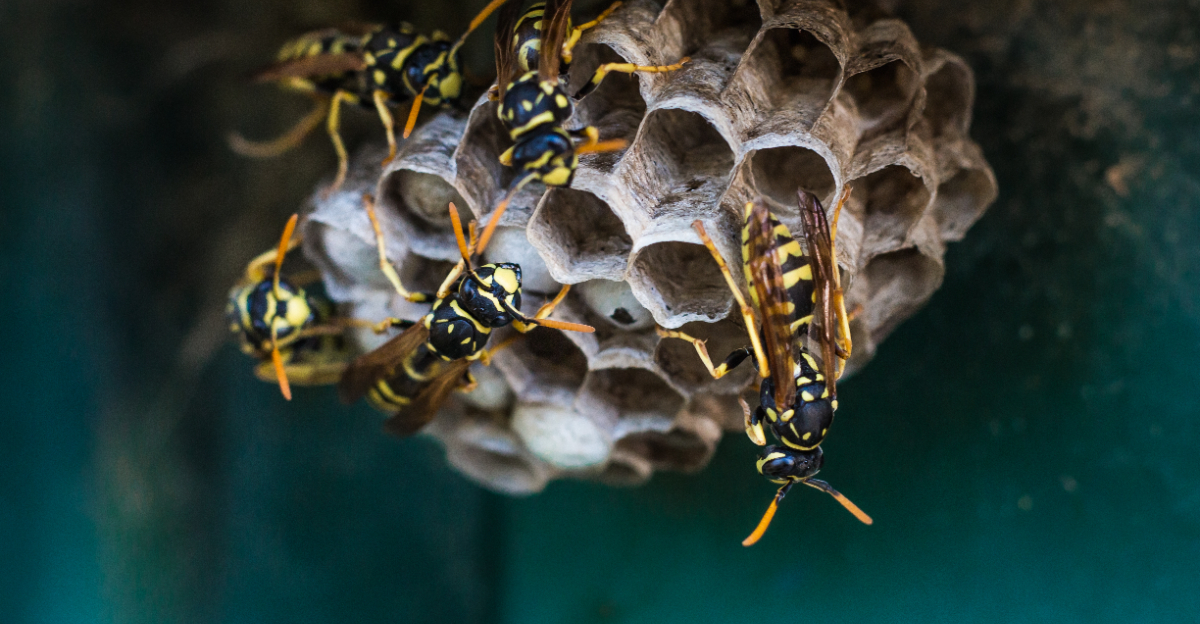
Wasps do not show up randomly. When a colony starts building around your New York porch, there is a specific reason your home made the shortlist, and it usually comes down to a combination of structure, shade, and timing.
What feels like an overnight problem started weeks earlier with a single queen scouting your eaves. By the time most homeowners notice, easy removal is already off the table.
New York summers give wasp colonies everything they need to grow fast and go unnoticed until it is too late. Getting familiar with what wasps are looking for before summer peaks is the most practical move you can make.
Your Porch Offers Everything A Wasp Colony Needs
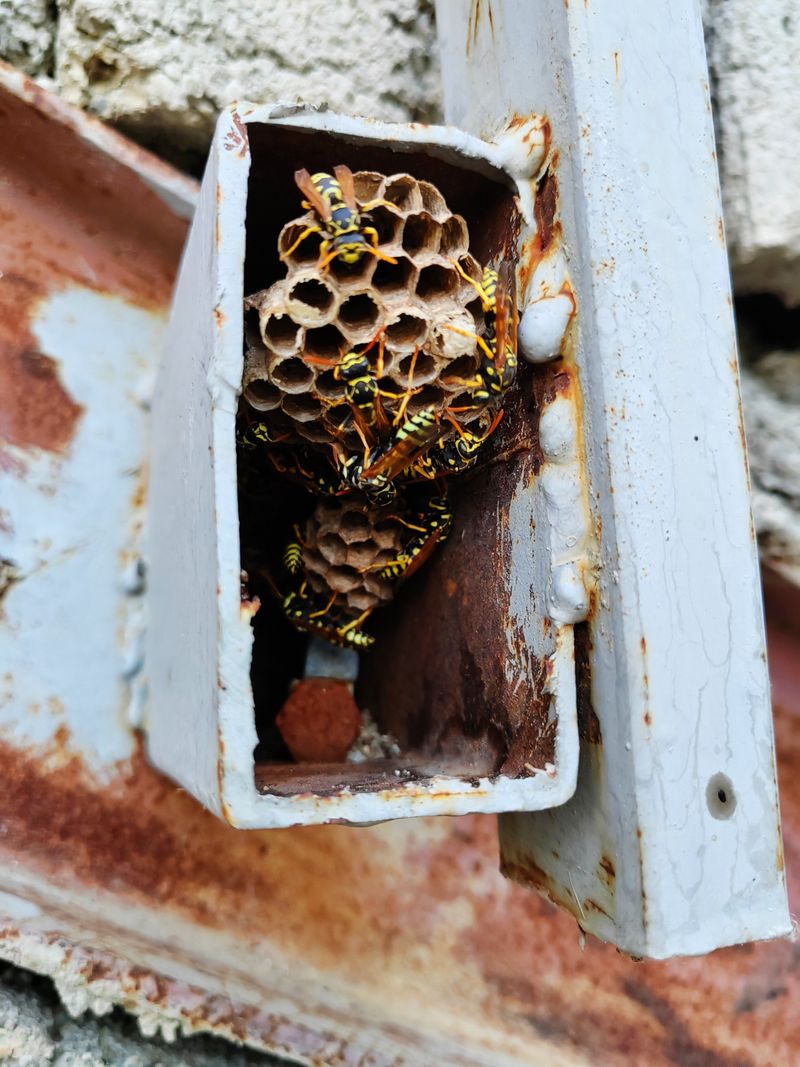
Wasps are not random. They scout locations the way a real estate agent previews properties.
Your porch checks every box on their list. Shelter, warmth, and proximity to food make it a prime nesting spot.
The overhang above your door blocks wind and rain. That protection is exactly what a growing colony craves.
Wood railings, painted siding, and hollow posts offer the raw material wasps need. They chew wood fibers and mix them with saliva to build their papery nests.
Sun-facing sides of a home are especially attractive to nesting queens. A porch that catches morning or afternoon light gives the colony a thermal advantage that speeds up brood development.
Your outdoor lights attract moths and flies at night. Wasps remember those food sources and come back the next morning to hunt.
Flower pots, bird feeders, and open garbage cans nearby sweeten the deal. The more resources your porch offers, the harder it is for wasps to resist.
Many homeowners in New York also leave their porches undisturbed for weeks. That quiet stretch of time is all a queen needs to establish a nest before anyone notices.
Once a colony gets comfortable, relocating becomes tricky. Catching the problem early is always the smarter move.
Common Spots Wasps Target Around New York Porches
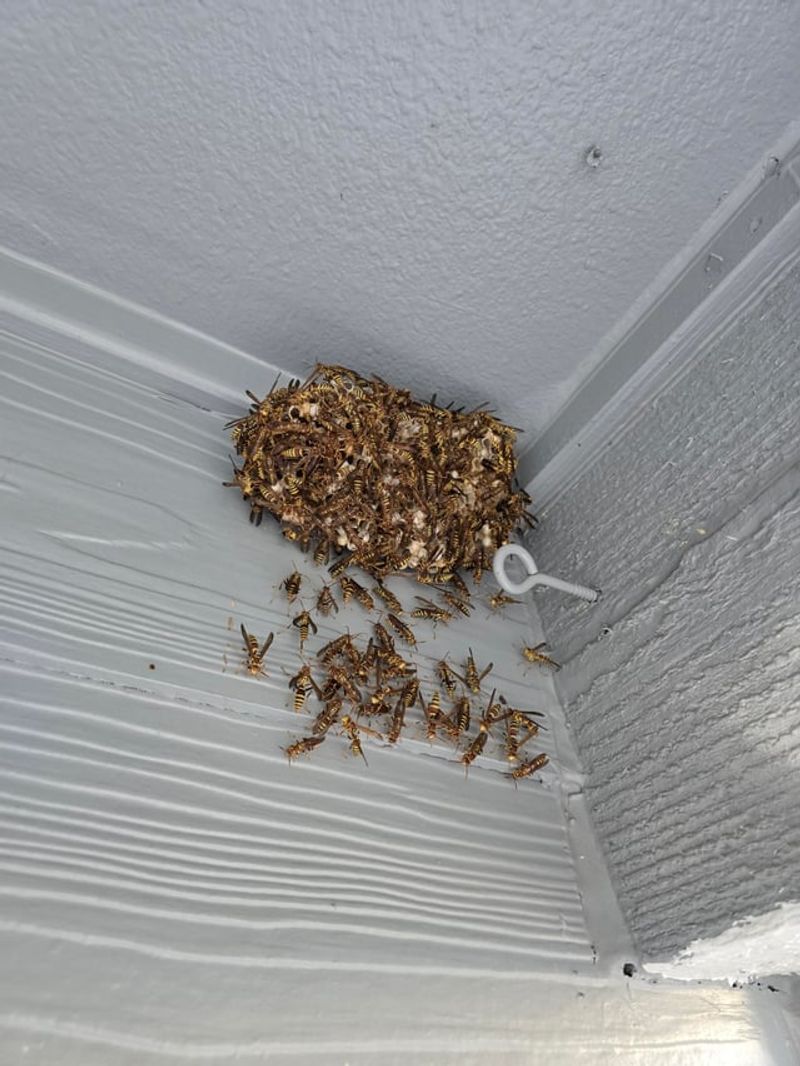
Wasps are creatures of habit, and they target the same spots year after year. Knowing where to look can save you a nasty surprise.
Porch eaves are the number one nesting location across New York homes. The overhang gives wasps a protected ceiling that mimics the hollow trees they used before suburbs existed.
Light fixtures are another favorite. The warmth from the bulb and the steady supply of insects make them irresistible to scouting queens in early spring.
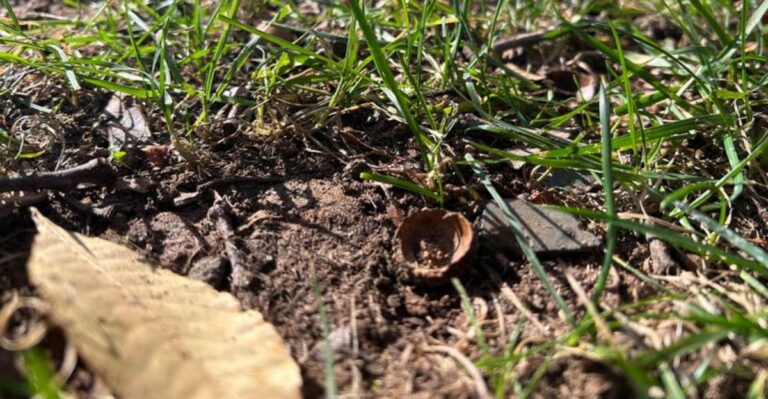
Wooden railings with small gaps or cracks invite ground-nesting species inside. Yellow jackets especially love burrowing into soft, rotting wood near porch steps.
Shutters that sit slightly away from siding create a narrow cavity. That dark, enclosed space is perfect for a small colony to grow undetected for weeks.
Porch ceilings with tongue-and-groove boards sometimes have tiny separations between planks. Wasps squeeze through gaps smaller than a pencil eraser.
Hanging plants and window boxes are also frequent targets. The thick foliage hides the nest from view and keeps it shaded during the hottest part of the day.
Your New York Garden Changes Every Week. Your Plan Should Too.
Gardening in New York changes quickly throughout the season. Every Friday you’ll receive a simple weekly plan showing exactly what to plant, prune, fertilize, harvest, and protect so you never miss the right timing.
Outdoor furniture stored against the wall creates another blind spot. Folded chairs and stacked cushions left untouched for days become prime real estate for a nesting queen.
Doing a weekly walk-around your porch takes less than five minutes. That simple habit can catch a nest when it is still the size of a golf ball.
Wasp Species Most Likely To Nest Near New York Homes
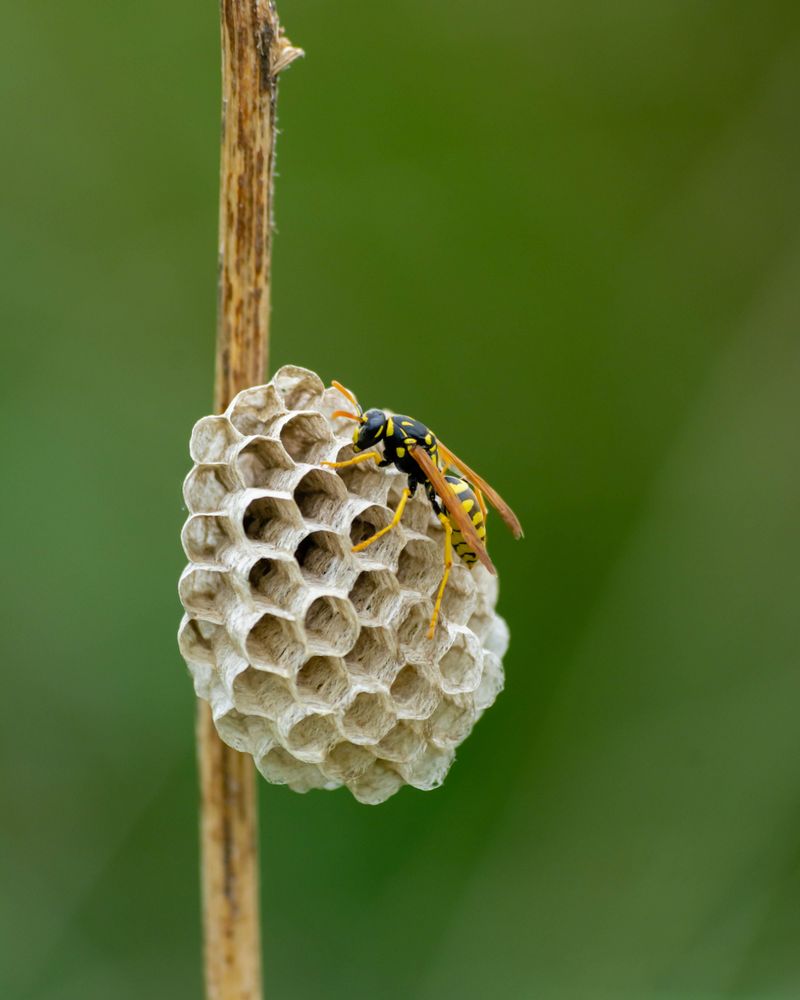
Not every wasp buzzing around your porch is the same species. Knowing which one you are dealing with changes everything about how you respond.
Paper wasps are the most common culprits behind open, umbrella-shaped nests. Their combs hang exposed under eaves, and they tend to be less aggressive than other species unless provoked.
Yellow jackets are a different story. These stocky, bold insects build enclosed nests that can hold thousands of workers by late summer.
Yellow jackets often nest underground or inside wall voids. When they choose a porch, they usually enter through a gap near the foundation or behind siding panels.
Bald-faced hornets are technically a type of aerial yellow jacket, despite the name. Their large, gray, oval-shaped nests are typically found on tree branches or building overhangs, usually well off the ground.
Mud daubers are solitary and far less threatening than their colonial cousins. They build small, tube-shaped mud nests on walls and rarely sting unless directly handled.
European hornets are the largest species homeowners encounter in New York. They prefer hollow trees but will nest inside wall cavities or under porch decking if hollow wood is available.
Identifying your species before taking action is important. A mud dauber nest can be removed with a garden hose, but a yellow jacket colony inside a wall needs a licensed pest control professional.
Signs A Wasp Nest Is Getting Too Close For Comfort
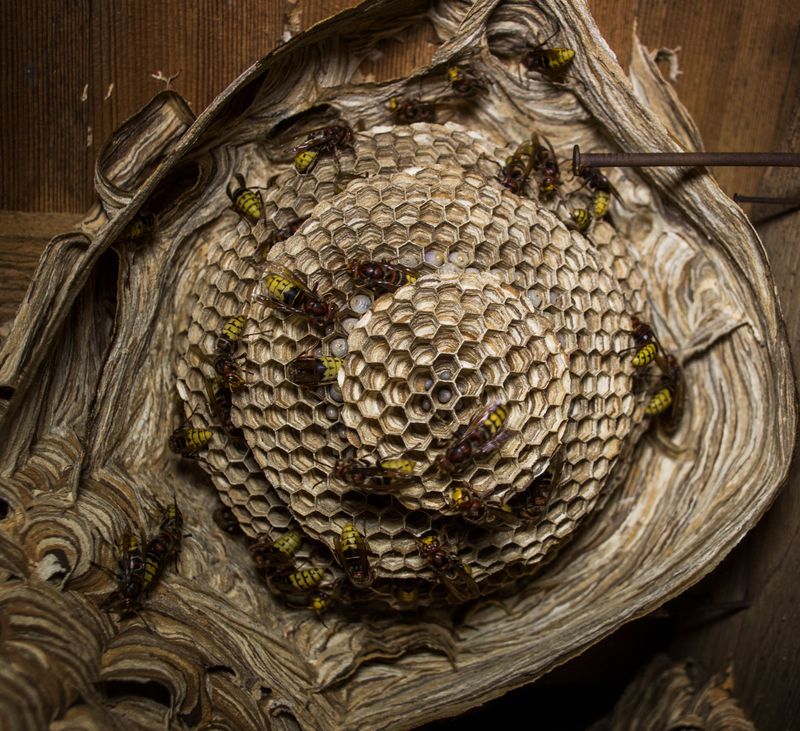
Spotting a nest early is the best advantage you can have this summer. There are several warning signs that show up before the nest becomes a serious problem.
Increased wasp activity around one specific area of your porch is usually the first clue. If you notice five or more wasps hovering near the same spot repeatedly, a nest is likely nearby.
A soft buzzing sound coming from inside a wall or ceiling is another red flag. Yellow jackets nesting inside structures often create a faint hum that gets louder as the colony grows.
Small papery flakes on your porch floor can indicate active nest construction above. Wasps shed material as they chew and build, leaving behind a light dusting of debris.
Wasps flying in a straight, purposeful line rather than wandering are typically workers returning to a nest. Follow their flight path with your eyes to locate the entry point.
Finding chewed wood along railings or window trim is a physical sign of nest-building. The wood will look scraped or roughened in small patches.
If your outdoor pets start avoiding a certain corner of the porch, trust their instincts. Animals often sense wasp activity before humans notice anything visible.
A nest that goes undetected from June to August can grow from a few dozen wasps to several thousand. Acting on the early signs keeps the situation manageable and far less stressful.
What Attracts Wasps To Your Yard In The First Place
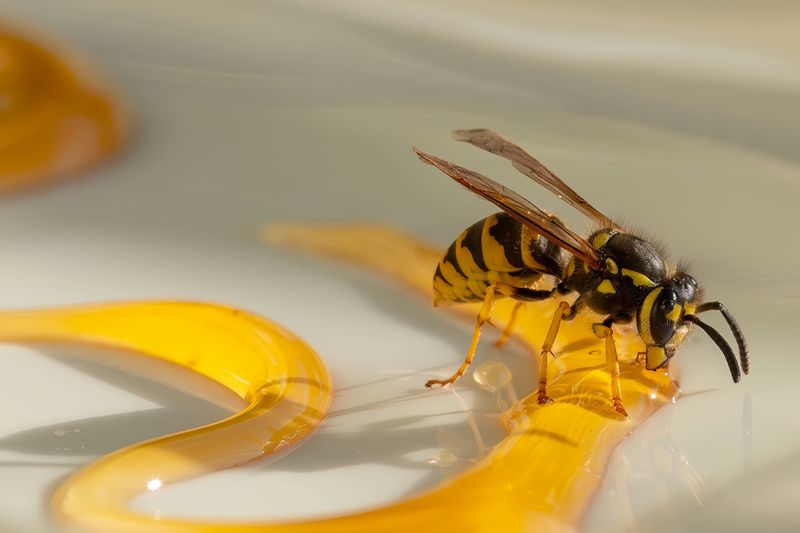
Wasps do not show up at random. Your yard is sending out signals that draw them in from surprisingly far away.
Sweet smells are one of the strongest attractants. Open soda cans, fruit bowls left outside, and even sweet-scented candles can bring wasps flying in from neighboring properties.
Protein sources matter just as much as sugar. Wasps feed their larvae meat, so an uncovered grill or a plate of hot dogs left out is basically ringing a dinner bell.
Standing water in birdbaths, clogged gutters, or plant saucers provides the moisture colonies need. Wasps drink water regularly and seek it out close to their nest site.
Flowering plants that produce heavy nectar draw wasps the same way they attract bees. Goldenrod, Queen Anne’s lace, and sweet fennel are common culprits in New York gardens.
Aphid infestations on garden plants create an unexpected food source. Wasps hunt aphids and other soft-bodied insects to feed their young, so a pest problem in your garden can indirectly invite a colony to settle nearby.
Hollow structures like old fence posts, untreated wood stacks, and abandoned birdhouses act as open invitations. A queen scouting in April will claim any suitable cavity she finds.
Reducing these attractants does not require a full yard makeover. A few targeted changes, like covering trash cans and clearing standing water, can make your property significantly less appealing to nesting wasps this summer.
Safe Ways To Discourage Nesting Before It Starts
Prevention is always easier than removal. A few proactive steps taken in early spring can keep your porch wasp-free all summer long.
Fake wasp nests can deter paper wasps, but are less likely to affect yellow jackets or hornets, so results will vary depending on which species is active around your porch.
Hang a decoy nest near your porch eaves in April before queens begin scouting. Paper lanterns shaped like nests are available at most hardware stores and work as a low-effort first line of defense.
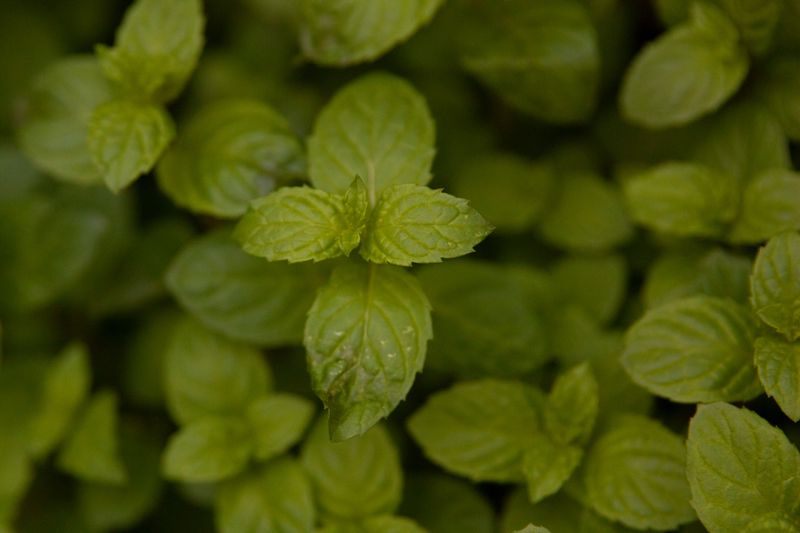
Peppermint oil is a natural repellent that wasps strongly dislike. Mix a few drops with water in a spray bottle and apply it along eaves, railings, and window frames every two weeks.
Sealing gaps and cracks in your porch structure removes potential nest sites. Use caulk or expanding foam to close any openings larger than a quarter inch.
Painting or staining bare wood discourages wasps from chewing it for nesting material. Unfinished wood is far more attractive to them than a properly sealed surface.
Keep outdoor eating areas clean and food covered whenever possible. Wiping down tables after meals removes the scent trails that foraging wasps use to communicate food locations back to their colony.
Installing fine mesh screens over vents and soffits blocks entry to hidden cavities. These small upgrades take an afternoon and pay off in months of wasp-free outdoor living.