Why Some Colorado Yards Suffer More In Summer Heat Than Others
Drive through any Colorado neighborhood in late July and the story splits right down the property line. One yard holds its color through triple-digit afternoons while the house next door has traded green for straw.
Nobody drew that outcome from a hat. Soil structure, watering schedule, grass variety, and even where the afternoon shade falls quietly decide which lawn keeps thriving and which one gives up by August.
Colorado’s thin mountain air, low humidity, and intense UV exposure turn small lawn care mistakes into visible damage within days, not weeks. A homeowner who understands what their turf actually needs during peak heat can skip the trial and error entirely.
That knowledge means protecting a yard before the browning even starts, not scrambling to fix it afterward. The gap between a resilient lawn and a struggling one usually traces back to a handful of decisions made months, sometimes years, earlier.
Soil Type And Sun Exposure Shape Summer Survival
Your soil is the foundation of everything. In Colorado, soil types vary wildly from neighborhood to neighborhood, and that variation changes how well grass survives summer heat.
Clay soil holds water but drains poorly, leaving roots soggy and oxygen-starved. Sandy soil drains fast but dries out before roots can absorb enough moisture.
Loamy soil sits right in the middle and gives roots the best shot at staying healthy when temperatures climb above 90 degrees.
Sun exposure plays an equally important role in summer yard health. A yard facing south or west gets pounded by direct afternoon sun for hours, baking the soil surface and stressing grass blades fast.
North-facing yards and those with natural slope can hold moisture longer and avoid the worst of the heat. Even a few degrees of shade difference can mean the gap between a green lawn and a scorched one.
Testing your soil is easier than most people think. Simple home kits from garden centers reveal pH levels and nutrient content in minutes.
Knowing what you are working with lets you amend soil before summer arrives rather than scrambling to fix problems mid-season. Adding compost improves both clay and sandy soils by increasing drainage in one and water retention in the other.
Sun mapping your yard once in spring gives you a clear picture of which spots need extra help during Colorado summer heat. That knowledge alone can save your lawn.
Mowing Height Changes How Grass Handles Heat
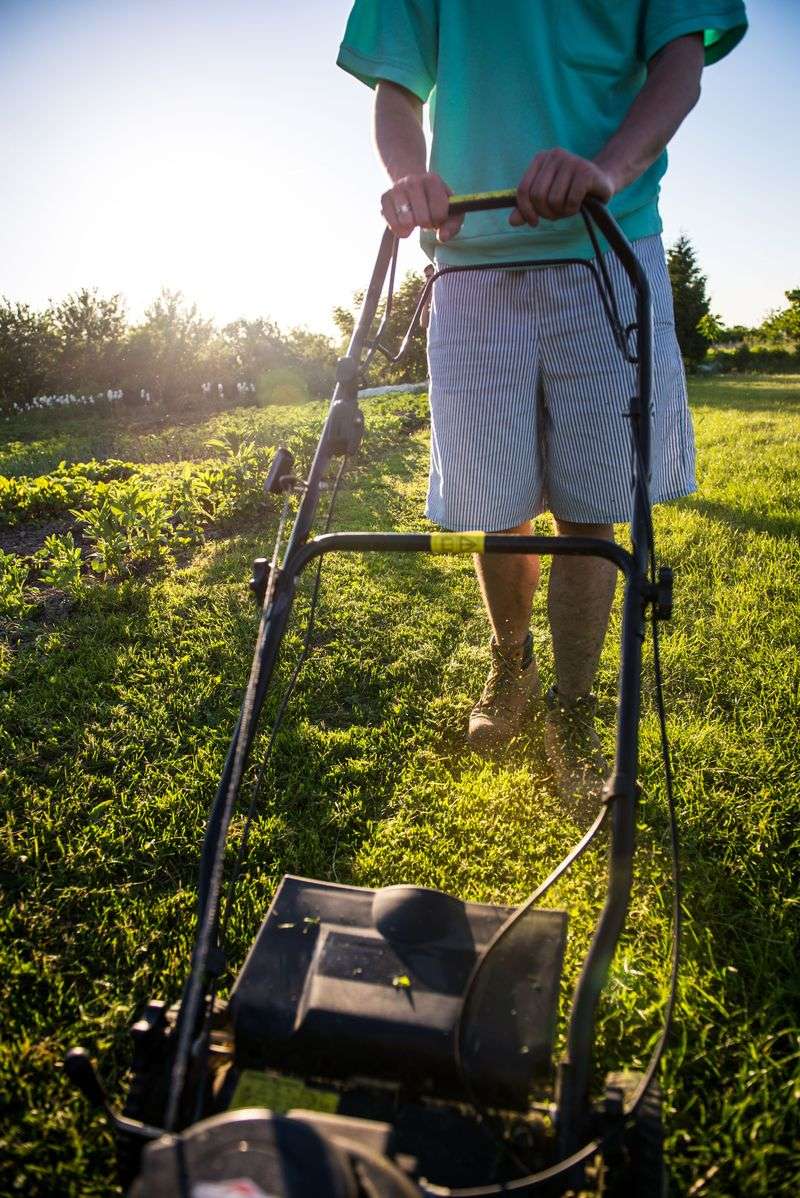
Most homeowners mow too short, and summer punishes them hard for it. Cutting grass down to one inch might look tidy, but it exposes soil directly to blazing sun and heat.
Bare soil heats up faster than almost any other surface in your yard. Once the ground gets hot enough, shallow grass roots start to shut down and stop absorbing water efficiently.
Raising your mower deck changes everything in a surprisingly short amount of time. Taller grass blades shade the soil beneath them, keeping ground temperatures cooler and slowing moisture evaporation.
Your Colorado Garden Changes Every Week. Your Plan Should Too.
Gardening in Colorado changes quickly throughout the season. Every Friday you’ll receive a simple weekly plan showing exactly what to plant, prune, fertilize, harvest, and protect so you never miss the right timing.
Most turf experts recommend keeping grass at three to four inches during peak summer months. That extra height acts like a natural sunscreen for the root zone below.
Taller grass also develops deeper roots over time because the plant puts more energy into growing down instead of just spreading out. Deeper roots reach moisture that short-rooted grass never touches during dry spells.
Mowing frequency matters just as much as mowing height. Cutting more than one-third of the blade length at once shocks the plant and triggers stress responses that weaken the whole lawn.
Keeping mower blades sharp reduces tearing, which creates entry points for disease and increases water loss from each blade. Dull blades leave ragged edges that brown faster in summer heat.
A simple mowing adjustment costs nothing but makes a measurable difference in how well any yard survives Colorado summer heat without extra irrigation.
Watering Timing Affects Root Depth And Resilience
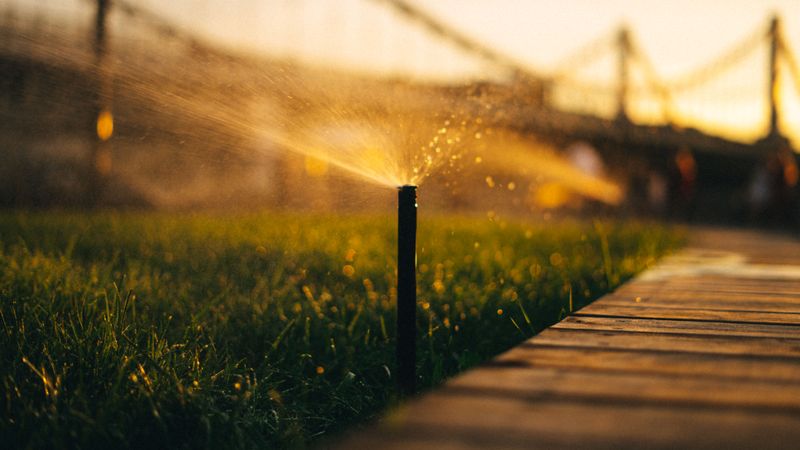
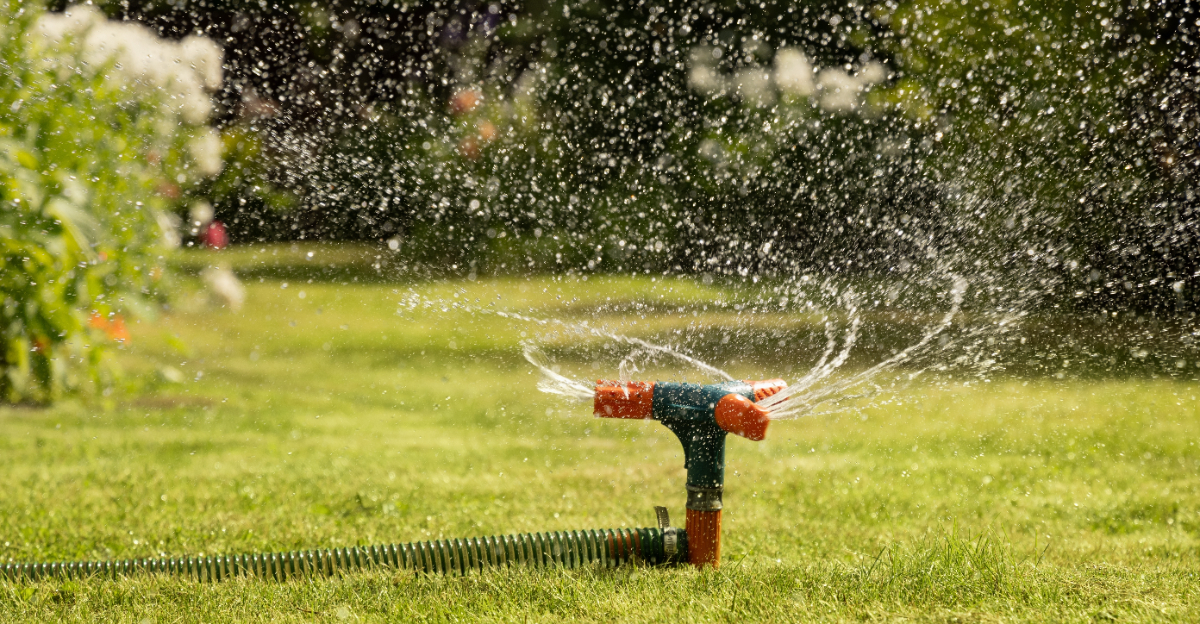
Watering at the wrong time is one of the most common mistakes homeowners make during summer. Running sprinklers in the afternoon wastes a huge percentage of water to evaporation before it ever reaches the roots.
Midday sun and wind can evaporate up to 50 percent of surface moisture within minutes of application. That means your system runs longer, your water bill climbs, and your grass still suffers.
Early morning watering between 4 a.m. and 8 a.m. delivers water when evaporation rates are lowest. The soil absorbs moisture deeply before the sun has a chance to pull it back up.
Deep and infrequent watering trains roots to grow downward toward consistent moisture reserves. Shallow daily watering keeps roots near the surface where heat and drought stress them fastest.
Switching from daily light watering to two or three deep sessions per week builds a stronger, more drought-tolerant lawn over one full season. The roots literally follow the water down into cooler ground.
Soil type also affects how long water takes to penetrate deeply enough to matter. Clay soil needs slower application rates to avoid runoff, while sandy soil benefits from two shorter sessions spaced an hour apart.
Checking soil moisture with a simple six-inch screwdriver tells you instantly whether water is reaching the root zone. If it pushes in easily, roots have moisture. If it stops at two inches, water more deeply next time.
Smart watering habits protect lawns from Colorado summer heat better than any fertilizer or quick fix on the market.
Compacted Soil Limits Moisture And Root Growth
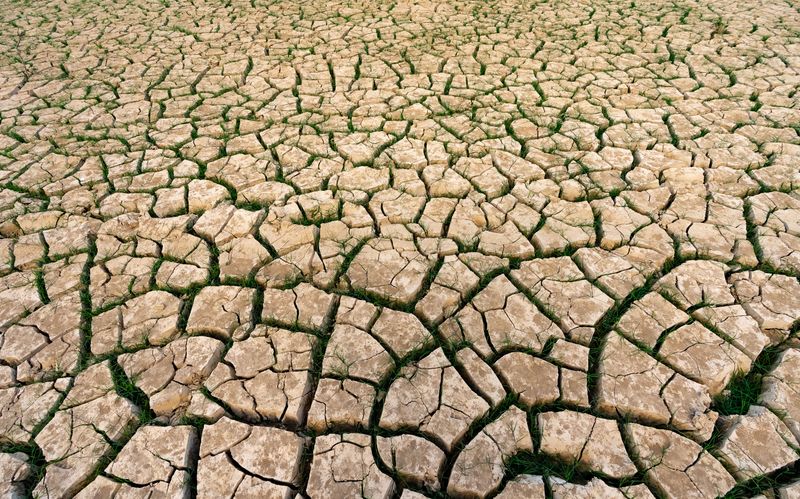
Foot traffic, heavy clay content, and years of neglect turn soil into something closer to concrete than garden earth. Compacted ground resists water penetration and forces roots to stay shallow where heat hits hardest.
When water cannot soak in, it runs off the surface and carries topsoil with it, leaving behind an even harder layer that gets worse with every rain. Grass growing in compacted soil looks thin, pale, and stressed even when watered regularly.
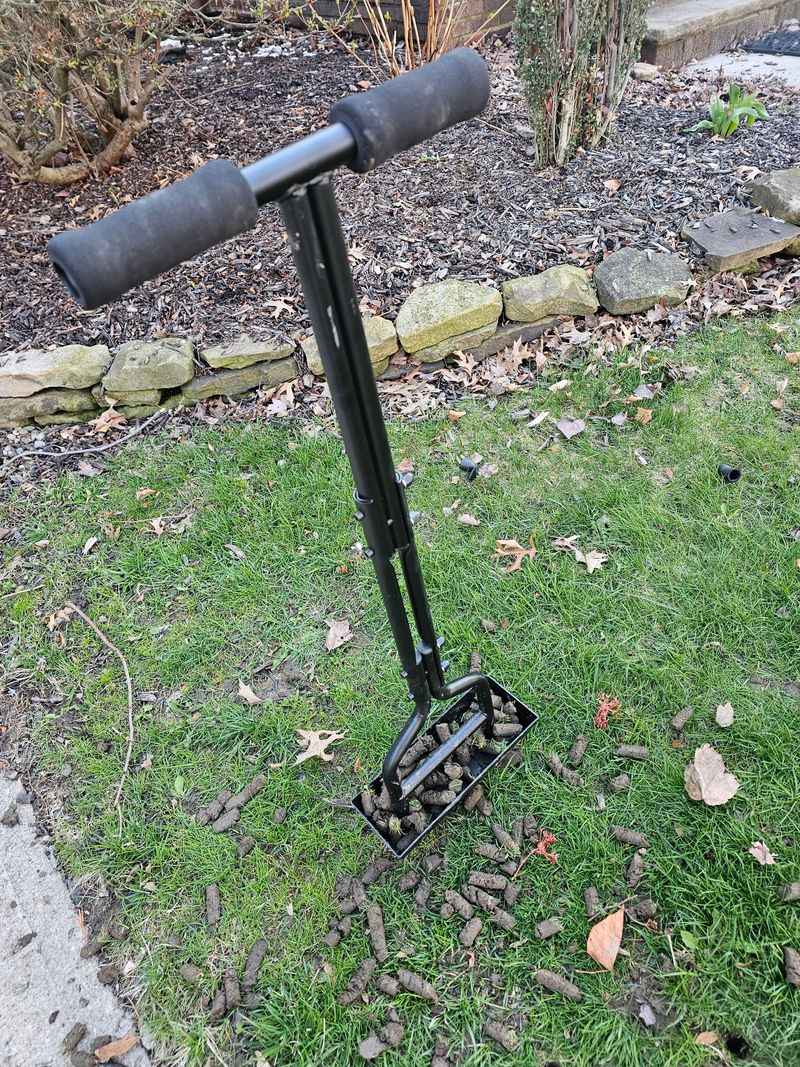
Aeration is one of the most effective solutions for breaking up compacted ground. A core aerator pulls small plugs of soil from the lawn, creating channels where water, air, and nutrients can finally reach the root zone.
Most lawn care professionals recommend aerating once a year in fall or spring before temperatures peak. Aerating in summer can stress grass further, so timing matters as much as the process itself.
After aeration, topdressing with compost fills the holes and slowly improves soil structure over several seasons. The organic matter breaks down and loosens surrounding soil particles over time.
High-traffic areas like paths between backyard features and play zones compact faster than open lawn sections. Redirecting foot traffic with stepping stones or mulch paths protects the grass nearby.
Watching how water behaves after rain gives a quick diagnosis of compaction problems. Puddles that sit for hours signal that soil below needs serious attention before another summer season arrives.
Healthy, loose soil is one of the clearest factors separating a thriving Colorado lawn from one that struggles every summer.
Shade From Trees And Structures Lowers Ground Temperature
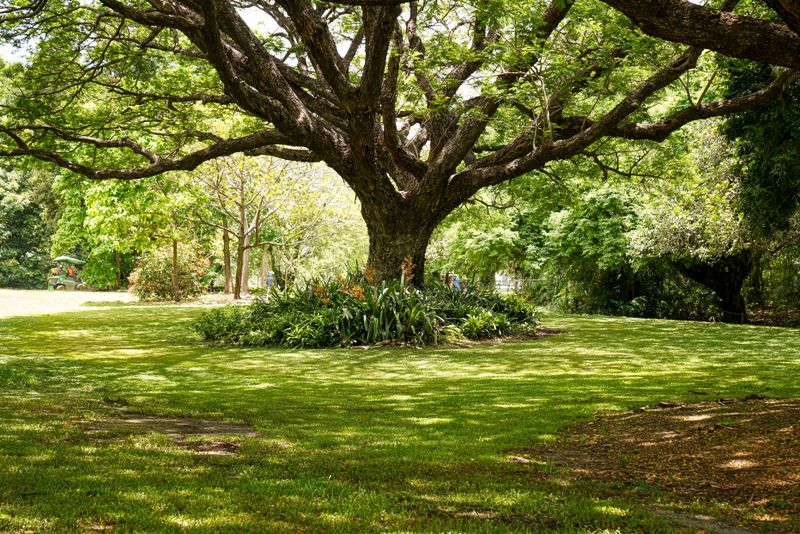
Stand in the shade of a big oak tree on a hot July afternoon and you instantly feel the difference. Ground temperatures under tree canopies can run noticeably cooler, often by 10 degrees or more, than exposed lawn nearby.
That temperature gap has a direct impact on soil moisture retention and grass stress levels. Shaded turf simply loses water much more slowly than grass baking under full afternoon sun.
Structures like fences, pergolas, and garden walls create similar cooling effects on the ground below and beside them. West-facing fences block the harshest late-afternoon rays, giving the soil behind them a real break during peak heat hours.
Planting shade trees strategically takes years but pays off enormously for long-term lawn health. Positioning trees on the southwest side of a yard creates afternoon shade exactly when and where summer heat peaks hardest.
Fast-growing options like cottonwood and honeylocust can start casting meaningful shade within five to seven years in most Colorado climates. Native species tend to handle local soil and weather conditions better than imported varieties.
Shade does create a tradeoff worth knowing about. Grass under heavy tree cover may struggle with low light and root competition from the tree itself, requiring shade-tolerant grass varieties to thrive.
Balancing sun and shade across different yard zones gives homeowners the most flexibility for growing a healthy mixed lawn. Even partial afternoon shade on the hottest zones can cut summer water use by 20 to 30 percent.
Strategic shade is one of the smartest and most lasting investments any Colorado yard owner can make against summer heat.
Grass Type Determines Long-Term Heat Tolerance
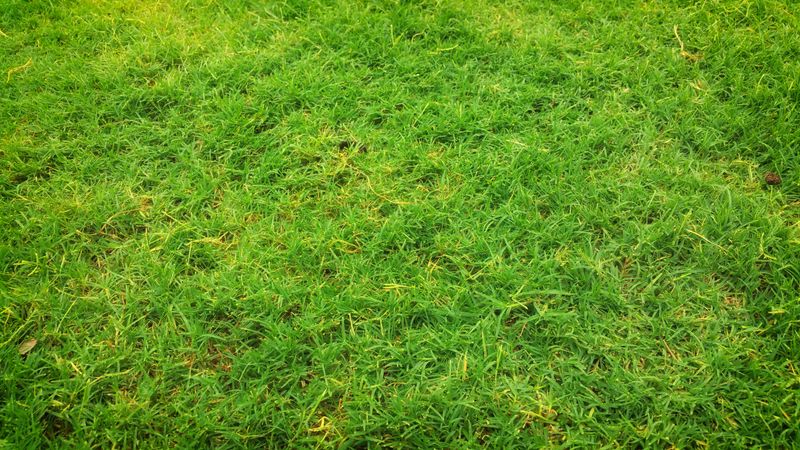
Not all grass suits a Colorado climate, and the wrong choice sets a lawn up to struggle through summer. Kentucky bluegrass looks great in spring but often goes dormant and brown once summer heat peaks.
Warm-season grasses like buffalo grass and blue grama are native to the high plains and built for exactly the conditions Colorado summers deliver. They thrive when cool-season varieties start fading in July.
Buffalo grass, in particular, has an impressive ability to survive long stretches of drought without irrigation. Once established, it needs a fraction of the water that traditional bluegrass lawns require to stay alive and green.
Transitioning a lawn from cool-season to warm-season grass takes planning and patience but delivers lasting results. Overseeding or full sod replacement in late spring gives warm-season varieties time to establish before peak heat arrives.
Mixing grass types can also work well in Colorado yards with varying sun and shade zones. Cool-season grasses handle shaded areas while warm-season varieties take on the full-sun spots where heat stress is most intense.
Reading seed bag labels carefully before purchase prevents costly mistakes. Many budget seed mixes include filler grasses that look fine in spring but fade quickly under Colorado summer heat pressure.
Talking to a local nursery professional about region-specific options saves time and money over guessing at the garden center. Local expertise matters more than national brand marketing when choosing grass for Colorado conditions.
Selecting the right grass type is one of the most impactful long-term decisions a homeowner can make to protect their yard from Colorado summer heat year after year.