Triple-Digit Heat Has Finally Arrived In Colorado, And Your Garden Needs These Plants
Colorado summers have a way of separating the tough plants from the rest. One week your garden looks full and healthy, and the next, three days of triple-digit heat have turned it into something you’d rather not look at.
The thermometer hitting 100°F is not a rare event here anymore, it is just summer doing what Colorado summers do. What actually matters is whether your plants are built for it.
Some are not, and no amount of watering will change that. But others seem almost indifferent to the heat, pushing out new blooms while everything around them wilts.
Those are the plants worth knowing about. If your garden is already struggling, or you want to get ahead of the heat before it does real damage, this list is your starting point.
Ten plants that belong in a Colorado summer, and not just for surviving it.
1. Lavender
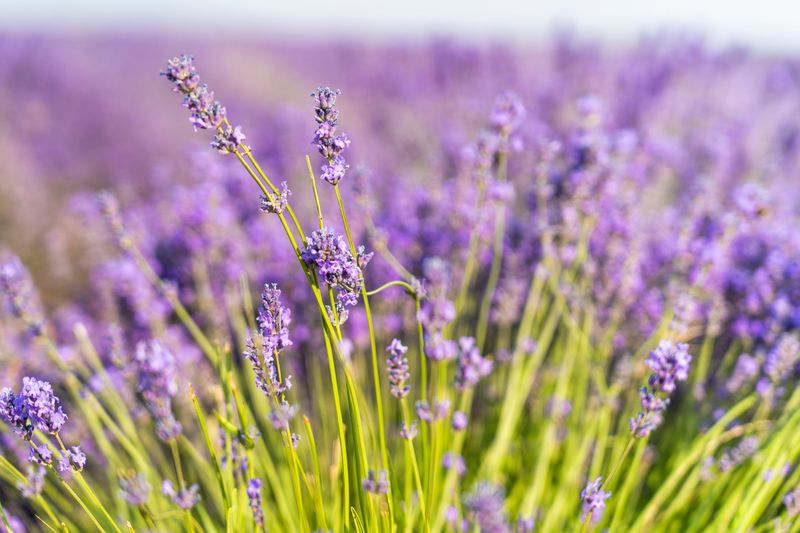
Lavender is the overachiever of the drought-tolerant world. It smells incredible, looks stunning, and barely needs you to pay attention to it.
This Mediterranean native was made for hot, dry summers. Colorado’s low humidity is basically lavender’s dream climate.
Plant it in well-drained soil and give it full sun. Skip the extra watering once it settles in, because too much moisture is its only real enemy.
Lavender blooms in waves of purple from late spring through midsummer. Bees and butterflies go absolutely wild for it.
You can harvest the stems for sachets, cooking, or just to make your home smell amazing. Trim it back after each bloom cycle to keep it full and bushy.
Varieties like Hidcote and Grosso are among the most reliable choices for Colorado gardens. Both handle heat and dry conditions well, though Grosso may need a bit more attention at higher elevations.
If triple-digit heat has finally arrived in Colorado, lavender will not even flinch. It is one of the most forgiving, rewarding plants you can put in the ground this season.
2. Coneflower
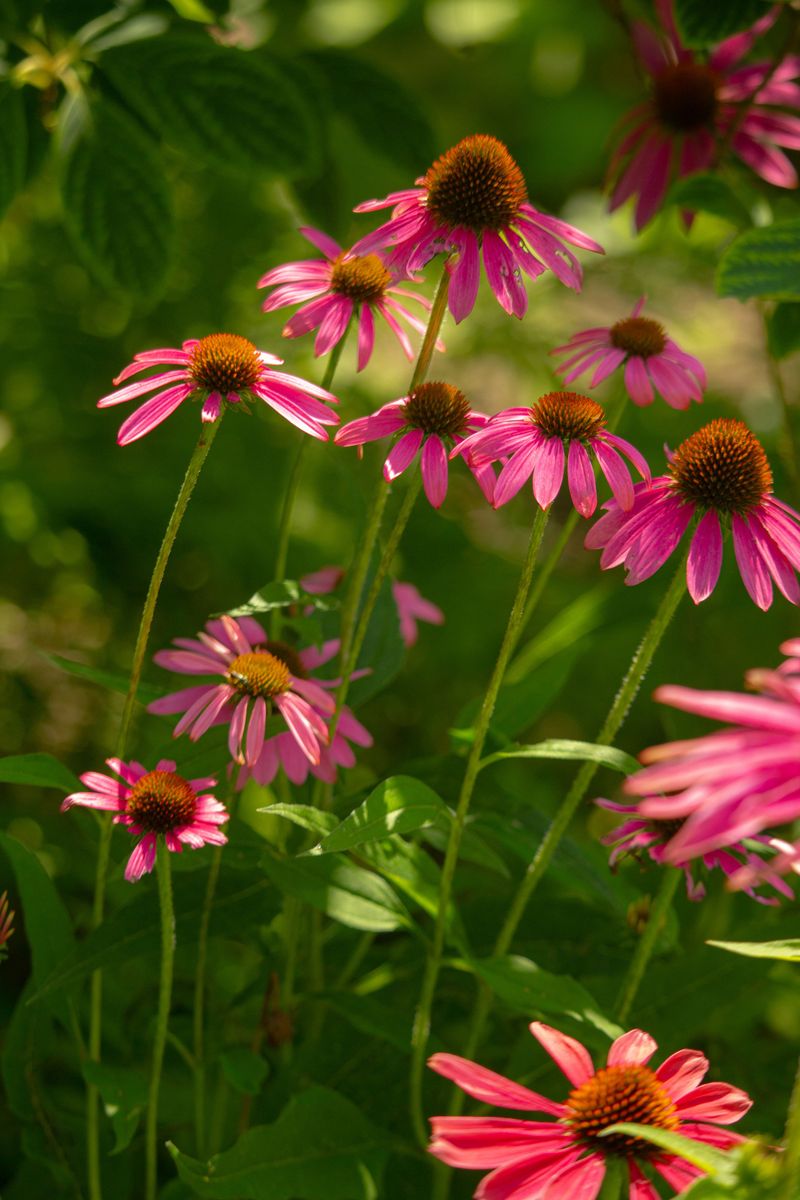
Few plants bring the same cheerful energy as a patch of coneflowers in full bloom. Those bold, daisy-like petals surrounding a spiky orange dome are hard to miss.
Coneflowers, or Echinacea, are native to North America’s prairies. They evolved to handle baking heat and minimal rainfall without breaking a sweat.
Plant them in full sun and average soil. They actually prefer not to be pampered, so skip the heavy fertilizer and let them do their thing.
Once established, coneflowers bounce back year after year. They spread gradually, so one small plant can become a full, colorful colony over time.
Goldfinches absolutely love the seed heads in fall, so leave them standing after the blooms fade. Your garden becomes a snack bar for wildlife without any extra effort.
Colors range from classic purple to fiery orange, soft white, and deep red. Mixing varieties creates a garden that looks like a professional designed it.
When triple-digit heat has finally arrived in Colorado, coneflowers keep blooming while other plants wave a white flag. Plant them once and enjoy them for years.
Your Colorado Garden Changes Every Week. Your Plan Should Too.
Gardening in Colorado changes quickly throughout the season. Every Friday you’ll receive a simple weekly plan showing exactly what to plant, prune, fertilize, harvest, and protect so you never miss the right timing.
3. Blanket Flower
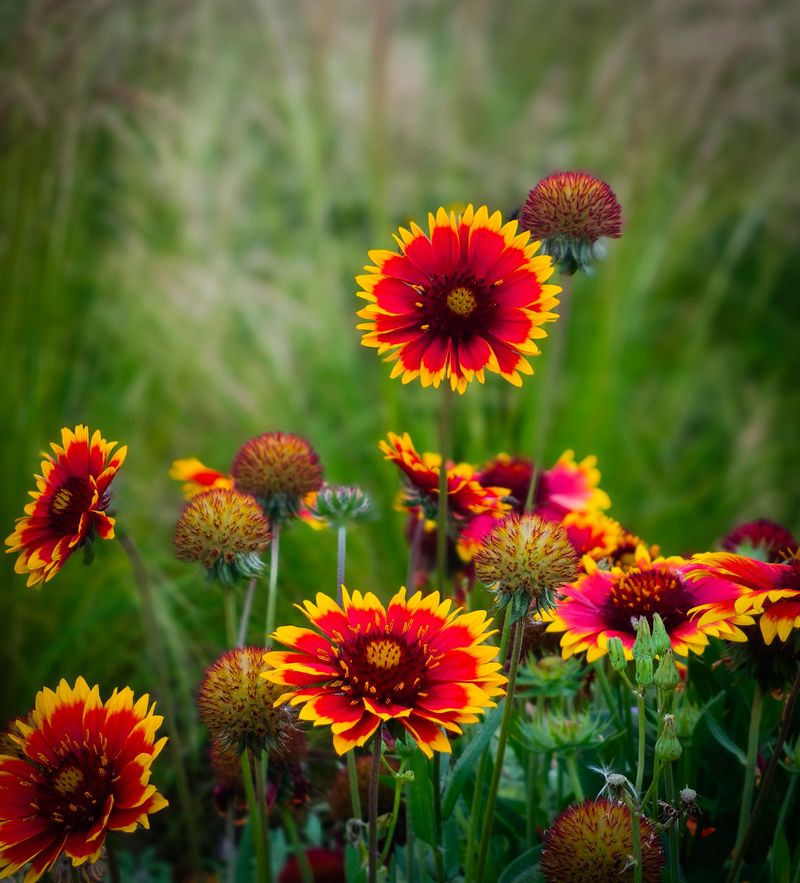
Blanket flower looks like a sunset exploded into a garden. Those fiery red and yellow petals are practically designed to stop people in their tracks.
Native to the Great Plains, Gaillardia thrives in conditions that send most flowering plants into full retreat.
Give it full sun, lean soil, and very little water. Blanket flower actually performs better when you do not fuss over it too much.
The blooms appear from early summer and keep going strong until the first frost. That is an impressively long season of color for a single plant.
Remove spent flowers regularly to encourage continuous blooming. A quick snip every week or so keeps the show going all season long.
Bees, butterflies, and hummingbirds visit blanket flower regularly throughout the season.
Both annual and perennial varieties are available at most local nurseries. The perennial Goblin variety is a particular favorite among Colorado gardeners for its compact size and fierce color.
Tough, gorgeous, and low-maintenance: blanket flower checks every box a hot-summer garden demands.
4. Penstemon
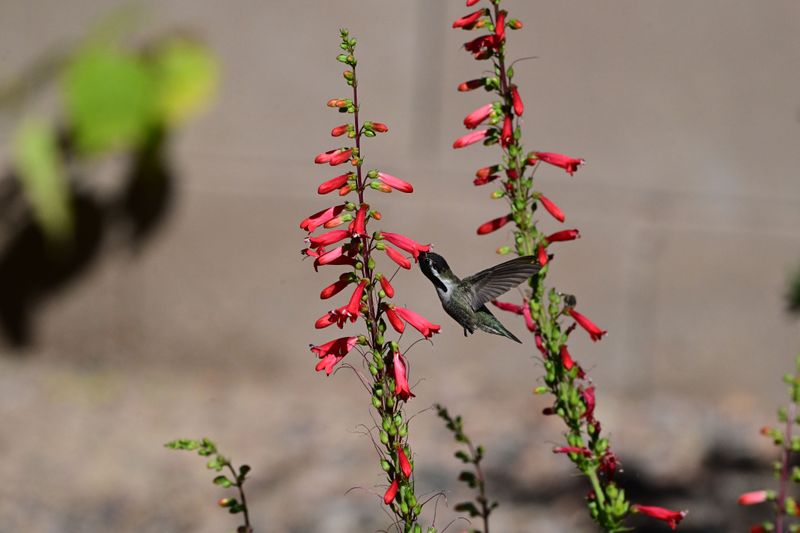
Penstemon is Colorado’s own superstar, and it is about time more gardeners treated it that way. This native wildflower grows naturally across the state’s rocky hillsides and dry mesas.
The tubular blooms come in shades of red, pink, purple, and white. Hummingbirds are obsessed with them, which makes your garden feel like a nature documentary.
Penstemon thrives in poor, rocky soil with excellent drainage. Rich, amended beds can actually cause it to flop or struggle, so hold back on the compost.
Once established, many penstemon varieties need very little supplemental water, though spring moisture and good drainage remain important for healthy growth.
Plant it in full sun to light shade for best results. A south or west-facing slope mimics its natural habitat beautifully.
Rocky Mountain Penstemon is a reliable statewide choice, while Firecracker Penstemon suits the drier, lower-elevation areas of western Colorado.
Leaving seed heads on the plant through winter provides food for small birds. The dried stalks also add interesting texture to a winter garden.
When triple-digit heat has finally arrived in Colorado, penstemon stands tall and keeps blooming. It is native, tough, and undeniably beautiful.
5. Lantana
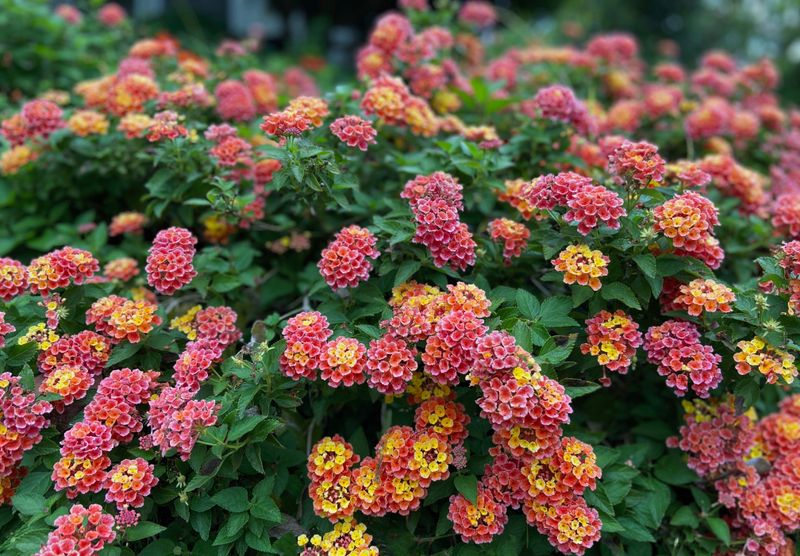
Image Credit: © mcbruin / Pexels
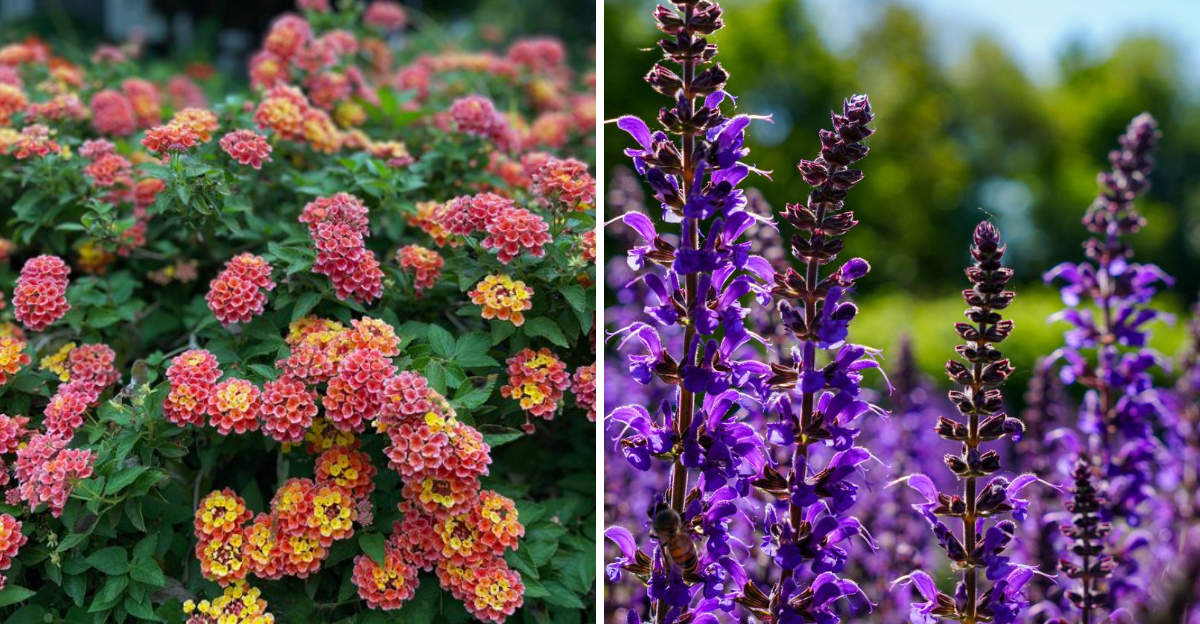
Lantana is the plant that laughs in the face of a heat wave. While everything else wilts, this tropical beauty cranks up its flower production when temperatures rise.
The blooms come in wild combinations of orange, yellow, pink, red, and purple. Each flower cluster looks like a tiny bouquet packed into one cheerful ball.
Lantana loves full sun and well-drained soil. Water it occasionally when it is young, then back off once it finds its footing.
Butterflies treat lantana like a five-star restaurant. Monarchs, swallowtails, and skippers flock to the nectar-rich blooms all season long.
In Colorado, lantana is grown as an annual since it cannot survive freezing winters. But the payoff from spring through fall is absolutely worth the replanting each year.
It works beautifully in containers, hanging baskets, or garden beds. Mix it with heat-tolerant grasses for a bold, tropical-looking combination that turns heads.
Removing spent blooms is optional but helps keep the plant tidy. Many gardeners simply let it sprawl and enjoy the wild, abundant look it naturally creates.
Few annuals deliver this much color with this little effort during a scorching summer. Lantana earns its spot every single season.
6. Zinnia
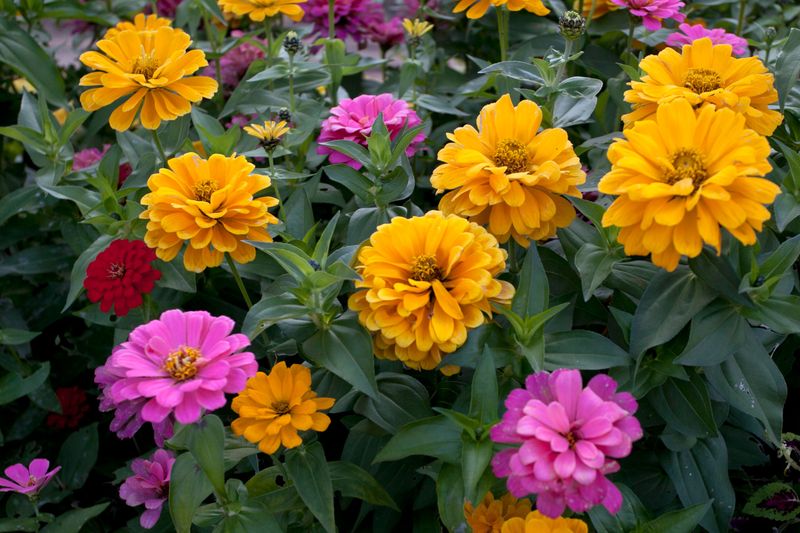
Zinnias are basically summer in flower form. Bold, bright, and utterly fearless in the heat, they bloom from June all the way to the first hard frost.
These easy-to-grow annuals come in almost every color imaginable. From soft pastels to electric oranges and deep burgundies, there is a zinnia for every garden style.
Direct sow seeds into warm soil after your last frost date. Zinnias grow fast, expect blooms roughly 8 to 12 weeks after planting in warm conditions.
Full sun is non-negotiable for zinnias. They sulk in shade and reward you generously when placed in the hottest, sunniest spot in the yard.
Cut the flowers regularly and bring them inside. The more you cut, the more the plant produces, making zinnias one of the best cut-flower gardens you can grow.
Powdery mildew can appear late in the season, especially with overhead watering. Water at the base of the plant and space them well for good airflow to prevent this.
Monarch butterflies and painted ladies cannot resist zinnia blooms. Planting a patch near a window gives you a front-row seat to the best butterfly show in the neighborhood.
Zinnias prove that the hottest days of summer can still be spectacularly colorful.
7. Salvia
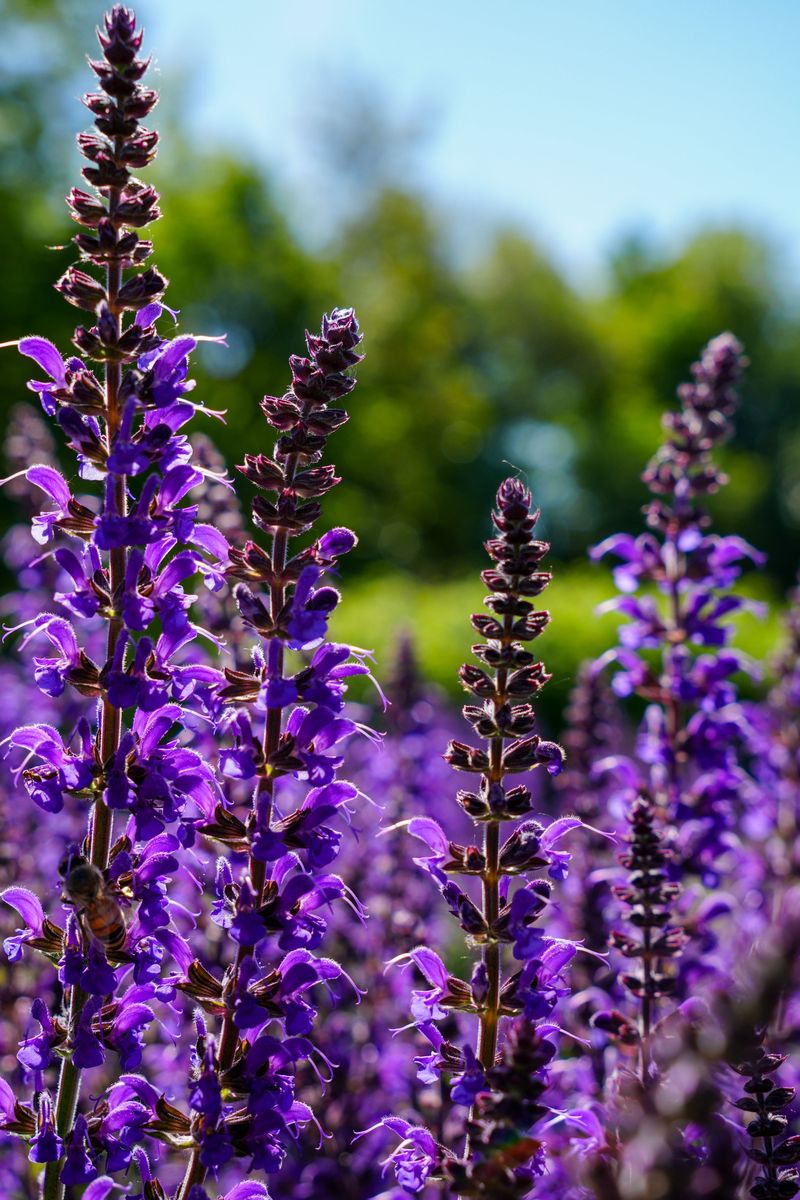
Image Credit: © Irene Ästhetik / Pexels
Salvia is one of those plants that makes experienced gardeners nod approvingly the moment they spot it. It is reliable, gorgeous, and handles heat without complaint.
The tall spikes of blue, purple, red, or white blooms shoot up like fireworks above silvery-green foliage. The contrast is striking from across the yard.
Native salvias, like Salvia azurea and Salvia greggii, are particularly suited to Colorado gardens. They evolved in hot, dry climates similar to Colorado’s summer conditions.
Plant salvia in full sun with well-drained soil. Once established, it needs very little water, making it a smart choice during water restrictions.
Hummingbirds are fiercely loyal to red and coral salvias. Position a plant near your porch and you will have a hummingbird visitor almost every day.
Cut back spent flower stalks by about a third to encourage a fresh flush of blooms. Many varieties will rebloom two or three times in a single season.
Deer tend to avoid salvia because of its aromatic foliage. For mountain-adjacent gardens where deer pressure is high, this is a serious bonus.
Salvia brings structure, color, and wildlife to any garden. Plant it once and wonder why you waited so long.
8. Red Hot Poker
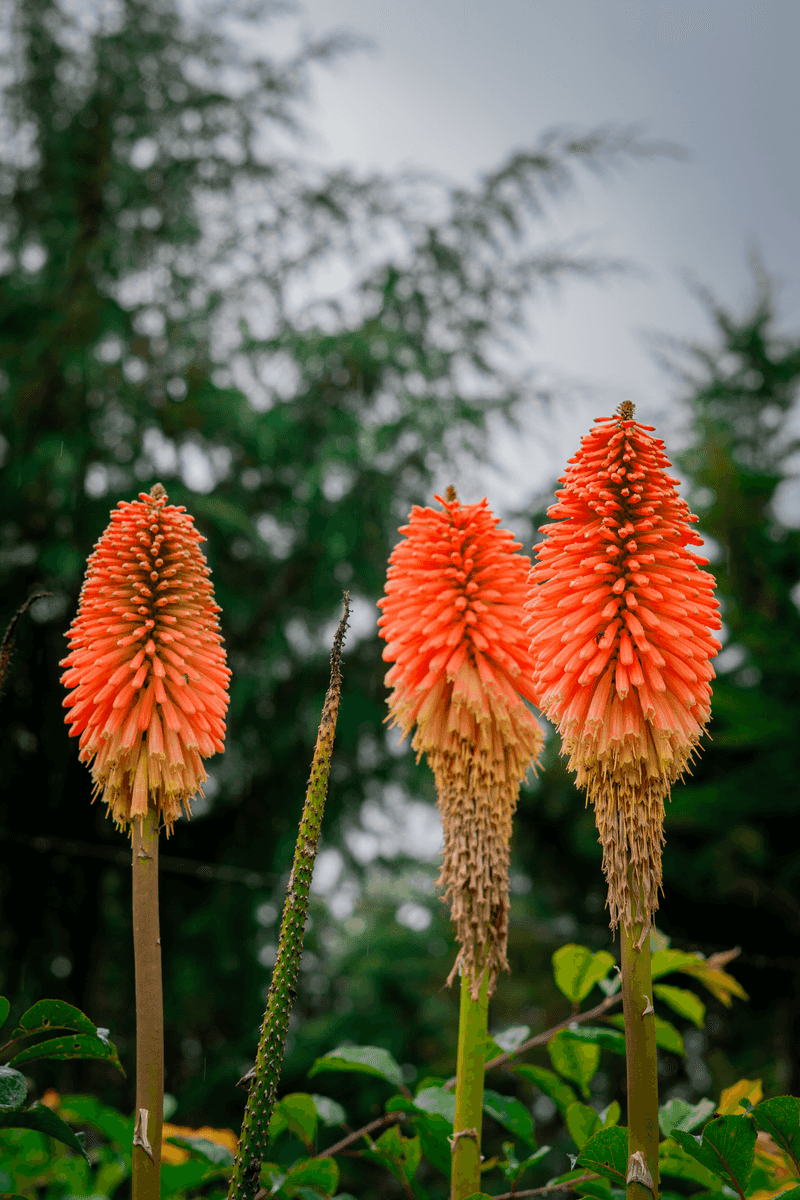
Red Hot Poker does not blend into the background. These dramatic, torch-shaped blooms in fiery red, orange, and yellow are about as subtle as a fireworks show.
Also called Kniphofia, this South African native was practically engineered for intense sun and dry summers. Colorado’s high-altitude heat suits it surprisingly well.
Plant it in well-drained soil and full sun. Standing water around the roots is the one thing that will set it back, so drainage matters here.
The blooms typically appear in early to midsummer, rising dramatically above strappy, grass-like foliage. A clump of these in bloom looks like something from another planet.
Hummingbirds are absolutely magnetized by Red Hot Poker blooms. The tubular flowers are perfectly shaped for a hummingbird’s beak, making your garden a regular feeding stop.
After the first bloom cycle, cut the spent stalks down to the base. Some varieties will send up a second flush of blooms later in the season.
Leave the foliage standing through winter to protect the crown from freezing temperatures. Tie the leaves loosely over the center of the plant for extra insulation.
Red Hot Poker turns a scorching summer garden into something genuinely spectacular.
9. Black-Eyed Susan
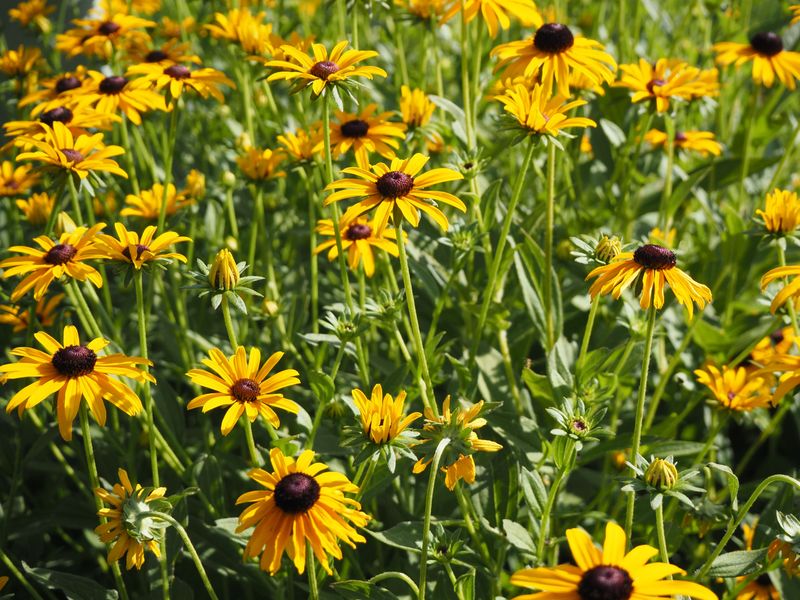
Black-Eyed Susan is the kind of wildflower that makes you feel good just looking at it. Those golden yellow petals surrounding a dark chocolate center are cheerful and timeless.
Rudbeckia hirta grows natively across North American prairies, which means it was built for heat, drought, and wide-open sunny skies. Colorado’s summer conditions are practically its home turf.
Plant it in full sun with average, well-drained soil. It tolerates poor conditions far better than most garden plants, which makes it ideal for tricky spots.
Blooming begins in midsummer and continues well into fall. Long after many other flowers have faded, Black-Eyed Susans are still putting on a golden show.
Birds love the seed heads as temperatures drop in autumn. Leave the dried stems standing and watch goldfinches and sparrows work through them like a pantry of treats.
It self-seeds freely, which means a small planting can naturalize into a full meadow-style patch over a few seasons. Some gardeners love this, others manage it with a bit of removing spent blooms.
Pair it with purple coneflower or blue salvia for a classic prairie-inspired color combination. The contrast is bold, natural-looking, and easy to maintain.
When triple-digit heat has finally arrived in Colorado, Black-Eyed Susan keeps smiling.
10. Russian Sage
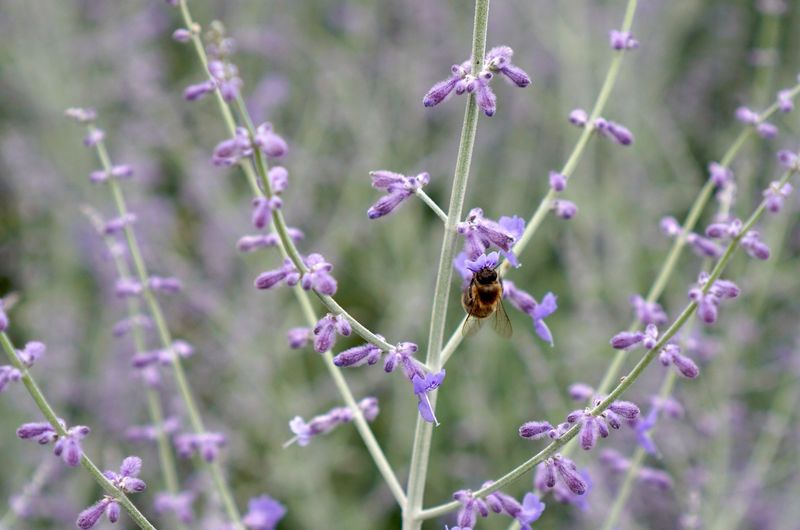
Russian Sage looks like someone painted a purple mist across the back of the garden. Those airy, silver-stemmed plants covered in tiny lavender-blue blooms create an effect that is genuinely dreamy.
Despite the name, Russian Sage is not actually from Russia. It originates from Central Asia’s hot, dry steppes, which is why Colorado’s dry summer heat suits it so well.
Plant it in full sun with excellent drainage and lean soil. Rich, moist soil causes floppy growth, so skip the amendments and let it find its own strength.
Once established, it is one of the most drought-tolerant plants you can grow. Weeks without rain barely register for a mature Russian Sage plant.
The blooms attract bees and butterflies in impressive numbers. The fragrant foliage also deters deer, which is a major win for foothill and mountain-adjacent gardeners.
Cut it back hard in early spring, almost to the ground. This keeps the plant compact and prevents the woody sprawl that older plants can develop.
It pairs beautifully with ornamental grasses, coneflowers, and blanket flowers. The silvery texture softens bold colors and adds depth to any planting scheme.
When triple-digit heat has finally arrived in Colorado, Russian Sage turns up its purple blooms and carries the whole garden forward.