The Fig Tree Habit Ohio Gardeners Should Get Right Every Season To Keep Them Producing
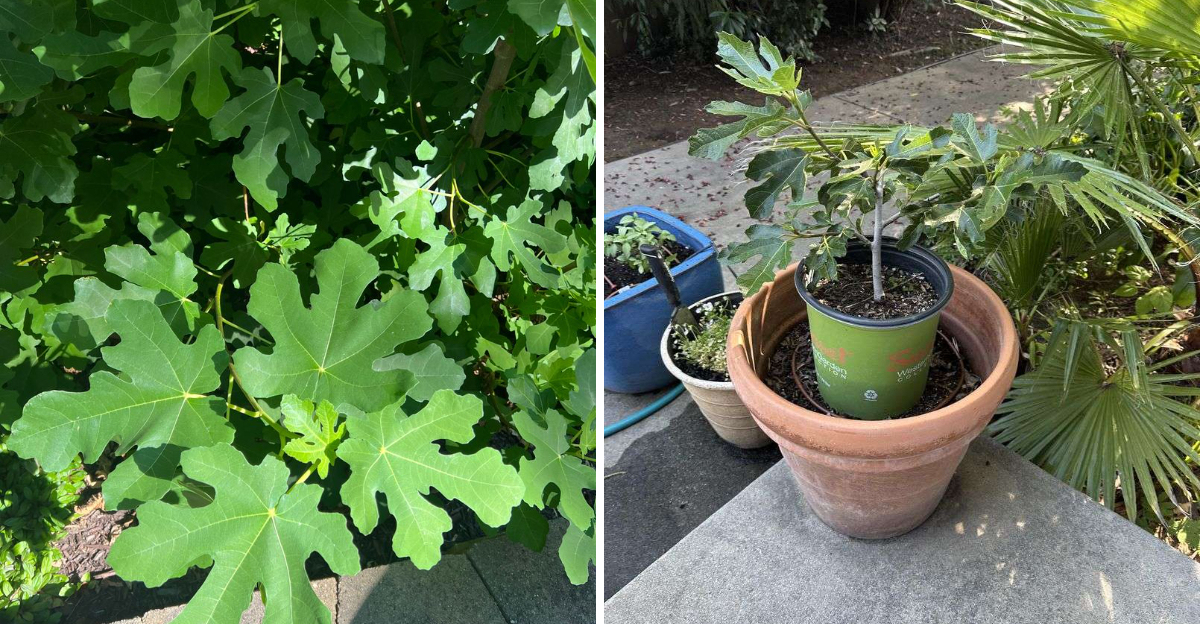
Ohio fig trees come with a delicious little bargain.
They can hand you soft, honeyed fruit in summer, then make you earn every bite once winter starts acting like Ohio again.
A tree may look sturdy in September, but January has other plans. One deep freeze, one late snap, or one windy week can erase the fruiting wood your crop was counting on.
That is why successful fig growers in Ohio do not rely on luck, variety tags, or wishful thinking. They rely on rhythm.
The same yearly habit, done at the right time and repeated without shortcuts, can keep a fig tree from spending next summer rebuilding instead of producing.
Sounds dramatic for a plant that looks so calm, right?
But figs are sneaky like that.
Most of the harvest is decided long before leaves return in spring.
Learn the winter routine, respect the timing, and that backyard fig can keep showing up with sweet rewards season after season.
Make Winter Protection The Habit
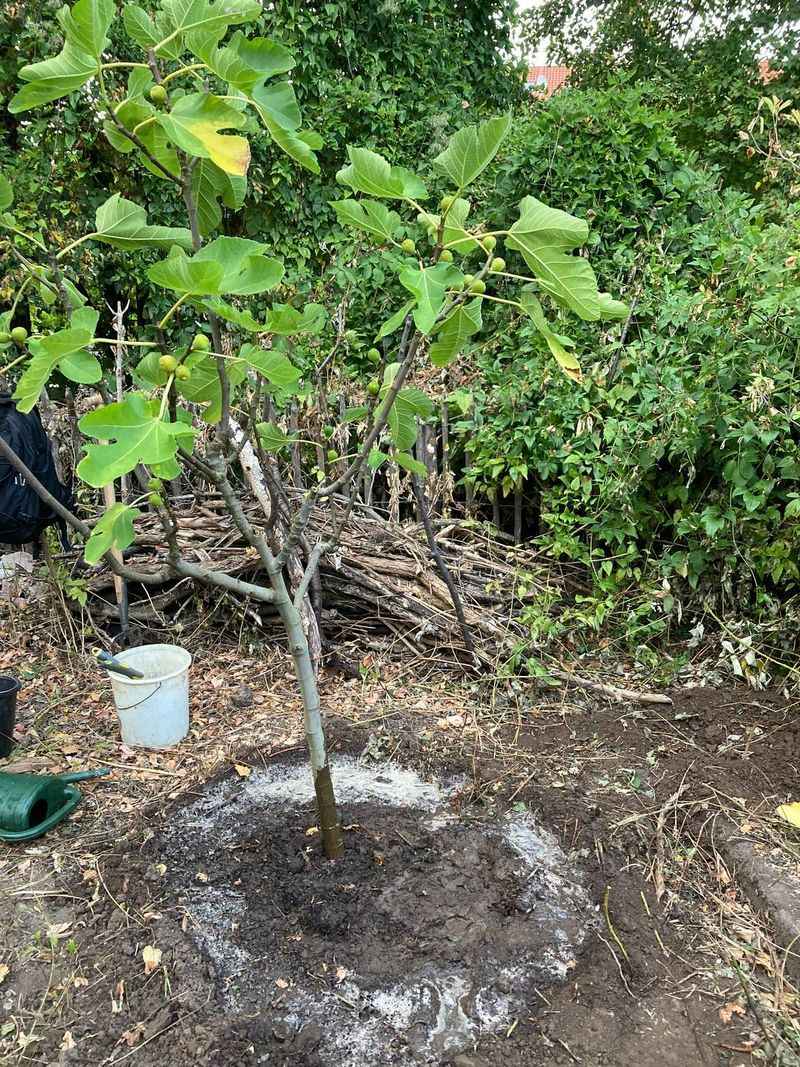
A wrapped fig tree standing in an Ohio backyard in November is practically a badge of honor among serious home gardeners.
Winter protection is not a one-time fix or an occasional precaution. For Ohio fig growers, it is the central, non-negotiable seasonal habit that makes fruit production possible year after year.
OSU Extension guidance consistently points to winter protection as the key management practice for Ohio fig growers.
Without it, top growth gets knocked back to the crown or even below the soil line every year. That means the tree spends all summer regrowing instead of fruiting. Breba crops, which form on last year’s wood, are completely lost when stems freeze back.
Think of winter protection as the price of admission for growing figs in a state that was not exactly designed for them.
Pay it every fall, do it consistently, and your fig tree will reward you generously. Skip it once during a mild autumn and a surprise cold snap will remind you why the habit matters.
Stay consistent, stay covered, and stay in figs.
Wait Until Dormancy Sets In
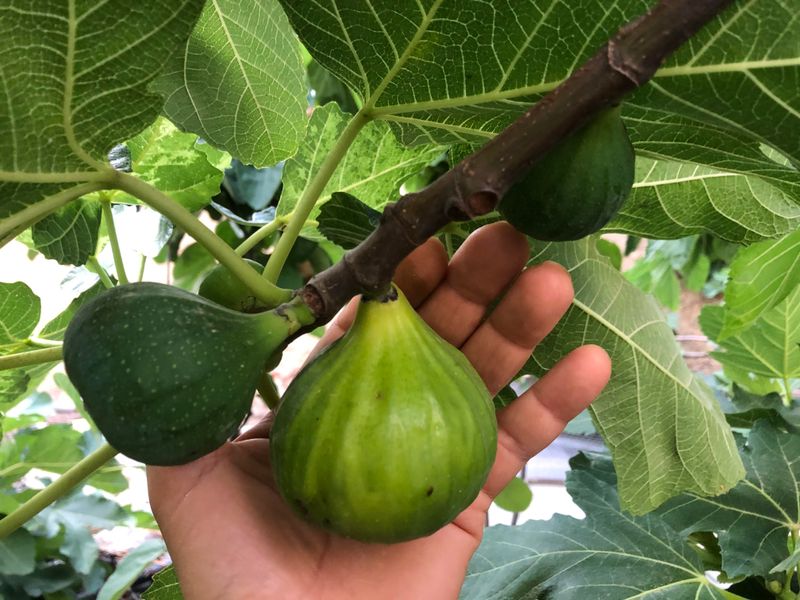
Timing is everything with fig tree winter protection, and jumping the gun can actually cause problems.
Wrapping a fig tree too early, while it still holds green leaves and active growth, traps moisture and warmth in a way that encourages mold and can delay the natural hardening-off process the tree needs to survive cold weather.
Dormancy in fig trees is triggered by shorter days and cooler temperatures.
Leaves will yellow and drop, usually sometime in October through early November across most of Ohio.
Once the tree has shed its foliage and growth has clearly stopped, that is your signal to start the protection process. A light frost or two actually helps push the tree fully into dormancy, so do not panic at the first freeze warning.
OSU Extension recommends waiting until after the first hard frost before applying heavy insulation to fig trees.
This allows the wood to harden naturally, which improves its own cold tolerance before you add supplemental protection on top.
Your Ohio Garden Changes Every Week. Your Plan Should Too.
Gardening in Ohio changes quickly throughout the season. Every Friday you’ll receive a simple weekly plan showing exactly what to plant, prune, fertilize, harvest, and protect so you never miss the right timing.
Checking the stems before wrapping is a smart move.
Bend a small branch gently. If it still feels flexible and alive, the tree is still settling in. A gardener who waits for true dormancy sets the tree up for a much stronger rebound come spring.
Insulate The Root Zone First
Before you ever reach for the burlap or the frost cloth, the root zone deserves your attention first.
Roots are the engine of the entire tree, and keeping them alive through an Ohio winter is the most critical part of the whole protection plan.
Even if above-ground stems freeze back completely, a tree with a healthy, protected root system can push new growth come spring.
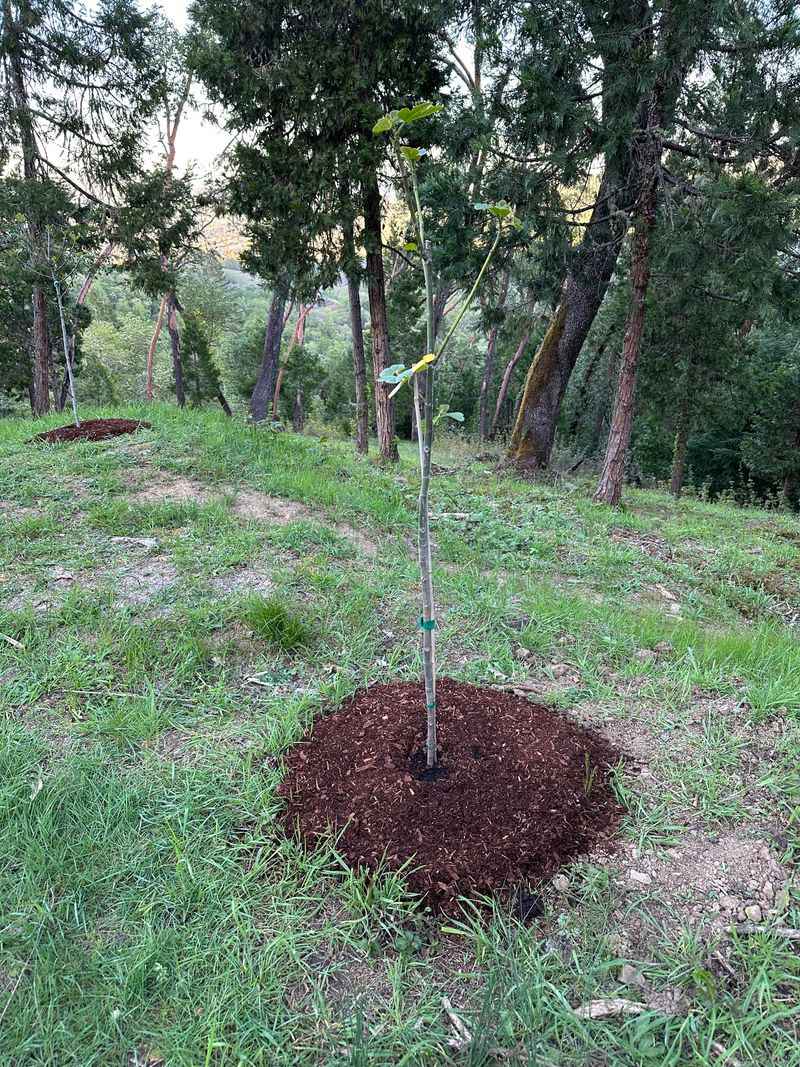
Applying a generous layer of mulch around the base of the tree before serious cold arrives is a straightforward and highly effective step.
OSU Extension recommends four to six inches of organic mulch such as straw, wood chips, or shredded leaves placed over the root zone, extending out to the drip line. This insulates the soil, moderating temperature swings that can freeze the crown.
The crown of the fig, which is the point just at or slightly below soil level where roots meet the main stem, is especially vulnerable.
Mounding several inches of soil or compost directly over the crown adds another buffer against the deepest freezes. Some Ohio gardeners pile straw around the base and then mound soil on top for double insulation.
Getting the root zone sorted before you address the upper wood means that even a rough winter leaves you with something to work with.
Train A Low Bush Form
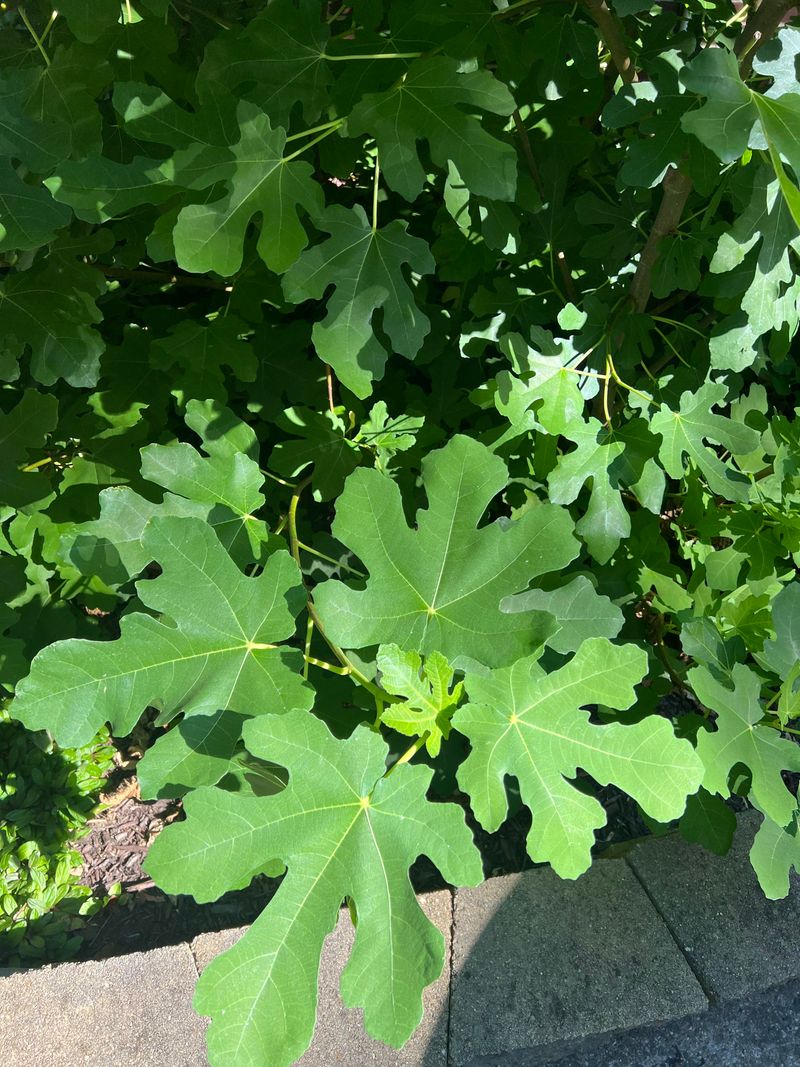
A fig tree trained into a low, wide bush form is far easier to protect each winter than one allowed to grow into a tall, upright tree.
This pruning strategy is one of the smartest adaptations Ohio gardeners can make, and it pays dividends every season in terms of both protection ease and fruit production.
The idea is to keep the main framework low to the ground, typically under four feet, with multiple stems spreading outward rather than one central trunk reaching upward.
When winter comes, a low bush can be bent, bundled, and covered much more efficiently than a ten-foot tree. Some gardeners tie the stems together and lay them on the ground, covering the whole plant with soil, straw, and a tarp for maximum protection.
Figs produce their best crops on wood from the previous season.
By keeping growth controlled and low, you encourage strong new shoots each year that stay within a manageable height. Pruning in early spring, after the risk of hard freezes has passed, helps direct energy into the most productive stems.
Start training a young fig tree toward the bush form from its first season.
An established bush-form fig that has been protected consistently will bounce back from even a tough Ohio winter with vigor.
Use Containers For Easier Shelter
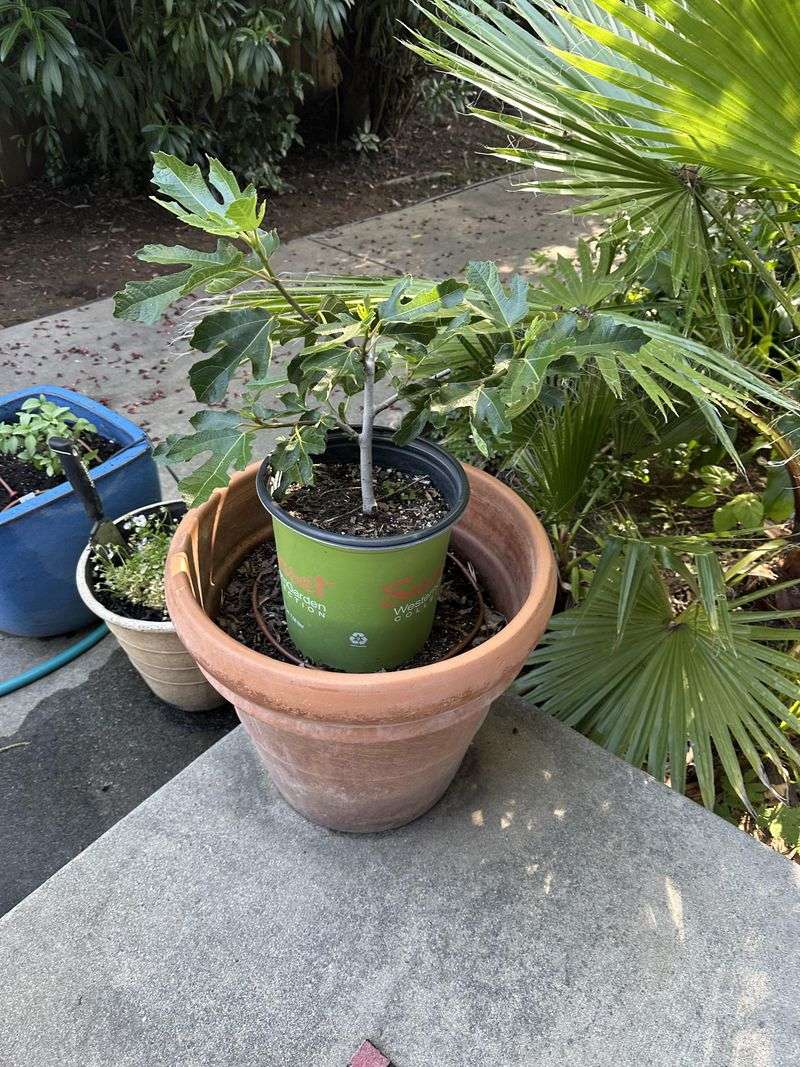
Container growing is one of the most practical strategies an Ohio fig gardener can adopt, and once you roll your potted fig tree into a garage for the winter, you will wonder why you ever considered anything else.
Mobility is the superpower of container-grown figs, and it changes the entire dynamic of seasonal protection.
A fig tree grown in a large container, typically a fifteen to twenty-five gallon pot, can be moved into an unheated garage, basement, shed, or enclosed porch once temperatures drop in late fall.
The space does not need to be heated. It just needs to stay above about fifteen to twenty degrees Fahrenheit to protect the roots and lower wood from the most damaging cold.
OSU Extension acknowledges container growing as a valid and effective method for Ohio fig growers who want to sidestep the intensive wrapping and mulching required for in-ground trees.
A dormant fig in a garage needs almost no attention through winter. Water it sparingly, just enough to keep roots from drying out completely, and leave it alone until late February or early March.
Putting your container fig on a wheeled plant caddy before it gets too heavy to move easily is the kind of practical tip that makes a real difference come November.
Choose Hardy Cultivars First
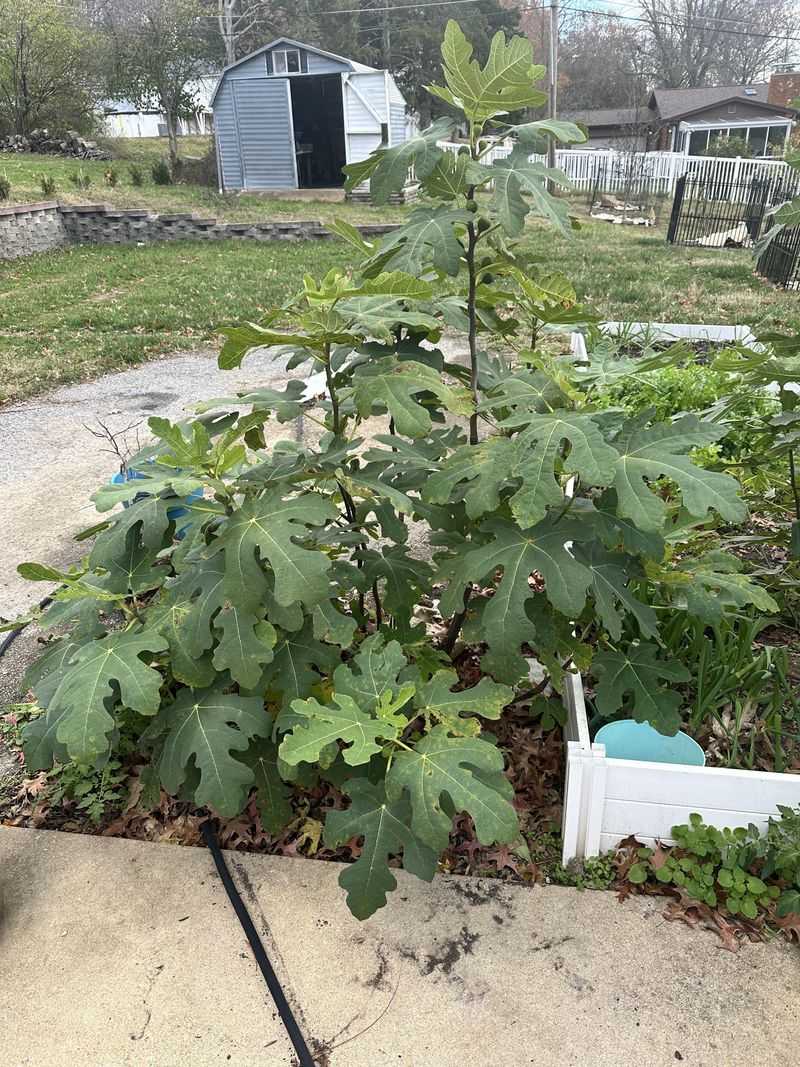
Cultivar selection is the very first decision an Ohio fig gardener makes, and getting it right from the start saves a tremendous amount of effort every single winter.
Not all fig varieties handle cold equally, and choosing a hardier cultivar means your protection efforts go much further toward keeping the tree productive.
Chicago Hardy is probably the most recommended fig cultivar for Ohio gardens, and for good reason.
It has demonstrated reliable survival in zones 5 and 6 with proper protection, and it produces a flavorful, medium-sized brown fruit that ripens well within Ohio’s shorter growing season.
Even when top growth freezes back, Chicago Hardy often regrows from the crown and still manages a summer crop.
Celeste is another popular choice, known for its sweet fruit and reasonable cold tolerance.
Brown Turkey is widely available and moderately hardy, though it tends to need more consistent protection in northern Ohio. LSU Purple and Olympian are newer cultivars gaining attention from Ohio growers for their cold hardiness and solid fruit quality.
Checking with your local OSU Extension office or a reputable Ohio nursery before purchasing is always a smart move.
Starting with a variety proven for cold tolerance means you are working with the tree rather than against it from day one.
Give Fruit A Warm South Wall

A south-facing wall is prime real estate for an Ohio fig tree, and gardeners who figure this out early gain a genuine advantage in both fruit ripening and cold survival.
Brick, stone, or concrete walls that face south absorb heat from the sun throughout the day and radiate it back toward the plant during cooler nights, creating a microclimate that can be several degrees warmer than the open garden.
This reflected warmth extends the effective growing season at both ends.
In spring, the wall encourages earlier bud break and growth. In late summer and fall, it keeps temperatures around the fruit elevated long enough for figs to ripen fully before frost arrives.
Ohio’s growing season is already on the shorter side for figs, so every extra degree of warmth and every additional ripening day counts.
Training a fig against a south wall in an espalier style, where branches are spread flat against the surface, maximizes exposure to both sunlight and reflected heat.
It also makes the tree easier to cover for winter, since the flat profile can be wrapped directly against the wall with insulating material secured in place.
Pairing a hardy cultivar with a south wall microclimate is one of the most effective combinations an Ohio fig grower can put together.
That sweet, jammy fig flavor is the whole point, and a warm wall helps deliver it reliably.