What It Really Means When Box Turtles Keep Crossing Through Your Texas Garden Every Summer
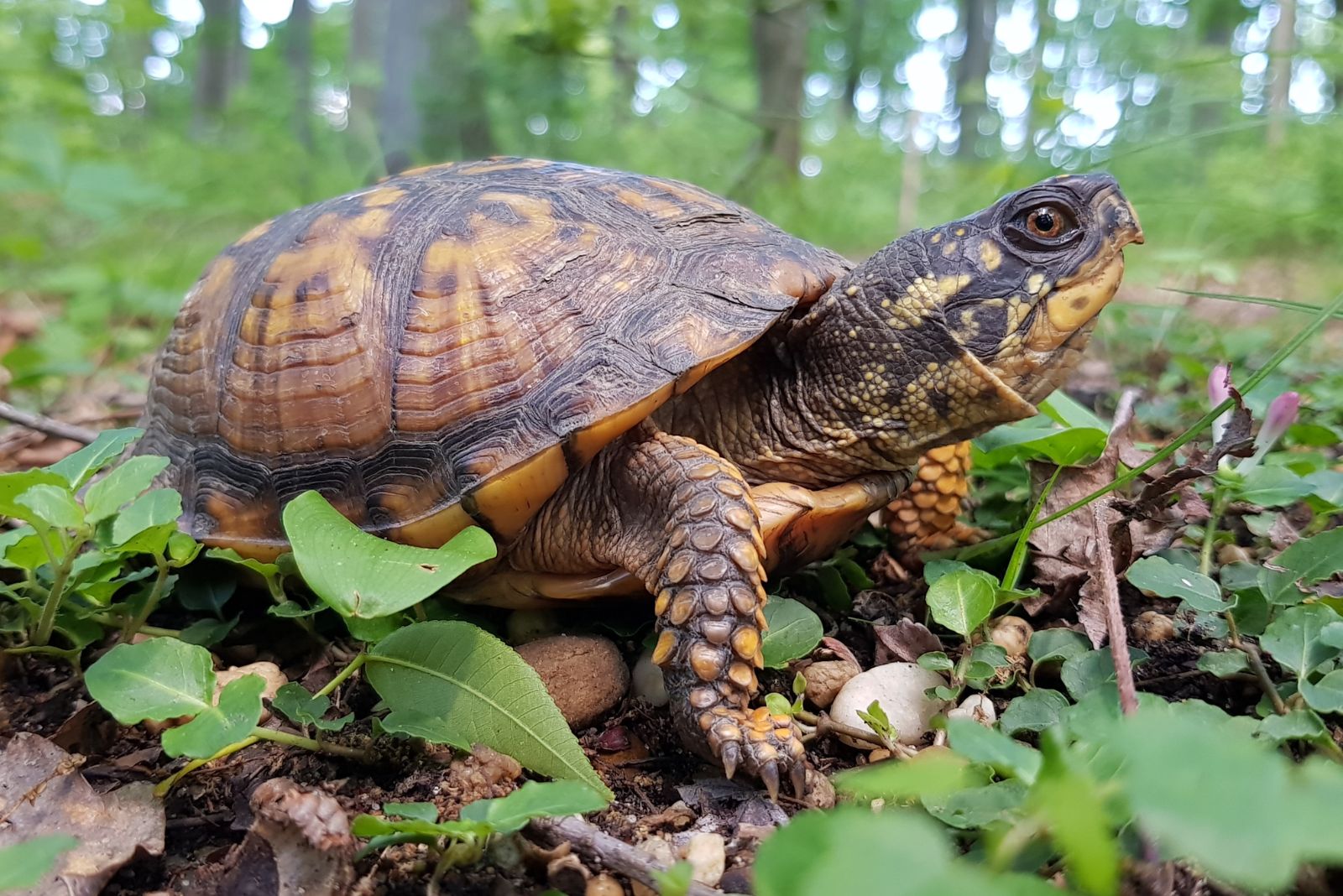
There’s something quietly wonderful about spotting a box turtle making its unhurried way through your Texas garden. That slow, deliberate walk, the ancient looking shell, the complete indifference to whatever else is happening around it.
Most people stop what they’re doing and watch for a while. And if the same turtle, or what seems like the same turtle, keeps showing up summer after summer, the experience starts to feel almost personal.
But those repeated visits are not random. Box turtles are creatures of remarkably small and consistent home ranges.
When one crosses through your garden regularly, it’s not passing through on the way to somewhere else. Your garden is part of its territory, and it has been making this same journey, possibly for many years before you ever noticed.
Their presence also tells you something meaningful about the health and character of your local environment. Here’s what it really means when box turtles keep appearing in your Texas garden and why their visits are worth paying attention to.
1. Your Garden May Be Part Of Their Regular Home Range

Box turtles are creatures of deep habit. Unlike many animals that roam wherever food takes them, box turtles often spend their entire lives within a surprisingly small area, sometimes just a few acres.
Scientists call this a home range, and once a turtle establishes one, it tends to stick with it for years, sometimes decades.
Your garden may sit right in the middle of one of these established routes. Every summer, when temperatures rise and food becomes plentiful, the turtle simply follows the same familiar path it has always known.
You are not seeing a new turtle each time. Chances are, it is the same individual returning season after season.
Box turtles actually have an impressive internal map. They can find their way back to familiar spots even after being moved short distances.
That is why wildlife experts strongly advise against relocating them to far-off areas. A displaced turtle will often wander in confused circles trying to return home, which puts it at serious risk.
Seeing the same turtle cross your yard each summer is actually a good sign. It means your property offers something worth returning to, whether that is food, shelter, shade, or moisture.
Pay attention to where the turtle enters and exits your garden. Those edges often mark the boundaries of its regular travel path.
Respecting that route makes a real difference. Keeping mowing patterns gentle, avoiding harsh chemicals, and leaving natural debris along garden edges helps the turtle navigate safely.
Your yard may be just one stop on a much longer seasonal journey that has been going on long before you ever planted your first seed.
2. They Are Finding Food In Your Landscape
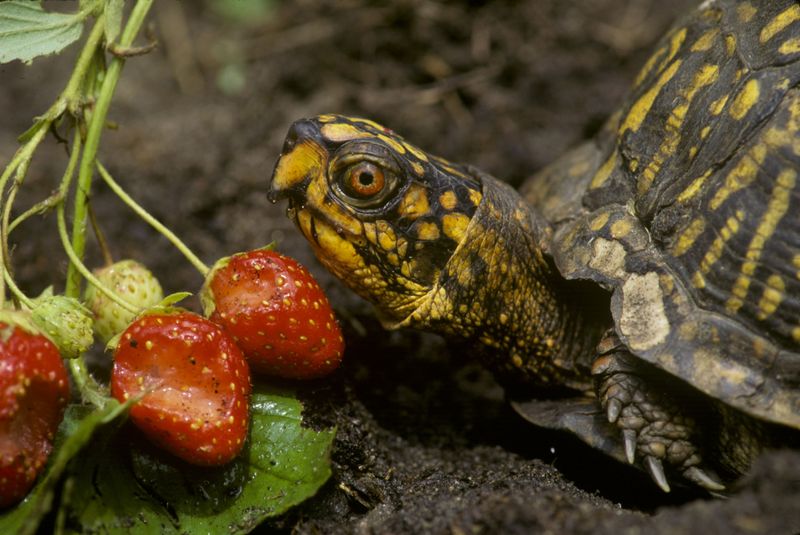
Gardeners put a lot of work into creating rich, productive outdoor spaces, and box turtles have noticed. A well-tended Texas garden is basically a buffet for these omnivorous reptiles.
They eat a wide variety of foods, and a diverse garden can satisfy almost all of their nutritional needs throughout the warm months.
Your Texas Garden Changes Every Week. Your Plan Should Too.
Gardening in Texas changes quickly throughout the season. Every Friday you’ll receive a simple weekly plan showing exactly what to plant, prune, fertilize, harvest, and protect so you never miss the right timing.
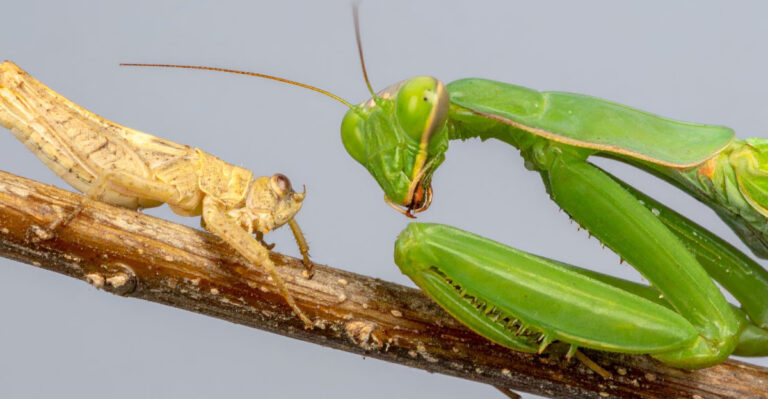
Box turtles love insects, especially beetles, caterpillars, and grasshoppers. They also seek out earthworms, slugs, and snails.
If your garden has soft, moist soil or thick mulch, those invertebrates thrive there, which means turtles will keep coming back to hunt them. In this way, turtles actually help control some common garden pests naturally.
Fallen fruit is another major draw. Overripe strawberries, dropped figs, or soft tomatoes on the ground are irresistible to a foraging box turtle.
Wild berries, mushrooms growing near rotting wood, and even tender plant shoots round out their seasonal diet. A garden with layers of plants at different heights creates the kind of varied habitat they love most.
Fun fact: box turtles can eat certain wild mushrooms that would make humans very sick. Their bodies process those toxins differently, which is one reason you should never handle a box turtle and then touch food without washing your hands first.
Instead of viewing them as pests, think of box turtles as helpful garden partners. They eat slugs and beetles that damage your plants, and they spread seeds through their waste.
Letting a few patches of your garden stay a little wild, with leaf litter and native groundcovers, gives them even more reasons to visit and stick around through the season.
3. They May Be Looking For Moisture During Hot Weather
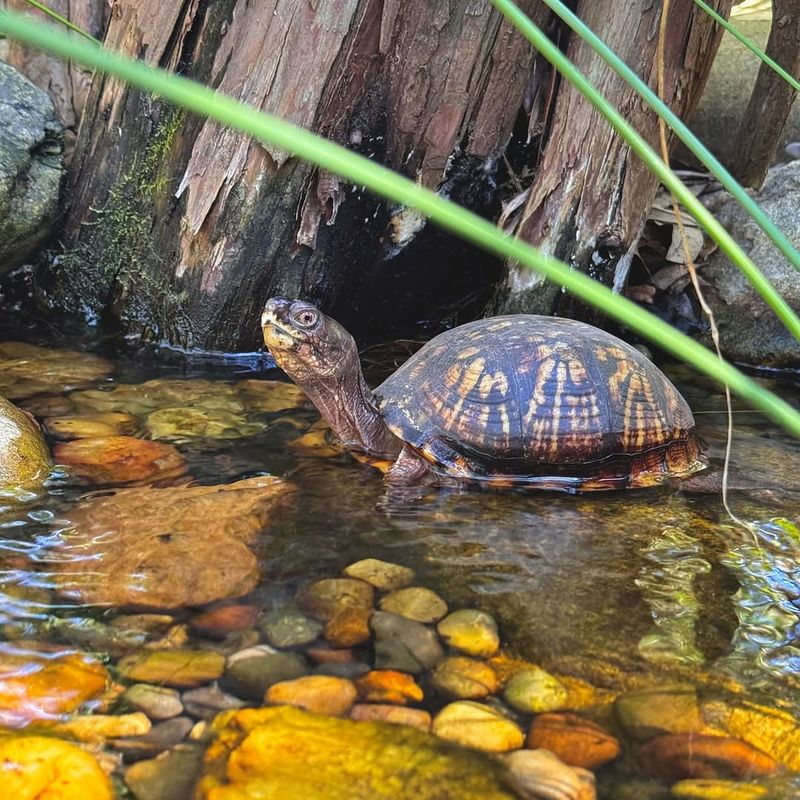
Texas summers are no joke. Temperatures regularly climb above 95 degrees Fahrenheit, and in many parts of the state, weeks can pass with little to no rain.
For cold-blooded animals like box turtles, that kind of heat is a serious challenge. They cannot sweat, and they cannot cool themselves the way mammals do.
To survive the heat, box turtles actively search for moisture. They look for shaded spots with damp soil, areas under leaf litter, and places near garden irrigation.
If your yard has drip lines, rain gardens, or even a simple birdbath at ground level, you may be providing a water source that nearby turtles depend on during the driest weeks of summer.
Box turtles can absorb water through their skin as well as drink it directly. They often soak in shallow puddles or mud patches after summer rain showers.
Placing a shallow, wide dish of clean water at ground level near a shaded garden edge is a simple and effective way to support visiting turtles without disrupting their natural behavior.
Leaf litter is especially valuable. A thick layer of fallen leaves holds moisture close to the soil surface and stays several degrees cooler than bare ground.
Turtles will often burrow partway into leaf piles to escape peak afternoon heat. Keeping a few natural leaf piles in quiet garden corners costs nothing and can make a real difference for turtles and other wildlife.
Avoid watering your garden only at midday, as the water evaporates quickly. Early morning or evening watering keeps soil moist longer, which benefits both your plants and the turtles that wander through seeking relief from the Texas heat.
4. Females Could Be Searching For Nesting Spots
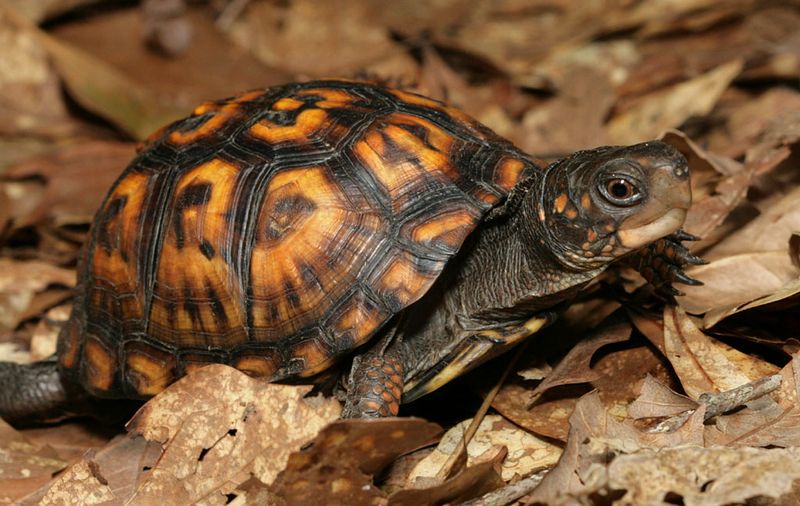
Late spring through midsummer is nesting season for box turtles in Texas. During this time, female turtles become noticeably more active and may travel farther than usual.
If you spot a turtle moving with purpose, pausing frequently, and seeming to inspect the soil, there is a good chance she is searching for the right place to lay her eggs.
Female box turtles are particular about nesting sites. They prefer loose, well-drained soil that gets plenty of direct sunlight.
The warmth of the sun is what incubates the eggs, so shaded or compacted ground simply will not work. Open garden edges, mulched flower beds, and lightly disturbed soil near sunny borders are exactly the kinds of spots that catch a nesting female’s attention.
The nesting process itself is slow and careful. A female may spend hours digging a small flask-shaped hole using her back feet.
She will lay a small clutch of eggs, typically two to seven, cover them gently, and then move on. She does not return to care for the eggs after that. The nest is completely on its own from that point forward.
If you find a nest in your garden, the best thing you can do is leave it completely alone. Mark the area lightly so you do not accidentally disturb it while gardening. Eggs typically hatch in late summer or early fall, depending on soil temperature.
Watching this process from a respectful distance is genuinely exciting. Box turtle hatchlings are tiny, often no larger than a quarter, and they are fully independent from the moment they emerge.
Supporting nesting females by keeping parts of your garden open and sunny is one of the most meaningful ways to help local turtle populations.
5. Your Yard Has Useful Cover From Heat And Predators
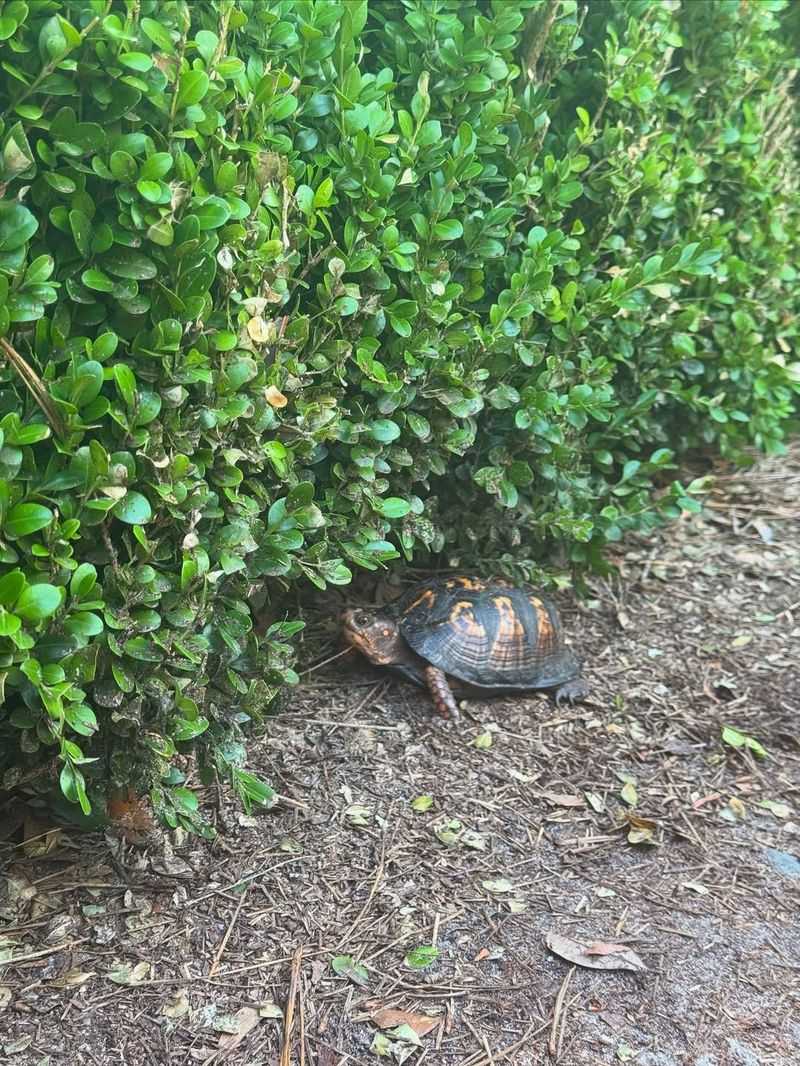
Not every yard is a safe place for a turtle. Open lawns with no shade, no hiding spots, and no natural debris leave turtles completely exposed.
But a garden with layers of plants, dense groundcovers, shrubs, and brush piles? That is a different story entirely. That kind of space offers real protection, and turtles know it.
Box turtles face threats from raccoons, crows, dogs, and fire ants. Their hinged shell helps them close up tightly when threatened, but that defense only goes so far.
Having access to dense cover means a turtle can tuck itself under a shrub or into a brush pile and stay hidden until danger passes. The more layered and varied your garden is, the more hiding options it provides.
Native plants play a huge role here. Low-growing natives like inland sea oats, frogfruit, and wild ginger create the kind of thick ground-level cover that turtles love.
Brush piles made from fallen branches and pruned limbs are also incredibly valuable. What looks like garden clutter to a homeowner looks like a five-star retreat to a box turtle.
Shade is just as important as cover. A garden with a mix of full sun areas and deeply shaded corners gives turtles the ability to regulate their body temperature throughout the day.
They warm up in sunny spots during cooler morning hours and retreat to shade when afternoon heat peaks. Creating turtle-friendly habitat does not require major changes.
Simply leaving a corner of your yard a little wilder, skipping the leaf blower in certain spots, and planting a few native groundcovers can transform your garden into a genuine refuge for these ancient, slow-moving neighbors that share your Texas summer space.
6. It Means You Should Protect Them, Not Move Them Far Away
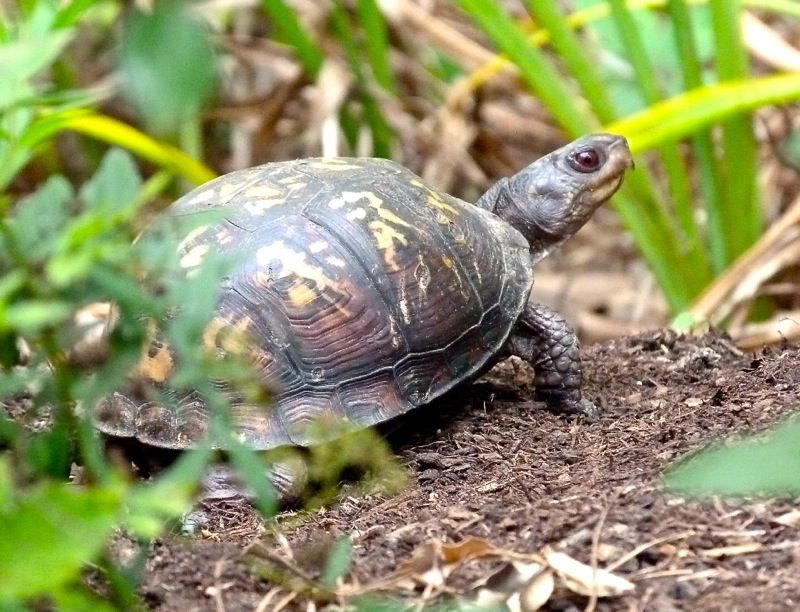
Finding a box turtle in your garden can feel like a surprise, and the instinct for many people is to pick it up and move it somewhere they think is safer or more natural.
That impulse comes from a kind place, but moving a box turtle far from where you found it can actually cause serious harm to the animal.
Box turtles have strong homing instincts. When relocated to an unfamiliar area, they often spend weeks or months trying to return to their home range.
During that journey, they cross roads, face new predators, and struggle to find familiar food and water sources. Many do not survive the attempt. Even moving a turtle just a mile away can be enough to put it in real danger.
The right approach is simple. If a box turtle is wandering through your garden and not in any immediate danger, leave it alone.
Watch it from a distance and enjoy the rare chance to observe wild behavior up close. It will move along on its own when it is ready.
If the turtle is in a dangerous spot, like crossing a driveway or heading toward a road, you can help by picking it up gently with both hands and moving it only a short distance in the direction it was already traveling.
Do not turn it around or carry it to a completely different area. Set it down gently and step back.
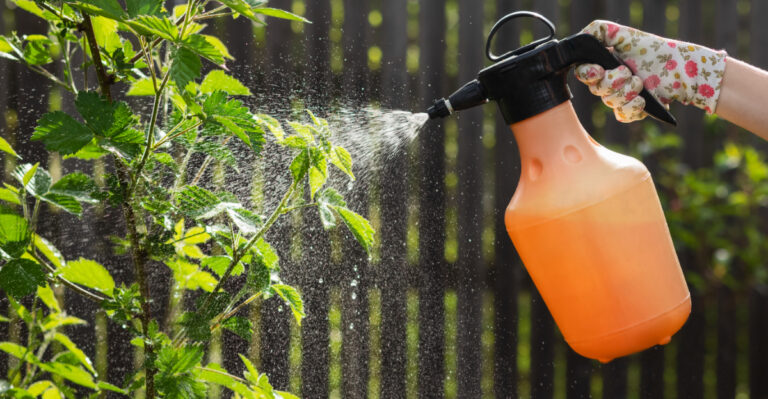
Protecting local box turtles also means keeping pets supervised during garden time, avoiding pesticides that reduce the insects they eat, and driving slowly in residential areas during summer months when turtles are most active.
Small actions from many gardeners add up to real protection for these remarkable reptiles.