The Most Underrated Pennsylvania Native Ornamental Tree That Helps Keep Mosquitoes Away From Patios
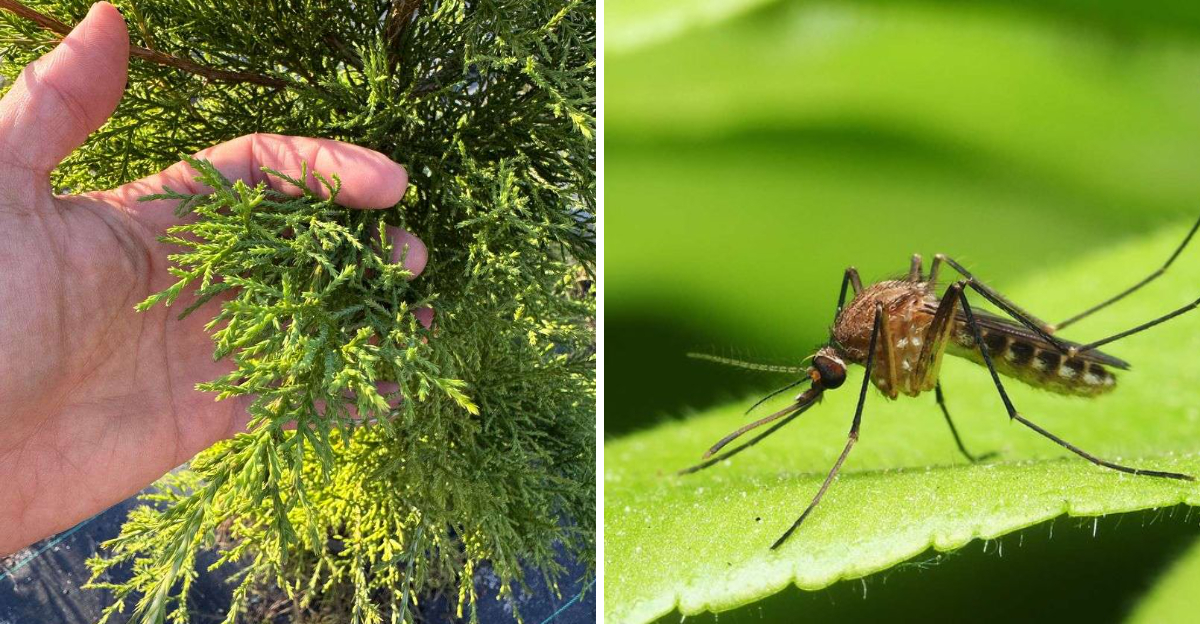
Mosquitoes and Pennsylvania patios are an infuriating combination. The moment the weather gets nice enough to actually enjoy your outdoor space, the mosquitoes show up and make it miserable.
Candles, sprays, and plug in devices help a little, but none of them really solve the problem in any lasting way. Most people never think to look at their landscaping for a solution.
There’s a native Pennsylvania ornamental tree that has been earning quiet attention for its ability to make patio areas significantly less appealing to mosquitoes.
It’s beautiful enough to anchor a landscape design on its own, offers seasonal interest from spring through fall, and supports local wildlife generously throughout the year.
But planted near a patio, it does something that candles and sprays simply cannot. It creates a natural, ongoing deterrent that works passively without any effort from you.
Most homeowners have never heard of it for this purpose. Here’s why that needs to change.
Meet Eastern Red Cedar

Not every hero tree gets the attention it deserves, and Eastern red cedar is proof of that. Juniperus virginiana grows naturally across Pennsylvania and much of the eastern United States.
It is actually not a true cedar at all but a juniper, which makes its reputation even more interesting. Gardeners and landscapers often overlook it in favor of flashier ornamentals, but those in the know understand its real value.
Eastern red cedar is an evergreen conifer, meaning it holds onto its needles all year long. That gives your patio structure and privacy even in the middle of winter when most other plants look bare and lifeless.
The tree has a classic, upright, conical shape that looks tidy and elegant near outdoor living spaces. Some varieties grow narrow and tall, making them great for tight spots along fences or property lines.
One of its best features is its wildlife value. The small, blue-gray berry-like cones are a favorite food for cedar waxwings, bluebirds, and other native birds.
Watching birds visit the tree while you relax on your patio is one of those simple pleasures that money really cannot buy. The dense branches also give birds safe shelter from wind and predators.
Eastern red cedar thrives in Pennsylvania’s climate. It handles both heat and cold without much fuss. Poor rocky soil? No problem. Full sun? It loves it.
Once established, this tree asks very little from you. For homeowners who want a native ornamental tree with year-round beauty and real ecological benefits, Eastern red cedar is a standout choice worth planting today.
Why Mosquitoes Gather Near Patios
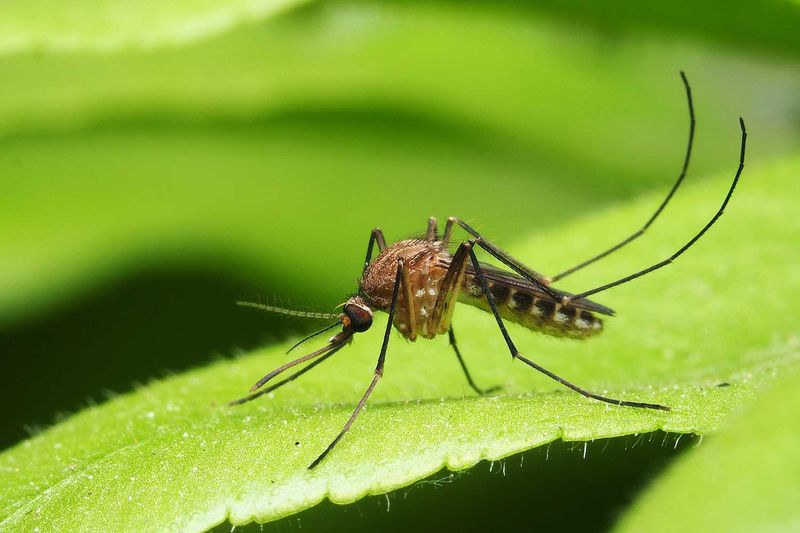
Before you can fix a mosquito problem, you need to understand why those little biters love your patio so much. Mosquitoes are not random.
They show up where conditions are just right for them to rest, feed, and reproduce. Knowing their habits gives you a real advantage when it comes to keeping your outdoor space more comfortable.
Standing water is the number one reason mosquitoes gather near patios. Female mosquitoes need water to lay their eggs, and they do not need much of it.
Your Pennsylvania Garden Changes Every Week. Your Plan Should Too.
Gardening in Pennsylvania changes quickly throughout the season. Every Friday you’ll receive a simple weekly plan showing exactly what to plant, prune, fertilize, harvest, and protect so you never miss the right timing.
A bottle cap full of water can be enough. Common culprits include plant saucers, buckets left outside, clogged gutters, birdbaths that are not refreshed regularly, and tarps that collect rainwater.
Even kids’ toys left on the lawn can hold enough water to become a breeding spot. Shade and humidity also play a big role. Mosquitoes prefer cool, damp, shady spots to rest during the day.
Dense shrubs, tall grass, and areas with poor airflow create exactly the kind of environment mosquitoes love. Patios surrounded by overgrown vegetation or low-lying areas that stay wet after rain are especially attractive to them.
Mosquitoes are also drawn by carbon dioxide, body heat, and certain scents that humans naturally produce. So simply being outside on a warm evening makes you a target.
Understanding that mosquitoes are responding to real environmental cues, not just bad luck, helps you take smarter action.
Reducing standing water, improving airflow, and trimming dense plants are practical first steps that make a noticeable difference in mosquito activity around your patio area.
How Cedar May Help
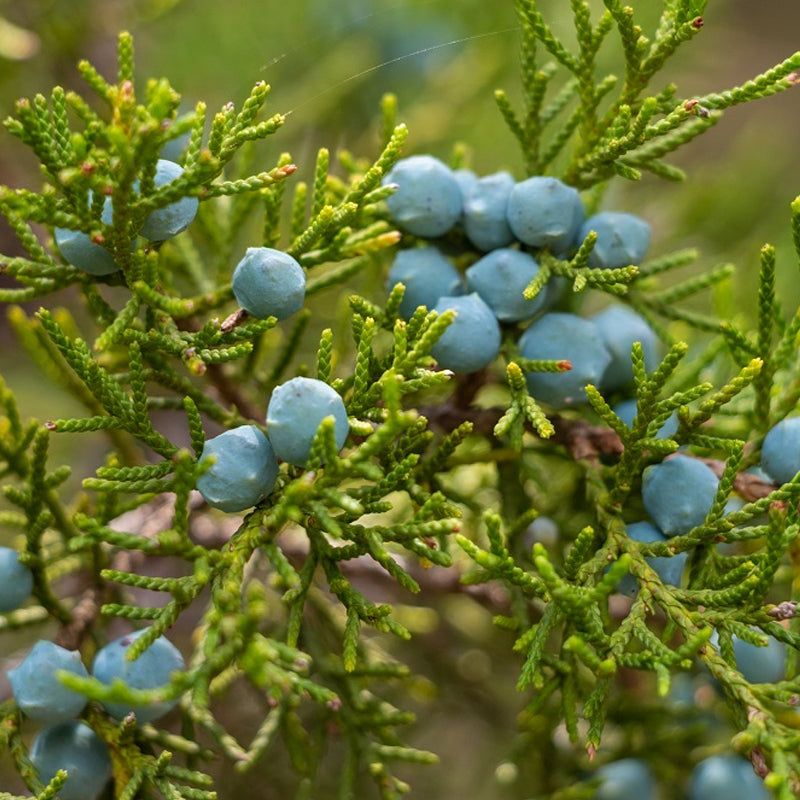
You may have heard that cedar repels insects, and there is real science behind that claim. Cedarwood oil, extracted from Juniperus virginiana, has been studied for its insect-repellent properties.
The oil contains compounds like cedrol and cedrene that have shown measurable effects on certain insects, including mosquitoes, in laboratory settings.
Cedar chips, cedar oil sprays, and cedar-lined storage chests have been used for generations to discourage insects.
Here is the important part, though: a living Eastern red cedar tree growing in your yard will not create a mosquito-free zone around your patio.
The concentration of cedarwood oil released by a living tree is not strong enough to repel mosquitoes the way a concentrated spray or oil diffuser might.
Expecting the tree alone to chase away every mosquito is setting yourself up for disappointment.
What the tree can do is contribute to a smarter patio environment. Its dense evergreen canopy can reduce the humidity and shade in specific spots, making those areas slightly less appealing to resting mosquitoes.
The tree also encourages airflow when positioned thoughtfully, and moving air is something mosquitoes genuinely dislike. They are weak fliers, and a breezy spot is harder for them to navigate.
Think of Eastern red cedar as a helpful team player rather than a solo solution. Pair it with cedar oil products, good yard hygiene, and proper water management, and you have a layered approach that actually works.
The tree adds beauty, wildlife value, and a modest natural boost to your mosquito-smart patio strategy. That combination is worth more than any single fix could ever provide on its own.
Why It Works As A Patio Tree
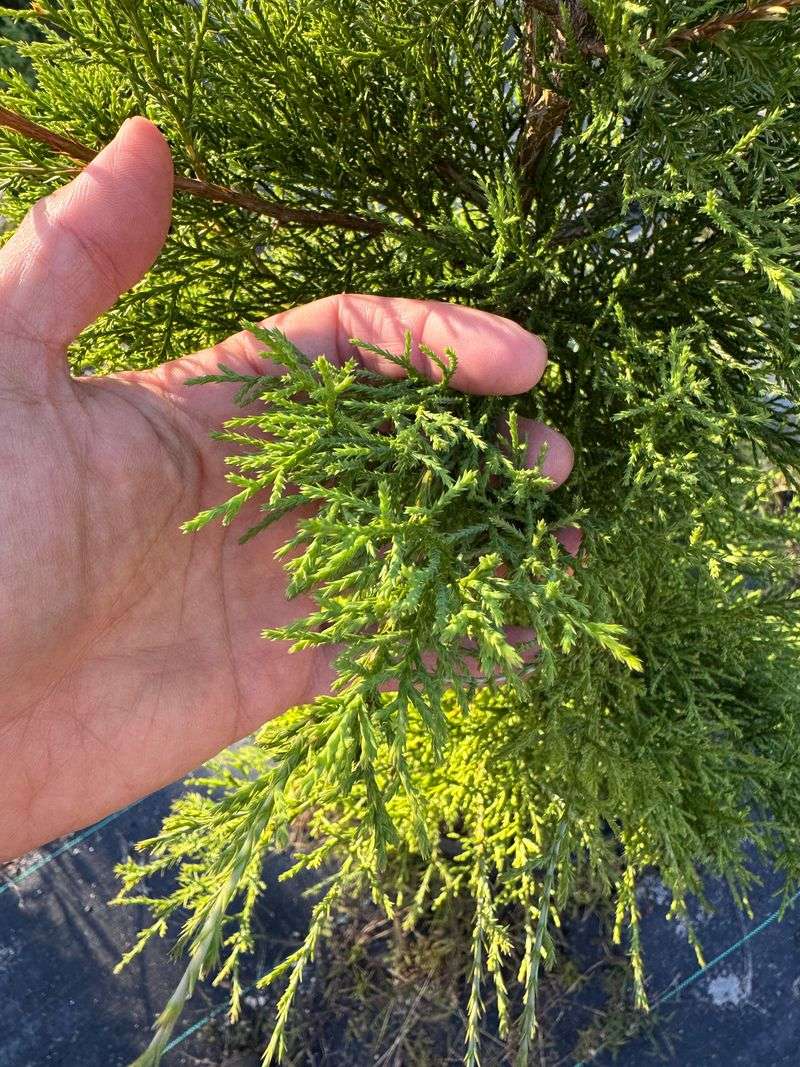
Forget the mosquito angle for just a moment, because Eastern red cedar earns its place near a patio on pure garden merit alone.
Few native trees pack this many benefits into one easy-to-grow package. Homeowners who plant one often wonder why they waited so long to add it to their yard.
Evergreen structure is one of its biggest selling points. While other trees drop their leaves and leave your patio exposed every fall, Eastern red cedar stays full and green all year.
That means year-round privacy from neighbors, year-round wind protection, and year-round visual interest. Its classic conical form looks tidy and purposeful rather than wild or messy, making it easy to incorporate into both formal and casual patio designs.
Drought tolerance is another major plus. Once Eastern red cedar gets established, usually within its first two growing seasons, it needs very little supplemental watering.
Pennsylvania summers can get hot and dry, and a tree that handles that without wilting or demanding constant attention is a real gift. It also adapts well to a wide range of soil types, including rocky or clay-heavy ground that would challenge many other ornamentals.
Birds absolutely love this tree. Cedar waxwings, bluebirds, robins, and mockingbirds are among the many species that feed on its berry-like cones.
Watching native birds visit your patio tree adds a lively, natural energy to your outdoor space. The dense branches also provide nesting shelter and protection from predators.
Eastern red cedar genuinely supports local biodiversity, making your patio feel like a welcoming part of the natural world rather than separate from it.
What It Cannot Do
Honesty matters when it comes to plants and pest control, so here is the straightforward truth: Eastern red cedar cannot stop mosquitoes if the conditions around your patio are working in their favor. No tree can.
Even the most aromatic, insect-discouraging plant in the world is no match for a yard full of standing water and dense, humid vegetation.
If you have plant saucers sitting under your potted flowers, water pooling in low spots in your lawn, a clogged gutter dripping onto the ground, or a bucket sitting in the corner of your yard, mosquitoes will breed there. Period.
A beautiful cedar tree nearby will not change that equation. Mosquitoes are remarkably resourceful, and their instinct to find water and reproduce is incredibly strong.
Dense vegetation around a patio can also work against you, even if that vegetation includes well-meaning native plants.
Overgrown shrubs, tall ornamental grasses, and thickly planted garden beds all create the cool, shady, humid resting spots that mosquitoes seek during the heat of the day.
Trimming and thinning your plantings regularly improves airflow and reduces those sheltered zones.
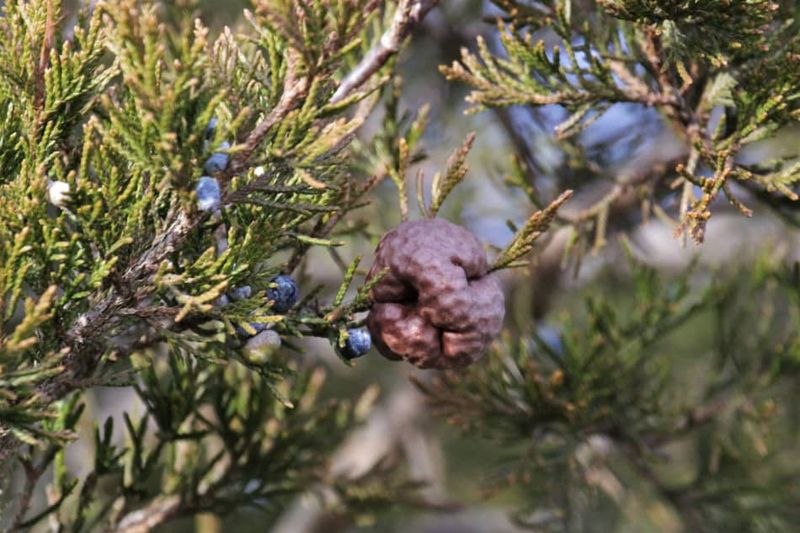
It is also worth knowing that Eastern red cedar can occasionally host cedar-apple rust, a fungal issue that affects nearby apple and crabapple trees. If you have those trees in your yard, check with your local Penn State Extension office before planting cedar close by.
Being realistic about what Eastern red cedar can and cannot do helps you use it wisely. It is a fantastic tree with real strengths, and understanding its limits only makes your overall patio strategy smarter and more effective over time.
Pair It With Mosquito Prevention
Eastern red cedar shines brightest when it is part of a bigger plan. Smart mosquito management around a patio is always about layering your defenses, and this tree fits naturally into that approach.
Start with the basics, because the basics genuinely work when done consistently and thoroughly throughout the warmer months.
Empty any standing water around your patio at least once a week. That includes plant saucers, buckets, wheelbarrows, kids’ toys, and anything else that collects rainwater.
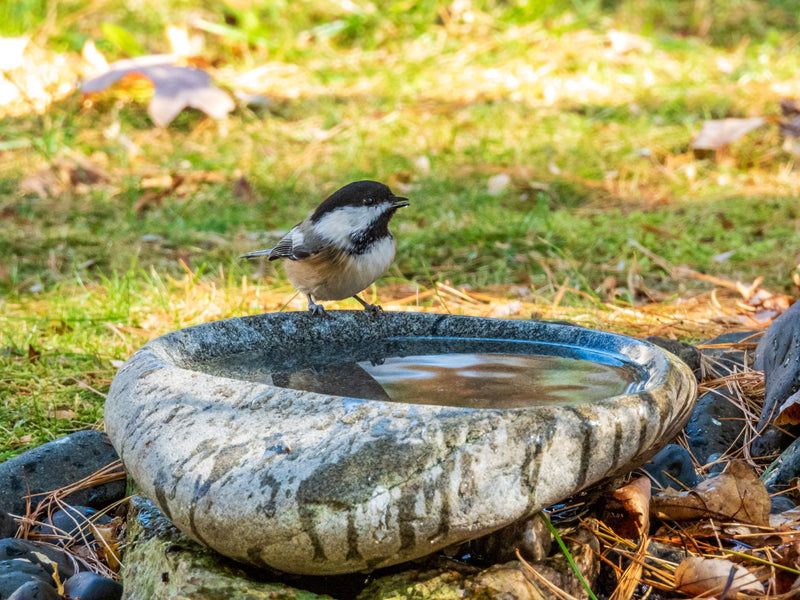
Refresh your birdbath on the same schedule so the water stays clean and fresh rather than becoming a breeding pool. Clean out your gutters each spring and fall so water flows freely instead of pooling near your roofline or foundation.
Improve airflow around your patio by trimming back overgrown shrubs and thinning dense plantings. Mosquitoes struggle in moving air, so a breezy patio is naturally less inviting to them.
A strategically placed outdoor fan can also make a noticeable difference during evening gatherings when mosquito activity tends to peak. Simple solutions like that are often underrated.
When mosquitoes are actively biting, use an EPA-registered repellent on exposed skin. Products containing DEET, picaridin, or oil of lemon eucalyptus are all proven effective.
Wearing light-colored, loose-fitting clothing during evening hours also reduces your attractiveness to mosquitoes.
Eastern red cedar, planted near your patio and paired with these practical habits, creates an outdoor space that is genuinely more comfortable and enjoyable.
No single plant or product solves the whole problem, but a thoughtful combination of good choices adds up to real, lasting results you can appreciate every single time you step outside.