What Georgia Crape Myrtles Need Before July Is Over
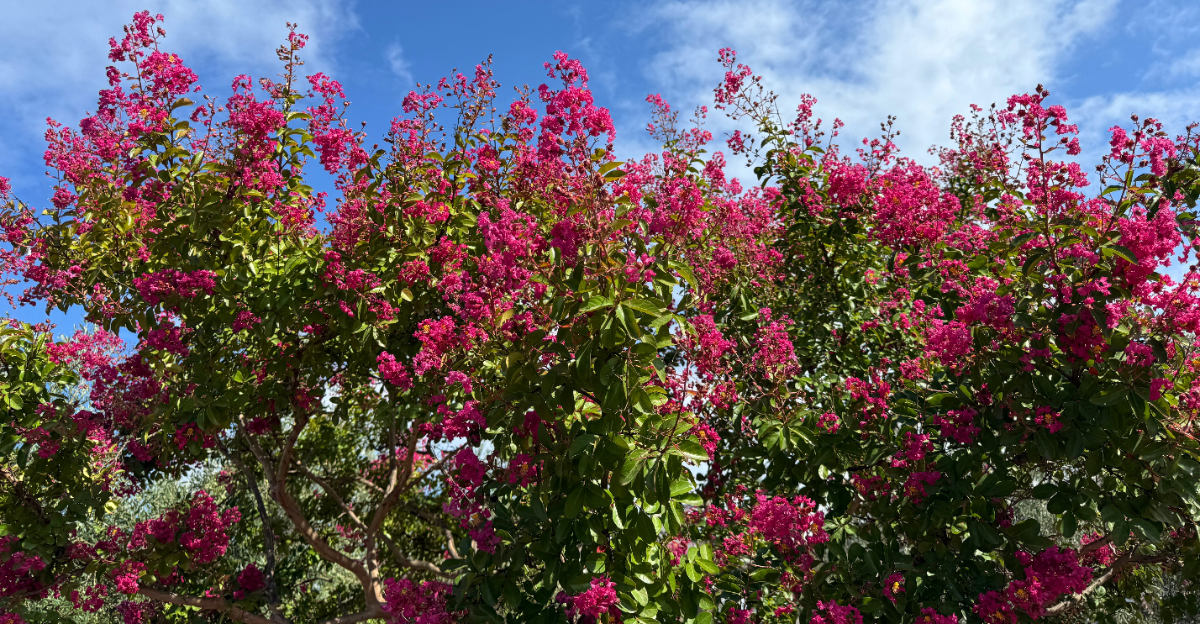
Georgia crape myrtles can tempt even patient gardeners into bad decisions by late July.
The first bloom rush fades. Seed clusters swell where flowers used to glow. Suckers pop from the base like they were invited. A few leaves turn powdery, the heat gets rude, and suddenly those loppers start looking very persuasive.
That is exactly when restraint matters most.
Crape myrtles do not need a midsummer haircut with revenge energy. They need small, smart moves that keep the show going without wrecking the graceful structure that makes them so valuable through winter.
A little deadheading, light cleanup, sucker removal, and careful watering can help push fresh color before Georgia summer finally loosens its grip.
So what should you actually do right now, and what should stay far away from the pruning pile?
Start with the easy July fixes. The tree is still working, and the goal is to help it bloom again without turning a beautiful crape myrtle into a stump collection.
1. Remove Fresh Seed Clusters
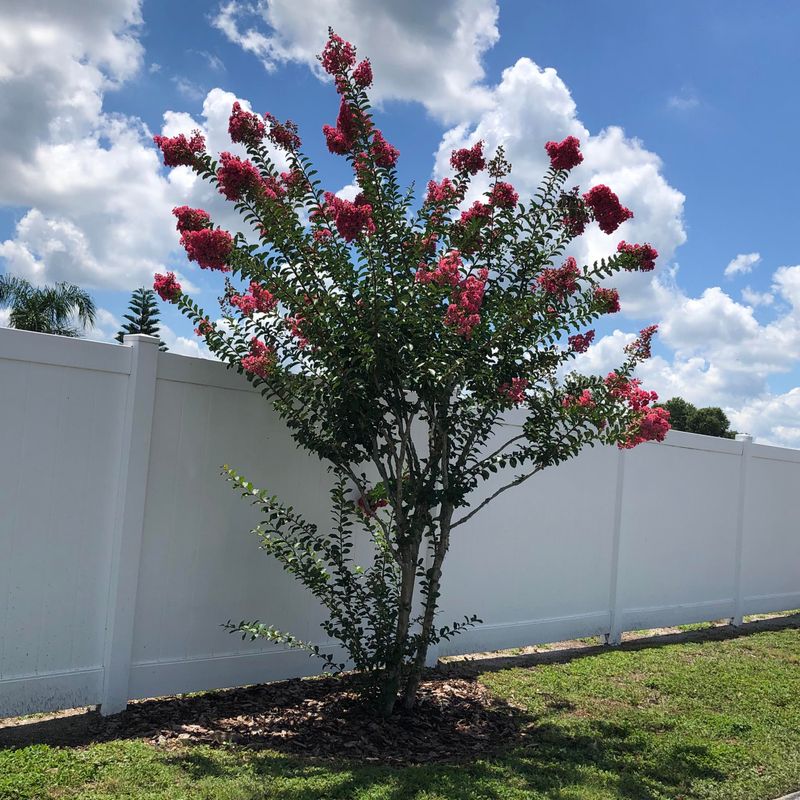
Spent flower clusters hanging on a crape myrtle branch are more than just an eyesore.
They are actually pulling energy away from the tree that could go toward producing a fresh round of blooms.
Trimming, which just means snipping off those dried or fading flower heads, is one of the simplest and most rewarding tasks you can do for your crape myrtle right now.
UGA Extension confirms that removing seed clusters promptly after bloom encourages crape myrtles to rebloom.
The tree stops putting resources into ripening seeds and redirects that energy into pushing new flower buds. In Georgia’s long summer, that can mean a solid second or even third flush of color before fall arrives.
You do not need fancy tools for this job.
A clean pair of hand pruners or sharp scissors works perfectly for smaller branches. For taller trees, a lightweight pole pruner lets you reach the upper canopy without climbing.
Cut just below the seed head at the first set of leaves or a natural branch junction. Try not to leave long stubs sticking up above the foliage line.
Work in the early morning before the Georgia heat peaks.
Toss the removed clusters into a yard waste bag rather than leaving them on the ground, where they can harbor pests.
A quick round of trimming now could reward you with beautiful blooms by mid-August.
2. Skip The Harsh Cutback
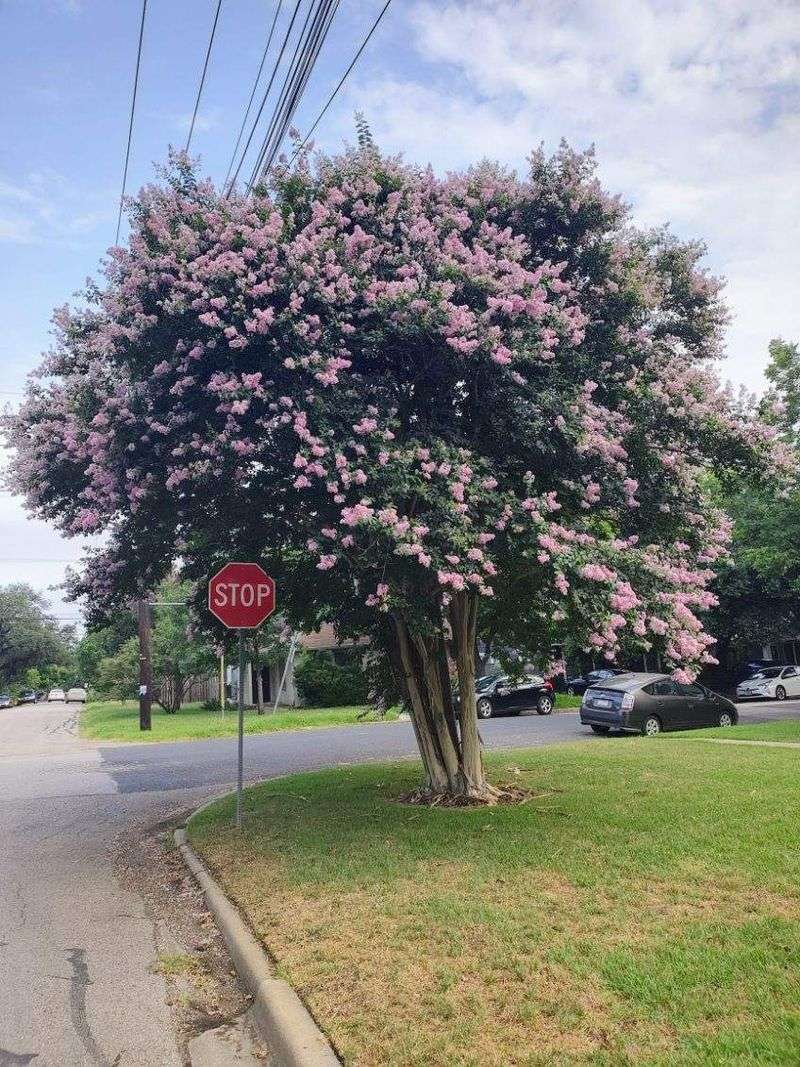
A gardener holding a pair of loppers and eyeing a crape myrtle with ambition is a familiar sight across Georgia subdivisions every summer.
The temptation to cut the whole canopy back hard is understandable, especially when the tree looks overgrown or the flowers seem out of reach.
But topping a crape myrtle in July is one of the worst things you can do for its long-term health and beauty. Topping removes the natural branch structure the tree spent years building.
What grows back after a hard cutback is a cluster of weak, whippy shoots that are more likely to flop under the weight of blooms than to stand upright the way a well-shaped tree does.
Your Georgia Garden Changes Every Week. Your Plan Should Too.
Gardening in Georgia changes quickly throughout the season. Every Friday you’ll receive a simple weekly plan showing exactly what to plant, prune, fertilize, harvest, and protect so you never miss the right timing.
Those knobby stubs at the top of topped trees never go away and look especially harsh in winter when the leaves are gone.
Crape myrtles bloom on new growth, which means they are already producing the stems that will carry flowers this season.
Cutting them back now removes current and future blooms all at once.
If a branch is truly crossing another or rubbing against a structure, a targeted cut at a natural junction is fine. But wholesale cutting of healthy branches in midsummer is a trade with no upside.
Put the loppers down and save any real structural decisions for winter when the tree is fully dormant.
3. Thin Crowded Sprouts Lightly

Even without topping, crape myrtles can get a little bushy inside the canopy by late July.
Clusters of small twiggy sprouts fill in the center, blocking airflow and making the tree look dense in a cluttered rather than lush way.
Light thinning is the answer, and it is a job well worth spending twenty minutes on before the month ends.
The goal with selective thinning is not to reshape the entire tree.
You are simply removing the smallest, weakest, or most crowded stems to open the canopy slightly.
Better airflow through the center of the tree reduces humidity around the leaves, which directly lowers the risk of powdery mildew, a common problem on Georgia crape myrtles in summer.
Look for branches that cross and rub against each other, stems growing straight down toward the ground, and pencil-thin twigs clustered in tight groups at the same junction.
Remove these with a clean cut at the point where they meet a larger branch. Avoid cutting back healthy outward-facing branches that are carrying bloom buds or flowers.
You should be able to see through the canopy a little more when you are done, but the tree should still look full and natural from the street.
UGA Extension advises that light selective pruning during the growing season is far less stressful on the tree than removing large amounts of wood at once. Think of it as a light haircut, not a full reshaping.
4. Water During Dry Bloom Weather
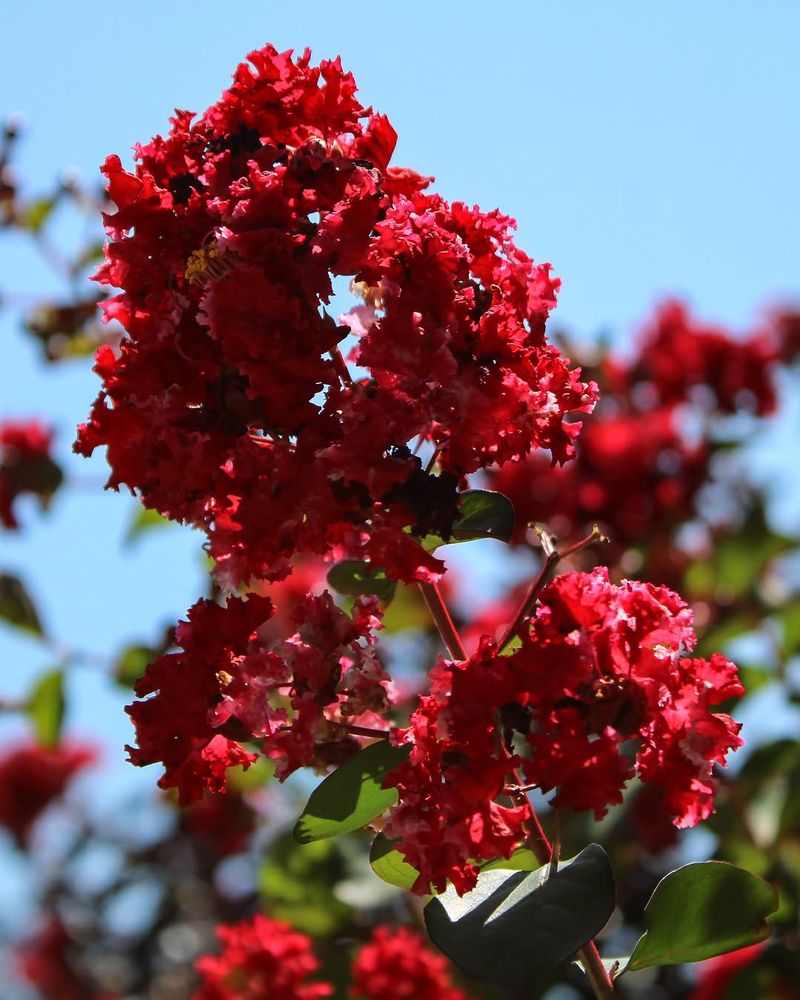
A dry roadside crape myrtle tells the whole story in July.
Flowers wilt before they fully open, leaves curl at the edges, and the color looks faded instead of vivid.
Georgia summers can swing from heavy afternoon thunderstorms to two or three weeks of bone-dry heat without warning, and crape myrtles feel that shift quickly.
Established crape myrtles are reasonably drought-tolerant once they have been in the ground for two or three years. But drought-tolerant does not mean drought-proof.
During extended dry stretches in July and August, even mature trees benefit from a deep supplemental watering.
Shallow, frequent watering does more harm than good because it encourages roots to stay near the surface. Deep, infrequent watering pushes roots down where soil stays cooler and moisture lasts longer.
UGA Extension recommends watering slowly and deeply rather than running a sprinkler for a few minutes every day.
A soaker hose laid in a ring around the drip line of the tree and left to run for thirty to forty-five minutes delivers water right where the roots can use it.
Aim for about one inch of water per week total, including rainfall. Check soil moisture a few inches below the surface before watering again.
Mulch is your best partner here.
A two-to-three-inch layer of pine straw or shredded bark around the base holds moisture in the soil, keeps roots cooler, and reduces how often you need to water during Georgia’s driest summer weeks.
5. Watch For Powdery Leaves
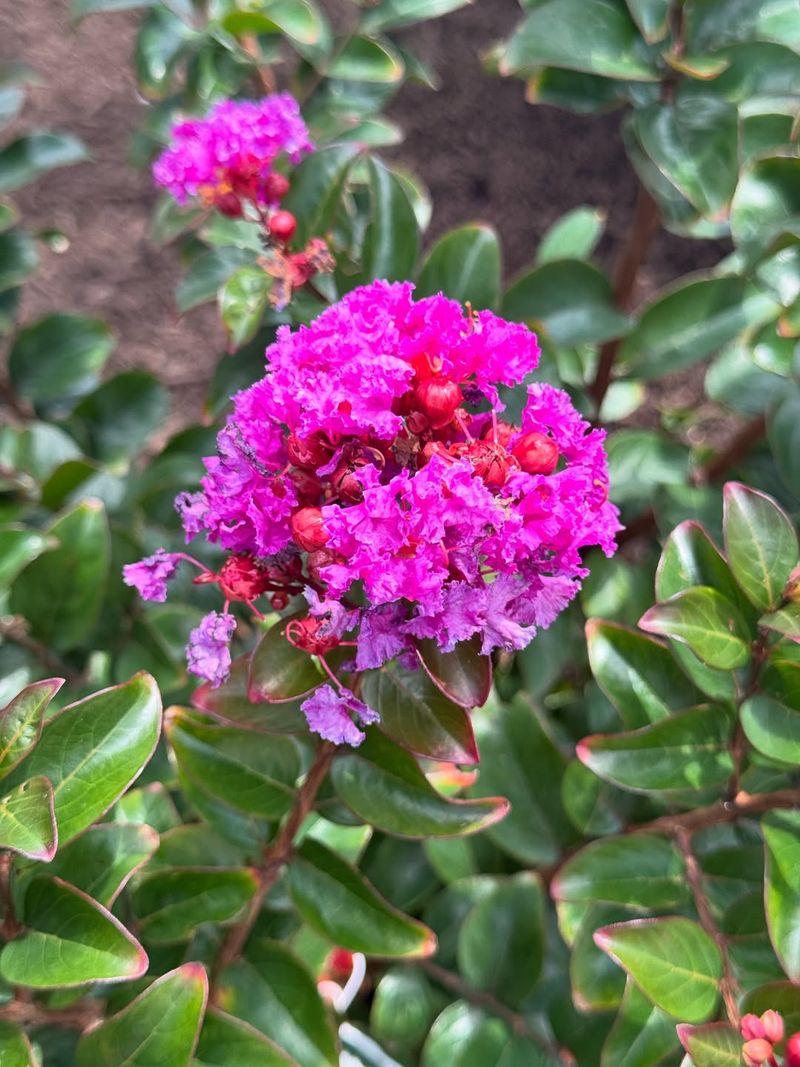
Powdery mildew has a very recognizable look.
Leaves on affected crape myrtles develop a chalky white or grayish coating that looks almost like someone dusted them with flour.
It shows up first on young leaves and tender new growth, then spreads if conditions stay warm and humid. In Georgia, late July is prime time for this fungal problem.
Powdery mildew on crape myrtles thrives when nights are warm and humid but days are hot and dry.
Poor airflow through a crowded canopy makes things worse by trapping moisture around the leaves.
The good news is that most modern crape myrtle varieties bred for the Southeast have strong resistance to powdery mildew built right in.
For trees already showing signs, UGA Extension suggests improving airflow through selective thinning as the first line of response.
Avoid overhead irrigation that wets the foliage, especially in the evening.
Resistant varieties like Natchez, Tuscarora, and Muskogee were developed partly because of how common this problem is in the humid South.
Choosing the right variety for your yard is the single most effective long-term strategy.
For now, keep the canopy open, water at the base, and monitor new growth weekly through August.
6. Clear Suckers At The Base

Peeling back the mulch around the base of a crape myrtle in July almost always reveals a surprise: a cluster of small green shoots pushing up from the roots or the lower trunk.
These are suckers, and they are one of the most persistent summer maintenance tasks crape myrtles demand.
Left alone, they clutter the trunk line, compete with the main stems, and make the whole tree look unkempt.
Suckers are not a sign that something is wrong with the tree.
Crape myrtles produce them naturally, especially during periods of stress or vigorous summer growth. They draw energy from the root system and direct it into stems that will never become part of the attractive multi-trunk form most people want.
The best approach is to pull or cut suckers as close to their point of origin as possible.
If you cut them off at ground level but leave the base attached, they will simply regrow faster.
Reach down to where the sucker meets the root or trunk and remove it cleanly with pruners or your fingers if it is small enough to snap off.
Check for new suckers every two to three weeks through the rest of summer.
Staying on top of them while they are small makes the job quick and easy. Waiting until fall means wrestling with woody stems that have hardened significantly since July.
7. Let Bark Stay Visible
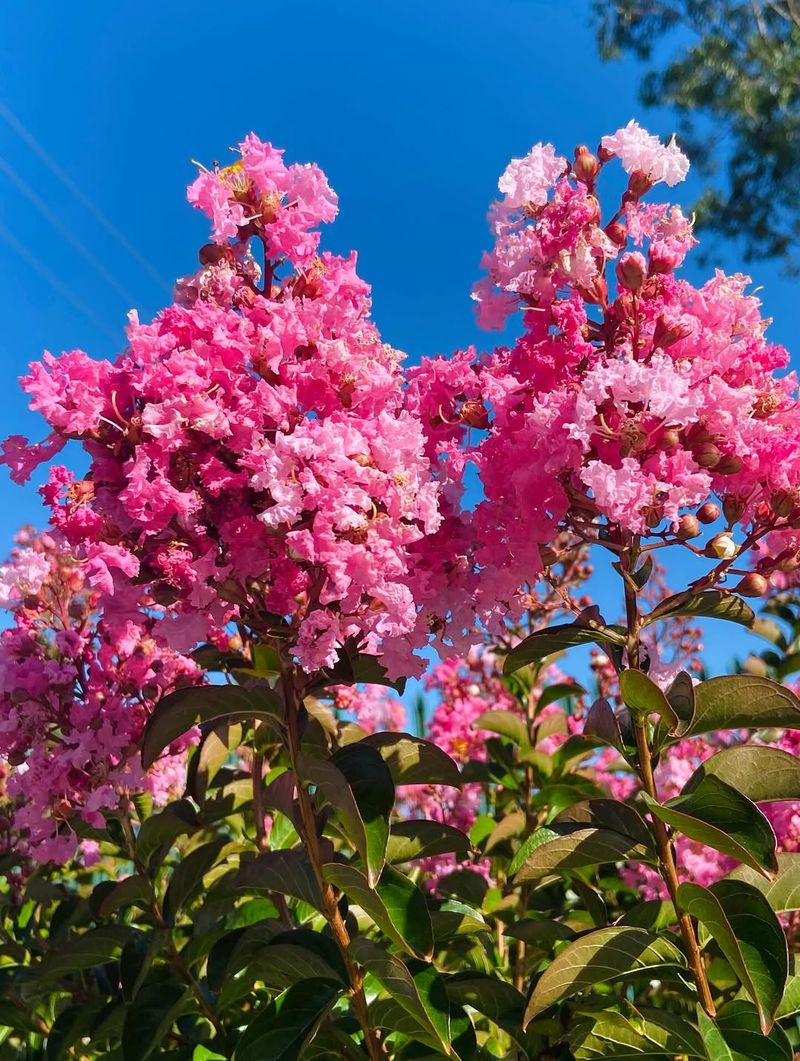
Crape myrtle bark deserves far more credit than it usually gets.
The peeling, exfoliating outer layer reveals smooth cinnamon, cream, and gray tones underneath that look genuinely stunning in the landscape, especially on mature trees.
Late July is a great time to make sure that bark is actually visible.
Suckers growing up around the base, overgrown groundcovers, and low branches that dip toward the ground all compete with the trunk for visual attention.
When bark is hidden behind a thicket of stems and leaves, the tree loses one of its most distinctive features.
Clearing the base and removing the lowest branches that hang below the natural branching point lets the trunk show through and gives the tree a cleaner, more architectural look.
UGA Extension notes that the bark on crape myrtles also provides useful clues about tree health.
Smooth, actively peeling bark on the main trunks is a sign of vigorous growth. Bark that looks sunken, cracked in unusual ways, or shows dark discoloration in streaks may warrant a closer look.
Resist the urge to mound mulch against the trunk.
Volcano mulching holds moisture against the bark and can cause problems over time. Keep mulch pulled back two to three inches from the base so air can circulate and the bark stays visible and healthy through the rest of the season.
8. Save Big Pruning For Dormancy
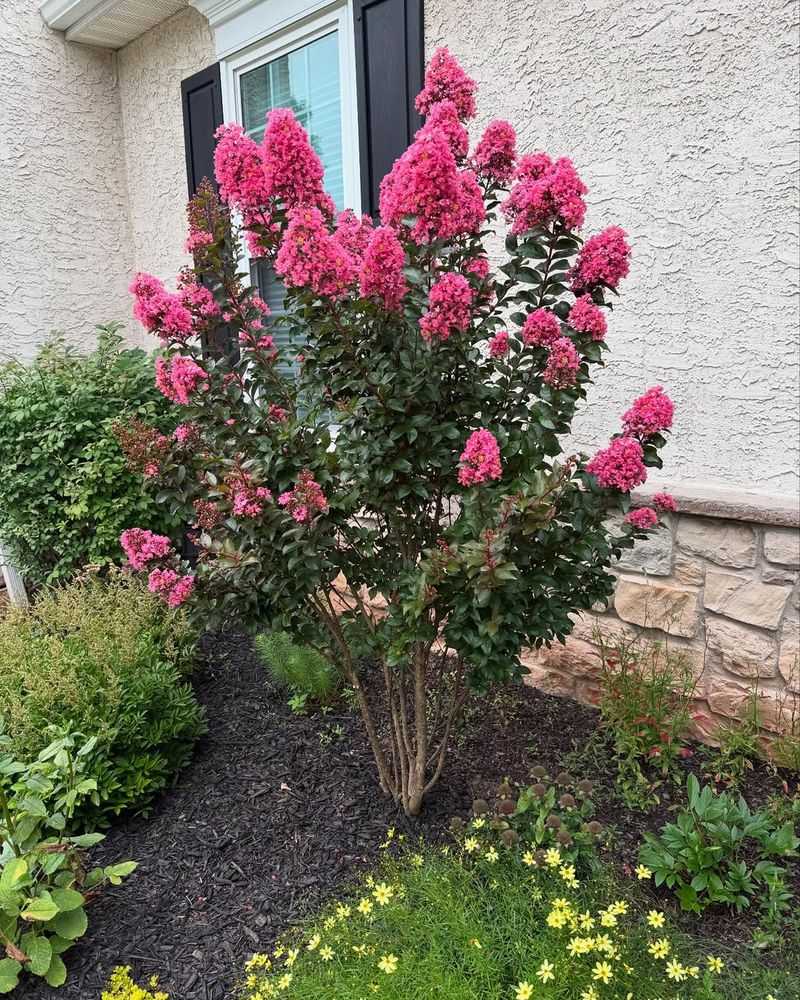
Every summer, someone in the neighborhood decides July is the right time to reshape their crape myrtle from top to bottom.
The result is usually a stressed tree, a pile of removed branches that were full of bloom potential, and a shape that looks chopped rather than sculpted.
Major structural pruning simply does not belong in July, and UGA Extension backs that up clearly.
The dormant season, which in Georgia runs roughly from late December through February, is when big pruning decisions should happen.
During dormancy, the tree is not actively growing, which means cuts heal more cleanly and the tree does not have to manage wound response while also pushing new leaves and flowers.
You can also see the actual branch structure much more clearly without foliage in the way, making it easier to decide which branches to keep and which to remove.
Structural pruning during dormancy means removing crossing branches, thinning out the center for a cleaner silhouette, and addressing any branches that have grown in awkward directions.
These are deliberate, thoughtful cuts that improve the tree’s long-term form without sacrificing the current season’s blooms.
Right now in late July, the only pruning your crape myrtle needs is the light kind: trimming spent blooms, snipping off suckers, and removing the occasional rubbing twig.
Mark any branches that concern you with a bit of flagging tape so you remember them in winter.
Your crape myrtle will thank you with a cleaner shape and a stronger bloom season next year.