8 Summer Watering Habits Georgia Gardeners Should Break Fast
Georgia gardens in summer look one of two ways.
Lush, productive, and somehow holding together despite the heat and humidity. Or stressed, yellowing, and falling apart despite being watered regularly.
The second version is more common than most Georgia gardeners want to admit. And the strange part is that watering is usually involved in both situations.
The difference is not how much water the garden gets. It is how, when, and where that water lands.
Some of the most damaging summer garden habits in Georgia are the ones that feel the most responsible.
The daily morning sprinkle that looks attentive. The generous evening soak after a hot day. The big drink for a newly planted shrub that seems like care.
Do you know which of your current watering habits might be working against the garden rather than for it?
Eight habits stress Georgia plants every summer. Changing them does not require more effort. Just different effort.
1. Stop Sprinkling Shallow Every Day
A quick daily sprinkle looks like attentiveness. It feels responsible. The garden gets water, the soil surface looks dark and moist, and the whole thing takes five minutes.
The roots, however, have a very different experience.
Shallow watering only wets the top inch or two of soil. Roots follow moisture. When moisture only ever sits near the surface, roots have no reason to grow deeper.
They stay shallow, clustered in the zone that heats most intensely during Georgia summer. That zone can reach temperatures that stress even heat-tolerant plants when the thermometer climbs in July and August.
Deep, infrequent watering sends roots in a much more useful direction. Watering slowly and thoroughly, soaking to a depth of six to eight inches, encourages roots to grow downward where soil stays cooler and more stable through heat waves.
Plants with deeper roots handle dry stretches considerably better because they have access to moisture reserves that surface roots never reach.
Two to three thorough waterings per week outperforms seven shallow ones in every measurable way.
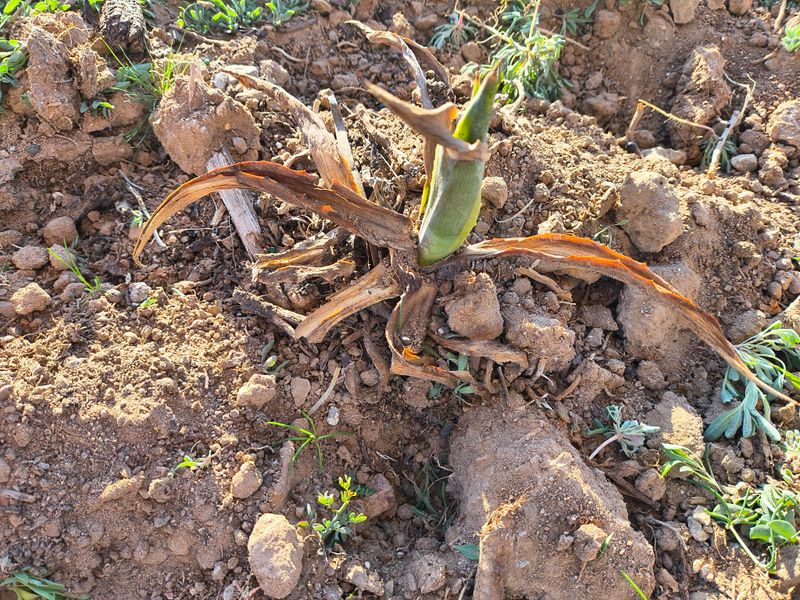
A screwdriver or soil probe pushed into the ground after watering tells you exactly how far the moisture traveled. Six inches of easy penetration means the job was done right.
Shallow daily watering is not bad because it shows too much attention. It is bad because it produces roots that cannot handle the season you are about to put them through.
2. Water Roots Instead Of Leaves
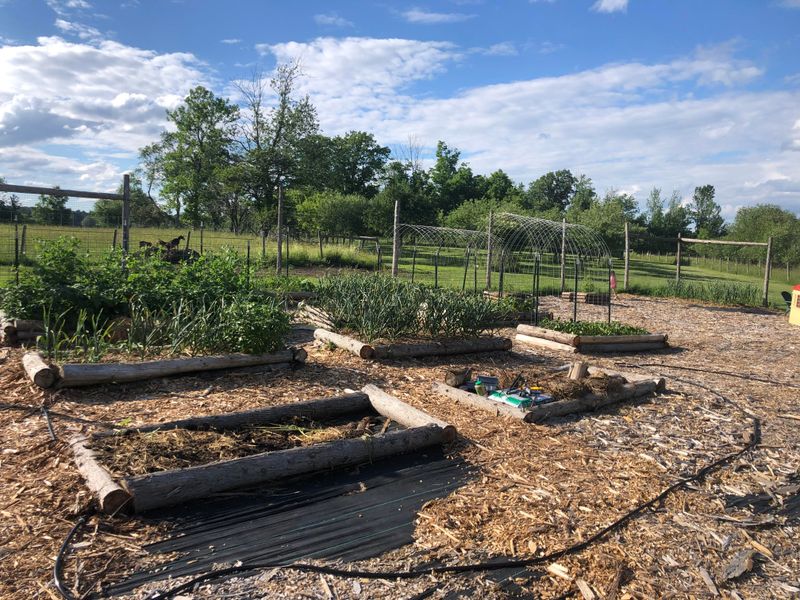
Spraying everything in sight feels efficient. The whole bed gets wet, the plants look refreshed, and the hose covers ground quickly.
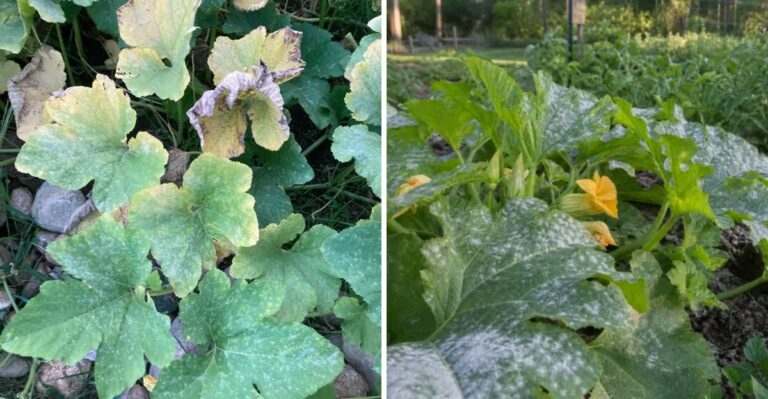
The problem is that leaves do not absorb water the way roots do. Wet foliage in Georgia summer humidity is not a benefit. It is an invitation.
Fungal spores need moisture and warmth to establish. Georgia summer provides both in abundance. Add wet leaves to that combination and problems like powdery mildew, leaf spot, and early blight find exactly the conditions they need.
Tomatoes, squash, and roses are particularly vulnerable, but most garden plants face elevated disease pressure when foliage stays wet for extended periods.
Your Georgia Garden Changes Every Week. Your Plan Should Too.
Gardening in Georgia changes quickly throughout the season. Every Friday you’ll receive a simple weekly plan showing exactly what to plant, prune, fertilize, harvest, and protect so you never miss the right timing.
Water belongs at soil level. Roots pull moisture and nutrients upward through the plant. That process works efficiently when water is delivered to the root zone rather than distributed across the canopy from above.
Soaker hoses and drip irrigation are the most reliable tools for getting water exactly where it helps. They deliver moisture steadily at the soil line without any overspray reaching foliage.
Hand watering with the hose angled low and directed toward the base of each plant accomplishes the same goal with a little more attention.
The plants in Georgia summer want a drink at the roots. Leaf moisture is just overhead without any benefit and a lot of potential downside.
3. Skip Evening Watering In Humid Weather
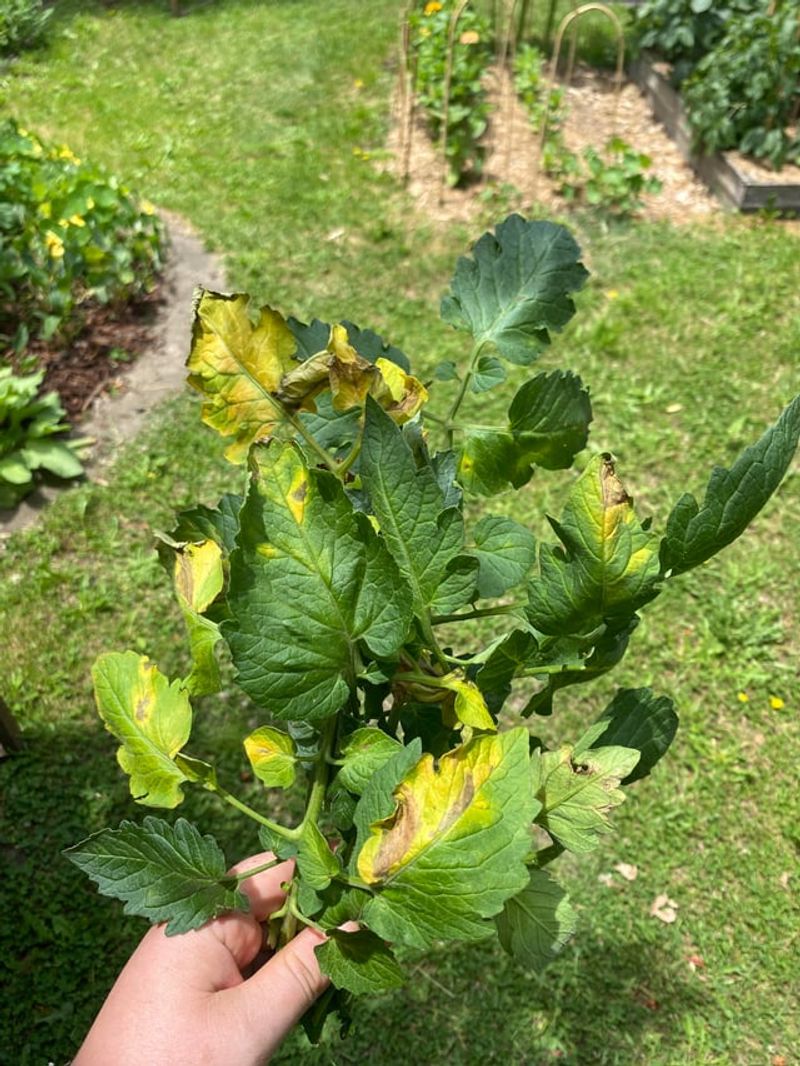
Evening watering feels logical. The sun is lower, temperatures have dropped slightly, and there is finally time after a long day to get outside.
The timing seems considerate toward the plants. The fungi in the garden have the same opinion about it and very different reasons.
Moisture that lands on leaves, stems, and soil surfaces in the evening sits there for hours. Georgia summer nights are warm and humid.
That wet material does not evaporate the way it would during daytime hours. Fungal spores activate in warm, moist, dark conditions.
A garden watered at seven in the evening and not touched again until morning provides those conditions across the entire bed for eight to ten hours straight.
Morning watering changes that equation completely. Water applied between six and ten in the morning gives plants a drink before heat peaks.
Any moisture that reached leaves has time to evaporate as the day warms up. Roots absorb efficiently in the cooler morning soil before surface temperatures climb.
Less water is lost to evaporation than at midday, and far less fungal pressure develops than after evening watering.
The schedule adjustment is not dramatic. Most Georgia gardeners who shift from evening to morning watering notice a measurable reduction in leaf disease within a few weeks.
The garden does not care what time of day feels convenient. Morning watering is simply what works better in a Georgia summer.
4. Check Soil Before Grabbing The Hose
Monday, Wednesday, Friday, hose in hand, no matter what. That kind of schedule feels organized and disciplined.
The problem is that it completely ignores the one piece of information that actually determines whether watering is needed at all.
Overwatering is a genuine problem in Georgia summer gardens. Saturated soil pushes oxygen out of the root zone.
Roots need air just as much as they need water, and plants sitting in waterlogged soil develop stress symptoms that look remarkably similar to drought. Wilting and yellowing can indicate too much water just as easily as too little.
Many gardeners see those signs and water more, which deepens the problem without ever addressing the cause.
A thirty-second soil check before reaching for the hose changes everything. Push a finger two inches into the ground near the plant base.
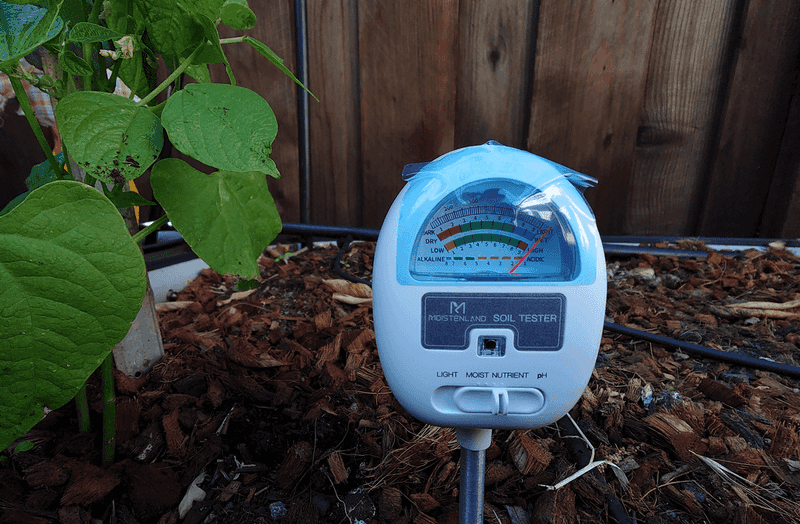
Moist and cool means the plants are fine. Dry and crumbly means it is time to water. A basic soil moisture meter makes this even faster and removes any guesswork.
Georgia summers also bring unpredictable afternoon storms that drop meaningful rainfall with no warning. A thunderstorm that delivers half an inch of rain changes the watering schedule for the next day or two regardless of what the calendar says.
Letting the soil decide when watering happens rather than the calendar is one of the simplest shifts a Georgia gardener can make. The soil always knows more than the schedule does.
5. Stop Flooding New Planting Holes
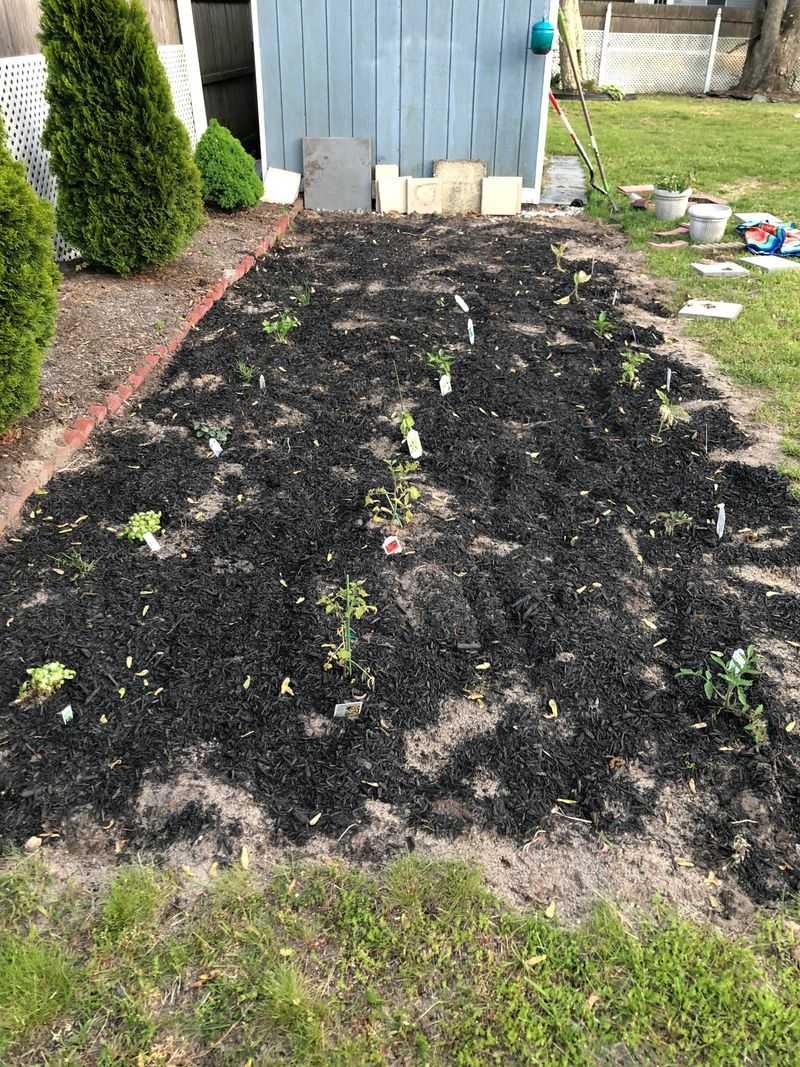
The generous welcome-home soak for a new plant feels nurturing. A big drink on planting day seems like a strong start. In Georgia clay soil, that instinct produces exactly the wrong outcome more often than most gardeners realize.
New plants arrive with a compact root ball that has not yet spread into the surrounding soil. Their roots are small, contained, and not yet capable of pulling moisture from a wide area.
When excess water floods the planting hole, Georgia clay soil traps it rather than draining it away. The planting zone becomes a waterlogged pocket.
Roots sitting in that standing water cannot access oxygen. Breakdown of root tissue follows quickly in warm summer conditions.
What new plants need is steady, moderate moisture rather than dramatic flooding. Water slowly and steadily right after planting to settle soil around the roots.
Then return every day or two during the first two weeks and check before watering each time. The goal is consistent moisture at the root ball without saturation at any point.
A small soil berm built around the planting zone keeps each watering session directed inward toward the roots rather than running off across the surrounding bed.
That structure makes every drop count without letting water pool around the stem base.
New transplants in Georgia summer are already managing heat stress. Their water needs are real but measured. Flooding them on day one is the opposite of the careful start they actually need.
6. Use Mulch Before Heat Peaks
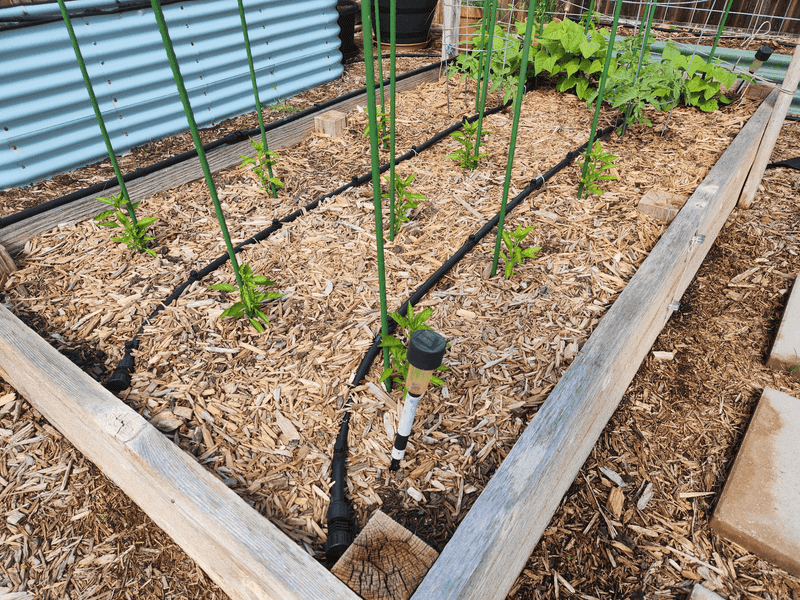
Mulch is not decoration. Georgia gardeners who treat it that way end up fighting the same moisture loss problem over and over from June through September.
Bare soil in a Georgia July loses surface moisture within hours of watering. The sun pulls it out steadily all day.
Roots sitting in that drying-out soil experience stress that accumulates across weeks of hot weather. More frequent watering becomes necessary, water bills climb, and the plants still show signs of struggling despite the added effort.
A two to three inch layer of organic mulch, whether pine bark, pine straw, or shredded hardwood, slows evaporation dramatically by creating a physical barrier between direct sun and soil surface.
Soil temperature under mulch runs significantly lower than in bare beds. Moisture lingers longer between watering sessions.
Roots stay in a more stable environment through heat waves that would otherwise send them into visible stress.
The timing of mulch application matters considerably. Getting it down in late spring or early summer, before peak heat arrives, creates that buffer from the beginning of the season.
Waiting until August means soil has already been baking for months and the most demanding stretch has passed without protection.
Keep mulch a few inches away from plant stems to prevent moisture accumulation against bark. Organic mulch also improves soil structure as it breaks down across the season, which means it is doing two jobs simultaneously without being asked.
7. Water New Shrubs More Carefully
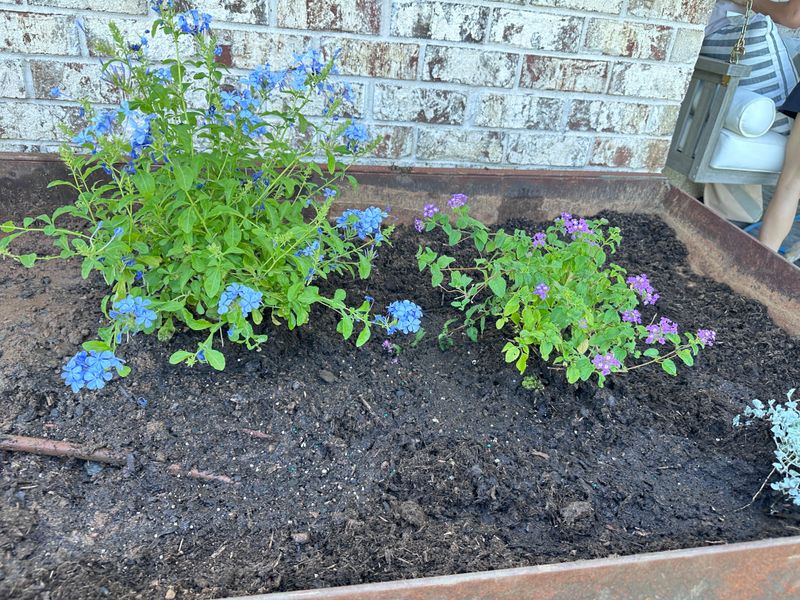
First-year shrubs are dealing with a situation that established plants have long moved past.
They were pulled from a nursery container, placed into unfamiliar soil, and asked to keep growing through Georgia’s most demanding season without the root infrastructure that makes that manageable.
Established shrubs draw moisture from a wide, deep root network that developed over multiple seasons. A first-year shrub works with a fraction of that capacity.
Its roots are mostly still confined to the original root ball it arrived in. The surrounding soil may hold moisture, but the plant cannot access it efficiently until roots spread outward, which takes time the summer heat does not provide generously.
Watering new shrubs two to three times per week during dry stretches, with a soil moisture check before each session, gives first-year plants the consistent support their limited root systems require.
Focus water directly on the root ball and the soil immediately surrounding it rather than broadcasting broadly across the bed.
A ring of mulch around the planting area retains moisture between sessions and keeps soil temperature from spiking during the hottest afternoon hours.
Watch for leaves drooping in the morning, which indicates the plant is not recovering overnight from daytime heat and needs more frequent watering.
Most newly planted shrubs in Georgia need consistent supplemental irrigation through the entire first growing season.
Year one builds the roots that make every summer after it easier. Treating that investment seriously during the first hot months pays returns for years.
8. Match Watering To Plant Age
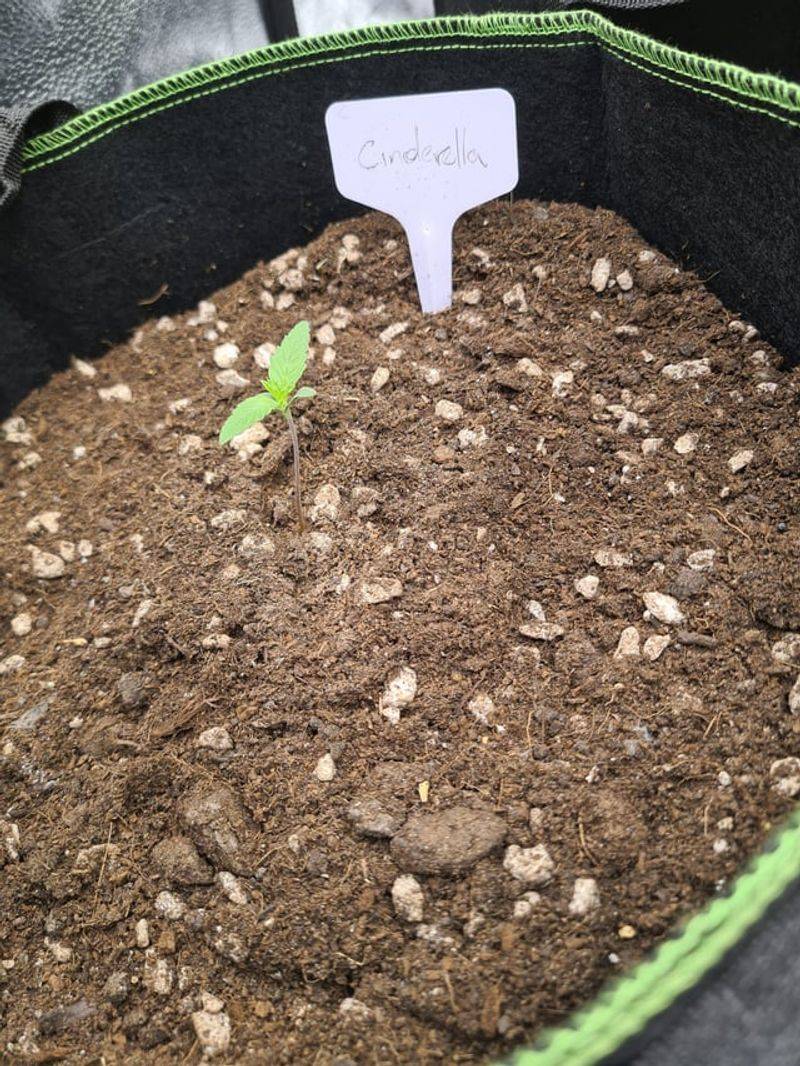
A tomato seedling started three weeks ago, a pepper transplant from last month, and a mature native shrub planted four years back are all growing in the same garden.
Treating them all the same way is one of the more common and damaging habits a Georgia gardener can develop.
Seedlings have tiny root systems that dry out fast in Georgia summer heat. The top inch of soil needs to stay consistently moist without becoming saturated.
Light watering every day, paired with shade cloth during the hottest afternoon hours, keeps young starts comfortable while their roots develop enough to handle a more independent schedule.
Transplants a few weeks into the ground are tougher than seedlings but not yet established. Every two to three days works as a baseline, adjusted based on soil moisture checks and rainfall.
The goal is supporting root expansion while it happens rather than waiting for visible stress to trigger a response.
Established plants, particularly Georgia-adapted natives like beautyberry, switchgrass, or black-eyed Susan, often need very little supplemental water once their roots are settled into the surrounding soil.
Overwatering established plants can actually discourage the deep root growth that makes them resilient over time.
Building a watering plan based on the age and origin of each plant in the garden saves water, reduces stress across the whole bed, and produces better outcomes than any single schedule applied uniformly.
The garden has different plants at different life stages. They deserve different treatment.