Rhode Island’s Best Native Plants For Coastal Gardens
Rhode Island’s coastline plays by its own rules. Salt-laden gusts, sand that drains faster than you can water it, and storms that roll in without warning turn most garden plans into wishful thinking.
Native plants never got that memo. They’ve spent generations rooting into these exact conditions, turning what looks like a hostile stretch of shoreline into their natural habitat.
Pick the right species and your garden stops fighting the coast and starts working with it. Less hauling water buckets, fewer replacement trips to the nursery, more actual time on the porch watching the tide roll in.
The eight plants below aren’t newcomers testing their luck. They’ve anchored themselves into New England’s sandy edges for centuries, weathering nor’easters and salt fog that would flatten anything imported from a garden catalog.
Your coastal plot could look just as settled, with a fraction of the effort.
1. Bayberry
Bayberry smells like a candle shop and looks like a sculpture. This native shrub is one of the most iconic plants along the entire Atlantic coastline.
The waxy gray berries that cling to its stems all winter are legendary. Early American colonists actually boiled them down to make bayberry candles, and that sweet, woody scent is unforgettable.
Bayberry handles salt wind, poor soils, and dry summers without complaints. It is genuinely one of the most low-maintenance native shrubs you can plant in a coastal setting.
It spreads slowly by underground runners, forming dense colonies over time. This makes it a fantastic ground stabilizer for slopes, dunes, or any area prone to erosion.
The foliage is semi-evergreen, holding its glossy dark green leaves well into winter. Even after the leaves drop, those silvery berries keep the plant looking interesting and alive.
Plant both male and female shrubs near each other to ensure berry production. Without pollination, you will get a lovely green shrub but miss out on that iconic winter display.
Full sun to partial shade suits Bayberry just fine. It adapts to a wide range of coastal soil types, from pure sand to rocky ground.
Birds like yellow-rumped warblers rely heavily on Bayberry berries during fall migration. Planting this shrub turns your yard into a welcome rest stop for traveling wildlife each fall.
2. Seaside Goldenrod
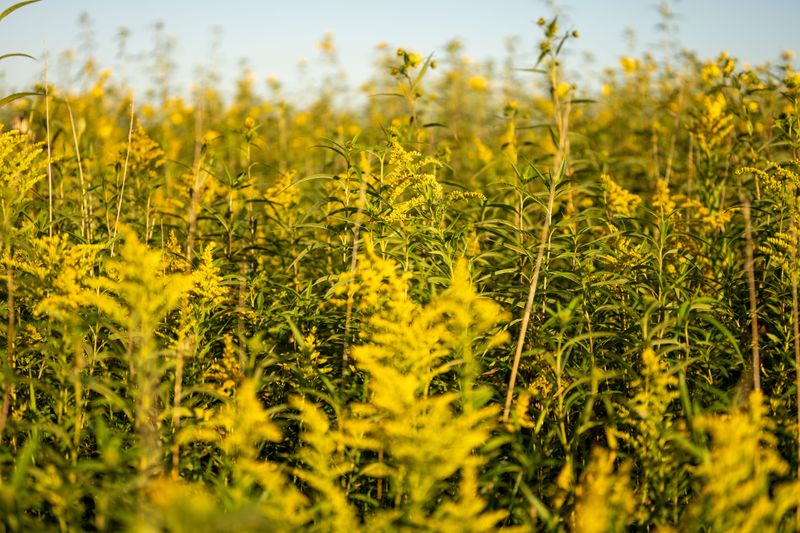
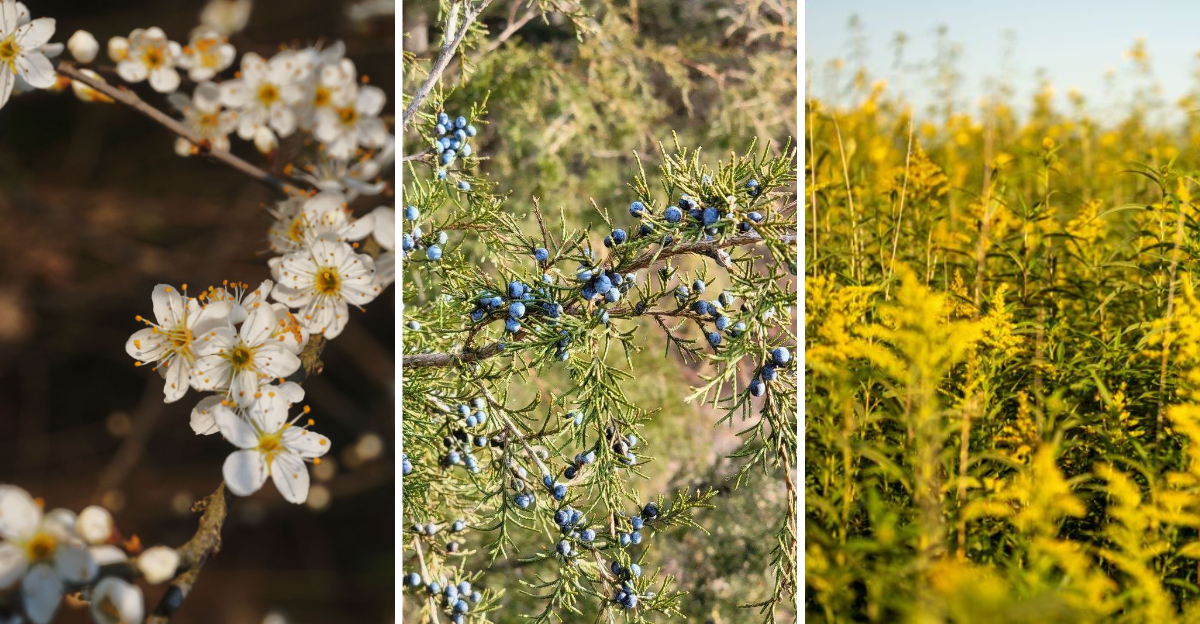
Picture a burst of golden yellow against a gray Atlantic sky. That vivid image is Seaside Goldenrod, one of the most cheerful native plants on the New England coast.
This plant blooms from late summer into fall, filling a gap when most other flowers have already called it quits. Coastal gardens really need that late-season color, and Goldenrod delivers it in abundance.
Seaside Goldenrod grows naturally on rocky bluffs, sandy beaches, and salt marshes throughout Rhode Island. It is perfectly adapted to the salty, windswept conditions that challenge most ornamental plants.
The plant reaches about two to six feet tall, forming upright clumps with arching plumes of tiny golden flowers. It looks stunning planted in drifts along a fence or garden border.
Your Rhode Island Garden Changes Every Week. Your Plan Should Too.
Gardening in Rhode Island changes quickly throughout the season. Every Friday you’ll receive a simple weekly plan showing exactly what to plant, prune, fertilize, harvest, and protect so you never miss the right timing.
Pollinators flock to it in large numbers. Monarch butterflies, bees, and countless other insects rely on Seaside Goldenrod as a key nectar source in September.
One common myth is that Goldenrod causes hay fever. That is actually ragweed, which blooms at the same time. Goldenrod pollen is too heavy to become airborne and bother your sinuses.
Plant it in full sun with good drainage, and it will spread gradually into a natural-looking colony. Dividing clumps every few years keeps it healthy and vigorous.
For Rhode Island coastal gardens, Seaside Goldenrod is a must-have native. It is tough, beautiful, and absolutely beloved by the local ecosystem.
3. Beach Plum
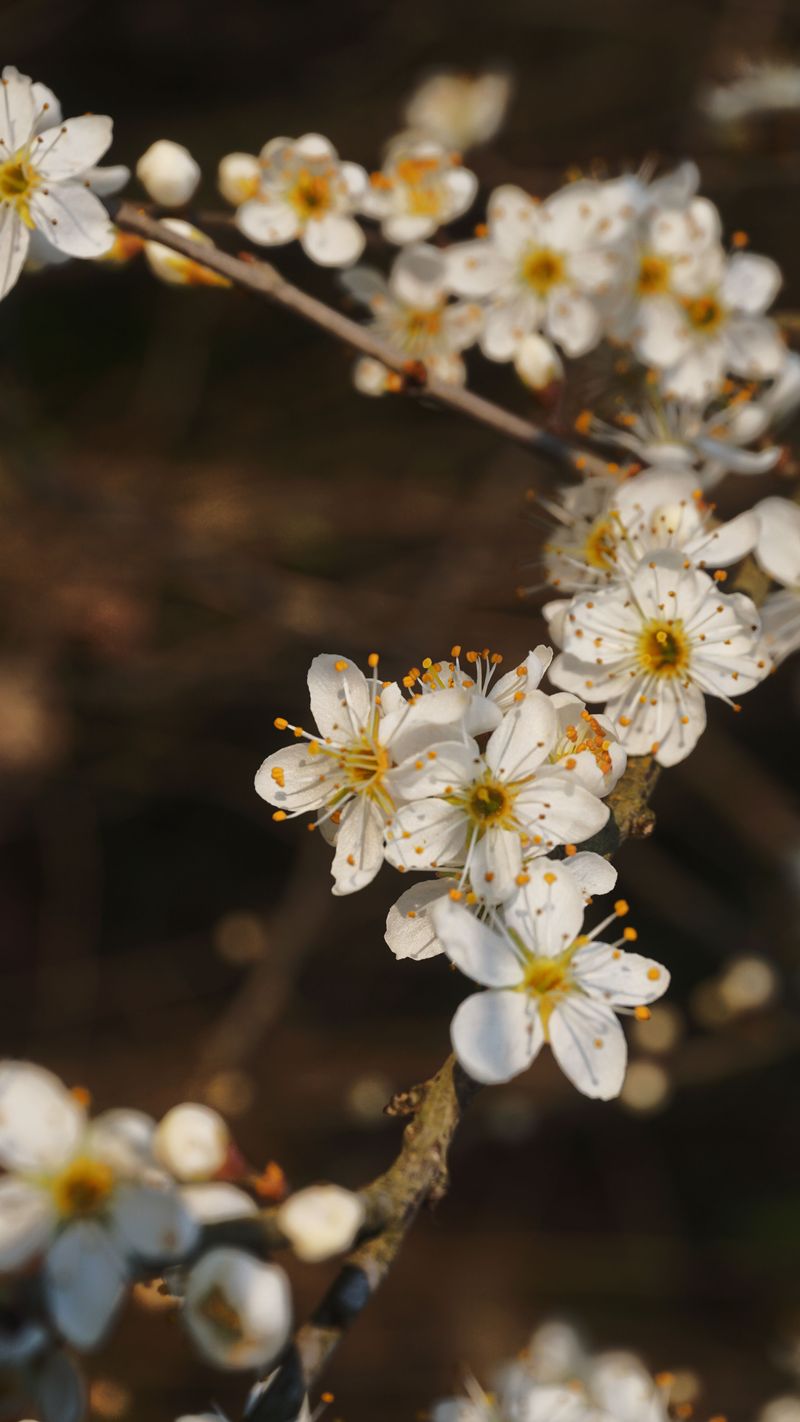
Nothing says “coastal New England” quite like a Beach Plum in full bloom. This tough, scrappy shrub explodes with white flowers each spring before its leaves even fully open.
Beach Plum thrives in the sandy, nutrient-poor soils that line Rhode Island shores. It tolerates salt spray and drought with little complaint.
Growing between three and six feet tall, it works beautifully as a natural windbreak or privacy hedge. The branching structure is dense enough to block gusts but open enough to look wild and natural.
Come late summer, the shrub produces small purple-red fruits that are edible and tart. Coastal foragers have been making Beach Plum jam for generations, so you get beauty and a bonus harvest.
Plant it in full sun for the best fruit production. Well-drained sandy or loamy soil is ideal, and once established, this plant needs almost no irrigation at all.
Wildlife are drawn to it as well. Birds flock to the fruit, and pollinators gather around the spring blossoms in large numbers.
Beach Plum is also a champion at stabilizing sandy slopes and dunes. Its roots grip loose soil and hold it firmly against erosion from wind and rain.
Pruning keeps Beach Plum looking its best year after year. A light trim in late winter encourages fuller growth and better fruit set come summer.
If you want one plant that delivers four seasons of interest, start here. Beach Plum is a standout choice for Rhode Island coastal gardens.
4. Eastern Red Cedar
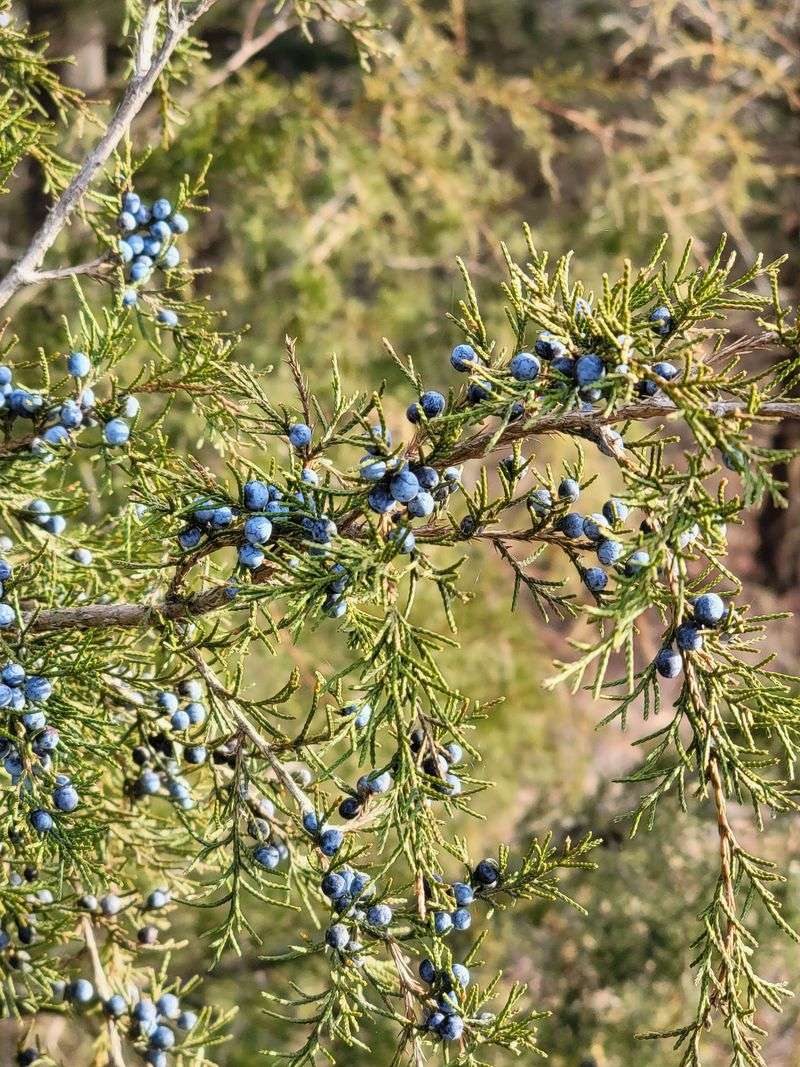
Eastern Red Cedar is the quiet giant of the coastal native plant world. This evergreen tree has been anchoring New England shorelines for thousands of years.
Despite its name, it is actually a juniper, not a true cedar. But whatever you call it, this tree is an absolute powerhouse for coastal landscapes in Rhode Island.
It tolerates salt spray, dry rocky soil, and harsh winter winds without flinching. Few trees can claim that kind of resilience along an exposed Atlantic coastline.
Eastern Red Cedar grows slowly but steadily, eventually reaching 40 feet or more. Its dense, pyramidal shape makes it an excellent windbreak or privacy screen near the water.
The blue-gray berry-like cones are a favorite food for cedar waxwings and many other bird species. Planting one is essentially putting up a bird feeder that keeps itself stocked.
The reddish-brown bark peels in long, shaggy strips, giving the trunk a rugged, textured look. Up close, it is surprisingly beautiful in a wild, untamed kind of way.
Plant it in full sun for the densest growth and best berry production. It adapts to nearly any well-drained soil type, from pure sand to thin rocky ground.
Eastern Red Cedar is one of the best native trees for Rhode Island coastal gardens. Once established, it practically takes care of itself while supporting an entire web of local wildlife.
5. Switchgrass
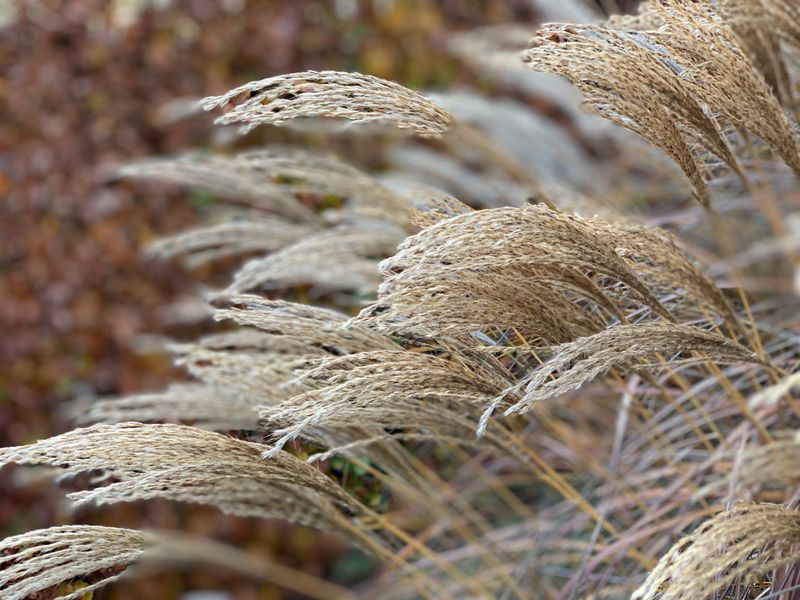
Switchgrass moves like the ocean itself. Its feathery seed heads catch every coastal breeze and create a rippling, hypnotic effect throughout the fall and winter months.
This native grass is a true survivor on the Atlantic coast. It grows naturally in salt marshes, sandy dunes, and open coastal meadows all across New England.
Switchgrass forms upright clumps that range from three to six feet tall, depending on the variety. Cultivars like Shenandoah and Heavy Metal are especially popular for ornamental coastal gardens.
The foliage turns a stunning mix of red, orange, and gold as temperatures drop in autumn. That seasonal color show keeps the garden interesting long after most flowers have faded.
It is remarkably resilient once established. Poor soil, salt spray, flooding, and drought are all conditions that Switchgrass handles without any special care from you.
Birds love the seed heads throughout fall and winter. Finches, sparrows, and juncos pick at them constantly, so leaving the stems standing until spring benefits local wildlife enormously.
Plant Switchgrass in full sun to partial shade with decent drainage. Spacing clumps two to three feet apart gives them room to fill out naturally over time.
Cut it back hard in late winter before new growth emerges. Within weeks, fresh green shoots will appear, and the whole beautiful cycle starts again for another season.
6. New England Aster
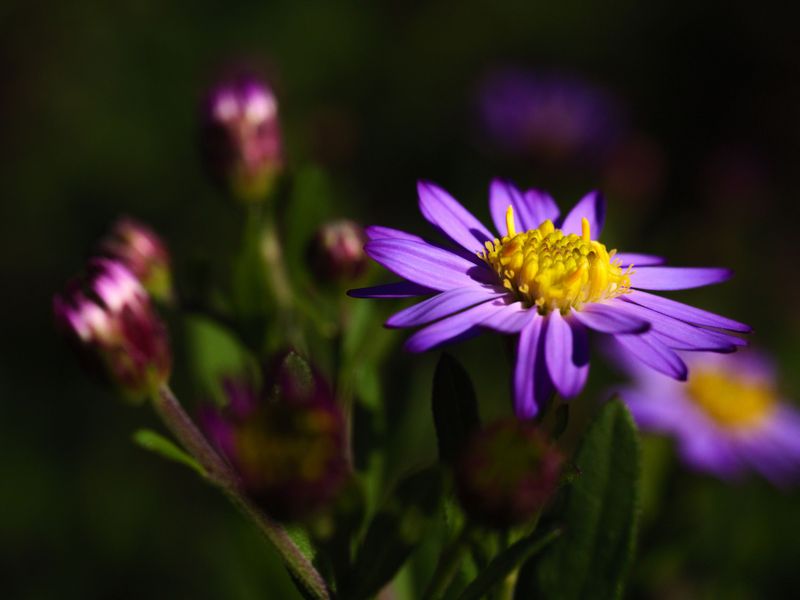
New England Aster hits different in October. When almost every other plant has gone brown and tired, this native wildflower bursts open in vivid purple and gold.
The flowers are daisy-like, with deep violet petals surrounding a bright yellow center. They bloom from late August through October, making them essential for late-season coastal gardens.
This aster grows naturally in meadows, roadsides, and coastal edges throughout Rhode Island. It is completely comfortable in the salty, wind-exposed conditions near the ocean.
Plants typically reach three to five feet tall and spread into full, bushy clumps over time. Pinching them back in early summer encourages a more compact shape and heavier flowering.
Monarch butterflies and native bees rely on New England Aster as a critical fuel stop during fall migration. Planting it is one of the most impactful things you can do for local pollinators.
It prefers full sun but tolerates light shade without losing its flowering vigor. Moist to average well-drained soil suits it best, though it handles brief dry spells once established.
Divide clumps every two to three years to keep them blooming at full strength. Older centers tend to go dormant, so division keeps the plants fresh and productive.
New England Aster pairs beautifully with Switchgrass and Seaside Goldenrod for a stunning fall coastal display. Together, these native plants for coastal gardens create an unforgettable end-of-season spectacle.
7. Winterberry
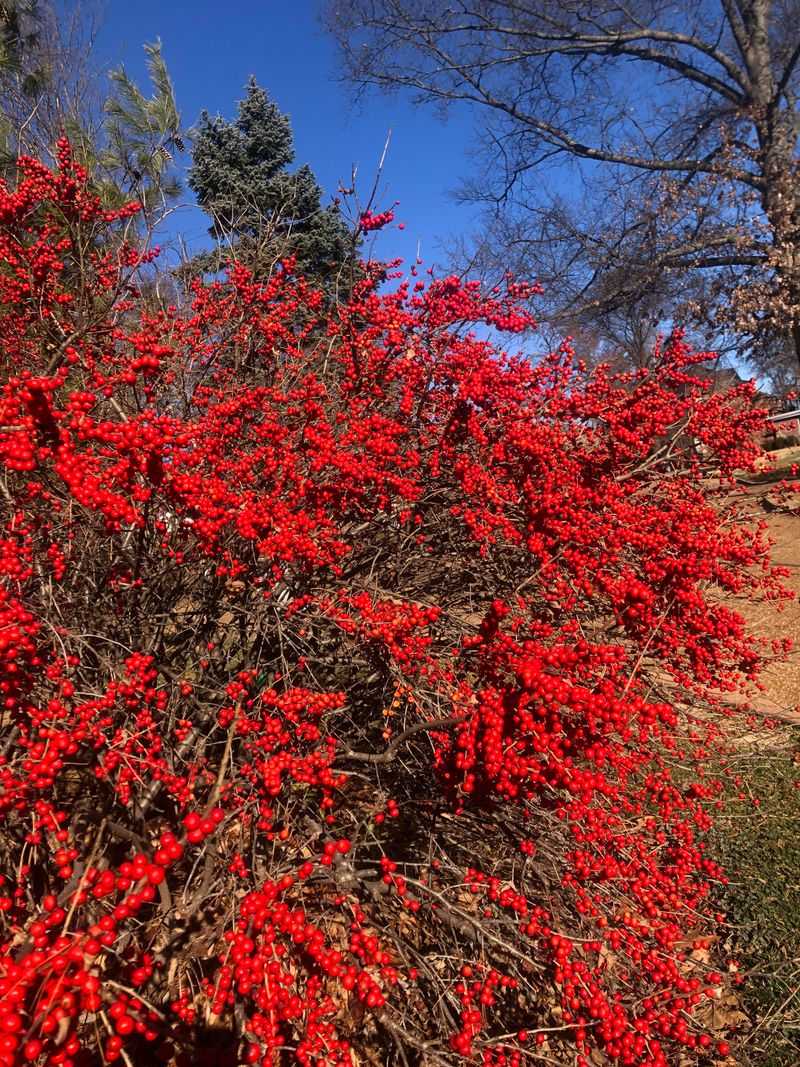
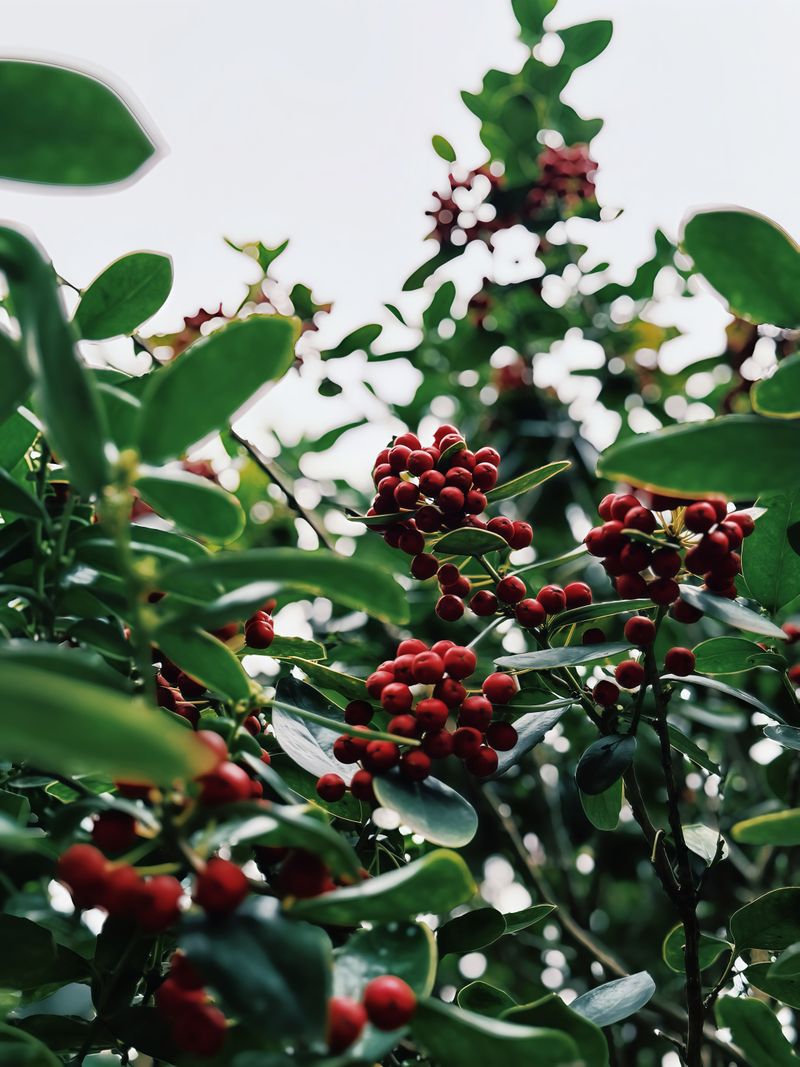
Winterberry is pure drama in the winter landscape. After its leaves drop, the bare branches explode with hundreds of brilliant red berries that look like tiny ornaments.
This native holly grows naturally in wet, low-lying coastal areas throughout Rhode Island. It thrives in conditions that would rot most other shrubs, including boggy spots near the shoreline.
The berries appear in late fall and persist well into winter, providing a critical food source for birds. Robins, bluebirds, and cedar waxwings often strip a Winterberry shrub clean in a single afternoon.
Plant both male and female plants together for berry production. One male shrub can pollinate up to five female plants, so you do not need too many males to get a great show.
Winterberry grows six to ten feet tall and wide, making it a bold presence in the landscape. It works especially well as a backdrop plant or naturalized along a wet coastal edge.
The foliage is clean, dark green through summer, offering a tidy appearance before the winter berry display begins. It is a plant that earns its keep in every single season.
Full sun produces the most berries, but Winterberry tolerates partial shade reasonably well. Moist, acidic soil is preferred, and it absolutely loves sites near ponds, streams, or coastal wetlands.
Few plants deliver a winter impact this bold or this beautiful. Winterberry proves that the cold months can be just as exciting as summer in a well-planted coastal garden.
8. Black Gum
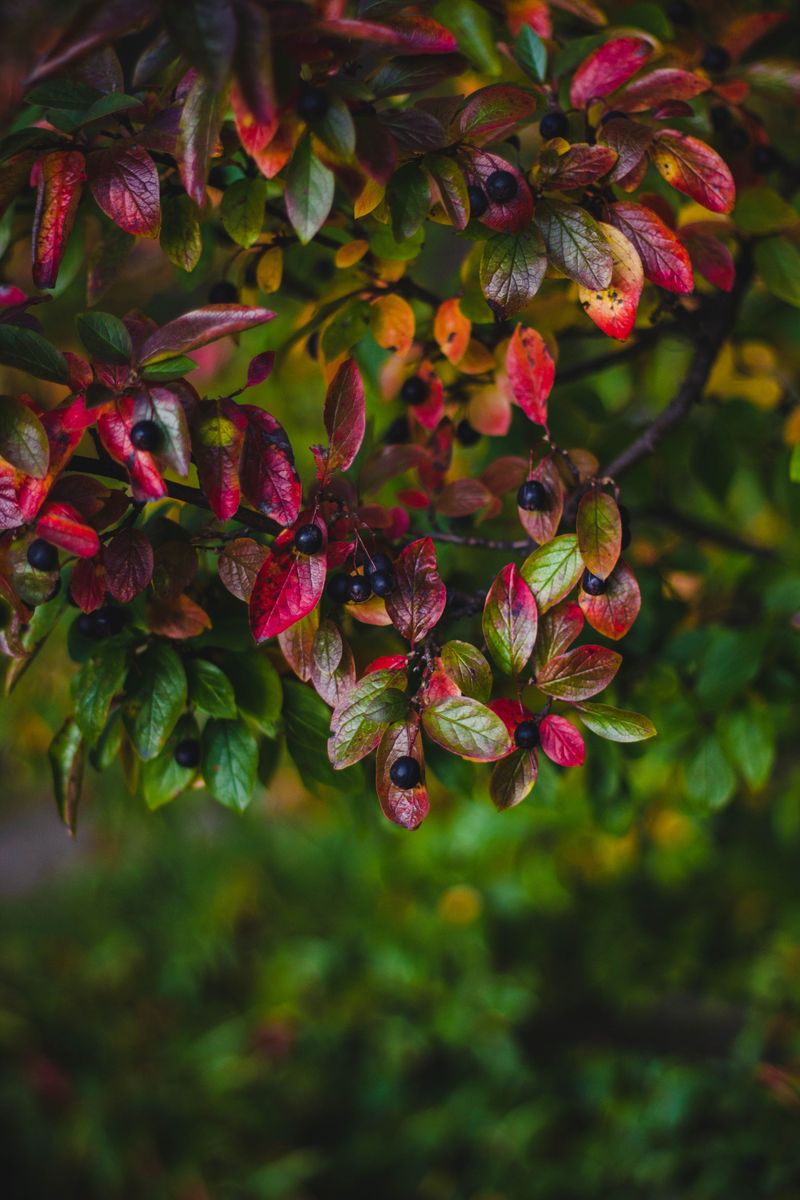
Black Gum turns fall foliage into a competitive sport. Few native trees anywhere in North America can match its fiery, early-season display of scarlet and orange leaves.
This tree is one of the first to change color each autumn, often blazing red in September before most maples have even started to shift. Coastal gardeners treasure it for exactly that reason.
Black Gum grows naturally in wet, low-lying areas and along coastal edges throughout Rhode Island. It handles flooding, salt air, and heavy clay soils better than most ornamental trees available today.
The tree grows slowly but reaches 30 to 50 feet at maturity, developing a beautiful layered branching structure. Even in winter, the horizontal branches give it an architectural quality that stands out.
Small blue-black fruits ripen in fall and are a magnet for migrating songbirds. Dozens of bird species are known to feed on Black Gum fruit, making it a valuable wildlife resource.
The flowers are small and inconspicuous but extremely valuable to native bees, providing an important nectar source in late spring.
Plant it in full sun to partial shade with moist, slightly acidic soil for best results. Avoid disturbing the roots once established, as Black Gum dislikes transplanting after it settles in.
For native plants for coastal gardens, Black Gum is the crown jewel. It is breathtaking, resilient, and deeply connected to the ecology of the Rhode Island shoreline.