8 Reasons Alabama Kudzu Is Spreading Fast This Summer
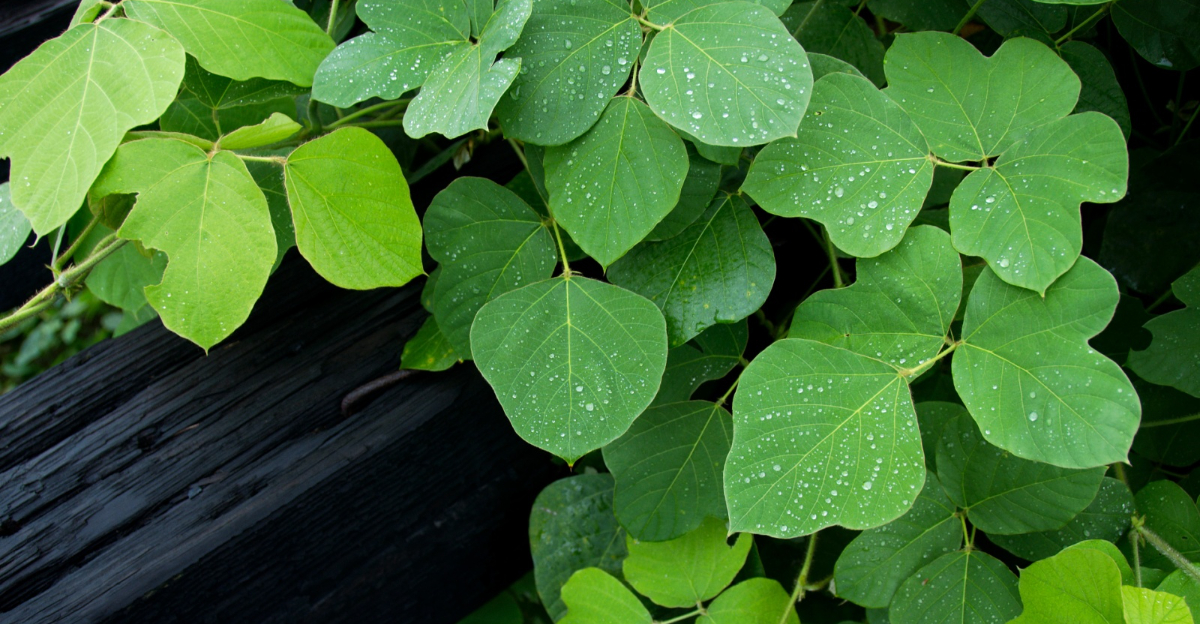
Something odd is happening across Alabama this summer. Kudzu, the vine that took over half the South decades ago, is spreading again.
Nobody expected it to come back this strong. Fence posts disappear overnight. Old barns sink under a green wave. The vine seems to grow while you blink. Power lines sag under the extra weight.
Bare trees stand wrapped in leafy green cover, almost unrecognizable. Farmers who thought they had things handled are watching whole pastures get covered in just a few weeks.
Warm nights, soaked soil, and a mild spring gave kudzu exactly what it needed to take off. Alabama’s weather this year has created near-ideal conditions for it.
Drive any rural stretch of road and you will see it everywhere, mile after mile, a green wall that keeps climbing higher.
1. Rains Fueled Fast Vine Growth

After a soaking, kudzu grows noticeably faster than usual. Alabama often sees wet, mild springs, and those conditions give kudzu roots exactly what they need to grow rapidly upward.
Kudzu can grow up to one foot per day under the right conditions. Add generous rainfall to warm soil, and that growth rate becomes easy to observe.
The vine pulls moisture straight from saturated ground and channels it into rapid stem production. Other plants get waterlogged and struggle, but kudzu thrives where puddles linger.
Homeowners near creek beds and drainage ditches are noticing the most dramatic coverage this season. A fence post that was clear in May can disappear under green by the Fourth of July.
Wet soil also loosens ground around root systems, allowing underground runners to push further without resistance. That means the plant claims new territory without ever being seen above ground first.
Gardeners who thought they had beaten it back last fall are finding fresh growth several feet from where they last dug. The rain gave kudzu a head start that is hard to overcome.
Managing it now means cutting before seed pods form and treating cut stems immediately. Waiting even one week after a heavy rain can let vines double their reach before you blink.
2. Warm Nights Extend Growing Hours
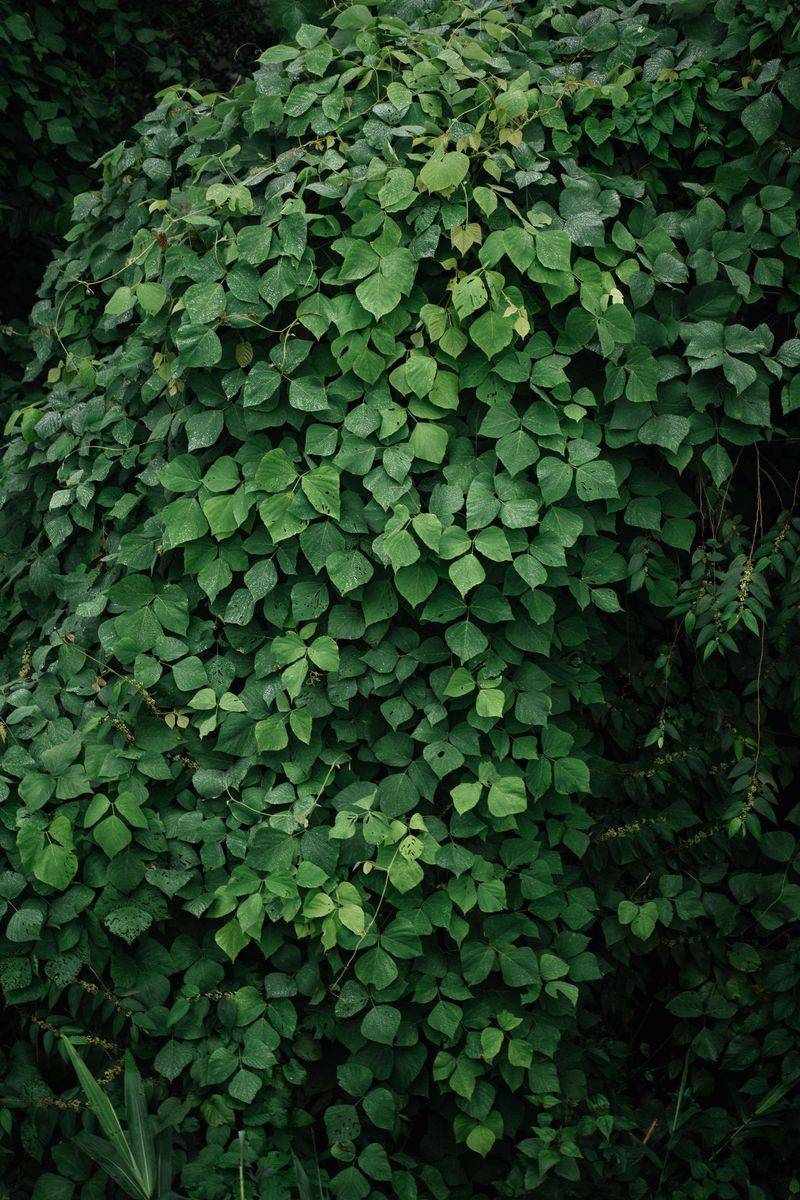
Most plants clock out when the sun goes down. Kudzu does not get that memo. Warm nighttime temperatures in July keep the vine actively growing around the clock.
Many areas see exactly that, night after sticky night. Alabama kudzu grows especially well when nighttime temperatures stay warm.
Plants typically slow their metabolism after dark when temperatures cool. But when nights stay warm, photosynthesis byproducts get used up faster and growth continues without pause.
Think of it like a factory running a double shift. Kudzu that once had eight productive hours now has sixteen or more, and the output shows in every direction.
Neighbors who check their property in the morning are finding noticeably longer vines than the day before. That is not an exaggeration. That is basic vine biology meeting an intense heat wave.
Warm nights also keep soil temperatures elevated, which speeds up nutrient absorption through the root system. The plant essentially feeds itself faster when the ground stays warm.
Your Alabama Garden Changes Every Week. Your Plan Should Too.
Gardening in Alabama changes quickly throughout the season. Every Friday you’ll receive a simple weekly plan showing exactly what to plant, prune, fertilize, harvest, and protect so you never miss the right timing.
For homeowners trying to manage creeping coverage, morning checks are now essential. Catching new growth early, before it grabs onto a tree or structure, saves hours of removal work later.
The best action is consistent monitoring every two to three days during peak summer heat. Alabama kudzu does not take breaks in July, and neither should your management routine.
3. Humid Air Speeds Up Expansion
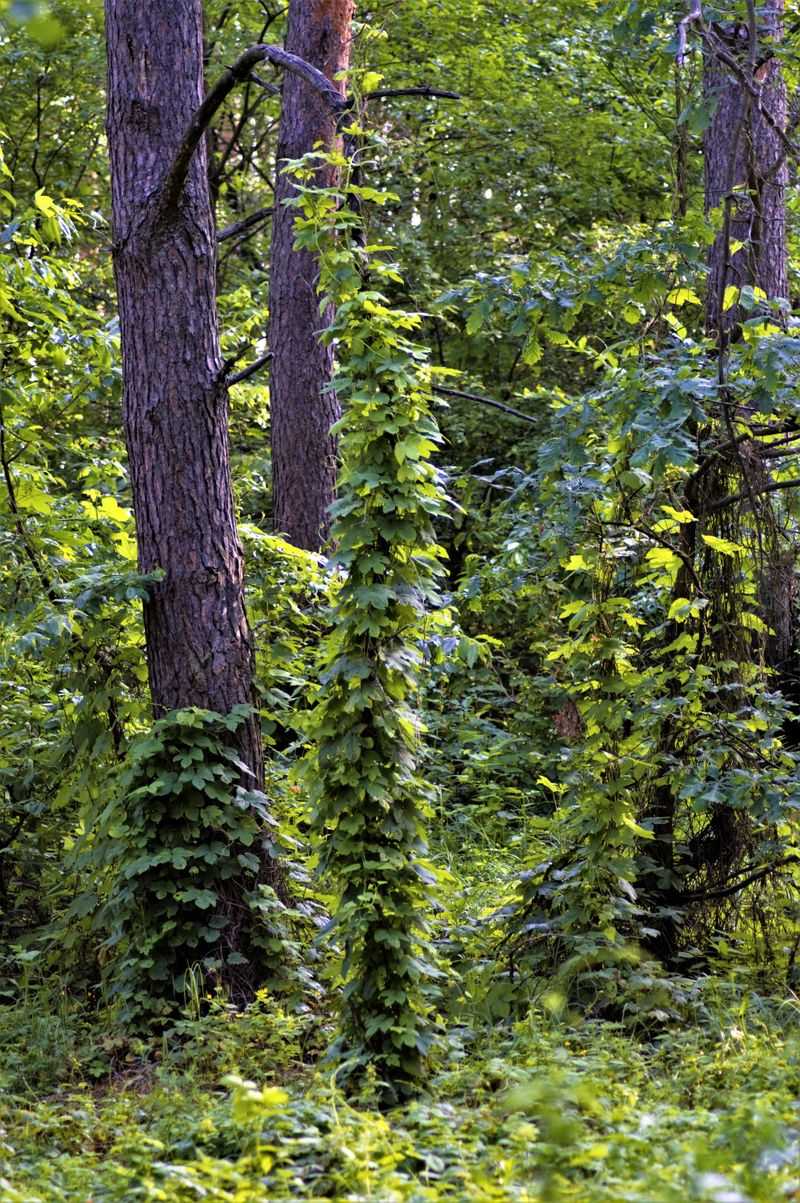
Step outside in Alabama in July and the humidity is immediately noticeable. That same humidity creates favorable conditions for kudzu.
High humidity reduces water loss through the leaves, which means the plant spends less energy staying hydrated. All that saved energy goes straight into growing longer, faster, and wider.
Kudzu leaves have a waxy coating that holds moisture in even on the driest days. Add ambient humidity to that natural advantage, and the plant barely breaks a sweat.
Other competing plants often struggle in extreme humidity, developing fungal issues or wilting under pressure. Kudzu tolerates it well and continues climbing steadily.
Humid air also carries airborne spores and organic particles that settle into soil and boost microbial activity. That underground ecosystem feeds kudzu roots with nutrients faster than dry-season soil ever could.
Residents near river bottoms and low-lying wetlands are seeing the most aggressive coverage this season. The combination of moisture above and below ground creates a perfect corridor for rapid spread.
Cutting vines in high humidity requires extra care because plant sap stays active longer in moist conditions. Protective gloves and long sleeves are a smart call before tackling any removal project.
Alabama kudzu does not need perfect conditions. It just needs conditions like these, and Alabama summers regularly deliver them in abundance.
4. Longer Frost-Free Stretch Helps Spread
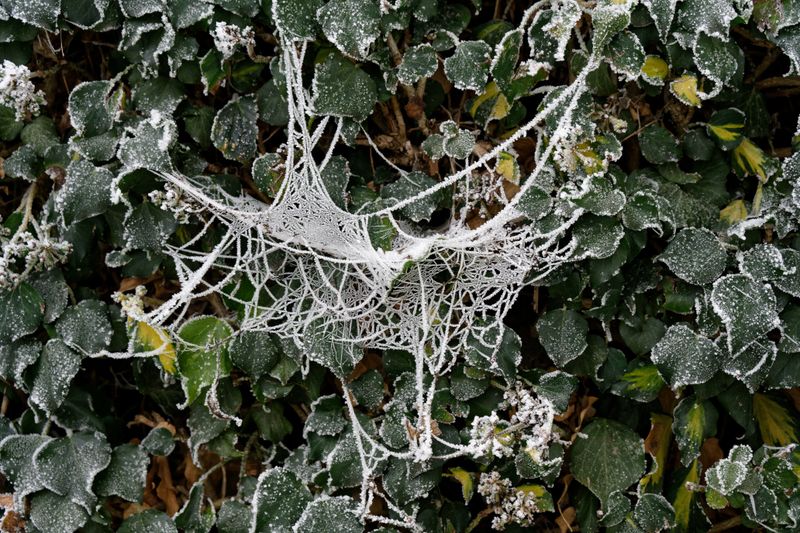
Frost is kudzu’s one natural enemy that actually works. When the ground freezes, the vine pulls back and root systems go dormant.
But what happens when frost barely shows up at all? Alabama winters tend to bring short, mild frost seasons. That gives kudzu roots extra weeks of active growth on both ends of the cold season.
A longer frost-free window means the vine starts growing earlier in spring and keeps going deeper into fall. By July, it has already accumulated months of unchecked momentum.
Each extra frost-free week gives the vine more time to add length and coverage. Multiply that across thousands of established root systems, and the total coverage adds up quickly.
Farmers in central and southern parts of the state are watching pasture edges disappear under green canopies that were not there last season. The timeline of invasion has simply accelerated.
Young kudzu plants that would have been knocked back by a hard frost are now lasting into their second and third years. Older root systems become nearly impossible to remove without professional equipment.
The practical takeaway here is simple. Do not wait until fall to address new growth. Every week of delay during a frost-free summer gives the root system more time to anchor deeper.
Alabama kudzu thriving through a mild season is not a fluke. It is a sign that management windows are getting shorter and the vine is gaining ground year by year.
5. Disturbed Soil Opens New Ground
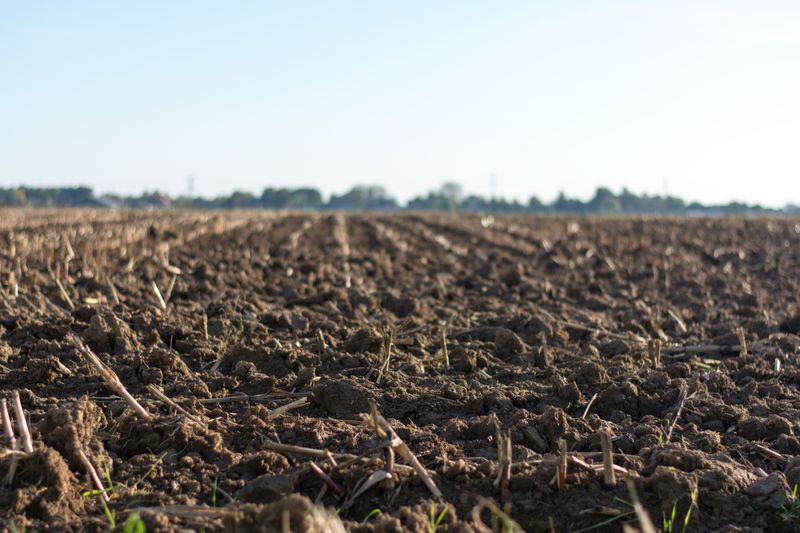
Kudzu takes advantage of a fresh start. Wherever soil gets turned over, cleared, or disrupted, this vine tends to move in quickly.
Road construction, land clearing, and storm cleanup are common across Alabama. Every freshly exposed patch of red clay is a welcome mat for kudzu seeds and runners.
Bare soil has no competition. Established grasses and shrubs normally slow kudzu down by taking up space and nutrients.
Remove those barriers, and the vine moves in without a fight. Vine coverage often returns to cleared roadsides and shoulders within weeks of grading. The plant does not wait for an invitation.
It establishes itself quickly. Storm damage often leaves tree falls and broken canopy gaps across wooded areas. Those light gaps are exactly what kudzu needs to push upward and outward aggressively.
Homeowners who recently cleared brush or had trees removed should watch those areas closely through August. New kudzu growth in disturbed zones can go from invisible to overwhelming in under thirty days.
Covering exposed soil quickly with mulch, ground cover, or native grasses is one of the best defenses available. Give kudzu no bare ground to claim, and it loses its easiest entry point.
Disturbed soil is not just a temporary problem. It is an open door that Alabama kudzu will walk through every single time without hesitation.
6. Fewer Grazers Left Vines Unchecked

Goats and cattle used to keep kudzu in check across Alabama pastures without anyone even trying. Fewer livestock on the land this season has left the vine with little natural resistance.
Several factors have reduced grazing pressure in affected counties, including rising feed costs and farm consolidations. Fewer animals roaming pasture edges means kudzu gets to grow completely unopposed.
Livestock, especially goats, genuinely enjoy eating kudzu. They will strip a vine back to bare stems in a surprisingly short time. Without them, that free service disappears entirely.
Abandoned or understocked pastures tend to show some of the fastest vine progression. Fields that had active grazing two years ago now show dense, overgrown vine cover.
The relationship between grazing pressure and kudzu control is well documented in agricultural research. When animal density drops below a certain threshold, the vine rebounds faster than any mechanical removal method.
Some Alabama landowners are now renting goat herds specifically for kudzu management. It sounds quirky, but it works, and it works without chemicals or heavy equipment.
If you have a small property with a kudzu problem, even a few goats on a temporary basis can set the vine back significantly before fall. Local farm supply stores often know breeders willing to rent small herds.
Nature had a balance once, and losing the grazers tipped that scale hard in kudzu’s favor this summer.
7. Mild Winter Helped Roots Stay Strong
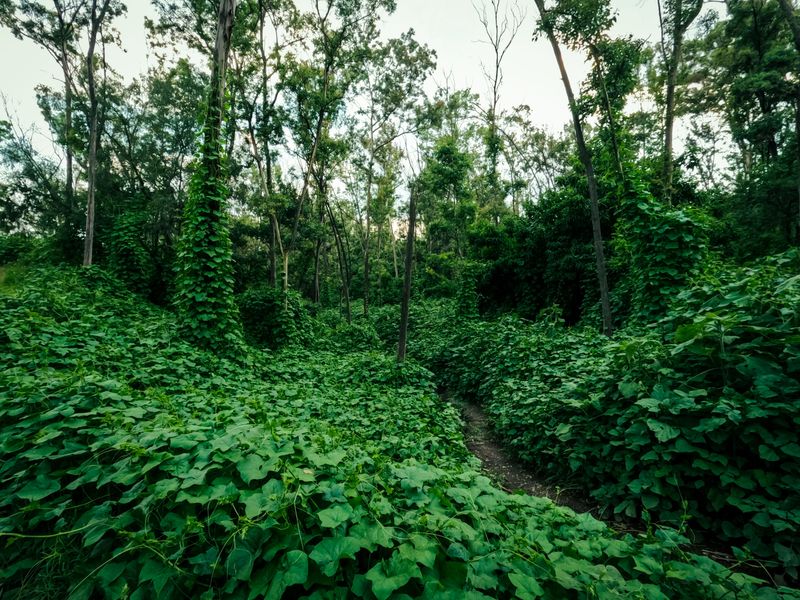
Underground, kudzu roots can grow to the size of a human torso. A hard winter usually damages or wipes out weaker root systems. This past winter was anything but hard.
Temperatures across Alabama stayed well above the threshold needed to stress established kudzu roots. Those roots entered spring fully energized and ready to push growth faster than normal.
A typical kudzu root stores enormous amounts of starch, which the plant uses as fuel for early spring growth. Mild winters leave that starch supply untouched and ready to burn.
Generally, the better kudzu roots hold up over winter, the more the plant spreads the following summer.
Landowners who thought last year’s cutting efforts would reduce this summer’s growth are finding the opposite. Healthy roots simply sent up new shoots from a different angle or location.
The vine’s root system is its true strength. Surface removal without root destruction is like trimming hair. It comes back, and sometimes thicker than before.
For effective long-term control, root treatment during late summer or early fall is the most productive window. That is when the plant pulls energy downward and herbicide applied to cut stems travels directly to the root.
A mild winter gave Alabama kudzu the best possible head start, and the surface growth we see in July is just the visible proof of what held on underground all season long.
8. Strong Sunlight Lifts Photosynthesis Rates
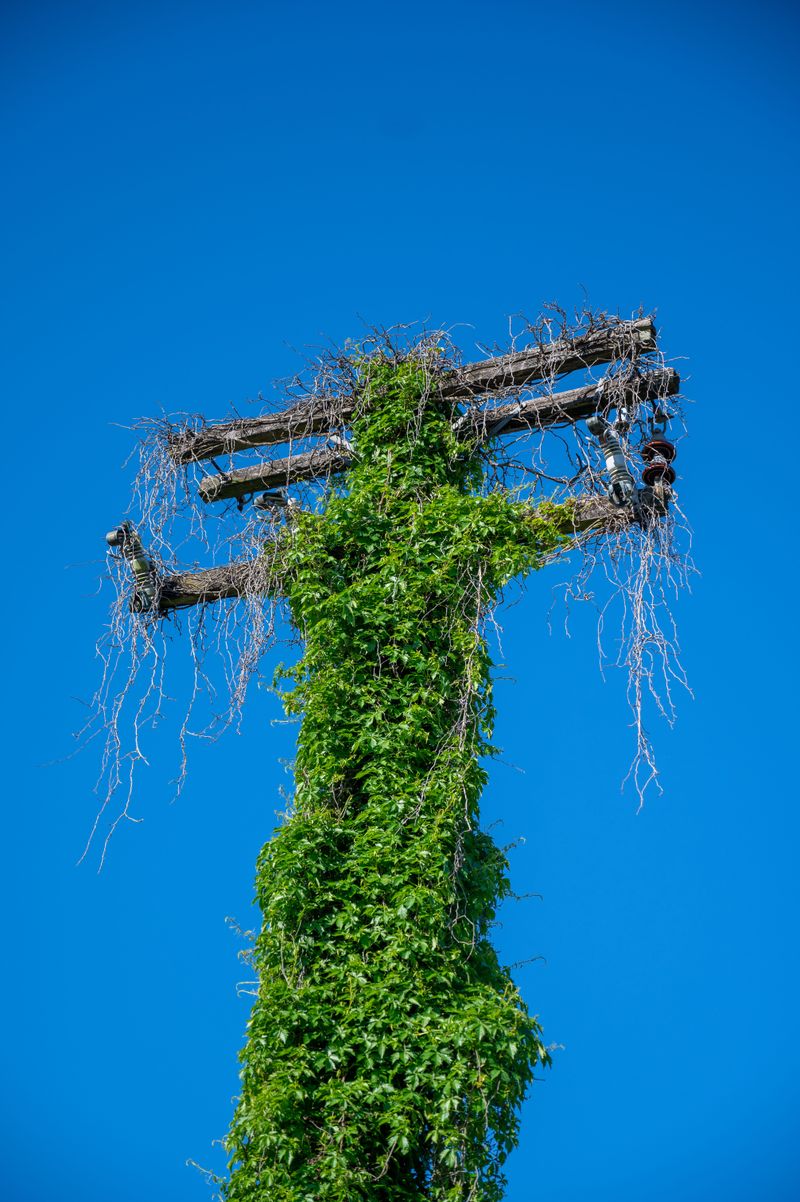
Alabama gets long, intense hours of sunlight in July. The sun blazes long and hard, and kudzu soaks up every photon with those broad, flat leaves built for exactly this job.
Longer daylight hours in July mean more hours of active photosynthesis. More photosynthesis means more sugar production, and more sugar means faster stem and leaf growth.
Kudzu leaves are structured to capture light from multiple angles throughout the day. Even as the sun moves across the sky, those leaves tilt and adjust to stay in the beam.
Other shade-sensitive plants get scorched or stressed under intense summer sun. Kudzu treats it like a buffet. The stronger the light, the more aggressively it produces new growth.
Kudzu productivity tends to peak during the longest, sunniest days of the year. July in Alabama checks every box on that list.
Trees that kudzu climbs actually help the vine reach higher light exposure faster. The vine uses the tree’s height as a ladder to get above the competition and claim the best sun position.
Shading kudzu out is one control strategy, but it requires planting dense native trees and shrubs strategically. That approach takes years and works best as prevention rather than a cure for existing infestations.
Alabama kudzu spreading faster this July is no mystery when you consider the sunlight alone. Give a fast-growing vine long sunny days, and it will show you exactly what it is capable of.