The Most Underrated North Carolina Native That Peaks In August When Every Other Flower Has Given Up
August is when a lot of North Carolina gardens quietly admit defeat. Spring perennials are long finished.
Summer annuals are stretched and faded. The beds that looked full and intentional in June develop a tired, gap-filled look that no amount of deadheading fully corrects.
One native plant operates on a completely different schedule, saving its best performance for exactly this moment.
It has been building energy through the heat while everything else was declining, and what it produces in August is vivid enough to make the rest of the garden’s exhaustion irrelevant.
Gardeners who have planted it describe August as the month their yard finally gets the attention it deserves, instead of the month they stop pointing visitors toward the garden.
1. Spotted Beebalm
Some plants earn their fame fast, and others take their time. Spotted beebalm, known scientifically as Monarda punctata, belongs firmly in the second group.
Walk through a North Carolina garden in May or June, and this plant blends right into the background, looking like a modest, leafy stem with nothing special going on.
Then July arrives, and something shifts. The plant starts stacking up its layered flower heads in a way that genuinely stops people in their tracks.
By August, spotted beebalm is one of the most visually interesting plants in the entire yard, drawing eyes and pollinators alike to its unusual, tiered structure.
What makes this plant so underrated is the timing. Most gardeners plan their color for spring and early summer, when the garden feels fresh and exciting.
Late summer often gets ignored, and spotted beebalm fills that exact gap with surprising flair. It thrives in the kind of heat that sends other flowers into retreat.
Native to the eastern United States, spotted beebalm grows naturally in sandy or dry open areas across North Carolina. It has been part of this landscape for centuries, long before anyone called it a garden plant.
That deep regional connection means it already knows how to handle everything a Carolina summer throws at it.
Gardeners who discover spotted beebalm often describe it as a revelation. Once you give it a spot in full sun with decent drainage, it rewards you with a late-season show that almost nothing else in the native plant world can match.
2. August Is When It Gets Noticed
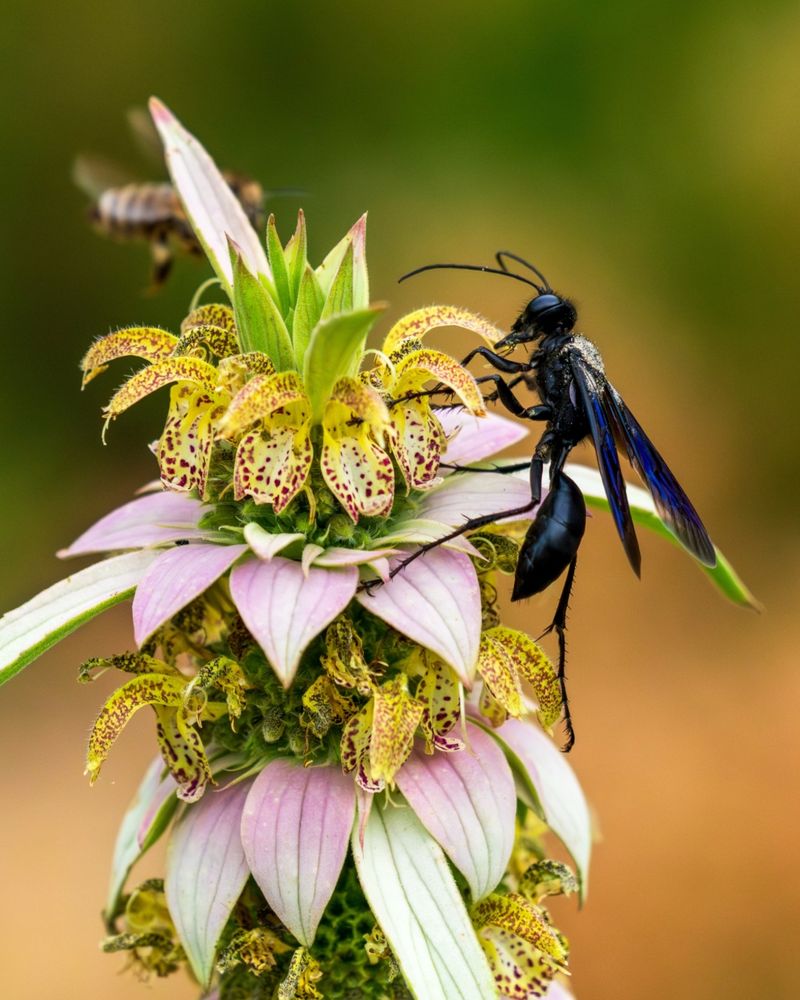
By the time August rolls around in North Carolina, most gardens are looking a little rough. Black-eyed Susans have peaked, coneflowers are going to seed, and the summer heat has taken a real toll on anything that was not built for endurance.
That is exactly the moment spotted beebalm decides to show up and steal the spotlight.
Gardeners who planted it in spring and mostly forgot about it suddenly notice something fresh and alive in the bed.
The stacked flower clusters push up on tall stems, creating a layered, almost architectural look that feels completely out of place in an August garden in the best possible way.
Nothing else around it looks that energetic or that new.
Your North Carolina Garden Changes Every Week. Your Plan Should Too.
Gardening in North Carolina changes quickly throughout the season. Every Friday you’ll receive a simple weekly plan showing exactly what to plant, prune, fertilize, harvest, and protect so you never miss the right timing.
This late-season timing is one of spotted beebalm’s greatest strengths. It does not compete with the loud spring bloomers or the early summer classics.
Instead, it waits, builds its structure quietly, and then delivers something genuinely fresh when the rest of the garden is winding down. That patience pays off in a big, visible way.
For North Carolina gardeners, August is also a time when outdoor spaces get less attention and less love. Watering schedules slip, weeding slows down, and the garden can start to feel like a chore rather than a joy.
Spotted beebalm pushes back against that summer fatigue by giving you a reason to walk outside and look around again.
Few plants earn their spot in a garden by simply showing up at the right moment. Spotted beebalm does exactly that, and it does it every single year without fail.
3. The Flowers Look Unlike Anything Else
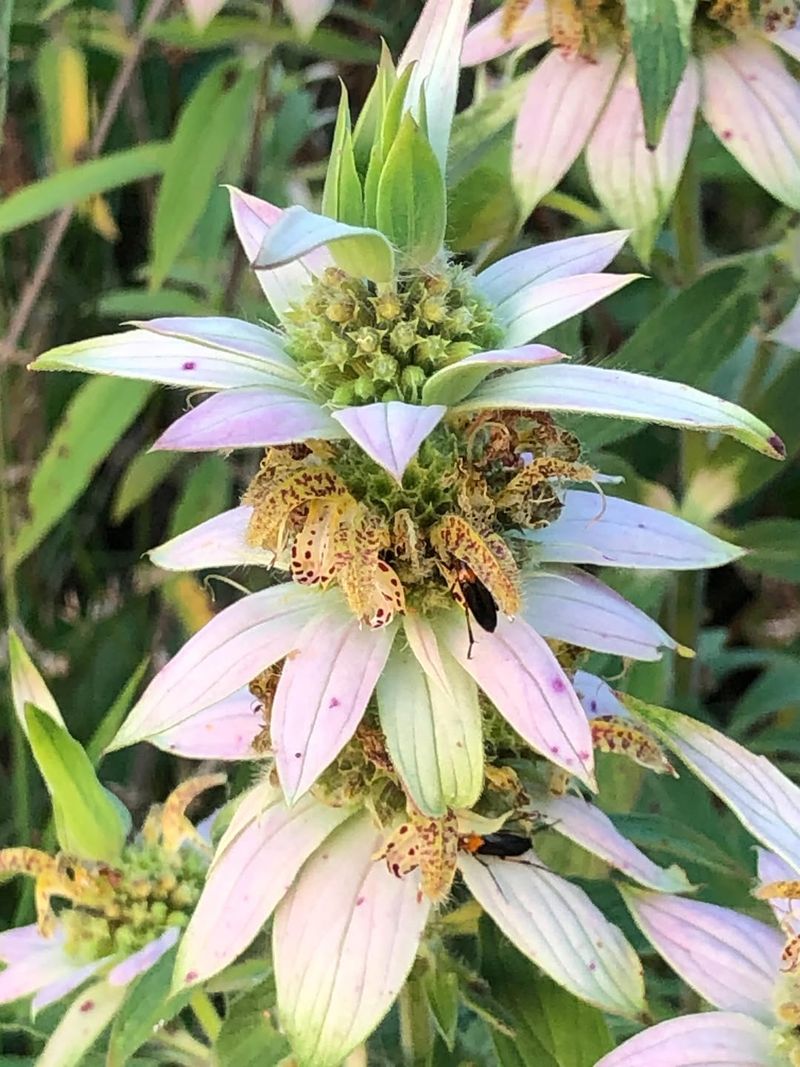
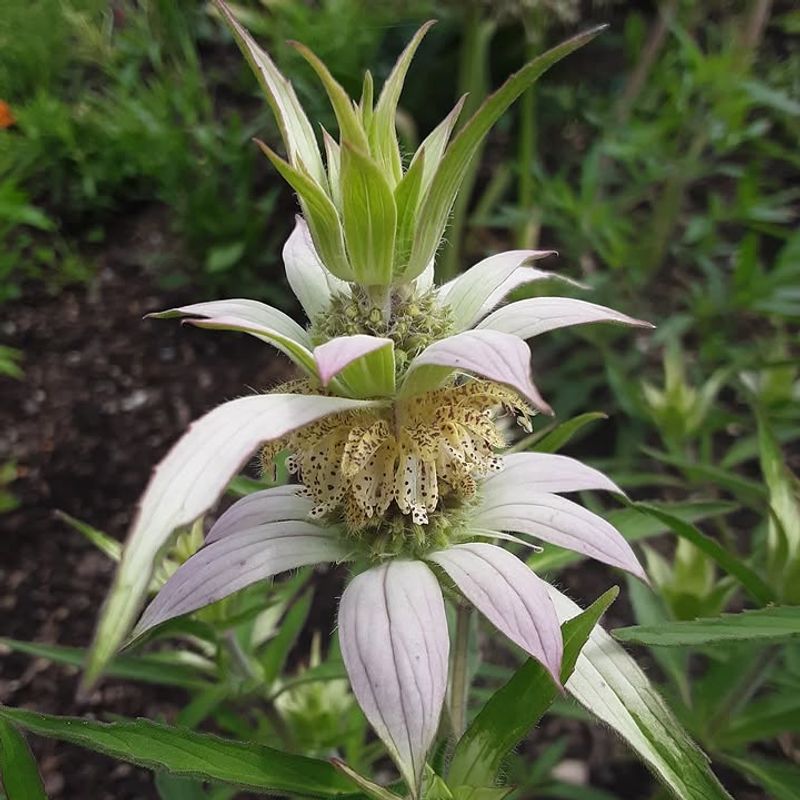
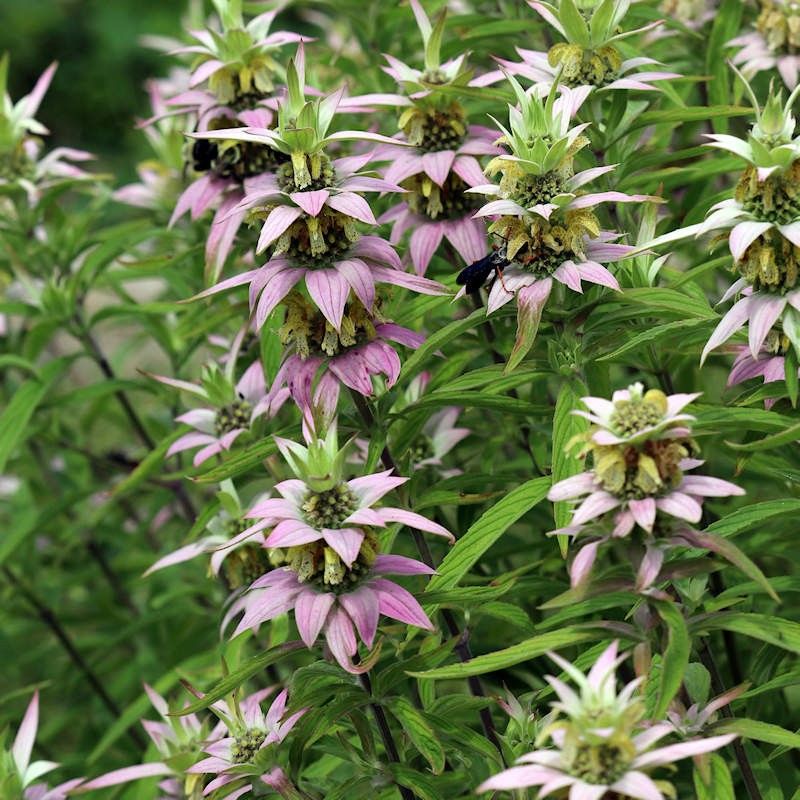
Spotted beebalm does not look like your average wildflower, and that is a huge part of its charm. The blooms are pale yellow to nearly white, tubular in shape, and covered in small but very visible purple spots.
Those spots are what give the plant its name, and once you see them up close, they are genuinely hard to forget.
What really sets spotted beebalm apart from almost everything else in the garden is the structure surrounding those small flowers.
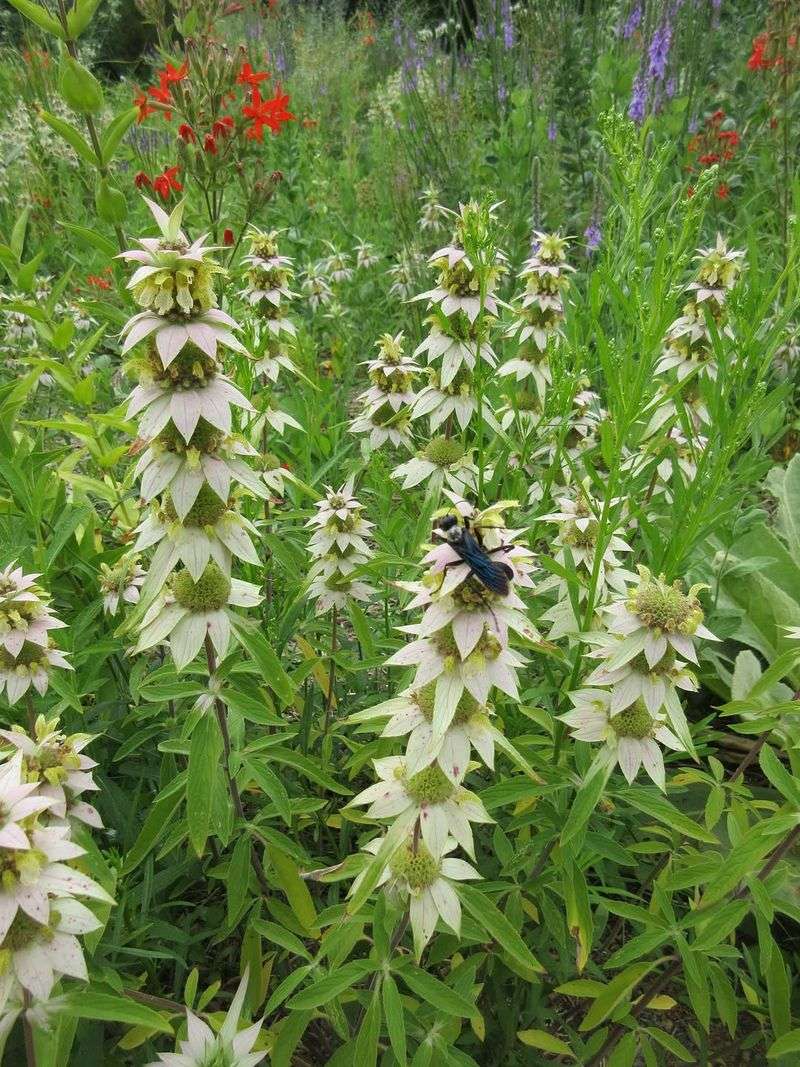
Large, decorative bracts fan out in layers beneath each flower cluster, and those bracts are often a soft pinkish or whitish color that adds a whole second layer of visual interest.
The overall effect looks almost like a living tiered sculpture rather than a typical flower.
From a distance, a patch of spotted beebalm in full bloom has a soft, hazy quality that mixes pale yellows, creamy whites, and warm pinks all at once.
Up close, the detail in each individual flower is surprisingly intricate for a plant that grows so casually in open fields and roadsides. It rewards both the quick glance and the long, careful look.
Botanically speaking, spotted beebalm belongs to the mint family, which explains the square stems and the strongly aromatic foliage that releases a sharp, pleasant scent when brushed.
That fragrance adds another sensory dimension that most purely visual flowers cannot offer.
Gardeners who grow it for the first time often describe the flowers as strange in the most wonderful way. There is simply nothing else in a North Carolina native garden that looks quite like spotted beebalm at its peak.
4. It Handles Heat Better Than Many Flashy Flowers
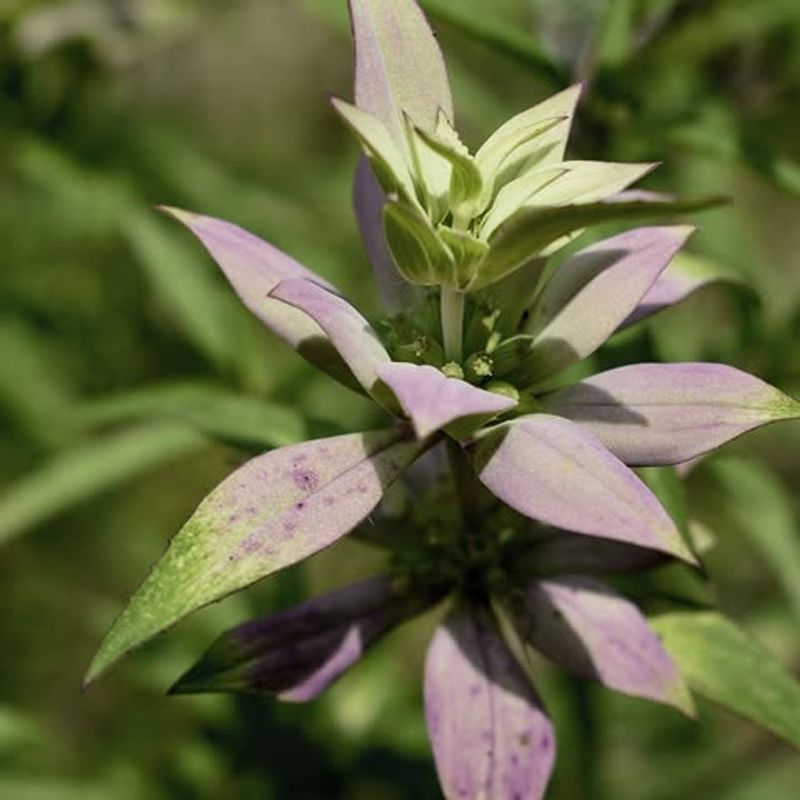
North Carolina summers are not gentle. The combination of high humidity, blazing afternoon sun, and stretches of dry weather between rainstorms can wear down even tough garden plants.
Spotted beebalm handles all of that without much fuss, which makes it genuinely valuable in late-season plantings where more delicate flowers have already given up.
Full sun is where spotted beebalm performs best, though it can also manage in part shade without losing too much of its flowering energy.
It prefers moist, well-drained soil, but once it gets established in a site, it builds enough root depth to tolerate occasional dry spells.
That combination of sun tolerance and drought adaptability is exactly what a Carolina gardener needs in a late-summer flower.
Compare that to popular annuals like impatiens or begonias, which often look scorched and ragged by the time August arrives.
Spotted beebalm is still building toward its peak at that point, completely unbothered by the same conditions that have flattened everything around it.
That resilience is not accidental. It comes from centuries of adaptation to the exact climate of this region.
Sandy, lean soils that challenge most ornamentals are actually where spotted beebalm originated in the wild.
It grows naturally along roadsides, in open pine woodlands, and in dry fields across the eastern United States, which means it already has the genetics for tough conditions built right in.
Gardeners often spend a lot of energy babying plants that were never meant for Carolina heat. Spotted beebalm asks for very little and gives back a lot, which is a trade most gardeners will happily take every summer.
5. It Brings Pollinators Back To The Bed
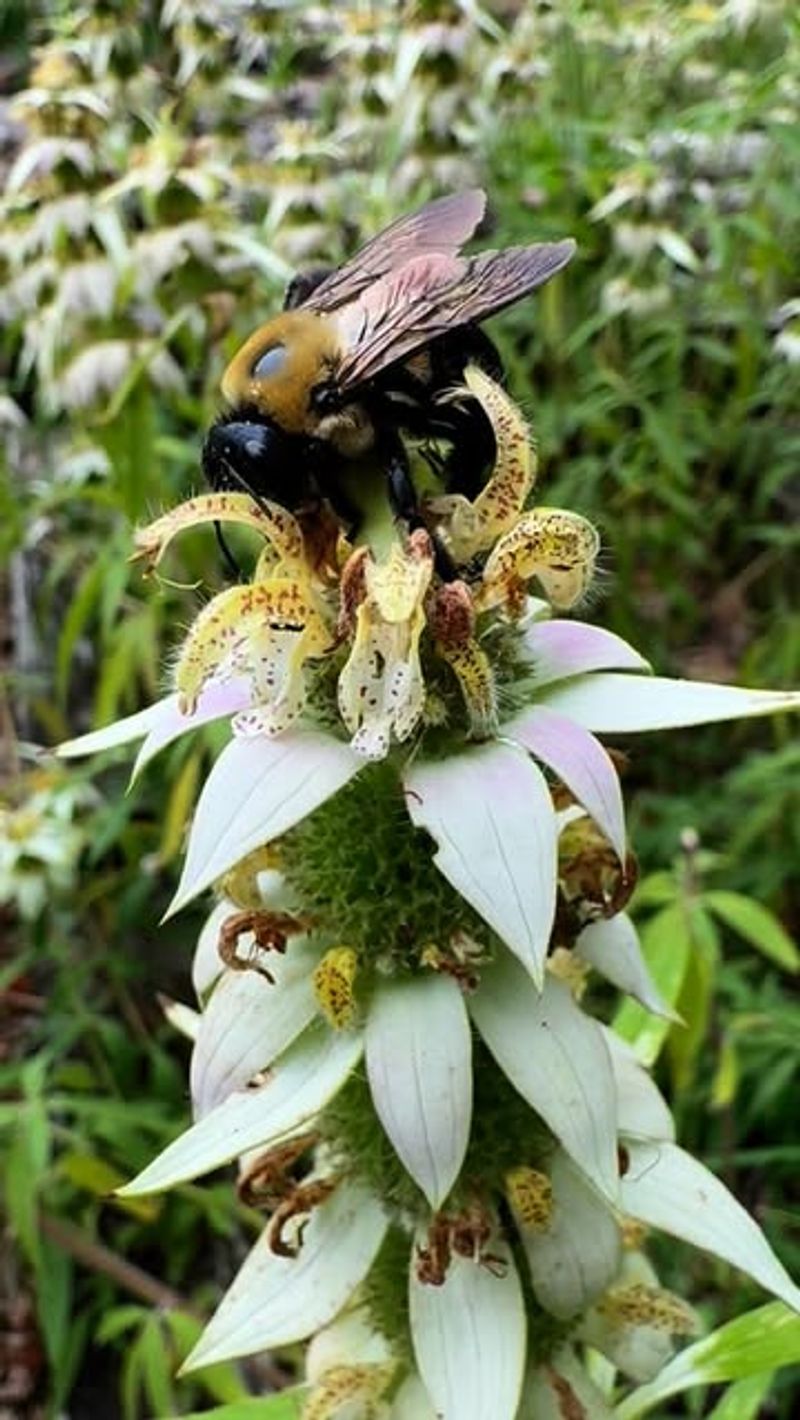
August can feel like a quiet month in a pollinator garden. Many of the big nectar producers have already finished blooming, and the bees, butterflies, and hummingbirds that were so active in June start to thin out.
Spotted beebalm changes that dynamic in a really satisfying way by offering a fresh and generous nectar source right when the garden needs it most.
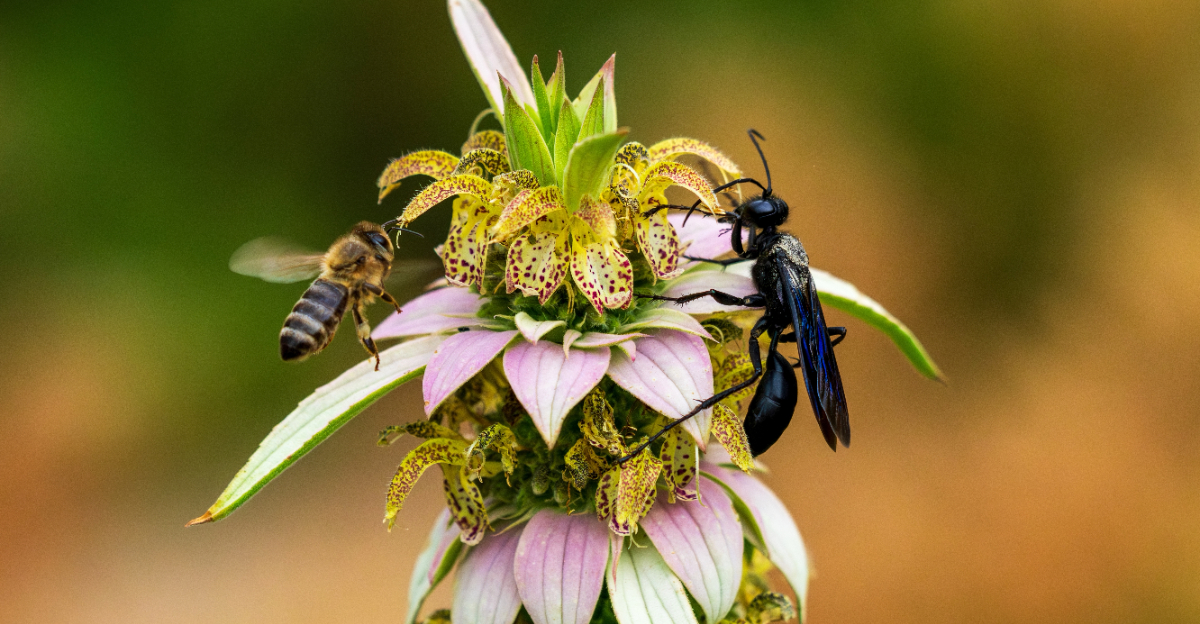
NC State Extension lists spotted beebalm as attractive to bees, butterflies, hummingbirds, wasps, and moths, which is an impressive range of wildlife for a single plant.
That broad appeal comes from the tubular flower shape, which works well for both long-tongued insects and hovering birds.
Bumblebees are especially fond of it, and on a warm August morning, a blooming patch of spotted beebalm can be absolutely buzzing with activity.
For gardeners who care about supporting local ecosystems, that late-season nectar availability is not just a nice bonus. It is genuinely important.
Many pollinators need to build up energy reserves heading into fall, and a reliable August nectar source like spotted beebalm can make a real difference for the populations living in and around your yard.
Butterflies like swallowtails and skippers visit regularly, adding movement and color to a plant that is already visually striking on its own.
Hummingbirds, which are still active in North Carolina through early September, also use spotted beebalm as a reliable fuel stop during their late-season feeding push.
Planting spotted beebalm is one of the easiest ways to keep your pollinator garden productive and alive with wildlife well past the typical summer peak, making every visit to the yard feel like a reward.
6. It Spreads Into A Better Clump Over Time
One of the quiet pleasures of growing spotted beebalm is watching what happens in year two and year three.
The plant spreads slowly by rhizomes underground, sending up new stems each season and gradually filling in to create a fuller, more impressive clump than what you started with.
That kind of steady, reliable growth is exactly what a perennial garden needs.
NC State does not describe spotted beebalm as aggressively spreading, which is good news for gardeners who worry about a plant taking over a carefully planned bed.
It expands at a manageable pace, filling in naturally without crowding out its neighbors or requiring constant intervention to keep it in check.
That balance between growth and good behavior makes it genuinely easy to live with long-term.
The best spots for spotted beebalm to spread are places where a natural-looking, layered patch feels right at home. Rain gardens, naturalized meadow edges, and open native plant borders are all ideal.
Give it room to expand over time, and you will end up with a planting that looks intentional and lush without much effort on your part.
As the clump matures, it also becomes more resilient. Established plants handle dry stretches better, bloom more vigorously, and support larger numbers of pollinators each season.
The investment you make in year one pays dividends for many years to come, which is a major advantage over annuals that need to be replanted every spring.
Spotted beebalm rewards patience in a way that feels genuinely satisfying. Give it a few seasons, and it will reward you with one of the most effortlessly beautiful patches in your entire garden.
7. It Belongs In Sunny Native Gardens
Spotted beebalm is one of those plants that fits naturally into a wide range of garden styles, as long as the sun is there.
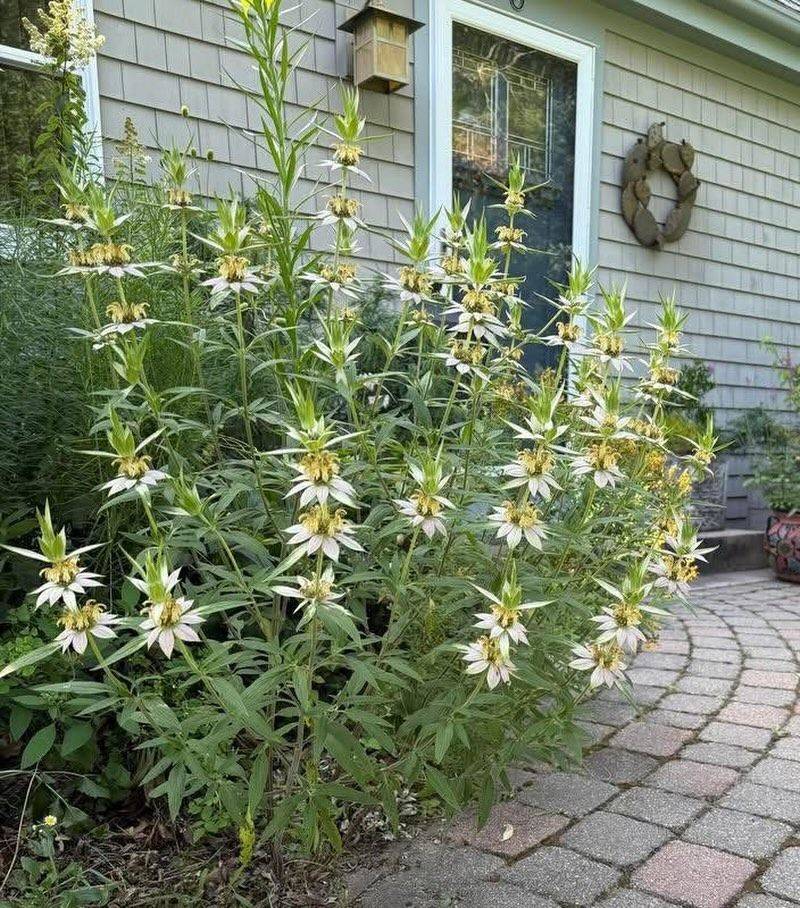
Full sun to light shade with good airflow is the sweet spot, and within that range, it works beautifully in formal borders, relaxed cottage gardens, dedicated pollinator beds, and wide-open naturalized spaces where native plants are left to do their thing.
Pollinator gardens and butterfly gardens are probably the most obvious homes for spotted beebalm, given how many species it attracts.
Pair it with other late-season natives like goldenrod, ironweed, or native grasses, and you create a late summer planting that hums with activity from July through September.
The layered flower heads add vertical interest and texture that makes the whole bed feel more dynamic.
Rain gardens are another excellent option. Spotted beebalm tolerates occasional wet conditions and bounces back well after standing water drains away, making it a practical choice for low spots that fill after summer storms.
It is one of the few flowering natives that can handle both the wet and the dry ends of a rain garden cycle without skipping a beat.
Mass plantings along a sunny fence line or at the back of a border can be especially striking.
When several plants bloom at once, the soft palette of pale yellow, creamy white, and warm pink creates a gentle, layered effect that photographs beautifully and looks even better in person.
North Carolina gardeners looking to add more native plants to their landscapes will find spotted beebalm to be one of the most versatile and rewarding choices available for sunny spots with decent drainage.
8. It Is Better Than Another Tired Annual
Every August, garden centers fill up with annuals that look great in the pot and struggle the moment they hit the ground in Carolina heat.
Petunias get leggy, marigolds fade fast, and the whole cycle of buying, planting, watering, and replacing starts to feel exhausting.
Spotted beebalm offers a completely different experience, and once you make the switch, it is hard to go back.
As a native perennial, spotted beebalm comes back every year without any replanting. It builds on itself season after season, getting fuller and more productive over time rather than asking you to start from scratch each spring.
That alone puts it ahead of most late-summer annuals from a pure value standpoint, but the benefits go well beyond simple economics.
The foliage of spotted beebalm is strongly aromatic, carrying a sharp, oregano-like scent that many gardeners find pleasant and that deer tend to avoid. That natural fragrance is a bonus that no annual marigold or zinnia can match in the same way.
The smell alone makes brushing past a patch of spotted beebalm a genuinely enjoyable sensory experience.
Then there is the wildlife value. Spotted beebalm feeds bees, butterflies, hummingbirds, moths, and wasps at a time of year when those creatures genuinely need the support.
A flat of supermarket petunias cannot come close to offering that kind of ecological contribution, no matter how bright the colors look at the checkout line.
Choosing spotted beebalm over another tired annual is a decision that keeps rewarding you. More color, more wildlife, less work, and a plant that actually belongs in a North Carolina garden make it one of the smartest swaps a gardener can make.