North Carolina Mailbox Flower Combos That Make The Front Yard Look Instantly More Polished
A mailbox bed is one of the first things neighbors and visitors notice about your home, and in North Carolina, that small strip of soil can pack a serious punch of color.
Many homeowners either ignore it entirely or plant something that struggles through summer and looks abandoned by August.
The challenge is finding plants that hold up against heat, reflected road glare, and tight growing spaces while still looking intentional from thirty feet away.
The right flower combination transforms a tired, plain mailbox post into a polished focal point that reads as well-kept and thoughtfully planted rather than accidental.
North Carolina’s climate adds some interesting variables to the equation. The Piedmont bakes differently than the coast. Shaded mailboxes under street trees need completely different solutions than sun-blasted roadside beds.
Whether your yard gets full sun all day or afternoon shade, there are pairings here that work beautifully for North Carolina conditions.
These eight combinations keep your front yard looking sharp from spring through fall, and a few of them require almost nothing from you once they are in the ground.
1. Coneflower And Black-Eyed Susan Bring Sunny Curb Appeal
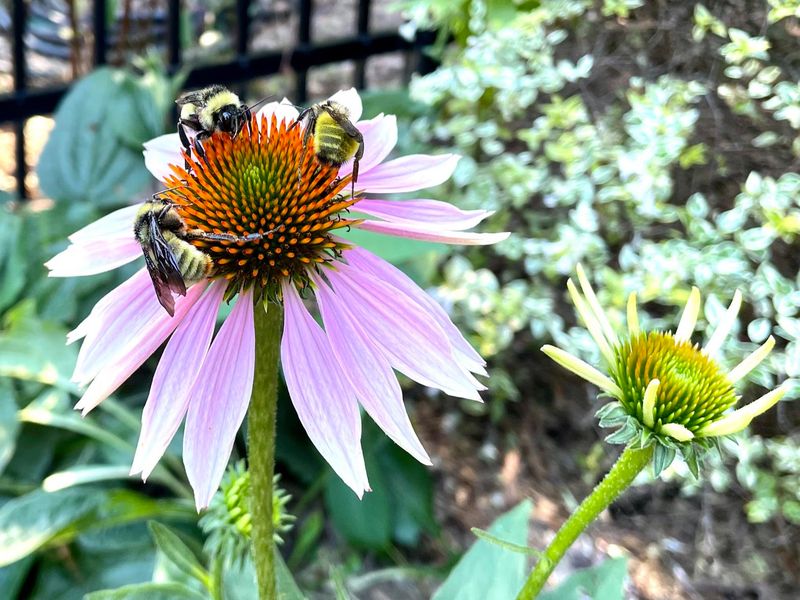
From the street, few combinations look more cheerful than purple coneflowers standing tall next to bright yellow black-eyed Susans.
Both plants are native to the Southeast, which means they are already adapted to North Carolina summers without a lot of extra fuss. They handle heat, humidity, and occasional drought without missing a beat.
Coneflowers, known scientifically as Echinacea purpurea, bloom from early summer into fall and attract pollinators like bees and butterflies.
Black-eyed Susans bloom in waves from midsummer onward. Together, the purple and gold color pairing creates a bold, eye-catching contrast that reads clearly from a passing car.
Both plants prefer full sun and well-drained soil, making them a natural fit for most roadside mailbox beds.
They tolerate the reflected heat from pavement and do not need rich soil to thrive. In fact, too much fertilizer can make them floppy rather than upright.
Keep plants trimmed back from the mailbox opening and flag so the mail carrier has clear access.
Trimming spent blooms encourages new flowers and keeps the bed looking neat. Plant both in odd-numbered clusters for a natural, layered look that still appears well-planned from the curb.
2. Lantana And Sweet Potato Vine Handle Heat
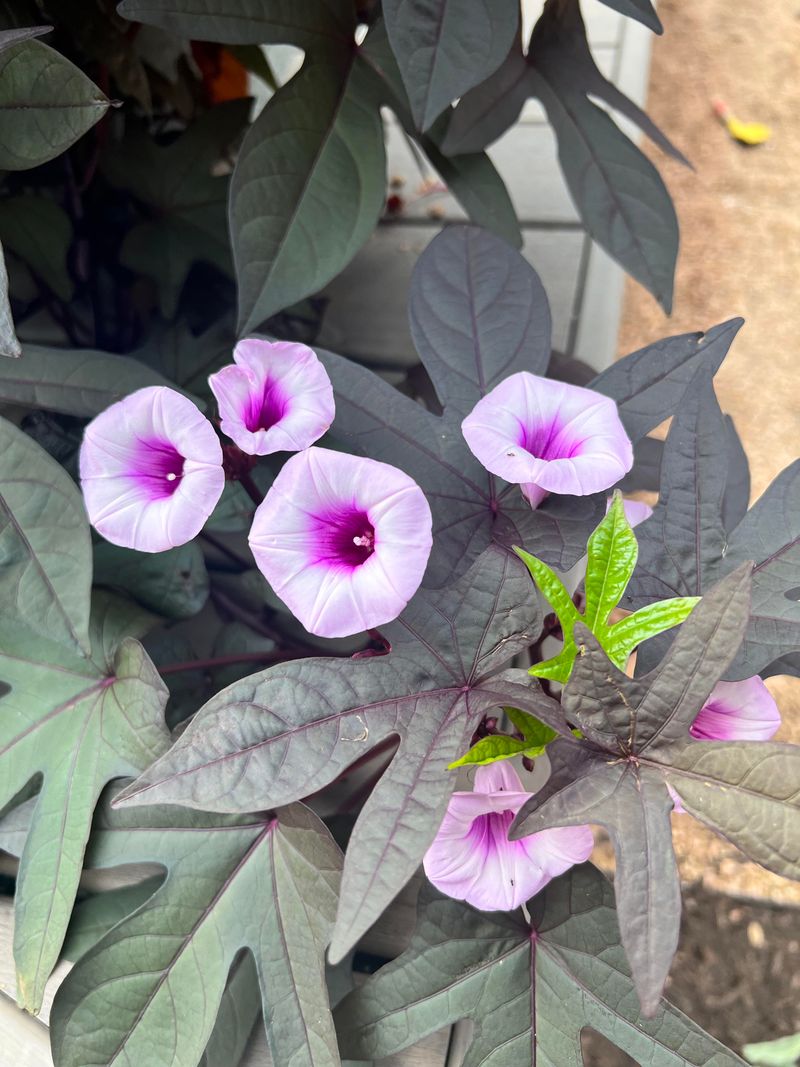
Some mailbox beds bake in direct sun from morning to evening, especially in the Piedmont and coastal plain regions of North Carolina.
That kind of heat can stress most annuals, but lantana laughs it off. Pair it with sweet potato vine and you have a combination that looks intentional, colorful, and practically unshakeable through a long Southern summer.
Lantana produces clusters of tiny flowers in shades of orange, yellow, red, pink, and white.
It blooms continuously without trimming, making it one of the lowest-effort color plants for a sunny mailbox bed.
Sweet potato vine, with its trailing habit and bold foliage in chartreuse or deep purple, fills in around the base and spills over the edges in a way that looks lush rather than overgrown.
Your North Carolina Garden Changes Every Week. Your Plan Should Too.
Gardening in North Carolina changes quickly throughout the season. Every Friday you’ll receive a simple weekly plan showing exactly what to plant, prune, fertilize, harvest, and protect so you never miss the right timing.
Lantana is drought-tolerant once established and actually blooms more aggressively when it is a little stressed by heat.
Sweet potato vine grows quickly and may need occasional trimming to stay within bounds.
Keep trailing vines from growing across the sidewalk or blocking the mailbox door.
A quick trim every week or two keeps things looking polished. Both plants are treated as annuals in most of North Carolina but perform like workhorses from late spring through first frost.
3. Salvia And Angelonia Keep The Color Upright
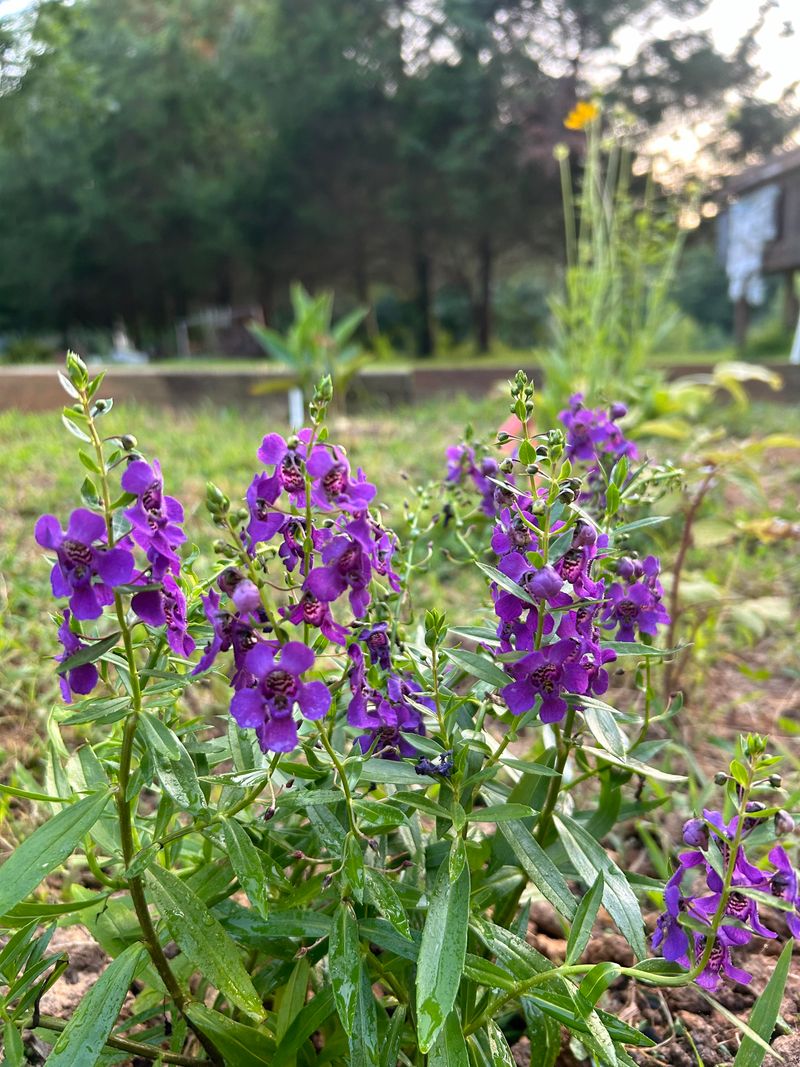
A mailbox bed needs vertical interest without becoming a visual wall that blocks the mail slot or the street view.
That is exactly where salvia and angelonia shine. Both plants grow upright and tidy, producing tall flower spikes that add structure without spreading out of control.
Salvia, particularly varieties like Salvia farinacea, produces rich blue, purple, or red spikes that bloom from late spring into fall.
Angelonia, sometimes called summer snapdragon, carries soft lavender, pink, or white blooms on slender stems that hold up beautifully in heat and humidity.
NC State Extension notes that angelonia performs reliably as an annual across North Carolina during warm months.
Together, these two plants create a layered, refined look.
Plant taller salvia toward the back of the mailbox bed and angelonia in front for a stepped effect that looks intentional from the street. Both plants prefer full sun and well-drained soil, and neither requires constant trimming to stay attractive.
The upright growth habit is a genuine advantage here.
Mail carriers need clear access to the box, and neither salvia nor angelonia will sprawl across the door or flag. Water deeply but infrequently once plants are established.
A two-inch layer of mulch helps retain moisture and keeps the bed looking clean and polished all season long.
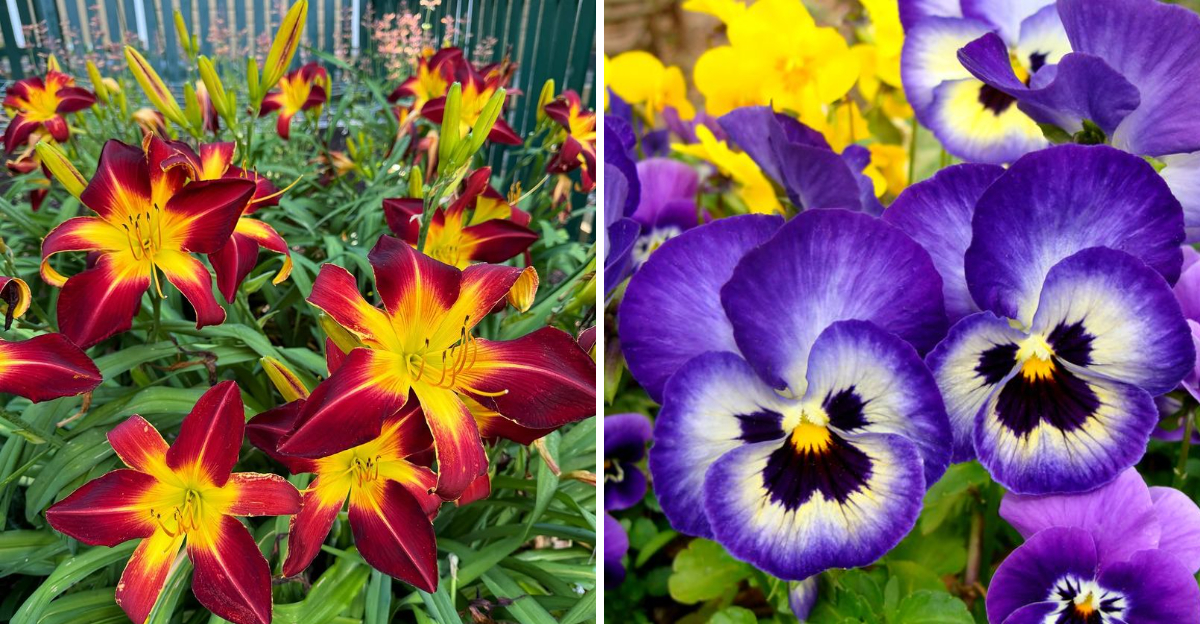
4. Daylilies And Sedum Make A Tough Pair
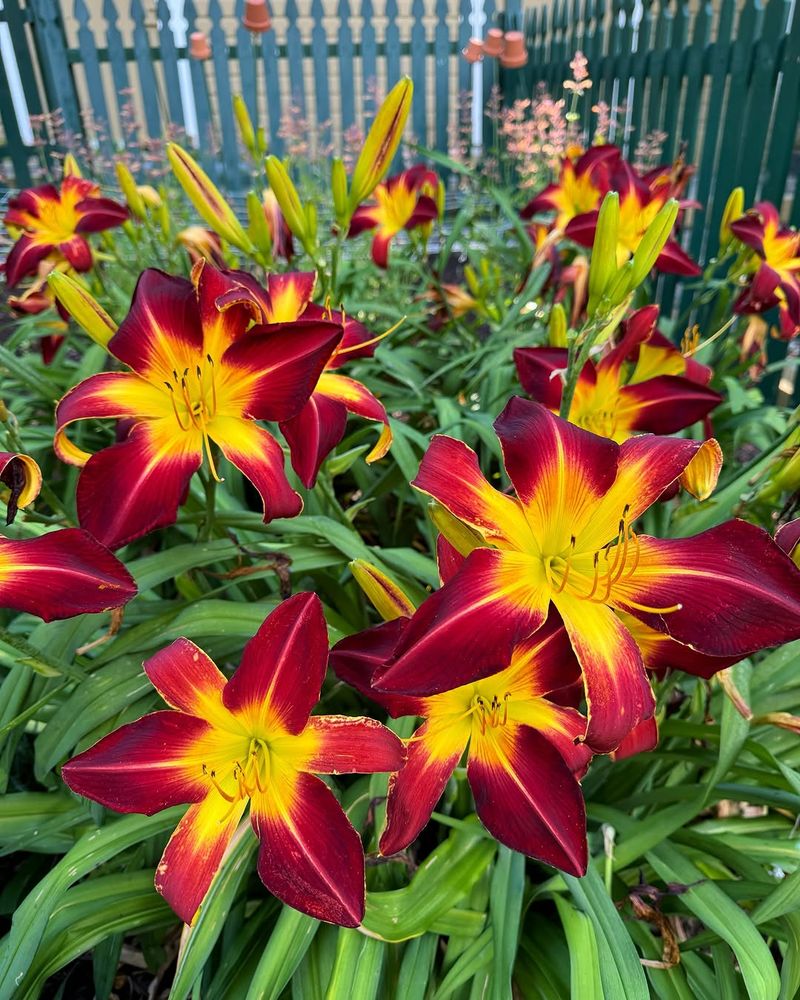
Not everyone wants to fuss with a mailbox bed every week.
Daylilies and sedum are the answer for gardeners who want color and texture without a heavy maintenance schedule. This pairing handles heat, resists drought, and comes back reliably year after year with almost no intervention.
Daylilies are among the most adaptable perennials grown in North Carolina.
They bloom in a wide range of colors from pale yellow to deep burgundy, and each plant produces dozens of blooms over the course of the season.
Hemerocallis varieties recommended by NC State Extension for the Southeast tend to repeat-bloom, meaning you get more than one flush of color through the summer.
Sedum, particularly low-growing varieties like Sedum spurium or the popular Autumn Joy, offers thick succulent foliage that stays attractive even when the daylilies are between bloom cycles.
The contrasting texture, fleshy sedum leaves against the strappy daylily foliage, gives the bed visual interest even on non-blooming days.
Both plants tolerate the compacted, somewhat poor soil that is common in roadside mailbox areas.
Plant daylilies toward the back and let sedum spread as a low border in front. Divide daylilies every three to four years to keep them blooming vigorously.
This combination looks effortlessly polished without demanding much in return.
5. Coreopsis And Blue Fescue Stay Neat
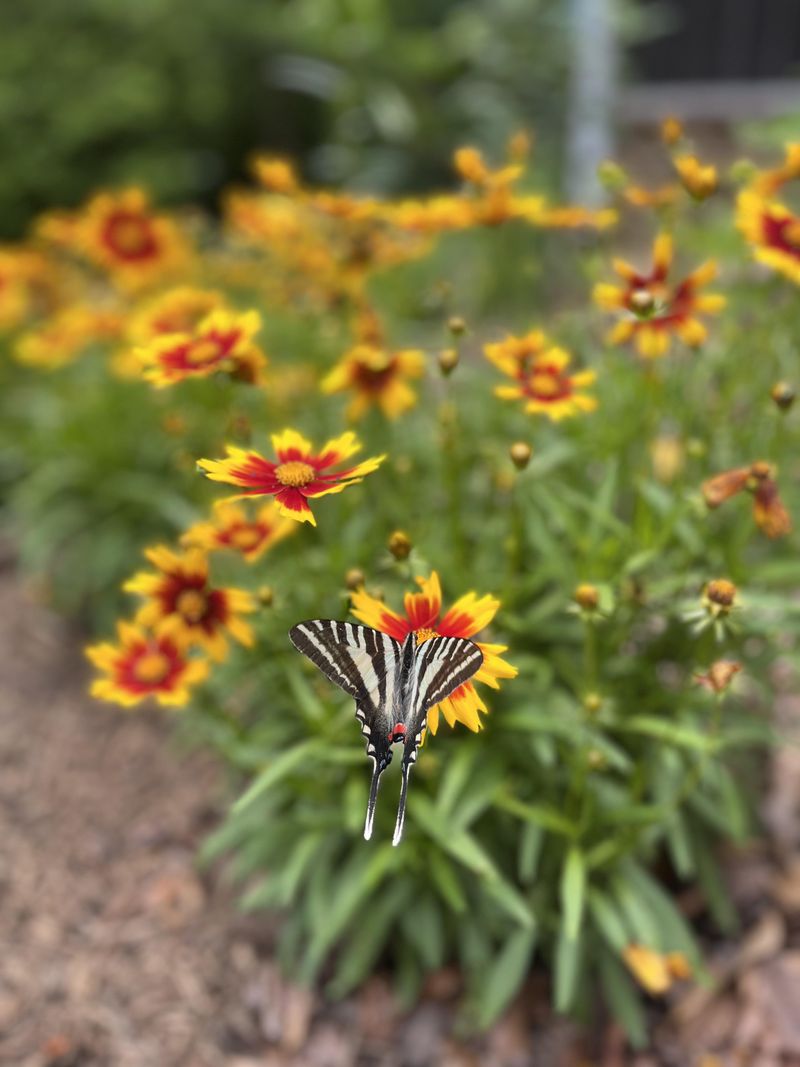
A polished front yard comes down to one thing: neatness.
Coreopsis and blue fescue are two plants that naturally stay compact, well-behaved, and attractive without a lot of pruning or intervention. For a mailbox bed where tidiness matters, this combination is a smart choice.
Coreopsis, often called tickseed, is a North Carolina native that produces cheerful yellow or gold daisy-like flowers from late spring through summer.
Threadleaf coreopsis, Coreopsis verticillata, is especially well-suited to small beds because it forms a rounded mound that does not flop or spread aggressively. NC State Extension rates it highly for its drought tolerance and long bloom season.
Blue fescue, Festuca glauca, forms tight silvery-blue clumps about eight to ten inches tall.
It adds a soft, textural contrast to the bright yellow coreopsis flowers and stays tidy throughout the growing season. The fine, spiky foliage looks structured without being stiff.
Together, these two plants create a restrained, sophisticated look that reads as intentional from the street.
The color combination of gold and silver-blue is subtle but striking. Both plants prefer full sun and well-drained soil and are quite drought-tolerant once established.
Space them so each plant has room to form its natural shape, and the bed will look clean and well-planned with very little effort on your part.
6. Zinnias And Dusty Miller Pop From The Street
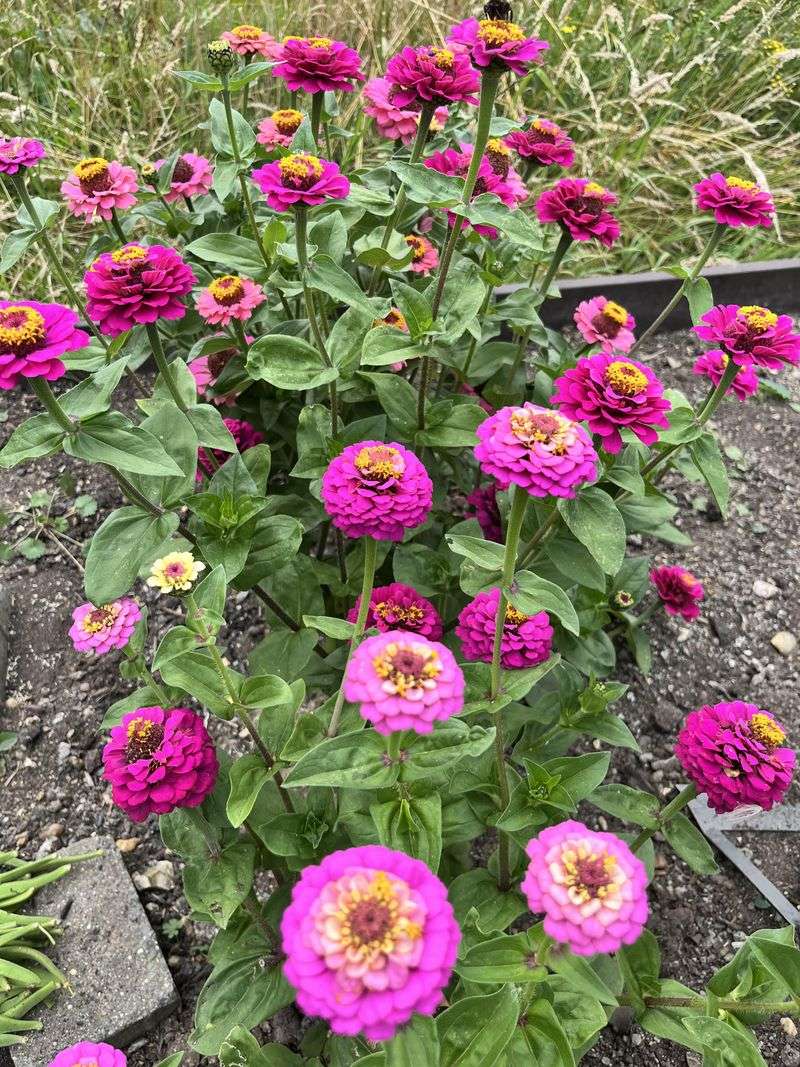
Street visibility matters in a mailbox bed. You want color that reads clearly from thirty feet away, not something subtle that only looks good up close.
Zinnias and dusty miller deliver exactly that kind of bold, high-contrast impact that turns heads from the road.
Zinnias are arguably the best annual for hot, sunny North Carolina summers.
They thrive in the heat, come in every color imaginable, and bloom continuously from late spring until frost.
Taller varieties like Zinnia elegans can reach two feet, while compact varieties stay under a foot. Direct sow seeds in late spring for a fast, affordable planting.
Dusty miller, with its velvety silver-white foliage, acts as a visual amplifier next to zinnia blooms.
The silver tone makes every flower color next to it look brighter and more saturated. It does not bloom in a showy way, but that is the point. It exists to make everything around it look better, and it does that job remarkably well.
Both plants prefer full sun and tolerate heat and dry spells once established.
Trim zinnias regularly to keep new buds coming and prevent the bed from looking worn out. This combination is one of the most affordable and visually effective options for a North Carolina mailbox makeover.
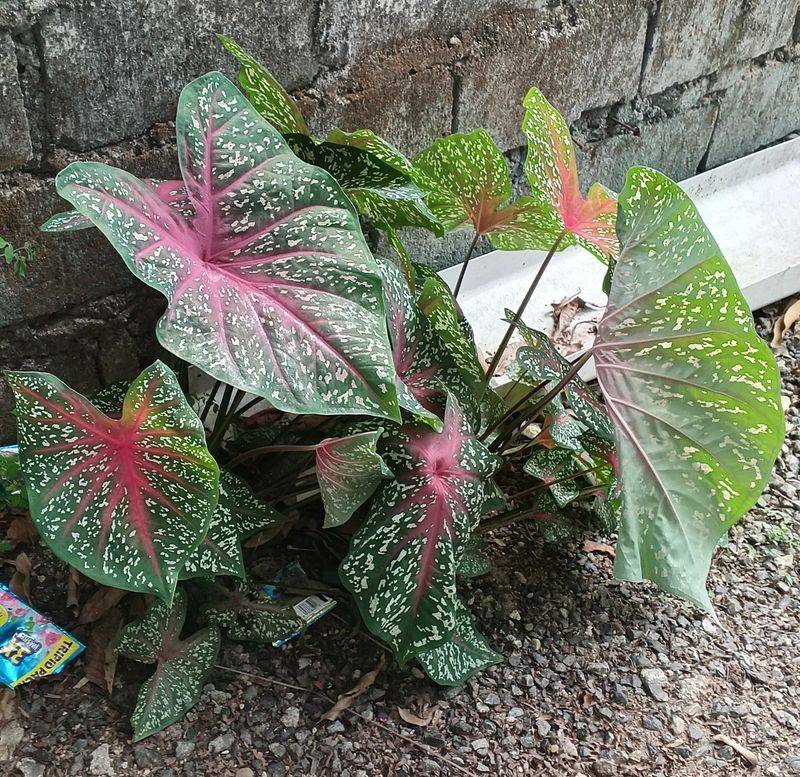
7. Caladiums And Begonias Brighten Shady Mailboxes
Not every mailbox sits in blazing sun. Some are tucked under a shade tree or positioned where a house or fence blocks the afternoon light.
Shady mailbox beds get overlooked because gardeners assume they have fewer options, but caladiums and begonias prove that shade can be just as showstopping as sun.
Caladiums are grown for their dramatic, heart-shaped leaves rather than their flowers.
The foliage comes in combinations of red, pink, white, and green, often with intricate veining patterns that look almost painted.
They thrive in warm, humid conditions, which makes North Carolina summers from June through September ideal growing time.
NC State Extension recommends planting caladium tubers after soil temperatures reach 65 degrees Fahrenheit.
Wax begonias complement caladiums perfectly.
They produce small but cheerful blooms in red, pink, or white above waxy green or bronze foliage. Unlike many flowering plants, begonias bloom reliably in partial to full shade without needing direct sunlight.
They stay compact and tidy, rarely growing more than twelve inches tall.
The combination of caladium foliage and begonia blooms creates a layered, lush look that feels intentional and well-designed.
Keep the bed consistently moist since shaded areas can still dry out in summer heat. Mulch generously to retain moisture and suppress weeds.
Both plants are treated as annuals in North Carolina and should be replanted each spring after the last frost date.
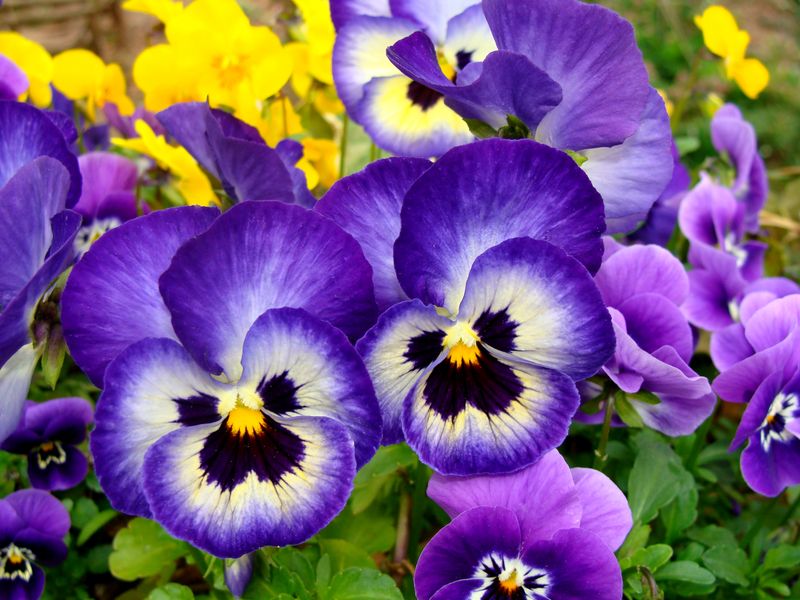
8. Pansies And Violas Carry The Cool Season
Summer gets all the attention, but a mailbox bed that looks great in October, November, and March tells the whole neighborhood that you are paying attention year-round.
Pansies and violas are the cool-season workhorses that keep your front yard looking cared-for when most other plants have gone quiet.
Pansies prefer temperatures between 45 and 65 degrees Fahrenheit, which aligns almost perfectly with North Carolina fall and spring conditions.
They bloom in a huge range of colors and patterns, from solid purple and yellow to multicolored faces that look almost whimsical. Plant them in October for fall color that often carries through mild winters and into early spring.
Violas are smaller cousins of pansies with a slightly more delicate look but equal cold-hardiness.
They tend to bloom more freely and fill in gaps between pansy plants beautifully. Mixing the two creates a full, layered look that maximizes coverage in a small mailbox bed.
Both plants prefer well-drained soil and at least six hours of sun.
Water them at the base rather than overhead to reduce the risk of fungal issues during cool, damp weather. Trim regularly to encourage continuous blooming.
When temperatures climb in late spring, replace pansies and violas with warm-season plants to keep the bed looking fresh.
Choosing plants based on season, light conditions, available space, and mailbox access is what separates a polished front yard from a forgettable one.