7 Maine Coastal Native Plants That Shrug Off Salt Air With Ease
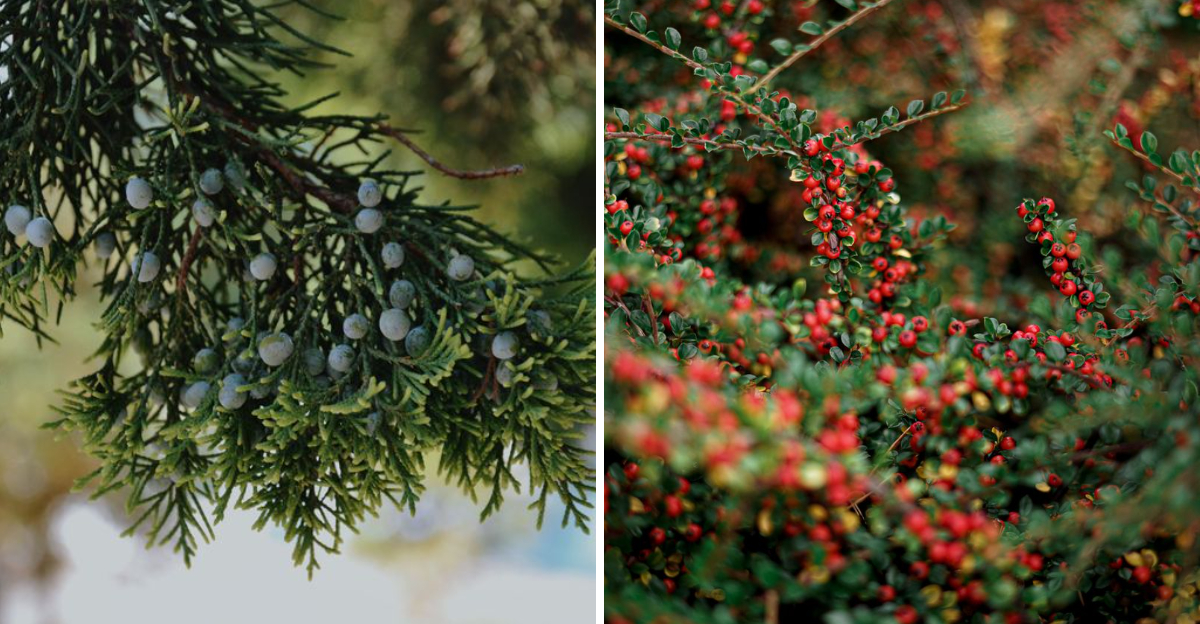
Maine’s coastline gives you fog-soaked mornings and views most people only dream about. It also gives your garden a brutal test.
Salt-laden gusts roll in off the water. Sandy soil drains before roots get a chance to drink. Wind wears down anything too delicate to bend. Ordinary nursery picks buckle within a single season.
But some plants never got that memo. They’ve colonized these rocky shores for generations, shrugging off salt spray like it’s nothing. They spread through pure sand because they were built for it.
These seven natives already know how to survive everything the Atlantic throws at them. Your Maine yard doesn’t need a fight anymore. It needs plants that have been thriving in these conditions long before you ever moved in.
1. Eastern Red Cedar (Juniperus Virginiana)
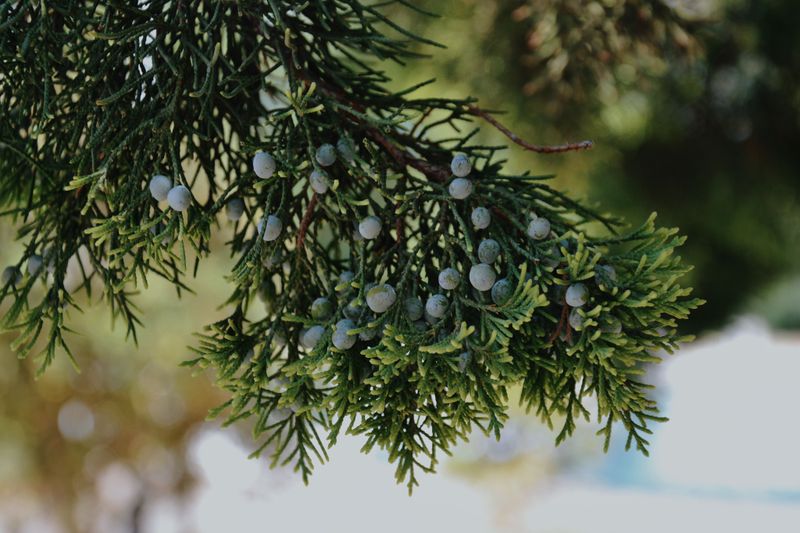
Picture a tree that laughs in the face of ocean wind. Eastern Red Cedar is that tree, and it has been thriving along coastlines for thousands of years.
This rugged evergreen handles salt spray like a champ. Its waxy, scale-like needles repel moisture and resist salt burn better than almost any other tree.
Gardeners along the Maine coast love it for good reason. It grows in poor, rocky, or sandy soil without complaint, needing almost no fertilizer or extra watering once established.
The tree pulls double duty in the landscape. Its dense, pyramidal shape creates a natural windbreak, shielding more delicate plants behind it from brutal coastal gusts.
Wildlife goes absolutely wild for this plant. Birds like cedar waxwings and bluebirds feast on the small blue berries all winter long, turning your yard into a lively feeding station.
Eastern Red Cedar grows slowly but steadily, typically reaching 40 to 50 feet tall, though coastal wind can keep it shorter.
Placement matters more than most gardeners realize. Set it along the windward edge of your property, and it will take the brunt of coastal gusts so everything planted behind it has an easier time settling in.
One thing to keep in mind: this cedar is actually a juniper, not a true cedar. The name stuck anyway, probably because nobody wanted to argue with a tree this tough.
If you are serious about building a salt-tolerant garden, start here. Eastern Red Cedar is the backbone that makes every other plant around it more likely to succeed.
2. Northern Bayberry (Morella Pensylvanica)
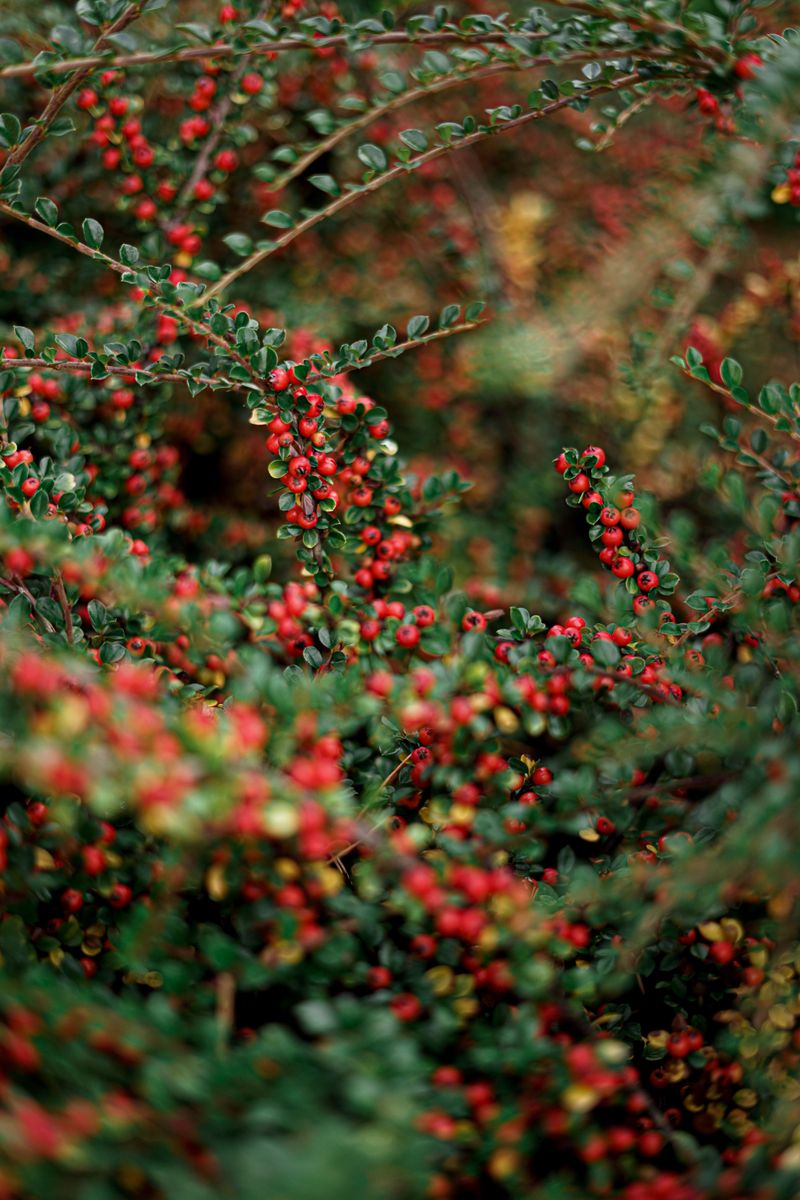
Walk along any Maine shoreline in autumn and you will likely smell Northern Bayberry before you see it. That warm, woody, candle-like scent is unforgettable and deeply tied to New England coastal culture.
This native shrub is practically bulletproof in coastal conditions. It thrives in sandy, nutrient-poor soil, tolerates salt air without flinching, and bounces back from drought like it never happened.
Northern Bayberry spreads through underground runners, forming dense colonies that stabilize dunes and eroding banks. That makes it one of the hardest-working erosion-control plants you can choose for a coastal property.
The waxy gray berries that appear in fall are legendary for a reason. Early American colonists boiled them down to make fragrant bayberry candles, a tradition that still carries on today in parts of New England.
Your Maine Garden Changes Every Week. Your Plan Should Too.
Gardening in Maine changes quickly throughout the season. Every Friday you’ll receive a simple weekly plan showing exactly what to plant, prune, fertilize, harvest, and protect so you never miss the right timing.
Birds love the berries too, especially yellow-rumped warblers during fall migration. Planting a few shrubs near a window gives you a front-row seat to some spectacular wildlife action.
This plant is semi-evergreen, holding onto its leaves well into winter in many areas. Even after the leaves drop, the clusters of pale berries add texture and visual interest to an otherwise bare landscape.
Northern Bayberry grows 5 to 10 feet tall and wide, making it ideal as a hedge, border plant, or naturalized mass planting. It needs almost no pruning and very little attention once it settles in.
Planting in groups pays off fast with this shrub. Space a few plants a few feet apart, and the colony will fill in naturally within a couple of seasons, forming a dense screen without any extra effort on your part.
Few plants offer this combination of toughness, beauty, and history. Northern Bayberry earns its place in any Maine coastal garden without breaking a sweat.
3. Seaside Goldenrod (Solidago Sempervirens)
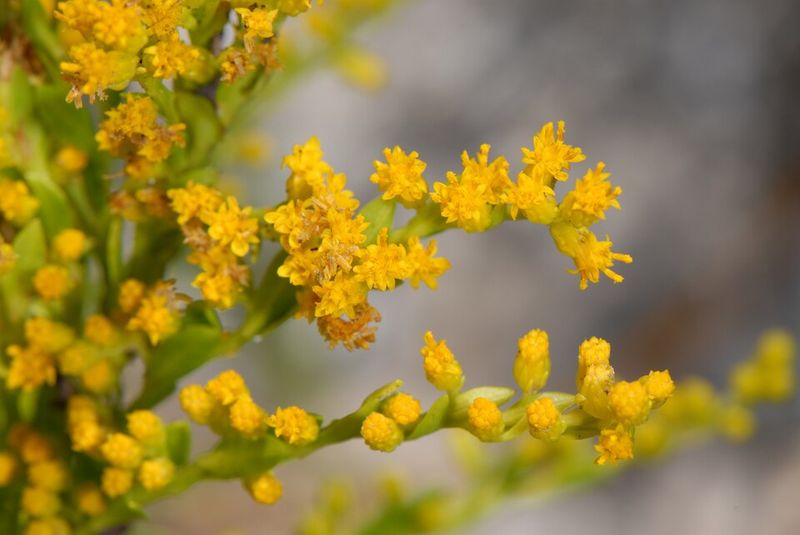
Late summer on the Maine coast turns golden, and Seaside Goldenrod is the reason why. Those brilliant yellow plumes light up roadsides, dunes, and shorelines from August straight through October.
Unlike many goldenrods that prefer inland meadows, this species evolved specifically for coastal punishment. Salt spray, sandy soil, and relentless sun are not obstacles for Seaside Goldenrod; they are its preferred home address.
The blooms arrive at exactly the right moment for pollinators. Migrating monarch butterflies, native bees, and hoverflies all depend on late-season nectar, and this plant delivers in abundance.
One common misconception deserves clearing up right now. Goldenrod does not cause hay fever; that blame belongs to ragweed, which blooms at the same time. Goldenrod pollen is too heavy to travel by wind and needs insects to move it.
Seaside Goldenrod grows 2 to 8 feet tall depending on how exposed the location is. Plants in windier spots tend to stay compact and low, while those in sheltered areas shoot up dramatically.
This plant spreads by both seed and underground rhizomes, so give it room to roam. In a naturalized coastal garden, that spreading habit creates a gorgeous, flowing sea of gold every fall.
Maintenance is refreshingly minimal with this species. Cut it back in late winter or early spring, and it returns reliably year after year without any extra fuss or feeding.
If your coastal garden feels flat and colorless by August, Seaside Goldenrod is the bold, cheerful fix you did not know you needed. Plant it once and it rewards you for decades.
4. Beach Plum (Prunus Maritima)
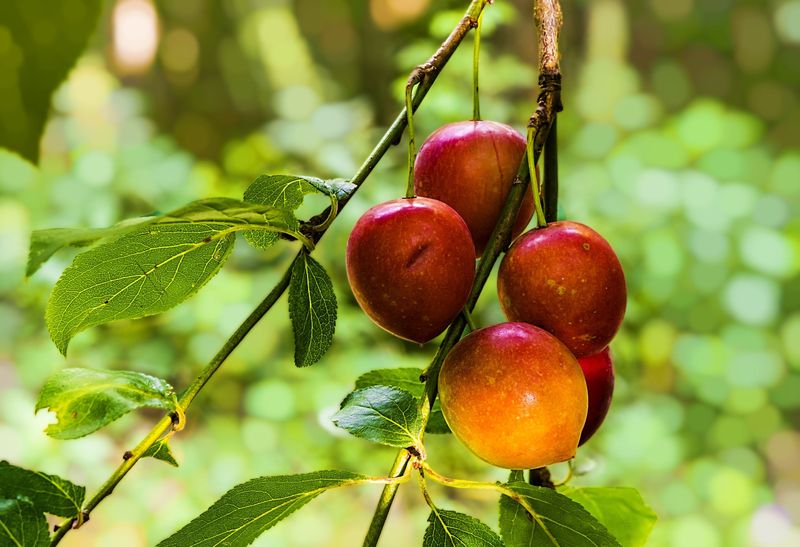
Few coastal plants are as beloved or as delicious as Beach Plum. This scrappy, salt-tolerant shrub has fueled jams, jellies, and roadside farm stands along the Northeast coast for generations.
Beach Plum grows naturally on sandy dunes and coastal bluffs where most plants simply give up. Its deep root system anchors it against wind, while its waxy leaves shed salt spray without a second thought.
Spring brings an explosion of white blossoms before the leaves even emerge. That early bloom is a welcome sight after a long Maine winter, and it feeds early pollinators when food sources are still scarce.
By late August and September, clusters of small plums ripen from green to deep purple, red, or yellow depending on the individual plant. Each one packs a tart, complex flavor that store-bought fruit simply cannot match.
Making Beach Plum jam is a cherished New England tradition. Locals guard their favorite picking spots fiercely, and jars of homemade jam become prized gifts come holiday season.
For best fruit production, plant at least two or three shrubs near each other. Cross-pollination between plants significantly boosts the harvest, turning a modest planting into a seriously productive edible hedge.
Beach Plum typically grows 4 to 8 feet tall, though coastal wind sometimes keeps it lower and more sculptural. That wind-pruned shape adds a rugged, artistic quality to any seaside landscape.
This plant connects you to the land and the table at the same time. Growing Beach Plum means harvesting something genuinely wild and genuinely yours from Maine coastal native plants.
5. Bearberry (Arctostaphylos Uva-Ursi)
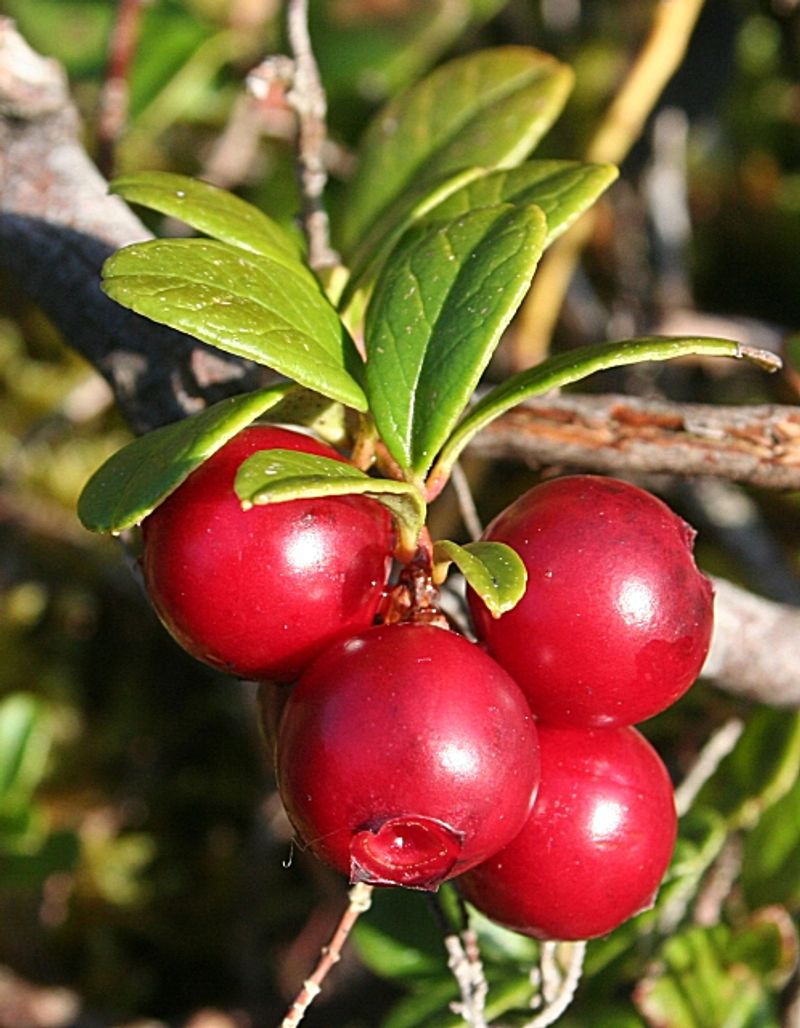
Forget fighting the rocky, windswept slopes near the water’s edge. Bearberry does not fight that terrain; it absolutely owns it, spreading into a lush, low carpet that looks intentional and polished.
This ground cover grows only 6 to 12 inches tall, hugging the ground so tightly that coastal wind passes right over it. That low profile is not a design choice; it is a survival strategy perfected over millennia.
The small, leathery leaves stay green year-round, giving Bearberry strong appeal in every season. In fall and winter, clusters of bright red berries add a festive pop of color against the dark foliage.
Sandy, acidic, and nutrient-poor soil is exactly where Bearberry thrives. Add salt air and full sun exposure, and you have basically described its ideal growing conditions, which happen to match Maine’s coast perfectly.
Wildlife finds Bearberry irresistible. Grouse, turkeys, and various songbirds eat the berries, while deer browse the foliage without causing serious damage to the plant’s overall spread.
Bearberry spreads slowly but steadily through trailing stems that root where they touch the ground. Over time, a single plant can cover a surprisingly wide area without any help from you.
Weeding is almost nonexistent once Bearberry establishes itself. The dense mat it forms shades out competing weeds, making it one of the most genuinely low-effort ground covers available for coastal landscapes.
If you have a sunny, rocky slope near the shore that nothing else will grow on, Bearberry is your answer. Plant it, step back, and let it quietly take over with understated, year-round elegance.
6. Inkberry (Ilex Glabra)
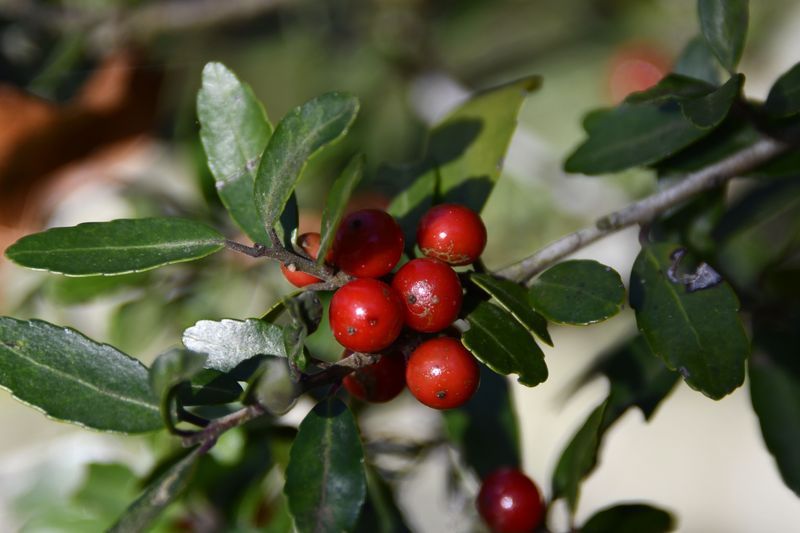
Most gardeners assume holly means sharp leaves and Christmas-card aesthetics. Inkberry flips that assumption entirely, offering smooth, spineless foliage and a relaxed, naturalistic charm that fits coastal landscapes beautifully.
This native holly handles conditions that would stress most shrubs. Wet, poorly drained soil near the shore is actually where Inkberry performs best, tolerating seasonal flooding that would rot the roots of less adaptable plants.
Salt tolerance is another strong suit. Inkberry thrives in the salty air common along Maine’s coast without showing the leaf scorch that plagues many non-native alternatives.
The small, glossy black berries that appear in fall persist well into winter. That extended display makes Inkberry a reliable food source for robins, bluebirds, and other birds during the lean months when other berries are long gone.
Inkberry is a dioecious plant, meaning you need both male and female plants to get berries. One male plant can pollinate several females nearby, so plan your planting with that in mind for the best berry display.
Shrubs typically grow 5 to 8 feet tall, with a rounded, slightly open habit that works well in naturalized borders or rain gardens. Compact cultivars like Shamrock are available if you prefer a tidier, smaller form.
Fall foliage adds another layer of seasonal interest. Leaves turn a pleasant purplish-bronze in cooler temperatures, giving the plant a warm, muted glow before winter sets in fully.
Inkberry is the kind of plant that earns more appreciation the longer you grow it. Its subtle beauty and coastal toughness make it a standout among Maine coastal native plants worth knowing.
7. Wild Lupine (Lupinus Perennis)
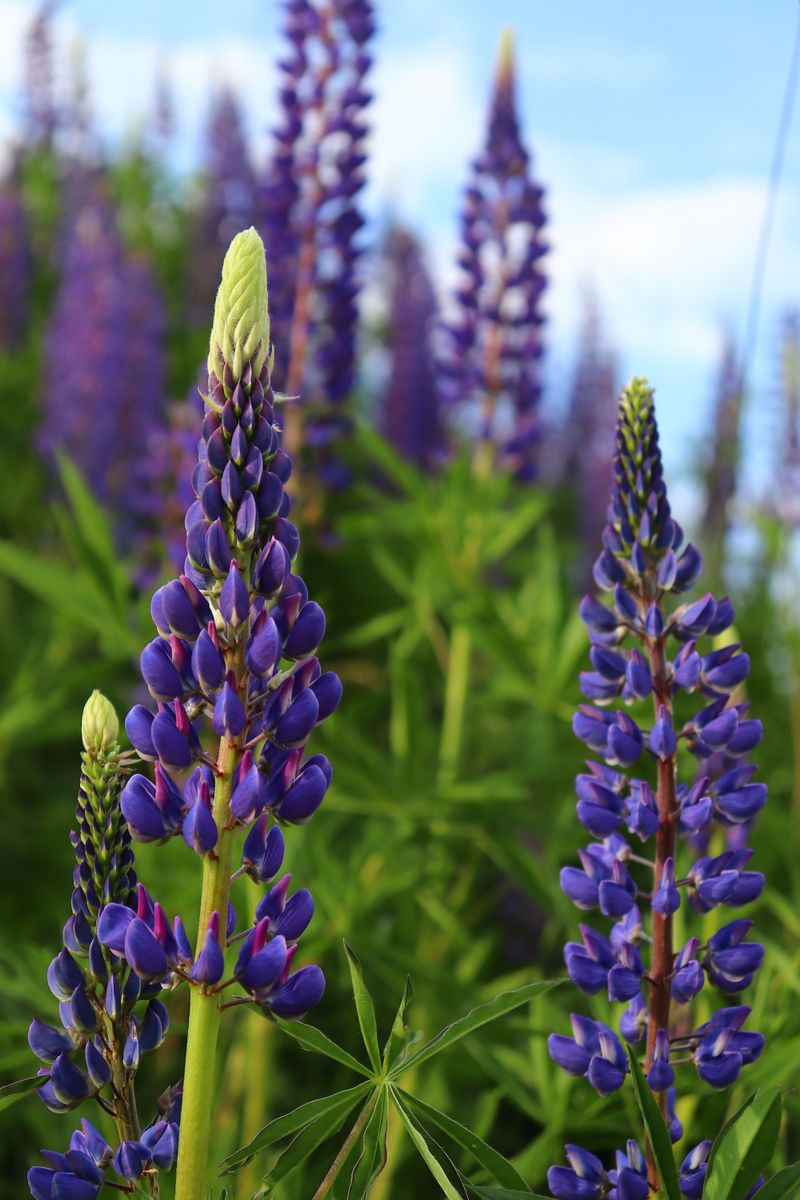
There is nothing subtle about Wild Lupine in full bloom. Those tall, bold spikes of purple and blue flowers turn coastal meadows into something that looks almost too beautiful to be real.
Wild Lupine is a native perennial that has adapted to the sandy, acidic, low-nutrient soils found along the Maine coast. Where other plants struggle to find enough nitrogen, Lupine actually fixes nitrogen from the air and deposits it into the ground.
That soil-building ability makes Wild Lupine a generous neighbor in the garden. Plants growing nearby benefit from the enriched soil, creating a small but meaningful boost for the whole community of coastal native plants.
The flowers bloom from late May through June, offering a spectacular early-season display. Each spike holds dozens of pea-shaped flowers arranged in a tight, upward-reaching column that demands attention from across a field.
Wild Lupine is the sole host plant for the endangered Karner Blue butterfly. Planting it in your coastal garden is a genuine conservation act, not just a decorative choice.
After blooming, the seed pods dry and split open with an audible pop, scattering seeds across the surrounding area. That self-seeding habit means a small planting can naturally expand into a breathtaking colony over several seasons.
Full sun and well-drained sandy soil are the keys to success with this plant. Avoid rich, clay-heavy soil; that kind of pampering actually works against Wild Lupine’s natural constitution.
Plant Wild Lupine once and watch it tell a new story every single year. Few native plants reward patience with such a dramatic and deeply satisfying coastal spectacle.