10 Fall Vegetables To Start Seeding In July For A Strong Autumn Harvest In North Carolina
July feels like the wrong time to be thinking about fall planting, and that instinct costs North Carolina gardeners a productive autumn season year after year.
To grow the best fall crops in this state, you need to plant them earlier than most calendars suggest. Starting them during the midsummer heat gives them enough time to grow strong roots before the cooler weather arrives to bring out their best growth.
North Carolina’s long growing season is genuinely one of its greatest advantages, but capturing that fall window requires working backward from the first expected cool nights and doing the math honestly.
Ten vegetables reward that early start with harvests that extend the productive garden season well into the months when most yards have gone quiet.
1. Broccoli
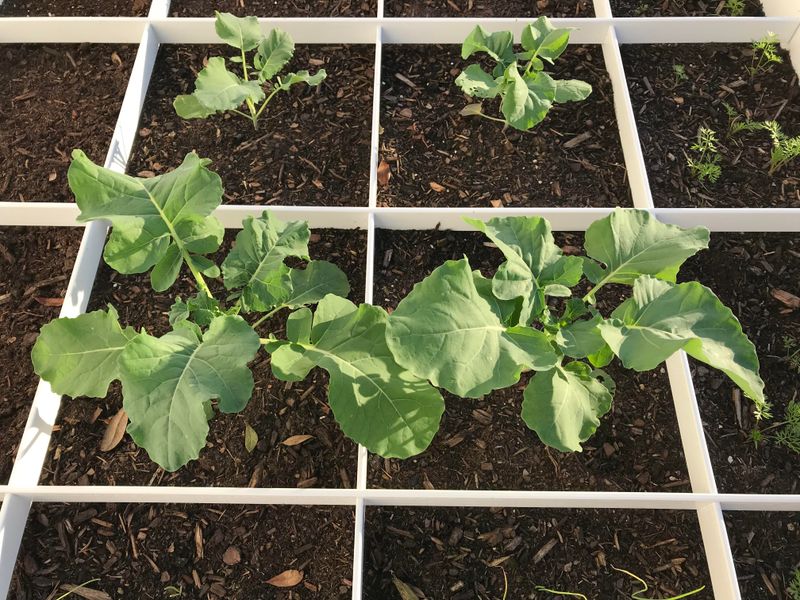
Broccoli has a reputation as a cool-weather champion, and starting it from seed in July sets you up beautifully for fall.
Most gardeners in North Carolina start broccoli as seedlings indoors or under shade, then transplant them into the garden later in the summer.
That head start matters a lot because broccoli needs time to develop strong roots before it faces the cooler fall weather.
When starting seeds in July, keep your seed starting mix evenly moist at all times. The summer heat can dry things out fast, so check on your trays daily.
A light misting works better than heavy watering since it keeps the mix damp without washing seeds around or creating soggy conditions that could cause problems for young roots.
Protecting your seedlings from intense afternoon heat is just as important as keeping them moist. A shaded spot on a porch or under a light row cover can make a huge difference.
Once your seedlings grow to about four to six inches tall with a few true leaves, they are ready to move into the garden. Give them a spot with full sun and rich, well-draining soil, and you will be harvesting beautiful heads by October or November.
2. Cabbage
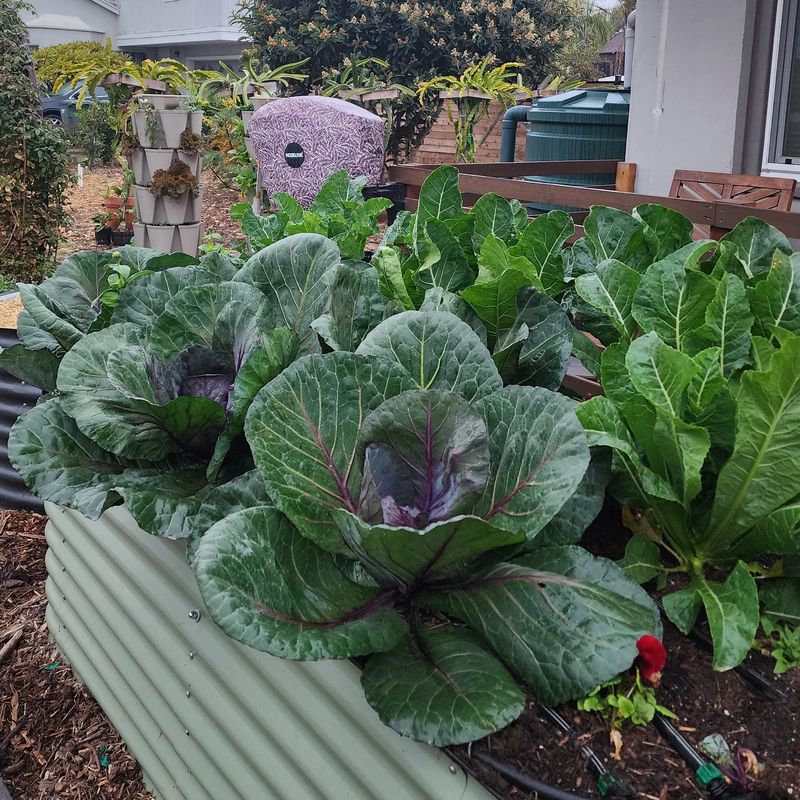
Cabbage is one of those vegetables that rewards patience and good timing. It is a classic cool-season crop that actually tastes sweeter after a light frost touches its leaves, making a fall harvest something to look forward to.
Starting cabbage from seed in July gives you sturdy transplants ready to go into the ground at just the right moment.
Timing does vary across North Carolina, and that is something worth paying attention to. Gardeners in the western mountains tend to start and transplant a bit earlier since cooler temperatures arrive sooner at higher elevations.
Down in the Coastal Plain, you have a longer warm season, so you can push your planting a little later. Piedmont gardeners generally fall right in the middle and can use standard regional planting calendars as a reliable guide.
Start your seeds in a tray with quality seed starting mix, keep them in a warm but not scorching spot, and water consistently. Cabbage seedlings grow fairly quickly and should be ready for transplanting within four to six weeks.
Your North Carolina Garden Changes Every Week. Your Plan Should Too.
Gardening in North Carolina changes quickly throughout the season. Every Friday you’ll receive a simple weekly plan showing exactly what to plant, prune, fertilize, harvest, and protect so you never miss the right timing.
Once they are in the ground, they appreciate consistent moisture and a balanced fertilizer to keep growth steady. A well-timed cabbage planting can produce gorgeous heads well into November across much of the state.
3. Cauliflower
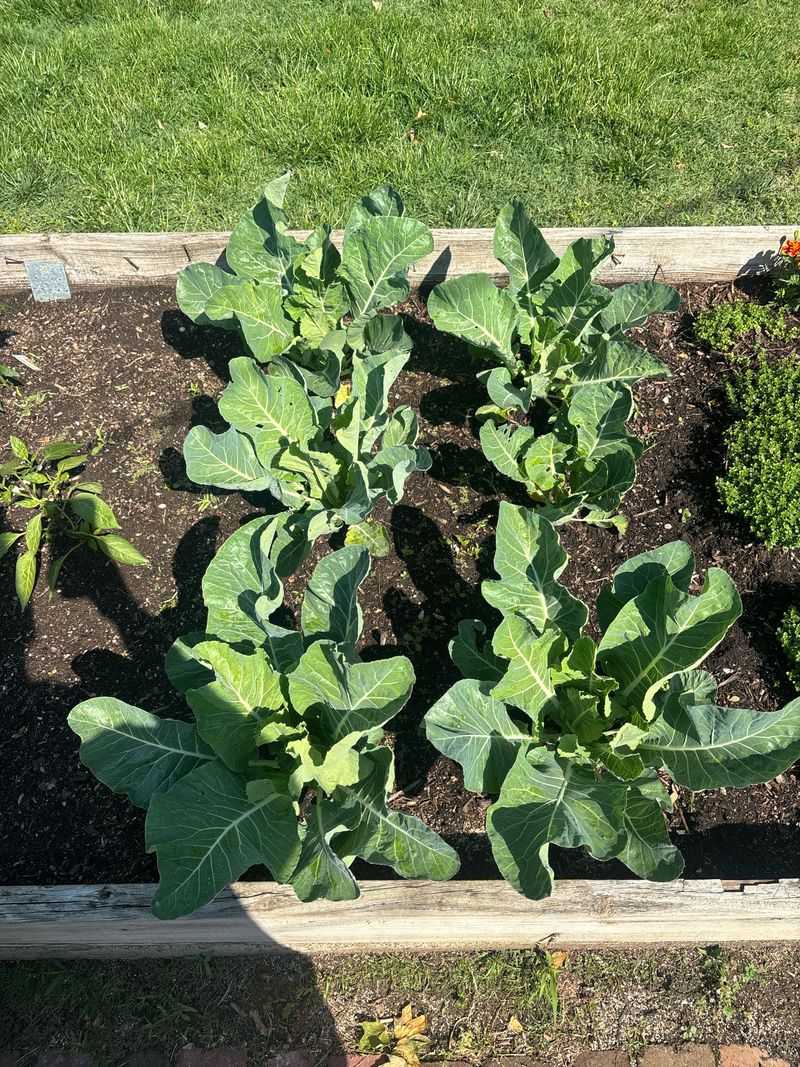
Cauliflower is one of the more particular vegetables in the fall garden, and that is actually what makes growing it feel so satisfying.
It needs steady conditions from seed to harvest, and starting it early enough in July gives it the runway it needs to develop properly before cool weather sets in.
Waiting too long to start your seeds is one of the most common mistakes gardeners make with cauliflower.
Moisture consistency is everything with cauliflower seedlings. The seed starting mix should never fully dry out, but it should not stay waterlogged either.
Think of it like keeping a sponge slightly damp rather than soaking wet. Check your trays regularly and water gently to keep that balance.
A small fan nearby can improve air circulation and help prevent any fungal issues in warm, humid July air.
When it is time to transplant, choose a spot in the garden that gets full sun and has well-amended soil with plenty of organic matter. Cauliflower responds really well to rich soil and steady feeding.
One fun tip is to tie the outer leaves over the developing head once it forms, a technique called blanching, which keeps the curds white and tender.
With good care from July seedling to fall harvest, cauliflower can be one of the most rewarding vegetables you grow.
4. Collard Greens
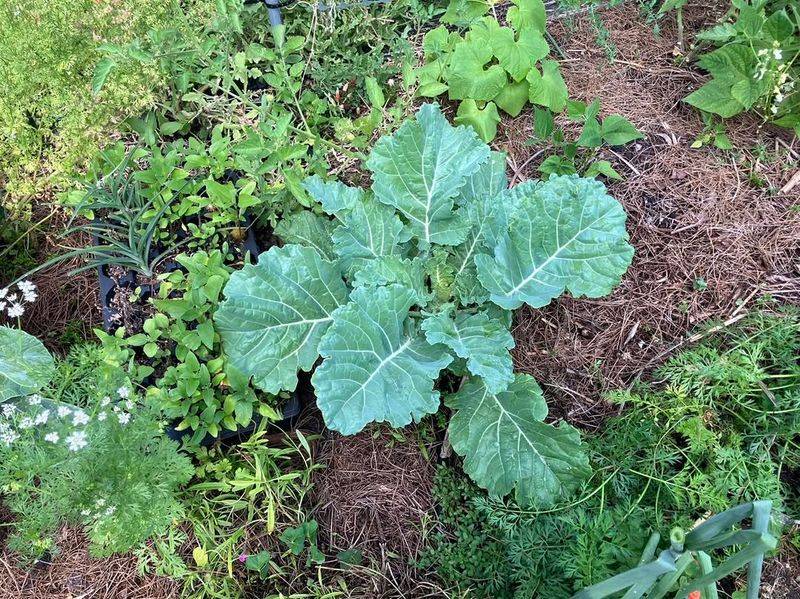
Few vegetables are as deeply rooted in North Carolina’s food culture as collard greens. They have been growing in Southern gardens for generations, and for good reason.
Collards are tough, productive, and actually improve in flavor after a cool snap in the fall. Starting them from seed in July means you will have strong, established plants ready to shine when autumn temperatures settle in.
Collards can be started in trays for transplanting or direct seeded into prepared beds, giving you flexibility based on your setup. Either way, young seedlings need steady moisture during the hot weeks of July and early August.
The soil around them can heat up and dry out quickly, so mulching around the base of each plant once they are in the ground is a smart move. A layer of straw or shredded leaves goes a long way in holding moisture and keeping roots comfortable.
Once collards are established, they are genuinely low maintenance and handle fall conditions with ease. They grow large, leafy, and generous, often producing enough for the whole family with plenty left over.
Harvest outer leaves as the plant grows to encourage continued production. A hard frost will actually sweeten the leaves, so do not rush to pull them up when cool weather arrives.
North Carolina collards in October and November are truly something special.
5. Kale
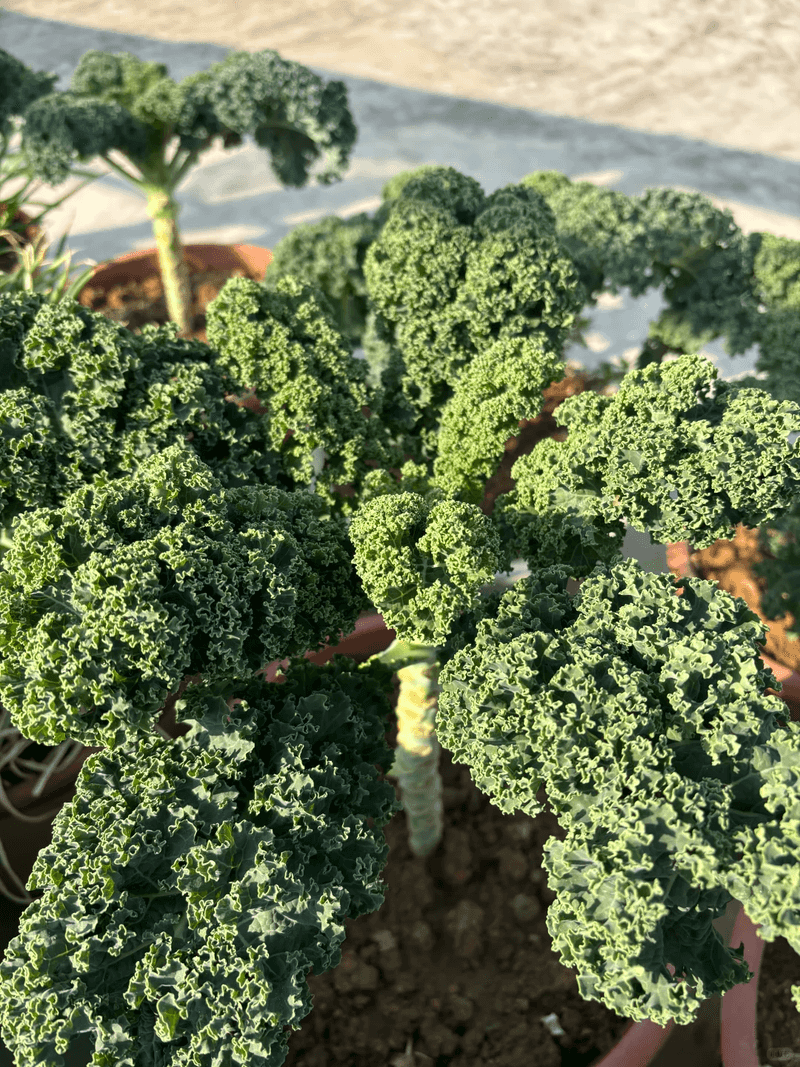
Kale might just be the most versatile leafy green you can grow in a North Carolina fall garden. It handles cool temperatures beautifully, keeps producing over a long season, and actually gets more flavorful as the weather chills down.
Starting kale from seed in July gives you a head start that pays off in a big way come October and beyond.
You have two solid options for July kale seeding. You can start seeds in trays to grow transplants, or you can direct seed into prepared beds if conditions are right and you can keep the soil consistently moist.
Either approach works, but the most important thing is protecting those young seedlings from the intense drying heat of midsummer.
A shade cloth that blocks thirty to forty percent of sunlight can be a game changer during the hottest part of the day.
Kale grows quickly once it gets going, and you can begin harvesting outer leaves before the plant fully matures. This cut-and-come-again style of harvesting keeps the plant productive for weeks.
There are many varieties worth trying, from curly Scotch kale to smooth Lacinato, also called dinosaur kale, each with its own texture and flavor.
Whatever variety you choose, July seeding puts you on track for a kale harvest that lasts well into winter across most of North Carolina.
6. Kohlrabi
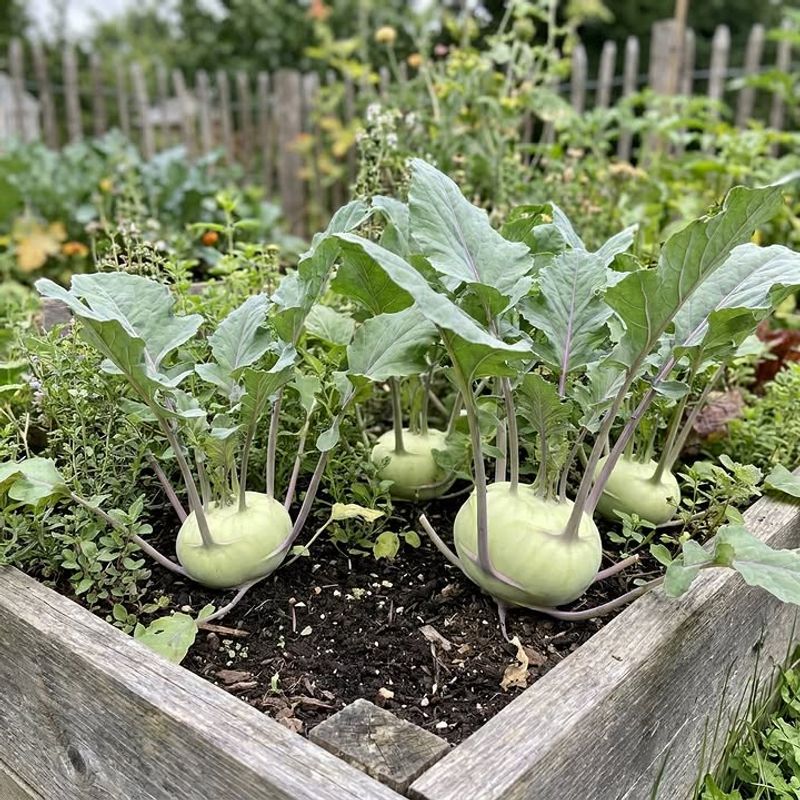
Kohlrabi is one of those vegetables that surprises people the first time they grow it. The plant produces a swollen, round stem that sits just above the soil and looks almost like something from another planet.
Crisp, mild, and slightly sweet, kohlrabi is delicious raw or cooked, and it grows well in North Carolina’s fall garden when you get the timing right. Seeding in July gives you the lead time needed for a satisfying autumn harvest.
As a cool-season brassica, kohlrabi grows from seed and does best when it has steady, uninterrupted growth from seedling to harvest.
Stress from inconsistent watering or heat can cause the stem to become tough and woody instead of staying tender and crisp.
That is the main thing to watch for. Keeping the soil evenly moist and protecting young plants from the harshest afternoon sun will help ensure the stem develops the way you want it to.
Kohlrabi matures fairly quickly compared to other brassicas, often ready to harvest in about forty-five to sixty days from transplanting. Most varieties are best harvested when the swollen stem reaches two to three inches across.
Waiting too long can reduce tenderness, so keep an eye on sizing. Plant in full sun with well-draining, fertile soil, and you will be rewarded with a crisp, flavorful vegetable that most of your neighbors probably are not growing.
7. Beets
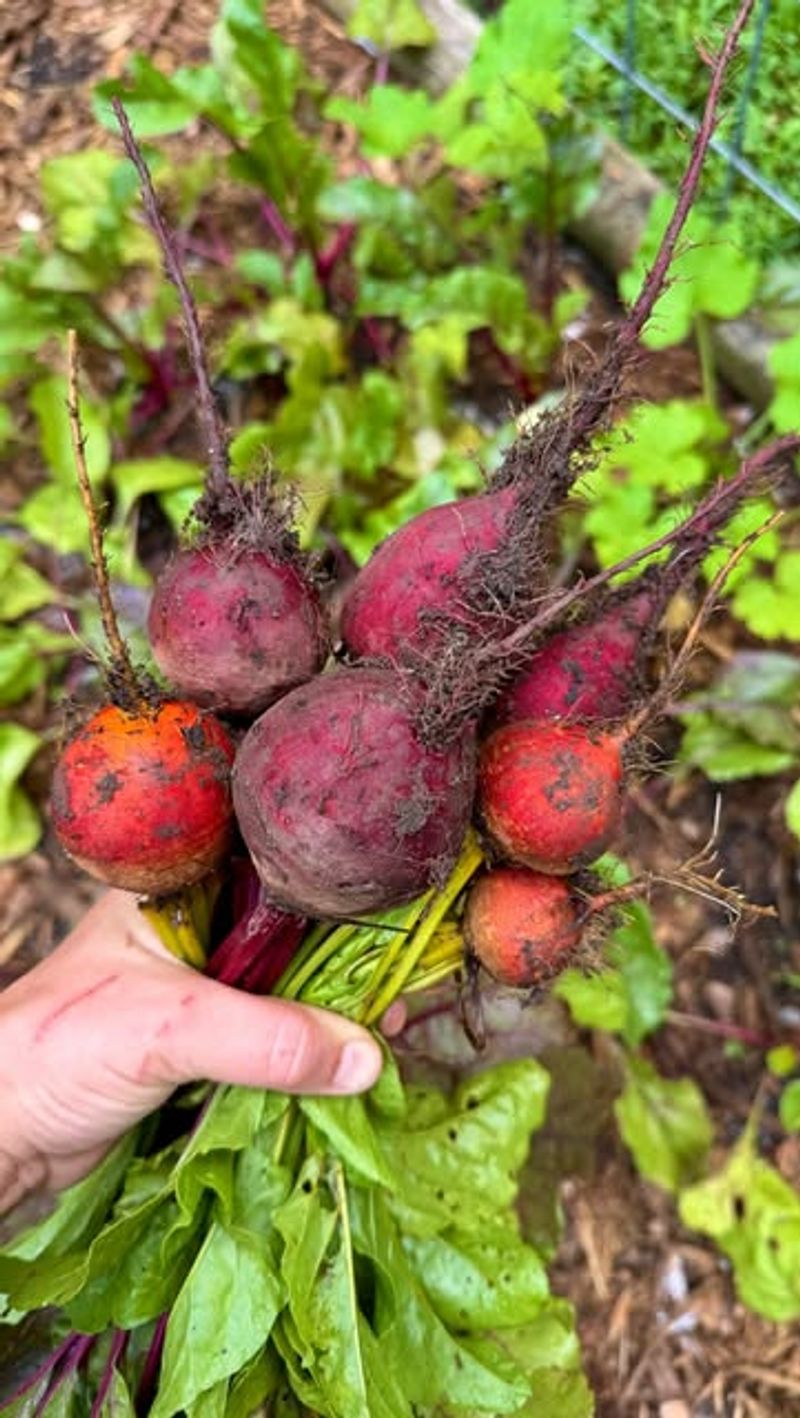
Beets are one of those double-duty vegetables that gardeners absolutely love. You get the sweet, earthy roots underground and tender, nutritious greens above ground, making every plant count twice.
Direct seeding beets in July for a fall harvest is a straightforward process, but warm summer soil does require a little extra attention to get good germination going.
Beet seeds need consistent soil moisture to sprout well, and this can be a challenge in July when the sun bakes garden beds quickly.
One practical trick is to lightly shade the seeded row with a floating row cover or even a piece of burlap until the seedlings emerge.
This keeps the soil surface from crusting over and helps hold moisture right where the seeds need it most. Watering in the early morning or evening rather than midday also reduces evaporation significantly.
Once beet seedlings are a few inches tall, thin them to about three to four inches apart so each root has enough space to size up properly. Crowded beets tend to produce small, misshapen roots that are harder to cook with.
Beets generally mature in fifty to seventy days depending on the variety, which means a July planting lines up well for harvesting in September and October.
Golden, red, and striped varieties all grow well in North Carolina, so pick your favorite and get those seeds in the ground.
8. Carrots
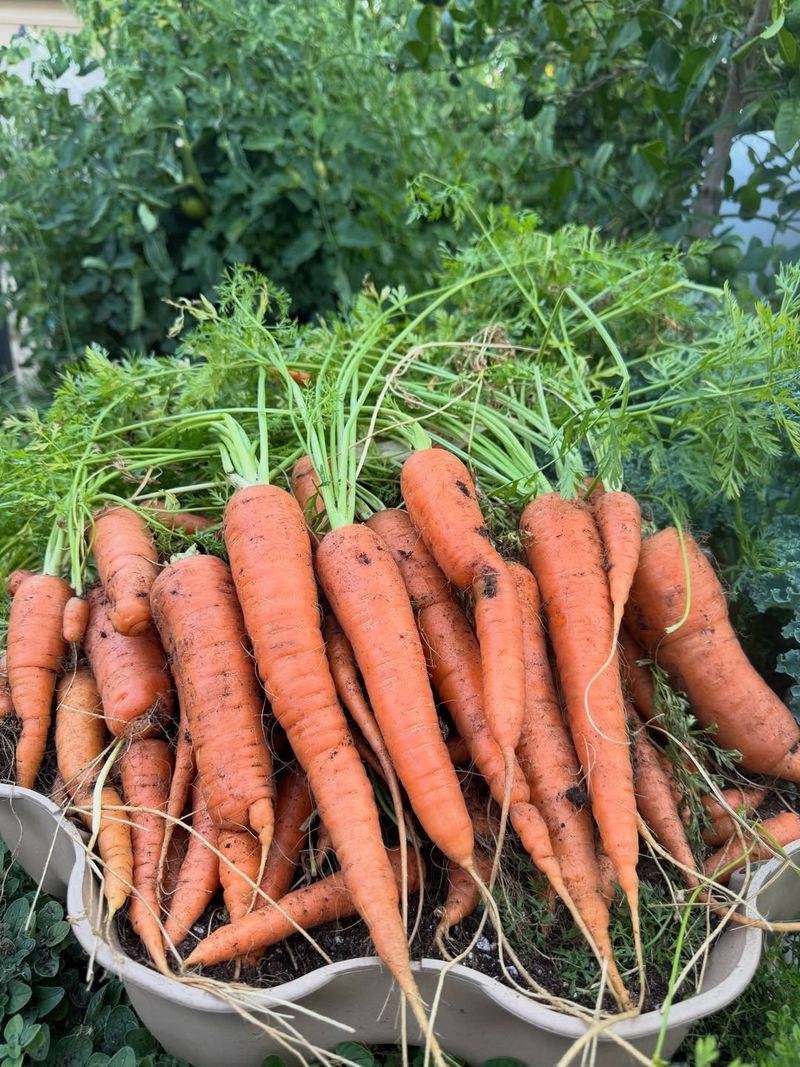
Carrots are one of the most satisfying vegetables to grow, especially when you pull a full, bright orange root out of the soil in the fall. Unlike many other vegetables, carrots do not transplant well at all, so direct seeding is the only way to go.
Getting seeds into the ground in July means you can expect a rewarding harvest right around the time fall flavors really start to shine.
Warm July soil can dry out fast, and that is the biggest challenge with carrot germination. Carrot seeds are tiny and need to stay consistently moist for ten to fourteen days before they sprout.
If the soil dries out even once during that window, germination can be uneven or fail entirely.
Watering lightly twice a day during the germination period, in the morning and again in the early evening, keeps the seedbed in good shape without washing seeds away.
Loose, deep, and rock-free soil is essential for straight, well-formed carrots. Heavy clay or compacted ground causes roots to fork or stunt.
Raised beds with a mix of compost and fine garden soil work beautifully. Once seedlings emerge and reach about two inches tall, thin them to two to three inches apart to give each root room to develop fully.
Consistent care through the hot weeks pays off when October arrives and you pull long, sweet carrots from the earth.
9. Turnips
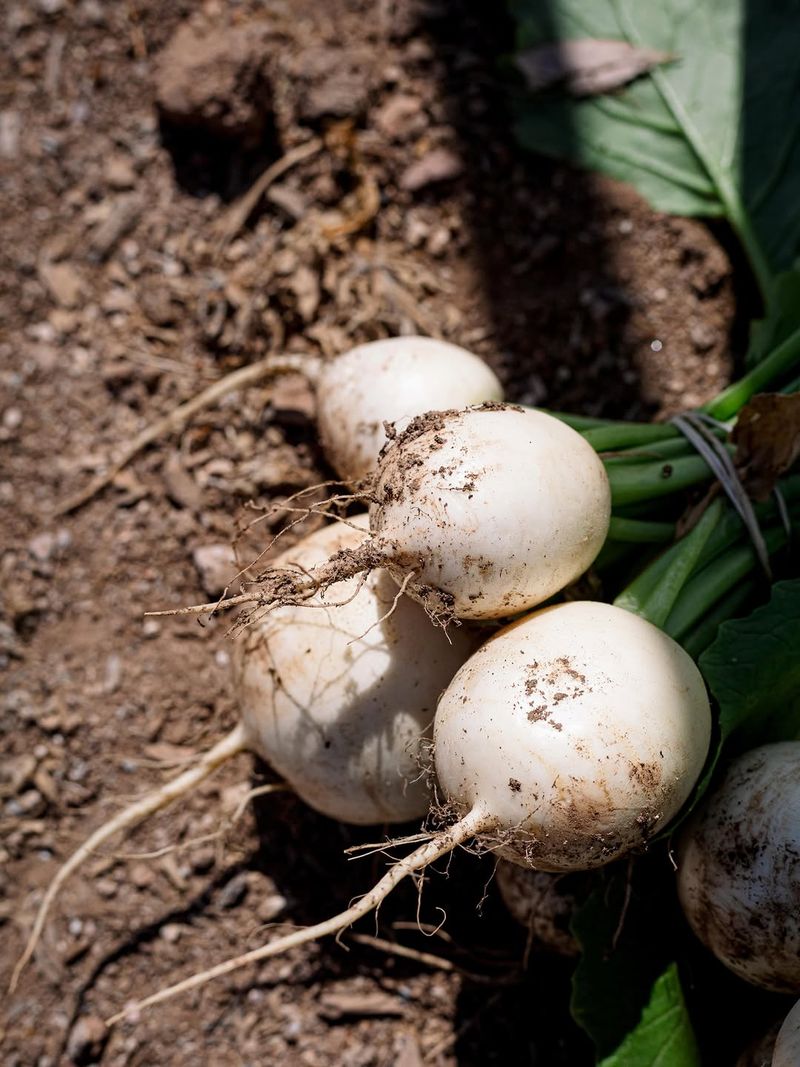
Turnips are one of the fastest cool-season vegetables you can grow, and that speed makes them a fantastic choice for a North Carolina fall garden. Both the roots and the leafy greens are edible, so you get two harvests from a single planting.
Seeding turnips in July or late summer lines them up perfectly for the cooler temperatures they love, and the whole process from seed to table moves along quickly.
Turnips grow directly from seed and do not need to be started in trays. Simply prepare a well-loosened bed, scatter or row-plant the seeds, and water them in.
Because turnip seeds are small, they do not need to be planted deeply. About a quarter inch down is plenty.
Keep the seedbed moist until germination, which usually happens within five to seven days under good conditions, making turnips one of the more encouraging vegetables for newer gardeners to try.
Thinning is an important step that many first-time growers skip, but it really does matter for turnips. When seedlings reach a few inches tall, thin them to four to six inches apart so the roots have enough room to swell and round out properly.
Crowded plants produce small, stunted roots that are harder to use in the kitchen. The greens you pull while thinning are completely edible and great in salads or sauteed with a little garlic and olive oil.
10. Mustard Greens
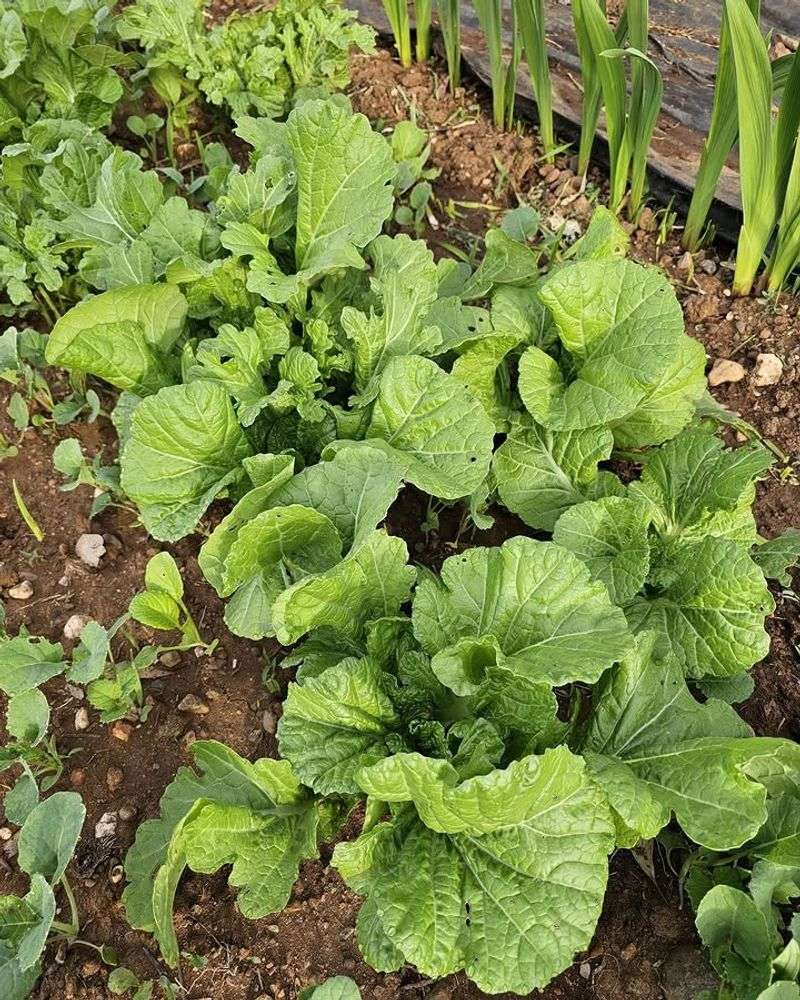
Mustard greens bring a bold, peppery flavor to the fall garden that sets them apart from milder leafy greens. They grow fast, produce abundantly, and add real character to soups, stir-fries, and Southern-style braised dishes.
Seeding mustard greens in July or late summer for a North Carolina fall harvest is a smart move, especially since they hit their stride as temperatures begin to cool.
Young mustard seedlings need two things above all else during the hot weeks of July: steady moisture and some protection from intense afternoon heat.
A shade cloth or the dappled shade of a nearby taller plant can help reduce stress on seedlings while they establish.
Water consistently and avoid letting the soil dry completely between waterings. Once seedlings are a few inches tall and temperatures start to ease, they tend to take off with very little fuss.
One of the great things about mustard greens is that later summer or early fall seedings can work really well too. As the weather cools, germination stays reliable and seedling stress drops significantly.
If your July planting faces a rough stretch of heat, a second seeding in August or early September is a great backup plan.
Mustard greens are ready to harvest in as little as thirty to forty days, making them one of the quickest paths from seed to a satisfying meal on the fall table.