Signs Your Michigan Pepper Plants Are Done For The Season (And What To Do After)
Michigan pepper plants do not announce the end of the season politely.
They just slow down.
One week the basket looks smug with red bells, banana peppers, and jalapeños. The next, green fruit hangs in place, flowers stop meaning much, and the forecast starts whispering low 50s like it knows something you do not.
That is the late-season pepper problem.
Michigan gives gardeners a beautiful summer, then starts closing the window before every fruit gets the memo.
Peppers love warmth, and once cool nights settle in, the plant shifts from production mode into survival mode.
So how do you know when a pepper plant is truly done, and what should you do before frost steals the leftovers?
Start with the signals: stalled fruit, dropping flowers, tired leaves, cool nights, and peppers that have stopped sizing up.
The goal is not to keep summer going forever. It is to harvest smart before the cold takes over.
1. Cold Nights Slow The Plant
A chilly morning tells the story before you even check your phone for the forecast.
When night temperatures in Michigan drop consistently below 55 degrees Fahrenheit, pepper plants shift into a kind of slow motion.
They do not stop growing entirely at first, but everything from root activity to fruit development starts to drag.
Michigan State University Extension confirms that peppers are warm-season crops that need warm soil and air to thrive, and once cool nights become the norm in late summer, the plant’s energy shifts away from producing new growth.
You might notice it first as a general stillness in the garden.
New shoots stop reaching upward. Stems that looked springy and green start to look a little more rigid and pale.
The plant is not reacting to one bad night. It is responding to a pattern of cool temperatures that signal the season is ending.
Night temps between 50 and 55 degrees slow pepper metabolism significantly. Temps below 50 degrees can cause chilling injury to leaves and fruit.
Mulching around the base of your plants with straw or shredded leaves can help retain soil warmth for a few extra weeks.
Row covers are another good option for buying a little more time when nights get cold but frost has not arrived yet.
Watching the overnight forecast closely during late August and September is one of the best habits a Michigan pepper grower can build. Act early rather than waiting to see what happens.
2. Blossoms Stop Setting Fruit
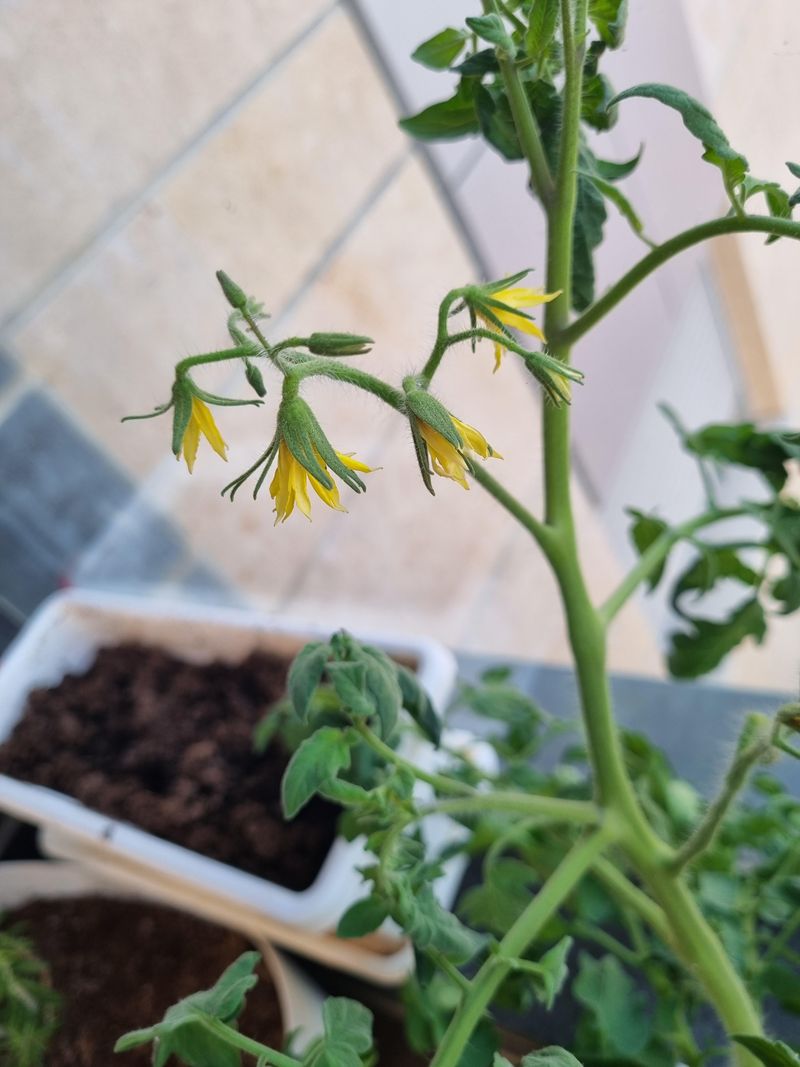
A stubborn little white flower hanging from a pepper stem is one of the most frustrating sights in a late-season Michigan garden.
When night temperatures fall below 55 degrees Fahrenheit or daytime temps drop below 65, pepper blossoms frequently fail to set fruit.
The pollen becomes less viable in the cold, and the plant stops putting energy into reproduction. Flowers may open, look fine for a day, and then drop without ever forming a pepper.
This is one of the clearest signals that your pepper plants are winding down for the season.
If you have been watching new flowers appear for weeks without seeing tiny peppers form behind them, the plant is telling you something important. Pollination is stalling, and the season is getting too short for those flowers to matter.
Your Michigan Garden Changes Every Week. Your Plan Should Too.
Gardening in Michigan changes quickly throughout the season. Every Friday you’ll receive a simple weekly plan showing exactly what to plant, prune, fertilize, harvest, and protect so you never miss the right timing.
Michigan gardeners often see this start happening in mid to late August, especially in northern parts of the state where cooler weather arrives earlier.
Trying to encourage new fruit at this point is usually not worth your time or effort.
Instead, shift your attention to the peppers already on the plant. Those are the ones worth protecting and harvesting.
Pinching off new flower buds at this stage can actually help the plant direct its remaining energy toward sizing up and ripening the fruit already growing. It feels a little harsh, but it is one of the most practical moves you can make.
3. Small Peppers Stop Sizing Up
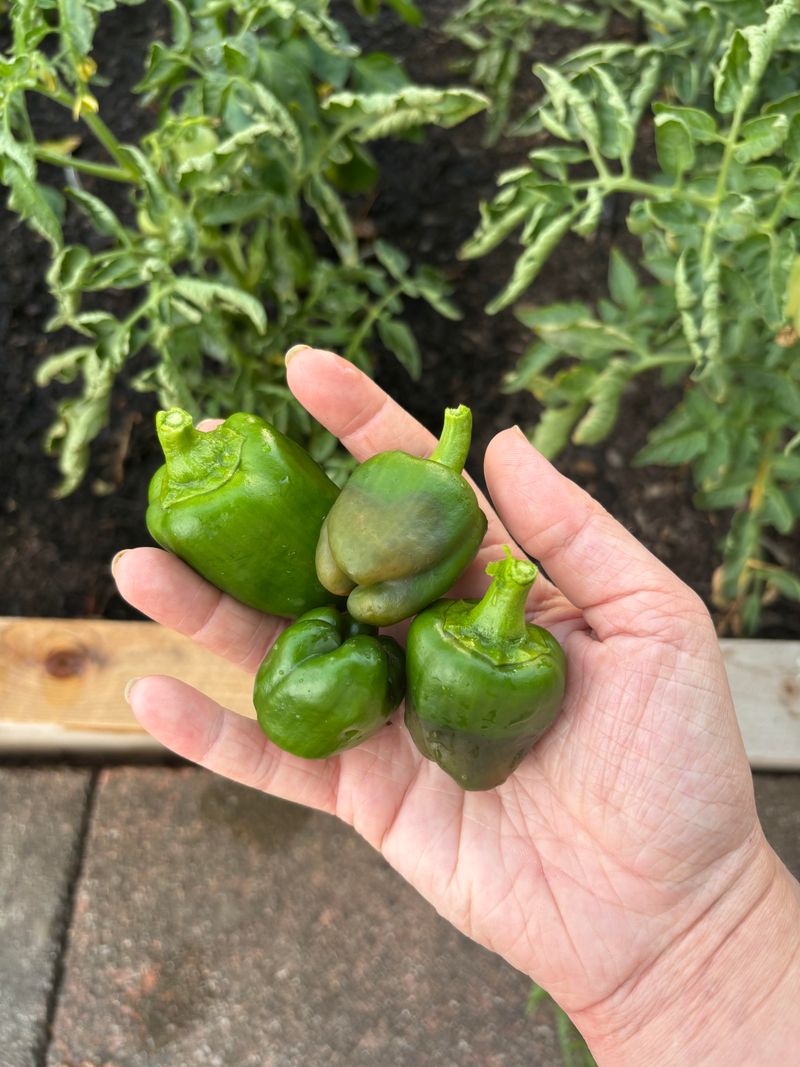
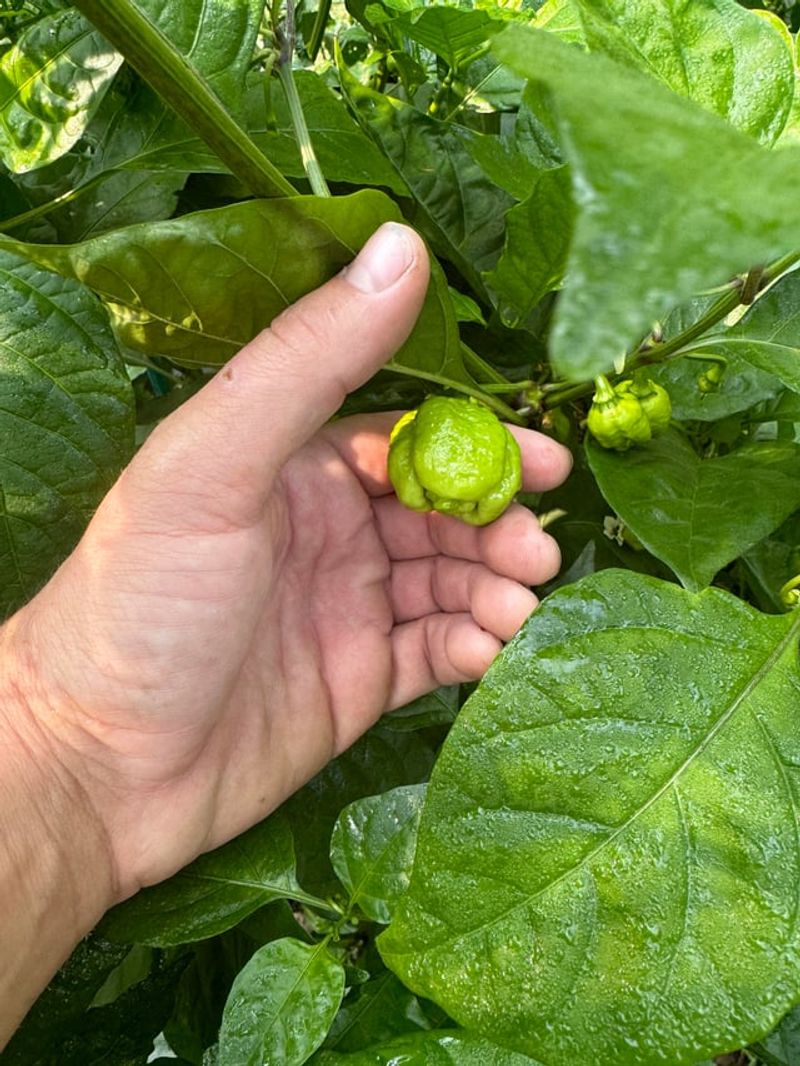
Grab a small green pepper on your plant and give it a gentle squeeze.
If it has been sitting at roughly the same size for two weeks or more, it has likely stalled out.
Cool temperatures reduce the plant’s ability to move sugars and water efficiently into developing fruit. Without that flow of nutrients, small peppers just stop growing. They sit there looking hopeful, but the season has moved on without them.
MSU Extension recommends keeping a close eye on fruit size progress during late season.
If a pepper has not visibly grown in ten to fourteen days and nights are consistently cool, it is safe to say that fruit is done sizing up.
The question then becomes whether to pick those small peppers or leave them.
Picking them frees up plant energy for slightly larger peppers that still have a chance.
Small green peppers are still edible and can be used fresh, pickled, or stuffed.
They will not ripen to red on the plant if the season has truly run out, but they can ripen indoors under the right conditions.
A bowl of small mixed peppers on your kitchen counter is still a win, even if they never hit full grocery store size. Harvest with intention and use what you have.
4. Leaves Look Tired At The Top
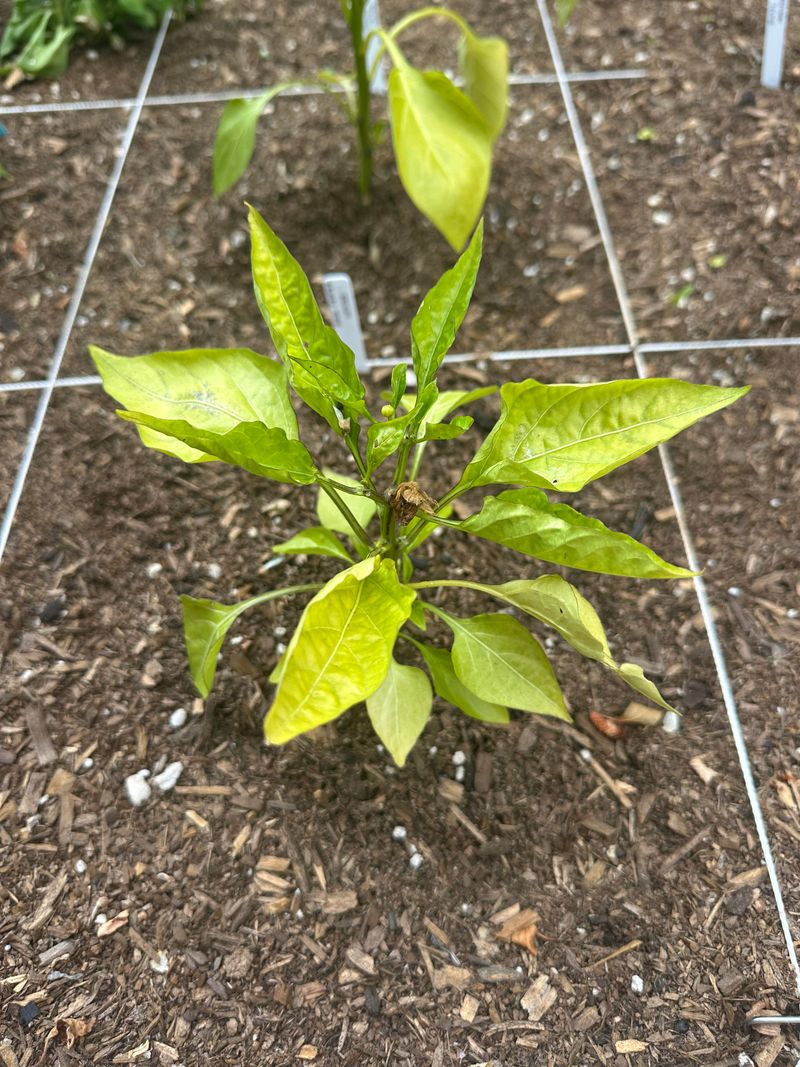
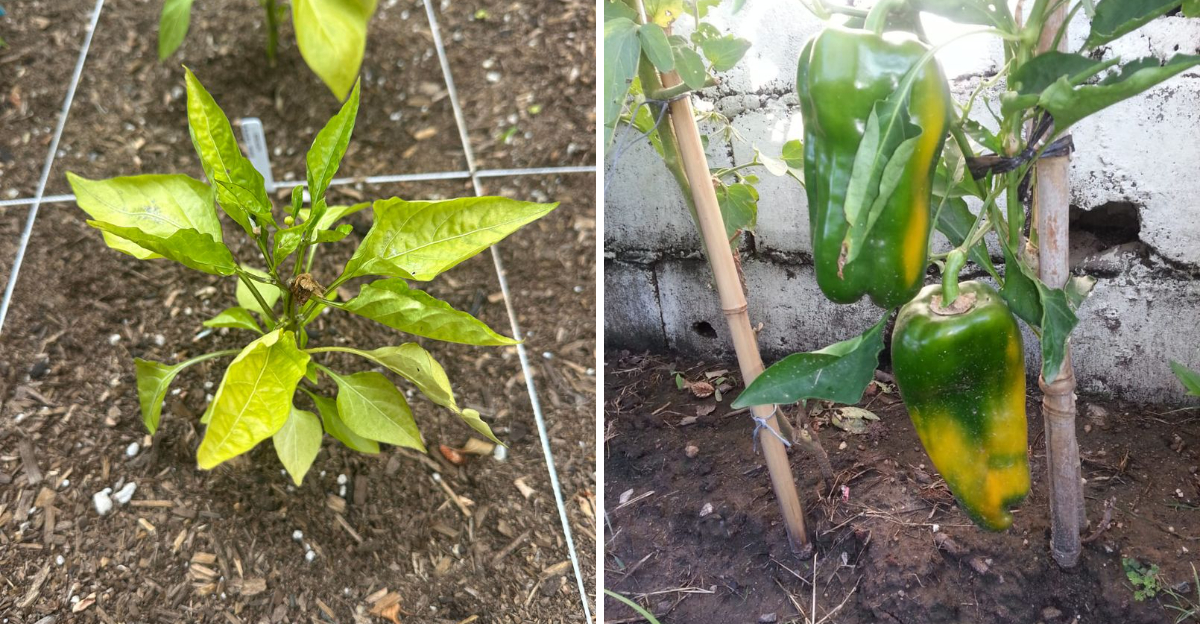
Yellowing leaves near the top of the plant are one of the most visible signs that your pepper is running low on steam.
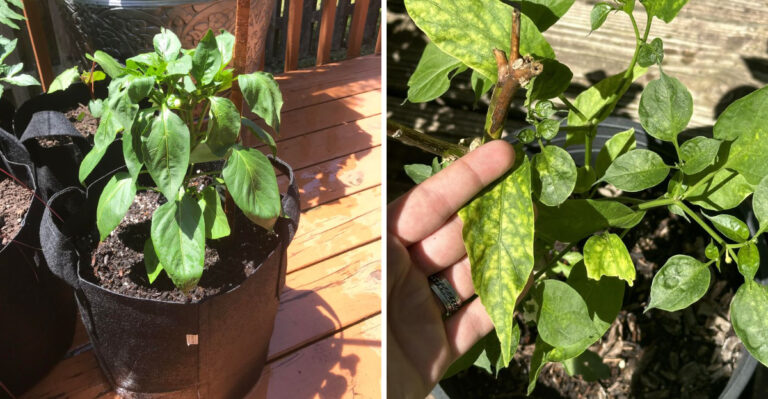
Early in the season, yellowing lower leaves can signal a nutrient issue or overwatering. But when the tired, worn look moves to the upper canopy in late August or September, it usually means the plant is naturally winding down.
Cooler soil temperatures reduce nutrient uptake even when fertilizer is present, so the plant starts pulling resources from its own leaves to keep fruit alive.
You might also notice the top leaves curling slightly at the edges, looking a bit papery, or losing their deep green color.
Stems near the top may look thinner or more fragile than they did in midsummer.
This is seasonal stress, not a sign that you did something wrong. Michigan’s growing season is genuinely short, and pepper plants feel every degree of it.
There is no reason to fertilize heavily at this point in the season.
Adding nitrogen-heavy fertilizer late in the season encourages leafy growth the plant cannot sustain and pulls energy away from ripening fruit.
If you want to give the plant a small boost, a light dose of a low-nitrogen, high-potassium fertilizer can help support fruit quality.
Mostly, let the plant do what it needs to do. Focus on protecting the fruit still on the plant and harvesting before the first frost takes the decision out of your hands.
5. Frost Forecasts End The Guessing
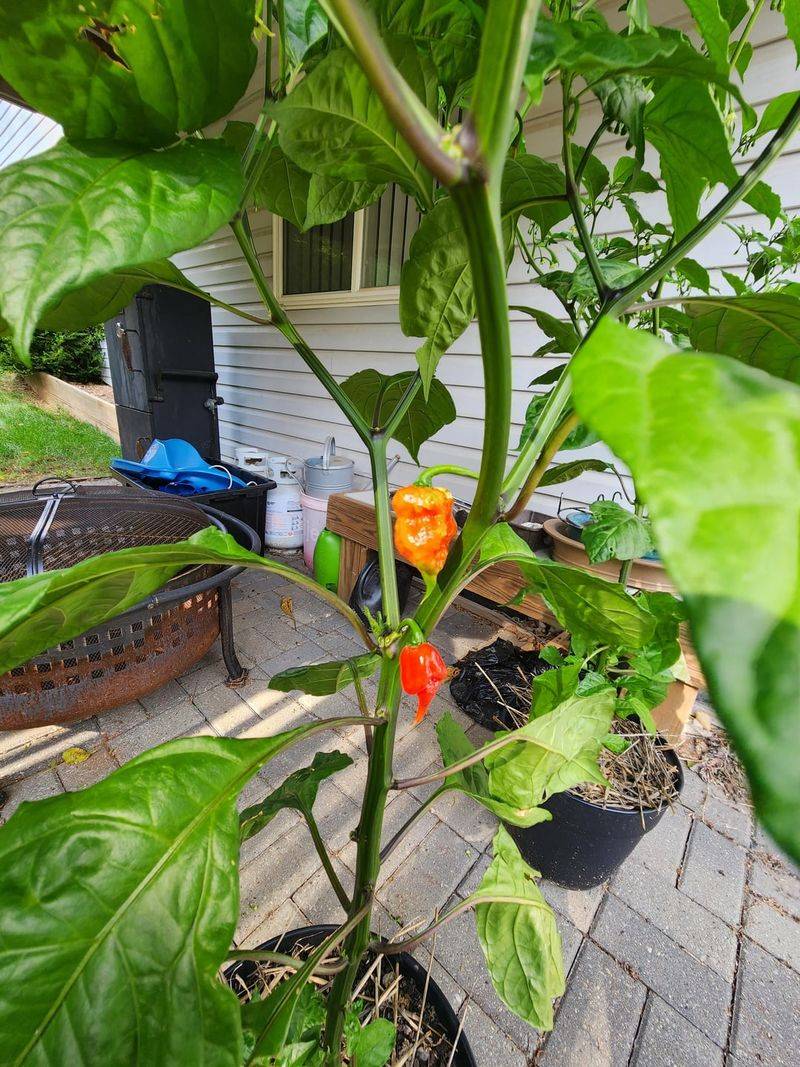
A frost forecast on your phone changes everything in the pepper garden.
All the waiting, the hoping for one more warm week, and the careful watching of small green peppers suddenly becomes urgent.
Michigan’s first frost dates vary quite a bit by region. According to MSU Extension, the Upper Peninsula can see first frost as early as mid-September, while southern Michigan gardens often have until mid to late October.
Peppers are among the most frost-sensitive vegetables in the garden.
Even a light frost at 32 degrees Fahrenheit can damage fruit and foliage. A hard freeze below 28 degrees will end the plant’s season entirely.
Once you see a frost warning in the forecast, stop waiting and start acting.
You have two main choices.
You can cover plants with row covers, old bedsheets, or frost cloth to protect them through one or two cold nights and buy a little more time. Or you can harvest everything on the plant right now, including green peppers, and let them ripen indoors.
Both approaches work. Row covers are reusable and worth having on hand every fall.
If the forecast shows multiple frost nights in a row, harvesting everything is usually the smarter call.
Do not let a perfectly good crop get caught by a night you saw coming on the weather app three days in advance. Frost waits for no pepper grower.
6. Pick Full Size Fruit Now
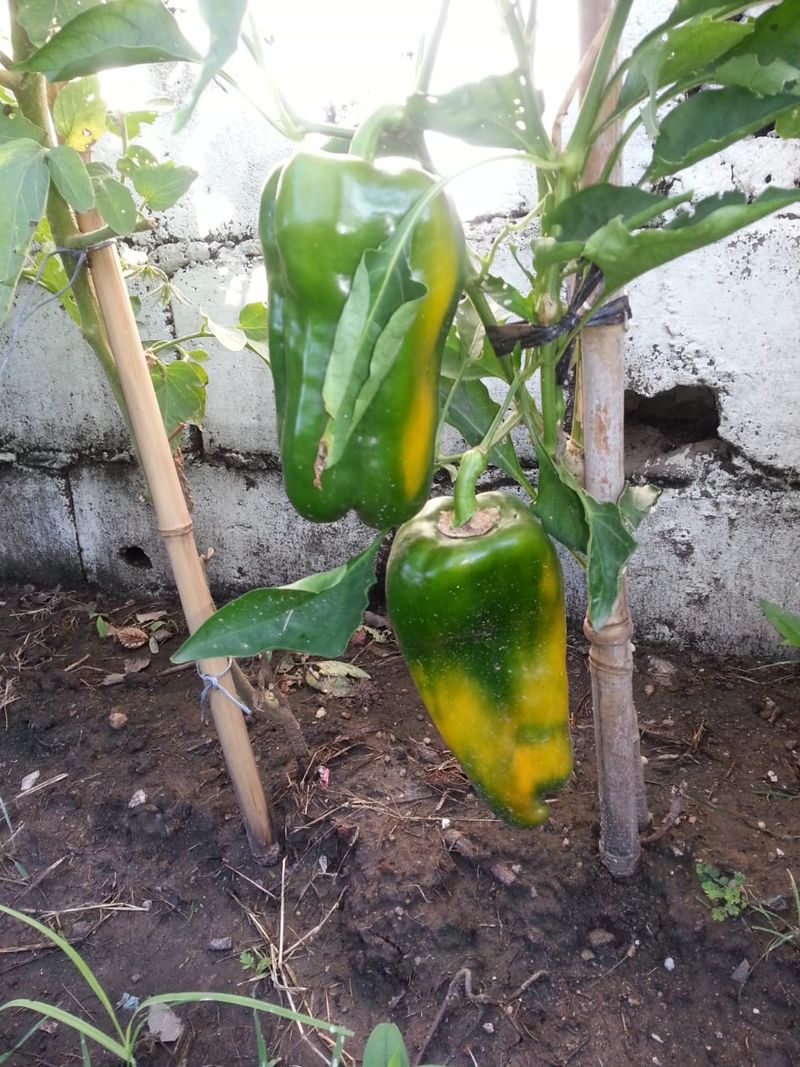
Once the signs add up and you know the season is ending, the most important thing you can do is get full-size fruit off the plant as soon as possible.
Peppers that have reached their mature size but are still green are ready to harvest right now.
They will not improve on the plant once temperatures drop and growth stalls. Leaving them out there longer does not make them better. It just puts them at risk from frost, disease, and soft spots from cool wet weather.
Full-size green peppers are mature and completely edible.
They simply have not gone through the color change that happens as sugars develop during ripening.
Red, yellow, and orange peppers start as green, and the color change takes additional warm time. That time has run out on the plant, but it has not run out on your kitchen counter.
Use clean garden scissors or pruners to cut peppers from the plant rather than pulling them.
Leave a short bit of stem attached to the pepper to slow moisture loss after harvest.
Sort your harvest by size and condition. Use any with soft spots or small blemishes first. Store firm, healthy peppers at room temperature if you plan to ripen them, or refrigerate them if you want to use them green.
Getting them off the plant now is the right move. Do not let a good harvest sit out in the cold.
7. Ripen Green Peppers Indoors
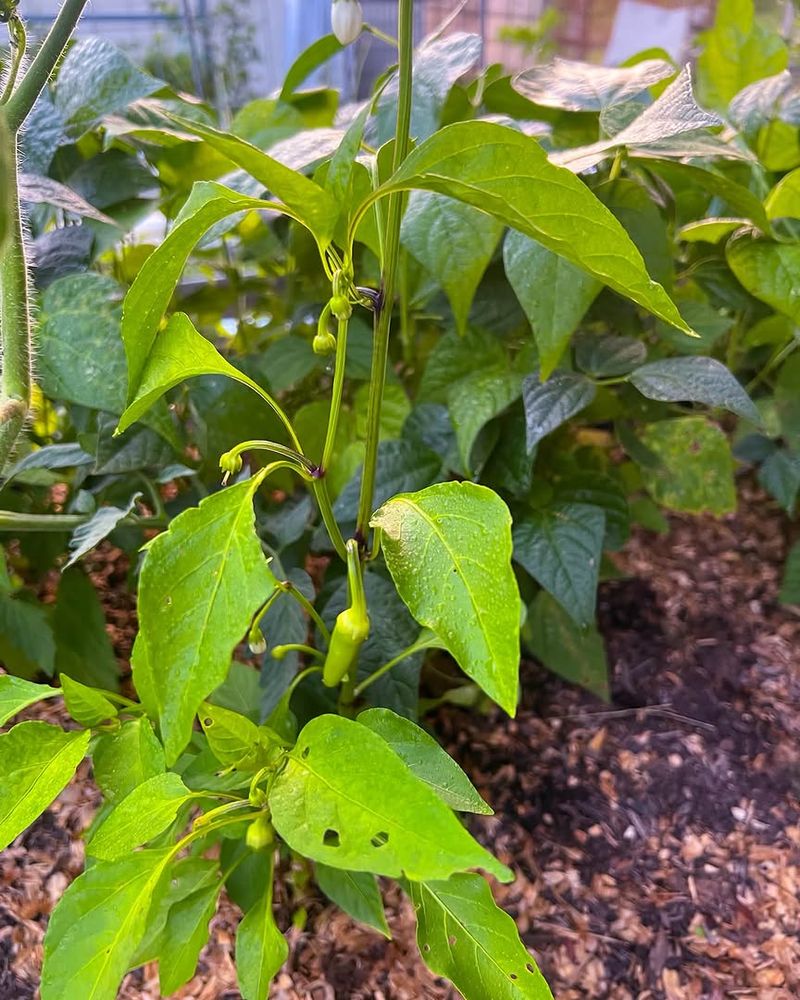
Bringing green peppers inside to ripen is one of those tricks that feels almost too simple to work, but it genuinely does.
Peppers continue to ripen after harvest as long as they were already full size when picked.
A small, underdeveloped pepper will not ripen indoors into a beautiful red bell. But a full-size green pepper that was just a few weeks away from turning color on the plant has a real shot at ripening in your kitchen.
Place harvested green peppers in a single layer at room temperature, away from direct cold drafts.
A spot near a sunny window works well. Room temperature between 65 and 70 degrees Fahrenheit is ideal for ripening.
Avoid putting them in the refrigerator if your goal is to ripen them, since cold temperatures slow or stop the ripening process entirely.
Check them every few days and rotate them gently so they ripen evenly on all sides.
Expect the process to take anywhere from one to three weeks depending on how close to ripe the pepper was when you harvested it.
Some will turn fully red, orange, or yellow. Others may only develop patches of color before softening. Use partially ripened peppers in cooked dishes where color matters less.
Fully ripened indoor peppers taste nearly as good as vine-ripened ones, and they are far better than letting a good harvest go to waste.
8. Plant Cool Season Crops Next
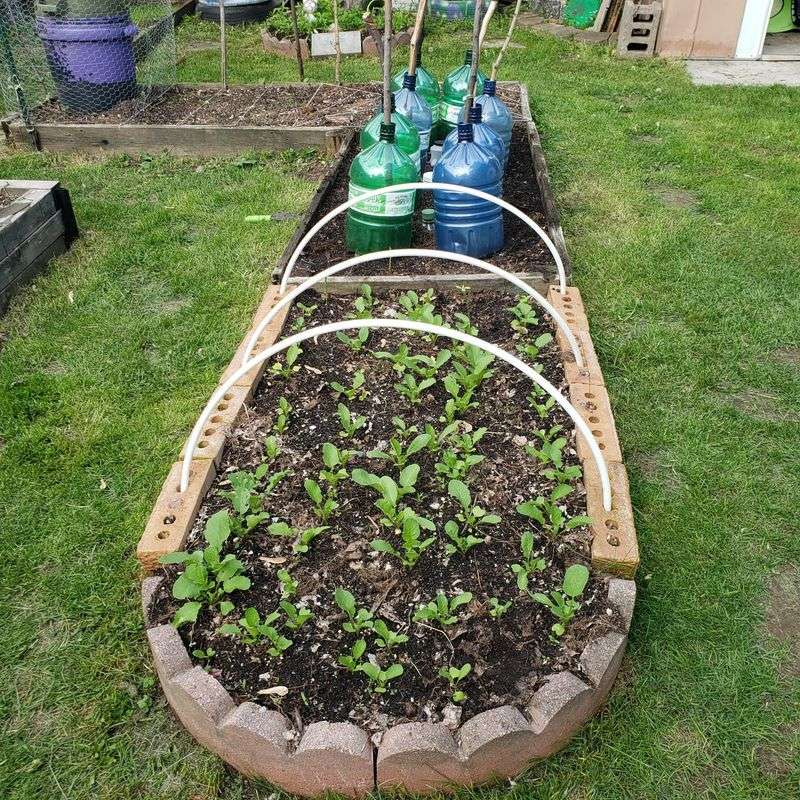
Pulling out spent pepper plants feels a little bittersweet, but it opens up some of the best gardening opportunities of the year.
Michigan’s fall season, even with its shorter window, is perfectly suited for cool-season crops that actually prefer the cooler air that made your peppers slow down.
Spinach, arugula, radishes, lettuce, and kale all thrive in the 45 to 65 degree temperatures that September and October bring to most of Michigan.
Before you plant anything new, take a few minutes to clean up the bed properly.
Remove spent pepper plants entirely, roots and all, to reduce the chance of overwintering pests or disease.
Michigan State University Extension recommends adding a layer of compost to the bed before replanting to restore nutrients that peppers pulled from the soil over the growing season.
Radishes are the speed champions of fall gardening and can be ready to harvest in as little as three to four weeks.
Spinach and lettuce can handle light frosts and will keep producing into late October in southern Michigan.
If you have a cold frame or row covers, you can extend the season even further.
Replacing your tired pepper bed with a fall crop is one of the most rewarding moves in the Michigan garden calendar.
The bed does not need to rest. You just need to give it something new to grow.