What Those Foamy Masses On Georgia Plants Actually Mean
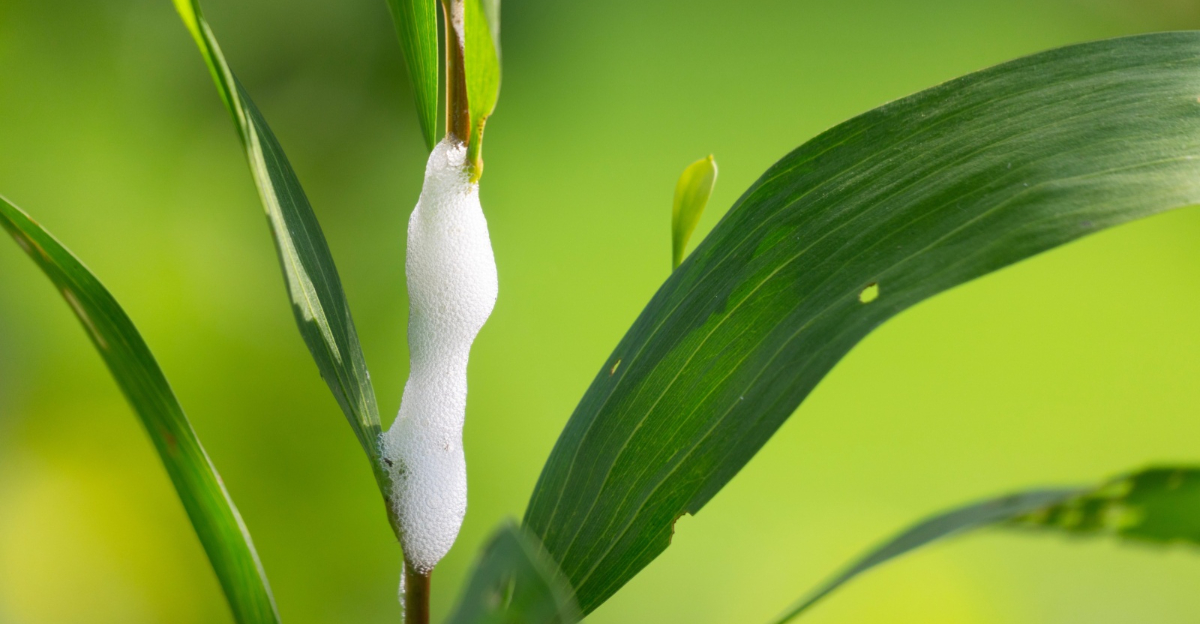
Few garden discoveries stop you in your tracks quite like finding small blobs of white foam tucked along your plant stems on a perfectly ordinary Georgia morning.
It looks bizarre, slightly alarming, and just strange enough to send most homeowners straight to their phones for answers.
The good news arrives quickly though: that frothy material is almost certainly the work of spittlebug nymphs, tiny sap-feeding insects that produce a bubbly protective covering while they feed.
It has nothing to do with plant disease, mystery fungi, or anything remotely as alarming as it looks.
Georgia gardeners run into these foamy little surprises more often than you might expect, especially in late spring and early summer when conditions are just right for spittlebug activity.
Understanding what you’re actually looking at makes the whole thing a lot less worrying and a lot more interesting.
1. Spittlebug Nymphs Are Hiding Inside
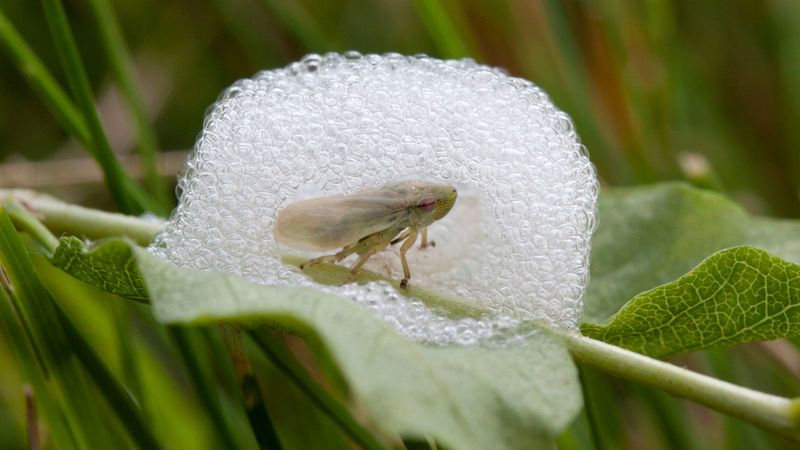
Peek beneath that blob of white froth clinging to your garden stems and you will likely find something unexpected: a small, soft-bodied insect larva tucked snugly inside.
These are spittlebug nymphs, the immature stage of the spittlebug, and they spend much of their early life hidden within the foamy covering they produce themselves.
Most Georgia homeowners spot them on ornamental perennials, native plantings, and tender new growth during the warmer months of spring and summer.
The nymph itself is small, usually pale yellow or green, and easy to overlook unless you take a close look. It positions itself on a plant stem, pierces the tissue to reach the sap below, and then releases a fluid that it whips into a bubbly froth using its abdomen.
The foam builds up quickly around the insect, creating what looks like a tiny soap bubble nest.
Many Georgia gardeners are startled the first time they find these masses on their flower beds or shrubs because the foam can appear almost overnight.
One day the plant looks fine, and the next morning a clump of white bubbles has appeared near a leaf joint or along a tender shoot.
Knowing that a nymph is responsible, rather than a disease or fungal issue, makes the discovery feel far less alarming and helps gardeners respond in a calm, measured way.
2. The Foam Is Not Really Spit
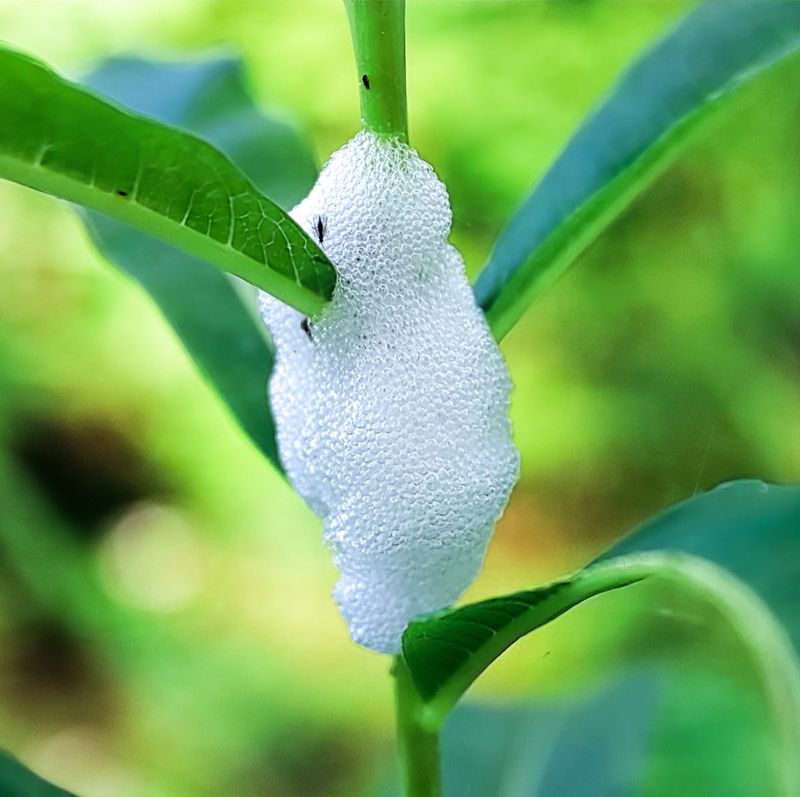
One of the most common misconceptions about these white masses is that they come from an animal, a frog, a snake, or some other creature passing through the garden. In reality, the frothy material has nothing to do with saliva from any animal at all.
The foam is produced entirely by the spittlebug nymph itself, using a combination of plant sap and a special fluid secreted from its abdomen.
The nymph draws sap from the plant stem and processes it internally. As it feeds, it releases a liquid from a gland near its abdomen and uses leg movements and air to whip the liquid into a light, airy foam.
The bubbles cling together tightly enough to form a stable covering that surrounds the insect completely. It may look like someone spit on your ornamental border, but the process is entirely biological and insect-driven.
Your Georgia Garden Changes Every Week. Your Plan Should Too.
Gardening in Georgia changes quickly throughout the season. Every Friday you’ll receive a simple weekly plan showing exactly what to plant, prune, fertilize, harvest, and protect so you never miss the right timing.
Across Georgia, warm and humid conditions during late spring create an environment where spittlebug nymphs thrive and foam production increases.
The moisture in the air actually helps the bubbles stay intact longer, which is why Georgia homeowners tend to notice these masses more during humid stretches of weather.
Understanding this process removes the mystery and replaces it with a straightforward explanation rooted in insect biology rather than folklore or guesswork about what creature visited the garden overnight.
3. The Bubbles Help Protect The Insect
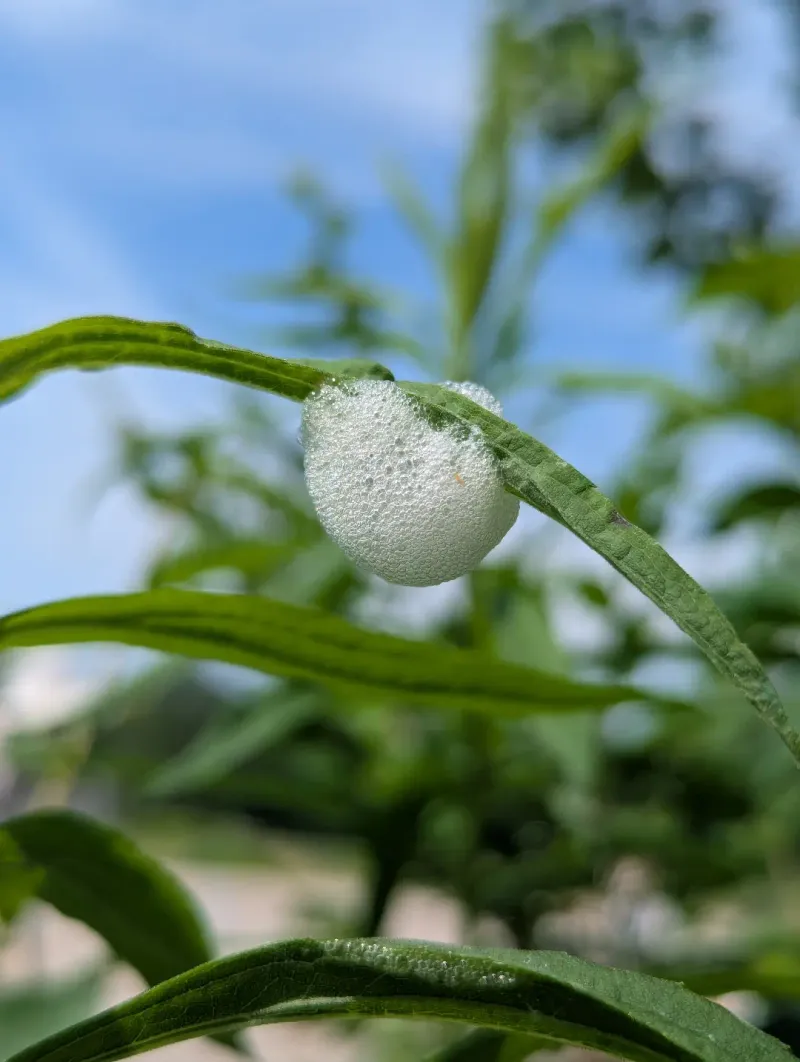
Soft-bodied insect larvae face a lot of threats in a busy garden environment. Predators such as birds and beneficial insects are always on the lookout for an easy meal, and dry weather can cause small insects to lose moisture quickly.
The foam covering produced by spittlebug nymphs addresses both of these challenges in a surprisingly effective way.
The frothy mass creates a humid microenvironment around the nymph, keeping the insect moist even during warm Georgia afternoons when temperatures rise and soil moisture drops.
Without that protective layer, the nymph would be far more vulnerable to drying out.
The foam also makes the insect harder to spot and less appealing to predators that rely on sight or touch to locate prey. Some predators simply avoid the wet, bubbly texture entirely.
There is also evidence that the foam contains compounds from the plant sap that may be mildly unpleasant to certain predators, adding another layer of protection beyond simple camouflage.
This combination of moisture retention, visual concealment, and possible chemical deterrence makes the foam a remarkably useful survival tool for such a small creature.
Georgia gardens provide plenty of lush plant material for nymphs to feed on, which means conditions for foam production are often ideal throughout spring and into early summer.
This is when nymphs are most active and most likely to be spotted by curious homeowners doing their regular garden walk.
4. They Feed By Sucking Plant Sap
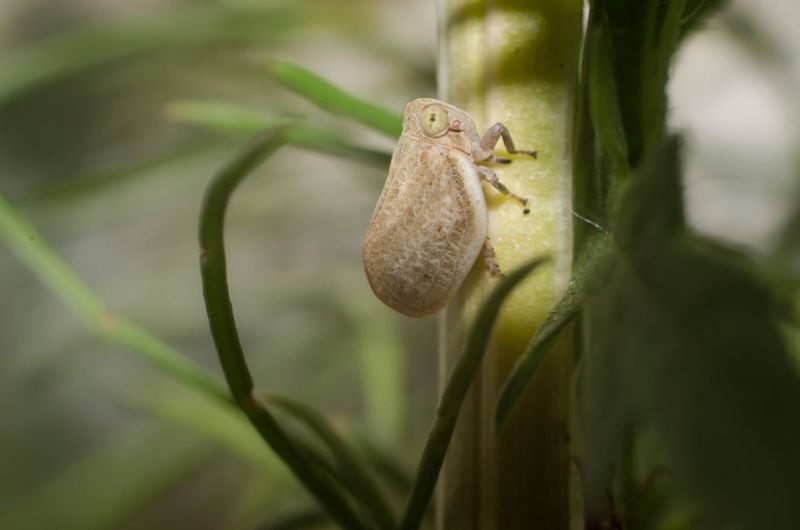
Beneath that frothy covering, something very specific is happening. The spittlebug nymph uses piercing mouthparts, similar in function to a tiny straw, to puncture the outer layer of the plant stem and draw out the sap flowing just beneath the surface.
This feeding behavior places spittlebugs in the same general category as aphids and scale insects, all of which rely on plant sap as their primary food source.
Plant sap is rich in sugars and nutrients, making it a reliable energy source for growing nymphs. The nymph feeds steadily while remaining hidden inside its foam mass, processing large amounts of sap relative to its body size.
Because sap contains more water than nutrients, the nymph must consume a significant volume to meet its nutritional needs, and the excess liquid is what gets converted into the foam surrounding it.
In Georgia home landscapes, spittlebug nymphs are commonly found on a wide range of plants, including ornamental grasses, perennials, strawberries, rosemary, and various flowering shrubs.
Tender new growth tends to attract them most because the sap in young stems flows more freely and is easier to access.
Gardeners who notice a slight wilting or distortion on young shoots near a foam mass may be seeing a mild feeding response, though this type of visible stress is typically minor and short-lived on established plants.
5. Most Ornamental Plants Are Not Seriously Harmed
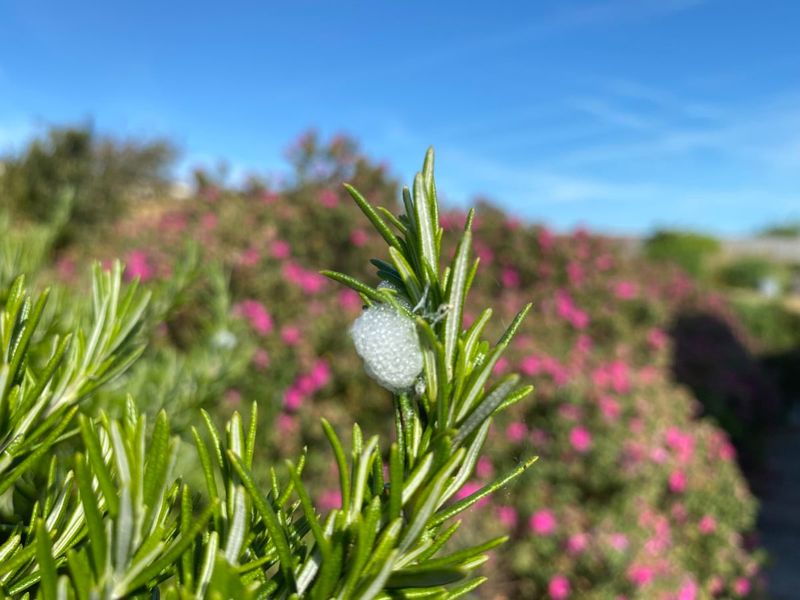
Spotting foam on a prized rose bush or a newly planted perennial border can feel alarming, but the reality is that most established ornamental plants in Georgia handle spittlebug nymphs without suffering major setbacks.
The feeding activity of one or even several nymphs on a healthy shrub or flowering perennial tends to cause cosmetic effects rather than deep structural damage to the plant.
Gardeners may notice slight curling on a few leaves, minor distortion on new growth tips, or a small patch of discoloration near where the foam mass was located.
These effects are usually temporary and tend to resolve on their own once the nymph matures and moves on.
Mature spittlebugs, known as froghoppers, leave the plant entirely and are far less noticeable than their nymph stage.
That said, younger plants, seedlings, and plants already under stress from drought or poor soil conditions may show a stronger response to feeding. In those cases, keeping an eye on the plant and removing the foam mass early can help the plant recover more quickly.
Vegetable garden edges and native plantings in Georgia are worth monitoring as well, since tender new growth is more susceptible than the tough, woody stems of mature ornamental shrubs.
Routine inspection during warm weather is a reasonable habit for any Georgia homeowner who wants to stay ahead of minor pest activity without overreacting to every foam mass that appears.
6. A Strong Water Spray Can Remove Them
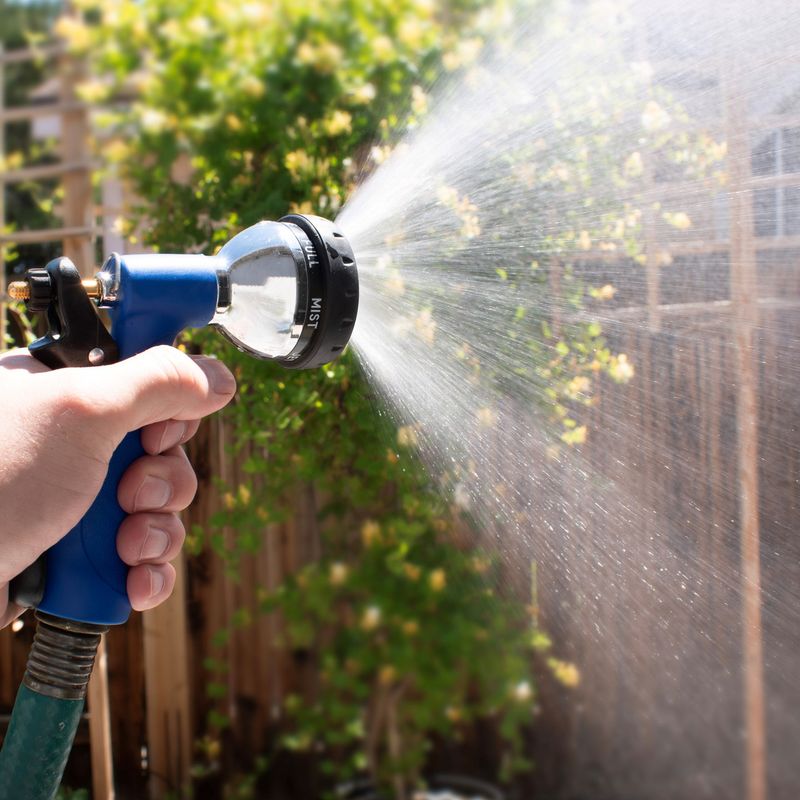
One of the most satisfying things about dealing with spittlebug nymphs is how straightforward the removal process can be. A firm spray of water from a garden hose is often all it takes to dislodge the foam and expose the nymph underneath.
Once the protective covering is washed away, the nymph is left vulnerable and may not survive without being able to rebuild its foam mass quickly enough.
For Georgia gardeners dealing with small numbers on ornamental shrubs or perennial beds, this approach is practical, low-cost, and does not require any special equipment or chemicals.
The best time to spray is during the morning, which gives the plant foliage time to dry out before evening and reduces the chance of moisture-related issues on the leaves.
Repeating the spray over a few consecutive days can be more effective than a single treatment.
Keep in mind that the goal is to disrupt the nymph before it reaches the adult stage, since adults are more mobile and harder to control through physical removal.
Checking plants regularly during late spring and early summer in Georgia gives homeowners the best chance of catching nymphs early, when foam masses are small and the population has not had time to spread across multiple stems.
Physical removal through water spray is widely recommended as a first response because it is targeted, effective for low numbers, and leaves beneficial insects in the garden unharmed.
7. Pesticides Are Usually Not The Best First Step
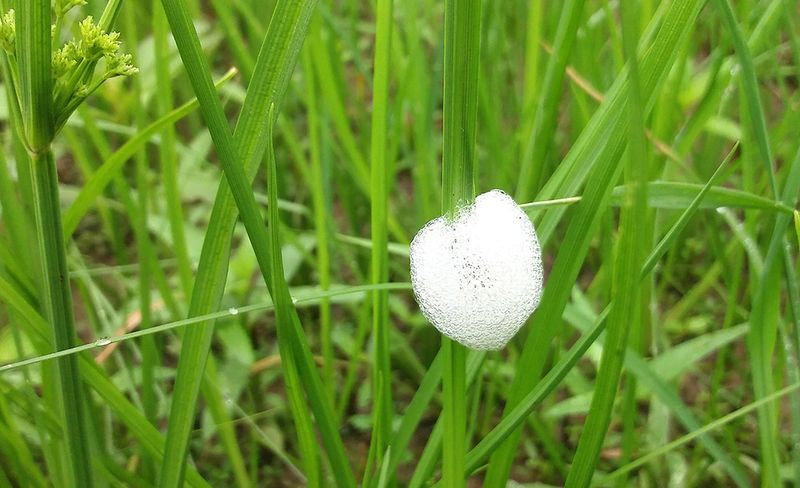
Reaching for a bottle of pesticide the moment you spot white foam on a plant is a common reaction, but it may not be the most effective or necessary response.
Spittlebug nymphs are actually quite well protected inside their foam mass, and many contact pesticides have difficulty penetrating the bubbly covering to reach the insect.
The foam acts as a physical barrier that can reduce the effectiveness of sprays that would otherwise work on exposed insects.
Beyond the practical challenge of reaching the nymph through the foam, pesticide use in ornamental gardens can have unintended effects on beneficial insects like bees, predatory wasps, and ladybugs that help keep other pest populations in check.
In Georgia gardens where pollinators visit flowering plants regularly, avoiding unnecessary pesticide applications helps protect the broader garden ecosystem.
Integrated pest management approaches recommend starting with the least disruptive option first, which in this case means physical removal through water spray, manual removal with a gloved hand, or simply tolerating low numbers on healthy plants.
If a larger infestation develops on a plant that is already stressed, or if foam masses are appearing across a wide area of the garden, consulting a local cooperative extension office for guidance specific to Georgia conditions is a reasonable next step.
Patience and observation often go further than chemical treatments when dealing with spittlebug nymphs on home landscape plants.
8. Correct Identification Prevents Overreaction
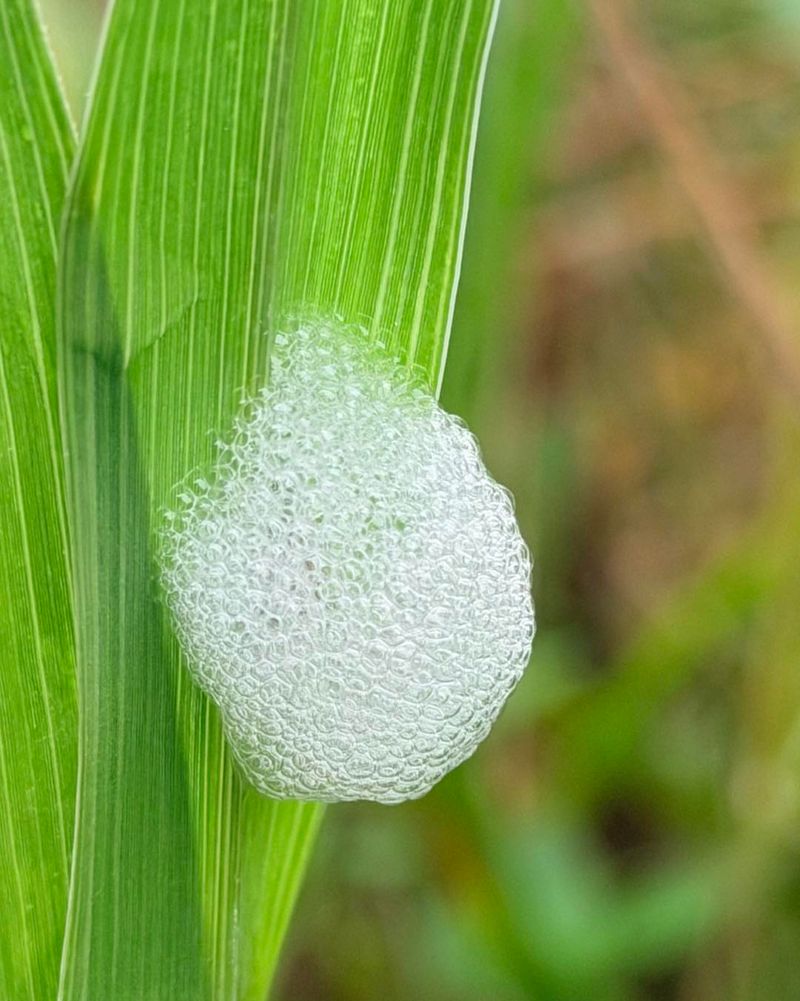
Worried plant owners sometimes assume the worst when they encounter something unfamiliar in the garden. White foam on a plant stem can be mistaken for a fungal disease, egg masses from an unknown pest, mold, or even a sign of chemical contamination.
Taking a moment to look closely before taking action can save time, money, and unnecessary stress about the health of the plant.
A simple inspection is usually enough to confirm a spittlebug nymph. Gently wipe away or rinse off the foam and look for the small, soft-bodied nymph resting directly on the stem.
If you find a tiny pale insect near the stem surface with no visible wings, that is almost certainly a spittlebug nymph doing exactly what it is built to do. No lab test or professional consultation is needed for most cases in Georgia home gardens.
Correct identification also helps homeowners avoid applying the wrong treatment. Fungal issues require entirely different management strategies than insect pests, and treating a spittlebug infestation as though it were a disease will not produce good results.
Georgia extension resources and university-based horticultural guides offer helpful photographs and descriptions that make identification straightforward for most homeowners.
Building the habit of identifying a problem before responding to it leads to better outcomes in the garden and a calmer, more confident approach to managing whatever shows up on plants throughout the season.