This Native Georgia Wildflower Thrives In Shade Where Other Flowers Struggle
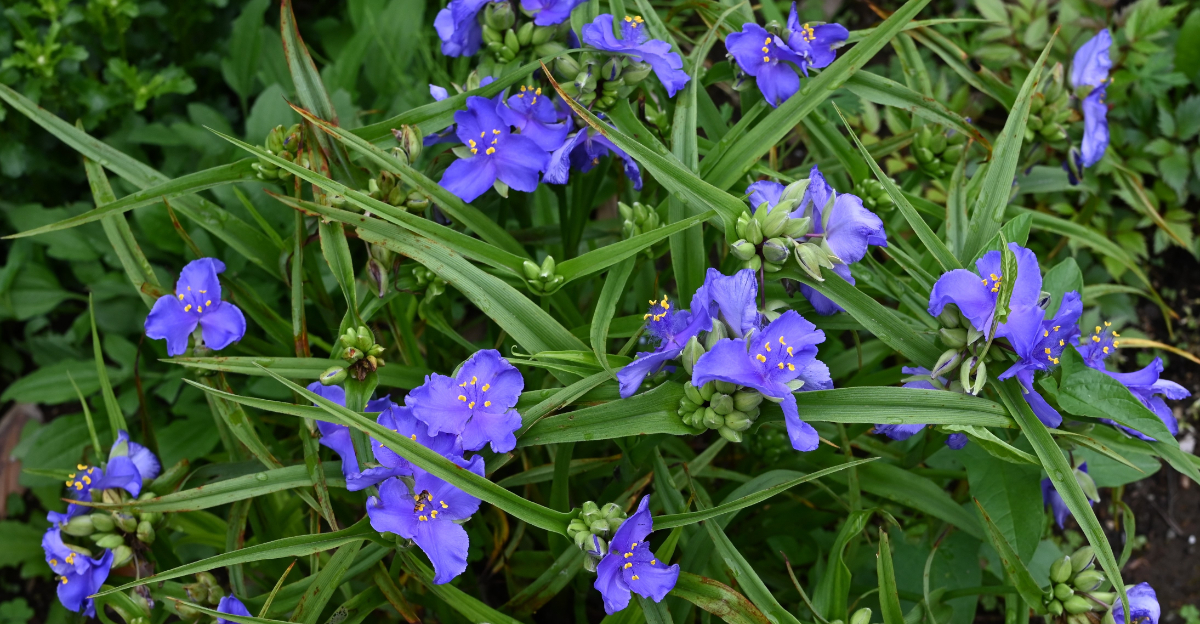
Every yard seems to have that one spot that never cooperates. You try a few flowers, give them a chance to settle in, and hope for the best.
For a while things look promising. Then the blooms fade, growth slows down, and that shady corner goes right back to looking empty.
After enough disappointment, many people stop trying altogether.
What makes this even more frustrating is that shade often covers some of the nicest parts of a yard. Mature trees provide relief from summer heat, but they can also make planting feel like a guessing game.
Not every flower is willing to put on a good show without plenty of sunshine.
That is why it is always exciting to find a plant that genuinely prefers conditions others struggle with. Georgia is home to a native wildflower that does exactly that.
Once you see where it thrives, you may start looking at shady areas in a completely different way.
1. Ohio Spiderwort Brings Reliable Color To Shady Beds
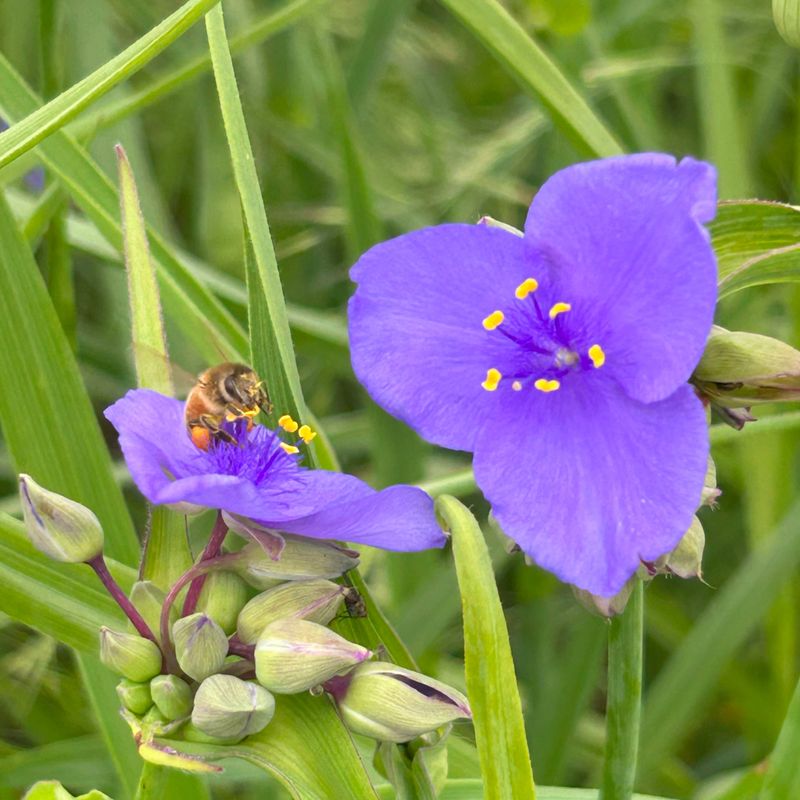
Blue-violet blooms in a shaded bed are rare, and Ohio Spiderwort pulls it off without any fuss. Native to the eastern United States, this wildflower produces clusters of three-petaled flowers in shades ranging from deep purple to soft lavender.
Each bloom only lasts a single day, but new ones open every morning throughout spring and into early summer.
Planted under trees or along shaded borders, it fills in quickly and creates a lush, layered look. The strap-like leaves stay green and upright even after blooming slows down.
That foliage alone adds structure to spots where most plants look scraggly or sparse.
Pollinators absolutely love it. Bees, especially bumblebees, visit the flowers regularly.
Butterflies stop by too, making a shaded corner feel surprisingly alive during peak bloom season.
Unlike many shade-tolerant plants that bloom in white or pale pink, Spiderwort brings real color to a dim space. Gardeners in the Southeast often find it growing wild along roadsides and creek banks, which tells you something about its toughness.
It does not need pampering. Plant it once, give it reasonable care, and it will come back stronger every spring without much help from you at all.
2. Choose A Spot With Morning Sun And Afternoon Shade
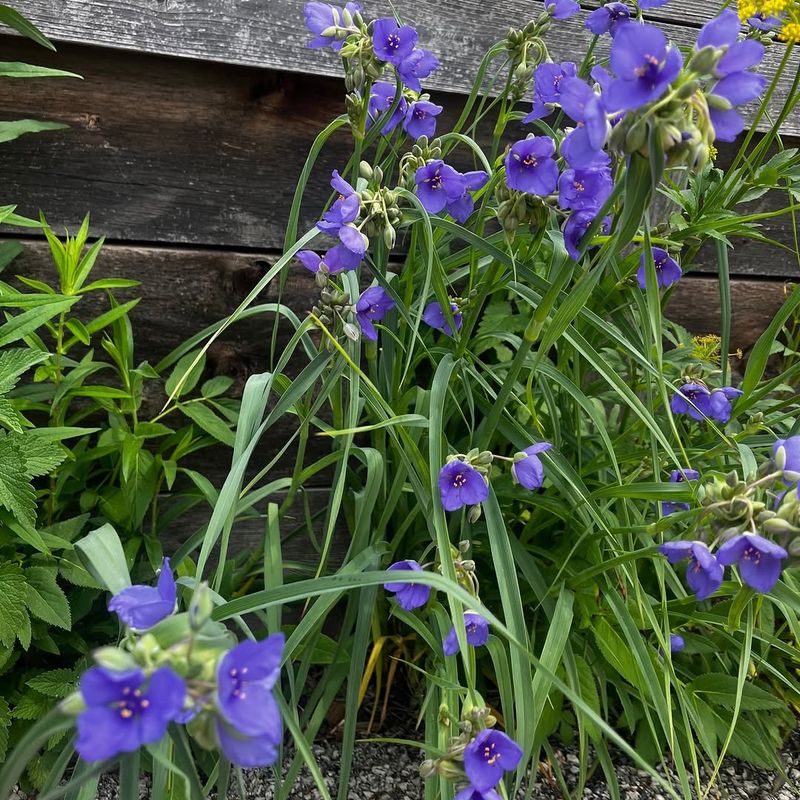
Placement makes or breaks this plant. Ohio Spiderwort performs best where it catches a few hours of direct morning light before shade rolls in by midday.
Full deep shade all day long tends to reduce flowering, while harsh afternoon sun can scorch the leaves and stress the plant during hot months.
East-facing beds work particularly well. A spot along the east side of a house, fence, or tree line gives the plant that ideal balance.
Morning light energizes growth and supports blooming, while afternoon shade protects it from the intense heat common across the Southeast from June through August.
Under deciduous trees is another great option. Early spring sunlight reaches the ground before the canopy fills in, which gives the plant a strong start.
Once the tree leafs out fully, the shade arrives right when summer heat peaks.
Your Georgia Garden Changes Every Week. Your Plan Should Too.
Gardening in Georgia changes quickly throughout the season. Every Friday you’ll receive a simple weekly plan showing exactly what to plant, prune, fertilize, harvest, and protect so you never miss the right timing.
Avoid planting in low spots where water pools after rain. Standing water around the roots causes problems over time.
Good air circulation also helps prevent fungal issues during humid stretches.
3. Plant In Soil That Holds Moisture Well
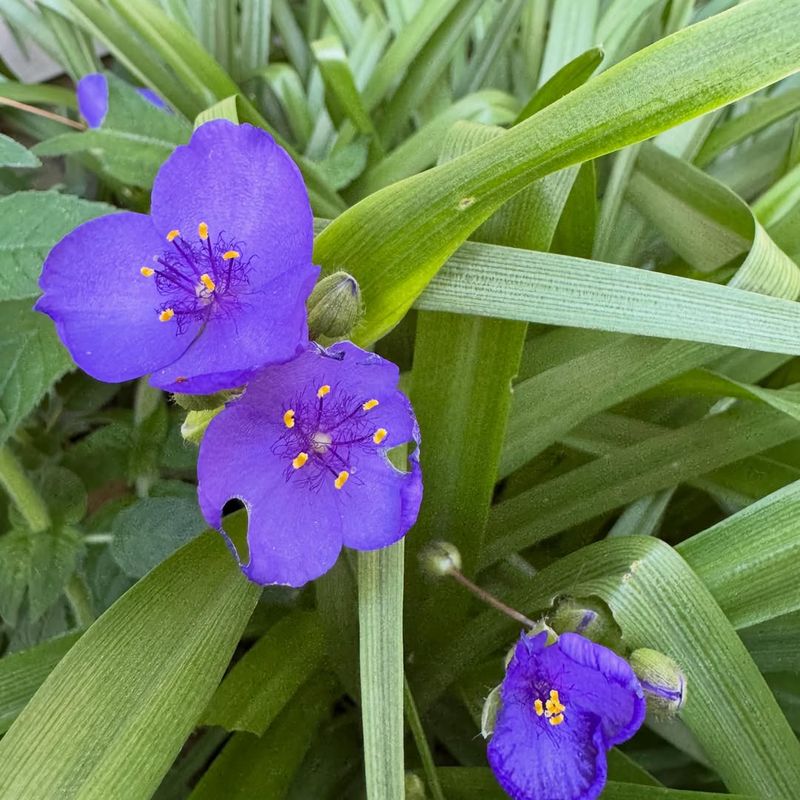
Soil quality shapes how well this plant establishes in its first season. Ohio Spiderwort naturally grows along stream banks and woodland edges, so it prefers soil that stays consistently moist without becoming waterlogged.
Sandy or overly dry soil leads to slow growth and fewer blooms.
Before planting, work a few inches of compost into the bed. Compost improves moisture retention in sandy soils and loosens compacted clay so roots can spread more easily.
You do not need expensive amendments. Basic garden compost or aged leaf mulch does the job well.
Aim for a slightly acidic to neutral soil pH, roughly between 5.5 and 7.0. Most native woodland soils in the region fall naturally in that range, which makes preparation straightforward.
A simple soil test from a local extension office can confirm where your bed stands if you are unsure.
Plant at the same depth the transplant was growing in its nursery pot. Burying the crown too deep can slow establishment.
Set plants about 12 to 18 inches apart to allow airflow and room for the clumps to fill in naturally over two or three seasons.
4. Add Mulch To Keep Roots Cool In Summer
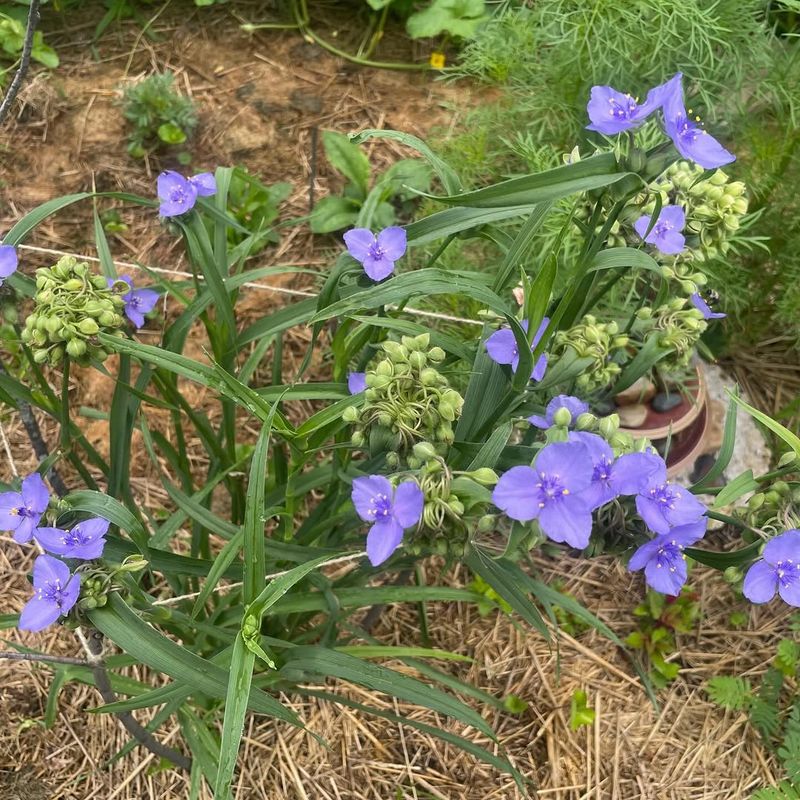
Summer heat in the Southeast is no joke, and even shade-loving plants feel the stress when soil temperatures climb. A two to three inch layer of mulch around Spiderwort plants makes a real difference.
It insulates the root zone, slows moisture evaporation, and keeps the surrounding soil from baking between waterings.
Shredded bark, pine straw, or leaf mulch all work well. Pine straw is especially practical in this region because it is widely available, breaks down slowly, and allows water to pass through easily without compacting.
Avoid piling mulch directly against the base of the stems. Leave a small gap to allow airflow right at the crown.
Apply mulch in late spring, just before summer heat arrives. Refreshing the layer in fall helps protect roots during occasional cold snaps and adds organic matter to the soil as it breaks down over winter.
Over time, decomposing mulch actually improves soil structure without any extra effort on your part.
Mulch also suppresses weeds, which is a bonus in shaded beds where weeding can be awkward. Fewer weeds mean less competition for water and nutrients during the growing season.
5. Water During Extended Dry Periods
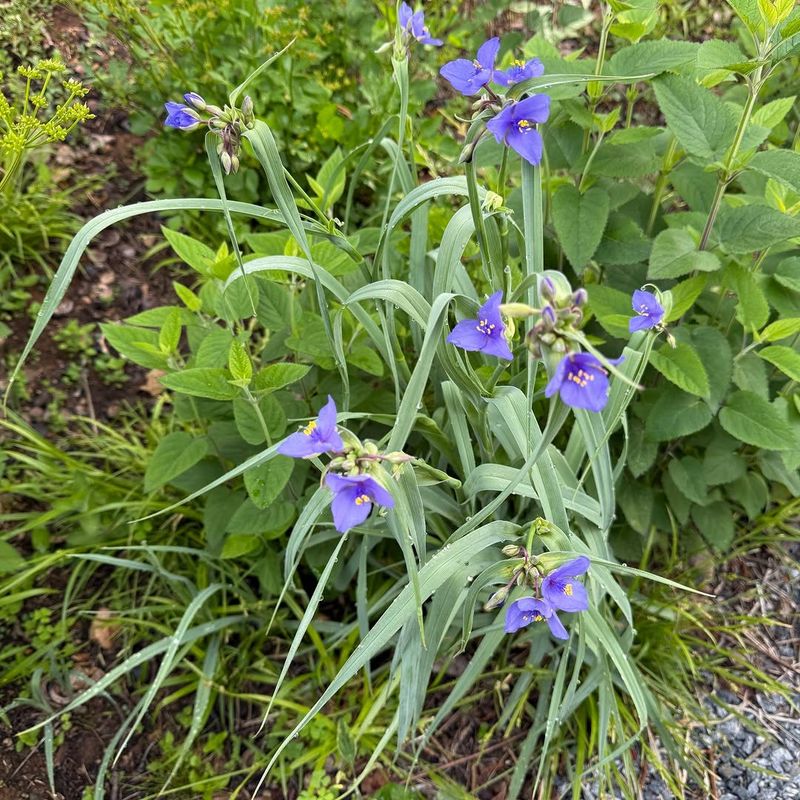
Established Spiderwort is reasonably drought-tolerant once its roots are settled, but extended dry spells still take a toll. When rainfall is absent for two weeks or more, supplemental watering becomes necessary, especially during the peak heat of summer.
Leaves may begin to yellow or droop as a signal that the plant needs moisture.
Water deeply rather than frequently. A slow, thorough soak every seven to ten days during dry periods encourages roots to grow deeper into the soil.
Shallow, frequent watering keeps roots near the surface where they are more vulnerable to heat and drought stress.
Water in the morning when possible. Morning watering gives foliage time to dry before evening, which reduces the risk of fungal problems during humid stretches.
Avoid wetting the leaves unnecessarily. Aim the water at the base of the plant instead.
Newly planted Spiderwort needs more attention than established clumps. During the first growing season, check soil moisture regularly and water whenever the top inch feels dry.
Consistent moisture during this window helps roots spread out and anchor the plant properly before its first winter.
6. Divide Established Clumps Every Few Years
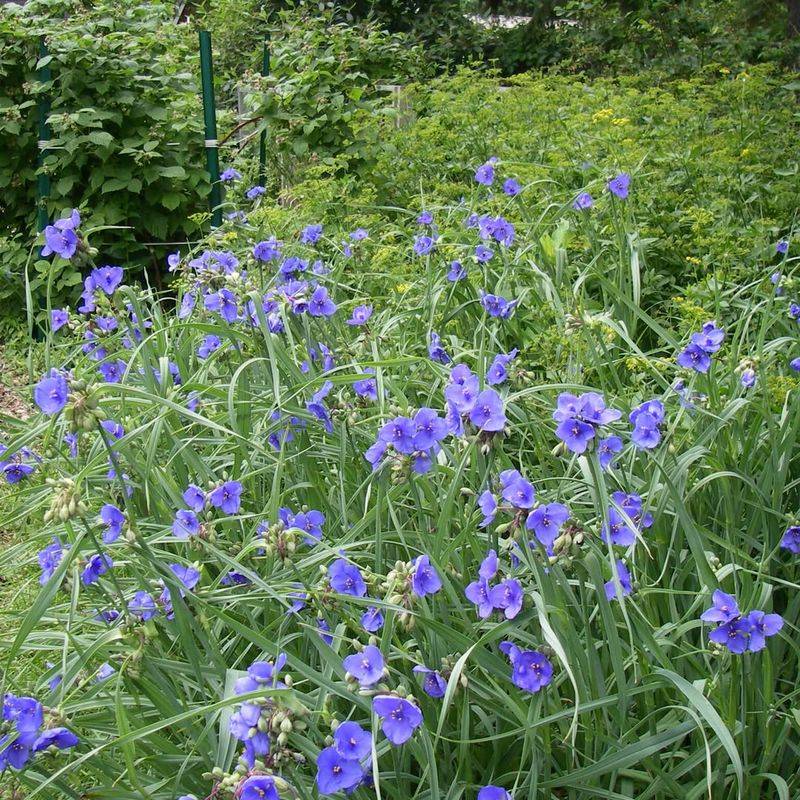
Spiderwort clumps grow steadily over the years, and that is a good thing, up to a point. After three or four seasons, a large clump can become crowded in the center.
When that happens, flowering tends to decrease and the overall plant looks less vibrant. Division refreshes the clump and actually improves performance.
Early spring is the best time to divide, just as new growth begins to emerge from the soil. At that stage, the plant has not invested energy into leaves yet, which makes the transition less stressful.
Fall division works too, though spring tends to give divided sections more time to establish before summer arrives.
Use a sharp spade or garden fork to lift the entire clump. Pull it apart into sections, each with a few healthy stems and a good root mass attached.
Discard any sections from the very center of the clump if they look weak or hollow.
Replant divided sections at the same depth they were growing before. Space them 12 to 18 inches apart.
Water thoroughly after replanting and keep the soil consistently moist for the first few weeks while roots reestablish in their new positions.
7. Leave Enough Space For Natural Growth
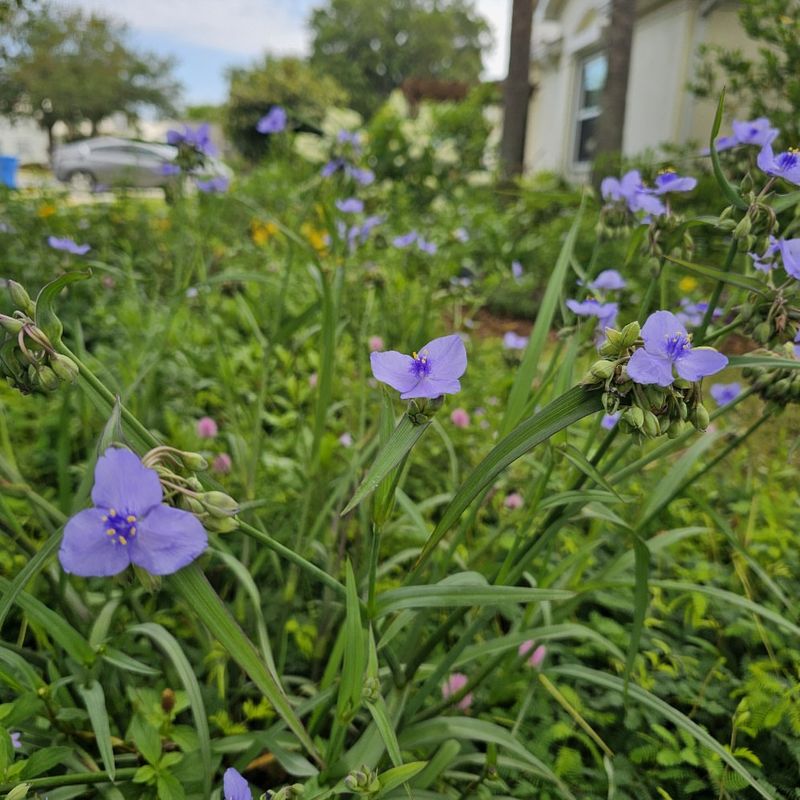
Crowding is one of the most common mistakes gardeners make with native perennials. Spiderwort spreads gradually through both clump expansion and self-seeding, so giving it room from the start prevents problems later.
Plants set too close together compete for water and airflow, which can invite disease and reduce flowering over time.
Space transplants at least 12 to 18 inches apart when planting. That gap might look sparse at first, but clumps fill in noticeably within two growing seasons.
Resist the urge to plant more densely just to fill the space right away.
Self-seeding is worth understanding before you plant. Spiderwort drops seeds freely, and seedlings can pop up nearby the following spring.
Some gardeners welcome this because it fills in a bed naturally. Others prefer to deadhead spent flowers to limit spreading in more formal garden designs.
Leave room along pathways and bed edges so plants do not flop over onto walkways. Spiderwort stems can get tall and floppy after blooming peaks, especially in shadier spots with less light.
Cutting stems back by about half in midsummer encourages compact regrowth and sometimes triggers a second flush of blooms later in the season.