These Georgia Plants Create A Dense Privacy Screen Along Fences Faster Than You’d Think
Fences in a Georgia yard rarely give the kind of coverage people expect, especially once everything around them fills in for the season. Gaps stay visible, views feel too open, and waiting years for plants to mature can test anyone’s patience.
Some plants handle this job much faster than others, settling in quickly and putting on steady growth once conditions warm up. Early progress can look subtle at first, then suddenly the space starts to feel more enclosed and comfortable.
Choosing the right mix makes a noticeable difference, not just for speed but for how full and natural the screen looks over time.
With a few smart picks, that bare fence line can shift into something that feels established far sooner than expected.
1. American Holly Forms A Thick Evergreen Screen With Strong Growth
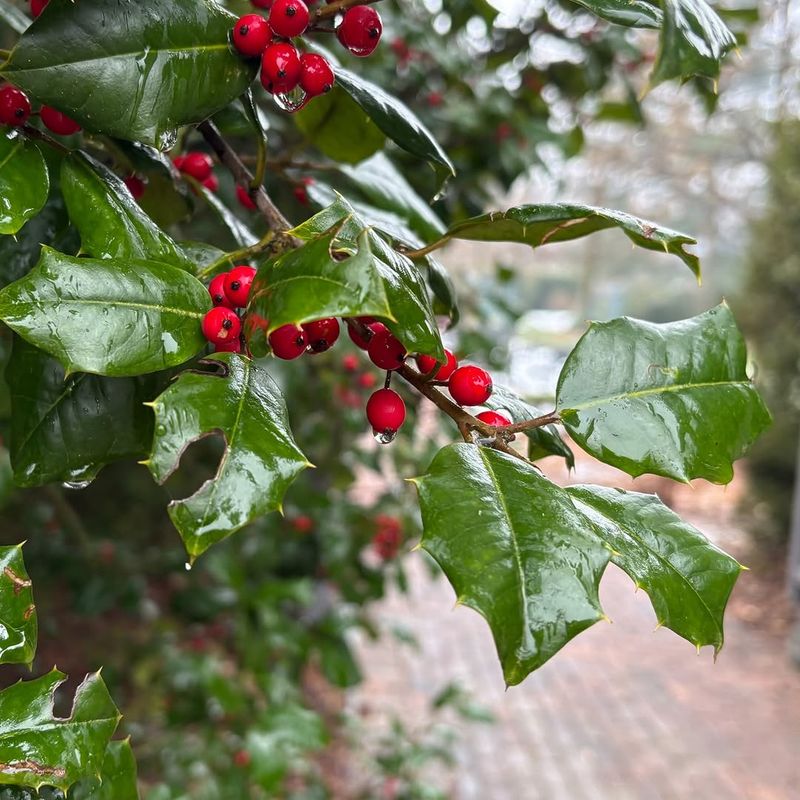
Few plants pull double duty quite like American Holly does in a Georgia landscape. It stays green all year, grows into a dense wall of foliage, and actually looks better in winter when those bright red berries pop against the dark leaves.
If you want something that never goes bare, this is a serious contender.
American Holly can reach anywhere from 15 to 30 feet tall at full maturity, but you can keep it trimmed to whatever height fits your fence line. It grows at a moderate pace, typically adding one to two feet per year under good conditions.
Plant it in full sun to partial shade, and make sure the soil drains well. Georgia clay can be tricky, so mixing in some compost before planting really helps the roots establish.
One thing worth knowing upfront: you usually need both a male and female plant nearby to get berries. Most nurseries in Georgia carry both, and the staff can point you in the right direction.
Space plants about six to eight feet apart if you want a tight screen, and water consistently during the first two summers while the roots settle in. Once established, American Holly handles Georgia heat and humidity surprisingly well without much fuss.
Light pruning in late winter helps maintain a dense, uniform shape without interrupting the next season’s growth.
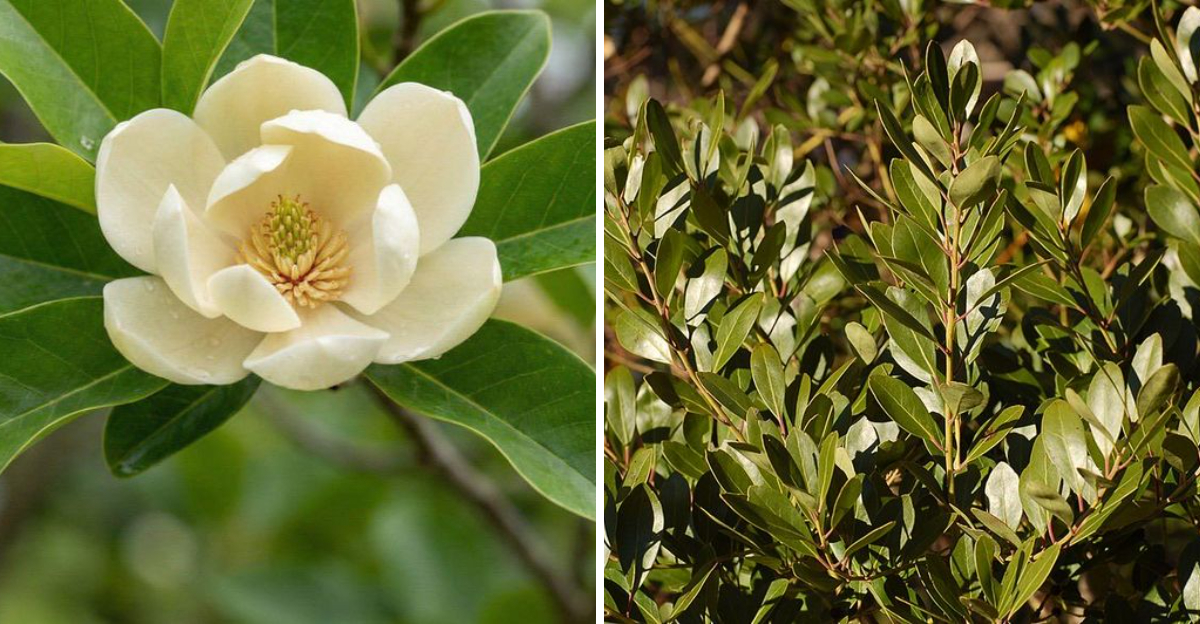
2. Sweetbay Magnolia Grows Dense And Handles Moist Soils Well
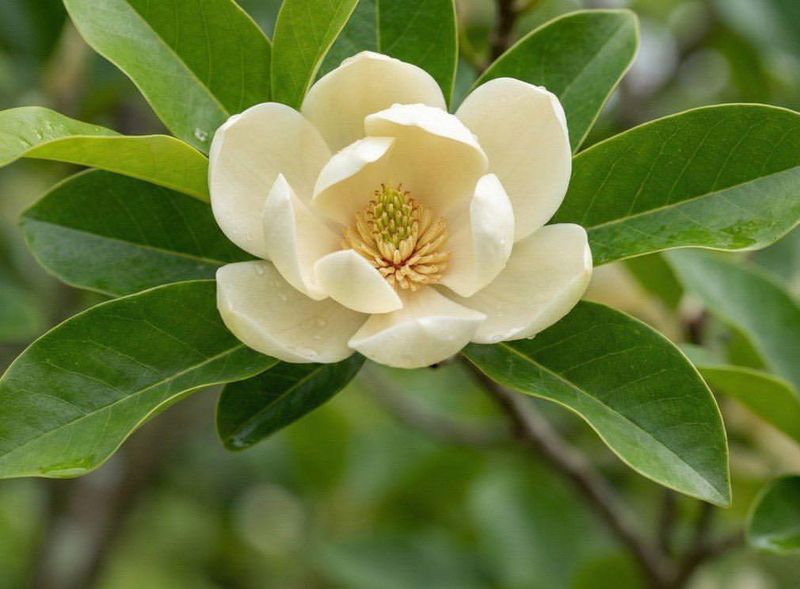
Got a soggy corner of the yard where nothing seems to grow? Sweetbay Magnolia was practically made for those spots.
Unlike many privacy plants that struggle in wet or poorly drained soil, this one actually thrives there, making it a smart pick for low-lying Georgia properties that collect water after heavy rains.
Sweetbay Magnolia grows as a large shrub or small tree, typically reaching 10 to 20 feet depending on conditions and pruning. In warmer parts of Georgia, it stays semi-evergreen through most of the winter, which means your screen holds up even during the cooler months.
Growth rate lands around one to two feet per year, and the white, lemon-scented flowers that appear in late spring are a genuine bonus nobody complains about.
Planting in full sun gives you the fastest and densest growth, but partial shade works too, especially in hot inland Georgia summers. Space plants about eight to ten feet apart for a natural-looking screen, or tighter if you want faster coverage.
Your Georgia Garden Changes Every Week. Your Plan Should Too.
Gardening in Georgia changes quickly throughout the season. Every Friday you’ll receive a simple weekly plan showing exactly what to plant, prune, fertilize, harvest, and protect so you never miss the right timing.
Keep young plants watered regularly during establishment, particularly through Georgia’s dry summer stretches. Sweetbay is also relatively resistant to pests and disease, which means less intervention on your end once it gets going.
It’s a low-drama plant that delivers solid results over time.
Adding a layer of mulch around the base helps retain moisture and keeps roots more stable during temperature swings.
3. Florida Anise Builds A Full Screen In Partial Shade Areas
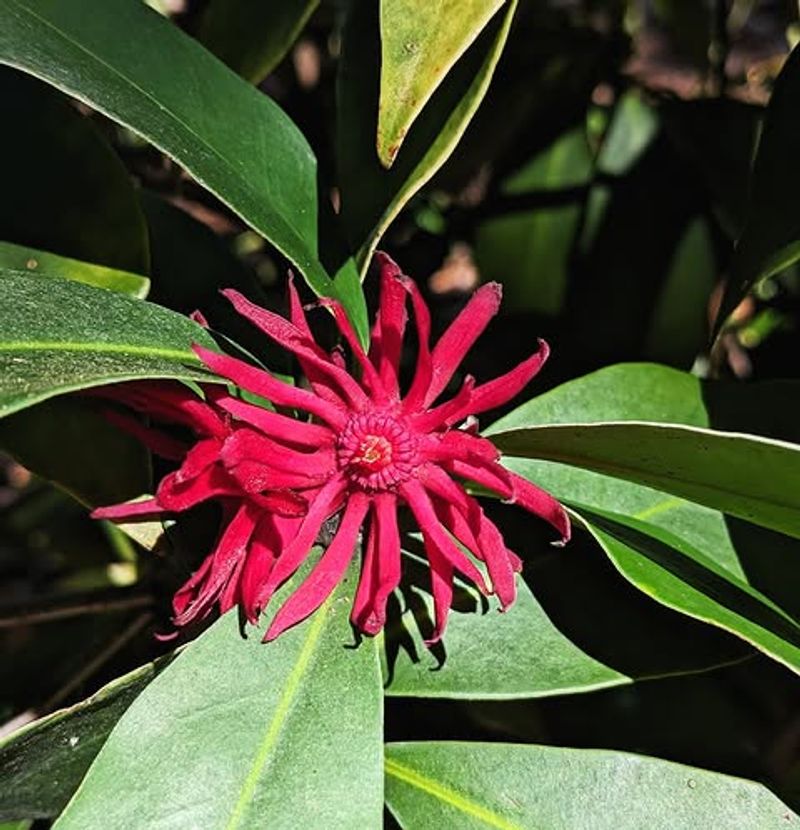
Shade is usually the enemy of a good privacy screen, but Florida Anise flips that script entirely. Most fast-growing screening plants demand full sun, which leaves shaded fence lines looking sparse and disappointing.
Florida Anise steps in where others give up, filling in beautifully under tree canopies or along north-facing fences that rarely see direct sunlight.
Native to the southeastern United States, Florida Anise is already adapted to Georgia’s climate, humidity, and occasional cold snaps. It grows as a dense, multi-stemmed evergreen shrub reaching six to fifteen feet tall, and it holds its foliage year-round without much coaxing.
Growth rate is moderate, so patience helps, but the payoff is a genuinely thick, full screen that doesn’t leave gaps at the bottom where privacy matters most.
Crush a leaf between your fingers and you’ll notice a strong anise scent, which is part of what makes this plant memorable. It does best in moist, well-drained, acidic soil, which lines up well with many Georgia garden conditions.
Avoid planting it in areas with standing water or extremely dry, compacted clay. Space shrubs about four to six feet apart to encourage faster screening.
One important note: all parts of Florida Anise are toxic if eaten, so keep that in mind if pets or small children use the yard regularly.
A yearly light trim helps it stay dense from top to bottom and keeps the screen looking full instead of leggy over time.
4. Carolina Cherry Laurel Creates A Solid And Long Lasting Barrier
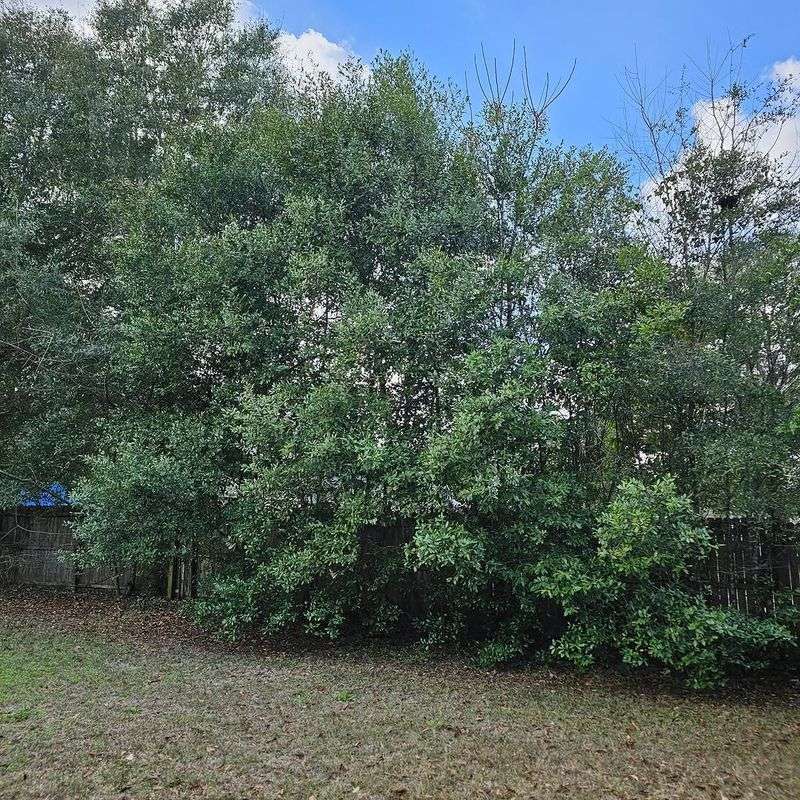
Carolina Cherry Laurel is one of the most reliable fence-line plants you can put in the ground across Georgia. It grows fast, fills in thick, tolerates a wide range of soil conditions, and stays green all twelve months of the year.
Gardeners who want a no-nonsense privacy solution without a lot of maintenance headaches keep coming back to this one.
Under good conditions, Carolina Cherry Laurel can push two to three feet of new growth per year, which is impressive for an evergreen. It handles full sun and partial shade, tolerates drought once established, and adapts to both sandy and clay-heavy Georgia soils with reasonable ease.
Left unpruned, it can grow into a small tree reaching 20 to 40 feet, but regular trimming keeps it at whatever hedge height you prefer.
Space plants about five to eight feet apart depending on how quickly you need coverage. Closer spacing fills in faster but costs more upfront.
Pruning once or twice a year keeps the shape tidy and encourages denser interior branching, which actually improves the privacy over time. One thing to be aware of: the leaves and seeds contain compounds that are harmful if ingested, so it’s worth knowing that before planting in yards with grazing animals.
Across most of Georgia, Carolina Cherry Laurel performs consistently well and earns its reputation as a go-to screening plant.
5. Inkberry Holly Stays Compact And Forms A Tight Hedge
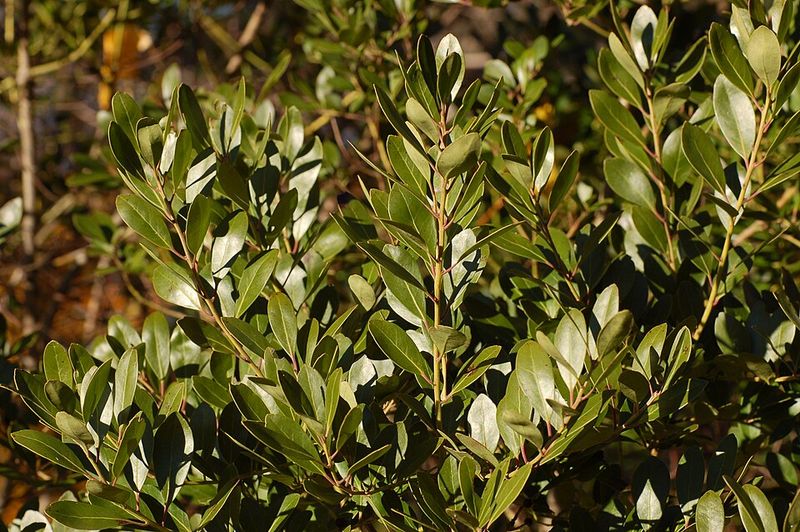
Not every yard needs a towering privacy wall. Sometimes you want something lower, tidier, and easier to manage without hauling out a ladder twice a year.
Inkberry Holly fits that need perfectly, growing into a dense, rounded shrub that stays naturally compact and requires very little shaping to look clean along a fence line.
Inkberry is a native Georgia plant, which means it already knows how to handle the region’s heat, humidity, and occasional cold winters. It grows best in moist to wet soils, making it a top pick for low spots in the yard that stay damp after rain.
Full sun to partial shade both work well, and the plant is naturally resistant to most pests and diseases that commonly affect ornamental shrubs in the South.
Mature plants typically reach four to eight feet tall and spread about as wide, creating a solid mass of dark green foliage that holds up year-round. Growth rate is moderate, so expect two to three years before you have a truly full screen.
Space plants four to five feet apart to encourage them to knit together into a continuous hedge. The small black berries that appear in fall are a nice bonus, attracting birds to your yard through winter.
Inkberry Holly may not be the flashiest option on this list, but in the right spot across Georgia, it’s genuinely hard to beat for reliability.
6. Chindo Viburnum Grows Fast And Creates A Dense Privacy Wall
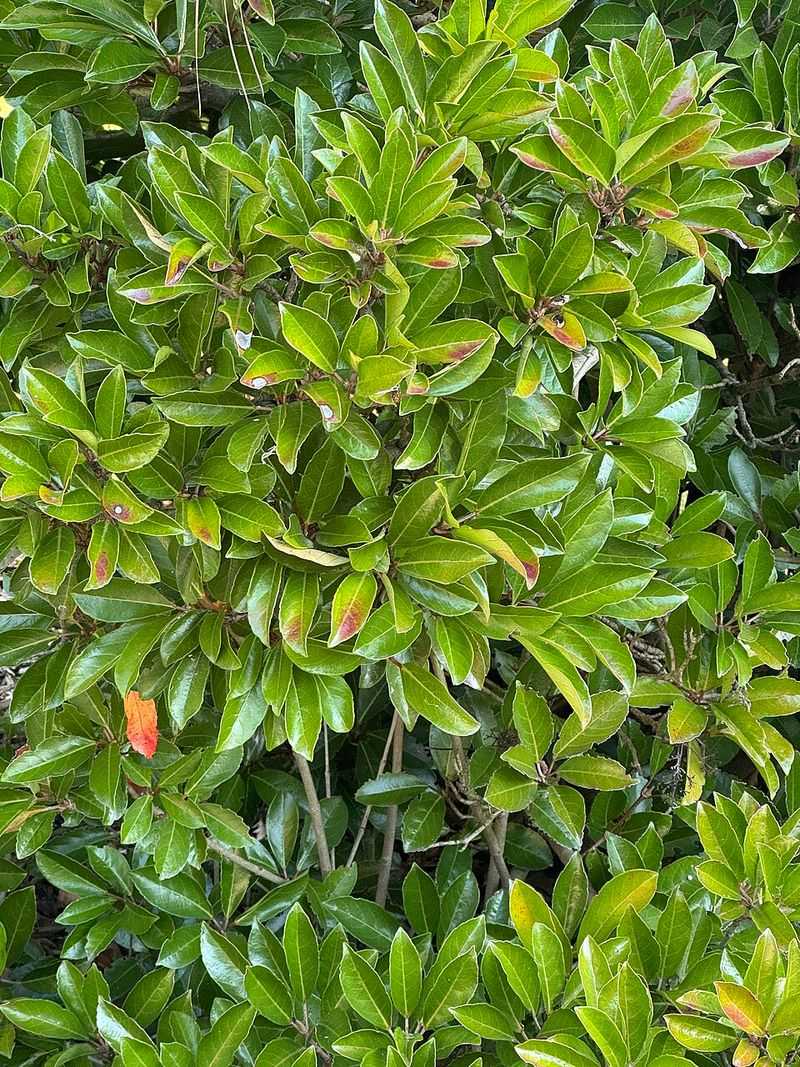
Speed matters when you’re staring at a fence with no privacy. Chindo Viburnum is one of the fastest-growing evergreen screening plants available to Georgia gardeners, and it doesn’t sacrifice density for that speed.
Within just a few seasons, a properly spaced row of Chindo can form a wall of glossy green foliage that blocks views effectively from nearly every angle.
Chindo Viburnum, sometimes called Awabuki Viburnum, typically grows two to three feet per year under favorable conditions. It reaches 8 to 12 feet tall at maturity and develops a naturally upright, dense form that works beautifully along fence lines without constant pruning.
Full sun produces the fastest and thickest growth, though partial shade is tolerated. Georgia’s long warm season gives Chindo plenty of time to put on strong growth each year.
Space plants five to six feet apart if you want a solid screen within two to three years. Clusters of small white flowers appear in spring and carry a noticeable fragrance, which is a pleasant surprise for a plant primarily chosen for its screening ability.
Chindo handles Georgia’s heat and humidity well, but it does benefit from consistent moisture during establishment. Watch for scale insects, which occasionally show up on viburnums in the South.
Catching them early with appropriate treatment keeps the plant looking its best season after season.
7. Osmanthus Forms A Fragrant And Dense Evergreen Screen
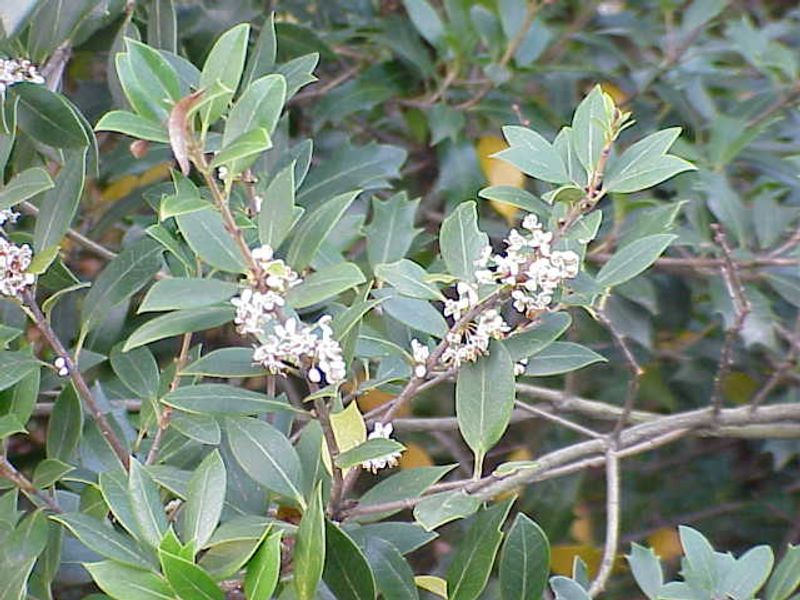
Walk past a blooming Osmanthus on a warm Georgia fall morning and you’ll stop in your tracks. Few plants produce a scent that sweet from something so small and easy to overlook.
But beyond the fragrance, Osmanthus is a genuinely tough, dense evergreen that builds a serious privacy screen with very little help from you once it gets settled in.
Osmanthus fragrans and Osmanthus heterophyllus are both well-suited to Georgia’s climate. The fragrans variety grows faster and larger, reaching 10 to 15 feet, while heterophyllus stays more compact at six to ten feet with spiny, holly-like leaves that also serve as a physical deterrent.
Both hold their foliage year-round and develop thick branching that blocks views effectively from multiple directions.
Growth rate lands in the moderate range, roughly one to two feet annually, so Osmanthus rewards gardeners who plan a season or two ahead. Plant in full sun to partial shade in well-drained, slightly acidic soil, which is easy to find or create across much of Georgia.
Space plants five to seven feet apart for a continuous screen. Avoid heavy clay without soil amendment, as drainage issues can slow establishment significantly.
Deer tend to avoid Osmanthus, which is a real plus for Georgia properties that deal with regular deer pressure along fence lines and garden edges.
8. Wax Myrtle Grows Fast And Forms A Dense Natural Screen
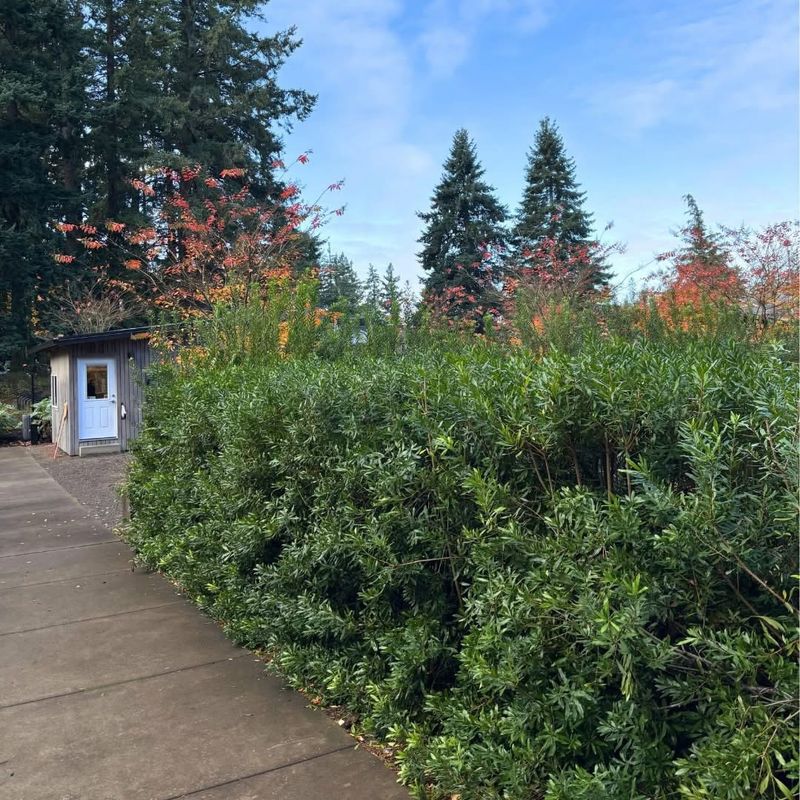
Wax Myrtle might be the most underrated privacy plant in all of Georgia. It grows aggressively, handles poor soils, tolerates flooding and drought, and can go from a small container plant to a full-height screen in just two to three years under good conditions.
Not many plants can match that combination of speed and toughness in the Georgia climate.
Native to the southeastern United States, Wax Myrtle is completely at home across all regions of Georgia, from the coast to the piedmont. It typically grows 10 to 15 feet tall, though some specimens push taller without pruning.
Growth of three to five feet per year is realistic in its first few seasons, which puts it among the fastest options on this entire list. The gray-green aromatic foliage is semi-evergreen in North Georgia and stays green nearly year-round in the warmer southern parts of the state.
Plant Wax Myrtle in full sun for maximum density and speed. It adapts to wet, dry, sandy, or clay-heavy soils, which makes it one of the most flexible screening plants available.
Space plants six to eight feet apart if you want a natural, informal screen, or tighter for faster solid coverage. Regular pruning keeps it from getting too leggy at the top.
Wax Myrtle also attracts birds year-round thanks to its small waxy berries, adding wildlife value alongside the privacy benefits.