The Second Sowing Ohio Gardeners Do In Mid-July That Doubles Their Bean Harvest
Mid-July in an Ohio garden is busy, a little chaotic, and honestly one of the most exciting times of the whole season.
But while you are focused on everything that is already growing, those empty beds left behind by finished peas and bolted lettuce are just sitting there with absolutely nothing to do.
That is a missed opportunity, and bush beans are the perfect fix. Ohio’s warm July soil gets bean seeds germinating fast, and with the right variety and a little planning, a second sowing in mid-July can deliver a fresh flush of pods well before fall frost shuts things down.
The key is matching your seed packet’s days to maturity against your expected first frost date before you plant. Do that math first and the rest is pretty straightforward.
Let’s get those beds working again.
1. Sow Bush Beans For A Second Crop
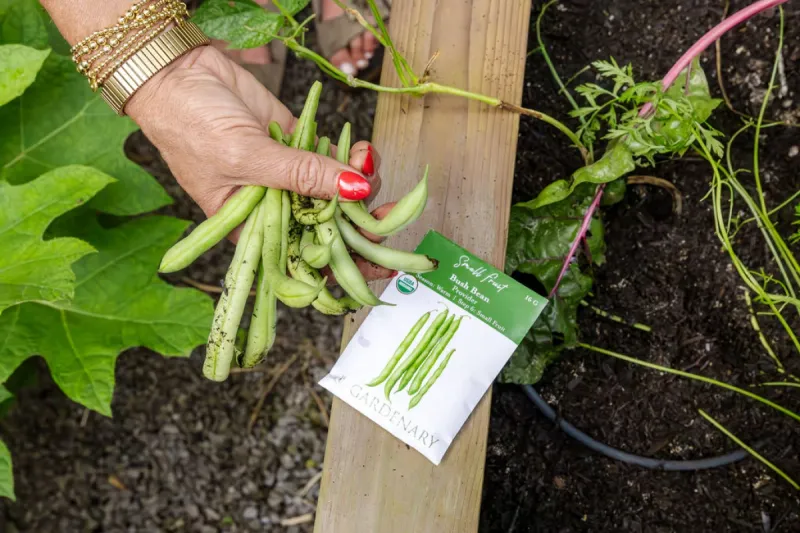
Open spaces in a July vegetable bed are an invitation most Ohio gardeners should not pass up. When early crops like lettuce, spinach, or peas wind down, the soil is warm, the sun is strong, and conditions are surprisingly good for a second round of bush beans.
Succession planting, which means sowing the same crop in stages throughout the season, is a practical way to keep fresh vegetables coming from the same garden bed.
Bush beans are one of the more forgiving vegetables to sow in mid-July. They do not need a long growing season, they handle summer heat reasonably well, and they tend to push up quickly once the soil is warm.
For Ohio gardeners working with raised beds, backyard plots, or community garden spaces, a second sowing can fill a productive gap between the summer harvest and the first cool days of fall.
Before sowing, loosen the soil a few inches deep and remove any leftover roots from the previous crop. Sow seeds about one inch deep and two to three inches apart in rows.
Keep expectations realistic because results will vary depending on weather, soil condition, and how early fall arrives in your part of Ohio.
2. Choose Fast-Maturing Bean Varieties
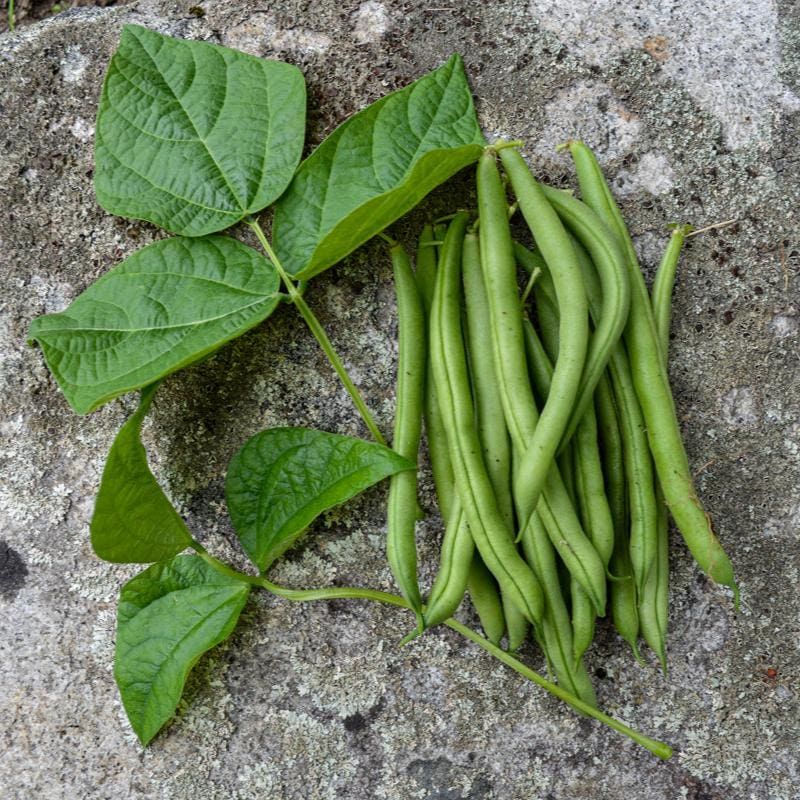
Not every bean variety is a good fit for a mid-July planting in Ohio. Varieties that take 70 or more days to reach harvest may not finish before the first fall frost cuts the season short.
Choosing a bush bean that matures in around 50 to 60 days gives the planting a much better chance of producing pods before cold weather arrives.
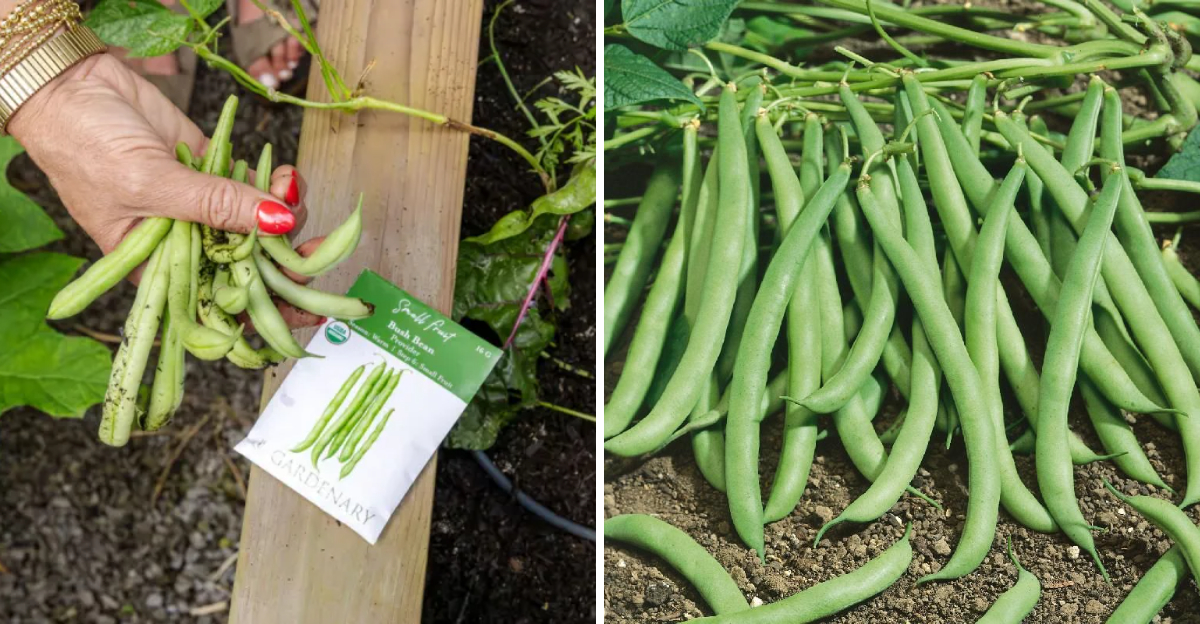
Popular fast-maturing options that Ohio gardeners have had good results with include varieties like Provider, Contender, and Tendergreen.
Provider is often noted for its ability to germinate in slightly cooler or variable conditions, which can be handy as September approaches.
Always read the seed packet carefully because days-to-maturity numbers are listed right on the label and are one of the most useful pieces of information a gardener can use when planning a late sowing.
Local garden centers in Ohio sometimes carry a smaller selection of bean seeds by mid-summer, so ordering online early or checking remaining stock before mid-July is a practical move.
Your Ohio Garden Changes Every Week. Your Plan Should Too.
Gardening in Ohio changes quickly throughout the season. Every Friday you’ll receive a simple weekly plan showing exactly what to plant, prune, fertilize, harvest, and protect so you never miss the right timing.
Seed quality matters too, since older or improperly stored seeds may have lower germination rates.
Buying fresh seed each season and storing unused packets in a cool, dry place helps protect germination success for future plantings.
3. Plant While Soil Is Still Warm
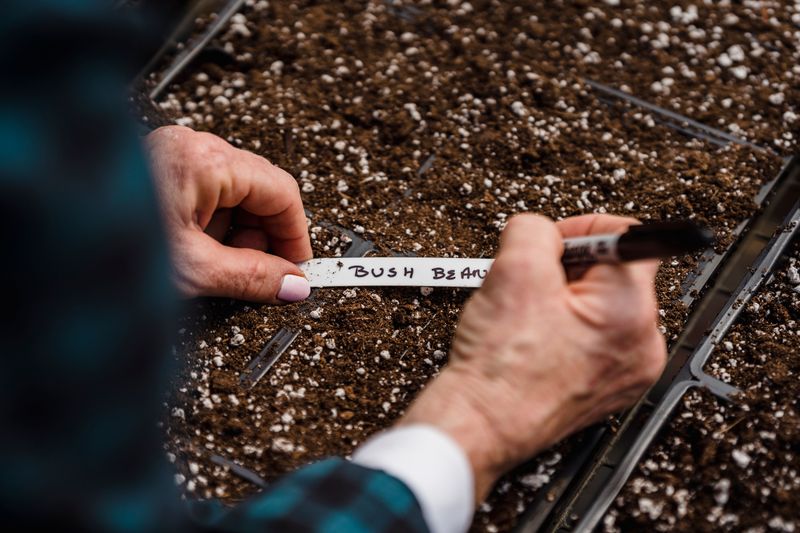
Warm soil is one of the quiet advantages that mid-July brings to Ohio vegetable gardens. Bean seeds germinate best when soil temperatures are between 60 and 85 degrees Fahrenheit, and in most parts of Ohio, July soil sits comfortably within that range.
Planting at this time takes advantage of heat that early-season sowings simply do not have access to.
Soil that is too cold slows germination and can lead to seeds sitting in the ground without sprouting, which increases the chance of rot or pest damage. In mid-July, that concern is much less of an issue.
Seeds placed in warm Ohio garden soil tend to push up green shoots within a week to ten days under good conditions, though results can vary with soil type and moisture levels.
Before sowing, it helps to check soil temperature with an inexpensive probe thermometer if you have one, or simply observe the soil. If it feels warm a few inches down and is not waterlogged, conditions are likely reasonable for bush beans.
Avoid compacting the soil when planting by using a finger or a narrow dibber to make each seed hole rather than pressing a tool heavily across the entire bed surface.
4. Water Consistently After Sowing
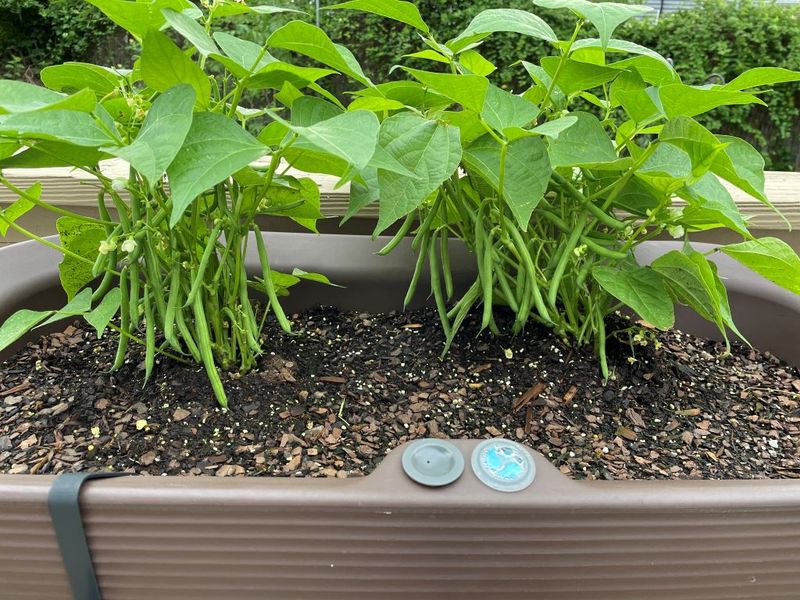
July in Ohio can bring stretches of dry, hot weather that pull moisture out of the soil faster than gardeners expect. After sowing bush beans, consistent watering becomes one of the most important tasks for getting seedlings off to a strong start.
Without steady moisture, seeds may struggle to germinate, and young seedlings can stress quickly in the summer heat.
Watering deeply a few times per week is generally more effective than light daily sprinkles. Deep watering encourages roots to grow downward where the soil stays a bit cooler and more consistently moist.
Shallow watering tends to keep moisture only at the surface, which dries out fast on warm July days and may not reach the root zone where young beans need it most.
Early morning is a practical time to water because it gives foliage a chance to dry before evening, which can reduce the chance of fungal issues on bean leaves.
Using a watering can with a gentle rose head or a hose with a soft spray setting helps avoid washing seeds out of the soil or disturbing young seedlings.
Check the soil every day or two and water when the top inch feels dry to the touch.
5. Keep Seeds Moist Until Germination
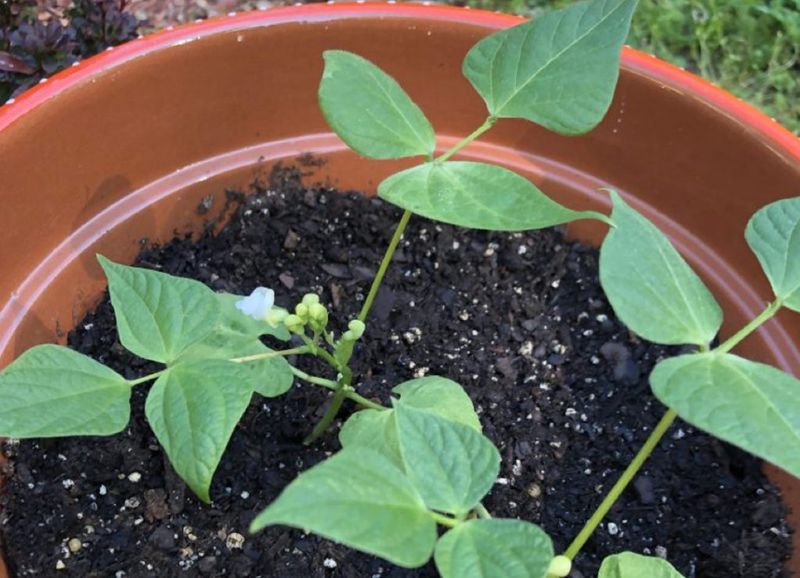
The stretch between sowing and germination is one of the most critical windows for a mid-July bean planting. Seeds need consistent moisture during this period to soften the seed coat, activate the embryo, and push the first shoot upward through the soil.
Let the soil dry out too much during this window, and germination rates can drop noticeably.
In Ohio’s summer heat, the top inch of soil can dry out surprisingly fast, sometimes within a day or two after watering. Checking the bed each morning and giving it a gentle soak if the surface feels dry is a simple habit that pays off.
Avoid overwatering as well, since waterlogged soil limits oxygen around the seeds and can cause issues before the seedlings even emerge.
Shading the bed lightly with a thin layer of straw or a floating row cover propped slightly above the soil can help slow moisture loss during hot afternoons.
Once the first green shoots appear, the seedlings become a bit more resilient, though they still need regular water through the early weeks.
Watching the soil closely during that first week or two after sowing is one of the most practical things an Ohio gardener can do to support a successful second crop.
6. Mulch Lightly After Seedlings Emerge
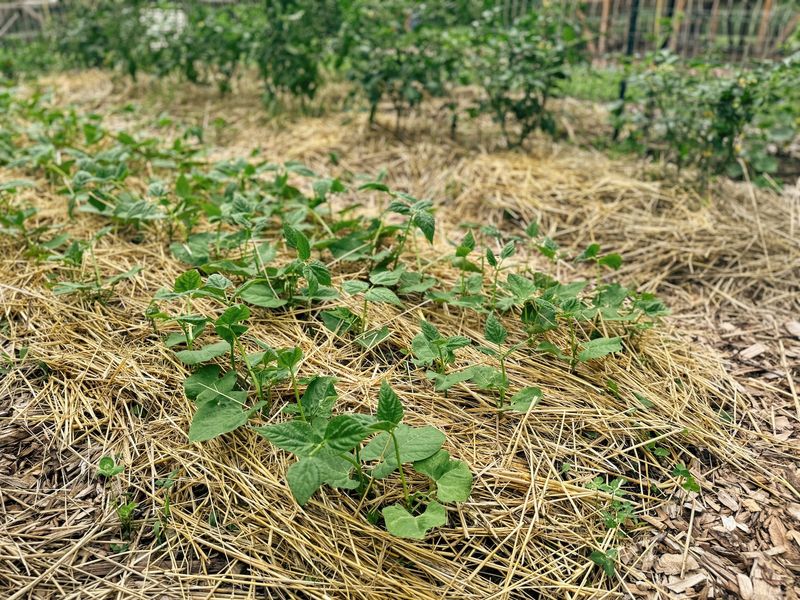
Straw scattered between rows of young bean seedlings might seem like a small detail, but it makes a real difference in Ohio’s summer garden. A light layer of mulch, around one to two inches deep, helps the soil hold onto moisture longer between waterings.
That matters quite a bit in July when dry spells can sneak up quickly.
Mulch also helps moderate soil temperature, keeping the root zone a bit cooler on the hottest days. Bush bean roots are relatively shallow, so they benefit from a stable, moist environment just below the surface.
Straw works well for this purpose because it is lightweight, easy to spread, and allows rain and irrigation water to pass through without pooling.
When applying mulch, keep it a short distance away from the base of each seedling stem to allow air circulation at soil level. Piling mulch directly against stems can hold excess moisture in one spot, which is not ideal for young plants.
Grass clippings can also work as mulch, though they should be applied in a thin layer and allowed to dry slightly before use to avoid clumping. Adding mulch after seedlings are a few inches tall is usually the right timing for a mid-July Ohio bean planting.
7. Pick Young Pods Often
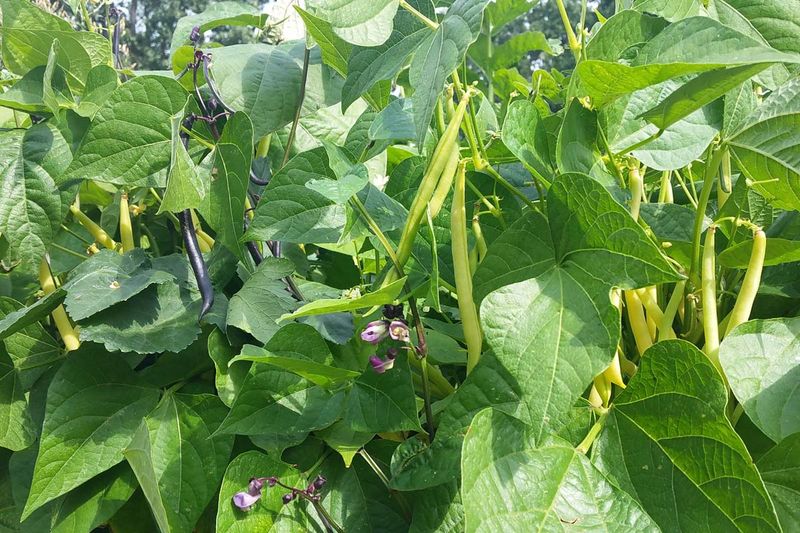
Young pods hiding beneath the leafy canopy of a bush bean plant are easy to overlook, but leaving them too long on the plant changes the whole harvest experience.
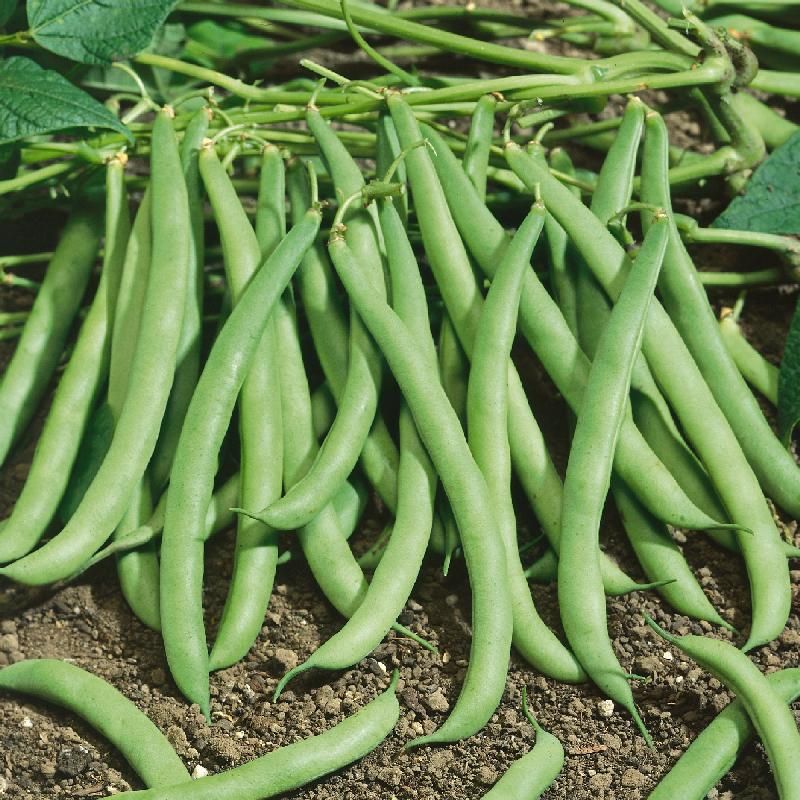
Pods picked when they are slender and tender, usually around four to six inches long, taste noticeably better than those left to grow thick and fibrous.
Harvesting at the right stage also keeps the plant producing longer.
Bush beans are programmed to set seed. Once pods are allowed to mature and dry on the plant, the plant shifts its energy toward seed development rather than producing new flowers and pods.
Picking frequently, every two to three days during peak production, signals the plant to keep flowering and setting new pods. For an Ohio second sowing where the growing window is shorter, this habit becomes even more important.
Harvesting in the morning when temperatures are cooler makes the work more comfortable and gives freshly picked pods a bit more shelf life in the refrigerator. Use both hands when picking to avoid pulling the whole plant or snapping off a branch.
A gentle twist and pull usually releases a pod cleanly. Keeping a basket or cloth bag nearby makes it easier to collect a full harvest without setting pods down in the dirt.
8. Watch For Beetles And Leaf Damage
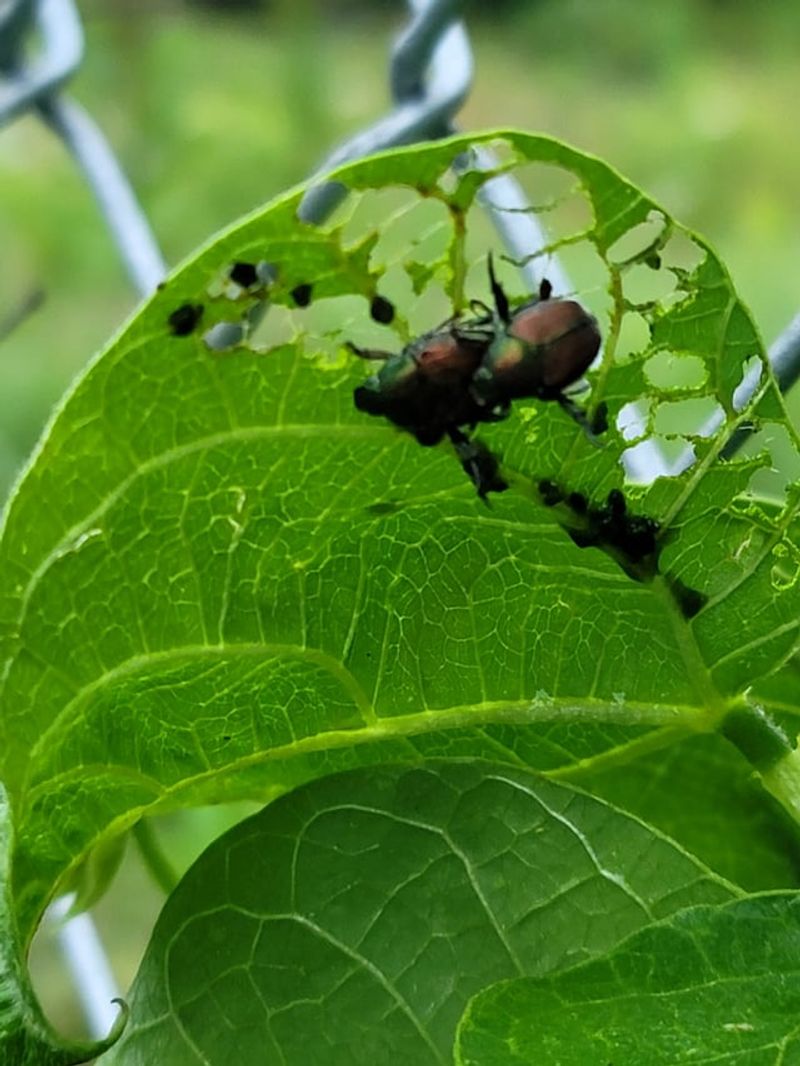
Beetle activity tends to pick up during the warmer weeks of summer, and Ohio bean gardens are not immune to the pressure.
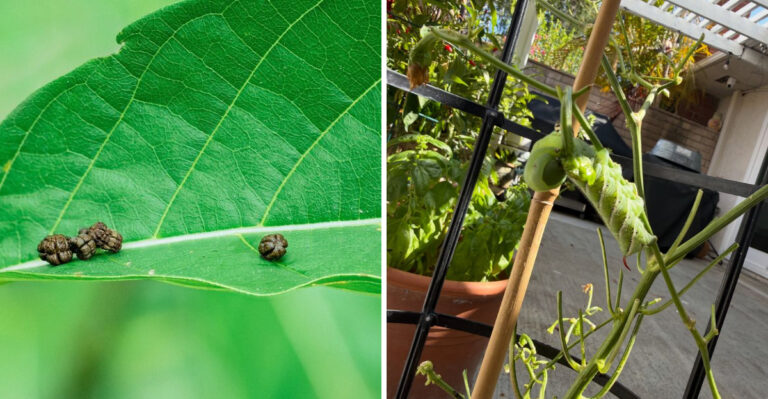
Mexican bean beetles and Japanese beetles are two of the more common culprits that show up on bean plantings, and both can cause visible damage to leaves and pods if left unchecked.
Catching the problem early makes management much more manageable.
Mexican bean beetles look similar to ladybugs but are yellowish-orange with black spots. They feed on the underside of leaves, leaving a lacy, skeletonized appearance.
Japanese beetles are metallic green and copper-colored and tend to feed on the upper surface of leaves. Checking the undersides of leaves regularly is one of the most practical ways to spot either pest before populations build up.
For small backyard gardens and raised beds in Ohio, hand-picking beetles into a bucket of soapy water is a low-effort method that works reasonably well when done consistently.
Checking plants every few days during the warmest part of the season is a smart habit.
Keeping the planting area free of weeds and debris also reduces hiding spots for pests. Floating row covers installed after planting can provide some protection, though they need to be removed if bean flowers require pollination.
9. Harvest Before Ohio Frost Arrives
Fall frost timing in Ohio varies more than many gardeners realize. Northern Ohio locations near Lake Erie often see first frosts in early to mid-October, while central and southern parts of the state may not see hard frost until late October or even early November.
Knowing the approximate first frost date for your specific area helps you decide whether a mid-July second sowing has a realistic chance of producing before cold weather arrives.
Bush beans are frost-sensitive and will not survive a hard freeze. As the season shifts in September and early October, watching the overnight forecast becomes a useful habit.
If a light frost is predicted, covering the plants with a lightweight row cover or old bedsheets overnight can extend the harvest by a few more days. Removing the cover each morning allows sunlight and air to reach the plants.
Picking every remaining pod before a hard frost is expected is the practical move. Even pods that are slightly underdeveloped can be used in soups or stews.
Letting mature pods go to waste on the vine when frost is approaching is something most Ohio gardeners prefer to avoid.
A second sowing started in mid-July, managed well through the summer, and harvested before frost can add a satisfying late-season flush of fresh beans to the table.