9 Ohio Perennials That Stay Upright Without Stakes Or Cages
Why do some Ohio gardens still look sharp in late July while others start collapsing into a tangled mess? It is not better soil, not more time, and not some secret trick.
It comes down to one quiet choice most people overlook when they plant. Structure.
Some perennials grow fast, bloom big, and then lose their shape the second the weather turns. Others hold themselves together from the ground up, keeping their form no matter how heavy the blooms get or how much rain rolls through.
Once you notice that difference, it is hard to unsee. You start choosing plants that do the work for you, not ones that need rescuing halfway through summer.
That is where things shift. The garden stays upright, the lines stay clean, and the whole space feels a lot more intentional without the extra effort.
1. Coneflower Stays Upright Even In Summer Heat
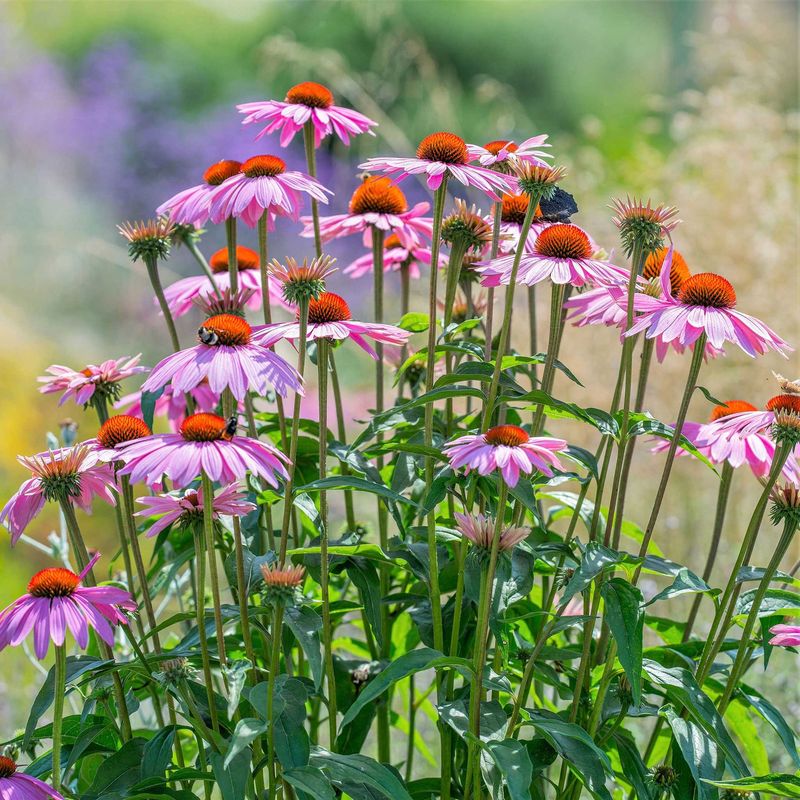
Few plants handle an Ohio summer quite as confidently as purple coneflower. Known botanically as Echinacea purpurea, this native wildflower is a familiar sight across the state, and for good reason.
Its stems are thick, fibrous, and surprisingly tough, built to handle the kind of heat and humidity that wilts less sturdy plants by mid-July.
Coneflower is not just pretty. It is genuinely adapted to Ohio conditions.
Once established, it handles dry stretches without complaint, and its roots go deep enough to anchor the plant firmly even during gusty summer storms.
Ohio State University Extension notes that Echinacea species are excellent choices for low-maintenance native plantings across all of Ohio’s growing zones.
Spacing matters more than most people realize. Planting coneflowers too close together can cause them to lean toward available light, which is one of the few situations where flopping becomes a real concern.
Aim for about 18 to 24 inches between plants to give each one room to develop a strong, self-supporting stem. Full sun, six or more hours daily, is essential for keeping growth compact and upright rather than stretched and weak.
2. Black Eyed Susan Holds Strong Without Support
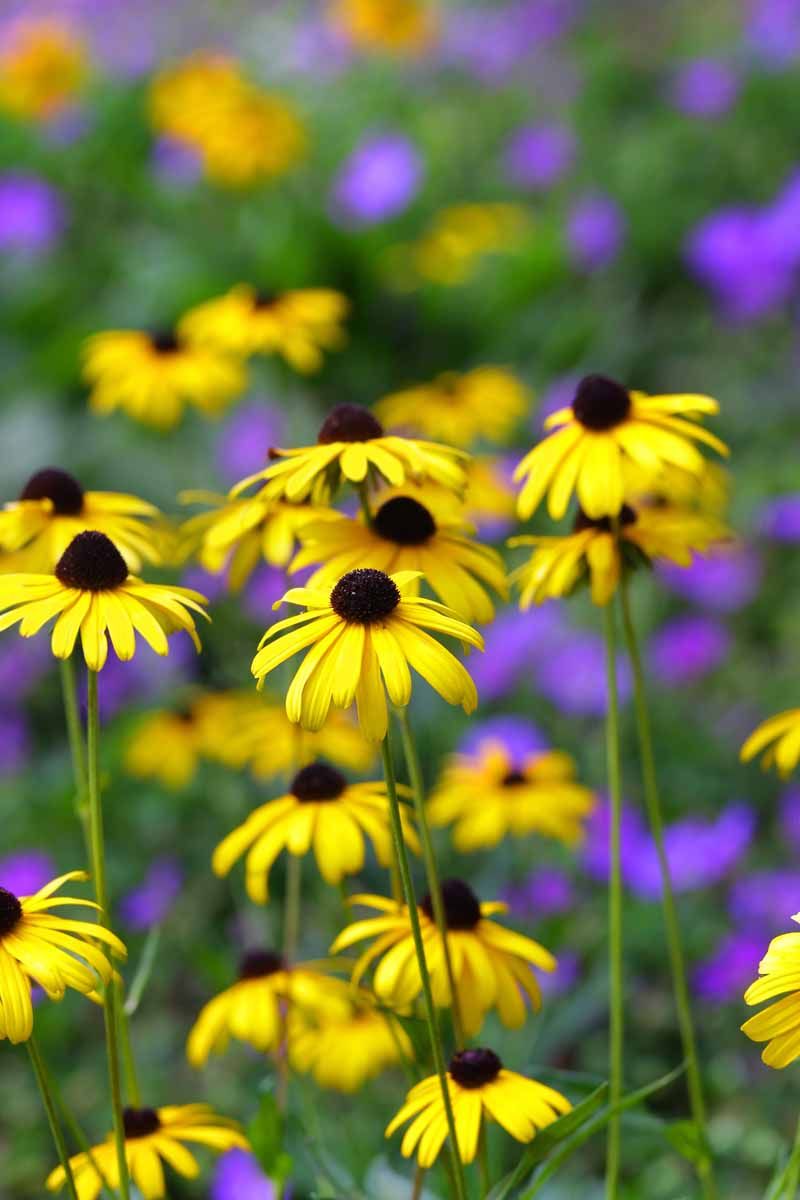
Walk through almost any well-tended Ohio garden in July and you will likely spot the cheerful golden faces of Black-eyed Susan nodding in the breeze, but never truly falling over.
Rudbeckia hirta is one of those dependable workhorses that earns its place year after year without asking for much in return.
Its stems are wiry and strong, holding those bright blooms upright through summer heat and occasional storms.
Adaptability is one of this plant’s biggest strengths. Black-eyed Susan tolerates a range of Ohio soil types, from clay-heavy ground in central Ohio to the sandier soils found in some eastern counties.
It performs best in full sun with decent drainage, and once it settles in, it rarely needs extra attention to stay upright and tidy.
One thing worth knowing is that overcrowding can lead to some leaning, especially in shadier spots where plants stretch toward the light.
Give each clump about 18 inches of breathing room and keep them in a sunny location to encourage the strongest stem development.
Your Ohio Garden Changes Every Week. Your Plan Should Too.
Gardening in Ohio changes quickly throughout the season. Every Friday you’ll receive a simple weekly plan showing exactly what to plant, prune, fertilize, harvest, and protect so you never miss the right timing.
Deadheading spent blooms through midsummer can also help redirect the plant’s energy into producing new, firm flower stalks rather than setting seed too early.
3. Shasta Daisy Keeps Its Shape Through Bloom Season
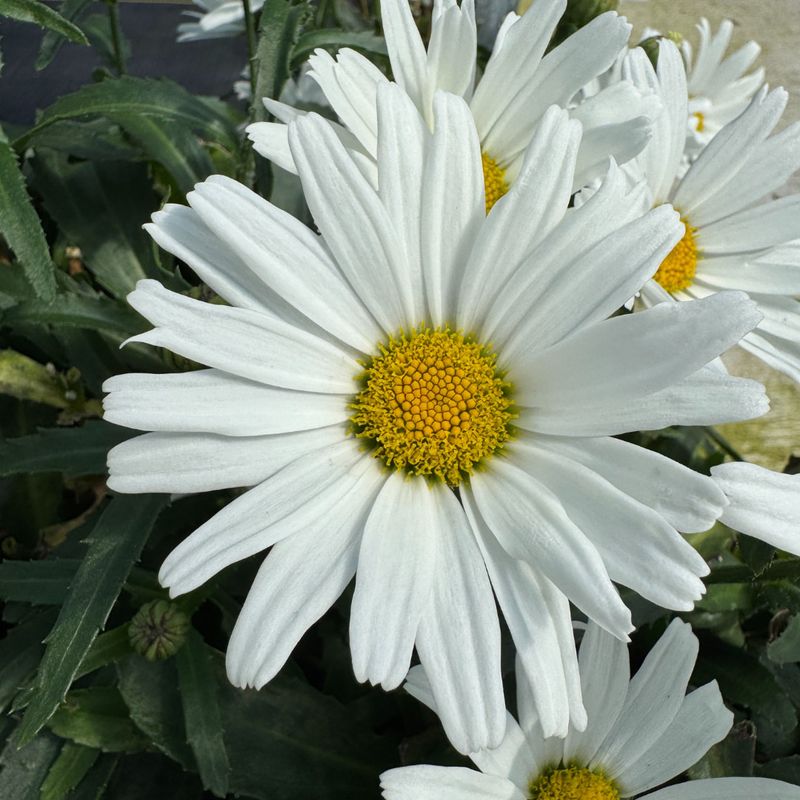
There is something almost classic about a Shasta daisy standing at attention in a summer garden, its crisp white petals and sunny yellow center looking fresh and orderly even weeks into bloom season.
Leucanthemum x superbum forms tidy clumps that hold their shape well, making it one of the more reliable self-supporting perennials for Ohio gardeners who want structure without extra effort.
Full sun is non-negotiable for keeping Shasta daisies upright. In shaded spots, stems grow taller and weaker as the plant reaches for light, which is when flopping becomes a real issue.
Plant them where they receive at least six hours of direct sun daily, and choose a spot with well-drained soil to prevent root problems that can weaken the whole plant.
Deadheading is one of the most useful habits you can develop with Shasta daisies.
Removing spent blooms encourages the plant to push out fresh flower stalks rather than putting energy into seed production, and those new stalks tend to be shorter and sturdier than the first flush.
Dividing clumps every two to three years also keeps the center of the plant healthy and prevents the outward sprawl that can make older clumps look messy and unsupported.
4. Salvia Stands Tall With No Extra Help
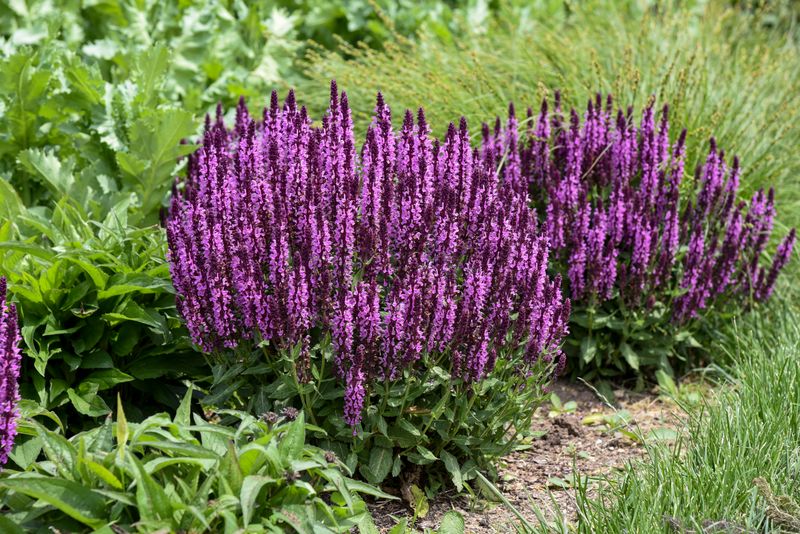
Gardeners who have grown perennial salvia know that satisfying moment when its deep blue or violet flower spikes shoot up straight and strong in early summer, looking almost architectural against the surrounding foliage.
Salvia nemorosa and related cultivars are among the most reliably upright perennials available for Ohio gardens, and they bring serious pollinator traffic along with that clean, vertical silhouette.
The growth habit of perennial salvia is naturally compact and dense, which is part of why it stands so well on its own. Stems are square, firm, and woody at the base, giving the plant a sturdy foundation even when it reaches 18 to 24 inches tall.
Full sun encourages the tightest, most upright growth, while partial shade can cause stems to lean or spread outward.
One of the best things you can do for salvia is cut it back by about one-third after the first wave of blooms fades in early summer.
This simple step encourages a strong second flush of flowers later in the season and keeps the plant looking neat and compact rather than open and floppy.
Ohio gardeners in zones 5 and 6 will find that most perennial salvia varieties return reliably each spring with minimal fuss.
5. Coreopsis Forms Neat Clumps That Rarely Flop
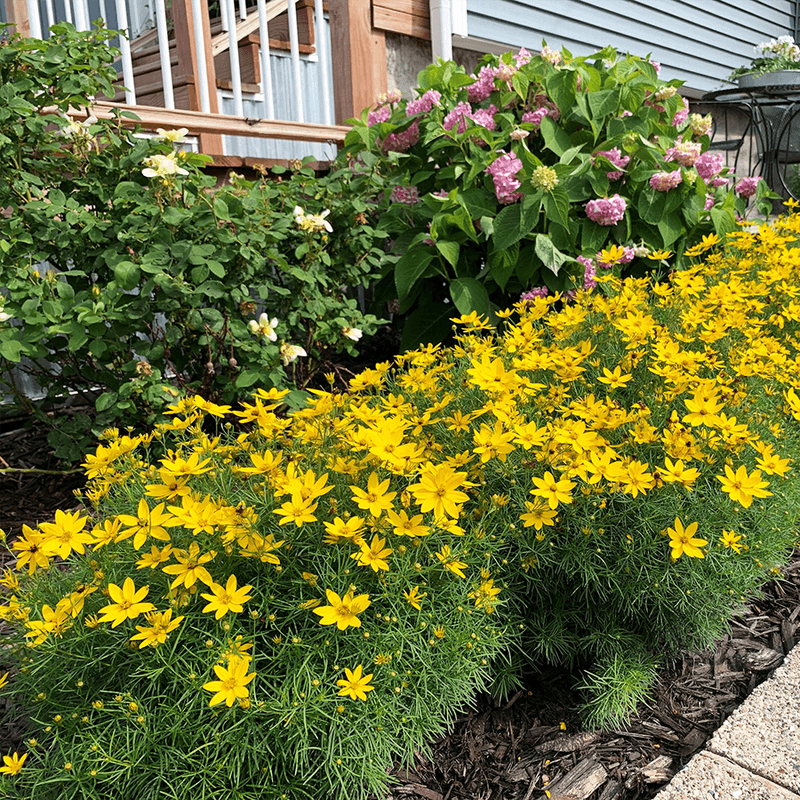
Bright, cheerful, and almost embarrassingly easy to grow, coreopsis is a summer garden staple that rarely gives Ohio gardeners any trouble.
Sometimes called tickseed, this native perennial produces waves of small, daisy-like flowers in shades of yellow, gold, and sometimes pink or red, depending on the variety.
The compact mounding habit of most coreopsis cultivars means the plant naturally stays tidy without any intervention.
Compact varieties like Coreopsis grandiflora ‘Early Sunrise’ or Coreopsis verticillata ‘Moonbeam’ are particularly well-suited for Ohio gardens because their shorter stature makes them even less likely to lean or sprawl.
Bloom time stretches from early summer well into fall, especially if you remove spent flowers regularly.
That long season of color is one of the reasons coreopsis has earned such a loyal following among Ohio perennial gardeners.
Minimal maintenance is genuinely the right approach here. Over-fertilizing coreopsis can actually encourage weak, floppy growth, so skip the heavy feeding and let the plant thrive on its own terms.
Well-drained soil and plenty of sun are the two conditions that matter most. In those settings, coreopsis forms firm, rounded clumps that hold their shape through summer rain and wind with very little help from you.
6. Yarrow Holds Flat Topped Blooms On Strong Stems
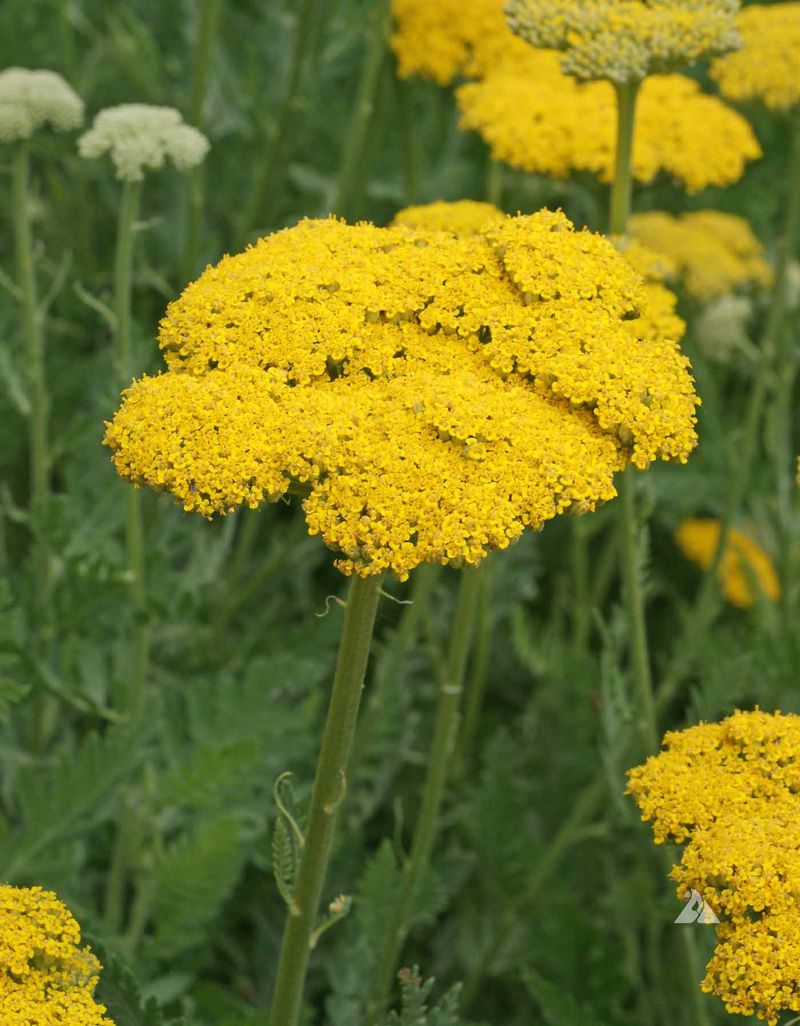
Yarrow is one of those plants that looks delicate but turns out to be surprisingly tough. The flat-topped flower clusters in shades of yellow, red, white, and coral sit on top of firm, wiry stems that stay upright even when summer winds pick up.
Achillea millefolium has been grown in American gardens for generations, and its staying power is no accident. It is genuinely built for the kind of variable weather Ohio summers deliver.
Drought tolerance is a standout quality for yarrow. Once established, it handles dry spells well and rarely struggles in Ohio’s summer heat.
The ferny, aromatic foliage stays low and dense while the flower stems rise above it in a clean, structured way that looks intentional and well-organized in the garden bed.
One important caution worth mentioning is that over-fertilizing yarrow almost always leads to floppy, weak stems. Rich soil or heavy applications of nitrogen push the plant to grow too fast, producing stems that cannot support their own weight.
Lean, well-drained soil is what yarrow actually prefers, and in those conditions the stems stay firm and the flat flower heads hold their position beautifully through the entire bloom season. Dividing clumps every two to three years also keeps growth vigorous and upright.
7. Sedum Stays Compact And Upright Into Fall
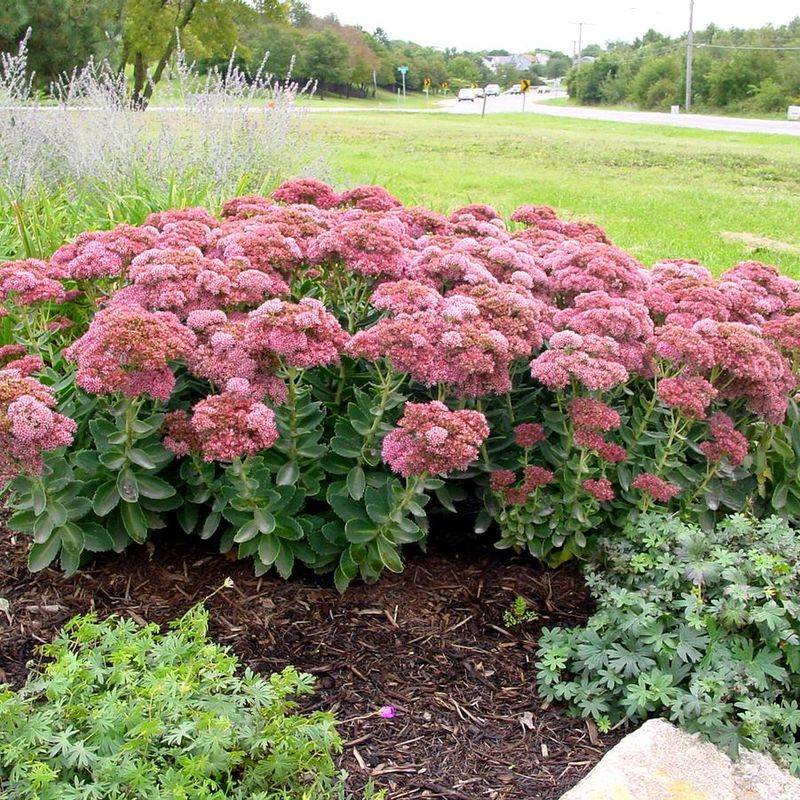
When most summer perennials are winding down, sedum is just hitting its stride.
The upright varieties, particularly those in the Autumn Joy group, bring structure and color to Ohio gardens well into October, with thick, fleshy stems that stand firm long after the first frosts arrive.
It is one of the few perennials that actually looks better as the season gets colder.
The secret to sedum’s self-supporting habit lies in those distinctive stems. They are thick, almost succulent in texture, and sturdy enough to hold up the wide, flat flower heads without any outside assistance.
As blooms transition from pink to deep rose to coppery bronze through fall, the whole plant maintains its compact, upright form.
That long season of visual interest makes it a smart choice for Ohio gardeners who want something reliable in the back half of the growing season.
Full sun and well-drained soil are the two conditions that keep upright sedum looking its best. In heavy shade or overly rich soil, even tough varieties can start to open up and flop outward as they grow.
Splitting established clumps every three to four years keeps the center of the plant healthy and prevents the spreading that sometimes causes older sedums to lose their tidy, upright shape over time.
8. Baptisia Grows Into A Naturally Structured Shrub Like Form
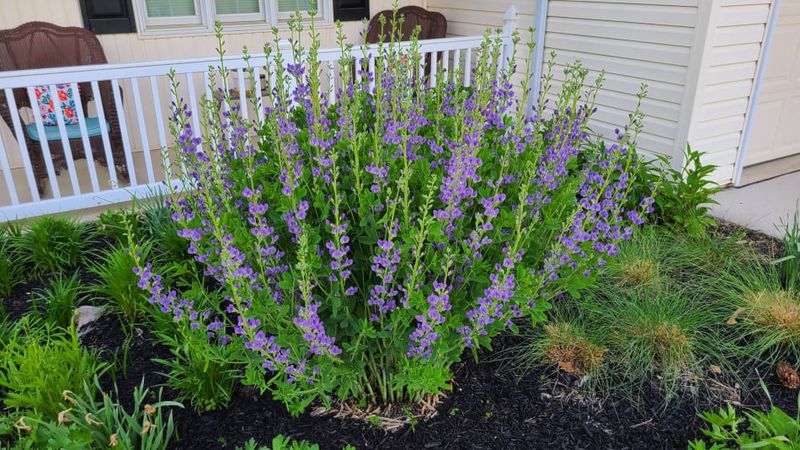
Patience pays off with baptisia. During its first couple of seasons in the ground, this native perennial grows slowly and modestly, which can feel discouraging.
But by year three or four, something remarkable happens. The plant fills out into a dense, rounded, shrub-like mound that holds its shape through the entire growing season without a single stake or support structure anywhere near it.
Baptisia australis, commonly called false blue indigo, sends roots deep into the soil, which is exactly what gives it such extraordinary stability.
Those deep roots anchor the plant firmly against wind and rain, and they also help it survive Ohio’s summer dry spells without much supplemental watering once it is fully established.
The blue-purple flower spikes that appear in late spring are a bonus on top of an already impressive architectural form.
One of the best things about baptisia is that it rarely needs dividing or relocating. Moving an established plant is genuinely difficult because of those deep roots, so choose your planting spot thoughtfully from the start.
Full sun and average, well-drained soil are ideal. Over time, this perennial becomes one of the most structurally dependable plants in the Ohio garden, requiring almost no maintenance to look exactly as it should.
9. Blazing Star Sends Up Stiff Vertical Flower Spikes
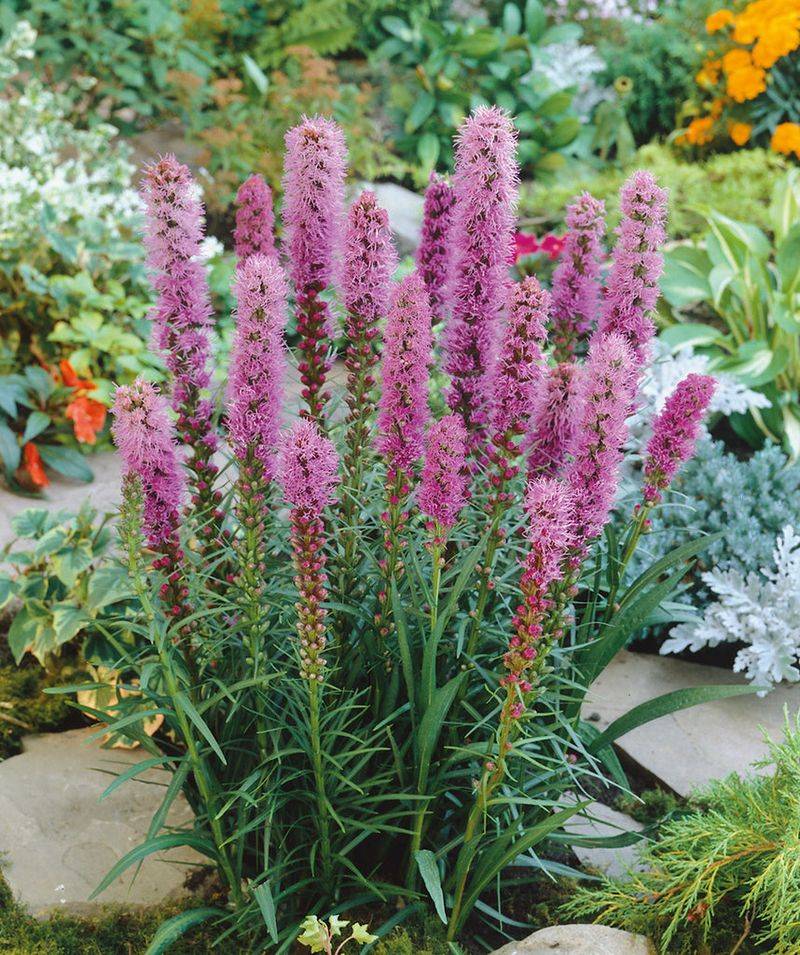
Bold, vertical, and unmistakably native, blazing star is the kind of plant that stops people in their tracks when it blooms in midsummer.
Liatris spicata sends up stiff, rod-like spikes covered in fuzzy purple flowers that open from the top down, which is actually the opposite of most flowering plants.
That unusual blooming pattern, combined with its naturally rigid stems, makes it one of the most structurally striking perennials you can grow in an Ohio garden.
Native to Ohio’s prairies and open meadows, liatris is genuinely adapted to the sunny, sometimes dry conditions that challenge other plants.
Its corm-based root system anchors it firmly in the soil, and the stems are stiff enough to stay vertical even during summer thunderstorms.
Pollinators, especially monarch butterflies and bumblebees, are strongly attracted to the purple blooms, making blazing star a valuable addition to any Ohio pollinator garden.
Planting in full sun is the single most important factor for keeping liatris upright and healthy.
In partial shade, stems can grow taller and weaker, increasing the chance of leaning as the heavy flower spikes develop.
Well-drained soil is equally important, since liatris does not tolerate wet feet, especially during winter. Space plants about 12 to 15 inches apart for the best airflow and the strongest individual stems.