The Summer Pruning Mistake That Can Ruin Next Year’s Azalea Blooms In Georgia
It is easy to think a little trimming cannot hurt a healthy shrub. Everything still looks green, so cutting a few branches seems like a simple way to keep the yard neat.
That small decision can have much bigger consequences than most gardeners expect.
Summer is when azaleas still look full and healthy. That often makes pruning feel harmless.
Waiting just a little longer can protect next spring’s flowers. The timing matters more than many realize.
Georgia azaleas begin forming flower buds well before summer ends. One careless trim can remove those buds without anyone noticing.
Keeping the pruners parked now can make a remarkable difference next year.
A little patience today helps preserve the colorful display you have been hoping to enjoy when spring finally returns with fresh blooms.
1. Late Summer Pruning Removes Next Year’s Flower Buds
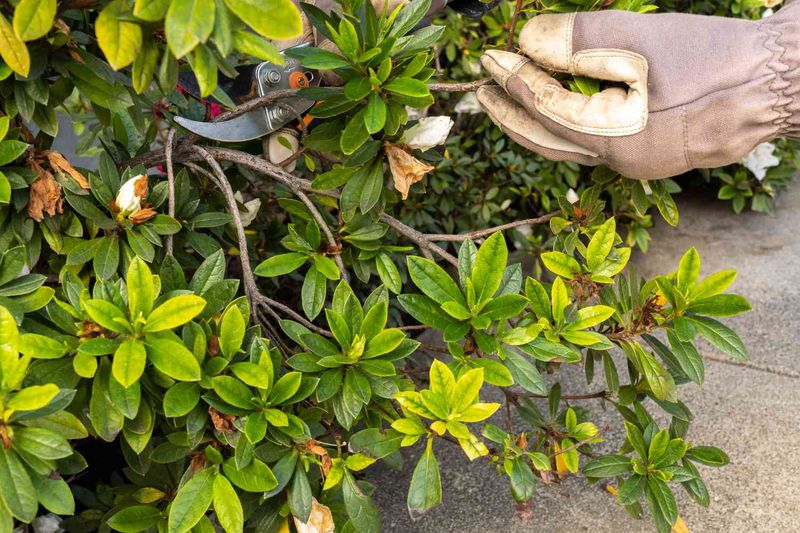
Cutting azaleas in August or September feels productive, but it’s one of the costliest timing errors a gardener can make. By midsummer, most azaleas have already started forming next spring’s flower buds.
Pruning after that point removes those buds before they ever get a chance to open.
Flower buds and leaf buds look similar to the untrained eye. Flower buds tend to be slightly rounder and plumper.
Once you cut them off, they won’t grow back in time for spring.
In warmer Southern climates, azaleas can begin bud set as early as late June or early July. Waiting until August to prune means you’re likely cutting into already-formed buds.
That’s a full spring bloom lost with one afternoon of work.
Experienced gardeners in the region often say the same thing: prune early or don’t prune at all. Waiting just a few weeks too long shifts the results dramatically.
Understanding this single timing detail protects months of natural growth.
Checking your specific azalea variety matters too. Some early bloomers set buds sooner than others.
When uncertain, err on the side of pruning earlier rather than later to keep next year’s flower potential intact.
2. Overgrown Azaleas Need Gradual Renewal
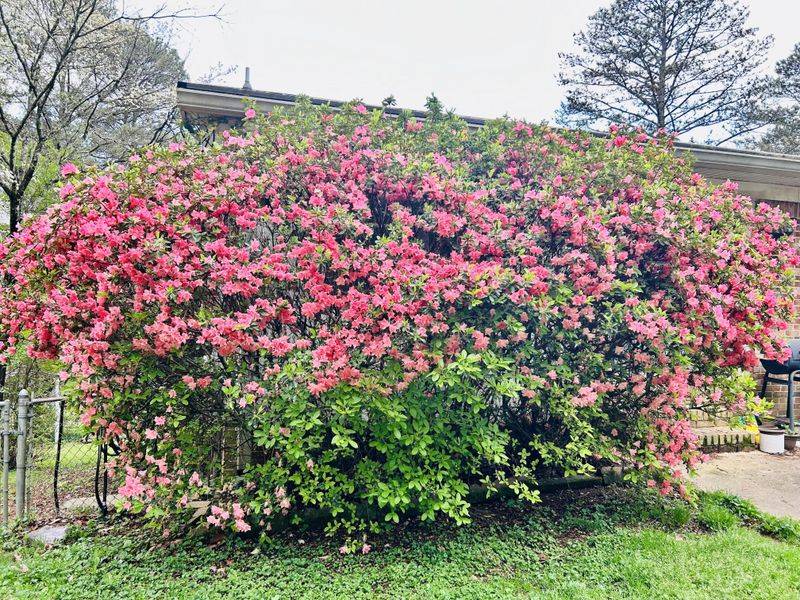
Tackling an overgrown azalea all at once sounds efficient, but it rarely works out well. Hard rejuvenation pruning done in one season can stress the plant and reduce flowering for years.
A gradual approach tends to produce much better results.
Renewal pruning works by removing about one-third of the oldest, woodiest stems each year over three seasons. New growth fills in from the base, and the plant maintains a healthier structure throughout the process.
It’s slower, but the shrub recovers more steadily.
Older wood on azaleas often carries fewer blooms and looks sparse by spring. Removing those stems in stages encourages fresh, vigorous shoots to take their place.
Over time, the shrub looks fuller and produces more flowers.
Rushing the process by cutting everything back hard in one go can shock the root system. Some plants bounce back fine, but others struggle to regain their original vigor.
Gradual renewal removes that risk almost entirely.
Your Georgia Garden Changes Every Week. Your Plan Should Too.
Gardening in Georgia changes quickly throughout the season. Every Friday you’ll receive a simple weekly plan showing exactly what to plant, prune, fertilize, harvest, and protect so you never miss the right timing.
Gardeners dealing with azaleas that have gone unpruned for several years often see the best results with patience. Each season of selective cuts builds toward a stronger, more productive shrub.
Spreading the work across a few years beats starting over from scratch.
3. Shearing Removes More Growth Than Necessary
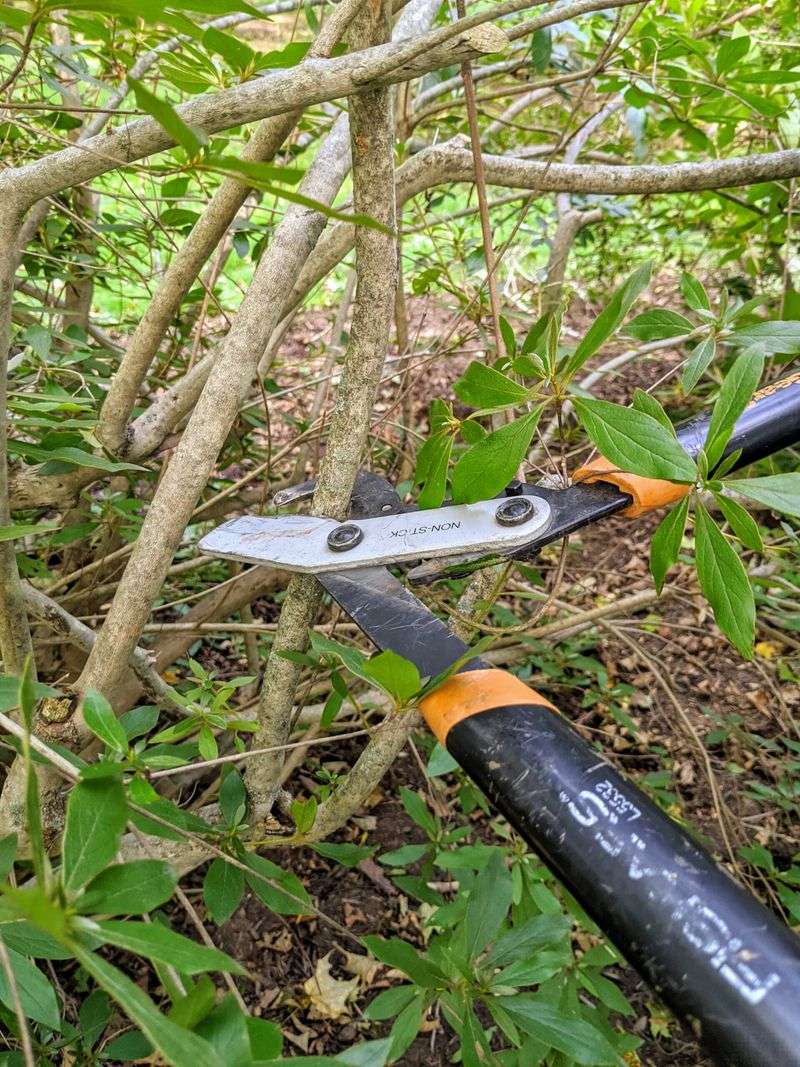
Hedge shears make fast work of azaleas, but speed comes at a cost. Shearing cuts through branches indiscriminately, removing healthy growth along with the old.
It also leaves a dense outer shell that blocks light from reaching the interior of the plant.
When light can’t reach the inner branches, those stems weaken over time. New growth stays concentrated on the outer surface.
The result is a shrub that looks tidy but is actually thinning out from the inside.
Sheared azaleas also tend to develop a tight, unnatural shape that doesn’t match how the plant wants to grow. Forcing a rounded or boxy form requires constant maintenance.
Letting the natural shape guide your cuts takes less effort in the long run.
Selective hand pruning removes specific branches rather than trimming across the whole surface. That approach preserves more of the plant’s natural structure.
It also allows more light and air to reach the interior, which supports healthier overall growth.
Shearing right before bud set is especially damaging because it removes a large portion of the flowering wood all at once. Even if the timing is close to acceptable, the volume of cuts goes far beyond what the plant actually needs.
Targeted pruning protects both the shape and the bloom potential.
4. Prune Soon After Flowers Fade
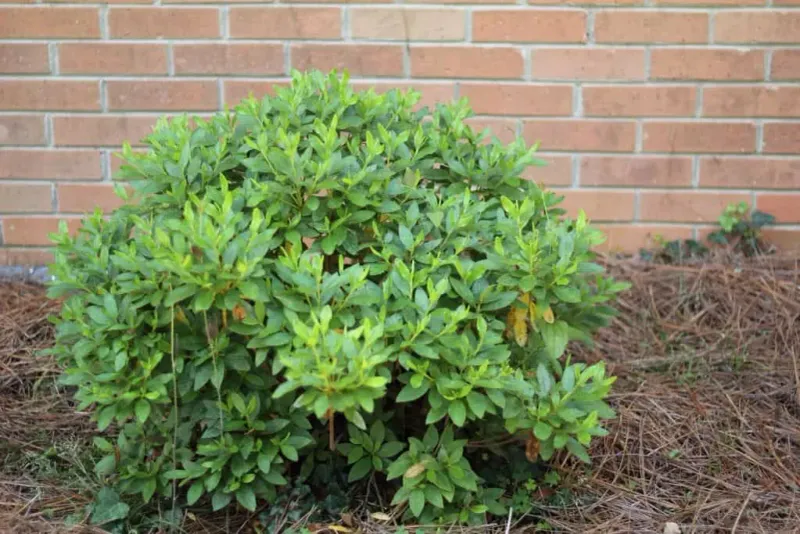
Right after the blooms drop is the ideal window for pruning azaleas. Most gardeners have about four to six weeks after flowering ends before bud development for next year begins.
Working within that window keeps future blooms protected.
Waiting too long past that point increases the chance of cutting into developing buds. Acting too early, while flowers are still on the plant, can be wasteful.
Timing it just right means you get cleaner cuts without sacrificing anything.
In much of the Southeast, spring-blooming azaleas finish flowering somewhere between late March and early May, depending on variety and location. That puts the ideal pruning window roughly between late April and early June.
Sticking close to that range is a reliable approach for most common varieties.
Marking the calendar right after bloom time helps avoid the common mistake of waiting until midsummer to prune. Life gets busy, and it’s easy to forget.
A simple reminder set for a few weeks after peak bloom can save next year’s display.
Some gardeners do light touch-up pruning in fall to remove straggly growth, but heavier structural cuts should stay within the post-bloom window. Keeping the two types of pruning separate helps avoid confusion about timing.
Post-bloom cuts are for shaping; fall touch-ups are only for cleanup.
5. Use Hand Pruners For Selective Cuts
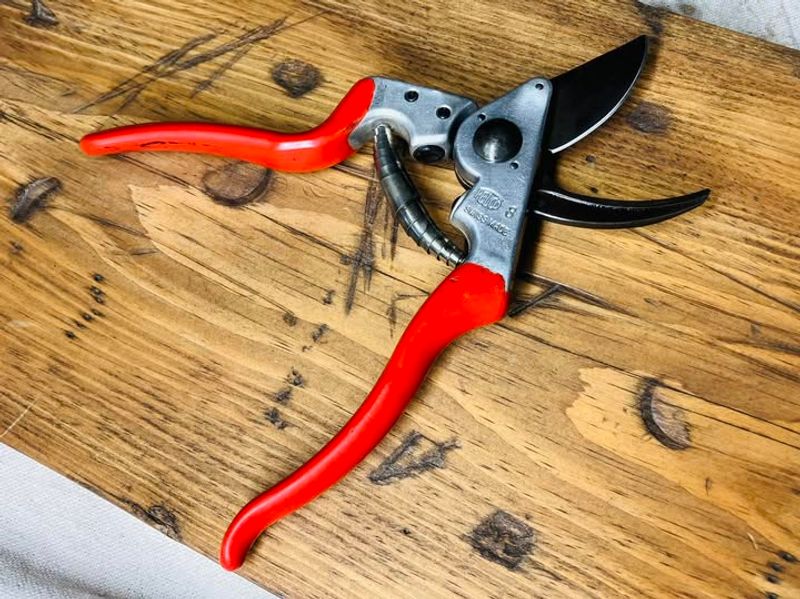
Sharp hand pruners give you control that no other tool can match. Each cut targets a specific branch, which means you’re only removing what actually needs to go.
That precision protects surrounding growth and keeps the plant’s structure intact.
Dull blades crush stems rather than cutting cleanly. Crushed tissue heals more slowly and can invite disease in humid Southern climates.
Keeping pruners sharp with a basic sharpening stone takes just a few minutes and makes a noticeable difference.
Cutting just above a leaf node or outward-facing bud encourages the plant to send new growth in the right direction. Random cuts made without attention to node placement can result in awkward, stubby stems.
Paying attention to where you cut takes only a moment but improves the outcome significantly.
Loppers work well for thicker stems that hand pruners can’t handle cleanly. Forcing pruners through wood that’s too thick damages both the tool and the branch.
Matching the right tool to the right branch size reduces unnecessary stress on the plant.
Cleaning blades between plants or after cutting diseased wood helps prevent spreading pathogens.
6. Remove Broken Or Diseased Branches Promptly
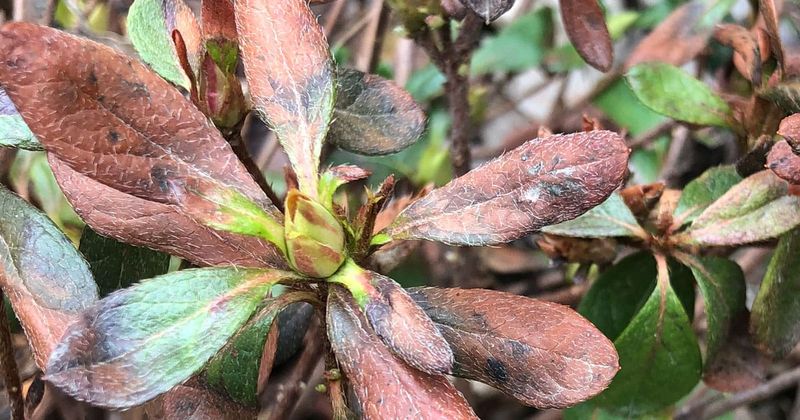
Broken branches don’t fix themselves. Leaving cracked or split wood on an azalea gives pests and pathogens a direct entry point into the plant.
Removing damaged wood promptly is one of the simplest ways to keep a shrub in good condition year-round.
Diseased branches often show discoloration, unusual spotting, or a shriveled appearance that stands out from healthy growth. Catching those signs early and cutting them out before the problem spreads can prevent wider damage.
Waiting to see if the branch recovers on its own rarely pays off.
Cuts made to remove diseased wood should go back to healthy tissue. Cutting just at the edge of visible damage may leave infected material behind.
Giving yourself a few extra inches of clean wood below the affected area provides a safer margin.
Disposing of diseased cuttings away from the garden bed is worth the extra step. Leaving them on the ground near the plant can allow spores or bacteria to spread back into the soil.
Bagging and discarding them reduces that risk considerably.
Storm damage in late spring or summer sometimes forces gardeners to prune outside the ideal post-bloom window. Removing broken wood is still the right call regardless of timing.
Protecting the plant’s overall health takes priority over preserving every potential bud on a compromised branch.
7. Water And Mulch Support Healthy Recovery
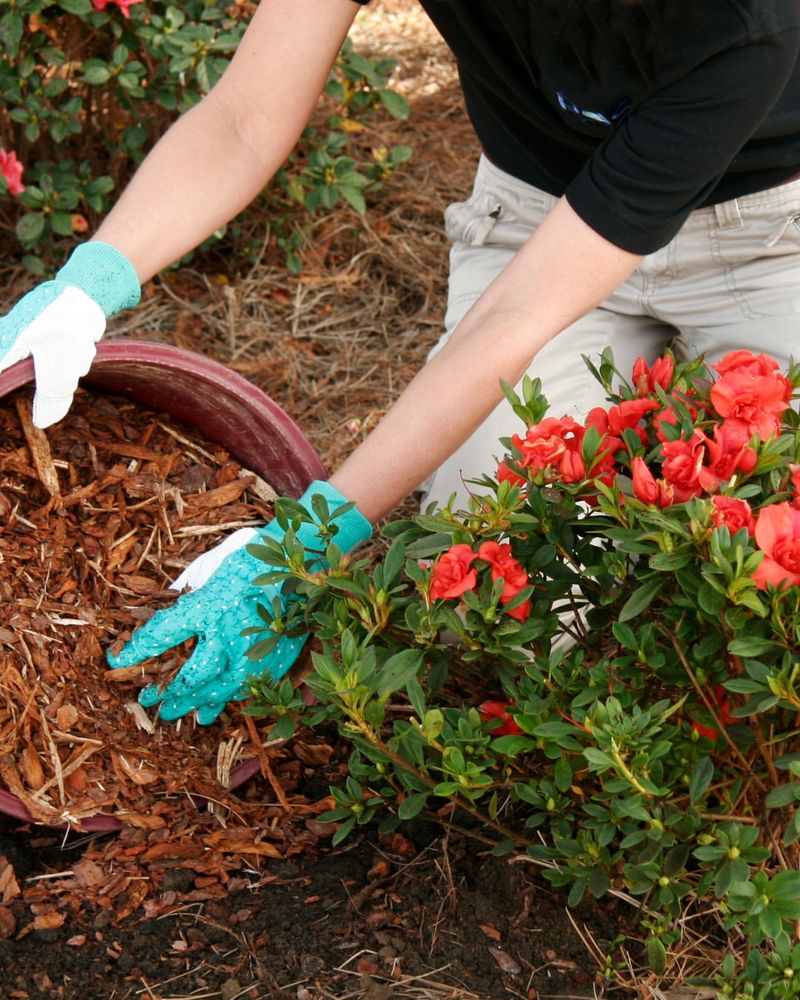
Pruning puts real demands on a plant. New growth takes energy, and that energy depends on consistent moisture and good root conditions.
Watering well after pruning helps the shrub push out fresh shoots without unnecessary stress.
Azaleas have shallow root systems that dry out faster than people expect, especially during warm Southern summers. Deep, infrequent watering encourages roots to grow downward rather than staying near the surface.
Shallow roots are more vulnerable to heat and drought stress.
A two-to-three inch layer of organic mulch around the base of the shrub holds moisture in the soil, moderates temperature swings, and breaks down slowly to improve soil structure.
Pine bark or pine straw works especially well for azaleas, which prefer slightly acidic soil conditions.
Keep mulch a few inches away from the main stem to avoid rot.
Fertilizing lightly after pruning can support recovery, but timing matters. Applying fertilizer too late in the season pushes new tender growth that may not harden off before cooler weather arrives.
A balanced, slow-release fertilizer applied right after the post-bloom pruning window is generally a safer approach.
Healthy, well-watered azaleas recover from pruning faster and tend to set more flower buds for the following spring. Good aftercare isn’t complicated.
Consistent moisture and a proper mulch layer handle most of what the plant needs during recovery.