Early Water Restrictions Are Coming To Montana, Here’s What Homeowners Need To Know
Montana’s rivers are running thinner than they should this time of year. The math behind it is starting to worry people who’ve never once thought about snowpack.
Sprinklers are getting shut off weeks ahead of schedule. Lawns are going crispy in June instead of August.
Somewhere between a warm February and a bone dry March, this state’s water math stopped adding up. Now cities are working through restrictions nobody planned for this early.
The clues were sitting in plain sight all winter. Mountain snow that should have built up thick barely made an appearance.
Temperatures kept nudging records instead of settling into normal patterns. Add it together and you get rivers running low before summer even gets started.
Montana homeowners who connect these dots now, before the peak heat lands, will spend less time worrying over brown grass. They’ll spend more time actually protecting their yards, their pipes, and their bank accounts.
1. Snowpack Melted Weeks Ahead Of Schedule
Picture the Rocky Mountain peaks above your town looking bare in April instead of June. That is exactly what happened across much of Montana this year, and the consequences reached all the way down to household faucets.
Snowpack acts like a giant frozen reservoir for the entire region. It stores winter precipitation and releases it slowly through spring and early summer, feeding rivers, streams, and municipal water systems.
When that snow melts too early, the water rushes out all at once. Rivers spike briefly, then drop far below normal levels before summer demand even peaks.
Warmer winter temperatures pushed snowmelt timelines forward by several weeks this season. That shift created a mismatch between when water was available and when people actually needed it most.
Early melt also means drier soils heading into summer. Ground that would normally stay moist from snowmelt runoff dried out faster, increasing irrigation demand across the board.
For homeowners, this pattern means water restrictions often arrive before the tomatoes are even planted.
Understanding why snow matters so much helps explain why your town may already be asking you to cut back on outdoor watering. Early snowpack loss is not just a mountain problem, it is a front-yard problem too.
2. Drought Conditions Expanded Across The State
Drought does not announce itself with a single sudden moment. It sneaks in quietly, turning green fields brown and shrinking rivers inch by inch over weeks and months.
This year, drought conditions spread across Montana faster than forecasters anticipated. Areas that were only mildly dry in January became severely parched by late spring.
The U.S. Drought Monitor tracks these changes weekly, and the maps for Montana have shown a steady decline.
Large portions of the state shifted from moderate to extreme drought categories in a short window of time.
Drought affects more than just crops and cattle. Municipal water systems pull from the same rivers and aquifers that are shrinking under drought pressure.
When those sources drop, water managers have fewer options and less flexibility. That is when restrictions get issued, sometimes weeks or months earlier than residents expect.
Homeowners often assume drought is a farming issue, not a neighborhood issue. That assumption can get expensive when fines for overwatering start showing up.
Paying attention to drought monitor maps is genuinely useful for anyone who waters a lawn or fills a pool. Staying ahead of official restrictions means making smart adjustments before the situation becomes an emergency.
Drought awareness is now a practical homeowner skill, not just a concern for ranchers and farmers.
3. Reservoir Levels Dropped Faster Than Usual
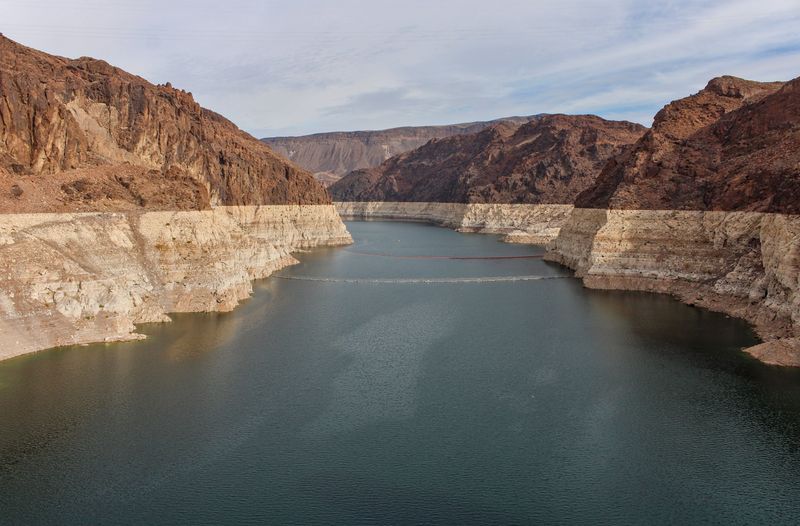
Bathtub rings on canyon walls show where the water used to be. Those pale, chalky lines mark where the water used to be, and right now they are sitting uncomfortably high above the actual waterline.
Reservoirs across Montana hit lower levels earlier this spring than water managers had planned for. The combination of early snowmelt and below-average precipitation left storage facilities struggling to keep pace with demand.
Many municipalities rely on reservoir storage to bridge the gap between wet and dry seasons. When those reserves drop fast, the buffer shrinks and restrictions become the only tool left.
Homeowners might not think about their local reservoir until the water pressure changes. But that reservoir is directly connected to every shower, sprinkler, and dishwasher in the community.
Lower storage levels also affect water quality. Shallower water warms faster, which can encourage algae growth and strain treatment systems.
Reservoirs in parts of the state have historically dropped well below typical capacity heading into the hottest months, and this year’s early snowmelt and low precipitation point toward a similar pattern.
That is a notable shortfall heading into a season when demand only climbs higher. Checking your local water utility’s reservoir reports is a simple habit that pays off.
Knowing where storage stands helps you anticipate how strict restrictions might get. Staying informed keeps you from being caught off guard when the rules tighten quickly.
4. Rising Temperatures Increased Water Demand Early
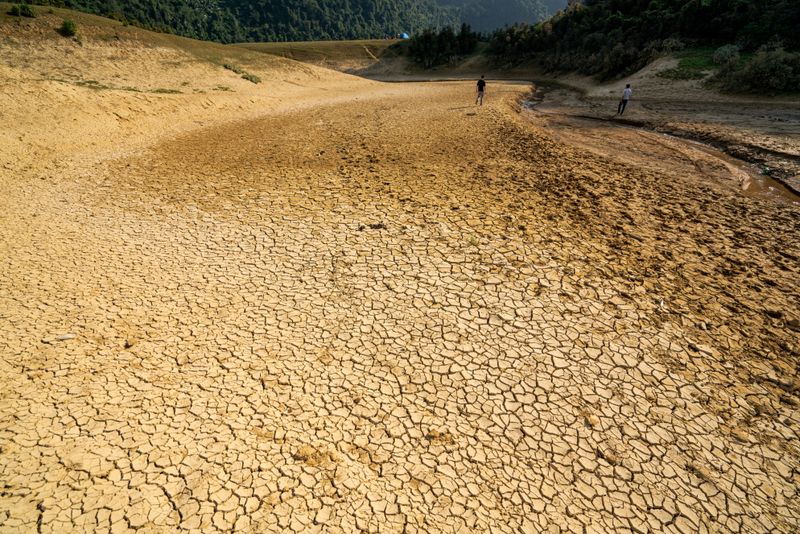
April used to feel like a slow warm-up before summer. This year, it felt more like a preview of August, and water systems across the state felt that shift immediately.
Higher-than-average spring temperatures pushed homeowners to start watering lawns and gardens weeks ahead of the typical schedule. Outdoor water use spiked at the same time reservoirs were already running low.
Warm temperatures also increase evaporation rates from both soil and open water. Plants need more irrigation to compensate, and that extra demand hits the system all at once.
Air conditioning use rose earlier too, and while that does not directly drain water, it signals the kind of heat that stresses the whole regional water cycle. Warmer air holds less moisture, drying out landscapes faster.
Water utilities plan their seasonal capacity around historical temperature averages. When those averages shift, the planning assumptions break down and shortfalls appear sooner than expected.
For homeowners, the practical takeaway is straightforward. Watering early in the morning reduces evaporation loss significantly.
Smart irrigation timers can meaningfully reduce outdoor water use without sacrificing plant health, based on general industry estimates. Adjusting your habits before restrictions force the issue puts you ahead of the curve.
Proactive homeowners save money and avoid fines while keeping their yards in better shape. Rising heat is not going away, so smarter watering habits are worth building now.
5. Population Growth Strained Local Water Supplies
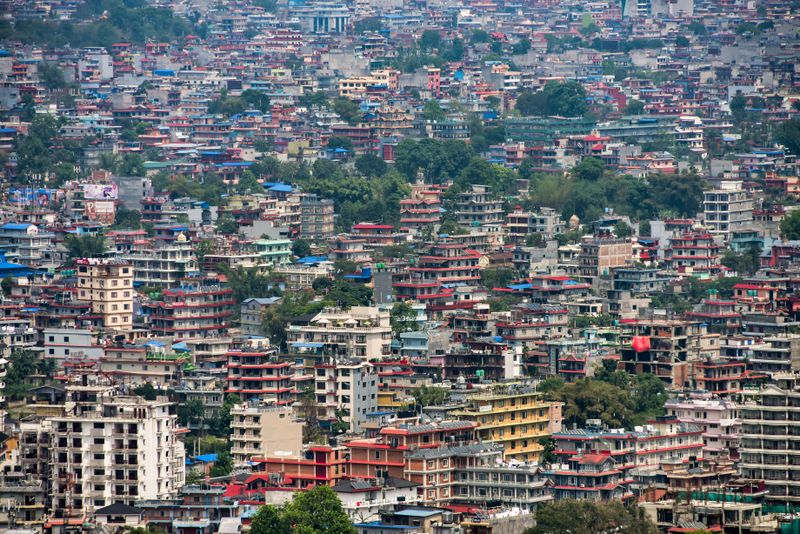
Montana has been discovered. Remote work, wide open spaces, and lower costs of living drew thousands of new residents over the past few years, and local water systems were not built for this crowd.
Towns that spent decades planning for steady, predictable growth suddenly faced surging demand. Bozeman, Missoula, and other communities have seen population growth in recent years that has outpaced infrastructure planning in many parts of the state.
More households mean more showers, more laundry loads, more lawn sprinklers running on summer evenings. The math is simple and the strain on aging systems is real.
Water rights in the West are complicated and deeply political. New residents often do not realize that the water available to a community is legally capped based on historical allocations.
You cannot simply drill more wells or tap new rivers without navigating a complex web of water law. That means population growth puts pressure on a fixed resource.
Local utilities have been working to upgrade capacity, but construction takes years and funding takes even longer. The gap between current demand and available supply is where restrictions live.
For new homeowners especially, understanding local water rights and municipal supply limits is genuinely important. Your neighbor’s lawn care habits affect your water pressure.
Community-level conservation is not just a feel-good idea, it is the practical reality of shared resources under pressure. Growth without planning creates shortages that everyone shares.
6. Streamflows Fell Below Seasonal Averages
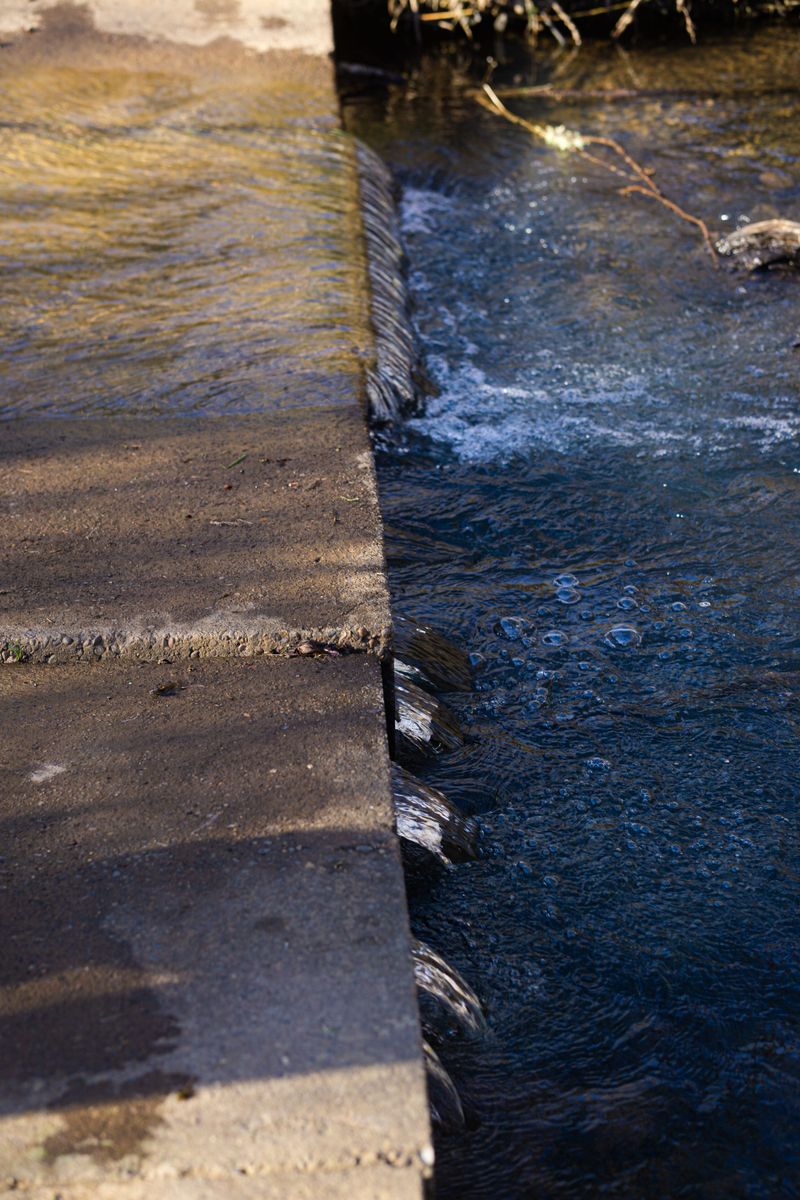
Gravel bars that should be underwater are sitting in the sun. Across Montana, streams and rivers that normally run full and fast in spring are running low and slow, and that is a problem that reaches far beyond the fish.
Streamflow gauges across the state have, in similarly dry years, recorded spring flows well below typical levels, a pattern this year’s conditions appear to be following.
Many municipal water systems draw directly from rivers and streams. When those flows drop, treatment plants have less raw water to work with and restrictions follow quickly.
Low streamflow also reduces the natural dilution of any pollutants or agricultural runoff entering waterways. That can affect water quality in ways that require additional treatment and cost.
Aquatic ecosystems are affected too, and while that might seem distant from your kitchen tap, healthy rivers are part of the infrastructure that keeps water available long-term.
Streamflow levels are publicly tracked by the U.S. Geological Survey and updated daily online. Checking your local river gauge gives you a real-time sense of how stressed the system is.
When streams fall well below their average flow, water managers often begin preparing restriction orders, though the exact threshold varies by community. Knowing that helps homeowners anticipate what is coming.
Low streamflows are one of the clearest early signals that restrictions may be on the way, and right now those signals point in that direction.
7. Agricultural Use Spiked During The Dry Spell
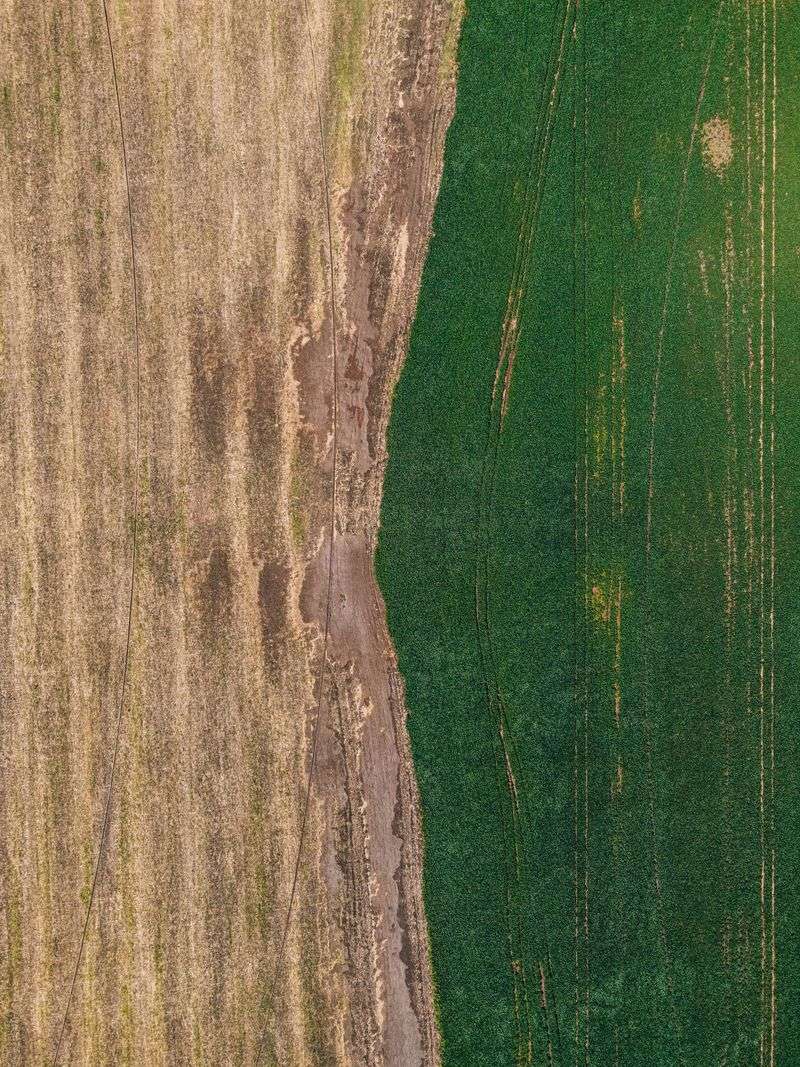
Farmers respond quickly to dry conditions to protect their crops. When the soil dries out early and fast, irrigation systems run longer and harder, and that pulls heavily from the same sources that supply towns and cities.
Agricultural water use accounts for the largest share of consumption in most western states. When drought hits early, farmers respond immediately to protect their investments, and water demand in rural areas surges.
That surge does not happen in isolation. Rivers and aquifers that supply farms are often the same systems that feed municipal wells and treatment plants downstream.
Early-season irrigation drawdowns can lower water tables significantly before summer even arrives. By the time residential demand peaks in July, the supply is already compromised.
Water rights in the West operate on a first-come, first-served basis called prior appropriation. Older agricultural rights often take priority over newer municipal claims during shortages.
That legal reality means that in a dry year, farms can legally draw water before cities. Homeowners rarely know this until restrictions hit their neighborhood without warning.
Understanding the agricultural-urban water connection helps explain why restrictions can arrive faster than expected. Your local water manager is not making arbitrary decisions.
They are responding to a shared system under stress from multiple directions at once. Learning how agriculture and residential supply interact is one of the most useful things a homeowner can do this season.
8. Aging Infrastructure Worsened Supply Shortages
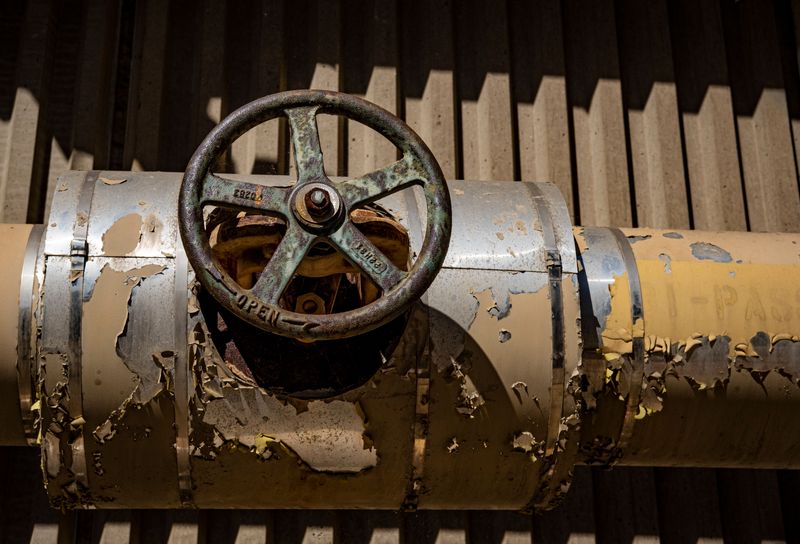
Old pipes lose more than water, they lose efficiency too. Across Montana, water systems built decades ago were never designed for today’s demand levels, and the effects are becoming more visible this season.
Water restrictions are arriving earlier this year partly because aging infrastructure is losing a portion of the water supply along the way.
Older water systems, according to general industry estimates, can lose a meaningful share of their supply through leaks before water reaches a single faucet.
That invisible waste matters enormously during a shortage. Every gallon lost in a cracked main is a gallon unavailable to a household or a fire hydrant.
Replacing aging water infrastructure is expensive and slow. Federal funding through recent infrastructure legislation has helped, but the backlog of needed repairs far exceeds available dollars.
Pipe replacement projects disrupt neighborhoods and take months to complete. In the meantime, water managers must work around failing systems while simultaneously managing reduced supply.
Homeowners can help by reporting visible leaks on streets or sidewalks immediately. A running main can waste thousands of gallons per day before repair crews locate the source.
Fixing the leak in your own home matters too. A dripping faucet or a running toilet can waste hundreds of gallons monthly without anyone noticing.
Water restrictions are arriving earlier across Montana because the whole system is under pressure from multiple directions. Doing your part at home adds up faster than most people expect.