How To Harvest Prickly Pear Fruit In Arizona This Summer
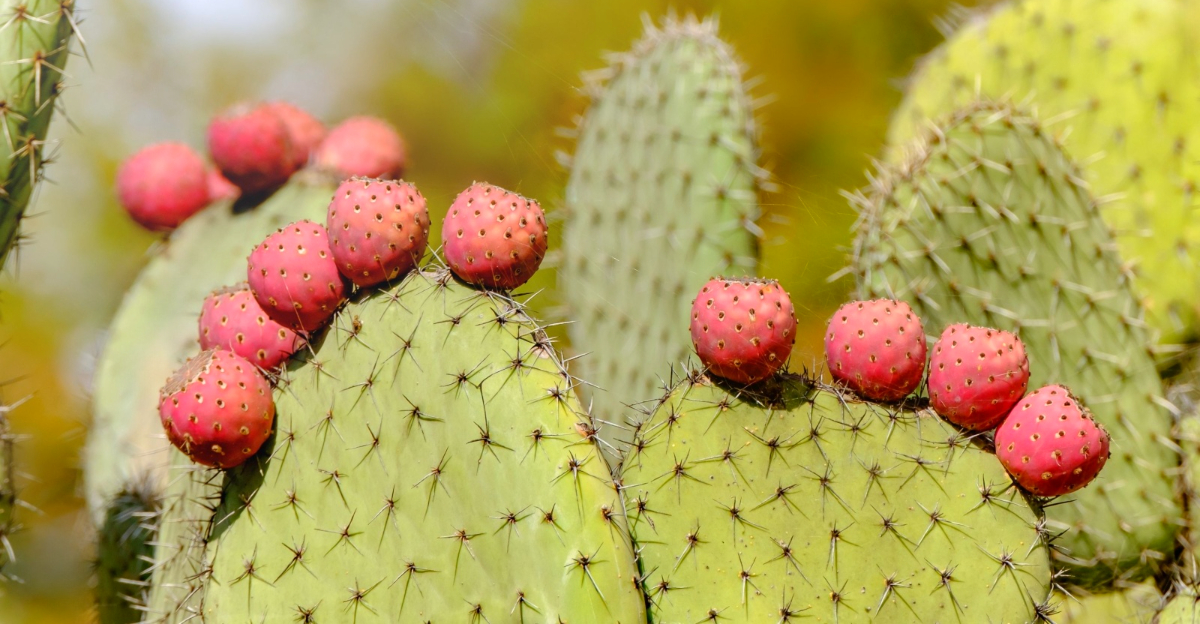
There is a moment every Arizona summer when you walk past your prickly pear cactus, look up, and realize those pads are absolutely loaded with deep red, purple, and magenta fruit just sitting there waiting to be picked.
It’s one of the more quietly exciting things a desert garden can offer, and if you’ve never harvested prickly pear fruit before, let’s just say it’s an experience.
A rewarding one, absolutely. But also one that requires a healthy amount of respect for those tiny, nearly invisible glochids that have a very impressive talent for ending up in your skin before you even realize what happened.
The payoff though is genuinely worth it. Fresh juice, jelly, syrup, and vibrant color that makes everything look like it belongs in a fancy restaurant.
You just need the right tools and a little patience to get there.
1. Wait Until The Fruit Is Fully Colored And Ripe
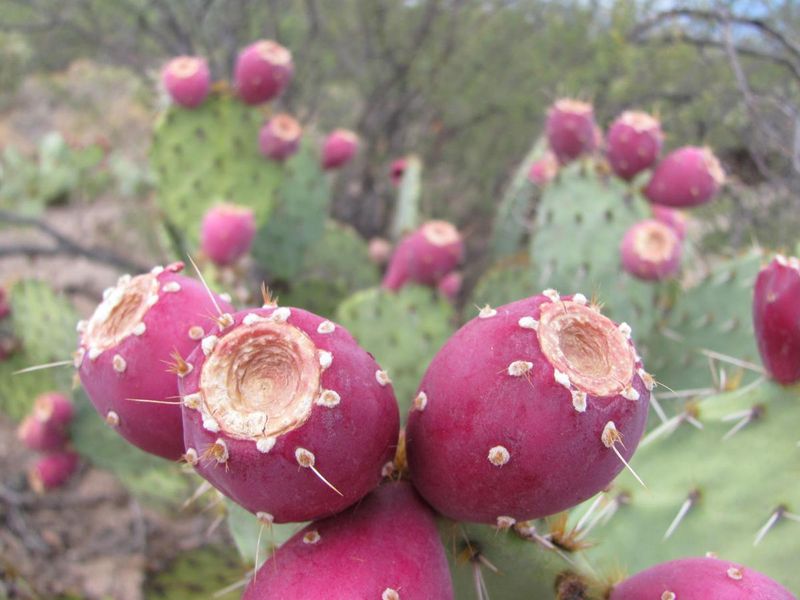
Bright color is one of the most reliable signals that prickly pear fruit is ready to pick in an Arizona yard. Depending on the variety growing in your garden or native cactus bed, ripe tuna can range from deep red and magenta to rich purple or even golden yellow.
Fruit that still shows green patches or feels very firm may need more time on the cactus.
Ripening in Arizona typically happens during the heat of summer, often between late July and September, though timing can shift slightly depending on elevation, rainfall, and the specific Opuntia variety on your property.
Fruit that has reached full color tends to feel slightly soft when gently pressed with a gloved finger, similar to how a ripe peach gives just a little.
Checking your cactus every few days during peak summer heat can help you catch fruit at its best. Overripe fruit may shrivel, split, or attract insects, so keeping an eye on the progress matters.
Picking too early can mean less sweetness and less juice, which affects how the fruit performs in the kitchen. Patience during the ripening window really does pay off when you taste the difference in flavor.
2. Use Tongs And Thick Gloves Before Touching Anything
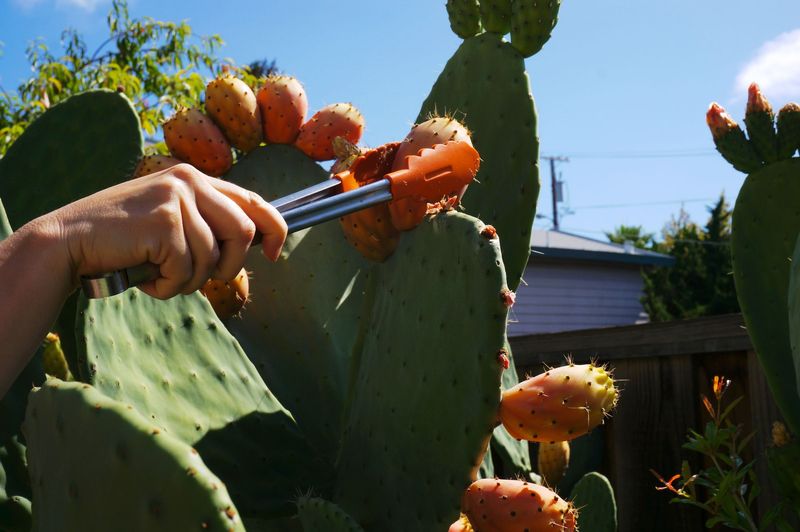
Long kitchen tongs and a sturdy pair of thick gloves are the two most important tools you can bring to a prickly pear harvest in Arizona.
The tongs let you grip the fruit firmly without your hands getting anywhere near the cactus pad or the fruit’s surface, which can carry both visible spines and nearly invisible glochids.
Leather gloves or heavy-duty gardening gloves offer more protection than thin latex or cloth options.
Many Arizona homeowners learn the hard way that even a brief brush against the fruit rind can leave dozens of glochids embedded in fingertips or palms. These tiny barbed bristles are frustratingly difficult to remove and can cause irritation for hours.
Having tongs long enough to keep your wrist away from the cactus pads makes the whole process much safer.
Some people use folded newspaper or layers of paper bag to handle fruit as a backup, but tongs remain the most practical choice for most backyard harvests.
Your Arizona Garden Changes Every Week. Your Plan Should Too.
Gardening in Arizona changes quickly throughout the season. Every Friday you’ll receive a simple weekly plan showing exactly what to plant, prune, fertilize, harvest, and protect so you never miss the right timing.
Keeping a second pair of gloves nearby in case the first pair gets saturated with glochids is also a smart move.
Setting up your tools and container before you start saves time and reduces the chance of accidentally grabbing fruit bare-handed mid-harvest.
3. Twist The Fruit Instead Of Pulling Hard
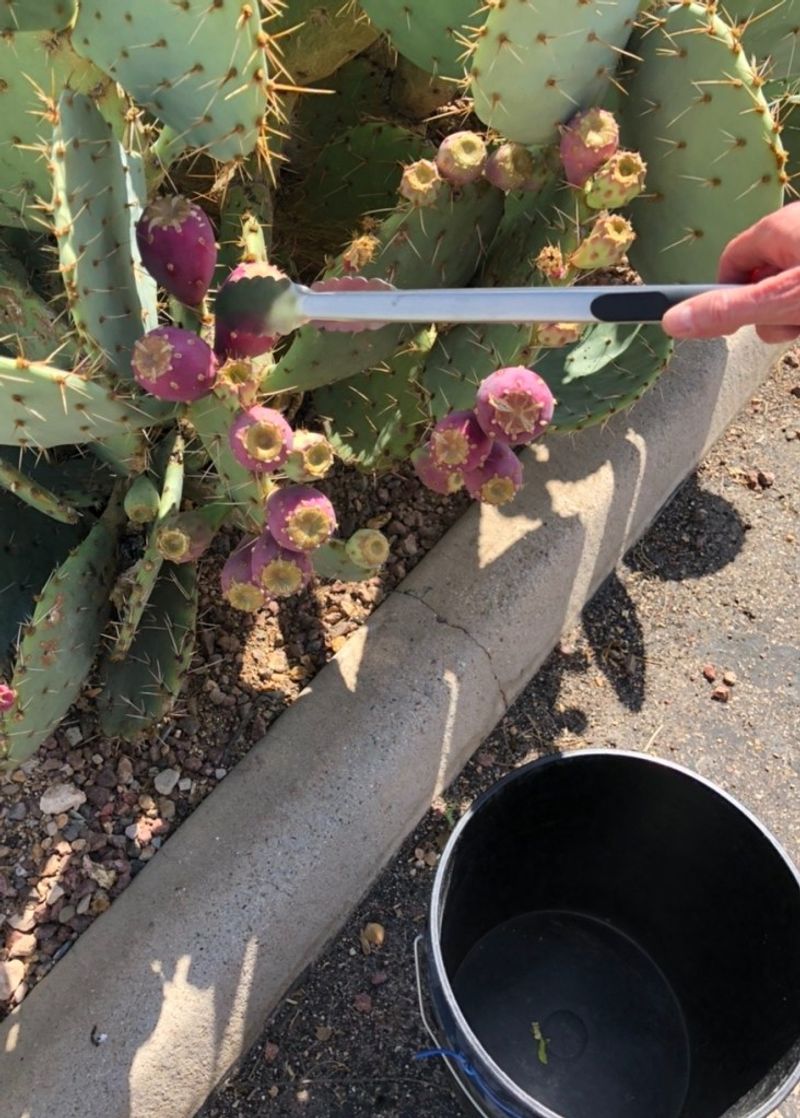
A smooth twisting motion works far better than yanking when it comes to removing prickly pear fruit from the cactus pad.
Ripe fruit usually releases with just a quarter to half turn of the tongs, and forcing fruit off before it’s ready can tear the pad or send the fruit flying in an unexpected direction.
That kind of mishap can send glochids airborne or cause you to drop the fruit onto your clothing.
Holding the tongs steady while applying gentle rotational pressure lets you feel when the fruit is ready to release. Fruit that resists the twist may simply need a few more days on the cactus.
Pulling straight out rather than twisting tends to leave a rough, torn attachment point that can introduce moisture and lead to issues with the remaining pad over time.
Working slowly and deliberately through each fruit makes the process more enjoyable and keeps things tidy. Some Arizona gardeners find it helpful to use one hand to stabilize the tong handle while the other guides the motion from a safe distance.
Taking your time during this step also reduces the risk of accidentally knocking neighboring fruit loose before it’s ripe, which helps you get the most from your cactus patch this summer.
4. Drop Fruit Directly Into A Bucket Or Container
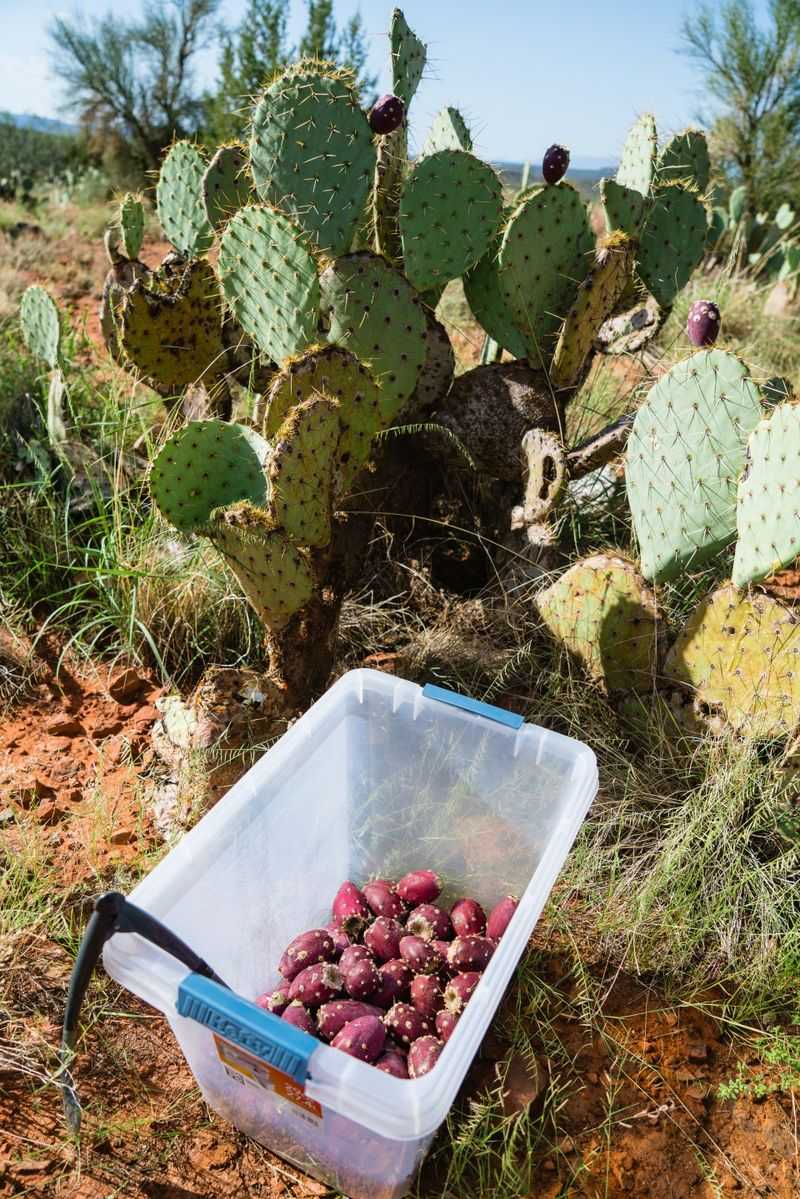
Dropping each piece of fruit directly into a bucket or container right after twisting it free is a simple habit that makes the whole harvest cleaner and safer.
Placing fruit into a container immediately reduces the chance of setting it down on a surface where glochids can transfer to clothing, furniture, or pets.
A five-gallon plastic bucket or a sturdy cardboard box lined with paper both work well for backyard harvests.
Avoid stacking fruit too high in the container, since heavier fruit on top can bruise softer fruit underneath. Bruised fruit tends to ferment faster, which shortens the window you have for kitchen use.
Keeping the container shaded during the harvest, especially on hot Arizona summer afternoons, also helps preserve fruit quality while you finish picking.
Some Arizona homeowners prefer mesh bags or open-weave baskets so air can circulate around the fruit, which can help on longer harvest sessions.
Whatever container you choose, make sure it’s dedicated to the harvest and not something you use for food storage without washing first, since glochids can transfer from the fruit’s surface to the container walls.
A quick rinse and inspection of the container after use keeps your storage space tidy and ready for next time.
5. Avoid Touching The Rind With Bare Hands
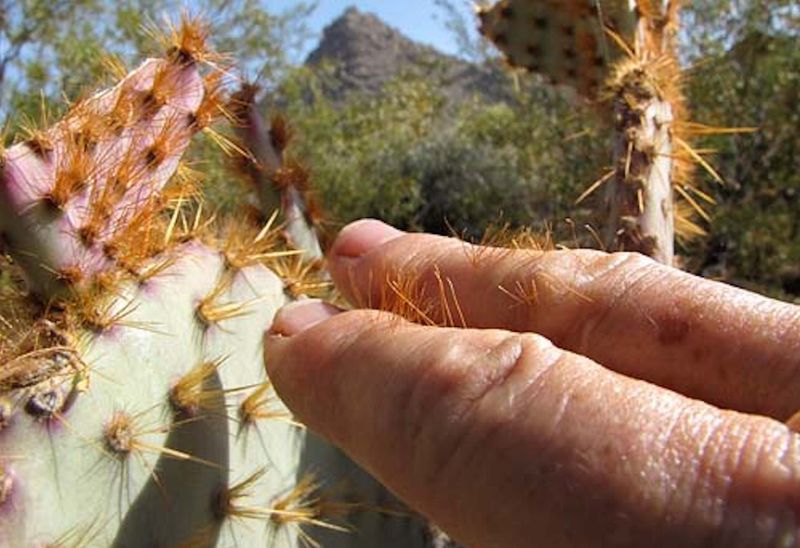
Even when prickly pear fruit looks smooth and inviting, its rind can still carry clusters of glochids that are nearly impossible to see with the naked eye. In Arizona’s bright summer light, you might not notice them until they’re already embedded in your skin.
This is one of the most common mistakes homeowners make when harvesting for the first time, reaching out instinctively to grab a beautiful piece of fruit without thinking twice.
Keeping tongs or gloves between your skin and the fruit at every stage of the harvest is the safest approach. Even setting fruit down on a cutting board and then picking it up again with bare hands can result in glochid contact.
Using a folded cloth or paper towel as a buffer when repositioning fruit adds an extra layer of protection during the transition from cactus to kitchen counter.
Children and pets should be kept at a comfortable distance during the harvest since they may not recognize the risk of touching the fruit out of curiosity.
Explaining what glochids are and pointing them out on the fruit can help older kids understand why hands-off habits matter.
Treating the fruit with the same caution you would give a hot pan on the stove helps build the right mindset for safe prickly pear handling throughout the entire process.
6. Harvest Only Where You Have Permission
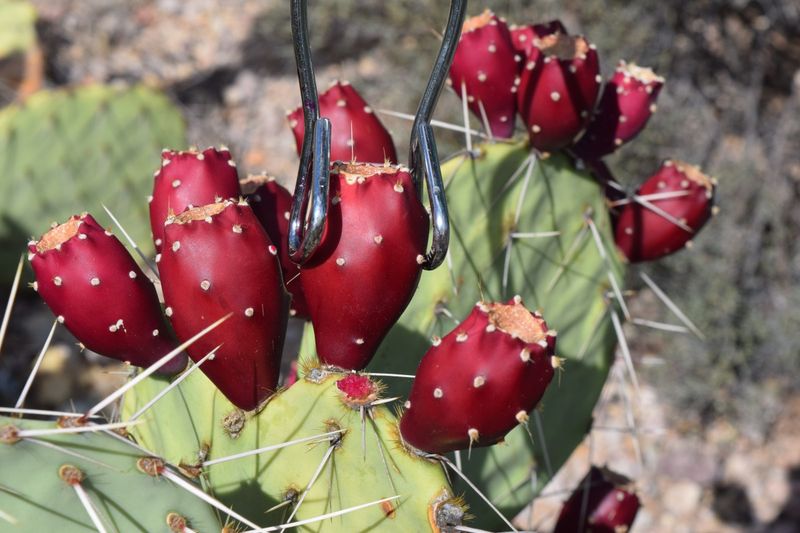
Knowing where you are legally allowed to harvest prickly pear fruit matters just as much as knowing how to do it safely.
In Arizona, prickly pear cactus grows in backyards, front landscapes, desert preserves, roadsides, parks, and on tribal lands, but not all of these locations allow fruit collection.
Harvesting from public lands, state parks, national forests, or protected desert preserves without the appropriate permit can result in fines or other consequences.
Private property is the most straightforward situation, since harvesting from your own yard or with the clear permission of a neighbor or property owner is generally acceptable.
HOA communities sometimes have rules about cactus maintenance and fruit removal, so checking with your association before harvesting from common areas or shared landscaping is a smart step.
Some community gardens and edible landscape programs in Arizona may also have specific guidelines about shared harvests.
Roadsides and vacant lots can seem tempting when cactus fruit is abundant, but access rules vary widely depending on who owns or manages that land.
When in doubt, the safest approach is to focus your harvesting on your own property or to reach out to the relevant land manager for guidance.
Respecting these boundaries helps protect native cactus populations and keeps Arizona’s desert landscapes healthy for everyone who enjoys them.
7. Remove Glochids Before Preparing The Fruit
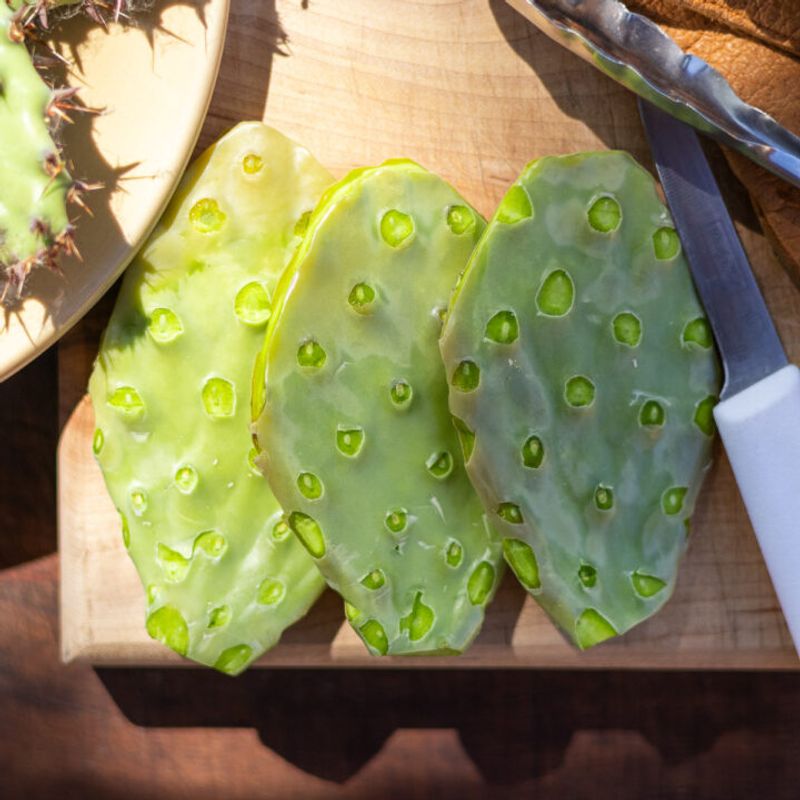
Getting glochids off the fruit before you start peeling or cutting is one of the most important steps between the cactus and your kitchen counter.
Several methods can help reduce glochids on the fruit’s surface, including singeing the fruit briefly over an open flame, rubbing it firmly with a stiff brush under running water, or rolling it on a rough surface.
None of these methods can guarantee complete removal, so protective gloves should still be worn during handling.
Singeing the fruit over a gas burner or outdoor grill flame is a traditional approach used by many Arizona cooks and is often recommended as an effective way to address the fine glochids that cling to the rind.
The fruit should be turned with tongs throughout this process to avoid scorching the skin.
After singeing, running the fruit under cool water and scrubbing it with a vegetable brush can help clear away any remaining bristle residue.
Once the surface has been treated, the fruit can be cut open for juice, scooping, or further preparation. Using a sharp knife to score and peel the rind rather than peeling with your fingers reduces the risk of any remaining glochids contacting your skin.
Working on a dedicated cutting board that you rinse thoroughly afterward keeps your prep area clean and ready for the next batch of fruit from your Arizona harvest.
8. Strain Juice Carefully For Kitchen Use
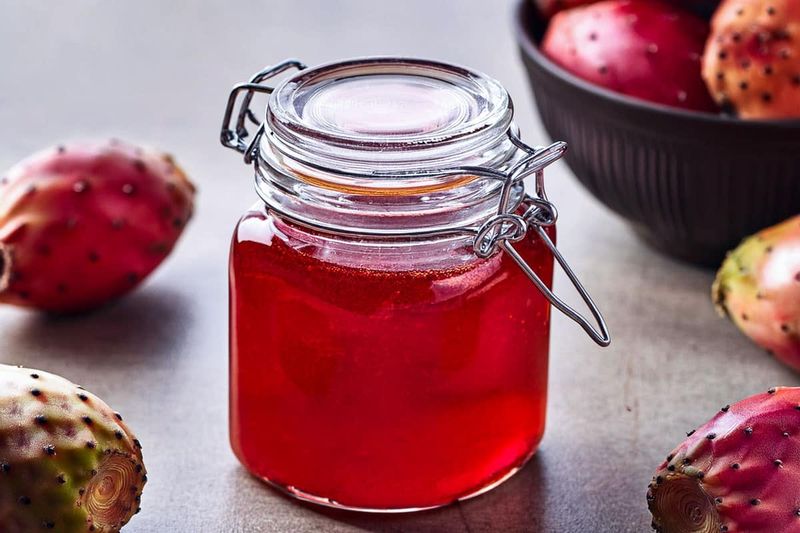
Once the glochids have been addressed and the fruit has been peeled, extracting the juice opens up a wide range of kitchen possibilities.
Prickly pear juice has a naturally sweet, mild flavor with a vibrant magenta color that makes it stand out in syrups, lemonades, jellies, and cocktail mixers.
Many Arizona home cooks look forward to this step each summer as one of the most rewarding parts of the harvest.
To extract juice, the peeled fruit can be blended or mashed and then strained through a fine mesh strainer lined with cheesecloth. This two-layer straining process helps catch both seeds and any remaining fine material from the rind.
Pressing the pulp gently against the strainer with the back of a spoon helps release more juice without forcing seeds through the mesh.
Straining twice is sometimes recommended for a cleaner, clearer juice, especially if you plan to make jelly or syrup where appearance matters.
The juice can be used fresh within a few days when refrigerated, or it can be frozen in small portions for use throughout the year.
Labeling your containers with the harvest date helps you track freshness and plan your kitchen projects. Arizona summers produce enough fruit for generous batches, so having a clear straining setup ready before you start saves time and mess.
9. Clean Clothes And Tools After Harvesting
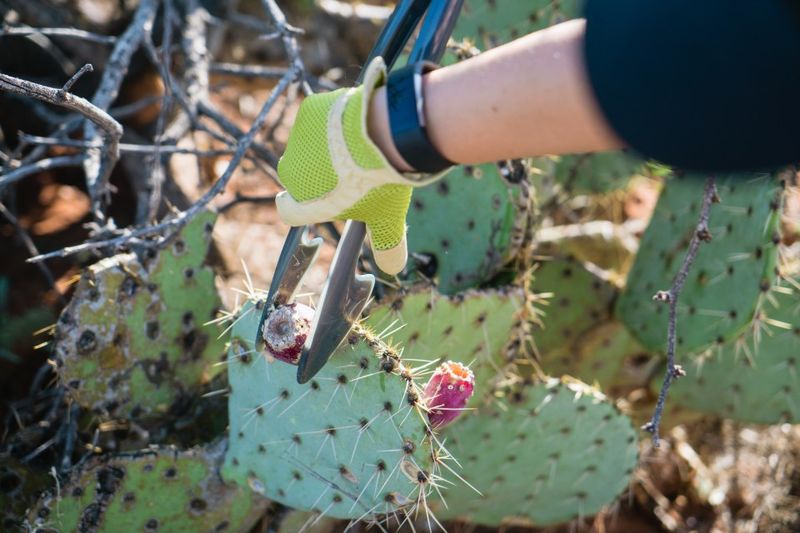
Finishing a prickly pear harvest in Arizona does not mean the job is fully done once the fruit is inside. Glochids can cling stubbornly to clothing, gloves, tongs, buckets, and even shoe soles long after you have stepped away from the cactus.
Taking a few minutes to clean your tools and change your clothes right after harvesting helps prevent glochids from spreading into your home, car, or onto other people.
Tongs and metal tools can be rinsed under running water and scrubbed with a stiff brush to remove embedded glochids.
Gloves should be inspected carefully and either cleaned thoroughly or set aside for cactus work only, since glochids can be transferred to the next person who picks them up.
Clothes worn during the harvest should be shaken out outdoors before going into the laundry, since glochids can work their way through a wash cycle and stick to other garments in the load.
Checking the soles of your shoes and the cuffs of your pants is also a good habit after working around prickly pear cactus in an Arizona yard. A lint roller can help pull glochids from fabric surfaces that are difficult to rinse.
Building a simple cleanup routine at the end of each harvest session makes the whole experience more manageable and keeps your home environment comfortable and glochid-free after a productive summer pick.