Why Geckos Show Up More In Arizona Yards During Monsoon Season
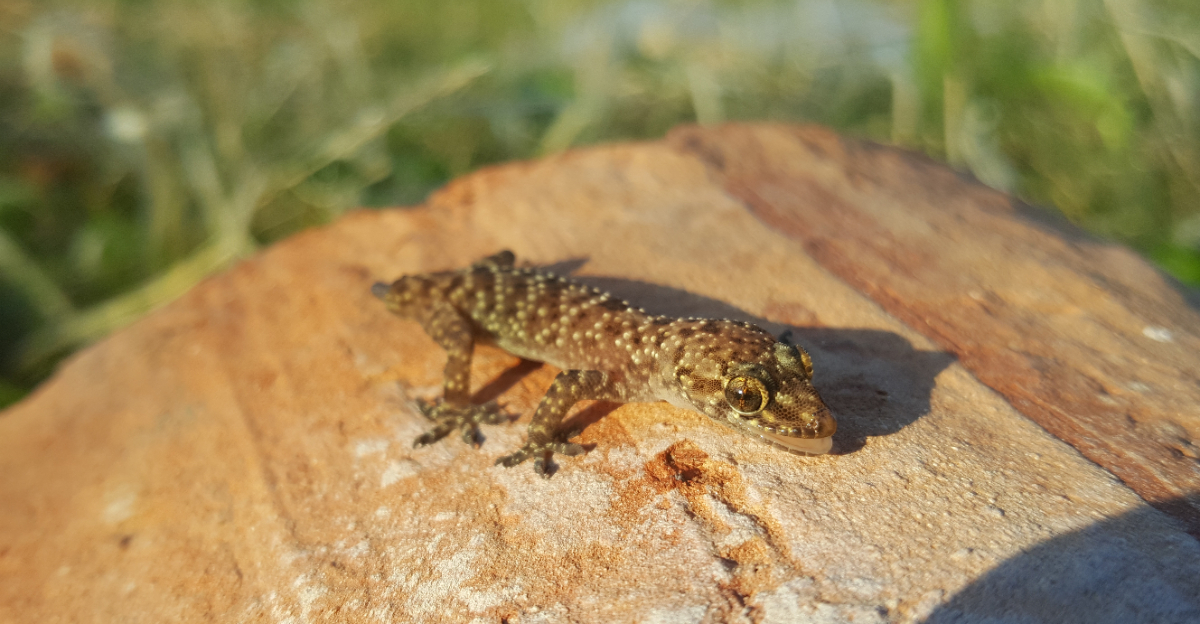
Warm evenings often bring a few surprises into the yard. One night everything looks the same as usual.
The next, a tiny gecko is sitting on a wall, climbing across the patio, or waiting quietly near the porch. After spotting one a few times, it starts to seem like they appeared out of nowhere.
Seasonal changes often affect the wildlife living around our homes. Some animals become easier to spot because they are more active, while others simply take advantage of changing outdoor conditions.
Even small shifts in the weather can make a noticeable difference in what shows up around the yard.
Monsoon season creates those conditions in many parts of Arizona. Geckos become much more noticeable during this time of year, and their increased activity is not a coincidence.
Once you understand what changes with the season, it becomes much easier to see why these little visitors suddenly seem to be everywhere.
1. Monsoon Weather Brings Out More Geckos At Night
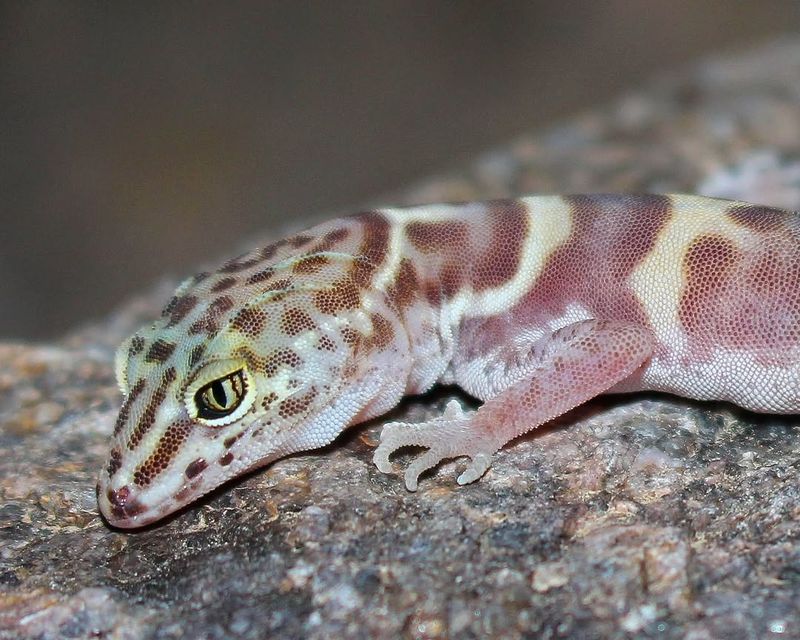
Rain flips a switch for geckos. Before monsoon season hits, summer nights in the desert are brutally dry and scorching hot.
Geckos tend to stay hidden because conditions just are not comfortable enough for them to roam freely.
Once the rain arrives, everything shifts. Humidity rises quickly.
Ground temperatures drop just enough to make outdoor surfaces bearable. Geckos are cold-blooded, so they rely entirely on their environment to regulate body temperature.
Cooler, humid nights give them the energy boost they need to move around and hunt.
Moisture also softens the soil and brings insects up from underground. That creates a feeding frenzy that geckos cannot resist.
Wet walls and surfaces also give them better grip, which makes climbing easier and safer.
Monsoon storms usually arrive between July and September across the region. During that window, gecko sightings spike noticeably.
Homeowners who never saw a single gecko in June suddenly spot several every night once the rains begin.
Geckos are not randomly wandering. They are responding to very real environmental signals.
Rain tells them that food is available, temperatures are manageable, and conditions are right for activity. Watching them emerge after a storm is actually a sign of a healthy local ecosystem at work.
2. Flying Insects Keep Geckos Coming Back
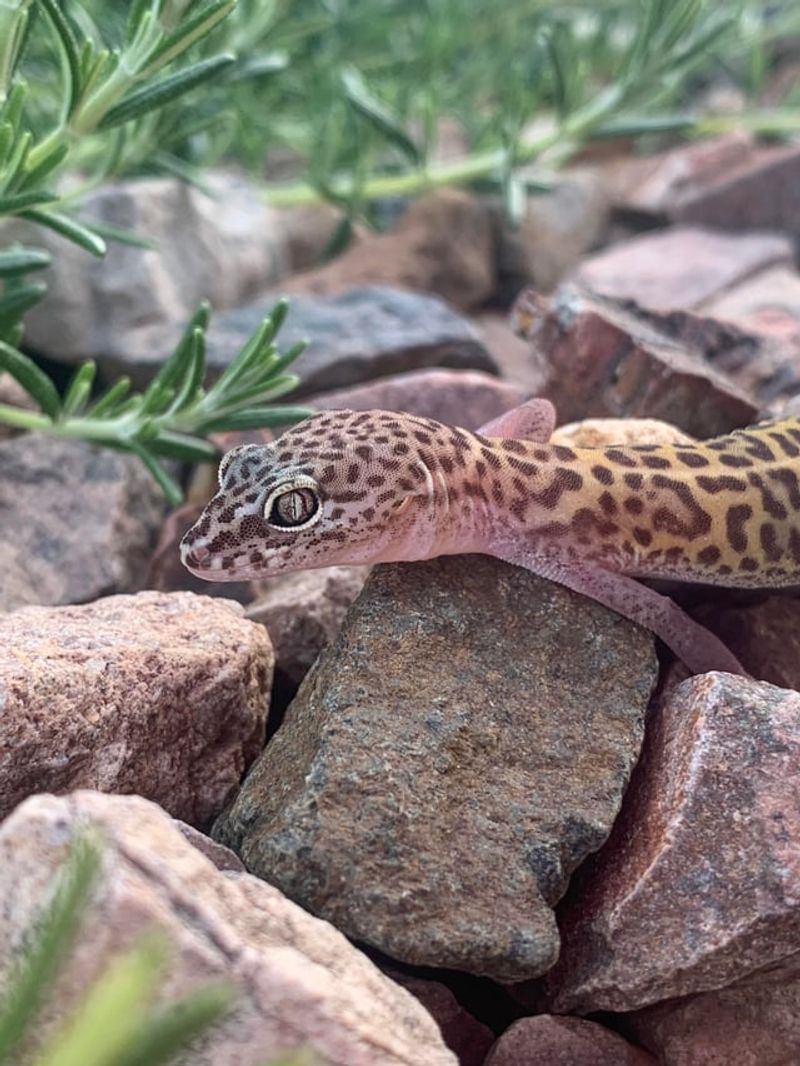
Geckos do not show up in your yard by accident. Food is the main reason they keep coming back night after night.
Monsoon season creates an explosion of flying insects across the desert Southwest, and geckos take full advantage of it.
Beetles, moths, gnats, and mosquitoes all surge in numbers once humidity rises and standing water appears. Geckos are fast and precise hunters.
A single gecko can consume dozens of small insects in one night without much effort.
What makes flying insects especially attractive is how predictable they are. Bugs gather near moisture, light sources, and vegetation.
Geckos learn those patterns quickly. Once they find a reliable feeding spot, they return to it repeatedly.
Yards with gardens, bird baths, or outdoor water features tend to attract more insects. More insects mean more geckos.
Your Arizona Garden Changes Every Week. Your Plan Should Too.
Gardening in Arizona changes quickly throughout the season. Every Friday you’ll receive a simple weekly plan showing exactly what to plant, prune, fertilize, harvest, and protect so you never miss the right timing.
It is a straightforward cause and effect that plays out every monsoon season across the region.
Homeowners sometimes notice the same gecko returning to the same corner of the porch each night. That loyalty to a feeding spot is completely normal behavior.
Geckos are territorial and efficient. They stake out productive locations and guard them from competing geckos.
If insects are plentiful in your yard, expect geckos to stay around for the entire monsoon season. Reducing standing water can lower insect numbers slightly, but geckos will still find enough to eat during this time of year.
3. Porch Lights Create The Perfect Hunting Spot
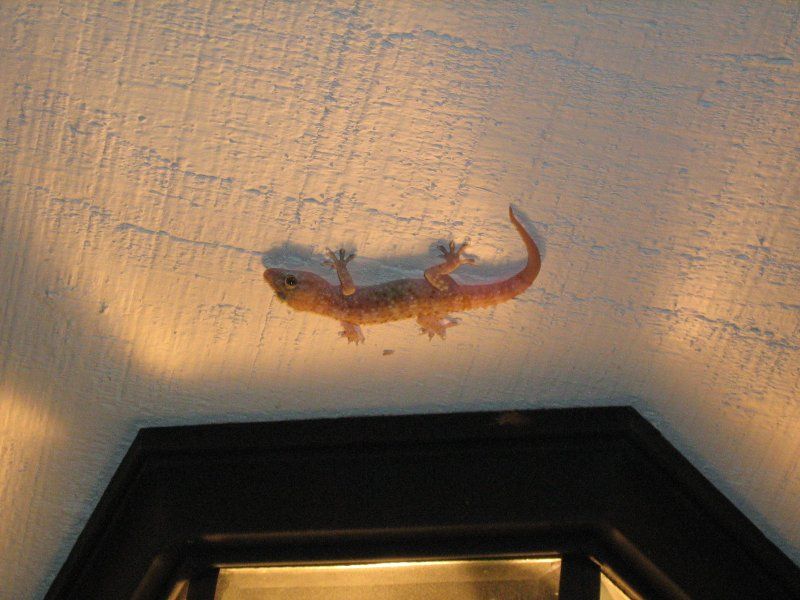
Porch lights are basically a free buffet for geckos. Insects are naturally drawn to artificial light at night, and geckos figured that out a long time ago.
Positioning themselves near a light source is one of the smartest hunting strategies they use.
A gecko near a porch light barely has to move. Bugs fly straight toward the bulb, and the gecko just waits.
It is an ambush setup that requires very little energy. During monsoon season, when insects are everywhere, this strategy becomes even more effective.
Warm light bulbs attract more bugs than cool LED lights. If you have older incandescent or halogen bulbs on your porch, expect more gecko activity nearby.
Switching to cooler LED bulbs can reduce insect attraction slightly, which may bring fewer geckos around.
Geckos often position themselves just outside the brightest zone of the light. They prefer the edge of the lit area where they can see prey clearly without being too exposed.
That spot on the wall just beside your porch light is prime real estate for them.
Watching a gecko hunt near a light is genuinely fascinating. They freeze completely, then strike with surprising speed.
Most catches happen in under a second. Families with kids often find this entertaining to watch on warm monsoon evenings in the backyard.
4. Warm Nights Keep Geckos More Active
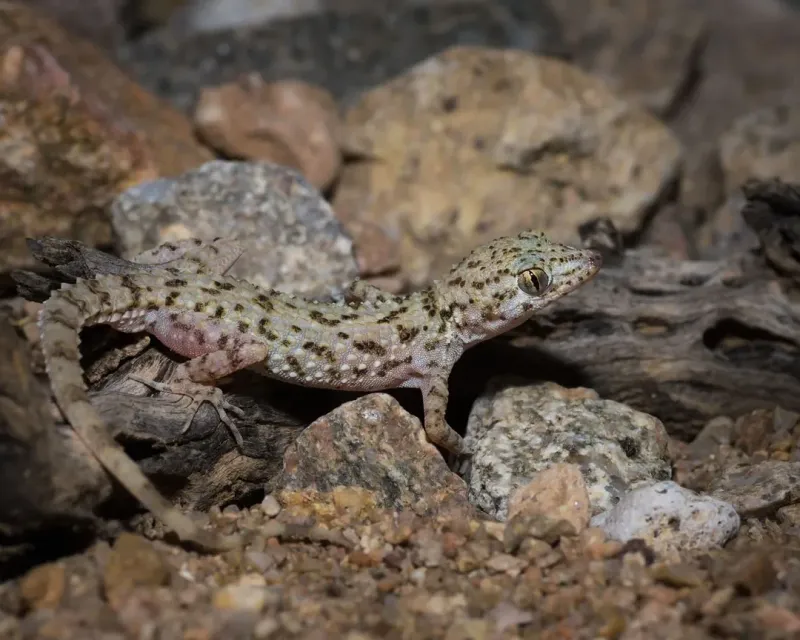
Cold nights slow geckos down fast. Warm nights do the opposite.
Monsoon season in the desert keeps nighttime temperatures elevated, sometimes staying above 80 degrees well past midnight. For geckos, that warmth is fuel.
Geckos are ectotherms, meaning their body temperature matches their surroundings. Warm concrete patios, sun-baked stucco walls, and heated sidewalks store heat from the day and release it slowly at night.
Geckos seek out those warm surfaces to stay active longer.
During cooler months, geckos become sluggish and much harder to spot. Monsoon season is basically their most productive time of year.
Food is abundant, temperatures are ideal, and they can stay active for more hours each night.
Warm nights also overlap with peak insect activity. Most flying insects are most active in the hours just after sunset when temperatures are still high.
Geckos and insects are essentially on the same schedule, which makes hunting very efficient for them.
Homeowners across the region often notice geckos are most visible between 8 p.m. and midnight during monsoon months. That window lines up perfectly with peak heat retention on outdoor surfaces.
After midnight, surfaces cool slightly and gecko activity starts to slow.
Warm nights also encourage geckos to explore more territory. A gecko that stays near one wall on a cooler night might roam across an entire patio when temperatures stay high.
More movement means more sightings for curious homeowners.
5. Small Cracks Around Homes Make Safe Shelters
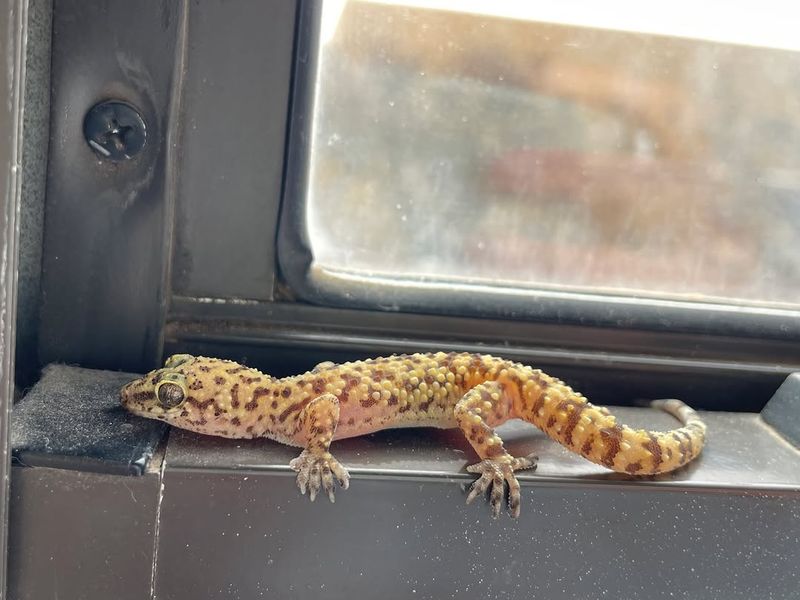
Geckos are not looking for trouble when they hang around your home. They are looking for shelter.
Small cracks in stucco, gaps around window frames, and spaces under door thresholds give them exactly what they need to feel safe.
During monsoon season, heavy rain pushes geckos to seek drier, more protected spots. The exterior of a home offers dozens of tiny hiding places that stay dry even during a downpour.
Geckos learn where those spots are and return to them regularly.
Gaps around outdoor electrical outlets, cracks near the roofline, and spaces behind exterior light fixtures are all common gecko hideouts. They are not causing structural damage by using these spots.
Geckos are lightweight and their presence does not harm walls or framing.
Warm walls also play a role. Stucco absorbs heat during the day and stays warm well into the night.
A crack in a warm stucco wall is an ideal resting spot for a gecko between hunting sessions.
Sealing large gaps around your home is reasonable if you prefer not to have geckos indoors. Weatherstripping on doors and caulk around window frames can reduce entry points.
However, geckos on the exterior are generally harmless and even helpful.
Outdoor shelters near food sources are prime gecko real estate. A crack near a porch light is basically a gecko dream location.
Do not be surprised if the same crack hosts the same gecko for the entire monsoon season.
6. Late Summer Brings More Young Geckos Into View
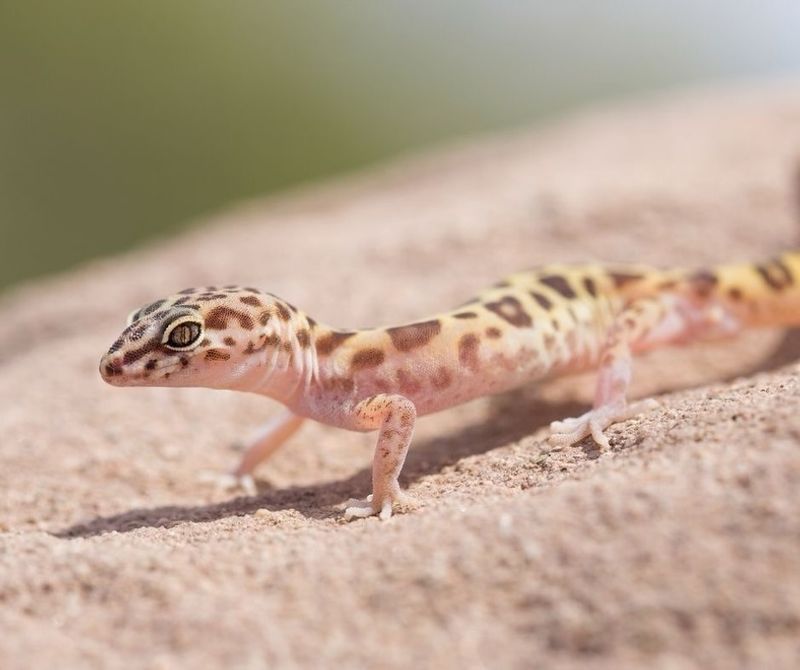
Tiny geckos everywhere in August? That is not a coincidence.
Late summer is hatching season for many gecko species in the region. Eggs laid earlier in the year begin to hatch right around the peak of monsoon season, flooding yards with juveniles.
Young geckos are noticeably smaller and often lighter in color than adults. They are also bolder than you might expect.
Juveniles need to eat constantly to grow, which pushes them into open areas where insects are most plentiful.
Monsoon season provides the perfect conditions for newly hatched geckos to thrive. Insects are everywhere, temperatures are warm, and moisture keeps the environment active.
Hatchlings that emerge during monsoon season have a much better chance of surviving their first few months.
Seeing many small geckos at once can feel surprising if you are not expecting it. Homeowners sometimes think there is a sudden infestation.
In reality, it is just a natural seasonal surge tied to the breeding and hatching cycle.
Adult geckos do not care for their young after hatching. Juveniles are completely independent from the moment they emerge.
That independence means they scatter quickly and show up in spots across the yard rather than staying in one place.
By late September, many juveniles grow noticeably and start behaving more like adults. The population visible in your yard naturally thins out as the monsoon season winds down and cooler nights arrive.
7. Most House Geckos Help Keep Bug Numbers Down
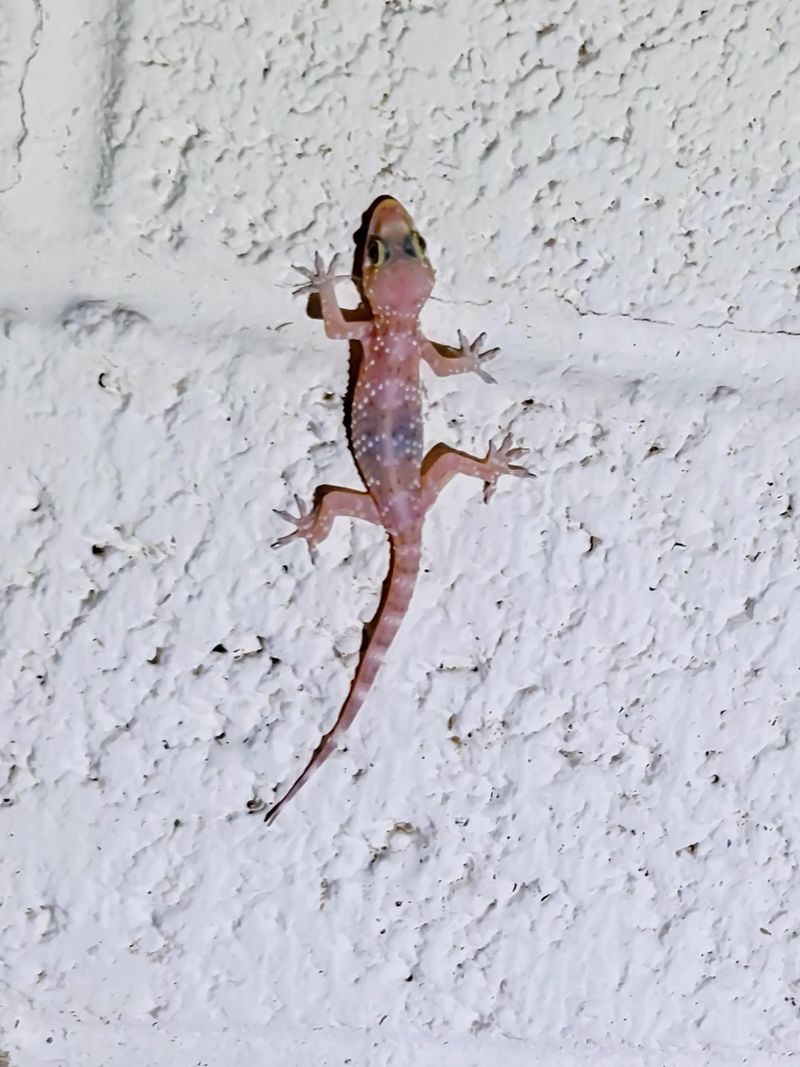
Before reaching for a broom, consider what geckos actually do for your yard. Geckos are natural pest managers.
A single adult gecko can consume hundreds of insects over the course of one monsoon season.
Mosquitoes, gnats, moths, and small beetles are all on the gecko menu. Mosquitoes alone carry enough health concerns to make any natural predator welcome.
Having geckos active around your home means fewer biting insects near your patio each evening.
Geckos do not sting, bite humans, or cause damage to plants and structures. They are quiet, low-profile residents that mostly go unnoticed unless you are looking for them.
Many gardeners and homeowners genuinely appreciate having them around.
Pest control professionals often point out that a healthy gecko population near a home is a sign of a balanced outdoor environment. Geckos would not stay if food were not available.
Their presence confirms that insects are active, and something is keeping those numbers in check.
Trying to remove geckos from your yard is generally unnecessary and not very effective. New geckos will simply move in as long as food and shelter are available.
Working with the natural cycle tends to produce better results than fighting it.
Appreciating geckos as helpful yard residents is a mindset shift worth making. Next time one darts across your wall on a rainy monsoon night, know that it is earning its keep.
Your yard is a little more balanced because of it.