Why Arizona Homeowners Are Replacing Gravel And What They Are Using Instead
Front yards do not stay the same forever. A landscape choice that seemed like a great idea years ago can start feeling outdated, difficult to maintain, or simply less appealing than it once was.
That is why many homeowners eventually begin looking for ways to refresh outdoor spaces without completely starting over.
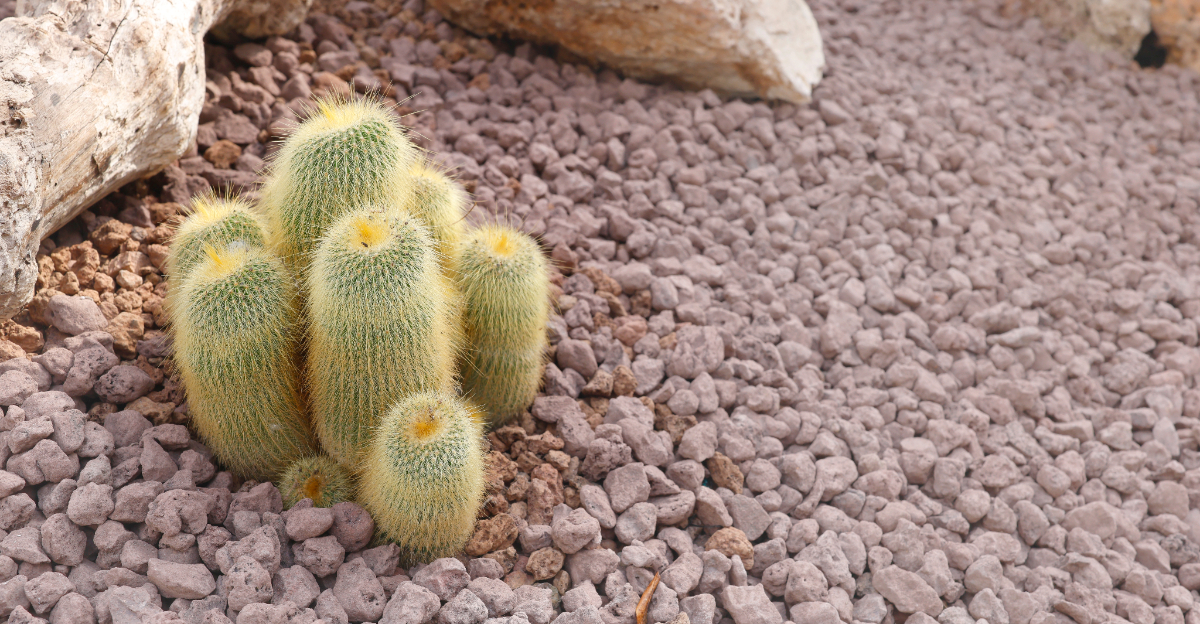
Gravel has been a familiar sight in desert landscapes for decades. It is easy to recognize, widely available, and has long been considered a practical option for low-water yards.
Yet more property owners are beginning to question whether it is still the best fit for their needs.
A growing number of Arizona homeowners are making changes and experimenting with different materials that offer a new look, different benefits, or less maintenance.
Some alternatives focus on appearance, while others are chosen for comfort, plant health, or long-term practicality. The shift is becoming more noticeable, and the reasons behind it may surprise you.
1. Gravel Can Make Yards Hotter During Summer
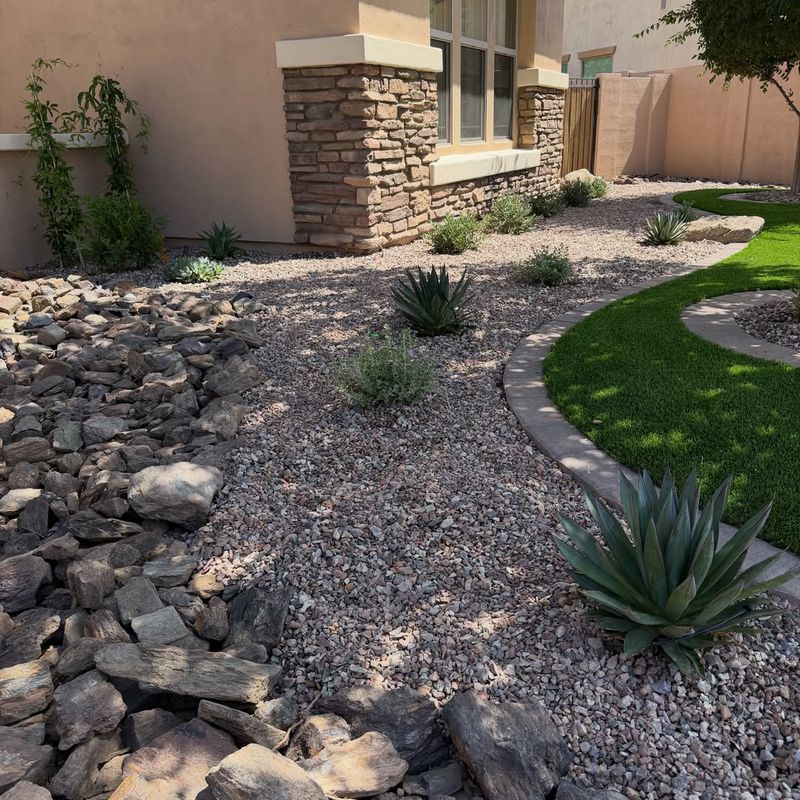
Walking through a yard filled with gravel in the middle of summer can feel noticeably hotter than standing just a few feet away under plants or trees.
The difference becomes obvious the moment the afternoon sun settles in and every surface starts reflecting heat back into the space.
Unlike living ground covers and shaded planting areas, gravel provides very little protection from intense sunlight.
Heat builds up quickly and lingers well into the evening, creating an environment that feels far less comfortable for spending time outdoors.
That extra warmth does not stay confined to the ground. Patios, seating areas, and nearby walls can all feel hotter when surrounded by large expanses of rock.
Even after sunset, some yards remain warmer than expected because the stored heat takes time to dissipate.
Pets, children, and many landscape plants feel the impact as well. Surfaces become uncomfortable to touch, and soil beneath the gravel can dry out faster during prolonged hot weather.
More homeowners are looking for ways to create cooler outdoor spaces without increasing maintenance.
Adding shade, incorporating plants, and reducing the amount of exposed gravel can make a noticeable difference in how a yard feels during the hottest part of summer.
The good news is that many heat-reducing alternatives work well in dry climates and can create a more comfortable landscape without dramatically increasing water use.
2. Organic Mulch Helps Keep Soil Cooler
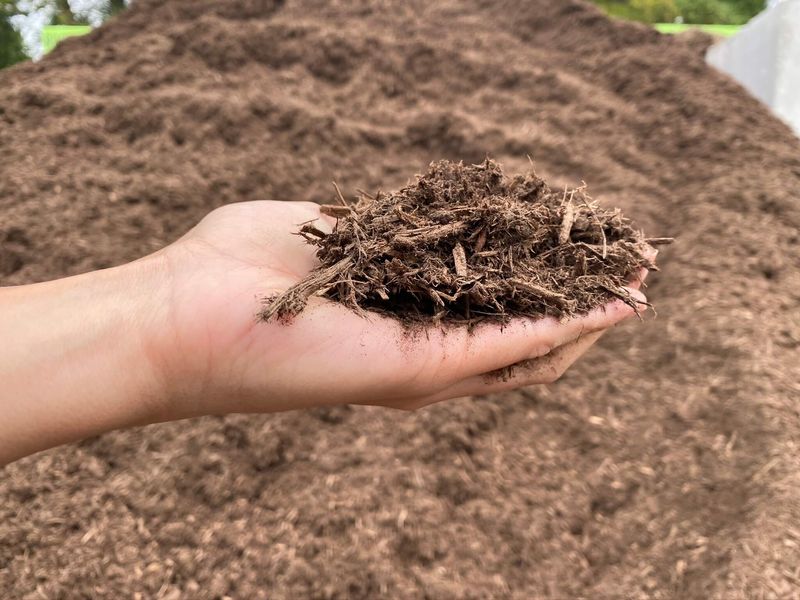
Swap out a layer of gravel for wood chip mulch and you will notice a difference in soil temperature almost immediately. Organic mulch acts like insulation for the ground beneath it.
Mulch keeps moisture in the soil longer by reducing evaporation. In a dry climate, that moisture-holding ability is incredibly valuable, especially during stretches without rain.
Wood chips, shredded bark, and straw all break down over time. As they decompose, they add nutrients back into the soil and improve its structure, which gravel never does.
Cooler soil means healthier roots. Plants growing in mulched beds tend to be more resilient during heat waves because their root zones stay more stable in temperature.
Your Arizona Garden Changes Every Week. Your Plan Should Too.
Gardening in Arizona changes quickly throughout the season. Every Friday you’ll receive a simple weekly plan showing exactly what to plant, prune, fertilize, harvest, and protect so you never miss the right timing.
One common concern is whether mulch attracts pests. In dry desert conditions, mulch that is kept at a reasonable depth of two to three inches generally does not create serious pest problems, though it is worth checking periodically.
Replacing gravel with mulch is one of the most affordable changes a homeowner can make. Bags are available at most garden centers, and bulk delivery is an option for larger yards.
Refreshing mulch once a year keeps the layer effective and the yard looking tidy. It is a simple swap with real, measurable benefits for both plants and comfort.
3. Native Ground Covers Fill Bare Spaces Naturally
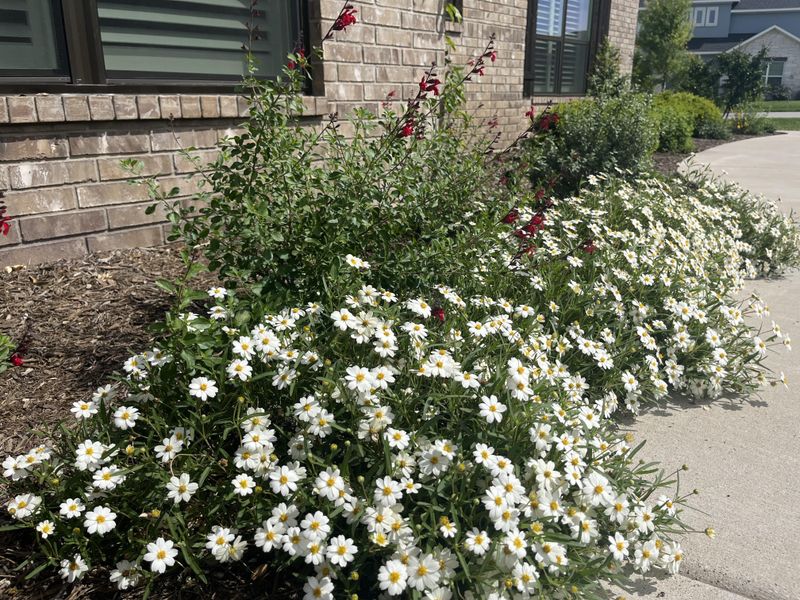
Bare gravel between plants looks empty and feels uninviting. Native ground covers solve that problem without demanding much water or attention.
Plants like trailing lantana, blackfoot daisy, and desert zinnia spread low and wide. They fill gaps between larger plants and create a more layered, natural look that gravel simply cannot offer.
Native ground covers are adapted to the region’s soil and rainfall patterns. Once established, many of them need very little supplemental watering, making them a practical choice for water-conscious homeowners.
These plants also support local pollinators. Bees, butterflies, and hummingbirds are drawn to the blooms, turning an ordinary yard into a small habitat.
Ground covers also reduce soil erosion. On sloped areas where gravel tends to shift or wash away after heavy rains, low-growing plants hold the soil in place with their root systems.
Establishment does take some patience. Most native ground covers need regular watering during their first growing season before they can handle dry conditions on their own.
After that first season, maintenance drops significantly. A light trim once or twice a year is usually all that is needed to keep them looking neat and healthy.
Replacing gravel with native ground covers is one of the most ecologically sound choices a homeowner in the desert Southwest can make.
4. Flowering Perennials Add Color Through The Seasons
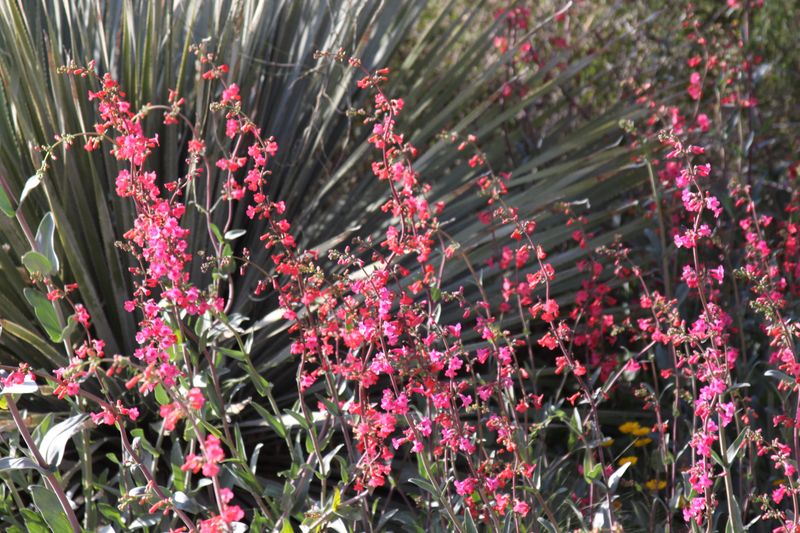
Gravel yards are usually one color: gray, tan, or white. Flowering perennials change that completely, bringing real seasonal interest that shifts and evolves throughout the year.
Plants like desert marigold, red salvia, and penstemon bloom reliably in warm conditions. They come back year after year without needing to be replanted, which makes them a smart long-term investment.
Perennials are especially effective when layered by height. Taller plants at the back, shorter ones up front create depth and visual interest that a flat gravel bed never achieves.
Most desert-adapted perennials are surprisingly tough once established. They handle heat, low humidity, and occasional drought without significant stress, as long as they are planted in well-draining soil.
Watering needs vary by species and season. During the hottest months, even drought-tolerant perennials may need occasional deep watering to stay healthy and continue blooming.
Color is not the only benefit. Many flowering perennials attract beneficial insects that help control garden pests naturally, reducing the need for chemical treatments.
Replacing a section of gravel with a perennial bed does not have to happen all at once. Starting with a small area and expanding gradually is a manageable approach for most homeowners.
5. Shrub Borders Create Structure Without Rock
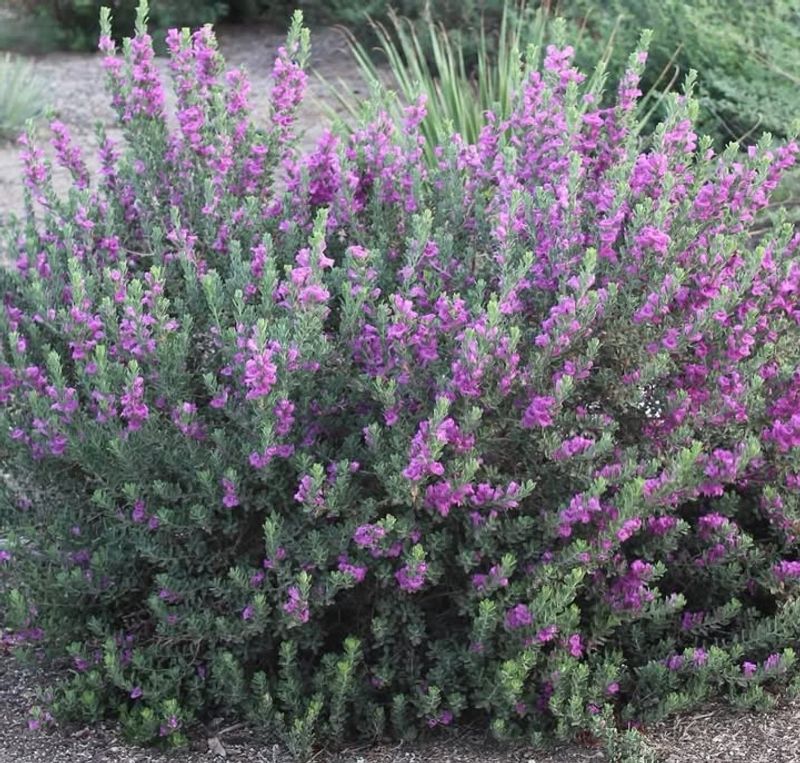
Structure in a yard does not have to come from rocks or hardscape. Well-placed shrubs create natural borders that define spaces, add privacy, and look great year-round.
Texas sage, brittlebush, and desert willow are popular choices in dry climates. Each one offers seasonal blooms, interesting foliage, and enough size to create real visual impact along a fence line or property edge.
Shrubs also do something gravel never can: they grow. As they mature, they fill in bare areas, provide shade at ground level, and reduce the heat radiating off the soil.
Planting shrubs along a sunny wall can actually help lower the surface temperature of that wall. The foliage creates a buffer between direct sunlight and the structure behind it.
Establishment watering is important. Most desert shrubs need consistent moisture during their first two growing seasons before they can handle dry stretches on their own.
Spacing matters too. Planting shrubs too close together leads to crowding and poor airflow, which can create problems as they grow.
Following spacing guidelines on plant tags is worth the effort.
Once established, shrub borders need minimal care. Light pruning after bloom cycles and occasional deep watering during dry spells is usually enough to keep them healthy and shapely.
6. Wildflower Plantings Bring More Seasonal Interest
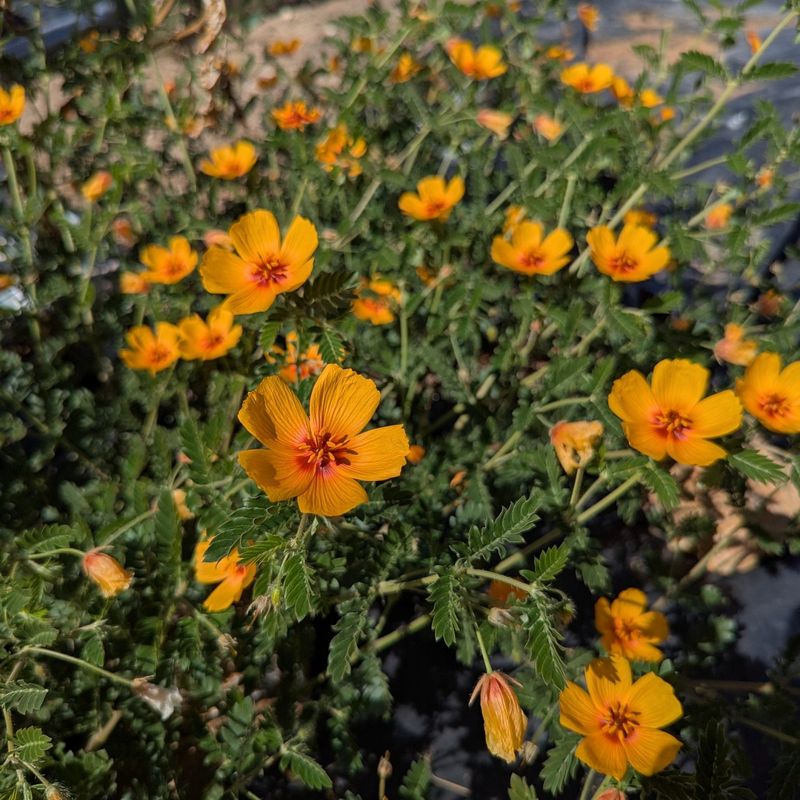
Nothing beats the surprise of a wildflower patch bursting into bloom after a good rain. Gravel can sit unchanged for years, but wildflowers transform a yard completely from one season to the next.
Native wildflower mixes designed for dry climates include species like Mexican gold poppy, desert bluebell, and globe mallow. These plants are adapted to the region’s rainfall patterns and do not need much help once they are established.
Wildflowers are typically seeded in fall. Winter rains help germinate the seeds, and blooms usually appear from late winter through spring depending on conditions.
One realistic note: wildflower success can vary. Soil preparation, seed quality, and rainfall timing all influence how well a planting performs.
Years with below-average winter rain may produce fewer blooms.
After flowering, many species drop seeds naturally. With some luck and a bit of patience, the planting can reseed itself and return the following season.
Wildflower areas also support wildlife in a meaningful way. Bees, native butterflies, and birds all benefit from the food and shelter these plantings provide.
Converting a gravel section to wildflowers is one of the lowest-cost landscaping changes available. A bag of regionally appropriate seed mix and some light soil prep is often all it takes to get started.
7. Shade Trees Help Cool The Landscape
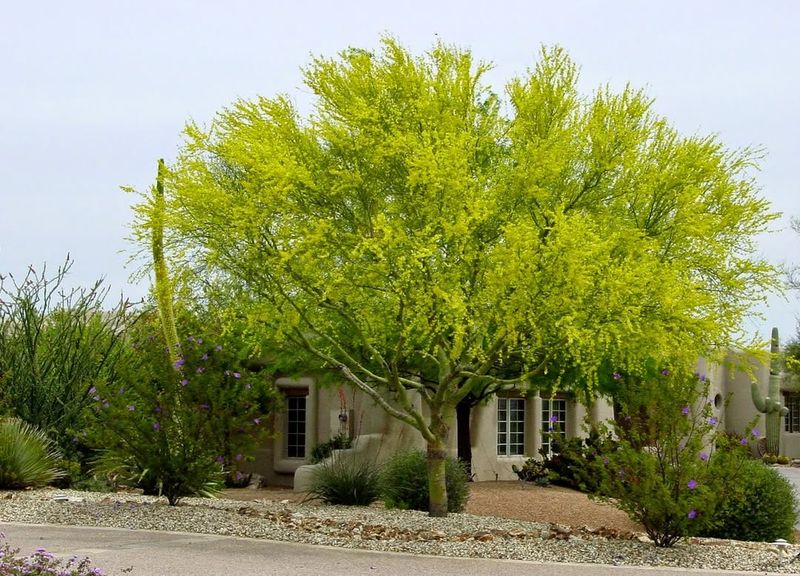
A single well-placed shade tree can change how a yard feels entirely. Gravel holds heat, but a canopy overhead blocks it before it even reaches the ground.
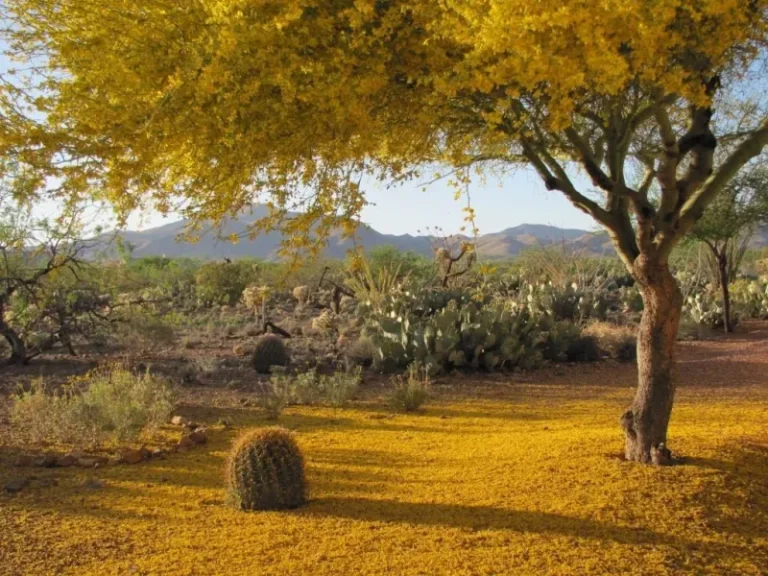
Palo verde, mesquite, and desert willow are popular choices in dry climates. Each grows at a reasonable pace, handles heat and drought well, and provides meaningful shade as it matures.
The difference becomes obvious the moment you step from a shaded area into full sun.
Beneath a mature tree canopy, the ground feels noticeably cooler and more comfortable, even during the hottest part of the afternoon.
Planting a tree on the west or southwest side of a home can also reduce afternoon sun exposure on the building itself. That can translate into lower cooling costs during summer months.
Trees do require a longer establishment period than smaller plants. Consistent deep watering during the first two to three years gives them the root development they need to handle dry conditions later.
Root spread is worth considering before planting. Choosing a spot away from underground utilities, foundations, and irrigation lines prevents future conflicts as the tree grows.
In Arizona, many municipalities offer rebate programs for planting shade trees in residential yards. Checking with your local water utility before planting could save you money on both the tree and your water bill.