The Meaning Behind Seeing A Mourning Dove In Your Illinois Yard
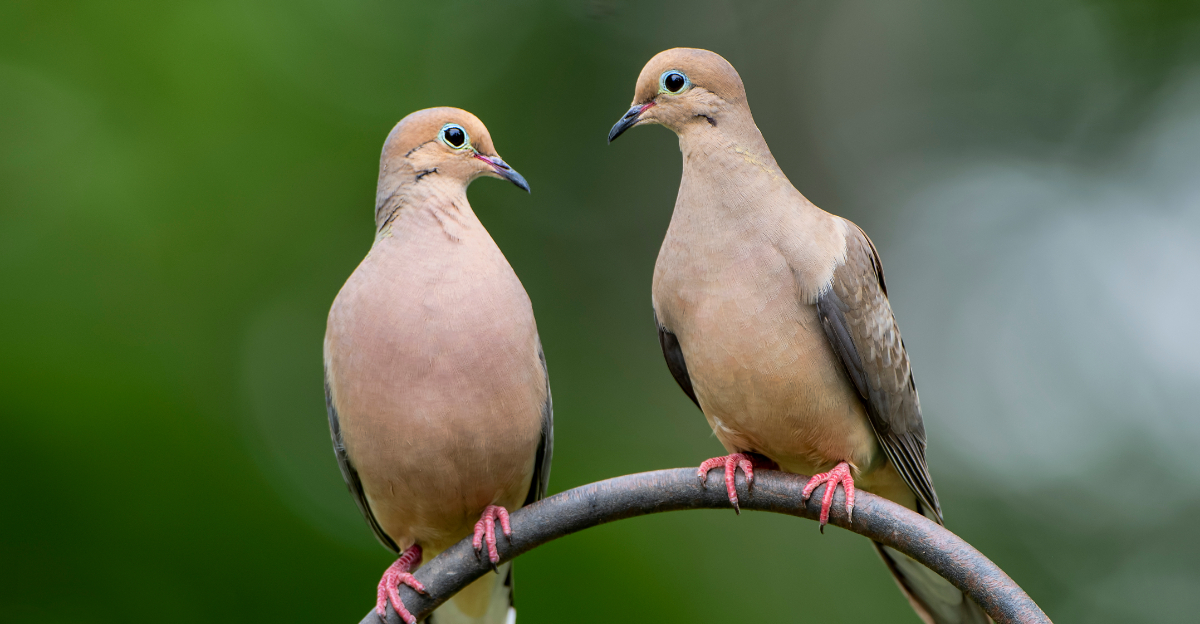
A soft gray shape sits on the fence rail just past sunrise, and it does not fly off when you step outside. Instead it tilts its head, lets out a low, mournful coo, and watches you with a dark, glassy eye.
This is the mourning dove, and its call has stopped people in their tracks for generations. Some hear sorrow in that sound. Others hear comfort, or a quiet reminder of someone they still think about often.
A dove on your fence during a rough stretch feels different than one on an ordinary Tuesday morning. Either way, this small gray visitor carries more symbolism than its plain feathers suggest, and it is worth understanding what that visit might mean.
The Deeper Meaning Behind A Dove’s Visit
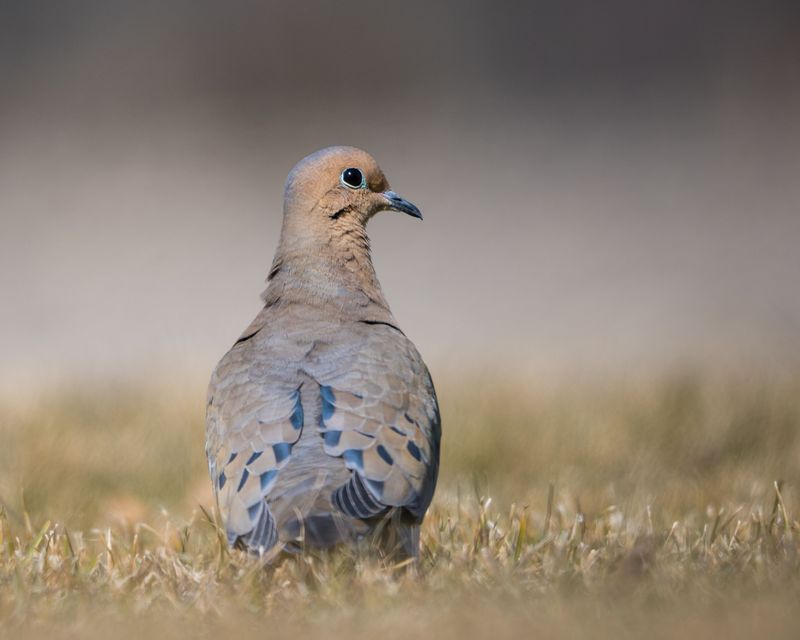
Something shifts when a dove lands near you. Many people feel a quiet pull in their chest, like the moment carries weight beyond a bird looking for seeds.
A dove appearing unexpectedly is often seen as a message. Many people believe it signals that someone who mattered is still watching over them.
Seeing a mourning dove in your Illinois yard during an ordinary day can feel surprisingly personal. That feeling is not random, and many people across generations have shared it.
Doves are widely seen as symbols of transition and quiet movement. That symbolism gives even a routine yard visit a sense of meaning.
Even without any deeper belief, there is something grounding about pausing when a dove visits. It reminds you to slow down and pay attention to the present moment.
Moments like these often trigger a natural sense of awe. That feeling of awe can ease stress and create a sense of connection to something larger than yourself.
So next time a dove lands in your yard, take a breath. That small, quiet bird might be delivering exactly the message you needed to hear today.
The Sorrowful Sound Behind Its Call
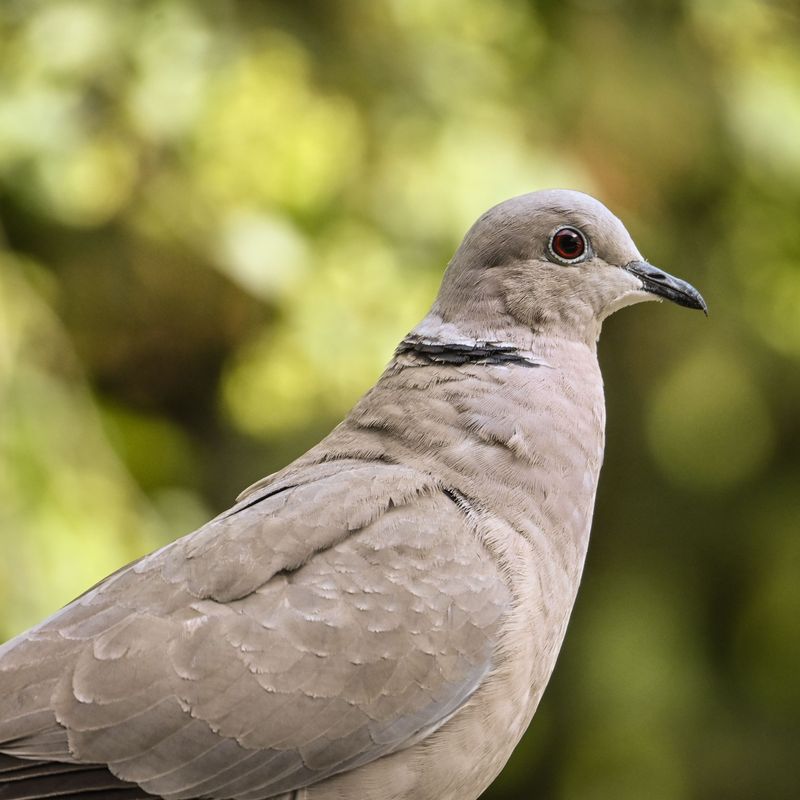
That low, echoing coo stops you mid-step often. It sounds like someone humming a sad song just around the corner of the house.
The mourning dove got its name directly from that call. Early settlers heard it and immediately thought of sorrow, the kind tied to loss.
Scientifically, the sound is made by air moving through the bird’s throat in a specific pattern. Males use it primarily to attract mates during the spring breeding season.
So the call is actually about love, not sadness. That little twist of biology is surprisingly poetic when you think about it carefully.
The sound travels far because of its low frequency. You can hear a dove calling from a surprising distance on a still morning.
Many people report feeling an emotional response when they hear it. Low, rhythmic tones are known to trigger feelings of nostalgia and calm.
In Illinois, doves begin calling heavily in late February and early March. If you hear that sound drifting through bare trees, spring is closer than the calendar suggests.
Your Illinois Garden Changes Every Week. Your Plan Should Too.
Gardening in Illinois changes quickly throughout the season. Every Friday you’ll receive a simple weekly plan showing exactly what to plant, prune, fertilize, harvest, and protect so you never miss the right timing.
Folk and country musicians have long drawn on its haunting call for inspiration. That kind of sound has a way of staying with people.
Hearing that coo in your yard is a sensory experience worth savoring. Close your eyes and let it land, because that sound carries generations of human feeling with it.
A Widely Recognized Symbol Of Peace
Few images are as widely understood as a bird carrying an olive branch. You have seen it on flags, logos, and greeting cards your entire life.
The mourning dove shares that symbolic legacy even without the branch. Its soft colors and calm behavior have made it a stand-in for peace in many parts of the world.
Its calm, non-threatening appearance communicates safety in a way that crosses nearly every language barrier. That is part of why the image has lasted so long.
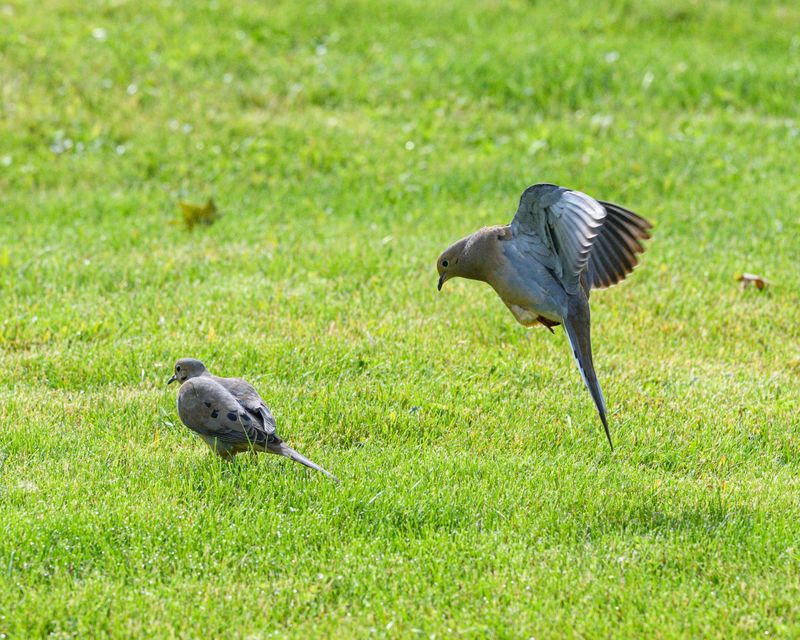
In your Illinois yard, watching a mourning dove walk slowly across the grass is oddly calming. It moves without urgency, pecking gently, largely unbothered by the noise of modern life.
That behavior mirrors what peace actually looks like in daily life. It is not dramatic or loud, it is steady, quiet, and consistent over time.
Seeing a mourning dove in your yard can serve as a gentle reminder to slow your own pace. Life moves fast, and this bird models something most of us have forgotten.
Some people place dove imagery around their homes intentionally for that reason. It becomes a visual anchor, a daily cue to breathe, soften, and choose calm over chaos.
Peace is not always found in retreats or meditation apps. Sometimes it lands right in your backyard on four small gray feet.
The Surprising Intelligence Behind That Calm Exterior
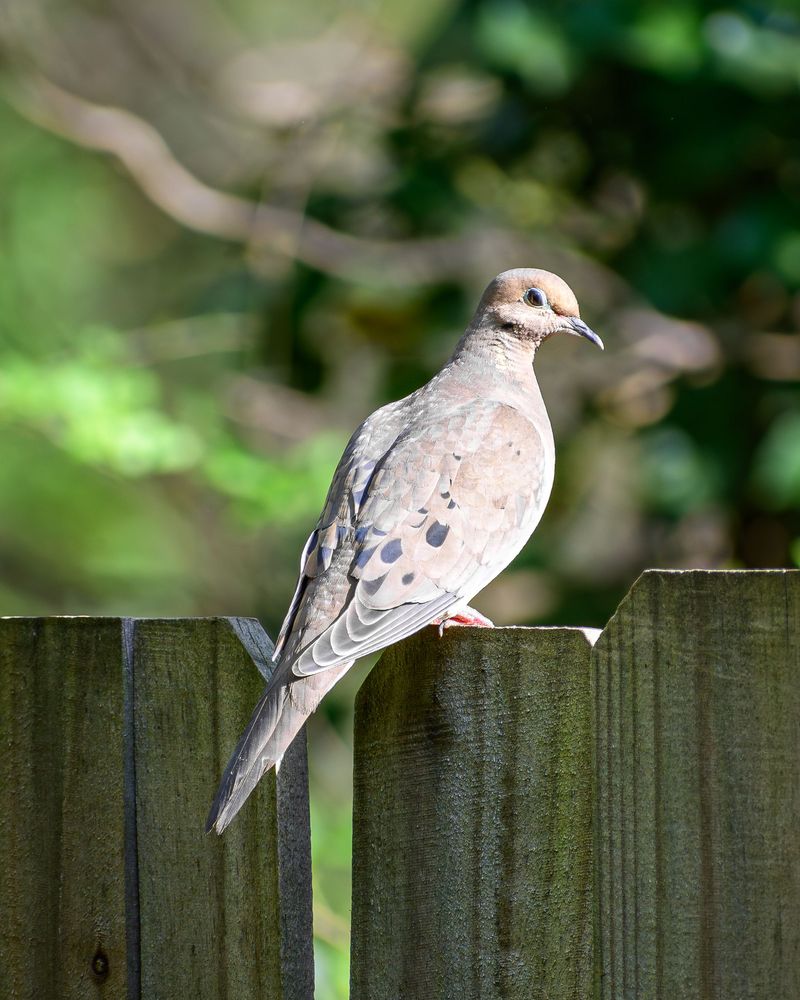
That calm, unhurried walk across your yard hides more going on upstairs than most people realize. Mourning doves are sharper navigators and quicker learners than their soft, sleepy appearance suggests.
These birds have a strong homing sense and can find their way back to a familiar feeder or nesting spot from long distances. Scientists studying pigeons and doves have found that this family of birds relies on a mix of visual landmarks, the position of the sun, and the earth’s magnetic field to stay oriented.
Mourning doves also remember the location of reliable food sources for extended periods. Once a dove finds a feeder it trusts, it tends to return to that exact spot again and again, sometimes for the entire season.
They pick up on patterns quickly, including the habits of the people who share their yard. A dove that visits your fence regularly may have already learned your schedule, your movements, and how close it can safely get to you.
Their memory extends to danger as well. Doves that encounter a threat near a certain feeder or perch often avoid that exact spot afterward, adjusting their routine based on a single experience.
This kind of learning takes real cognitive effort, even if it never looks flashy. A dove is not solving puzzles, it is quietly tracking its surroundings and updating its behavior in real time.
That combination of calm behavior and constant awareness is part of what makes the mourning dove so easy to underestimate. It looks like it is simply resting on your fence, but it is likely taking in far more than you realize.
Next time one lingers near you longer than expected, consider that it may already recognize you. That steady gaze might be less about curiosity and more about quiet, practiced observation.
The Loyalty And Love Doves Represent
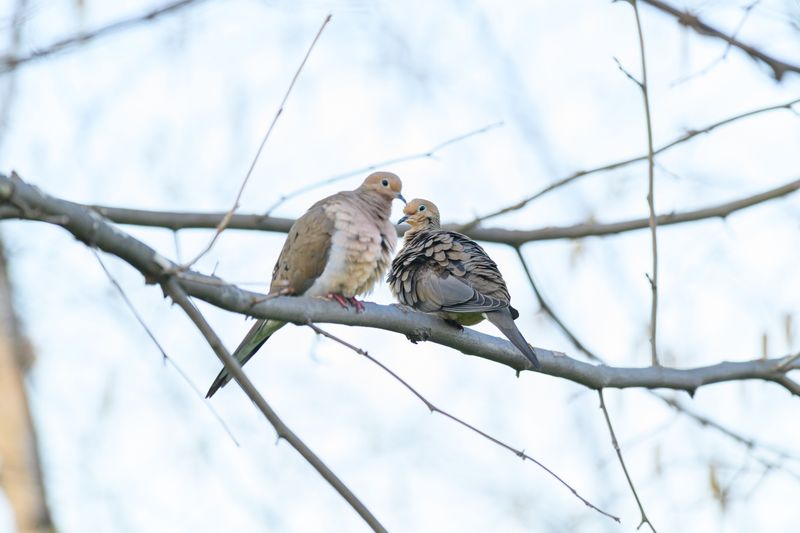
Doves are known for forming strong, devoted pairs each breeding season. That single fact has shaped centuries of poetry, wedding traditions, and romantic symbolism around the world.
When you spot two mourning doves together in your yard, you are likely watching a bonded pair. They nest together, raise young together, and stay close throughout the season.
Couples release doves at weddings for exactly this reason. The birds became a living symbol of commitment, fidelity, and the kind of love that chooses to stay.
Seeing a mourning dove in your yard might stir thoughts of your own relationships. It can be a quiet nudge to appreciate the loyal people already present in your life.
Male mourning doves are surprisingly attentive partners. They take turns sitting on eggs and feeding young, modeling a partnership built on shared effort and presence.
That behavior is genuinely touching to observe. If you ever watch a nesting pair up close, you will understand why people have romanticized them for so long.
Love, at its best, looks a lot like two doves on a branch. Quiet, close, and largely unbothered by the rest of the world around them.
A Sign Of Hope Even In Illinois Winters
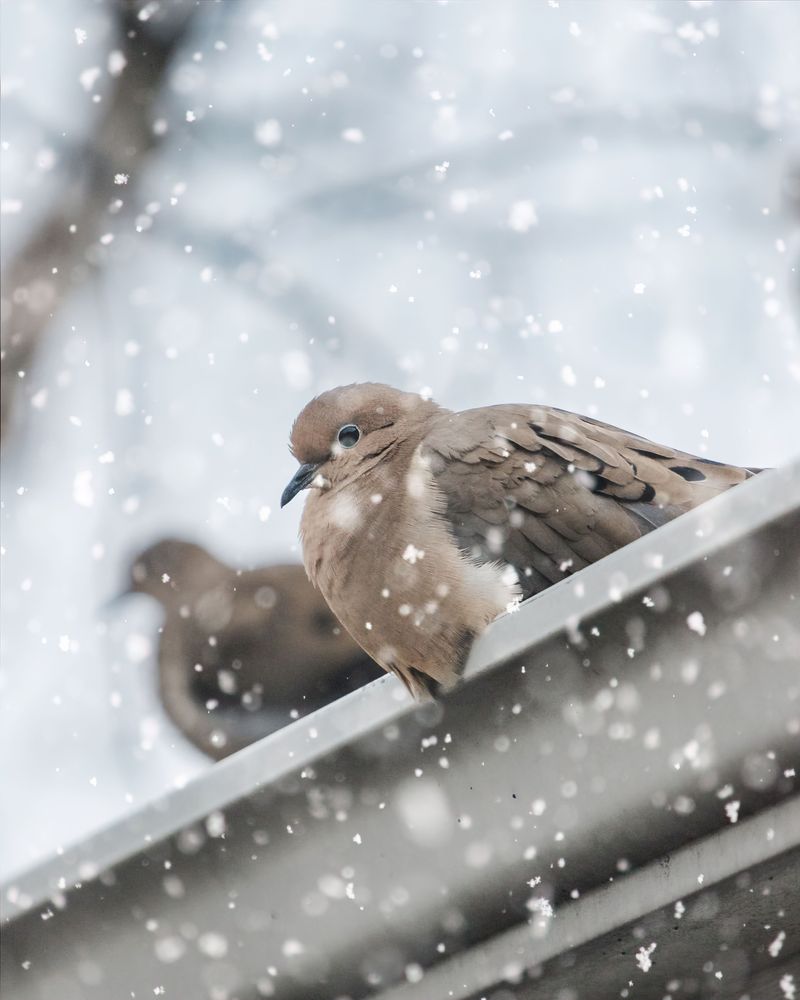
Most backyard birds head south when temperatures drop below freezing. The mourning dove is one of the few that stays behind and faces the Illinois winter head-on.
Spotting one on a gray January morning carries a specific kind of weight. It is proof that something soft and alive is still out there, even when everything looks bleak.
Doves survive winter by flocking loosely and sharing warmth. They roost together in dense shrubs and evergreen trees, huddled against the cold in quiet solidarity.
Seeing a mourning dove in your yard during a snowstorm feels like a small miracle. It is a reminder that resilience does not always look tough, sometimes it looks tender.
Many people have long seen a dove in winter as a sign of hope during hard times. It suggests that warmth and renewal are still possible, even in the darkest season.
For Illinois residents who struggle with the long gray stretch from November to March, a dove sighting can genuinely lift the mood. Its presence says the world has not gone entirely cold.
You can help mourning doves survive your local winters by offering millet or cracked corn in a ground-level feeder. They prefer feeding on flat surfaces rather than hanging feeders.
Adding a heated birdbath nearby gives them access to water when everything else is frozen solid. These small gestures turn your yard into a genuine winter refuge.
Seeing a mourning dove in your Illinois yard during the coldest months is not just luck. It is a quiet, feathered promise that spring is on its way back.