This Native Pennsylvania Shrub Roots Wherever It Touches The Ground (And That’s Actually A Good Thing)
A shrub that spreads itself sounds like exactly the kind of thing most gardeners want to avoid. The word “spreads” alone is usually enough to send experienced plant people in the other direction.
But every now and then a plant comes along that genuinely earns the right to spread, because what it does as it grows outward is useful rather than problematic. This native Pennsylvania shrub is exactly that plant.
Wherever its branches touch the ground, it sets down roots and starts a new point of growth. In the right situation, that ability is incredibly valuable.
It fills in bare slopes naturally, stabilizes soil that would otherwise erode, crowds out weeds without any help from you, and creates the kind of dense layered habitat that Pennsylvania wildlife genuinely depends on.
And because it’s native, it does all of this while thriving in Pennsylvania’s climate without any babying.
Here’s the native Pennsylvania shrub that spreads on its own terms and why that’s actually one of its greatest strengths.
The Native Pennsylvania Shrub That Roots Wherever It Touches The Ground
Not every plant earns its place in the yard by being flashy. Fragrant sumac earns it by being genuinely useful, and it does that in one of the most interesting ways in the native plant world.
When its low-growing stems bend and brush against the soil, they root right in. That is called layering, and for this shrub, it happens naturally without any help from you.
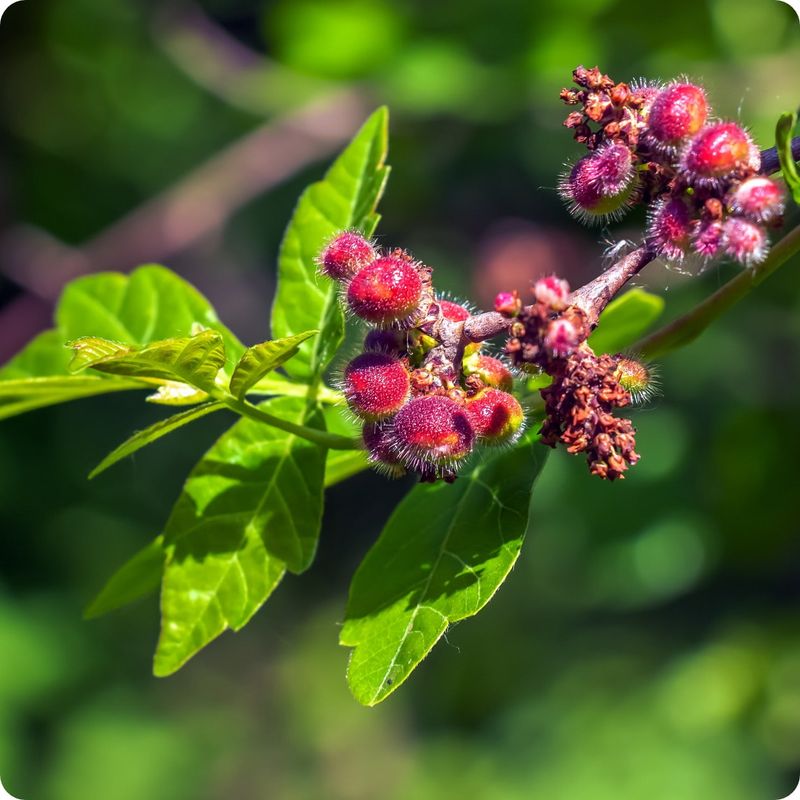
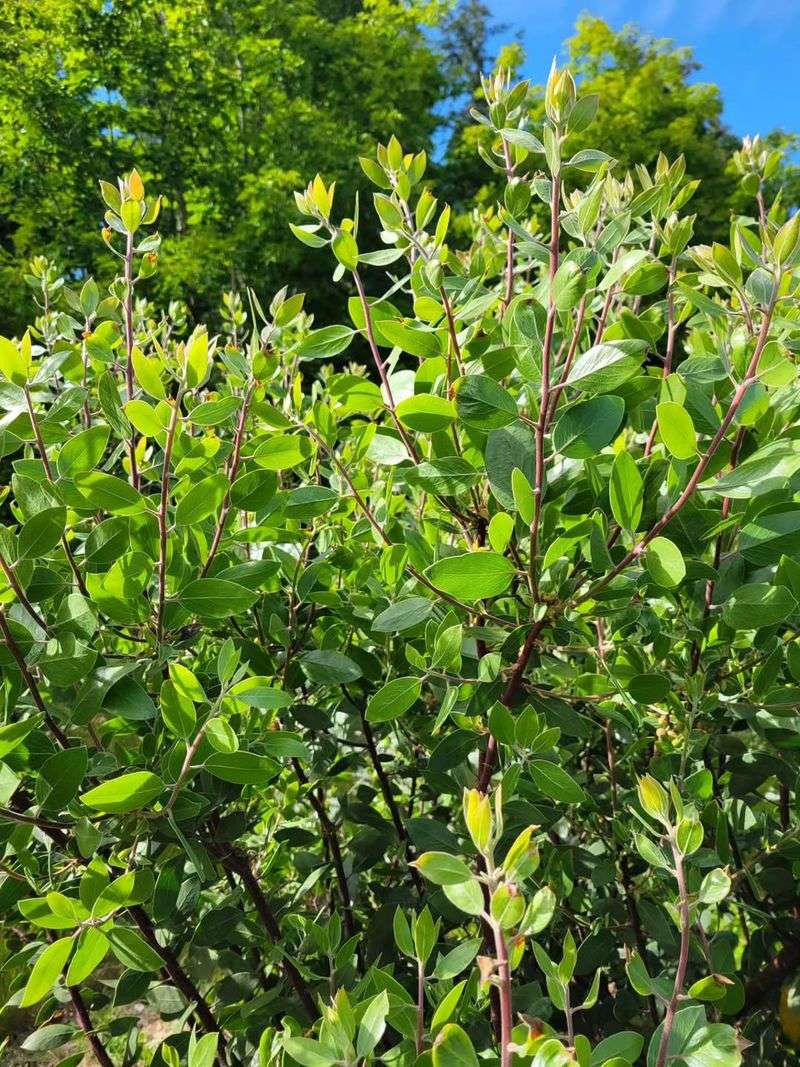
Rhus aromatica is a native shrub found throughout Pennsylvania and much of the eastern United States. It typically grows between two and six feet tall, but it spreads much wider over time.
The leaves smell faintly of citrus or spice when you crush them, which is where the “fragrant” part of its name comes from. In fall, those same leaves turn brilliant shades of orange, red, and purple.
The rooting habit might sound like something to worry about, but it is actually one of the best things about this plant for Pennsylvania gardeners.
Instead of sending up random shoots far from the base like some invasive shrubs do, fragrant sumac spreads steadily outward in a controlled mat. It fills space intentionally. It covers ground without becoming a nightmare to manage.
For slopes, banks, and tough dry areas, that slow and steady spreading is exactly what you want from a native plant working hard in your landscape.
Why Its Ground-Rooting Habit Is Actually Useful
Picture a steep bank in your backyard where nothing seems to grow well. Turf grass slides off.
Mulch washes away after every rainstorm. You have tried planting things there before, and they just struggle.
That is exactly the kind of spot where fragrant sumac’s rooting habit stops being a quirk and starts being a superpower.
When a fragrant sumac stem bends down and touches bare soil, it sends out roots. Over time, those rooted stems become new anchor points that hold the soil in place.
Your Pennsylvania Garden Changes Every Week. Your Plan Should Too.
Gardening in Pennsylvania changes quickly throughout the season. Every Friday you’ll receive a simple weekly plan showing exactly what to plant, prune, fertilize, harvest, and protect so you never miss the right timing.
The more the shrub spreads, the more roots it puts down, and the more stable that slope becomes. Erosion slows down because the soil is literally being held together by a living web of roots and stems.
Rainwater no longer has as much loose soil to carry away. Beyond erosion control, this rooting habit helps the shrub do something else valuable: it fills in bare ground quickly. Bare soil is an open invitation for weeds to move in.
A spreading mat of fragrant sumac shades out those weeds and takes up the space before unwanted plants can get established. It also softens the look of rough banks and edges, turning an ugly problem area into something that actually looks like it belongs there.
For Pennsylvania gardeners dealing with difficult terrain, steep grades, or areas where traditional lawn care just is not practical, the self-rooting nature of fragrant sumac is not a flaw to manage around. It is the whole reason the shrub belongs there in the first place.
Where Fragrant Sumac Works Best In Pennsylvania Landscapes
Placement makes all the difference with this shrub. Fragrant sumac is not a plant you tuck into a small formal garden bed next to your front door.
It needs room to do its thing, and when you give it the right spot, it absolutely thrives with very little attention from you.
Sunny slopes are probably its best home in Pennsylvania. Whether it is a hillside in the backyard, a berm along a driveway, or a bank near a road, fragrant sumac settles in fast and starts holding that ground together.
It handles dry, rocky, or sandy soil with ease, which is a big deal in areas where most other shrubs would struggle. It also does well in full sun to partial shade, so even spots that get afternoon shade are fair game.
Large native plant borders are another great option. Fragrant sumac pairs well with other native grasses, wildflowers, and shrubs in a naturalized planting.
It fills in the lower layer of a mixed border beautifully. Roadside edges and property boundaries where a low, spreading hedge would be welcome are also perfect candidates.
Naturalized backyard spaces, meadow edges, and areas transitioning from lawn to woods are all spots where this shrub fits right in. The key is to avoid tight, formal spots where spreading is not welcome.
Skip the narrow foundation bed next to the house or the small raised planter. Give it a big open area where its natural growth habit becomes an asset, and fragrant sumac will reward you with years of low-maintenance coverage.
What Makes This Shrub More Than Just A Problem Solver
Some plants earn their place by solving one problem really well. Fragrant sumac earns its place by solving several problems while also being genuinely beautiful throughout the year.
It is the kind of plant that surprises people who only planted it for erosion control and then found themselves stopping to admire it every season.
Spring brings small clusters of yellowish flowers that appear even before the leaves fully open. They are not showy in a dramatic way, but they are early, and early blooms matter a lot to pollinators that are just waking up after winter.
Bees and other beneficial insects make good use of those flowers. By summer, the foliage is full, green, and aromatic.
Brushing against the leaves releases that faint spicy citrus scent that gives the shrub its name.
Fall is when fragrant sumac really puts on a show. The leaves shift into rich shades of red, orange, and sometimes deep purple, giving it some of the best fall color of any low-growing native shrub in Pennsylvania.
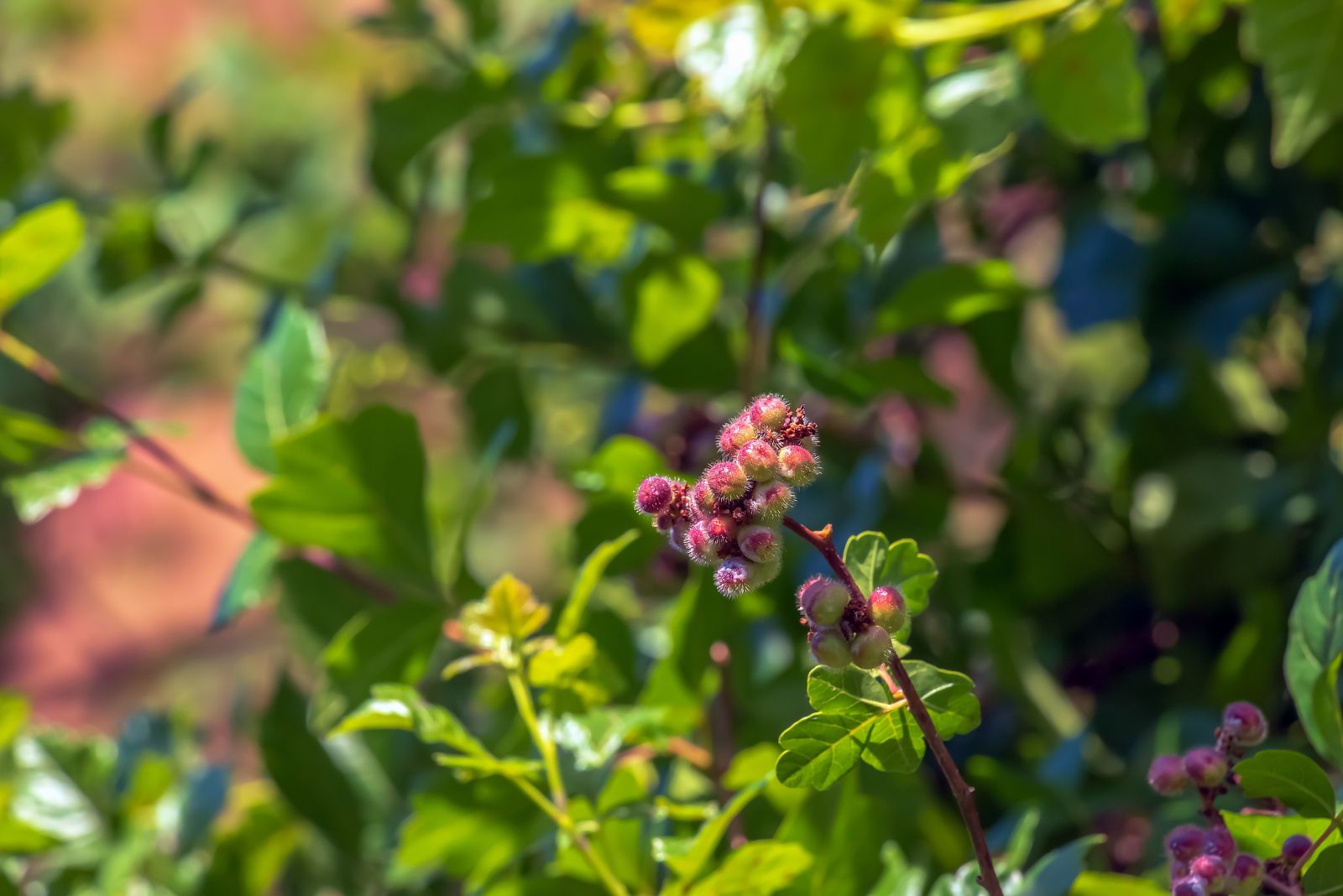
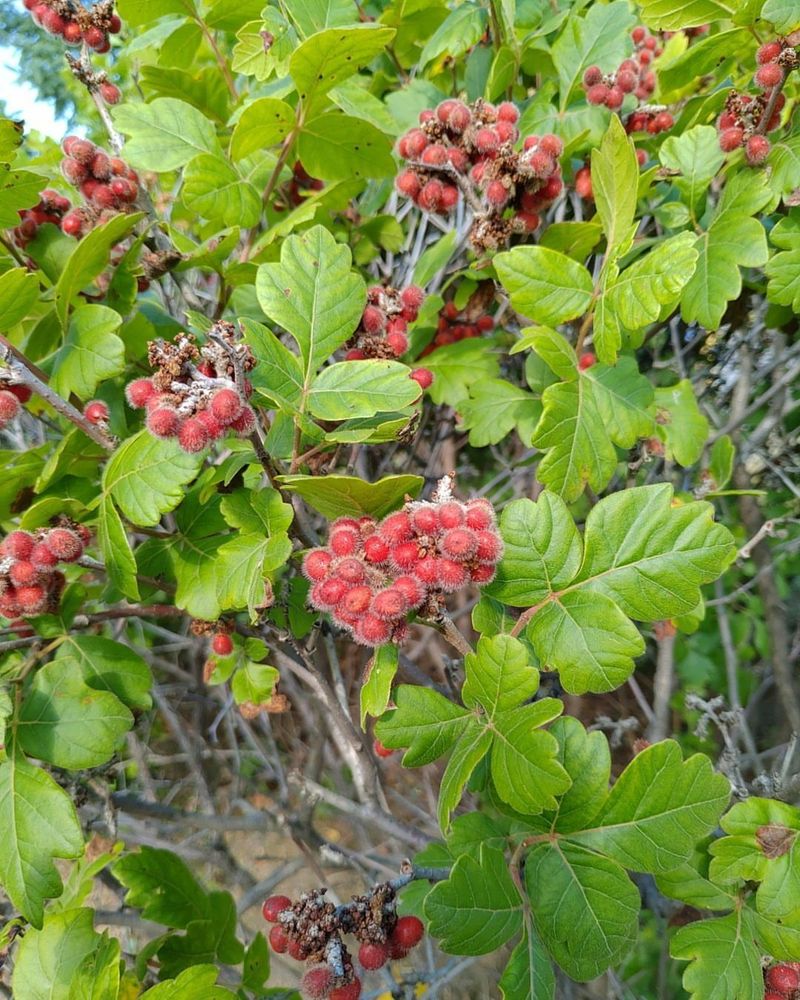
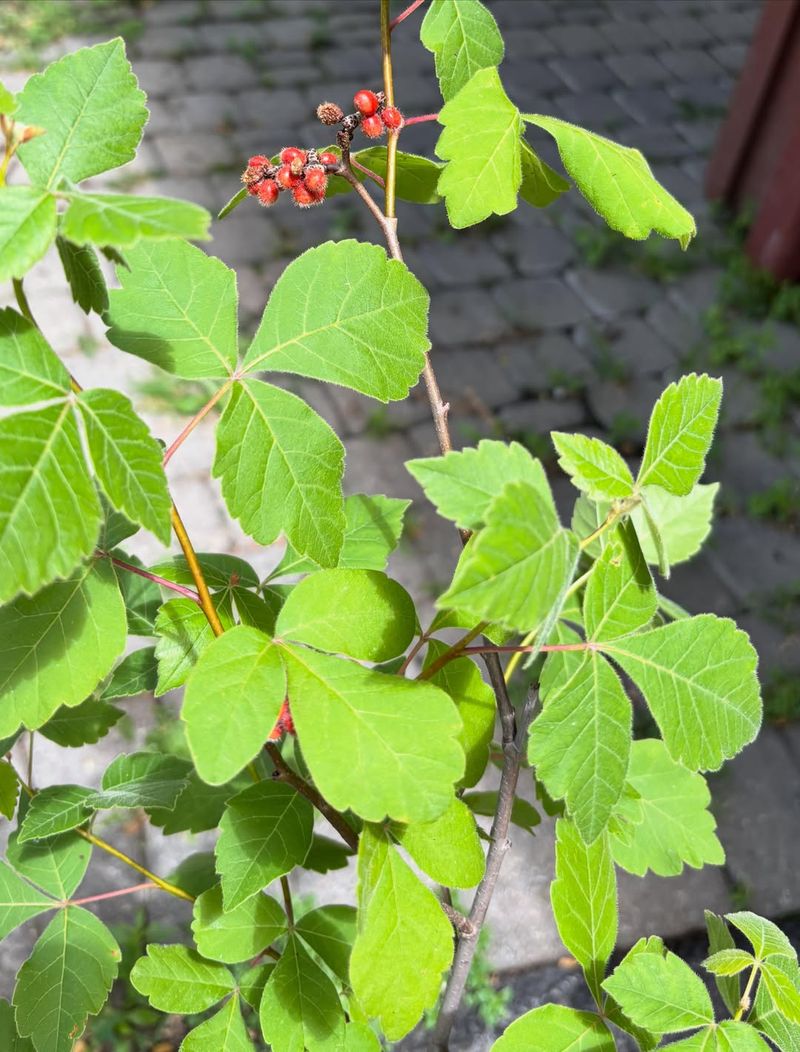
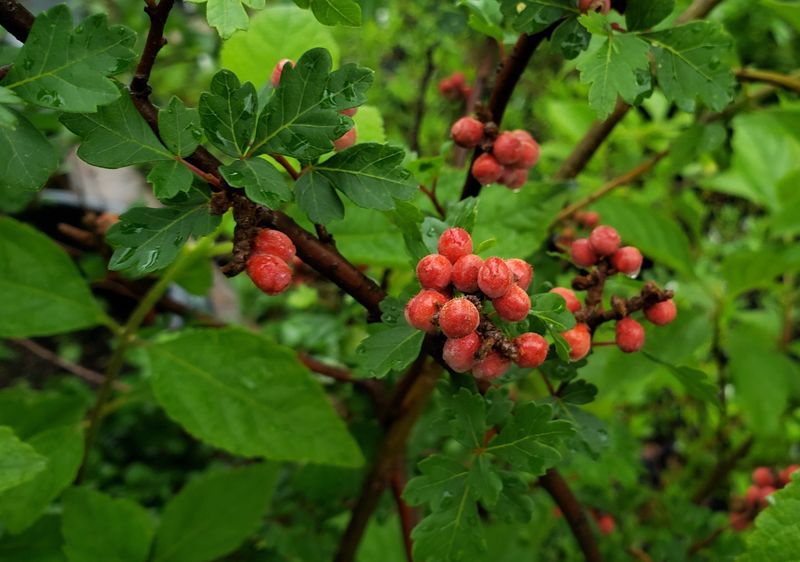
After the leaves drop, small clusters of fuzzy red berries remain on the branches. Those berries are not just decorative.
Birds including bluebirds, robins, and woodpeckers actively seek them out during the colder months when other food sources run low. That means planting fragrant sumac is not just good for your landscape, it is good for local wildlife too.
A shrub that looks great, smells interesting, supports pollinators, feeds birds, and holds your soil together is genuinely hard to beat at any price point.
How To Keep Fragrant Sumac Looking Intentional
Here is something that surprises a lot of first-time fragrant sumac growers: managing it is actually not that hard. The shrub spreads, yes, but it spreads in a way that is predictable and easy to redirect with a little seasonal attention.
The secret is thinking ahead before you plant, not scrambling to contain it after the fact. Start by giving it enough space. Fragrant sumac can spread six to ten feet wide over several years, so plant it where that width is welcome.
If you put it in a tight spot and then spend every summer cutting it back hard, you are working against the plant instead of with it. Choose open areas, slopes, or large borders where the natural spread fills space you actually want covered.
Once it is established, a little light trimming goes a long way. If stems are creeping toward a path, a patio edge, or a lawn area you want to keep clear, simply cut them back in late winter or early spring before new growth begins.
You can also use a flat spade to edge around the perimeter of the planting once a year. This keeps the shrub looking intentional rather than wild.
Avoid placing fragrant sumac directly next to narrow walkways, small foundation beds, or patio corners where its spreading stems would constantly need to be cut back.
With smart placement and a bit of seasonal maintenance, fragrant sumac looks completely at home and well-planned in the landscape.
It rewards gardeners who work with its natural tendencies rather than against them every single season.
Why Pennsylvania Gardeners Should Consider It Over Fussier Shrubs
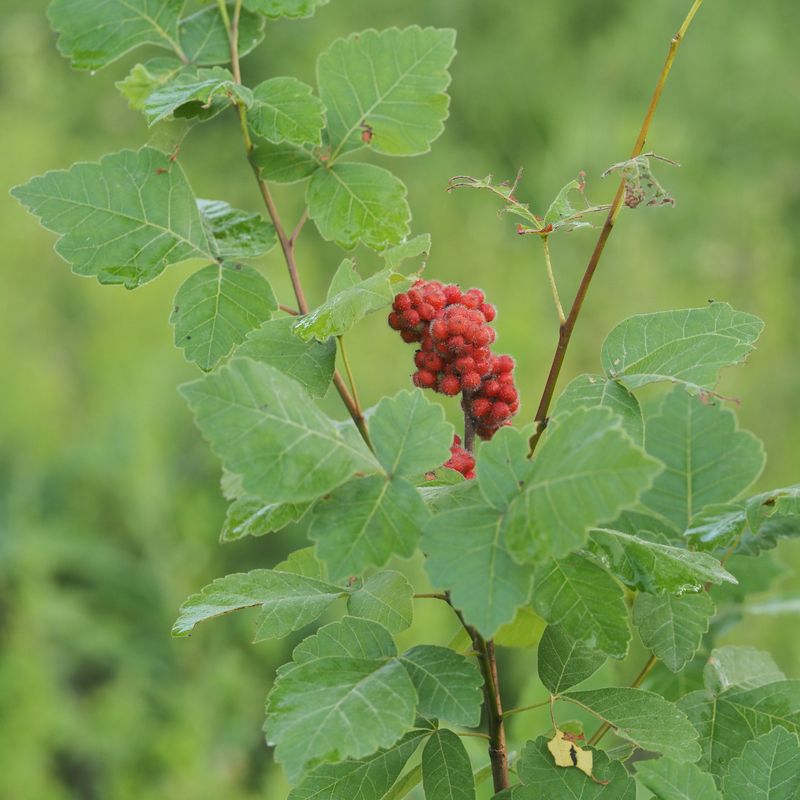
Walk through any garden center in Pennsylvania and you will find rows of ornamental shrubs that look beautiful in their pots and then struggle the moment they hit dry, rocky, or sloped ground.
They need regular watering, rich soil, protection from deer, and careful pruning to look their best. Fragrant sumac asks for almost none of that.
Once established, fragrant sumac is remarkably drought-tolerant. It evolved in Pennsylvania’s native landscape, which means it is already adapted to the region’s clay soils, rocky ridges, dry summers, and cold winters.
You do not need to amend the soil heavily or water it through every dry spell. It handles those conditions on its own because it grew up with them.
Deer tend to leave it alone too, which is a major bonus for Pennsylvania gardeners dealing with heavy deer pressure in suburban and rural areas.
From a cost perspective, one or two plants can spread to cover a large area over time, which means you spend less money buying plants to fill a slope or border.
The rooting habit that might seem like a downside at first actually becomes a built-in multiplication system, giving you more coverage from fewer plants.
For erosion-prone spots, low-maintenance native borders, and wildlife-friendly yards, fragrant sumac offers a level of practical value that most fussy ornamental shrubs simply cannot match. It is not a plant that needs a lot from you.
It just needs the right spot, a little room to grow, and the freedom to do what it does naturally. Pennsylvania gardeners who try it rarely regret the decision.