The Common Mistake Pennsylvania Gardeners Make When Cutting Petunias
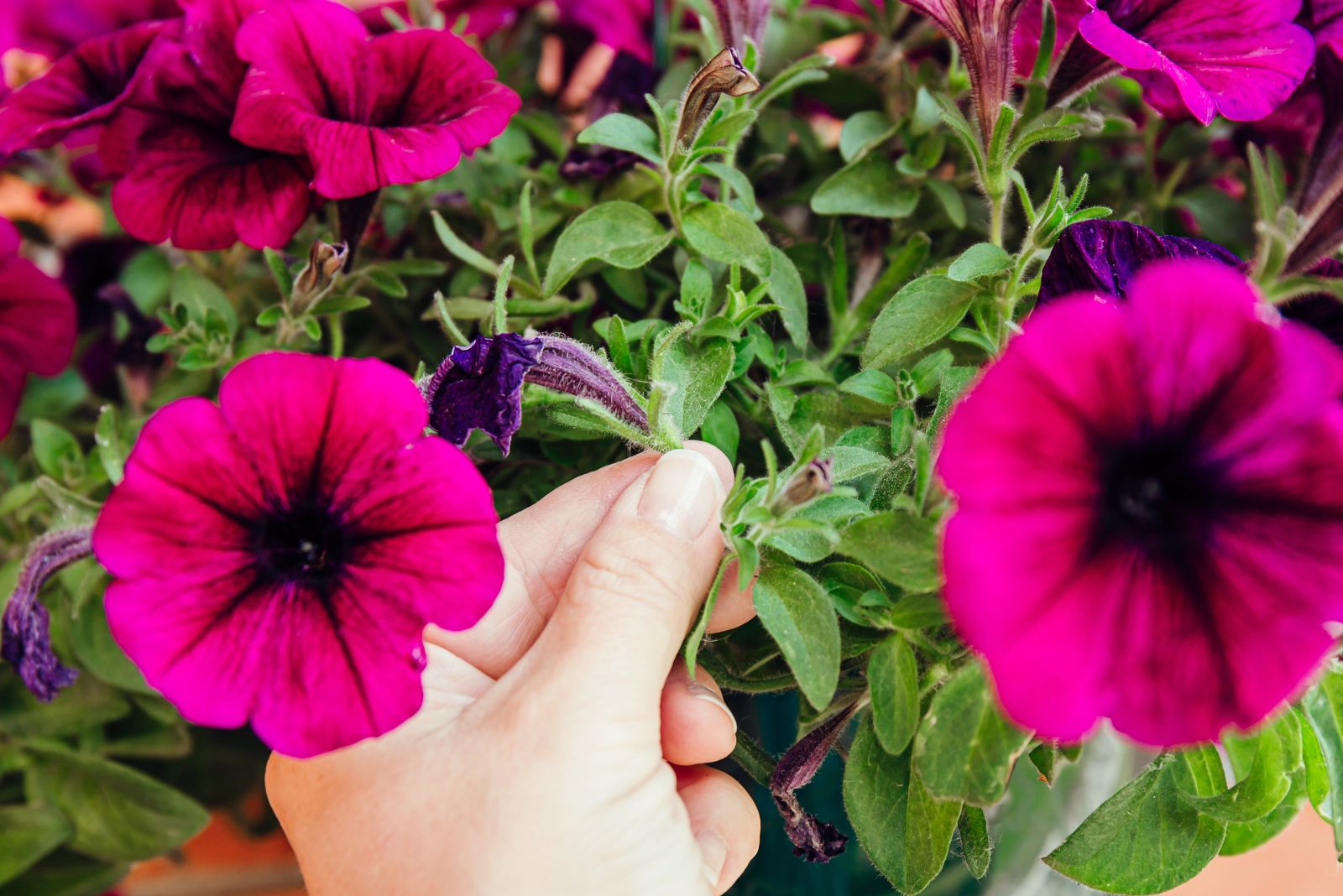
Petunias are one of the most popular summer annuals in Pennsylvania gardens, and for good reason.
They bloom heavily, come in an enormous range of colors, and fill containers and beds with exactly the kind of consistent color most gardeners are after from June through fall.
Keeping them at their best through the whole season though is where a lot of people run into trouble, and the issue almost always comes back to how they are being deadheaded. It seems like a simple task, pinch off the spent blooms and the plant keeps flowering.
The reality is more specific than that, and doing it incorrectly or stopping too soon is one of the most common reasons Pennsylvania petunias slow down, get leggy, and lose the full, floriferous look they started with.
The right approach takes only slightly more effort than the wrong one, but the difference in how your petunias perform through August and September makes it well worth getting right.
1. Only Removing Petals Instead Of The Whole Flower
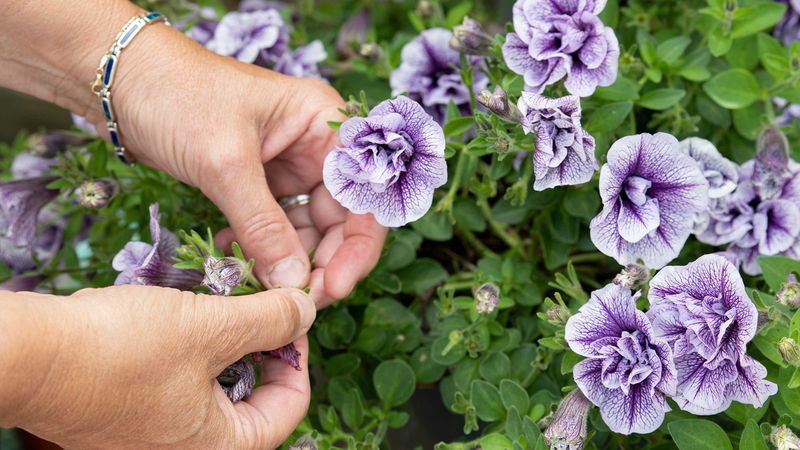
Plenty of well-meaning gardeners head outside, spot a faded petunia bloom, and pinch off the wilted petals thinking the job is done. It feels right.
The flower looks cleaner. But here is the problem: the green base left behind, called the calyx, is still attached to a developing seed pod underneath it.
When that seed pod stays on the plant, the petunia gets a signal that its work is almost finished. The plant starts putting its energy into making seeds instead of producing new flowers. You end up with fewer blooms, even though you thought you were helping.
The right move is to remove the entire spent flower, including the swollen base where the petals connect to the stem. You want to pinch or snip all the way down to where the flower stalk meets the main stem or a leaf node.
That small green nub at the bottom of the flower is the part most people miss. Once you start removing the whole structure, you will notice a real difference in how quickly new buds appear. Petunias are eager bloomers.
They just need the right encouragement. Removing only petals is one of the most common and easiest-to-fix mistakes Pennsylvania gardeners make, especially early in the gardening season when routines are still being built.
Take an extra second with each bloom, grab a little lower, and your petunias will reward you with a much fuller and more colorful display all the way through fall.
2. Deadheading Too Infrequently
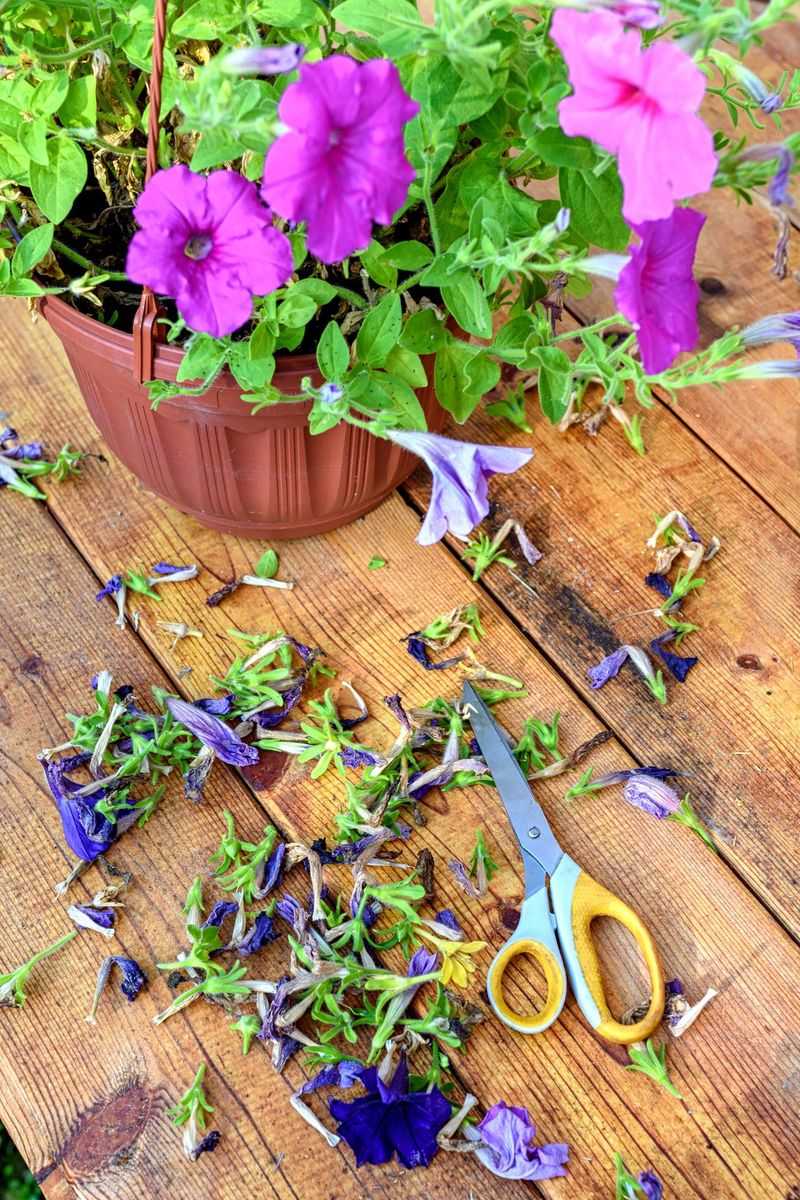
Imagine checking on your petunias every couple of weeks and feeling proud that the garden still looks decent from a distance. Up close, though, dozens of spent blooms are already forming seeds.
By the time things look messy enough to act, a lot of energy has already been redirected away from new flowers.
Petunias grow fast. During the peak of Pennsylvania’s summer, which usually runs from late June through August, a petunia can go from full bloom to finished flower in just a few days.
Your Pennsylvania Garden Changes Every Week. Your Plan Should Too.
Gardening in Pennsylvania changes quickly throughout the season. Every Friday you’ll receive a simple weekly plan showing exactly what to plant, prune, fertilize, harvest, and protect so you never miss the right timing.
Waiting too long between deadheading sessions gives the plant permission to slow down its flowering cycle.
Weekly deadheading is a solid goal for most gardeners. During really hot and sunny stretches, going out every few days is even better.
Think of it less like a chore and more like a quick check-in with your plants. It only takes a few minutes once you get into the habit.
A good trick is to combine deadheading with your regular watering routine. Every time you grab the hose or watering can, take a quick walk around your containers and beds to pinch off anything that looks spent.
That simple habit keeps things from piling up and keeps your petunias in active bloom mode.
Pennsylvania gardeners who deadhead consistently from early summer onward tend to have plants that look full and vibrant well into September.
Skipping sessions might not seem like a big deal in the moment, but the blooms you miss out on are real. Staying consistent is one of the best things you can do for your petunias.
3. Cutting In The Wrong Spot
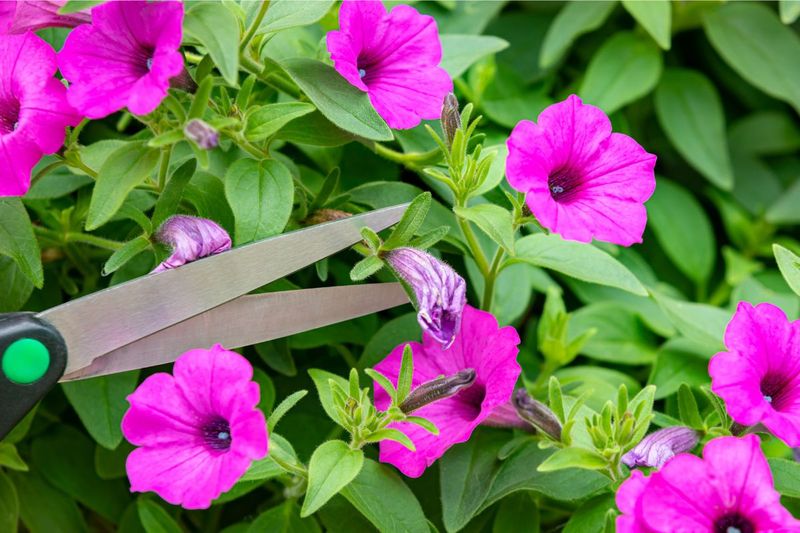
Where exactly you make your cut matters more than most people realize. A lot of gardeners just snip somewhere along the stem without thinking too much about it, and that random approach can actually slow the plant down instead of helping it along.
Cutting too high, meaning leaving a long bare stub above a leaf node, leaves an awkward piece of stem that does not produce new growth.
That stub can also become an entry point for fungal or bacterial issues, especially during Pennsylvania’s humid summer months. The plant wastes resources trying to deal with that leftover tissue.
On the other side, cutting too far down the stem removes potential branching points that would have produced new flower-bearing shoots.
You end up with a shorter, less bushy plant that takes longer to recover and bloom again. Neither extreme is good for your petunia.
The sweet spot is right at the node, the small bump or joint where the spent flower stalk meets the main stem or where a leaf grows out. That is where new growth is ready and waiting.
A clean cut at that point encourages the plant to send out a fresh side shoot quickly, and that new shoot will carry the next round of buds.
It helps to take a close look at your petunia stems before you cut. You will start to notice the nodes once you train your eye.
With a little practice, finding the right spot becomes second nature, and your petunias will branch out beautifully all season long right through the warm Pennsylvania summer.
4. Deadheading During Midday Heat
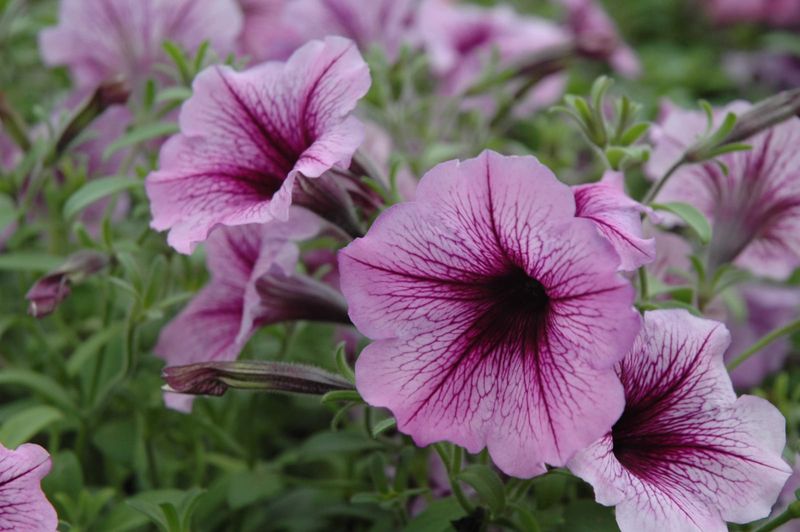
Timing your garden tasks might not be something you think about much, but with petunias, it can actually make a difference.
Working in the garden during the hottest part of the day, usually between noon and three in the afternoon, puts both you and your plants under extra stress.
When you make a fresh cut on a petunia stem during peak heat, that open wound loses moisture rapidly. The plant is already working hard to stay hydrated in the afternoon sun, and a fresh cut adds another challenge.
Stems exposed to intense direct sunlight right after cutting can struggle to recover as quickly as they would in cooler conditions.
Pennsylvania summers can get genuinely hot and humid, especially in July and August. On those scorching days, even a short gardening session at midday can leave plants looking wilted and worn by evening.
Gardeners sometimes mistake that stress response for a sign that something is wrong with the plant itself.
Early morning is the best time to deadhead. The temperatures are cooler, the sun is less intense, and the plant has had a full night to rest and build up moisture in its tissues.
Fresh cuts made in the morning have the whole day ahead of them to begin healing before nighttime.
Late afternoon, once the strongest sun has passed, is another solid option. Many Pennsylvania gardeners find that combining their evening watering with a quick deadheading session works perfectly.
The cooler air is more comfortable for you, and your petunias get a gentler experience as they recover from each cut and push toward their next round of blooms.
5. Using Dirty Or Dull Tools
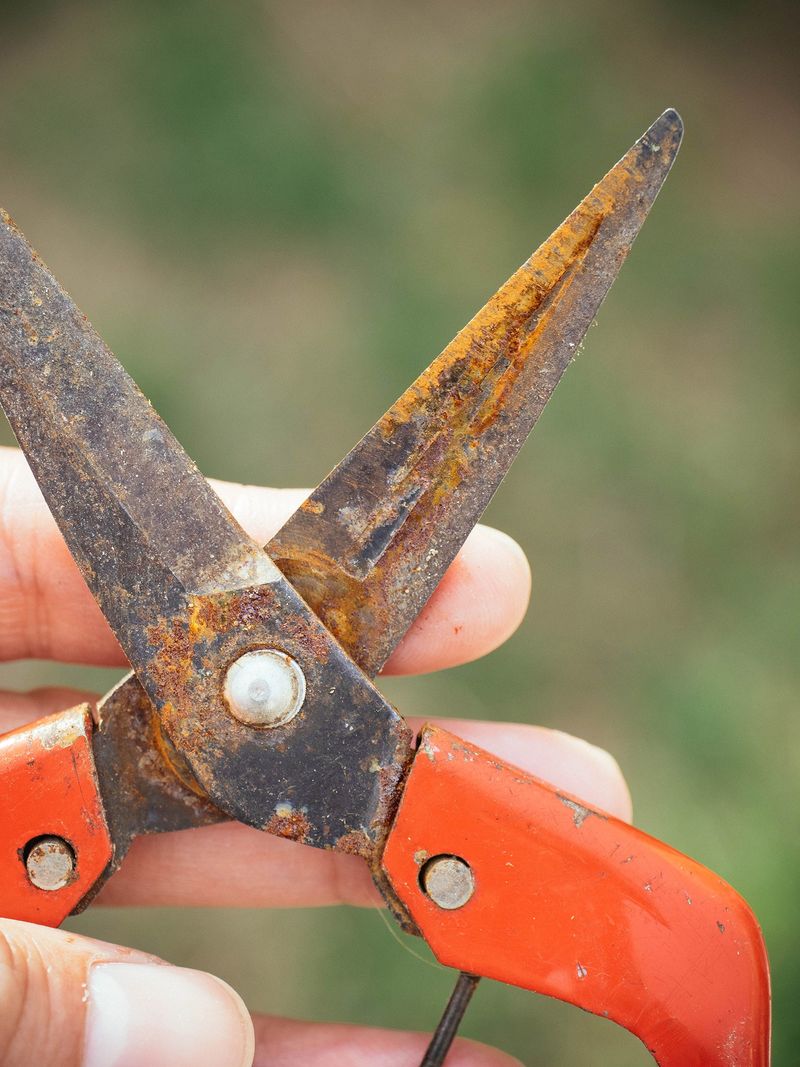
Grab whatever scissors are nearby, snip a few spent blooms, and move on. That is how a lot of gardeners approach deadheading, and it is completely understandable.
But using tools that are dirty, rusty, or dull can quietly cause problems that show up later in the season.
Dull blades do not cut cleanly. Instead of slicing through a stem smoothly, they crush and tear the plant tissue.
That kind of damage creates a rough, ragged wound that takes longer to heal and gives fungal spores and bacteria an easier way in. Pennsylvania’s warm and humid summers create ideal conditions for those kinds of infections to spread quickly from plant to plant.
Dirty tools are an even bigger concern. If you used your snips on a plant that had any kind of disease, those pathogens can hitch a ride right onto your healthy petunias with the very next cut.
A simple wipe-down with rubbing alcohol between plants takes only a few seconds and can prevent a lot of heartache later.
Sharpening your pruning snips or scissors at the start of the season is a great habit to build. Sharp blades make cleaner cuts, which means faster healing and healthier plants.
Many garden centers in Pennsylvania carry small blade-sharpening tools that are inexpensive and easy to use at home.
Keeping a small spray bottle of diluted alcohol solution in your garden tote makes it easy to clean tools on the go.
A quick spritz and wipe before moving to the next plant is all it takes. Small habits like this protect your petunias and keep your whole garden looking its best.
6. Forgetting That Some Petunias Are Self-Cleaning
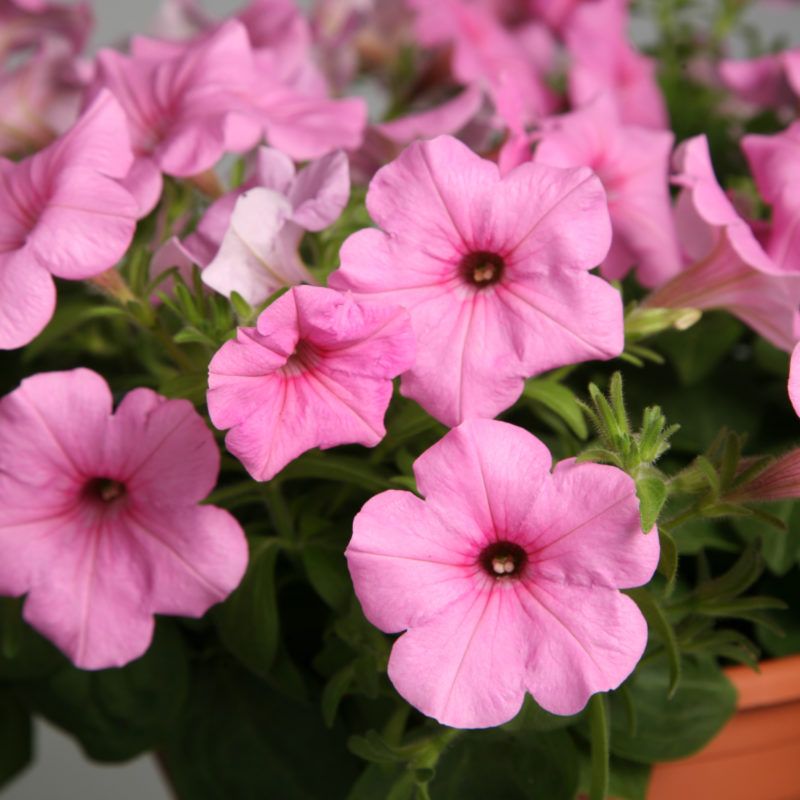
Not every petunia needs the same level of attention, and treating all of them the same way can actually backfire.
Many modern petunia varieties have been specifically bred to drop their spent blooms on their own, which means aggressive deadheading is not only unnecessary but can sometimes stress the plant out.
Varieties like Supertunias, Easy Wave, and other vegetative hybrids are what gardeners call self-cleaning. When a bloom fades, the plant naturally sheds the whole flower without any help from you.
These types were developed to keep producing fresh blooms without requiring constant maintenance, which is a big part of why they became so popular in Pennsylvania gardens and across the country.
When gardeners aggressively deadhead self-cleaning varieties the same way they would a traditional grandiflora petunia, they sometimes remove healthy developing buds along with the spent flowers.
That slows blooming instead of encouraging it. Less really is more with these plants.
A good starting point is to check the tag or label that came with your petunia when you bought it. Most nurseries and garden centers in Pennsylvania label self-cleaning varieties clearly.
If the tag mentions Wave, Supertunia, or a similar brand name, you are likely working with a low-maintenance variety.
That said, even self-cleaning petunias benefit from an occasional light trim, especially if they start looking leggy or stretched out in mid-summer. A gentle shaping cut rather than detailed deadheading is usually all they need.
Knowing what type of petunia you have is the first step toward giving it exactly the right care all season long.