These Insects Are Secretly Keeping Your Colorado Garden Healthy
Your backyard runs on a workforce you’ve never met. While you’re asleep, a shift of six-legged laborers clocks in among your bean rows and rose bushes.
They do jobs no human hand could manage. Some carry pollen from bloom to bloom like tiny couriers. Others patrol leaves for aphids, mites, and other unwelcome visitors.
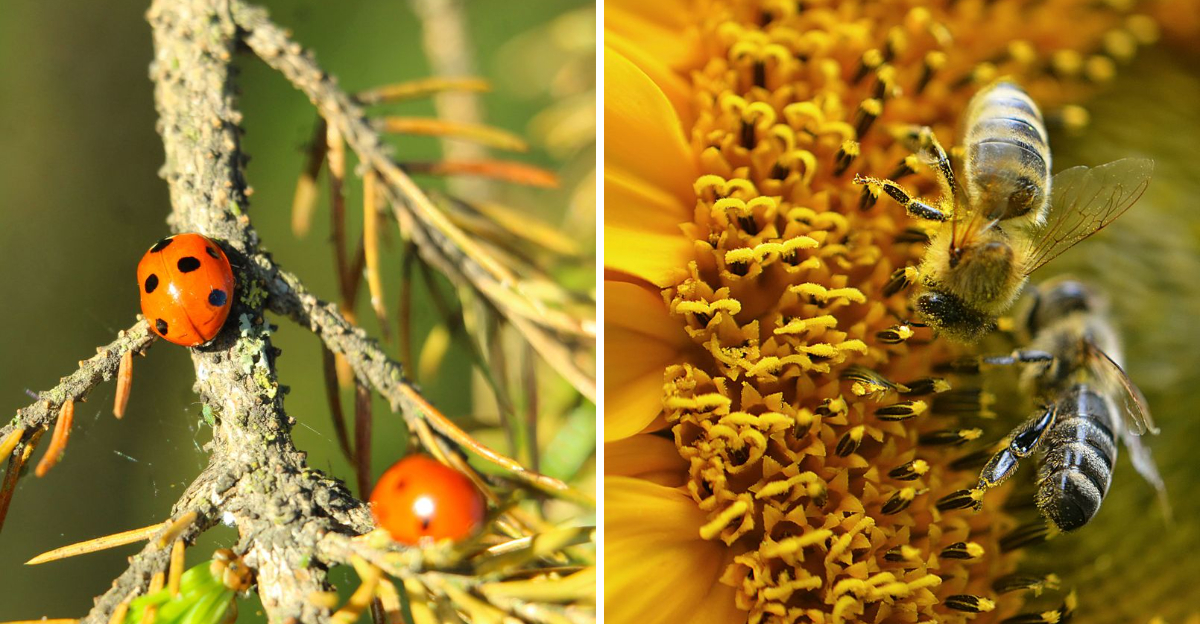
A single ladybug can handle dozens of pests in one afternoon. A single bee visit can decide whether your squash actually fruits.
In Colorado, short growing seasons and unpredictable frost already make things harder for your plants. This insect crew matters even more here.
Native bees, hoverflies, lacewings, and beetles have adapted to Colorado’s dry air and shifting temperatures in ways store-bought fertilizer never will.
Most gardeners walk past this labor force daily without noticing it. Once you understand who’s actually running your garden, you’ll never look at a buzzing shadow the same way again.
1. Bumblebees
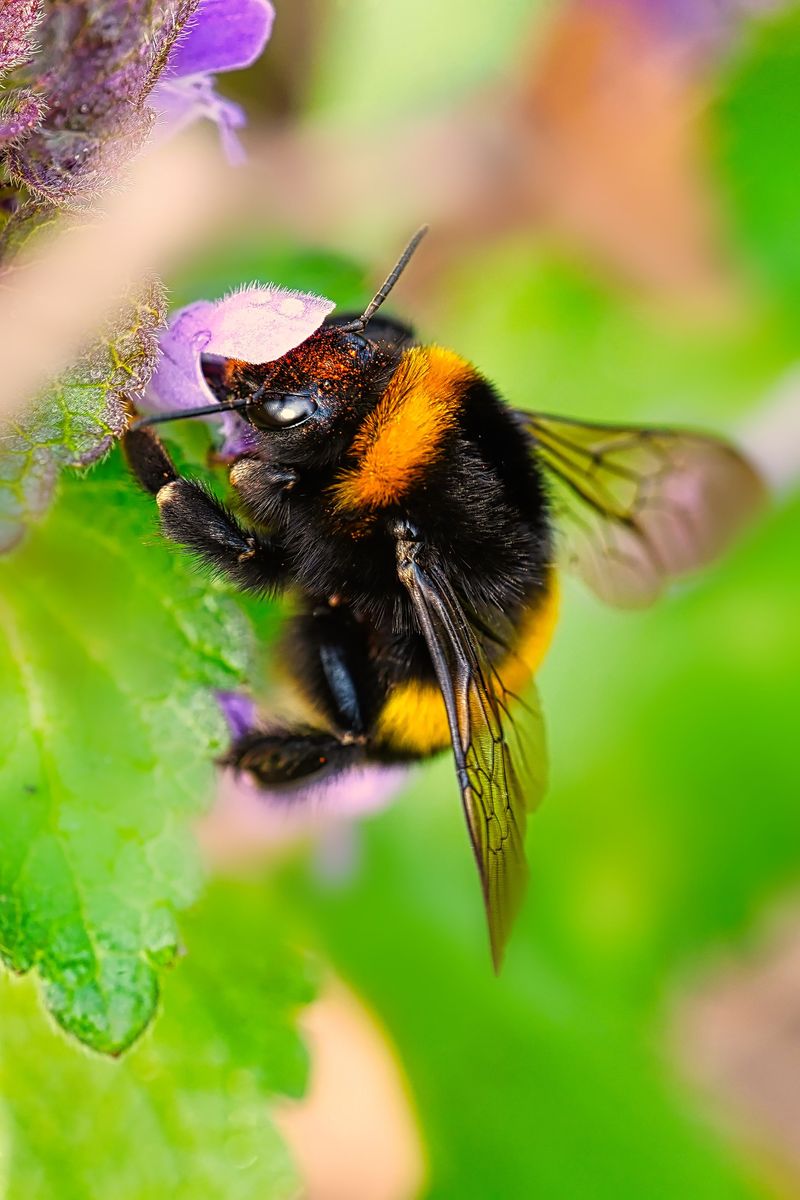
Bumblebees are the heavy lifters of the pollinator world, and they deserve way more credit. Their large, fuzzy bodies carry massive amounts of pollen with every single visit, moving more of it in one stop than smaller insects manage in several.
What makes bumblebees truly special is a technique called buzz pollination. They grab a flower and vibrate their flight muscles rapidly, shaking loose pollen that other insects simply cannot reach. It looks almost like the flower is humming along with them.
Tomatoes, peppers, and blueberries all benefit enormously from this vibration method. In fact, commercial growers sometimes rent entire bumblebee colonies just to pollinate greenhouse crops, since few other insects can do the job as well.
Colorado’s native bumblebee species are well adapted to cooler mountain temperatures. They start foraging earlier in the morning and later into the evening than most other bees, giving Colorado gardens extra coverage during those chilly shoulder hours.
You can support bumblebees by leaving some bare soil patches in your yard. Many native species nest underground, and loose, undisturbed soil gives them a safe home base to raise their next generation.
Planting early-blooming flowers like crocus and fruit tree blossoms helps fuel bumblebees in spring. They emerge hungry after winter and need quick energy to build their colonies before the real growing season begins.
Bumblebees are quiet workers who ask for very little in return. Give them flowers, skip the chemicals, and watch your garden fill with fruit and color.
2. Praying Mantises
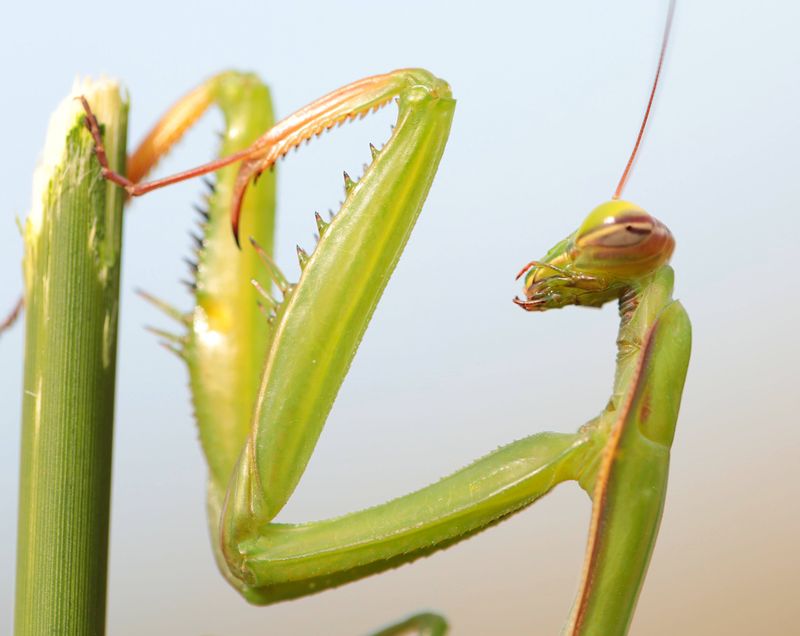
There is something almost eerie about a praying mantis sitting perfectly still on your bean plant. It looks like a twig, but it is actually a precision hunting machine, patient and completely still until the moment it isn’t.
Mantises are ambush predators, meaning they wait patiently and strike with lightning speed. Their front legs snap shut in a fraction of a second, closing around prey before it even registers the danger.
They eat a wide range of garden pests, including caterpillars, beetles, and grasshoppers. Colorado gardens often face grasshopper outbreaks in dry summers, making mantises especially valuable allies when other controls fall short.
Your Colorado Garden Changes Every Week. Your Plan Should Too.
Gardening in Colorado changes quickly throughout the season. Every Friday you’ll receive a simple weekly plan showing exactly what to plant, prune, fertilize, harvest, and protect so you never miss the right timing.
One thing to know is that mantises are not picky eaters. They will occasionally catch a beneficial insect, so think of them as a general-purpose pest controller rather than a specialist you can direct toward one target.
Female mantises lay their eggs in a foam case called an ootheca, which sticks to plant stems. If you spot one in fall, leave it alone. The eggs need that shelter to hatch once spring arrives.
You can buy mantis egg cases from garden centers and release them strategically. Place them near areas with heavy pest pressure for the best results, then let nature take over from there.
A praying mantis in your garden is a sign of a healthy, balanced ecosystem. These ancient hunters have been protecting plants for millions of years, and they are still just as good at it today.
3. Ladybugs
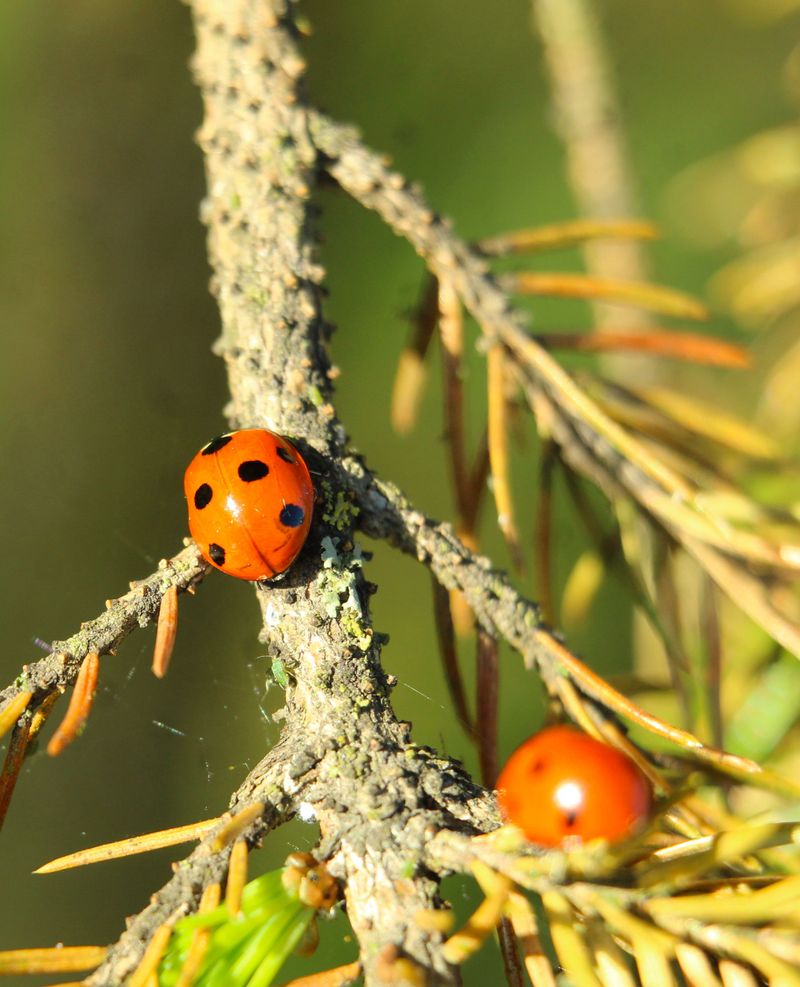
Spot a ladybug on your pepper plant, and that is actually great news for your garden. These small, round beetles are one of the most powerful pest fighters in any backyard space.
Don’t let their cheerful spots fool you at all. Underneath that colorful shell is a steady, effective hunter. A single ladybug can eat up to 5,000 aphids over the course of its lifetime.
That number is surprising, but aphids multiply fast, and ladybugs keep pace easily. They work quietly, one leaf at a time, clearing out trouble before you even notice it’s there.
Colorado gardens often deal with heavy aphid pressure, especially in late spring when populations spike.
Roses, beans, and squash are common targets across the state. Ladybugs patrol all of them, moving from plant to plant like tiny inspectors on patrol.
Both adult ladybugs and their larvae feed on soft-bodied pests throughout the season. The larvae look like tiny orange-and-black alligators crawling along the stems.
They are just as hungry as the adults, and together the two generations can significantly reduce an aphid colony within days.
You can attract more ladybugs by planting dill, fennel, and yarrow nearby your other crops. These flowering herbs provide nectar and shelter that ladybugs love, giving them a reason to stick around all season long.
Avoid broad-spectrum pesticides, which wipe out ladybugs along with the bad bugs you’re trying to control. A garden full of ladybugs is a garden that practically manages itself.
These insects are quietly keeping your Colorado garden healthy, one aphid at a time. Let them do their job, and your plants will thank you all season.
4. Honeybees
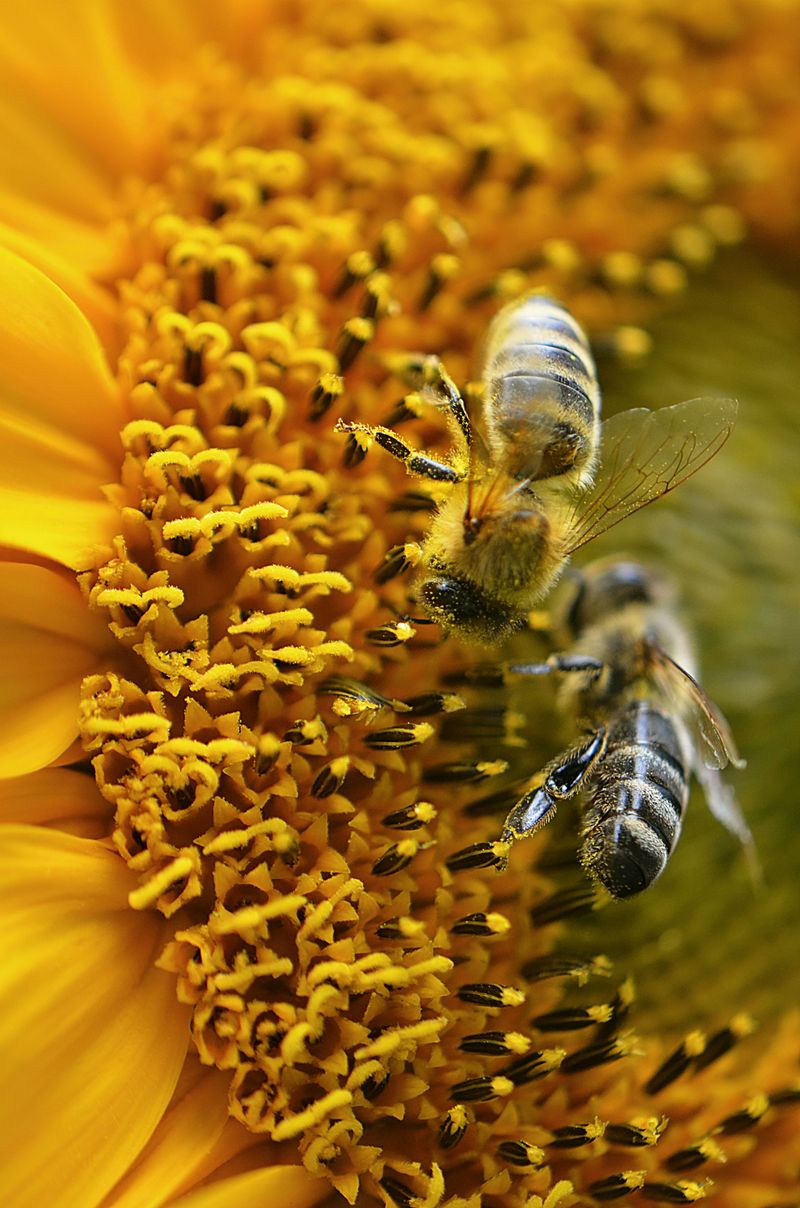
Without honeybees, your cucumber vines would sit there doing absolutely nothing all summer long. Pollination is the engine behind fruit and vegetable production, and honeybees are the mechanics keeping that entire engine running smoothly.
These bees transfer pollen from flower to flower as they forage for nectar throughout the day.
That simple act turns blossoms into tomatoes, squash, and peppers right before your eyes. Without it, flowers wither and drop, and your harvest never really begins in the first place.
Colorado’s dry climate and high elevation can make pollination tricky for many gardeners, though conditions vary widely across the state’s mountains, plains, and valleys.
Wind, low humidity, and quick temperature swings all work against an already struggling garden. Honeybees adapt well to these conditions, though, and work hard even on warm, breezy days when other pollinators sit things out entirely.
A honeybee colony’s foragers can collectively visit millions of flowers in a single day. That kind of reach makes them irreplaceable in any productive garden space, covering ground no gardener could ever manage alone.
Planting bee-friendly flowers like lavender, sunflowers, and coneflowers draws honeybees in naturally without much extra effort. Grouping plants in clusters makes it easier for bees to find them quickly, saving them energy and keeping them coming back for more.
Avoid spraying anything during peak foraging hours, which run from mid-morning to early afternoon most days. Bees are most active then, and exposure to chemicals during this window can seriously harm entire colonies.
Supporting honeybees means more than just watching them work from a distance. It means making smart planting choices that feed them and keep your garden buzzing with life all season long.
5. Lacewings
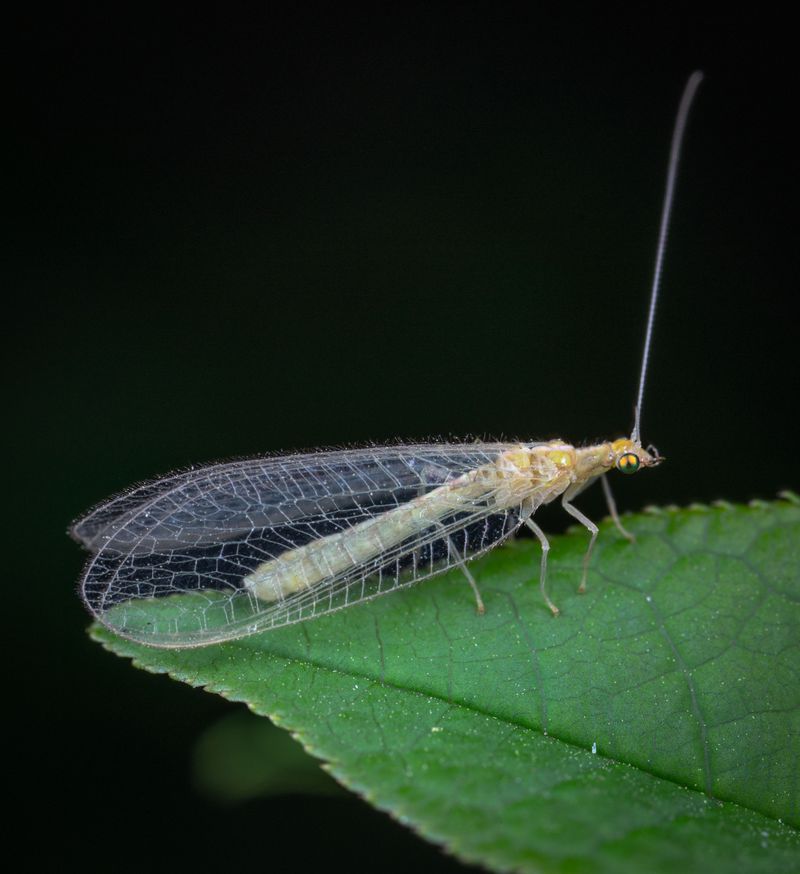
Lacewings look impossibly delicate, like tiny stained-glass creatures pulled from a fantasy novel. But behind those gossamer wings is one of the most aggressive aphid hunters in the garden, quietly working while you admire the view from a distance.
The larvae are the real stars of the show here, not the adults. They are nicknamed aphid lions because they feed heavily on soft-bodied pests with speed and efficiency.
A single lacewing larva can consume hundreds of aphids, mites, and thrips before it finally pupates. That makes them incredibly efficient at keeping pest populations from spiraling out of control, often clearing an infestation before you even realize how bad it was getting.
Colorado’s warm summers and dry air create ideal conditions for lacewing activity throughout the season. They thrive when temperatures climb and pest pressure peaks, which is exactly when your garden needs them most.
Adult lacewings feed mainly on nectar and pollen, so flowering plants nearby are essential. Dill, coriander, and sweet alyssum are all excellent choices for luring them into your space and keeping them around longer.
You can purchase lacewing eggs or larvae from garden supply stores and release them near infested plants directly. They establish quickly and get to work almost immediately after release, with little effort required on your part.
These insects are quietly keeping your Colorado garden healthy in ways most people never notice or appreciate. Tiny but mighty, lacewings are proof that the best garden helpers often come in the smallest packages.
6. Ground Beetles
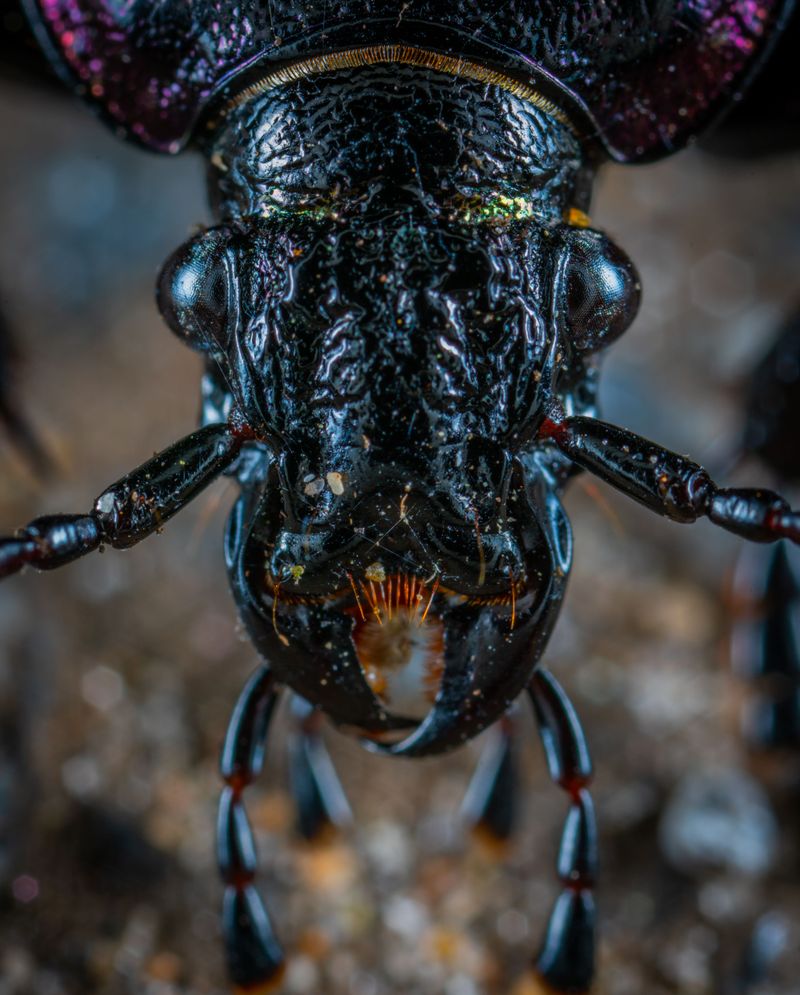
Most gardeners never think twice about the dark, shiny beetles scurrying under their mulch at night. Ground beetles are nocturnal hunters, and they are working while you sleep, covering ground that would otherwise go unchecked until morning arrives.
These beetles prey on cutworms, slugs, and soil-dwelling larvae that damage plant roots below the surface. Cutworms alone can wipe out seedlings overnight, making ground beetles a critical line of defense for anything just getting started in your garden beds.
Colorado’s Front Range gardens often deal with cutworm pressure each spring, especially after a mild winter. Ground beetles patrol the soil surface and actively seek out these destructive larvae before they cause real harm to young, tender plants.
There are thousands of ground beetle species, and many of them are native to Colorado’s varied landscapes. Most are completely harmless to humans and pose no threat to plants or earthworms, making them easy allies to welcome into any yard.
Providing ground cover like mulch, leaf litter, and flat stones gives these beetles a place to hide during daylight hours when predators are more active. A beetle with good shelter is a beetle that sticks around season after season, generation after generation.
Tilling your soil frequently disrupts ground beetle populations significantly, destroying the tunnels and hiding spots they depend on. Switching to a no-till or low-till approach keeps their habitat intact and keeps your pest control team on duty year-round.
Ground beetles are the quiet heroes of the nighttime garden shift, working long after everyone else has gone inside. Feed them good habitat, and they will repay you with seasons of reliable, chemical-free pest management.
7. Syrphid Flies (Hoverflies)
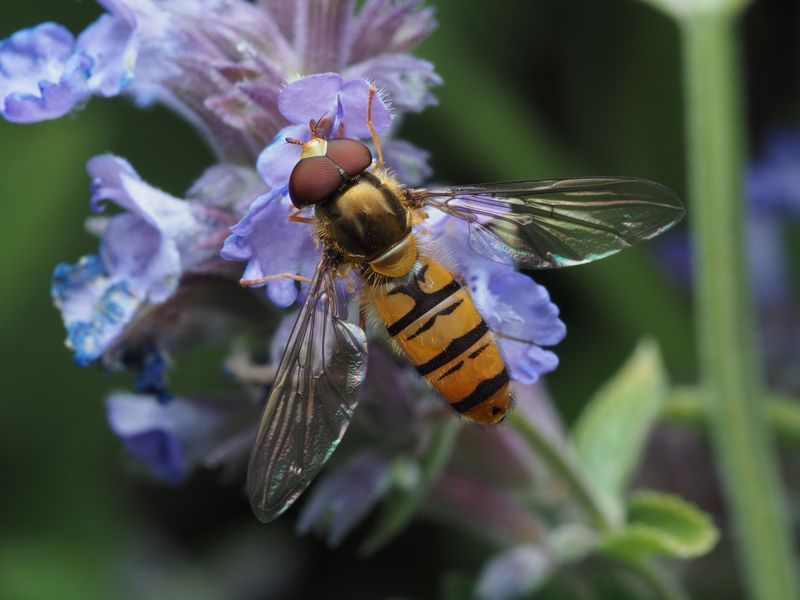
Hoverflies are the masters of disguise in the insect world, mimicking bees and wasps without any stinger to back it up.
That yellow-and-black pattern fools predators and surprises gardeners alike, though there’s nothing here to fear once you understand the trick behind it.
As adults, hoverflies are excellent pollinators that visit a wide range of flowering plants throughout the growing season.
They are often more efficient than bees on certain crops because of their smaller size and agility, slipping into blooms that larger insects sometimes struggle to work properly.
The larvae tell a completely different story than the harmless-looking adults flying above your garden beds.
Depending on the species, hoverfly larvae feed voraciously on aphids, thrips, and other destructive soft-bodied pests, clearing out trouble long before you ever notice it building up.
Colorado’s diverse wildflower landscape makes it a natural haven for hoverfly populations across the state. They thrive wherever there are open blooms, which means a well-planted garden is basically a hoverfly magnet from early spring all the way through fall.
Planting shallow flowers like marigolds, zinnias, and phacelia gives hoverflies easy access to nectar without much effort. Their short mouthparts cannot reach deep into tubular flowers the way bees can, so open, flat blooms work best for attracting them.
Because they look like stinging insects, many gardeners swat them away by accident without realizing the mistake. Learning to recognize their hovering, darting flight pattern helps you appreciate them rather than avoid them out of habit.
These insects are quietly keeping your Colorado garden healthy through both pollination and pest control working together. Hoverflies prove that the best garden allies are sometimes hiding in plain sight, disguised as something else entirely.