How Colorado Gardeners Are Protecting Vegetable Beds During A Summer That Keeps Breaking Records
Your vegetables are losing ground. Colorado’s heat this summer isn’t just intense. Records are breaking faster than forecasters can track them.
Can your garden hold on through what’s coming? Front Range beds are wilting before noon. Mountain foothills aren’t spared either.
Raised beds, in-ground rows, container gardens, all of them are taking the hit. Seasoned gardeners across Colorado aren’t waiting around.
Acting fast with low-cost strategies is what separates a lost crop from a saved one. Every smart move made right now can rescue an entire season.
Nothing here demands expertise or expensive equipment. These tips work for any setup, any skill level, any budget.
What you do in the next few days matters more than anything you did in spring. Heat waits for no one.
1. Drape Shade Cloth Over Stakes
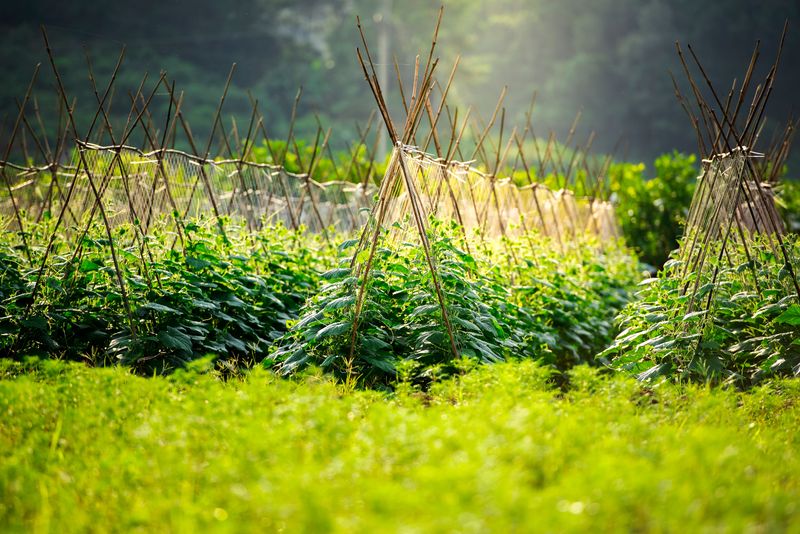
One of the most direct ways to protect plants from heat is blocking intense sun before it reaches them.
Shade cloth is one of the most effective tools Colorado gardeners are reaching for this summer, and it is easy to see why.
You stake it above your beds like a canopy, and suddenly your peppers and tomatoes are no longer baking under full-force afternoon sun. The cloth filters out a percentage of sunlight without cutting off air circulation.
Most gardeners choose a 30 to 50 percent shade rating for vegetables. That range reduces heat stress without starving plants of the light they need to produce fruit.
Setup takes about 20 minutes with basic supplies. You can use PVC pipes, wooden dowels, or metal conduit as stakes, then drape the cloth over the top and secure it with clips or zip ties.
Many Front Range gardeners report that zucchini stops wilting by mid-afternoon after shade cloth goes up. Before installation, curling leaves by noon are a common sign of heat stress.
The cloth is reusable season after season, which makes it a smart investment. Many hardware stores and garden centers stock it in various widths and densities.
If you cannot find it locally, it is widely available online. Darker colors like black or green tend to hold up better under intense UV exposure than lighter shades.
Protecting your crops from Colorado sun is not about coddling plants. It is about working smarter when a record-breaking summer keeps pushing the limits.
2. Mulch Heavily With Organic Material
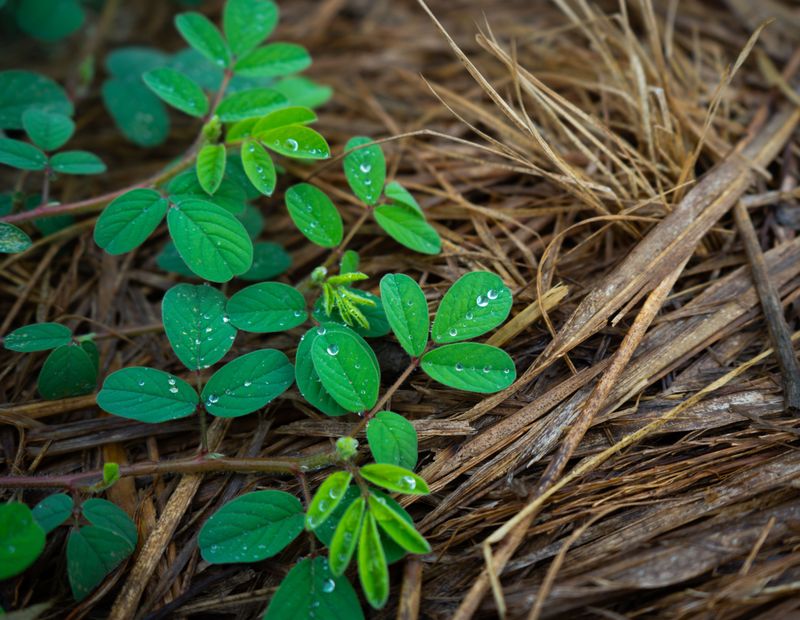
Bare soil in summer is basically an oven with the door open. When temperatures soar past 95 degrees, unprotected ground heats up fast and pulls moisture away from roots at a rapid rate.
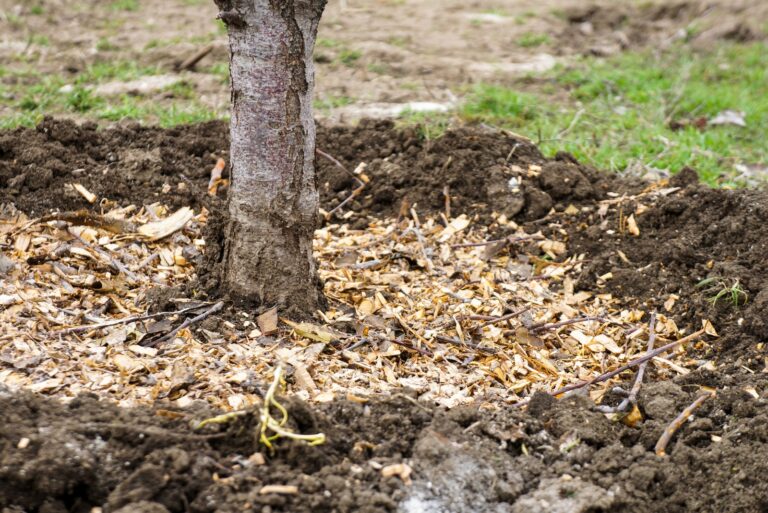
Mulching heavily with organic material is one of the oldest tricks in the gardening playbook, and it works just as well today. A thick layer of straw, wood chips, or shredded leaves acts like insulation for your soil.
Aim for at least three to four inches of mulch around your plants. That depth keeps soil temperatures noticeably cooler and slows evaporation significantly during the hottest parts of the day.
Straw is a favorite among Colorado gardeners because it is lightweight, affordable, and easy to spread. It also breaks down slowly, which means you are not replacing it every two weeks.
Your Colorado Garden Changes Every Week. Your Plan Should Too.
Gardening in Colorado changes quickly throughout the season. Every Friday you’ll receive a simple weekly plan showing exactly what to plant, prune, fertilize, harvest, and protect so you never miss the right timing.
Wood chips are another strong option, especially for perennial beds or paths between rows. They hold moisture well and add organic matter to the soil as they decompose over time.
Grass clippings can work too, but apply them in thin layers to prevent matting. A matted clump of clippings blocks water from reaching roots, which defeats the whole purpose.
Pull mulch slightly away from plant stems to prevent rot and fungal issues. About an inch of clearance around each stem is enough to keep airflow moving.
Good mulch turns a struggling summer bed into a resilient one. The difference shows up every afternoon the temperature climbs.
3. Water Deeply In Early Morning
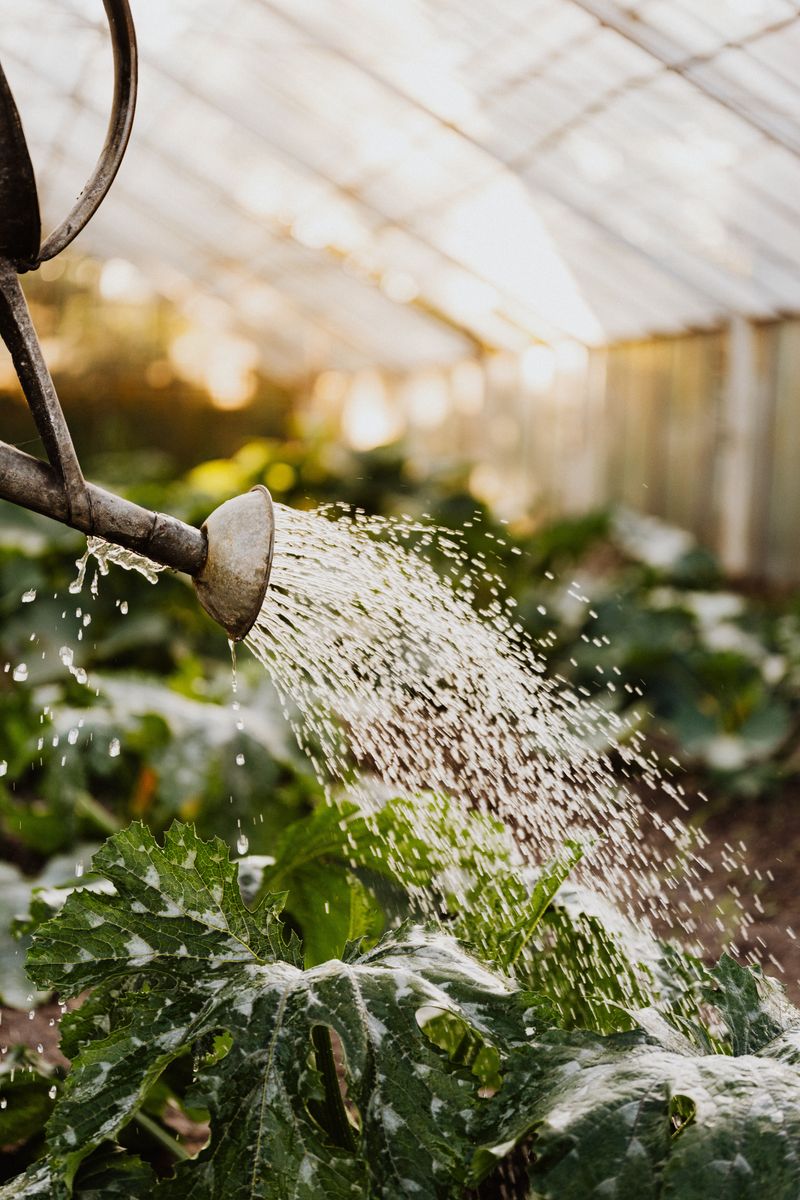
Watering at noon on a hot day loses a significant portion of moisture to evaporation before it reaches the root zone.
Most of that moisture evaporates before it ever reaches the root zone, leaving plants thirsty and stressed by afternoon.
Early morning watering is the gold standard for vegetable gardens during record-breaking heat. When you water between 5 and 8 a.m., the soil absorbs moisture before the sun gets intense enough to steal it.
Deep watering is just as important as timing. A shallow sprinkle encourages roots to stay near the surface, where soil dries out fastest during extreme heat waves.
Push water down six to eight inches into the soil instead. That depth encourages roots to grow downward, where temperatures stay cooler and moisture lasts longer between watering sessions.
Soaker hoses and drip irrigation are excellent tools for achieving deep, slow watering. They deliver water directly to the root zone without wetting foliage, which helps prevent fungal diseases.
If you use a regular hose, let it run slowly at the base of each plant for a full minute or two. Rushing the process leaves the deeper soil layers dry and roots struggling.
Check soil moisture with your finger before watering. If the top two inches feel dry, it is time to water again, even if you watered just the day before.
Consistent early morning watering builds plant resilience. Strong roots survive heat waves that would flatten a shallowly watered garden in just a few days.
4. Build Windbreaks From Burlap Or Lattice
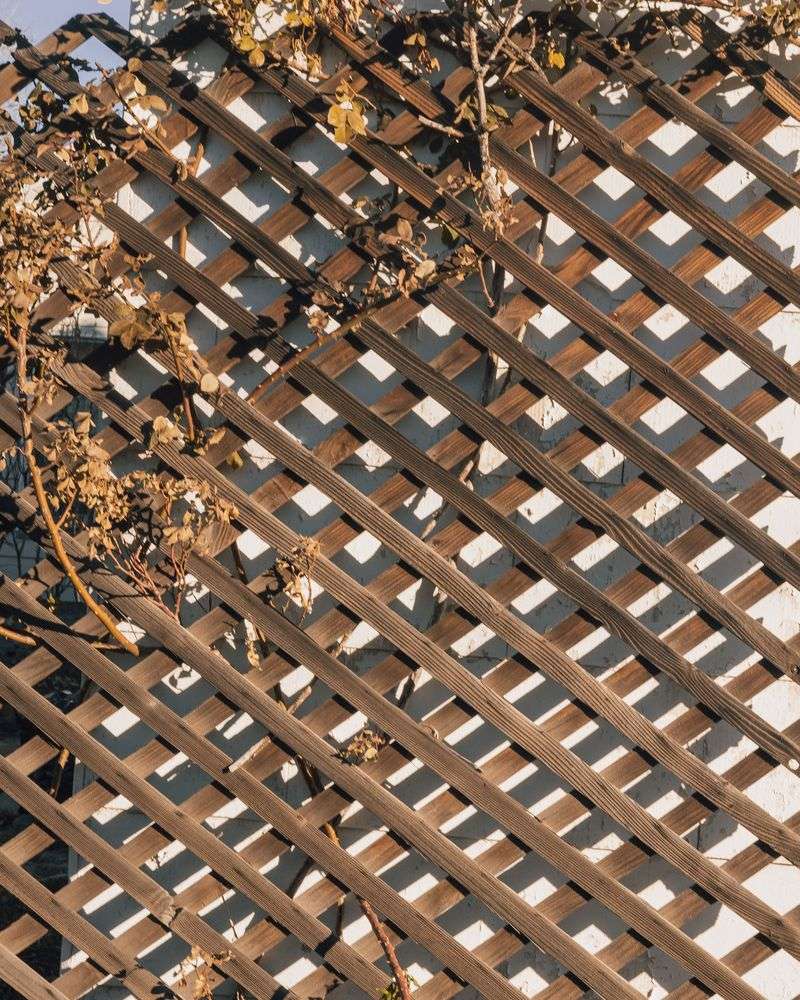
Wind in Colorado does not get enough credit as a damaging force in the summer garden. On a hot summer afternoon, a dry gust can strip moisture from leaves faster than any amount of sun damage.
Building a simple windbreak on the exposed sides of your garden makes a real difference. Burlap and wooden lattice are two popular choices among local gardeners because both are affordable and easy to install.
Burlap is especially versatile. You can attach it to fence posts, T-posts, or even bamboo stakes to create a semi-permeable barrier that slows wind without blocking it completely.
Blocking wind entirely can actually cause problems by trapping heat and reducing airflow around plants. A permeable barrier reduces wind speed while still letting some air circulate through the bed.
Lattice panels offer a sturdier, more permanent solution for gardeners who deal with strong seasonal winds. They look clean, hold up season after season, and can double as a trellis for climbing plants.
Position your windbreak on the south and west sides of your garden if possible. Afternoon winds in many parts of the state tend to blow in from those directions during summer storms.
Even a 24-inch-tall barrier can reduce wind stress on low-growing crops like lettuce, beans, and herbs. Taller barriers work better for tomatoes, peppers, and trellised cucumbers.
A well-placed windbreak does not just protect plants from drying out. It turns a chaotic, wind-battered garden into a calmer, more productive growing space all season long.
5. Lay Floating Row Covers Over Beds
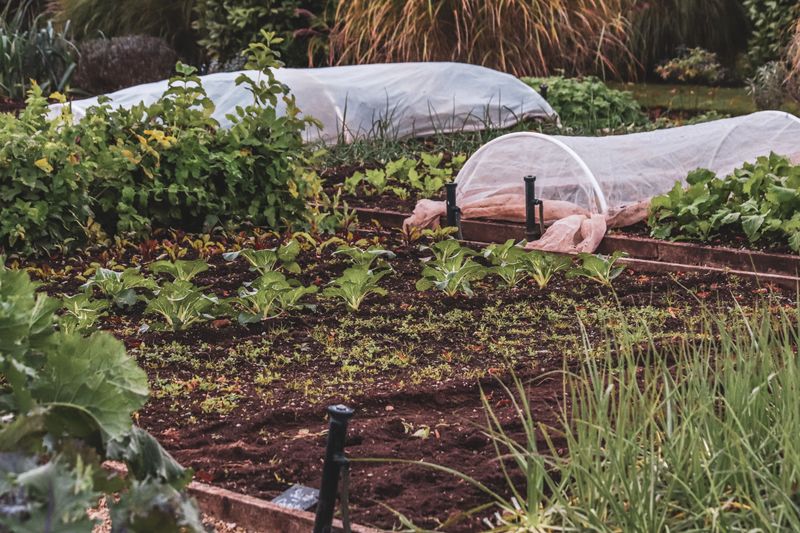
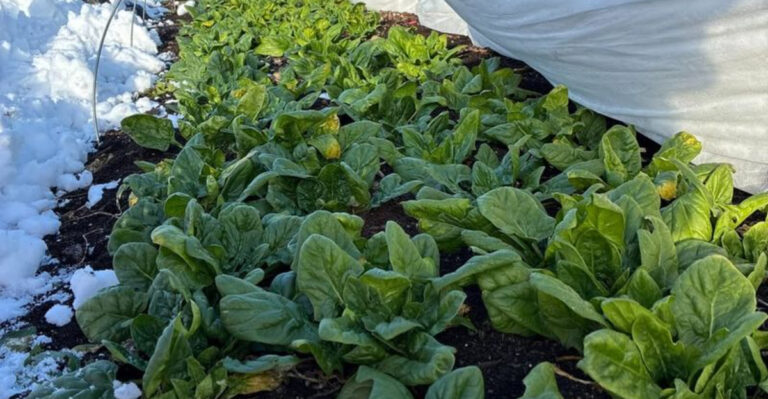
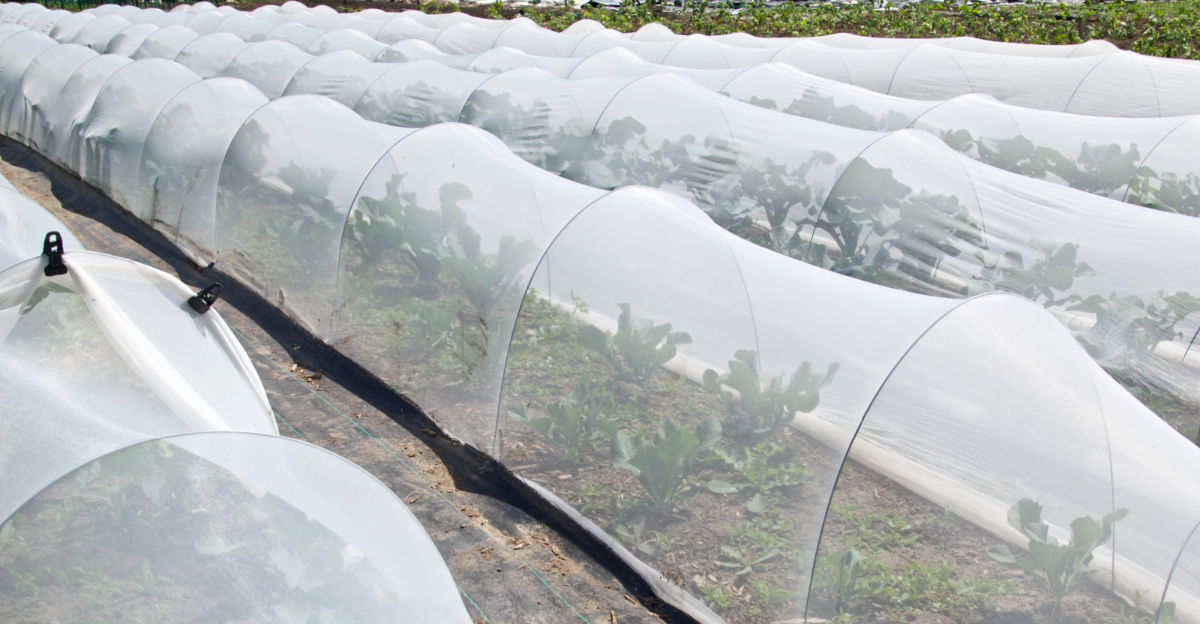
Floating row covers sound fancy, but they are really just lightweight fabric you drape over your plants.
They create a mini greenhouse effect that shields crops from temperature swings, pests, and harsh sun all at once.
During a record-breaking summer, the lighter weight versions work best for heat protection.
Look for fabric labeled as summer weight or insect barrier, which allows good airflow while still filtering intense sunlight.
Wire hoops or PVC arches hold the fabric above plants so it does not press down on leaves. That small gap between fabric and foliage allows air to move and prevents overheating underneath.
Row covers are particularly helpful for protecting young transplants during the first few weeks after planting. New roots are fragile, and a few days of brutal heat can set a seedling back by weeks.
They also double as pest barriers, keeping out aphids, flea beetles, and cabbage moths without any sprays or chemicals. That is a serious bonus when you are already managing heat stress.
Secure the edges with garden staples, rocks, or soil to keep the cover from blowing off in afternoon winds. A loose cover flapping in the breeze provides almost no protection at all.
Check under the covers every couple of days to monitor moisture and look for any pest activity. Catching problems early under a row cover is much easier than dealing with a full infestation later.
Row covers are one of the most flexible tools in a summer garden. One piece of fabric can protect, insulate, and defend your crops all at the same time.
6. Replace Cool-Season Greens With Heat-Tolerant Crops
Lettuce is a cool-season crop, and asking it to survive a record-setting summer is like asking someone to wear a wool coat in August. It bolts, turns bitter, and gives up fast once temperatures consistently reach 75 to 80 degrees.
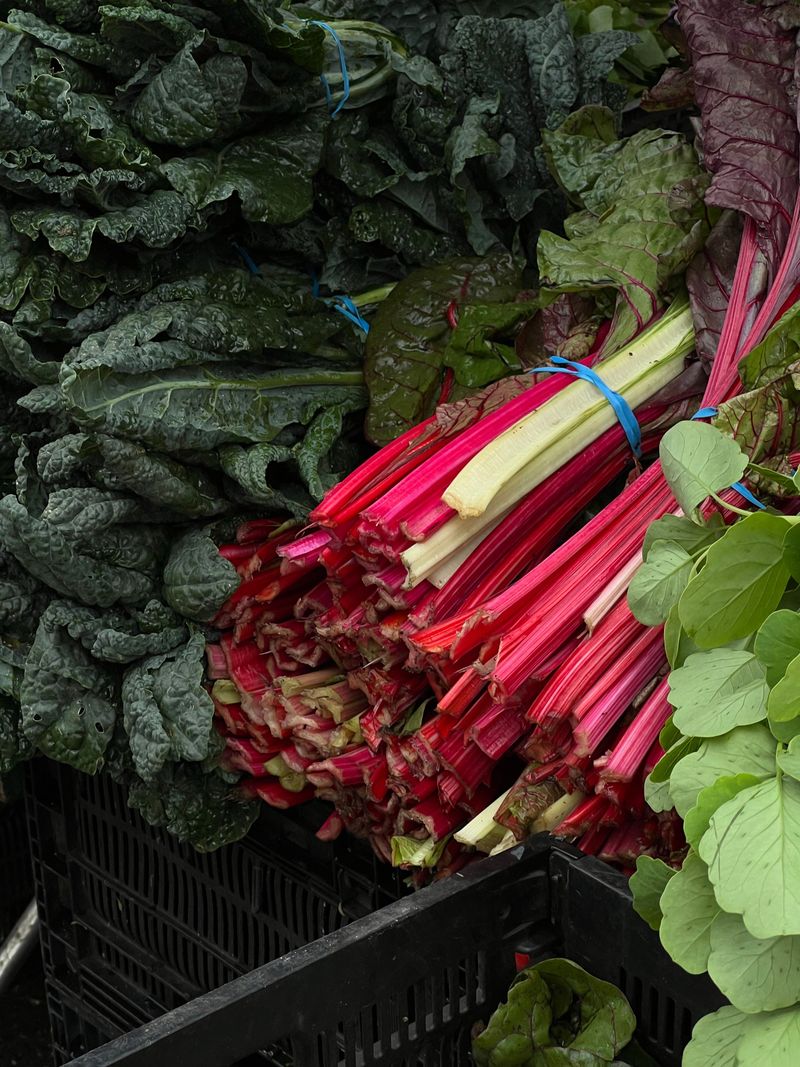
Swapping heat-sensitive greens for heat-tolerant ones is one of the smartest moves a Colorado gardener can make mid-season. Chard and kale are the two most popular replacements right now.
Swiss chard thrives in heat and keeps producing leaves all the way into fall. The colorful stems add visual interest to the garden while delivering a steady harvest of nutritious greens for salads and stir-fries.
Kale is equally tough. Varieties like Lacinato and Red Russian handle hot afternoons with surprising ease, especially when given consistent moisture and a layer of mulch to keep roots cool.
Both crops can be direct seeded or transplanted into beds where lettuce has already failed. They establish quickly and start producing harvestable leaves within a few weeks of planting.
New Zealand spinach is another excellent swap that most gardeners overlook. Despite the name, it is not true spinach, but it produces thick, flavorful leaves in conditions that would cause regular spinach to bolt and fail within days.
Collard greens and heat-tolerant arugula varieties round out the list of solid summer substitutes. Checking seed packets for heat tolerance ratings before purchasing saves a lot of frustration later in the season.
Choosing the right plant for the right season is not giving up on your garden. It is the kind of smart thinking that keeps harvests coming even when the thermometer refuses to cooperate.
7. Group Plants By Water Needs
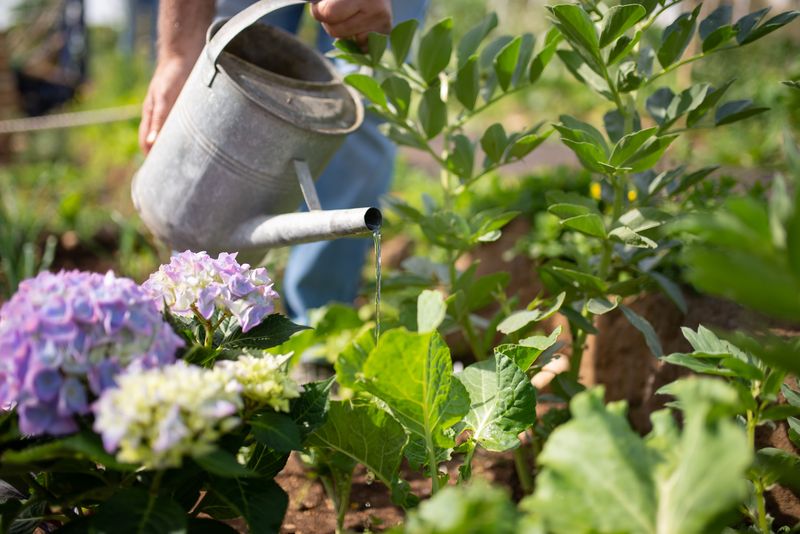
Watering a mixed garden bed during a heat wave can feel like a full-time job. Some plants want water every day, others prefer to dry out between drinks, and treating them all the same wastes both time and water.
Grouping plants by water needs is a simple organizational strategy that makes summer gardening far more efficient.
When thirsty plants are together, you can deep water that zone without overwatering drought-tolerant neighbors nearby.
Cucumbers, squash, and peppers are heavy drinkers that benefit from daily moisture checks during extreme heat.
Grouping them in one section lets you give that area extra attention without disrupting the rest of the garden.
Herbs like rosemary, thyme, and oregano prefer drier conditions and can actually suffer from too much water.
Keeping them together in a separate zone prevents root rot and makes watering schedules much simpler to follow.
Tomatoes fall somewhere in the middle. They need consistent moisture but do not want to sit in soggy soil, so pairing them with similarly moderate crops like beans or carrots works well.
Once you organize by water needs, setting up drip irrigation or soaker hoses by zone becomes much easier. Each zone can run on its own timer with settings dialed in for that specific group of plants.
Drawing a quick sketch of your garden layout before planting helps you plan zones intentionally.
Even a rough pencil map saves hours of confusion once summer heat turns every watering decision into an urgent one.
A well-organized garden does not just survive a brutal summer. It produces more, wastes less water, and leaves you with energy to actually enjoy the harvest.
8. Grow Cherry Tomatoes Over Large Varieties
Big beefsteak tomatoes are gorgeous, but they are also highly sensitive to heat stress and slow to recover when temperatures spike.
Large fruiting varieties need a long, stable growing season to ripen properly, and record-breaking summers often throw off that entire timeline.
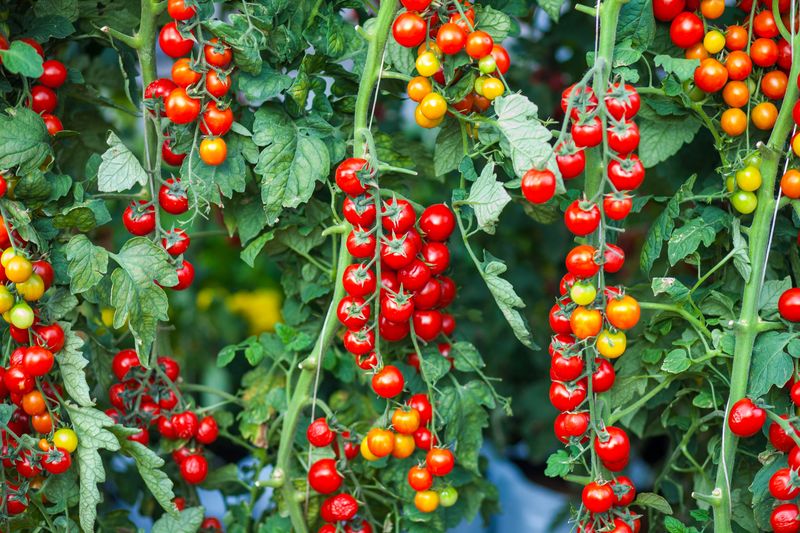
Cherry tomatoes are a smarter bet when protecting vegetable beds during Colorado’s most intense summers.
They ripen faster, stress less under high temperatures, and keep producing fruit even when conditions get rough.
Varieties like Sun Gold, Sweet Million, and Black Cherry have earned devoted followings among Front Range gardeners for exactly this reason.
They bounce back from heat stress faster than most large tomato varieties, including many bred specifically for warmer climates.
Smaller fruits also mean less blossom drop during heat waves. Large tomato flowers abort when nighttime temperatures stay above 72 degrees, but many cherry varieties set fruit more reliably through warm nights.
The harvest window for cherry tomatoes is also longer. You can start picking clusters in mid-July and keep going well into September, which means more food from the same amount of garden space and effort.
Cherry tomatoes work beautifully in containers too, which gives you the flexibility to move them into shade during the hottest afternoons. A rolling plant dolly under a large pot makes that kind of adjustment effortless.
Staking or caging cherry tomato plants early keeps the vines manageable as they grow quickly through summer.
Without support, sprawling vines can shade out neighboring plants or trap moisture near the soil surface.
When a summer keeps breaking records, cherry tomatoes become your most reliable ally in protecting vegetable beds and keeping the harvest going strong all season.