What It Means When A Mourning Dove Visits Your Virginia Yard
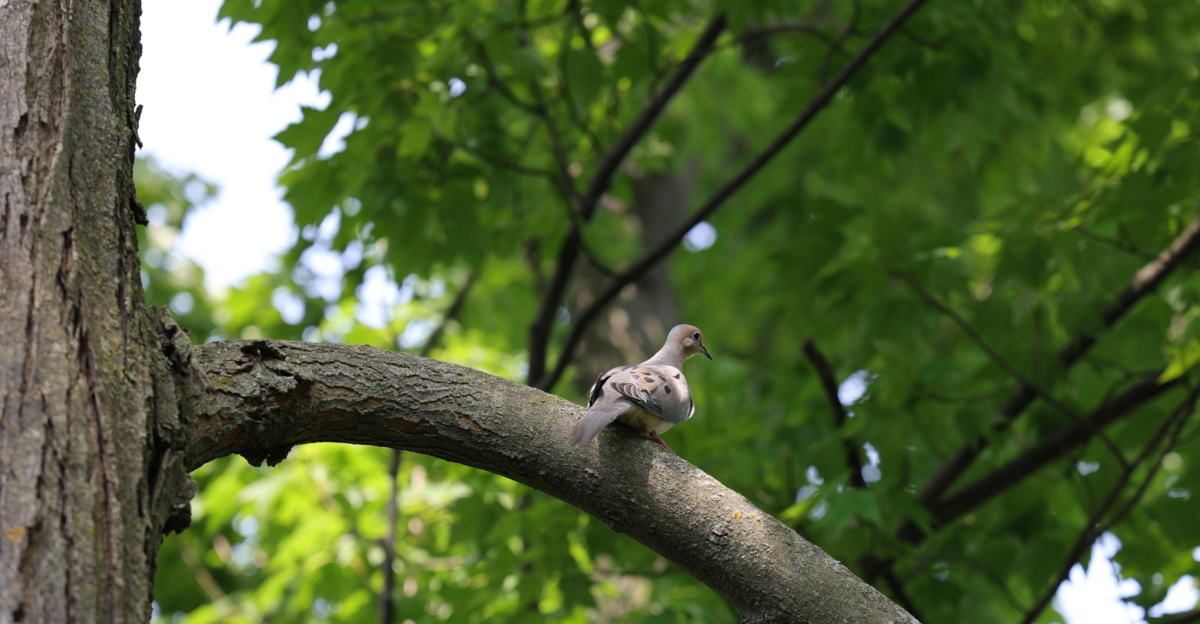
You are refilling the bird feeder one quiet morning. A plump little visitor flutters down and settles on the porch railing.
Its chest is a dusty pink-brown. Its head tilts with a calm curiosity. That low, breathy coo rolls out, like it has all day to spare.
This is the mourning dove. Across Virginia, from the Blue Ridge foothills to the tidewater flats, these birds show up in nearly every backyard sooner or later.
People often think their quietness means shyness. Really, they are just unhurried. Watch one long enough and you start noticing things. How it walks instead of hops.
How it forms a pair bond each breeding season. How its wings make a soft whistling sound when it takes off.
Virginia’s mix of farmland, forest edges, and suburban lawns happens to be gentle territory for them. Once you learn to spot the signs, your own yard starts to feel like a small window into their world.
What A Mourning Dove In Your Yard Signals
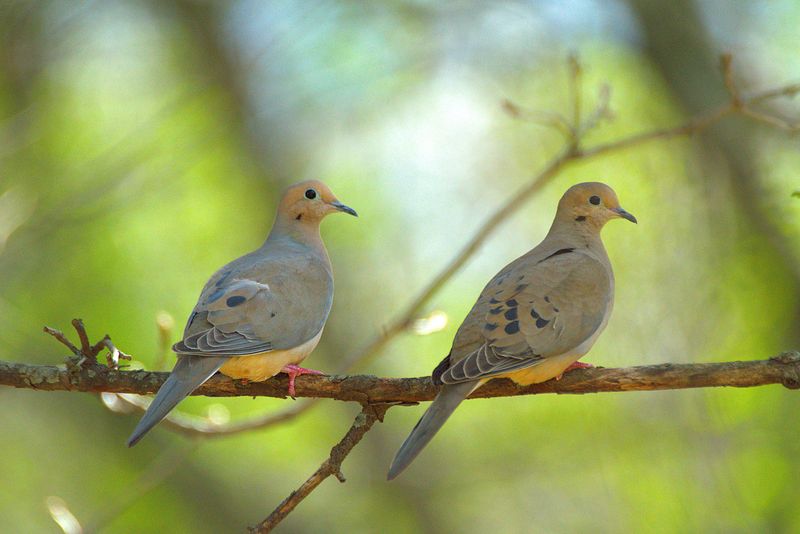
A mourning dove landing in your yard feels like a quiet gift. Spotting one is one of those small moments that stops you mid-step and makes you breathe a little slower.
These birds have long carried symbolic weight in American culture. Many people associate their appearance with peace, calm, and even a gentle reminder to slow down.
Spiritually speaking, mourning doves are often seen as messengers of comfort. Across many traditions, their arrival signals a moment of grace or emotional healing.
Beyond symbolism, seeing one in your yard also tells you something practical. Your outdoor space likely offers food, shelter, or water that appeals to wildlife.
Mourning doves are not picky visitors. They show up where conditions feel safe and resources feel accessible, making their presence a quiet compliment to your yard.
Their soft, rhythmic cooing is also worth paying attention to. That sound is actually a mating call, and hearing it means a male dove is nearby and feeling comfortable enough to sing.
When a mourning dove visits your Virginia yard, it is doing more than resting. It is reading your landscape and deciding whether to stay.
The fact that it chose your space says something meaningful. Your yard offers what it needs, and that is worth noticing with a little curiosity and appreciation.
Why These Birds Are Common In Virginia Landscapes
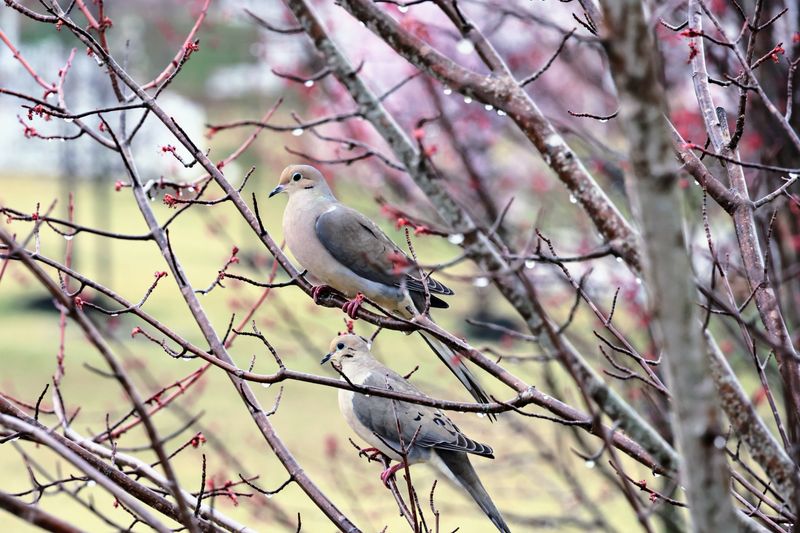
Virginia offers especially favorable habitat for mourning doves. The state’s mix of open fields, suburban lawns, and wooded edges creates exactly the kind of habitat these birds love.
Mourning doves thrive in edge environments. That means places where open ground meets trees or shrubs, which describes most Virginia neighborhoods perfectly.
The mild mid-Atlantic climate also helps. Winters here are rarely brutal enough to push mourning doves far south, so many stay year-round rather than migrating.
Virginia’s agricultural areas provide another big draw. Grain fields and crop stubble left after harvest offer an almost endless buffet for seed-eating birds like these.
Your Virginia Garden Changes Every Week. Your Plan Should Too.
Gardening in Virginia changes quickly throughout the season. Every Friday you’ll receive a simple weekly plan showing exactly what to plant, prune, fertilize, harvest, and protect so you never miss the right timing.
Suburban sprawl has actually worked in their favor. As forests get converted to neighborhoods with lawns and gardens, mourning doves gain more open foraging ground.
They are also remarkably adaptable birds. Whether you live near the Blue Ridge Mountains or in a Richmond suburb, you are likely within their comfort zone.
Human activity rarely scares them off. Mourning doves are used to people, cars, and noise, which makes them one of the most reliably visible backyard birds in the region.
When a mourning dove visits your Virginia yard, it is partly because your entire region suits them well. You are simply one stop on a very comfortable route they have been traveling for generations.
The Habitat Conditions Mourning Doves Prefer
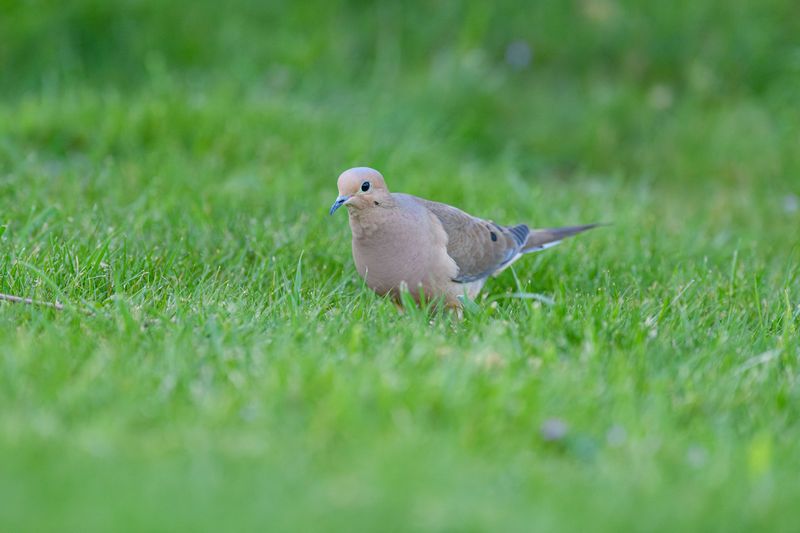
Not every yard gets a mourning dove visitor, and that gap comes down to habitat. These birds have clear preferences, and meeting them is simpler than you might expect.
Open ground is their top priority. Mourning doves forage almost entirely on the earth’s surface, so a patch of bare soil or short grass is basically a welcome mat.
They avoid dense underbrush. Unlike sparrows or wrens that love tangled thickets, mourning doves want clear sightlines so they can spot danger and escape quickly.
Low-growing plants around your yard’s edges work well as perching spots. Shrubs and small trees give them a place to rest between feeding sessions without feeling boxed in.
Water access matters too. A shallow birdbath or ground-level water dish can make your yard significantly more attractive to these birds throughout the warmer months.
Tall trees nearby serve a purpose as well. Mourning doves nest in branches and like having elevated spots to survey their surroundings before landing on the ground.
They strongly prefer calm, low-traffic areas. Yards with dogs that charge around or heavy foot traffic near feeding zones tend to get skipped over.
Creating the right conditions does not require a landscaping overhaul. A few thoughtful adjustments, like clearing a small feeding patch and adding a birdbath, can turn your yard into a regular mourning dove stop.
What Their Presence Says About Your Yard’s Ecosystem
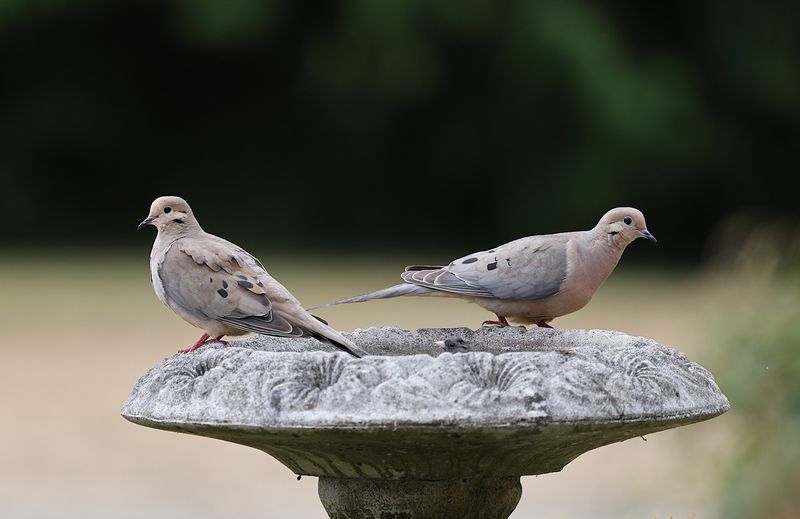
A mourning dove does not just show up randomly. Its presence is actually a small but meaningful signal about the health of your outdoor ecosystem.
These birds eat seeds almost exclusively. When they appear, it usually means your yard has enough natural seed sources or nearby plants producing the food they need.
Seed availability reflects plant diversity. A yard with a variety of grasses, flowers, and shrubs tends to attract more foragers than one with only a trimmed lawn.
Mourning doves are also ground feeders, which means your soil conditions matter. Loose, uncompacted soil allows seeds to scatter naturally and makes foraging easier for the birds.
Their comfort in your yard also hints at a low predator pressure. If hawks, outdoor cats, or other threats patrol your space constantly, doves will not linger long.
Seeing one regularly suggests your yard has achieved a kind of quiet balance. Food, water, shelter, and safety are all present in just enough measure to keep wildlife at ease.
Mourning doves are also early indicators of seasonal change. Their behavior shifts with temperature and food supply, making them a living barometer of your yard’s annual rhythm.
Paying attention to when and where they appear gives you a surprisingly detailed picture of what is working in your outdoor space. The dove’s presence reflects what’s happening in your yard.
Seasonal Patterns Behind Mourning Dove Sightings
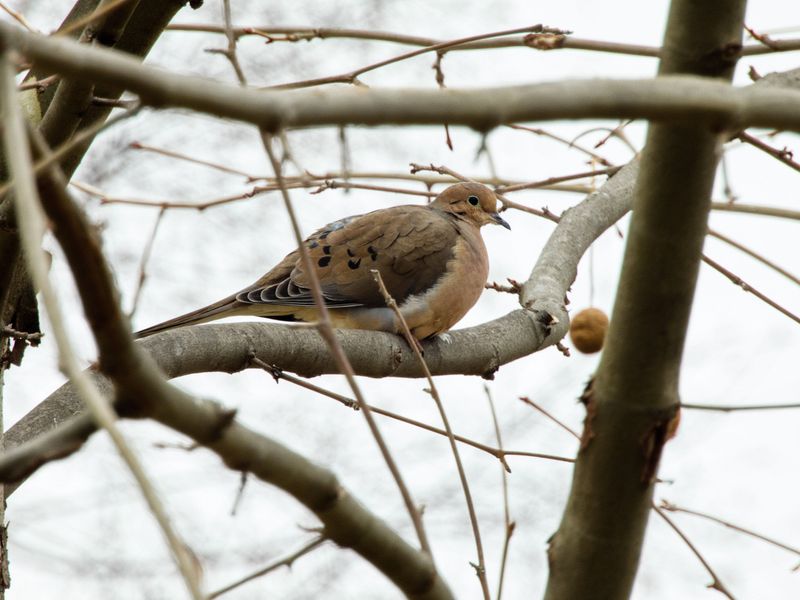
Mourning doves follow the seasons in subtle but trackable ways. If you pay attention, you will notice their behavior shifts noticeably throughout the year in Virginia.
Spring brings the most activity. Males often begin cooing persistently from rooftops and power lines in late winter, signaling the start of breeding season.
By late spring, pairs are nesting. They build simple, flat nests in trees or shrubs, and you might spot them carrying twigs across your yard with quiet determination.
Summer sightings are frequent and relaxed. Mourning doves are raising young and foraging heavily, so they visit yards consistently during the long, warm days.
Fall shifts their focus toward food storage and flock behavior. You may notice larger groups gathering in open areas as they bulk up before cooler weather arrives.
Winter is when their presence feels most striking. Bare trees and quiet yards make mourning doves easier to spot, and their soft cooing carries farther in cold, still air.
Virginia’s relatively mild winters mean many doves stay put rather than heading south. You can attract them through colder months by keeping a feeder stocked with millet or safflower seeds.
Tracking their seasonal appearances turns birdwatching into something deeper. Over a full year, these birds become a living calendar tied to your yard’s own natural rhythms and changes.
How To Attract And Support Them Naturally
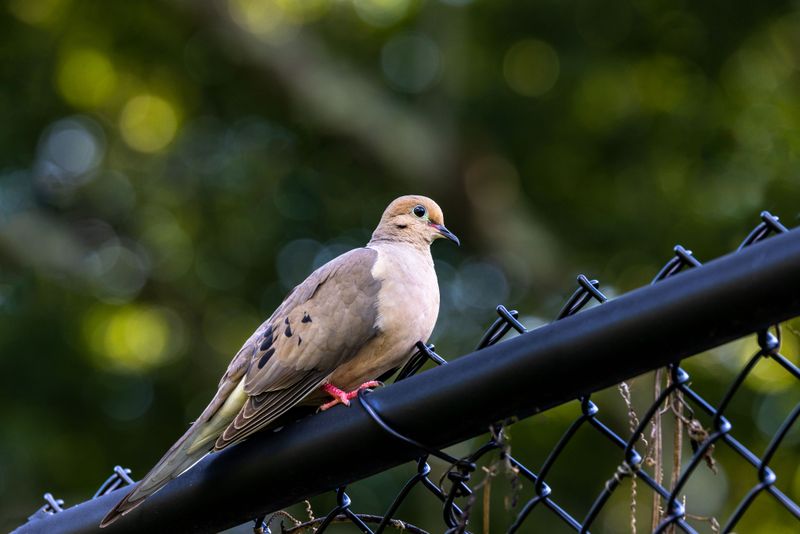
Attracting mourning doves to your yard is refreshingly low-effort. These birds respond well to simple changes that mimic the open, seed-rich environments they naturally seek out.
Start with a platform feeder placed close to the ground. Mourning doves are not built for tube feeders, so a flat tray or scattered seeds on the ground works far better.
Millet is their favorite food. White proso millet is inexpensive, widely available, and practically irresistible to mourning doves when sprinkled in an open, accessible spot.
Safflower seeds are another excellent option. Many backyard birds enjoy them, and mourning doves will gladly share a feeding area without causing much conflict.
Keep a shallow water source nearby. A shallow birdbath gives them a safe place to drink and bathe without risk of struggling.
Avoid heavy pesticide use in your yard. Chemicals reduce the insect and seed populations that support the broader food web mourning doves depend on.
Planting native grasses and wildflowers adds long-term value. Plants like coneflowers, sunflowers, and ornamental grasses drop seeds naturally and keep the food supply steady all season.
Supporting mourning doves in your Virginia yard means working with nature rather than against it. A few small choices can turn your outdoor space into a welcoming haven these birds return to again and again.