Where Feng Shui Says To Plant A Japanese Maple For Luck In Your Rhode Island Garden
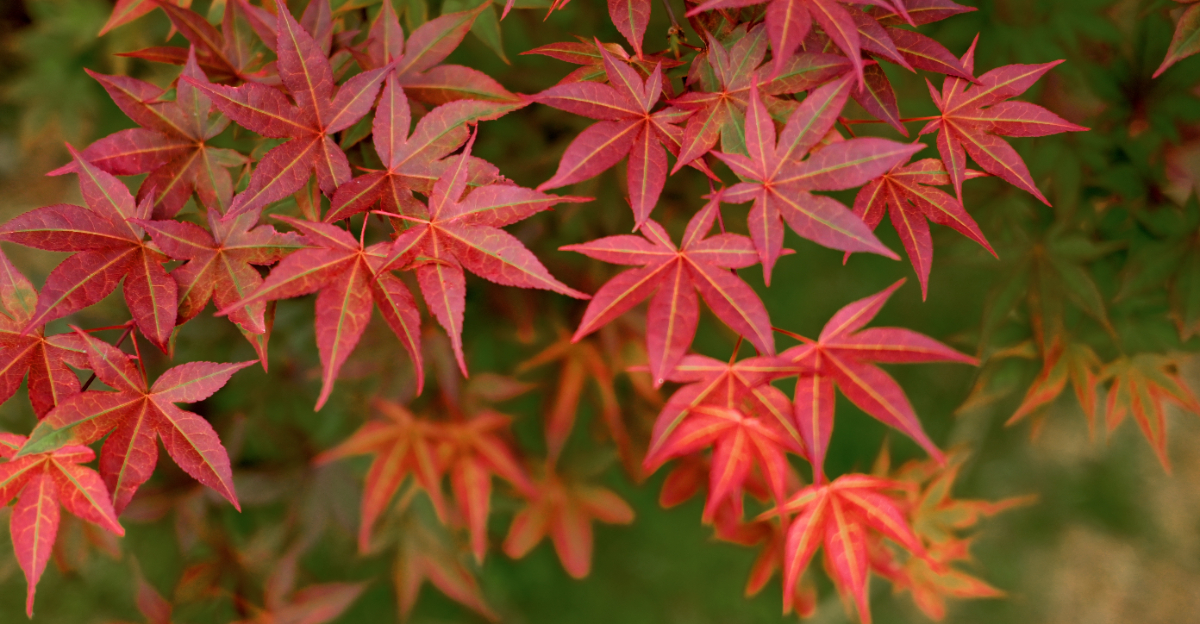
Your Rhode Island backyard might be holding a secret that ancient Chinese scholars figured out long before feng shui became a household word. A Japanese maple, with its fiery crimson canopy, offers far more than a striking focal point for your landscaping.
Feng shui principles suggest that where you plant this tree matters as much as the decision to plant it. Choose the right spot, and that patch of soil can turn into a quiet pocket of calm and flowing prosperity.
Get the placement wrong, though, and you risk undercutting every bit of intention you poured into the planting. Before you pick up a shovel, it pays to understand what this ancient wisdom really says about direction, position, and purpose.
The Corner Of Your Yard Feng Shui Cares About Most
Not all corners are created equal. Feng shui maps your yard like a compass, and each direction carries its own type of energy.
The southeast corner is the one that feng shui practitioners watch most closely. That specific spot is connected to wealth, abundance, and growth.
When you place a Japanese maple in the southeast corner of your yard, you are tapping into an energy flow called “sheng chi.” Sheng chi is the good stuff, the kind of energy that attracts opportunity and keeps negativity at bay.
Rhode Island yards can be small, but that does not matter. Even a modest corner with a potted Japanese maple counts toward activating that wealth zone.
Think of your yard like a room in your home. Every corner has a purpose, and ignoring the southeast spot is like leaving money on the table.
The key is intentionality. Placing the tree with purpose, rather than randomly, is what feng shui says makes all the difference.
Planting with awareness sends a signal to the universe that you are ready to receive good fortune. Your corner choice is the first step toward building a luckier garden.
A compass app on your phone makes finding the southeast corner simple, even if you have never worked with feng shui before. Just a few minutes of orientation can point you toward the exact spot where your tree will do the most good.
The Meaning Behind Red Leaves In Feng Shui
Red is not just a color in feng shui. It is a force.
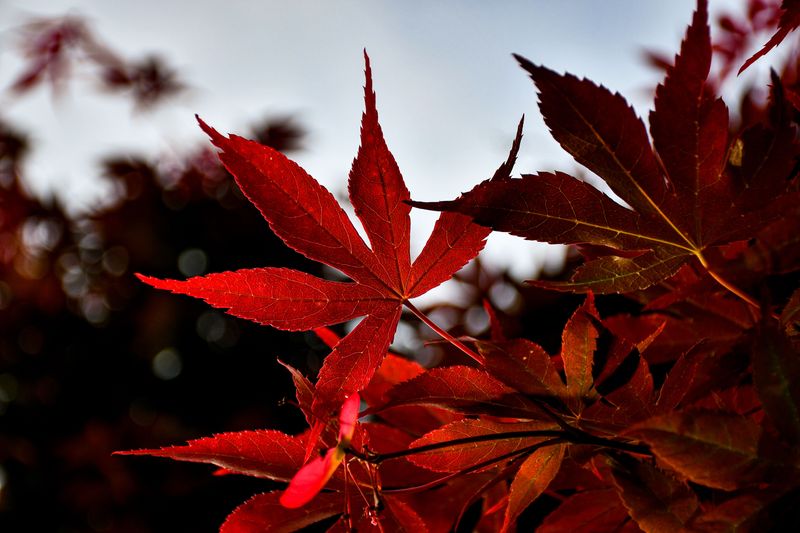
In Chinese tradition, red symbolizes fire energy, good luck, and protection from harm. A red Japanese maple brings all of that meaning right into your garden.
The leaves of a Japanese maple shift between deep burgundy and bright scarlet depending on the season. That visual pop of color is doing double duty, looking gorgeous and activating fire energy at the same time.
Fire energy in feng shui is associated with fame, passion, and visibility. If you have been feeling overlooked at work or stuck in a rut, a red-leafed tree near your front entrance could shift that stagnant feeling.
Rhode Island gardens peak in the fall, when Japanese maple leaves turn their most electric shades. Neighbors will stop and stare, and feng shui says that kind of positive attention feeds good energy back to you.
Your Rhode Island Garden Changes Every Week. Your Plan Should Too.
Gardening in Rhode Island changes quickly throughout the season. Every Friday you’ll receive a simple weekly plan showing exactly what to plant, prune, fertilize, harvest, and protect so you never miss the right timing.
Choosing a variety with the deepest red color is worth the extra effort at the nursery. Varieties like “Bloodgood” or “Emperor One” hold their crimson color through the entire growing season.
Color is one of feng shui’s most accessible tools. You do not need a feng shui master to appreciate what a blaze of red leaves does for your spirit and your space.
Wood Energy And What It Represents
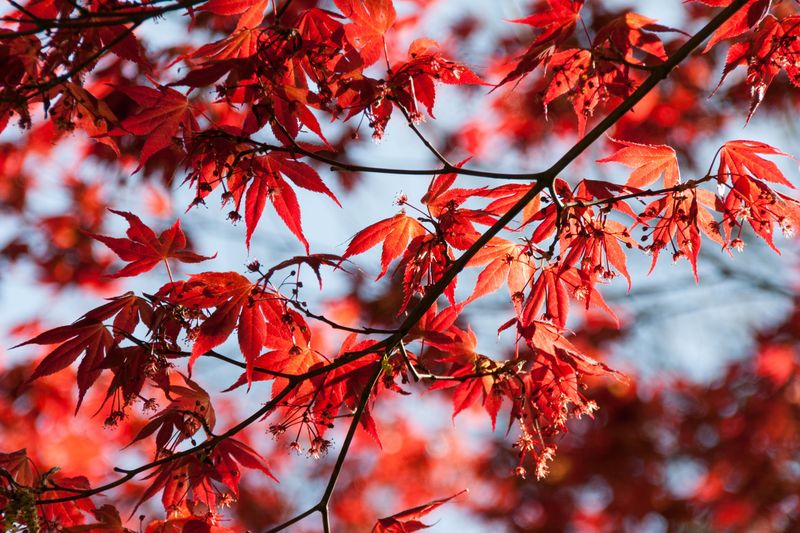
Trees are the ultimate symbol of wood energy in feng shui. Wood energy is all about growth, flexibility, and new beginnings.
A Japanese maple is especially powerful because its branches are elegant and upward-reaching. That upward movement mirrors the kind of forward momentum feng shui associates with personal growth and career progress.
Wood energy also governs health and family in the feng shui system called the Bagua map. Planting a living tree in the right zone strengthens those areas of your life in a very tangible way.
What makes the Japanese maple stand out among other trees is its balance. It grows slowly and gracefully, which feng shui interprets as steady, sustainable energy rather than chaotic bursts.
Chaotic energy, called “sha chi,” is the opposite of what you want near your home. A well-shaped maple with soft, flowing branches naturally counters sharp or aggressive energy patterns.
If your Rhode Island yard has a lot of straight lines, hard edges, or concrete, the soft canopy of a Japanese maple adds the organic contrast that feng shui loves. Balance between hard and soft is a core principle of the practice.
Wood energy thrives when it is nurtured. Caring for your maple consistently tells the universe you are committed to growth, and that intention is powerful on its own.
The Risks Of Getting Placement Wrong
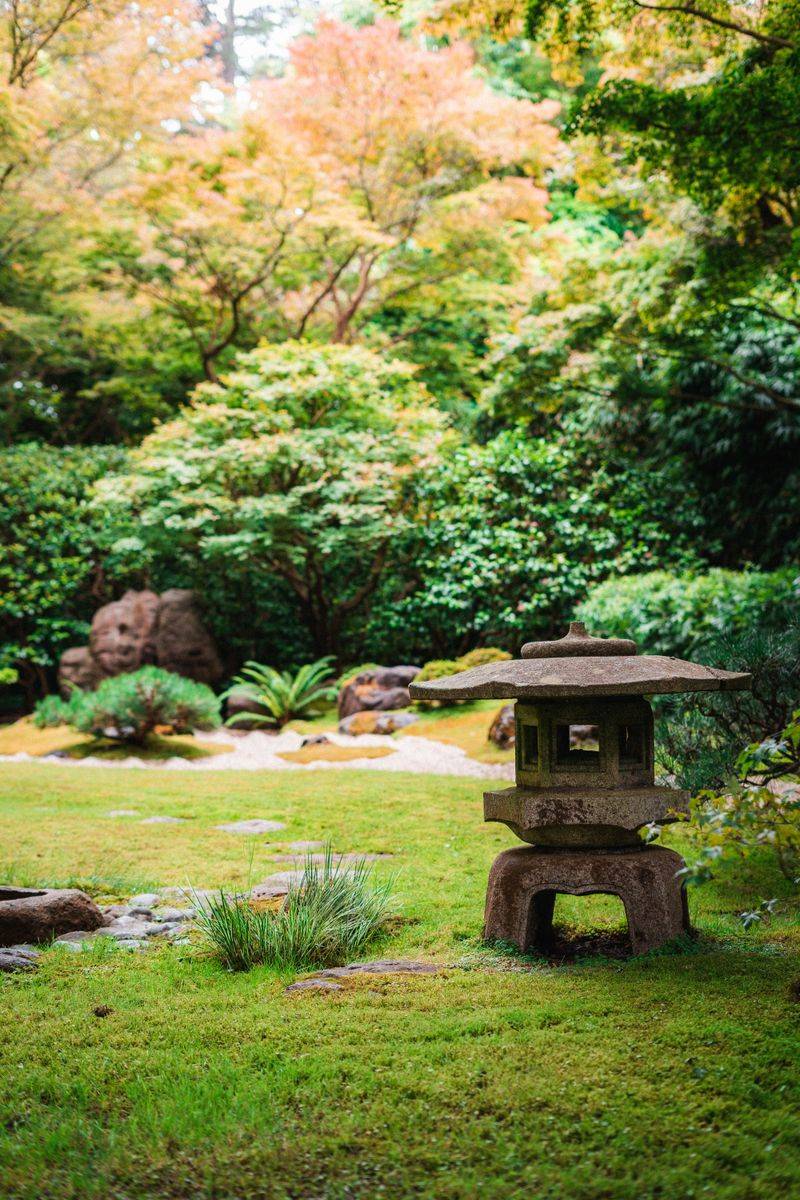
Bad placement is not just a gardening mistake. In feng shui, it can actively stir up negative energy around your home.
Planting a Japanese maple directly in front of your front door, for example, blocks the flow of chi into your home. Blocked chi leads to stagnation in finances, relationships, and health, according to feng shui principles.
The north side of your Rhode Island yard is another spot to avoid. North is associated with water energy, and placing a wood-energy tree there creates an imbalance that can feel like things often going wrong without a clear reason.
A tree planted too close to the house can also create what feng shui calls “pressing energy.” That heavy feeling of something looming over you is not just psychological. It disrupts the natural flow around your home.
Shady, cramped spots are bad for the tree and bad for your energy. A stressed tree sends out weak, scattered energy, which is the opposite of what you are aiming for.
Wrong placement in a relationship zone, like the southwest corner, can create tension between partners or family members. Feng shui takes the emotional impact of spatial choices seriously.
Placement mistakes can be corrected without much trouble. Moving a young maple is totally doable, and getting it right sooner rather than later saves both the tree and your energy flow.
The East Or Southeast Position That Feng Shui Recommends
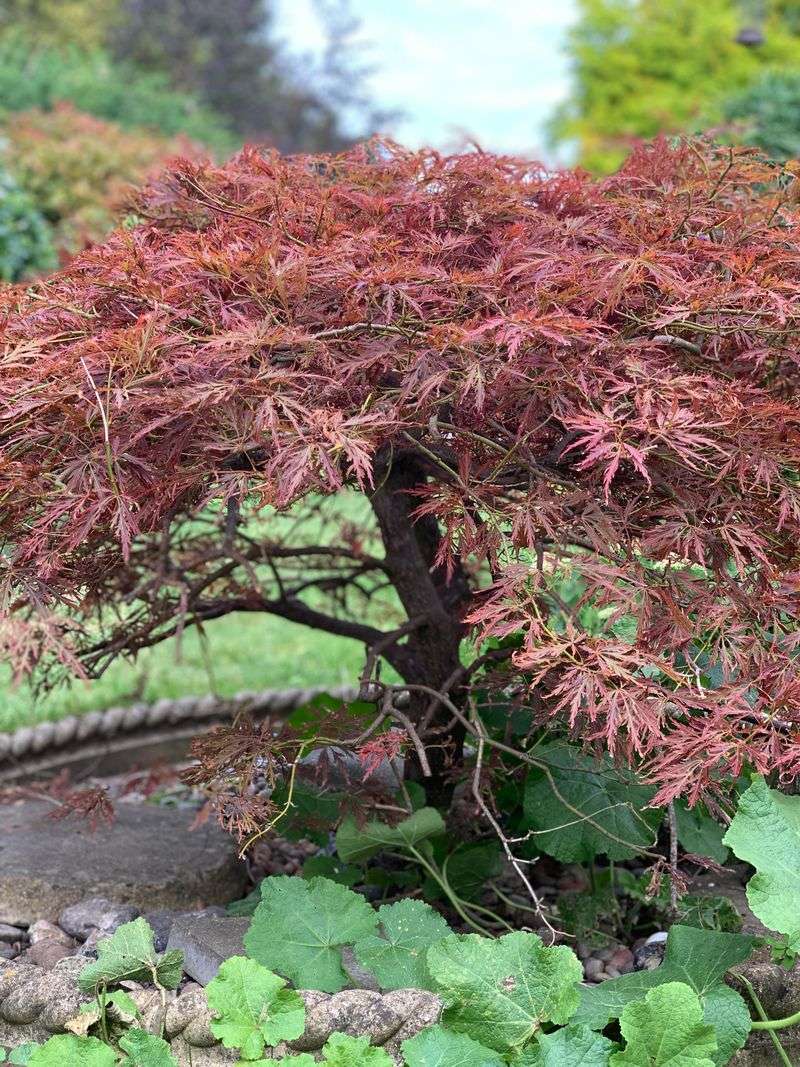
East is the direction of the rising sun, and feng shui sees it as the zone of health, family, and new beginnings. Planting your Japanese maple here is a smart, time-tested move.
The southeast is equally powerful, specifically tied to wealth and abundance. Many feng shui practitioners say the southeast is the single best spot for a tree that carries wood energy.
Rhode Island’s climate actually works in your favor here. The east and southeast sides of most yards get morning sun, which Japanese maples love. You are aligning horticultural needs with feng shui wisdom at the same time.
Morning light is gentler than afternoon sun, and it helps the tree maintain its vibrant leaf color without scorching. A healthy, thriving tree radiates stronger energy than a struggling one.
When placing the tree, stand inside your home and use a compass app on your phone. Find true east or southeast from the center of your house, then mark that spot in your yard.
Even a few feet in the right direction makes a meaningful difference in feng shui. Precision matters, and taking ten minutes to check your compass is well worth it.
Once your maple is settled in the east or southeast position, it becomes an anchor for positive energy in your entire outdoor space. That one tree can shift the whole feeling of your garden.
Caring For Your Maple Through Rhode Island Winters
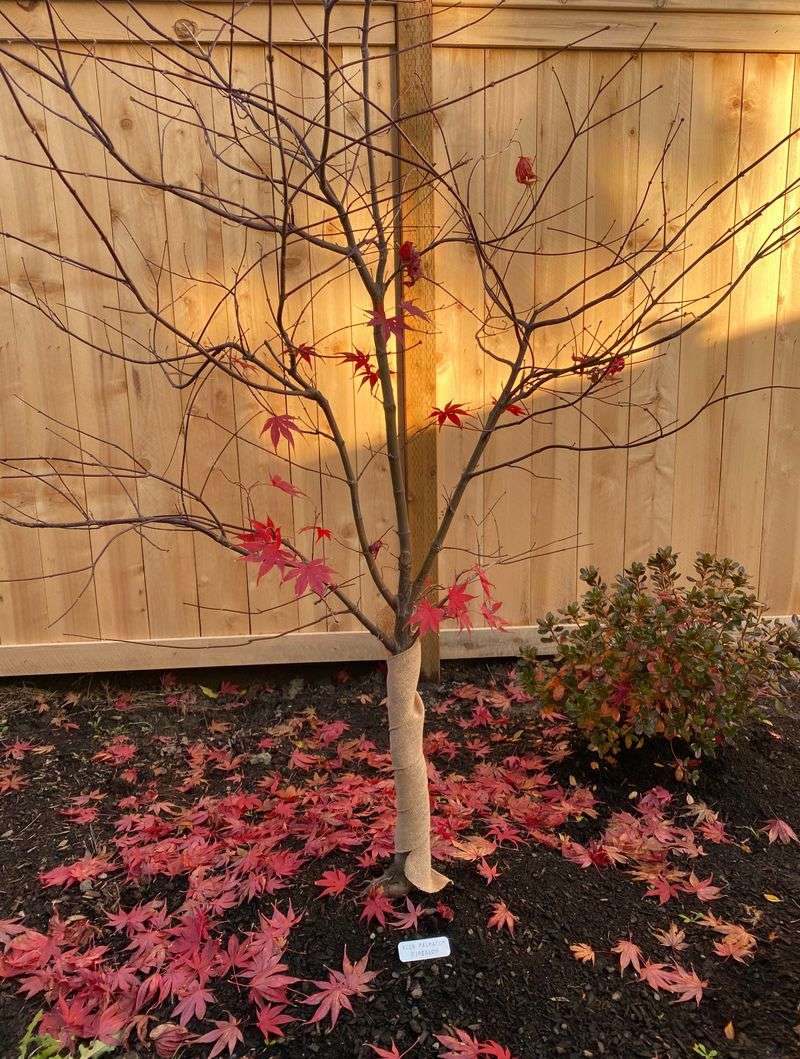
Winter in Rhode Island is no joke, and your Japanese maple needs a little extra love to survive it well. A protected tree is a thriving tree come spring.
Mulching around the base of your maple before the first frost is one of the most important steps you can take. A thick layer of organic mulch insulates the roots from harsh freeze-thaw cycles that are common in Rhode Island.
Wrapping young trees in burlap shields them from brutal winter winds that sweep in off Narragansett Bay. That wind protection keeps the bark from cracking and the branches from drying out during cold months.
Feng shui also has something to say about winter care. Tending to your tree through the cold season shows commitment to the energy you have planted, and that dedication strengthens your intentions.
Avoid heavy pruning in late fall, since fresh cuts are vulnerable to frost damage. Wait until late winter or early spring, just before buds emerge, for any major shaping work.
Watering deeply before the ground freezes gives roots the moisture they need to stay healthy underground. A hydrated root system bounces back faster when warm weather returns.
Spring in a Rhode Island garden is magical when your Japanese maple unfurls its first leaves after a long winter. That moment of renewal is exactly what feng shui and nature both promise when you plant for luck.