Why More Arizona Yards Are Adding Rainwater Harvesting Basins
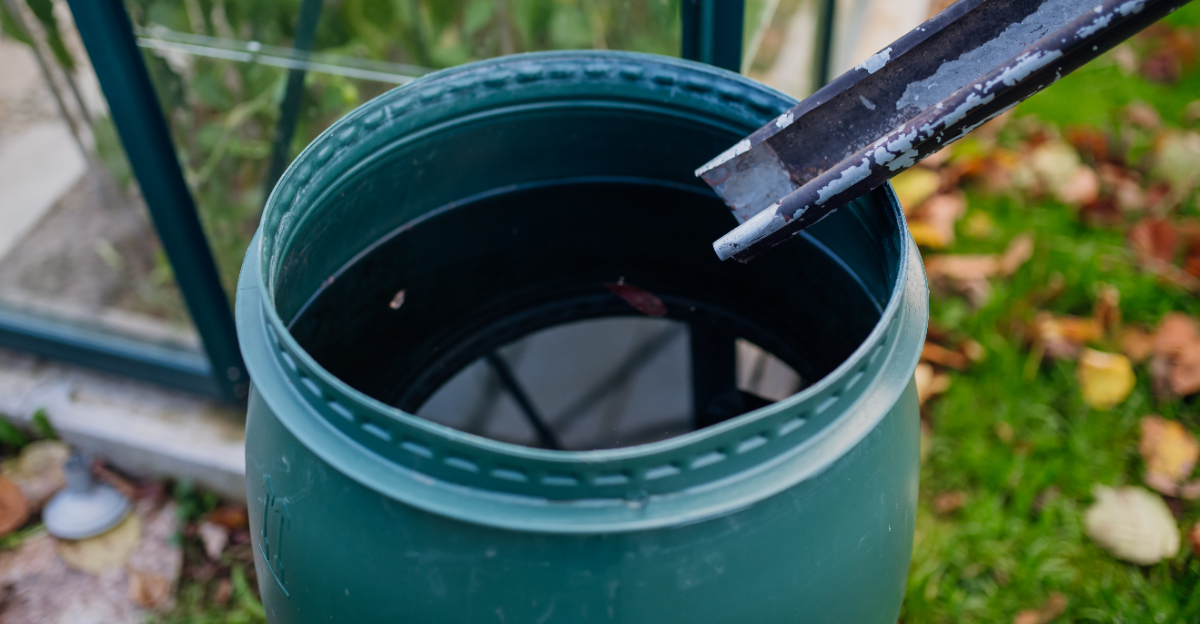
After every heavy rain, the yard seems to dry out surprisingly fast again. That can leave anyone wondering where all that water actually went so quickly.
It feels like a missed opportunity every single time it happens again outside. Smart landscaping often starts with noticing simple patterns before making big changes first.
Small ideas sometimes solve bigger problems than expected over time naturally too together.
Rainwater harvesting basins are becoming more common because they work well naturally year-round. They slow runoff instead of letting valuable moisture disappear before plants benefit daily.
Many Arizona yards now rely on this practical approach because every rainfall counts. It helps gardens stay healthier while making better use of natural rainfall seasonally.
Once you understand how they work their growing popularity starts making perfect sense.
1. Monsoon Rain Is Too Valuable To Let Run Off
Watching monsoon rain sheet off your driveway and disappear down the street is genuinely frustrating. All that water, gone in minutes.
Basins change that equation fast.
A well-placed basin intercepts runoff before it leaves your property. Instead of racing across pavement, water slows down and sinks into the ground where roots can actually reach it.
Even a shallow, simple basin can absorb hundreds of gallons during a single storm.
Monsoon events in the desert Southwest are short and intense. Standard landscapes shed water quickly because the soil surface gets compacted and hard.
A basin breaks that pattern by giving water a place to pause.
Grading a shallow depression does not require heavy equipment or expensive permits in most cases. A shovel, some time, and a decent understanding of your yard’s slope are often enough to get started.
Over time, the soil inside a basin improves too. Repeated soaking encourages microbial activity, which loosens compacted ground and helps water infiltrate even faster.
What starts as a simple dip in the yard gradually becomes a sponge.
Capturing monsoon rain is not just practical, it is one of the most straightforward things a yard owner can do to reduce water bills without installing expensive equipment.
2. Low Spots Capture The Most Rainwater
Water flows downhill. That sounds obvious, but it is the single most useful fact when planning where to put a harvesting basin.
Natural low spots in a yard are basically free infrastructure. Rain already wants to collect there.
Working with that existing grade means less digging and better results with minimal effort.
Walk your yard during or right after a rain event. Watch where puddles form and where water moves.
Those paths and pockets show you exactly where a basin will perform best without forcing water to go somewhere unnatural.
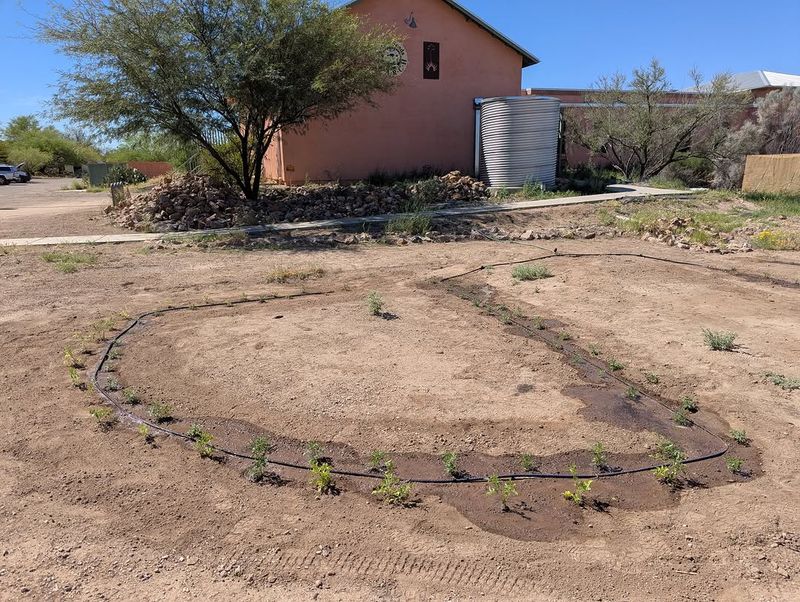
Artificial low spots work well too. Digging a shallow depression six to twelve inches deep in a strategic location can redirect flow from a downspout, a paved walkway, or a sloped garden bed.
The shape matters more than the size in many cases.
Crescent-shaped basins on the downhill side of trees and shrubs are especially effective. Water fills the crescent and soaks straight down toward the root zone.
Your Arizona Garden Changes Every Week. Your Plan Should Too.
Gardening in Arizona changes quickly throughout the season. Every Friday you’ll receive a simple weekly plan showing exactly what to plant, prune, fertilize, harvest, and protect so you never miss the right timing.
Plants respond quickly when moisture reaches them consistently rather than sporadically.
Berms, which are small raised mounds of soil, are often paired with basins to guide water in the right direction.
A berm on the uphill side of a basin slows incoming water and prevents it from overshooting the depression during heavy downpours.
3. Native Plants Benefit From Stored Soil Moisture
Native plants evolved in dry conditions, but that does not mean they prefer drought. Most actually respond strongly when consistent moisture is available at the right depth.
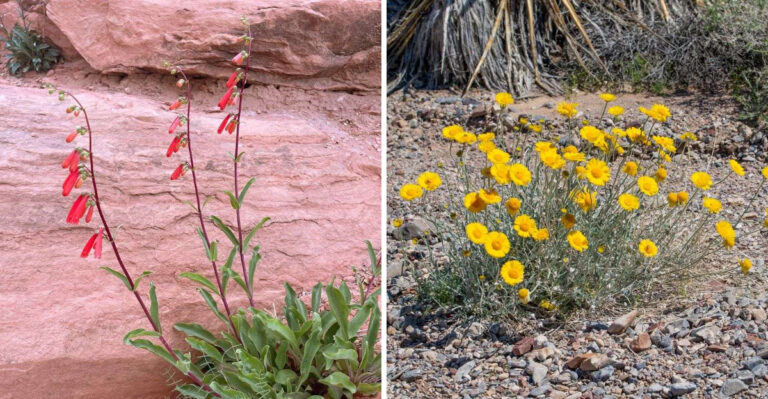
A harvesting basin placed near a palo verde, desert willow, or brittlebush gives those plants access to stored moisture long after the rain stops. Roots follow water downward, which encourages deeper, more stable root systems over time.
Deeper roots mean plants are better anchored and more capable of surviving dry stretches between storms. Shallow watering, by contrast, tends to keep roots near the surface where they are more vulnerable to heat and dry spells.
Soil inside a well-used basin tends to stay slightly moist for days after a rain event, depending on soil composition and shade cover.
That extended moisture window is especially valuable during the gaps between monsoon storms when temperatures remain high.
Native seedlings benefit enormously from basin placement. Young plants need consistent moisture to establish strong root systems.
Placing a small basin around a new transplant can reduce supplemental irrigation needs significantly during the first growing season, though results vary by species and conditions.
Pairing basins with organic mulch amplifies the effect. A layer of wood chips or gravel inside the basin slows evaporation and keeps the soil cooler.
4. Less Runoff Helps Prevent Soil Erosion
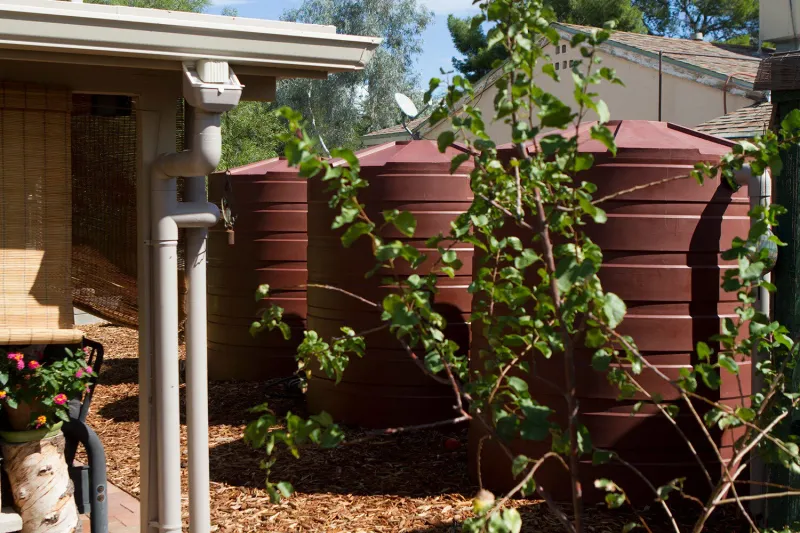
Bare desert soil does not hold up well under heavy rain. When water hits dry, compacted ground at speed, it strips away the top layer and carves small channels that grow worse with every storm.
Erosion is not just a cosmetic problem. Lost topsoil means lost nutrients, reduced water absorption, and increasingly hard ground that sheds future rainfall even faster.
A single bad monsoon season can undo years of soil improvement.
Basins interrupt that cycle. By slowing water down and giving it a place to settle, basins prevent the high-velocity flow that causes surface erosion.
Water that soaks in cannot carve channels.
Lining basin edges with gravel or flat stones adds extra protection. Rocks absorb the energy of incoming water and prevent the basin edges from eroding inward over time.
A reinforced basin holds its shape through multiple storm seasons with minimal maintenance.
Vegetation inside or around basins also stabilizes soil. Plant roots bind soil particles together, which reduces the chance that heavy flow will displace them.
Ground covers, grasses, and low shrubs placed near a basin work together to lock the soil in place.
Neighborhoods with widespread basin use tend to see less sediment buildup in streets and storm drains. That is a community-level benefit worth considering.
5. Shallow Basins Slow Stormwater Naturally
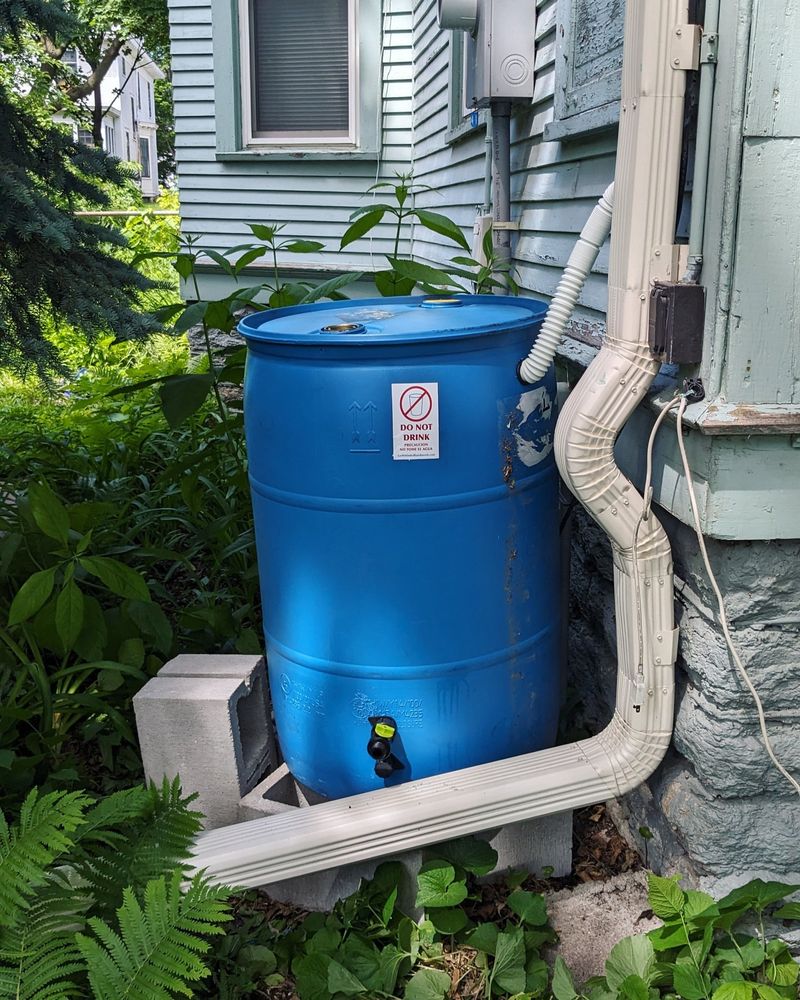
Speed is the enemy of absorption. Fast-moving water skips across soil without soaking in.
Slow water soaks down.
Shallow basins work by reducing water velocity the moment runoff enters the depression. Water spreads out horizontally instead of rushing forward, which gives the soil time to absorb it.
Even clay-heavy soils absorb more water when the flow is slow and steady.
Basin depth matters more than most people expect. A basin that is too deep can hold standing water for days, which creates mosquito habitat and can stress some plant roots.
A depth of six to twelve inches is often a practical starting range, though ideal depth depends on your specific soil drainage rate.
Gentle slopes leading into a basin are more effective than steep channels. Steep inflow paths accelerate water and can erode the basin floor.
A gradual, sloped approach lets water decelerate naturally before it reaches the collection area.
Overflow management is worth planning from the start. Every basin should have a designated overflow path that directs excess water away from structures and foundations.
A simple gravel swale leading to a secondary basin or a planted area handles overflow cleanly without creating damage.
Stormwater management does not have to be complicated or expensive.
Shallow basins built with hand tools and basic earthmoving can handle meaningful volumes of water across a typical yard.
6. Healthier Vegetation Supports Birds And Pollinators

A yard that holds more water grows more plants. More plants attract more wildlife.
That chain reaction starts with a simple basin.
Pollinators like bees, butterflies, and moths depend on flowering plants for food. When native plants get consistent moisture from harvested rainwater, they bloom more reliably and for longer stretches.
That extended bloom period gives pollinators a steadier food source through the season.
Birds follow the food. Insect-eating birds show up where pollinators are active.
Seed-eating birds visit yards with healthy seed-producing plants. A basin that supports plant health indirectly supports a whole web of wildlife activity.
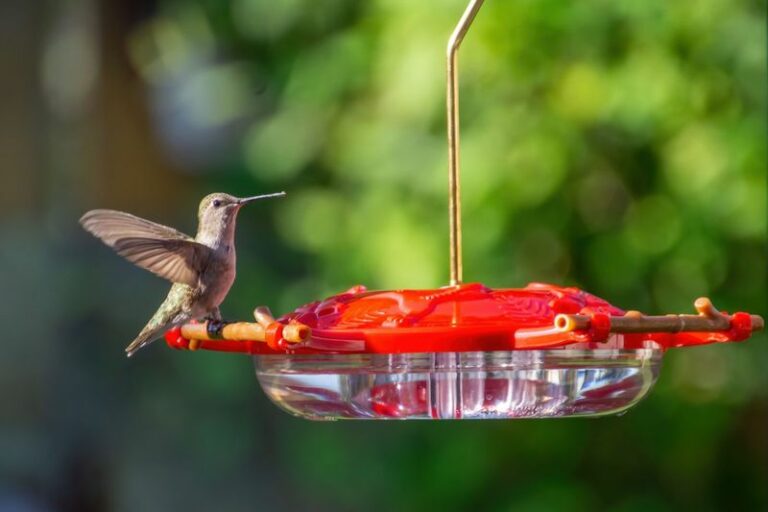
Hummingbirds are especially responsive to well-watered native plants. Species like chuparosa and desert sage bloom heavily after monsoon rain and attract hummingbirds reliably.
Keeping those plants well-supplied with soil moisture extends their blooming window beyond what rain alone provides.
Shallow water features near basins add another attraction layer. A small, shallow dish of clean water placed near a basin gives birds a place to drink and bathe.
That simple addition can bring noticeably more bird activity to a yard within a few weeks.
Healthier vegetation also means more shade and cooler ground temperatures.
Shaded soil retains moisture longer, which reduces the frequency of supplemental watering needed to keep plants going between storms.
7. Water-Wise Landscapes Make Better Use Of Every Storm
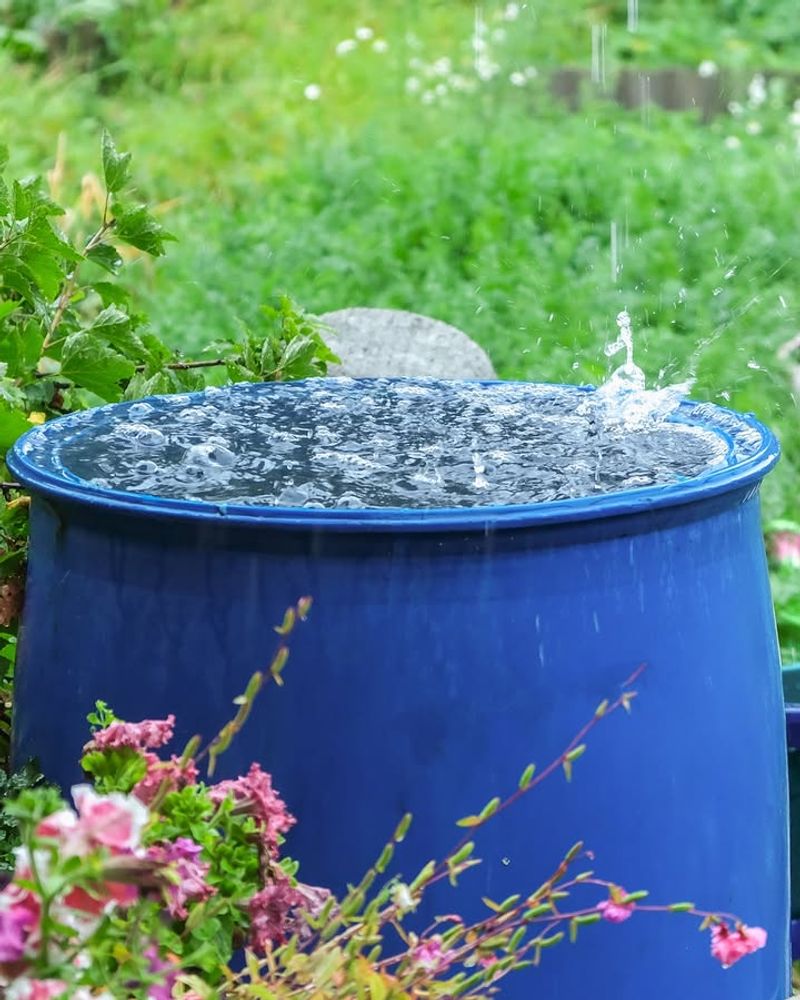
Every storm is an opportunity. A water-wise landscape is designed to capture that opportunity instead of letting it wash away.
Water-wise design is not about removing all plants or covering everything in gravel. It is about placing the right plants in the right spots and shaping the ground to work with rainfall rather than against it.
Basins are a core tool in that approach.
Grouping plants by water need is a practical starting point. High-water plants go in basin zones where moisture collects.
Low-water plants go on higher ground where conditions stay drier. That arrangement lets one rain event satisfy multiple plant groups without extra irrigation.
Mulching basin areas reduces evaporation significantly. Wood chips, shredded bark, or decomposed granite over the basin floor can keep soil moist for days longer than bare ground.
That extended moisture window reduces the gap between natural rainfall and the next time plants show signs of water stress.
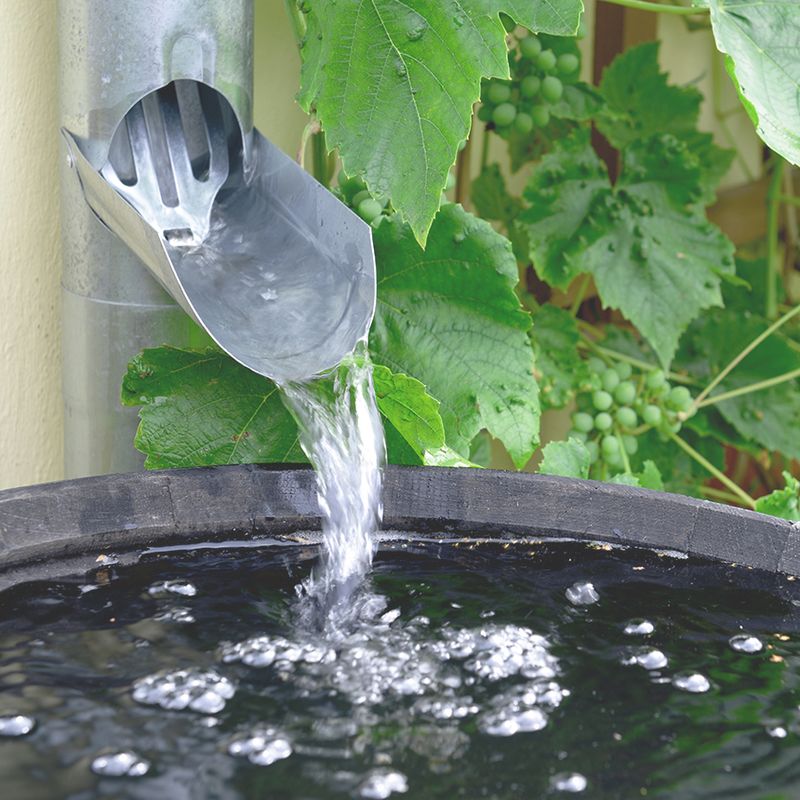
Connecting downspouts to basins is one of the highest-impact changes a homeowner can make. Roof catchment during a single monsoon storm can deliver thousands of gallons, depending on roof size and rainfall intensity.
Directing that volume into a basin instead of the street is a straightforward upgrade with lasting benefits.