What’s Behind Those Mysterious White Ovals Under Your Wisconsin Planter
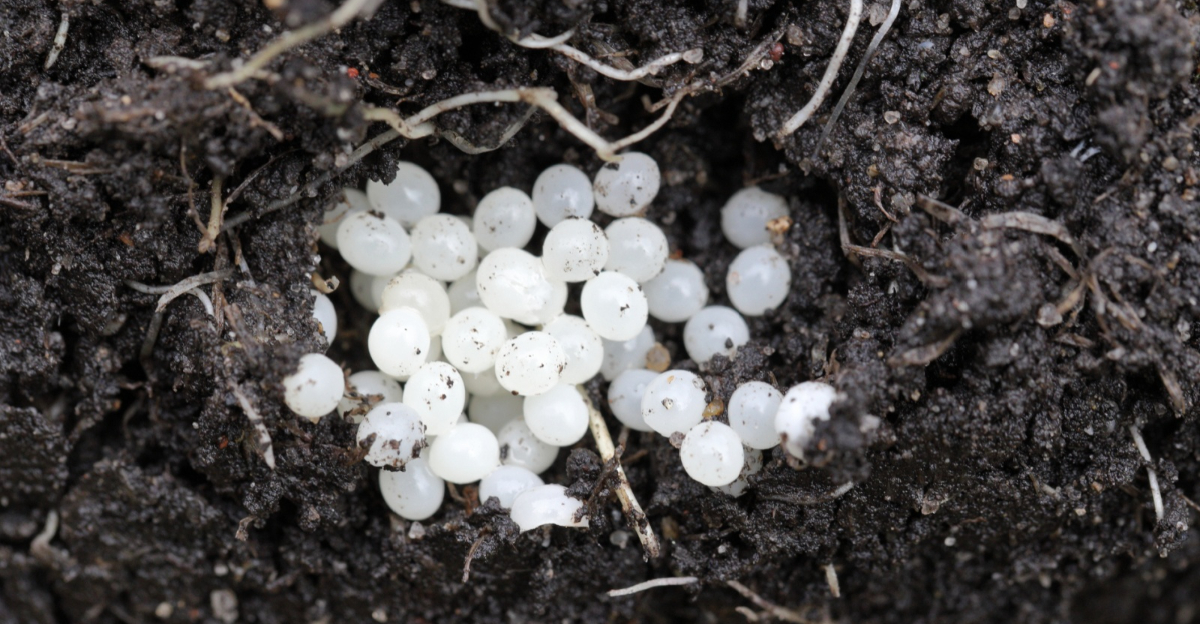
Pale, tiny ovals wait beneath your planter, and they deserve a closer look. Missouri gardeners recognize this surprise better than most.
Those clusters aren’t decoration, they’re eggs. Slugs, insects, or another creature could be responsible.
Every cluster tells you a different story about your soil’s hidden life. Nobody warns you how common this discovery becomes once you start lifting your pots.
Backyards across Missouri seem to produce these clusters season after season. Curiosity pulls you closer, but patience should guide you too.
Identifying these eggs correctly changes everything about your next gardening move. Guessing wrong can affect beds you’ve spent months tending.
Waiting too long lets whatever hatches take over completely. Acting quickly protects your tomatoes, peppers, and every fragile seedling nearby.
Understanding starts here, and it shapes what you do next. You need to know what these eggs are before they hatch and change everything.
What Those White Oval Clusters Under Your Planter Really Are
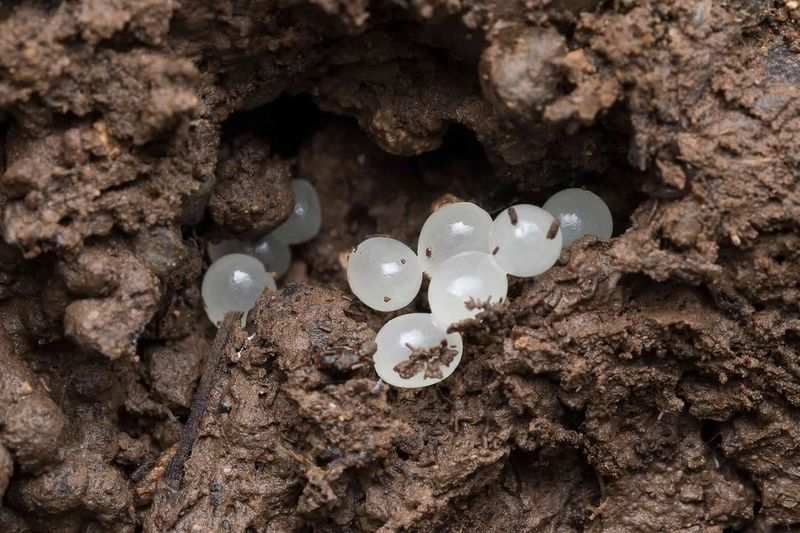
Surprise. Those glistening white ovals are almost certainly slug or snail eggs. Gardeners across the upper Midwest discover them every season, nestled snugly in the cool, dark soil beneath container plants.
You might feel a jolt of unease, but this discovery is more common than you think. Each egg is roughly the size of a small grain of rice.
The shells are soft and slightly translucent, giving them that eerie pearl-like shine that makes them so memorable. You can press one gently between your fingers and feel how fragile it truly is.
Slugs are shell-less mollusks, while snails carry a spiral shell on their backs. Both creatures lay eggs in clutches ranging from ten to fifty at a time, depending on the species. You will rarely find just one egg sitting alone.
The eggs are grouped tightly together, almost like a tiny pile of tapioca pearls. That clustering pattern is one of the clearest signs you are dealing with a mollusk rather than an insect. You should trust this visual cue every time.
Beetle larvae and cutworm eggs look completely different, so the round, white-oval shape is your first solid clue. Knowing exactly what you found puts you firmly in control of what happens next.
Why Slugs And Snails Choose Damp, Shaded Spots To Lay Eggs
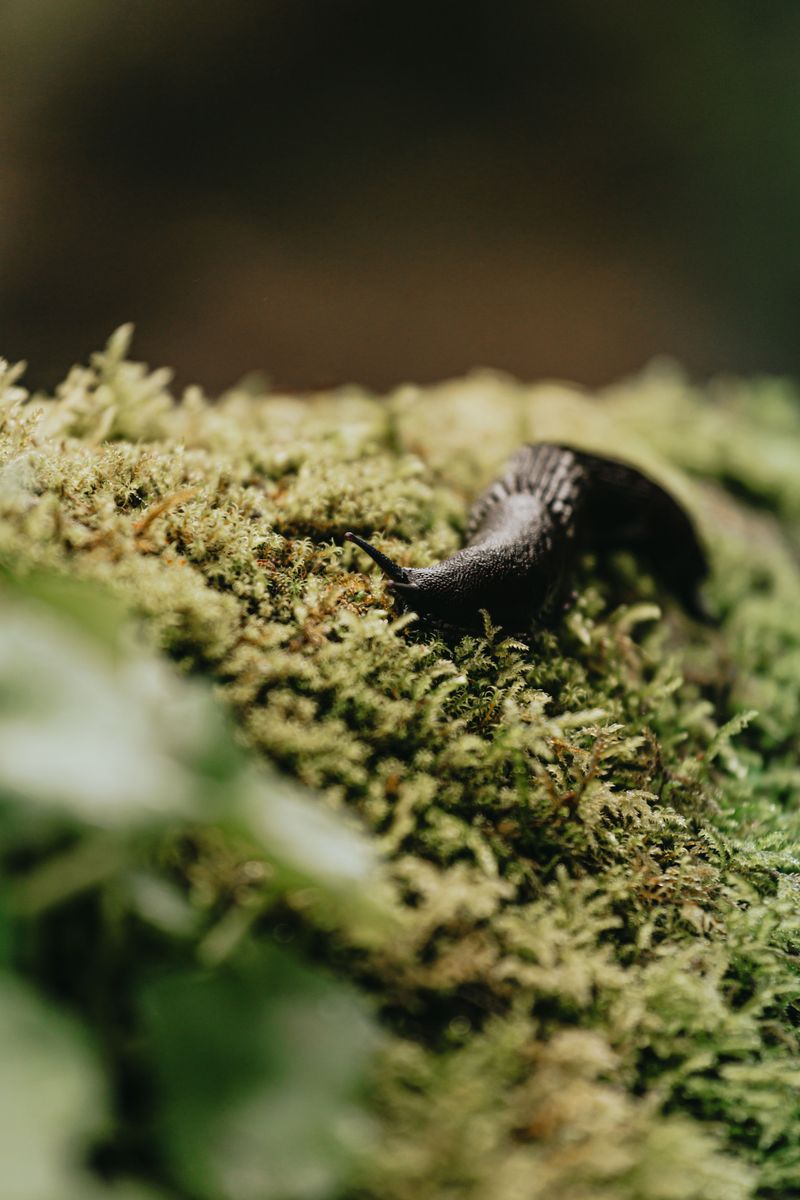
Location is everything for a slug mom. She scouts your yard for the dampest, darkest, most sheltered patch she can find before laying a single egg.
A planter pot sitting directly on soil is basically a five-star hotel for egg-laying. The pot traps moisture, blocks sunlight, and keeps the ground temperature stable all night long.
Slugs breathe through their skin, so they dry out fast in open sunshine. Shaded, humid hiding spots are not just a preference; they are a basic necessity for these soft-bodied creatures.
Wisconsin summers bring heavy rain and thick plant cover, creating perfect conditions. Gardens with dense mulch, leaf litter, or wooden raised beds offer even more egg-laying real estate for roaming slugs.
Your Wisconsin Garden Changes Every Week. Your Plan Should Too.
Gardening in Wisconsin changes quickly throughout the season. Every Friday you’ll receive a simple weekly plan showing exactly what to plant, prune, fertilize, harvest, and protect so you never miss the right timing.
The space under a pot also protects eggs from predators like ground beetles and birds. A tucked-away clutch of eggs has a much better chance of hatching than one left out in the open.
Once you understand this logic, the fix becomes obvious. Removing that cozy hiding spot is half the battle, and the next section shows you exactly how to spot the difference.
How To Tell Slug Eggs Apart From Other Garden Eggs Or Larvae
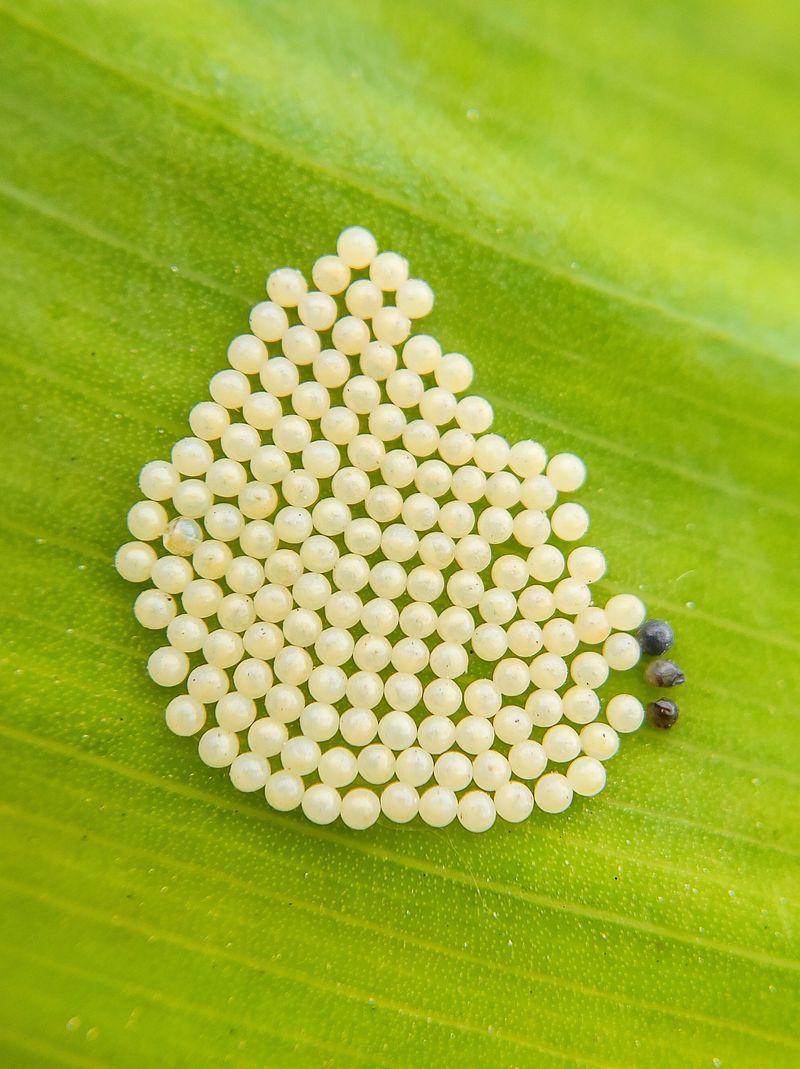
Not every white thing in your soil is a slug egg. Grub worms, beetle eggs, and even beneficial predator eggs can look surprisingly similar at first glance.
Slug eggs are perfectly round to slightly oval, uniformly white or pale gray, and almost always clustered together. They feel slightly firm but squishy when pressed, like a tiny water balloon.
Grub worms are larvae, not eggs, so they already have a visible body with legs. Spotting a curled, cream-colored body means you are dealing with a beetle larva, not a mollusk clutch.
Beneficial ground beetle eggs are much smaller and often laid in single rows rather than tight piles. Earwig eggs are also small but flatter and laid in neat, coin-sized clusters with a papery texture.
Springtail clusters can fool beginners too, but those tiny white specks jump when disturbed. Slug eggs stay completely still and do not scatter, which is your easiest field test.
When unsure, photograph the cluster and compare it to reliable gardening resources online. Correct identification matters because the removal method changes depending on what creature left the eggs behind.
What Happens If The Eggs Are Left Undisturbed
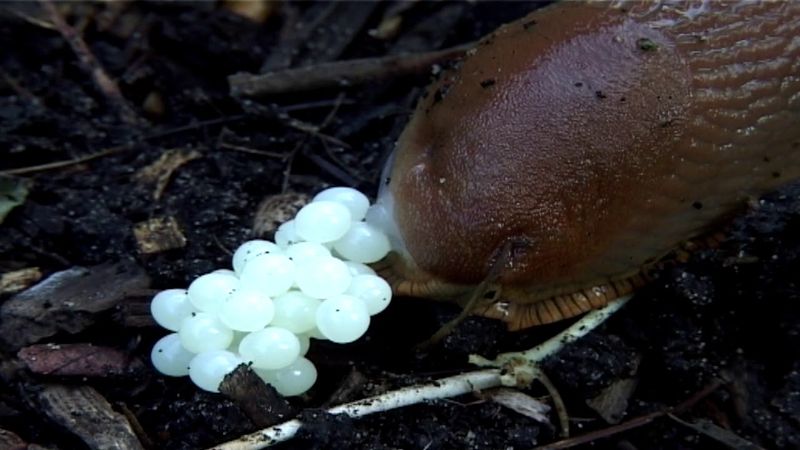
Leaving those eggs alone is a gamble most gardeners regret. Slug eggs hatch in about two to four weeks depending on moisture and soil temperature.
Once hatched, baby slugs are immediately hungry and surprisingly mobile. A single clutch of 30 eggs can produce 30 tiny feeding machines ready to chew through seedlings overnight.
Young slugs target the softest plant tissue they can find. Lettuce, hostas, strawberries, and basil are among the first crops to show the damage, often disappearing faster than you expect.
Slugs feed almost exclusively at night or during rainy days, which makes them hard to catch in the act. By the time you notice the ragged, hole-filled leaves, the population is already well established.
One adult slug can lay up to 500 eggs in a single season if conditions stay favorable. That means one overlooked clutch can spiral into a full-scale garden invasion within a few warm months.
The damage compounds quickly when multiple generations overlap. Protecting your plants starts the moment you spot those white ovals under your Wisconsin planter, not after the leaves are already shredded.
Signs Of A Slug Or Snail Problem Beyond The Eggs
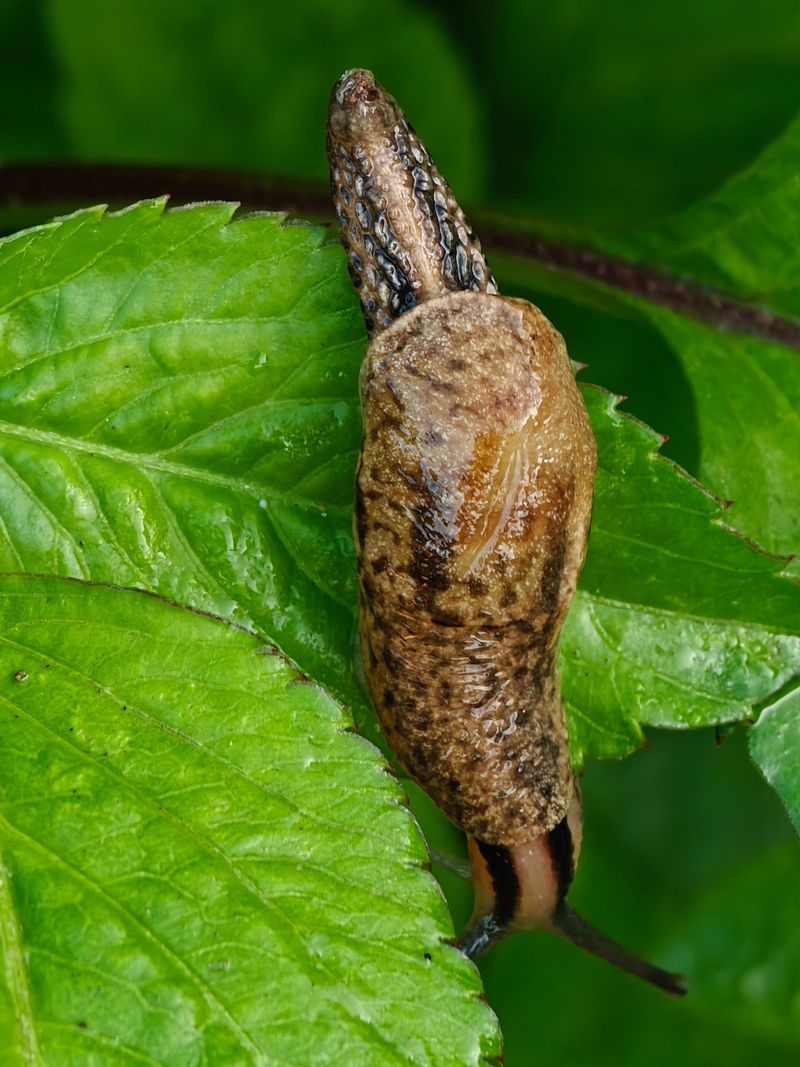
Eggs are just one clue. A full slug infestation leaves a trail of evidence across your entire garden if you know what to look for.
The most iconic sign is the silvery, dried slime trail left on leaves, pots, and walkways after a night of feeding. That shimmery streak is essentially slug road, and it points straight to the damage.
Irregular holes in leaves, especially near the center or edges, are a classic symptom. Unlike caterpillar damage, slug feeding tends to leave the leaf veins intact, creating a lacy, tattered look.
Seedlings that vanish overnight without a trace are another red flag. Slugs can consume an entire young plant in one feeding session, leaving nothing but a tiny stub at soil level.
Check under boards, rocks, and pot saucers during the day. Finding slugs huddled in these spots during daylight confirms an active population living right in your garden beds.
Snail shells left behind near damaged plants also signal trouble. If the eggs, slime trails, and leaf damage all line up together, you have your answer and it is time to take action fast.
Safe Ways To Remove Or Discourage Egg Clusters
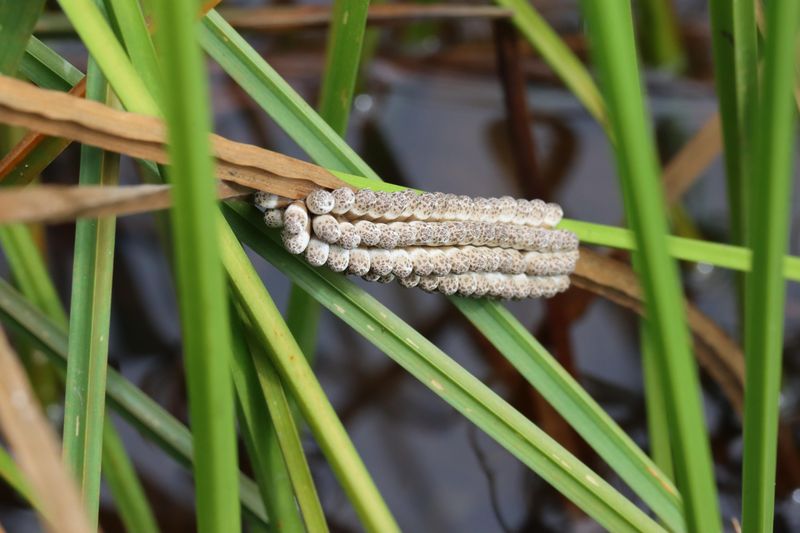
Good news: removing slug eggs does not require harsh chemicals. A pair of gloves and a bucket of soapy water are your two most powerful tools.
Scoop the egg clusters out by hand or use a trowel to lift the entire clump. Drop them into the soapy water bucket, which neutralizes the eggs quickly and cleanly.
Diatomaceous earth sprinkled around the base of planters creates a gritty barrier slugs hate crossing. The sharp particles scratch their soft bodies, making them turn around and head elsewhere.
Copper tape applied around the rim of a pot delivers a mild static-like sensation to slugs. Many gardeners swear by it as a low-effort, long-lasting deterrent that requires little ongoing maintenance.
Iron phosphate-based slug baits are considered safe for pets, wildlife, and soil ecosystems. Scatter a small amount around affected areas and let the bait do its work over several days.
Beer traps are a surprisingly effective old-school method. Bury a shallow container at soil level, fill it with cheap beer, and slugs will crawl in and not crawl back out, solving your white-oval problem naturally.
Preventing Future Egg-Laying Around Your Planters
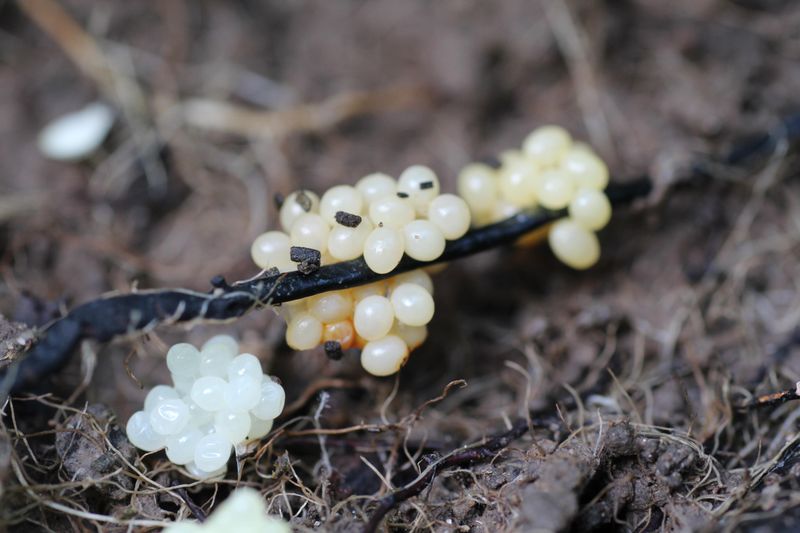
Prevention beats cleanup every single time. A few simple habits can make your planter area far less attractive to egg-laying slugs and snails.
Elevate your pots on pot feet or bricks to close the dark, damp gap between the container and soil. Removing that sheltered space takes away the prime real estate these creatures rely on.
Water your garden in the morning instead of evening so soil surfaces dry out before nightfall. Slugs need moisture to move, so a drier surface at dusk dramatically reduces their nightly activity.
Crushed eggshells scattered around the base of planters mimic the effect of diatomaceous earth. The rough texture discourages slugs from crossing without adding anything harmful to your garden ecosystem.
Encouraging natural predators is one of the most satisfying long-term fixes available. Ground beetles, toads, and birds like robins actively hunt slugs, so creating habitat for them pays off all season.
Reducing mulch depth near planters also helps, since thick mulch layers hold moisture and give slugs a cozy daytime refuge. Keeping your garden tidy and slightly drier makes those mysterious white ovals under your planter a rare sight rather than a regular discovery.