Why Arizona Gardeners Are Swapping Out Their Roses For These Tough Desert Bloomers
Rose gardens have long been a favorite feature in many yards. The blooms are beautiful, the colors are hard to ignore, and few plants have the same classic appeal.
Yet plenty of gardeners have reached a point where they are questioning whether the effort is worth it.
Between watering, pruning, pest issues, and summer stress, roses can demand more attention than some people want to give.
That does not mean homeowners are giving up on colorful landscapes. Instead, many are looking for plants that can deliver months of blooms without requiring the same level of care.
The appeal is easy to understand. A plant that handles heat well and continues flowering through summer can be hard to pass up.
In Arizona, tough desert bloomers are becoming an increasingly popular choice for gardeners who want color without the extra maintenance.
Many of these plants are well adapted to local conditions and can thrive during the hottest months of the year. It is one reason more landscapes are starting to look a little different than they did just a few years ago.
1. Texas Sage Thrives Through Long Periods Of Heat
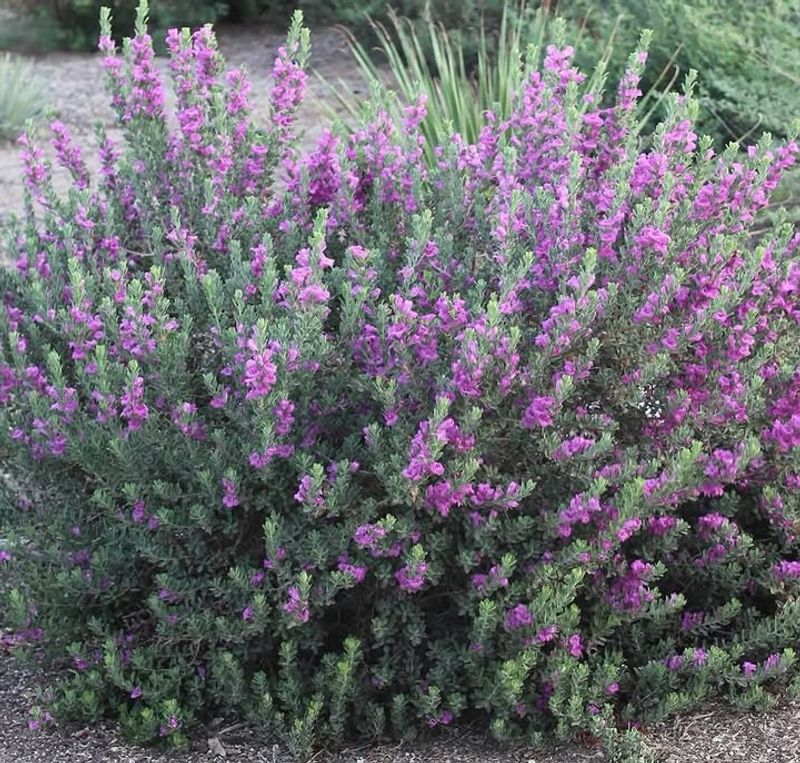
Walk past a Texas sage during monsoon season and you will stop in your tracks. Those purple blooms seem to appear out of nowhere, almost like the plant is celebrating the humidity in the air.
Gardeners around the Southwest call it the “barometer bush” because it often blooms right before or after a rain.
Full sun is where this shrub feels most at home. It handles reflected heat from walls, patios, and gravel beds without flinching.
Soil drainage matters more than anything else for this plant. Poorly drained spots can cause root problems, so raised beds or rocky slopes work best.
Watering once established? Barely needed.
Mature plants survive on natural rainfall in most desert regions. Young plants need a bit of help during their first summer, but after that, they largely take care of themselves.
Silver-green foliage keeps the plant looking tidy even when it is not blooming. Pruning is simple.
A light trim once a year keeps the shape clean without stressing the plant. No complicated sprays or fertilizers are required.
Sizes range from compact two-foot varieties to large six-foot specimens. Choosing the right size for your space saves a lot of future pruning headaches.
Texas sage is a genuinely low-maintenance bloomer that rewards patience with reliable seasonal color year after year.
2. Yellow Bells Produce Color Through The Warm Season
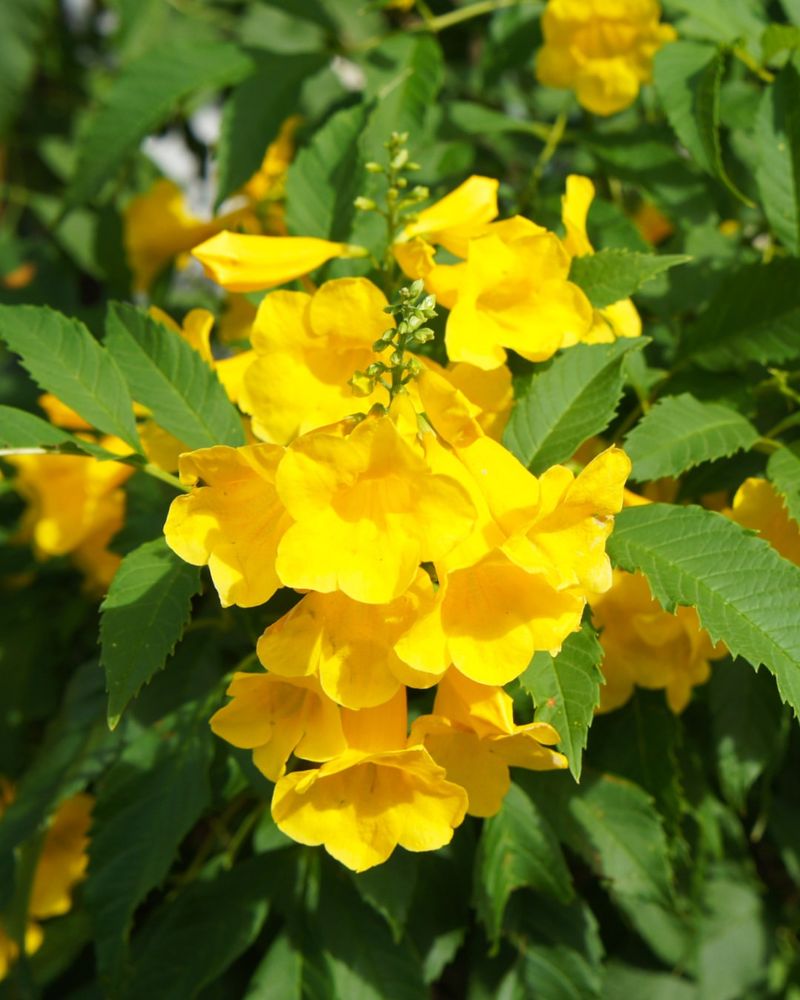
Bright yellow trumpets pouring out of a shrub from spring all the way into fall? Yellow bells make that happen without much help from you.
Few plants in the desert garden deliver such a long show of color across so many warm months.
Hummingbirds are drawn to those tubular flowers constantly. Plant yellow bells near a patio or window and you will have regular visitors all season long.
Butterflies and bees also work the blooms heavily, making this shrub a genuine pollinator magnet.
Growth is fast compared to many desert shrubs. A young plant can reach six feet or more within a couple of seasons under good conditions.
Your Arizona Garden Changes Every Week. Your Plan Should Too.
Gardening in Arizona changes quickly throughout the season. Every Friday you’ll receive a simple weekly plan showing exactly what to plant, prune, fertilize, harvest, and protect so you never miss the right timing.
Spacing plants with room to spread prevents crowding and keeps air moving through the canopy.
Watering needs are moderate during the first year. Once roots are established, the plant handles dry stretches well.
Cutting back on irrigation during cooler months actually encourages stronger flowering the following season.
Frost will knock the top growth back in colder desert zones, but roots usually survive and push new growth in spring. Treating it like a perennial in those areas is a practical approach.
Hard freezes below about 20 degrees Fahrenheit can cause more serious setbacks, so placement near a south-facing wall adds useful protection in exposed yards. Yellow bells is a reliable, cheerful performer in hot, dry desert gardens.
3. Red Yucca Handles Extreme Heat With Ease
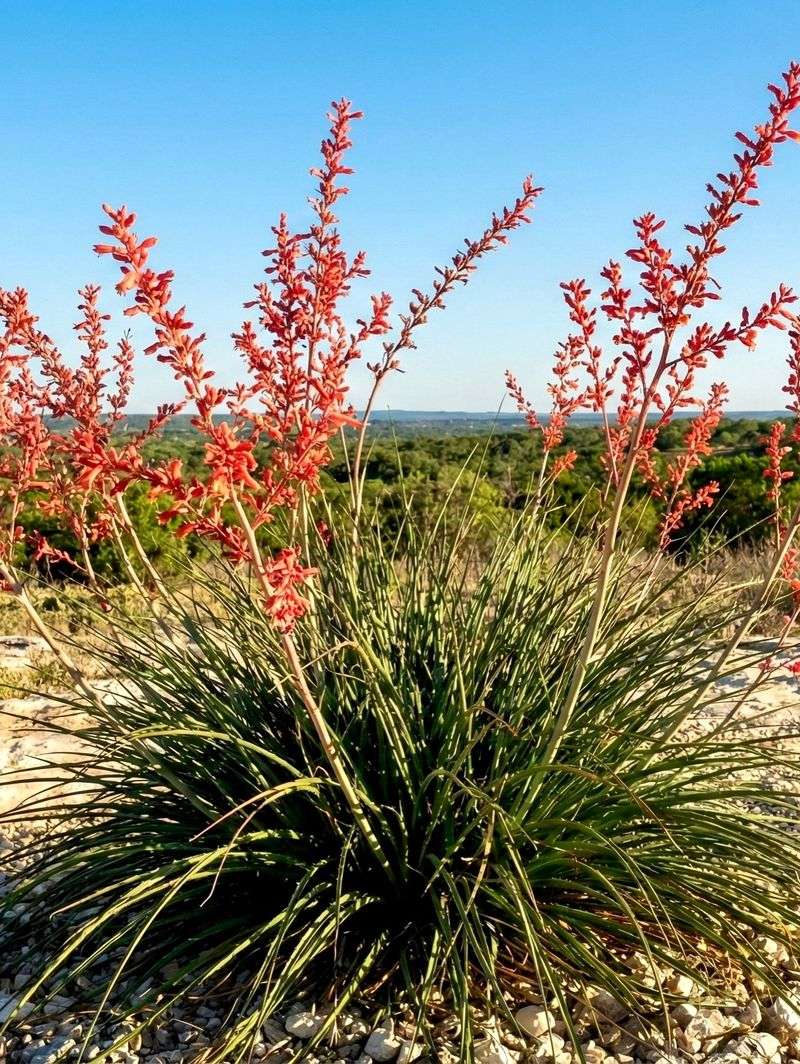
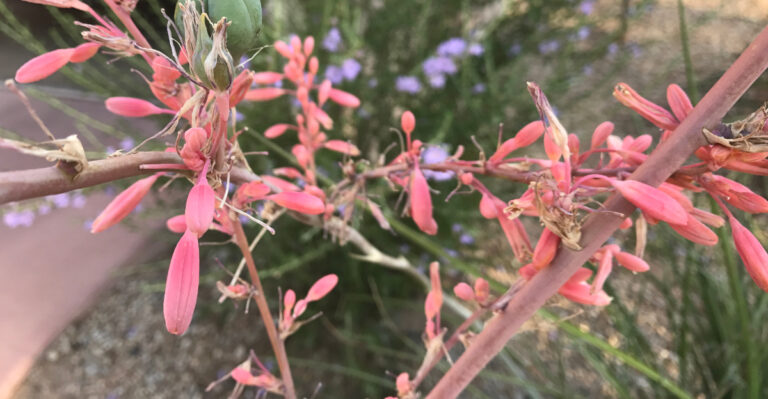
Coral-pink flower spikes shooting four to five feet into the air are hard to ignore in any landscape. Red yucca pulls this off reliably every spring and often repeats the show through summer.
Despite the name, the blooms lean more coral and pink than true red, but the display is striking either way.
Hummingbirds treat red yucca like a favorite diner. Long, tubular flowers are perfectly shaped for their beaks.
Planting a few clusters near an outdoor seating area turns a plain yard into a lively spot worth sitting in.
Foliage stays evergreen and grass-like year round. Unlike true yuccas, the leaf edges are soft and not sharply pointed, making it safer to plant near walkways and play areas.
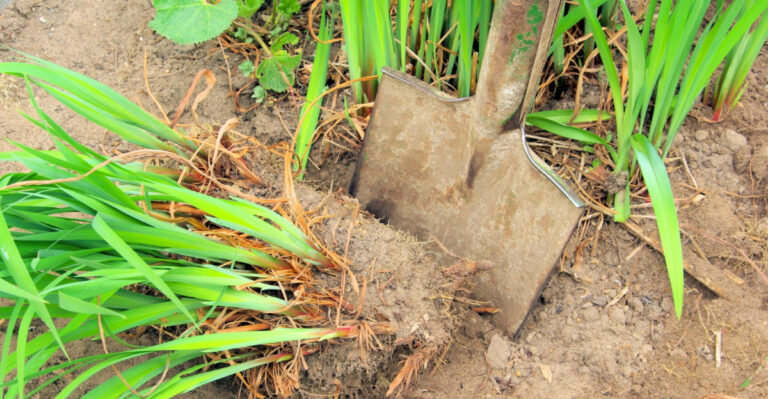
Clumps slowly spread over time and can be divided to start new plants.
Extreme summer heat does not slow this plant down. Rocky, well-drained soil suits it best.
Heavy clay or soggy conditions are the main things to avoid. Once settled in, established plants need very little supplemental water, even through long dry spells.
Seed pods that follow the blooms attract birds looking for food in late summer and fall. Leaving the spent stalks standing through the season supports wildlife and adds vertical interest to the garden.
Red yucca earns its place in desert landscapes through sheer toughness and beauty.
4. Angelita Daisy Blooms For Months With Minimal Care
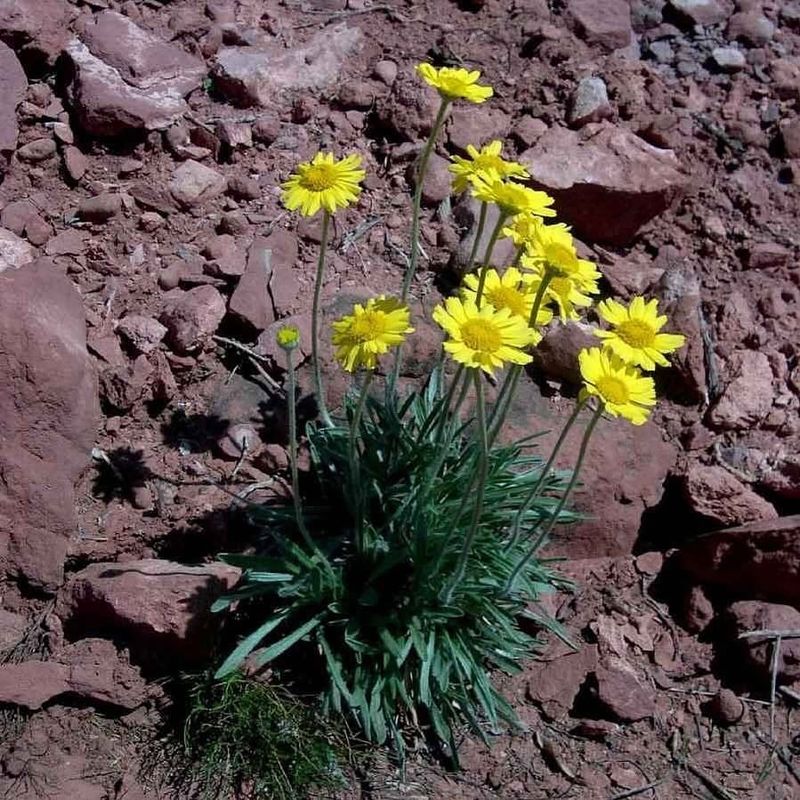
Cheerful yellow flowers on a plant barely bigger than a basketball? Angelita daisy punches way above its weight in the desert garden.
It blooms almost nonstop from late winter through fall, delivering consistent color when other plants are struggling in the heat.
Low water needs make this a smart choice for water-conscious gardeners. Once roots are established, deep watering every two to three weeks during summer is usually enough.
Overwatering is actually more of a problem than underwatering with this plant.
Compact size makes it incredibly versatile. Use it along border edges, tuck it between boulders, or mass plant it for a wave of yellow across a dry slope.
It works equally well in containers with good drainage.
Deadheading spent flowers encourages more blooms, though the plant will continue flowering even without it. A light trim once or twice a year keeps the mounding shape tidy.
No complicated fertilizing schedule is needed to keep it performing well.
Evergreen foliage holds through mild winters in most low-elevation desert areas. In colder spots, frost may cause some tip damage, but plants recover quickly once temperatures climb back up.
Soil quality matters less than drainage. Sandy, rocky, or amended native soils all work fine as long as water moves through freely.
Angelita daisy is genuinely one of the easiest, most rewarding small plants available for hot, dry desert gardens. Consistent performance with very little effort is its best quality.
5. Baja Fairy Duster Attracts Pollinators Through Summer
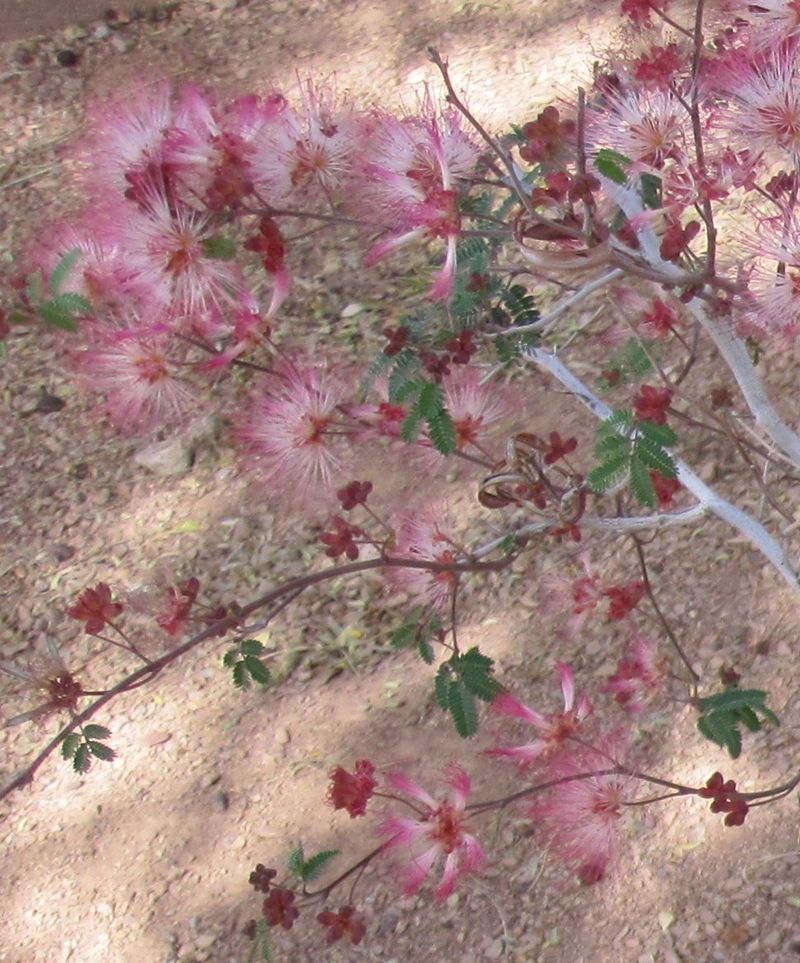
Fluffy pink-red flower clusters that look like something out of a tropical garden? Baja fairy duster brings an exotic feel to the desert landscape without needing tropical-level care.
It blooms heavily in spring and keeps producing flowers sporadically through the hottest months.
Hummingbirds, butterflies, and native bees all visit the blooms regularly. Planting it near other pollinator favorites creates a busy, productive garden corridor that supports local wildlife through the warmest months of the year.
Growth is relatively fast for a desert shrub. Plants can reach five to eight feet tall and wide with room to spread.
Giving it adequate space at planting prevents the need for heavy pruning later. Light shaping is fine, but hard cutting reduces flowering.
Heat tolerance is excellent. Reflected heat from walls and pavement does not stress the plant the way it would most traditional flowering shrubs.
Low humidity and high temperatures are basically its ideal growing conditions.
Water needs are low once established. Deep, infrequent irrigation during summer is better than frequent shallow watering.
Roots need to reach down into cooler soil layers to anchor the plant and access stored moisture during dry stretches.
Frost sensitivity is the main limitation. Baja fairy duster handles light frost but may suffer damage in hard freezes.
Planting near a south-facing wall or in a protected courtyard reduces that risk considerably. For most low-elevation desert gardens, cold damage is rarely a serious issue during normal winters.
6. Chuparosa Produces Bright Blooms In Desert Landscapes
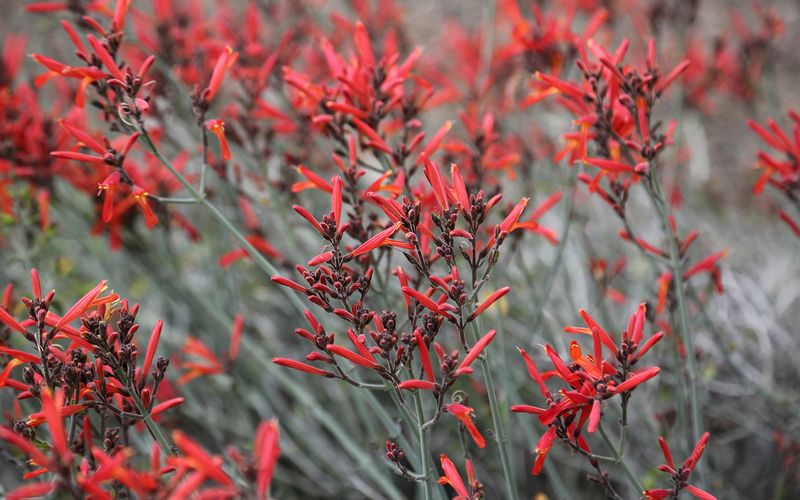
Red tubular flowers covering a nearly leafless shrub in the middle of winter? Chuparosa does exactly that, blooming heavily from late fall through early spring when almost nothing else in the desert garden shows color.
Timing alone makes it valuable.
Hummingbirds depend on chuparosa heavily during winter months when other nectar sources are scarce. The plant earned its name from the Spanish word for hummingbird, and the connection is well deserved.
Watching a hummingbird work through a blooming chuparosa is genuinely one of the better shows a desert garden can offer.
Native to desert washes and rocky slopes, it is built for lean, fast-draining soils. Rich, amended soil can actually cause problems by encouraging overly soft growth that stresses the plant.
Keeping soil lean and drainage sharp matches its natural habitat closely.
Established plants handle long dry periods without supplemental irrigation. During summer, watering every two to three weeks is enough to keep the plant healthy.
Cutting water back in fall helps trigger the blooming cycle that makes this shrub so distinctive.
Size stays manageable at around three to five feet in most garden settings. Loose, open branching gives it a natural, wild look that suits informal desert landscapes well.
Formal pruning is not really needed or recommended.
Chuparosa is a plant that rewards gardeners who let it do its own thing. Less intervention almost always produces better results with this tough, reliable native bloomer.
7. Desert Ruellia Continues Blooming Through Summer Heat
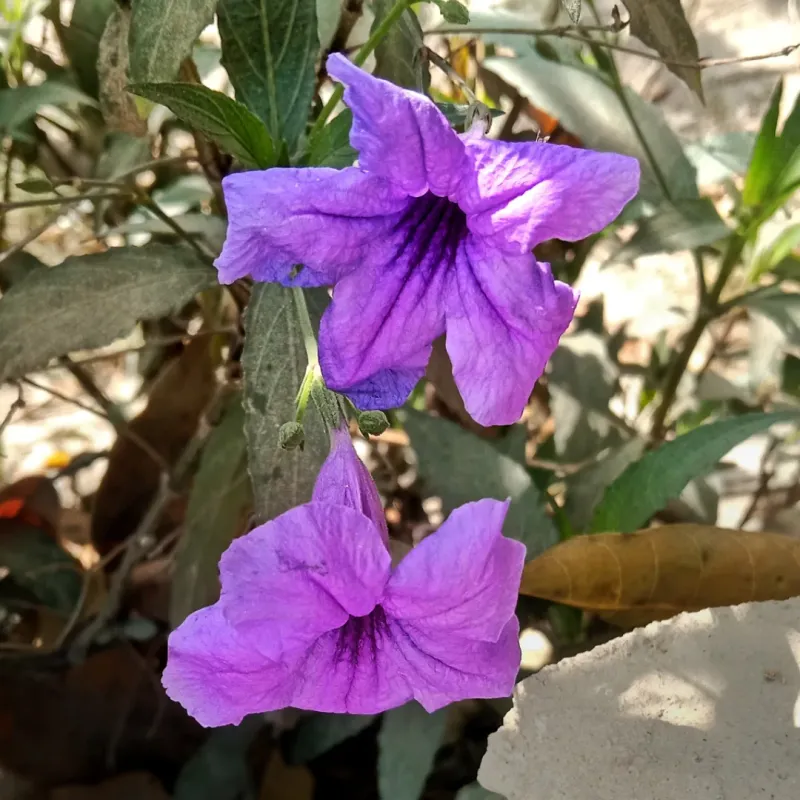
Purple trumpet flowers opening fresh every morning through the entire summer? Desert ruellia keeps that up reliably even when temperatures are pushing past 110 degrees.
Very few flowering plants manage that kind of consistency through peak desert heat.
Individual flowers last only a day, but the plant produces new ones continuously. Deadheading is not necessary because spent blooms drop cleanly on their own.
Low-maintenance performance is built into how this plant operates.
Spreading slowly by underground runners, desert ruellia fills in gaps between boulders and along dry borders over time. Spacing plants about two feet apart creates a solid ground cover effect within a season or two.
It works equally well as a standalone accent or massed in larger areas.
Reflected heat from walls, rocks, and gravel does not slow flowering. Full sun brings out the best bloom production.
Partial shade is tolerated, but flowering decreases noticeably in shadier spots.
Water needs are modest once roots are established. Deep watering every week or two during the hottest months keeps plants looking healthy and flowering well.
Overwatering in heavy soil causes more problems than dry conditions ever would.
Winter behavior depends on elevation and local temperatures. In warmer low-elevation desert areas, plants often stay semi-evergreen through mild winters.
Harder freezes may knock top growth back, but roots typically survive and push fresh growth in spring.
Desert ruellia is a straightforward, dependable bloomer that earns its spot in any hot, dry garden with almost no fuss required.
8. Globe Mallow Performs Well In Dry Conditions
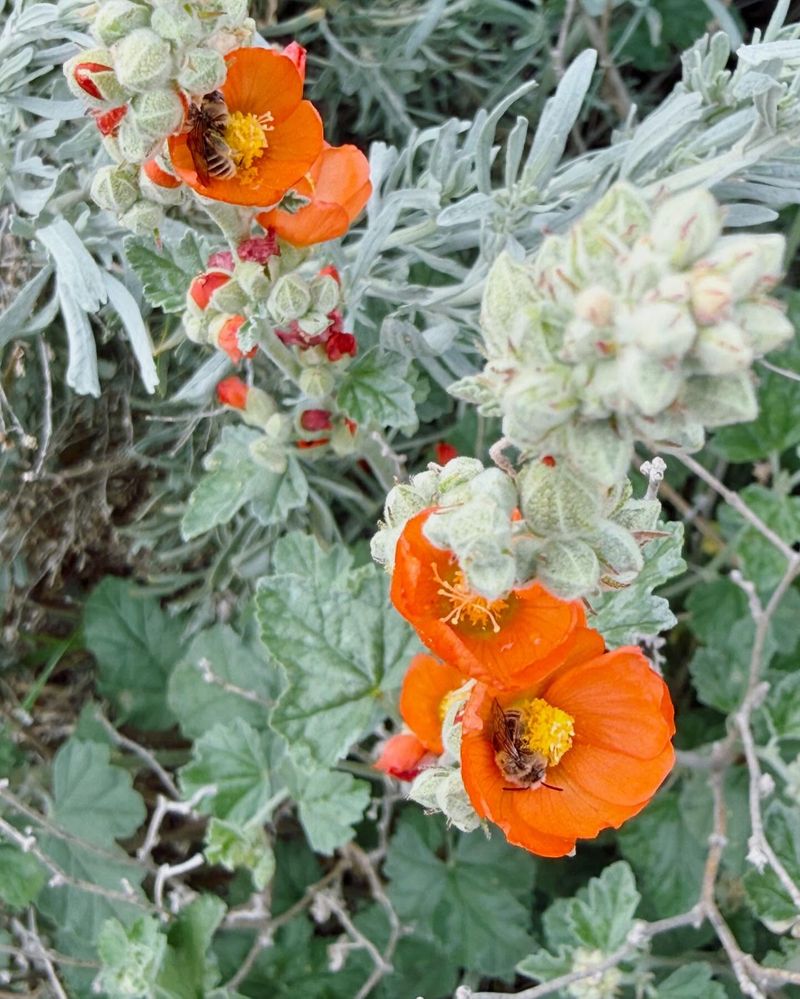
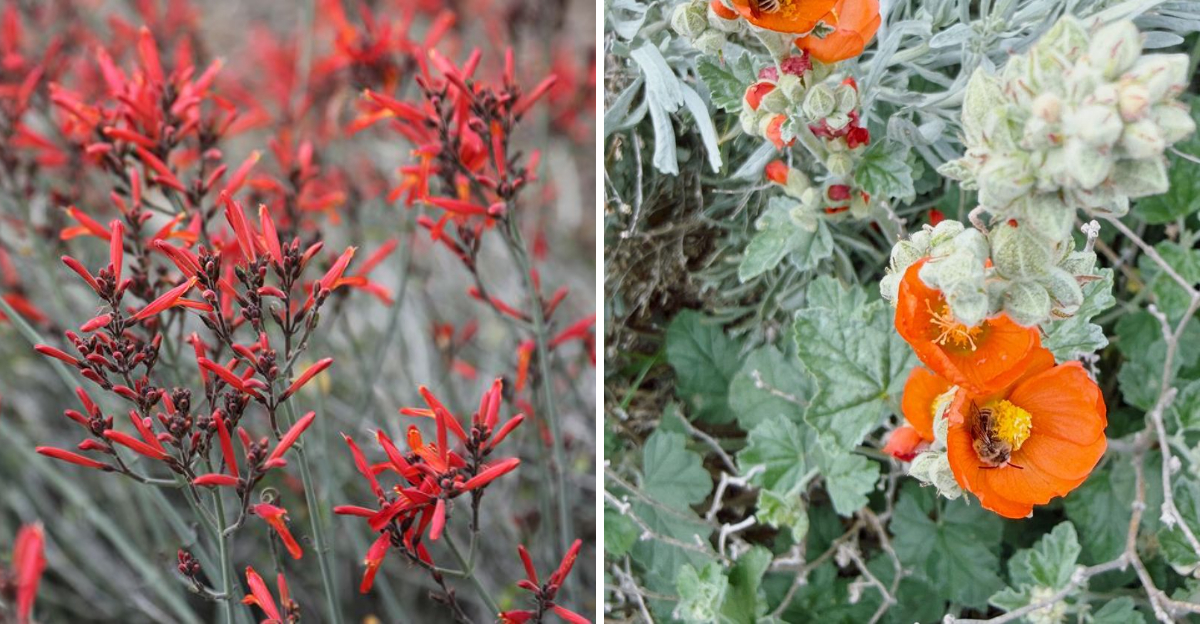
Orange, apricot, pink, or red, globe mallow comes in enough color options to satisfy almost any garden palette. Native to desert Southwest landscapes, it has spent thousands of years adapting to exactly the kind of dry, rocky, punishing conditions that make other plants struggle.
Blooming peaks in spring but often continues well into summer with enough sun and decent drainage. After a good monsoon season, plants can push out a second flush of flowers in late summer.
That kind of resilience is hard to find in traditional flowering shrubs.
Drought tolerance is genuinely impressive once plants are established. Deep watering every few weeks during summer keeps them looking their best.
Cutting water back entirely in fall encourages dormancy and sets up stronger spring growth.
Hairy leaf surfaces give the plant a soft, fuzzy appearance. Worth noting: that leaf fuzz can irritate skin for sensitive people, so wearing gloves during pruning is a smart habit.
Kids and pets generally ignore the plant, but it is good to know before planting near high-traffic areas.
Self-seeding happens readily, so expect new plants to pop up nearby over time. Pulling unwanted seedlings is easy when they are young.
Letting some naturalize creates a casual, wildflower-style look that suits desert landscapes well.
Globe mallow grows fast, flowers generously, and asks for almost nothing in return. For gardeners tired of babying finicky plants through brutal summers, this one is a welcome change.