Growing Schefflera As An Indoor Bonsai Tree For Beginners
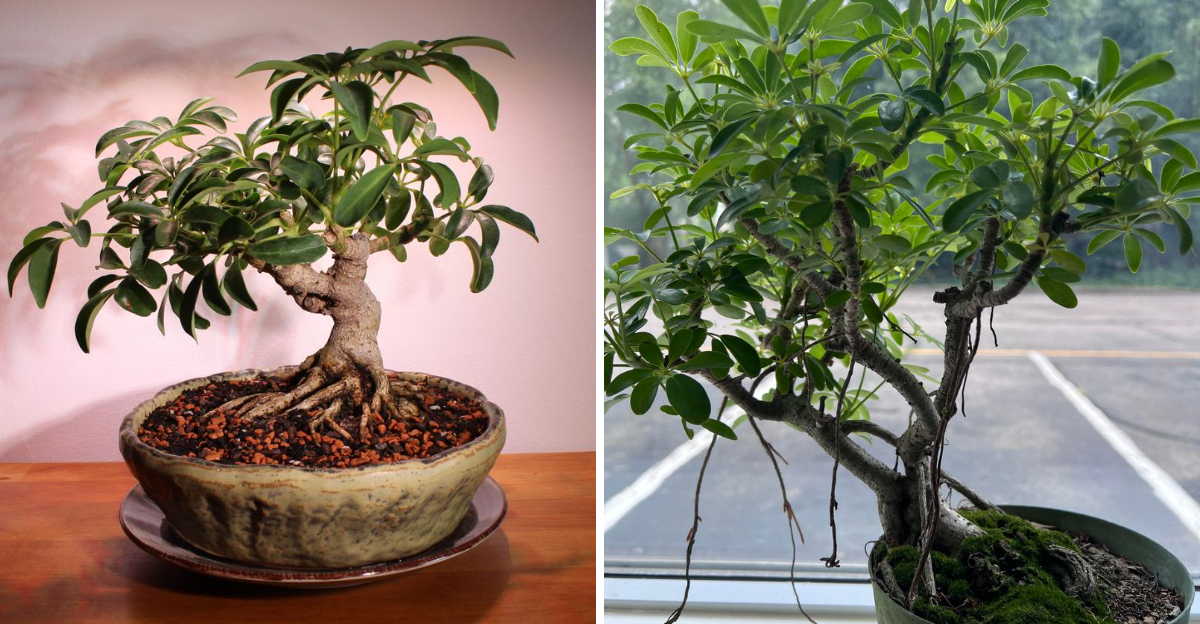
Bonsai sounds like a lifetime commitment. Schefflera quietly proves that wrong.
This glossy, umbrella-leafed plant bends into shape faster than almost anything else you could put on a windowsill. New growers pick it up expecting to fail, then watch a thick trunk and tiny canopy form within a single season.
Schefflera forgives crooked cuts and missed watering days. It keeps growing anyway, which is exactly what a first bonsai should do.
A bright room and a decent pair of shears cover most of what this tree actually needs to thrive. Greenhouses, humidity trays, and specialty fertilizer schedules stay optional here, not required.
Grab those shears. The tree is waiting.
Schefflera Thrives As An Indoor Bonsai Tree
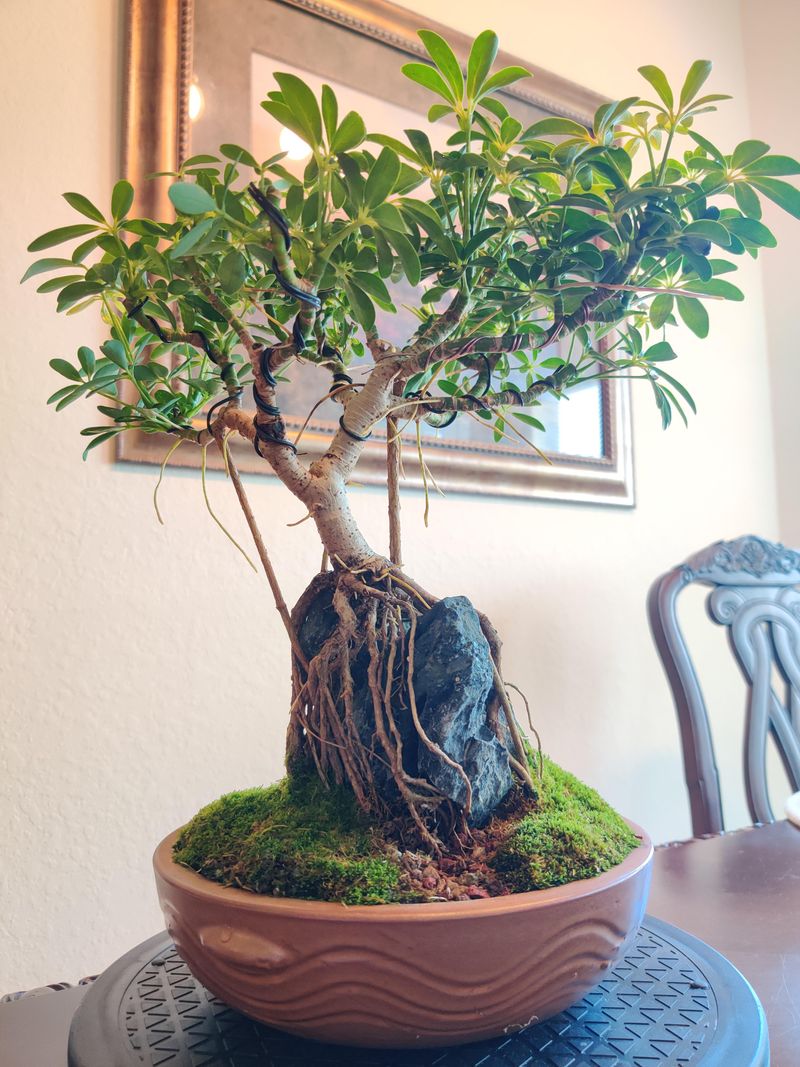
Picture a tiny tree with glossy, umbrella-shaped leaves sitting boldly on your windowsill. That is exactly what growing Schefflera as an indoor bonsai tree looks like in real life.
Schefflera, also called the umbrella plant, is native to tropical regions of Asia and Australia. It grows fast, adapts easily, and tolerates indoor conditions that would stress other bonsai species.
Most bonsai beginners struggle with delicate species like juniper or maple. Schefflera forgives mistakes, skipped waterings, and imperfect light far better than those traditional options.
The plant naturally develops thick, woody stems over time. Those stems give your bonsai an aged, dramatic look with real visual weight.
Schefflera can also develop aerial roots in humid conditions, adding an exotic touch to the trunk without requiring expert skill.
Schefflera also responds well to aggressive pruning. Cut it back hard, and it bounces back with dense, lush regrowth that fills in your design beautifully.
Indoor environments suit this plant perfectly because it prefers warmth and humidity. Most American homes maintain temperatures between 60 and 80 degrees Fahrenheit, which falls right in Schefflera’s comfort zone.
The plant also tolerates lower light levels better than most bonsai species. A bright spot near a window is ideal, but it will survive in moderate indoor lighting without complaint.
Starting your bonsai journey with Schefflera sets you up for early success. Early wins build confidence, and confidence is what keeps beginners growing.
Choosing The Right Schefflera Variety For Bonsai
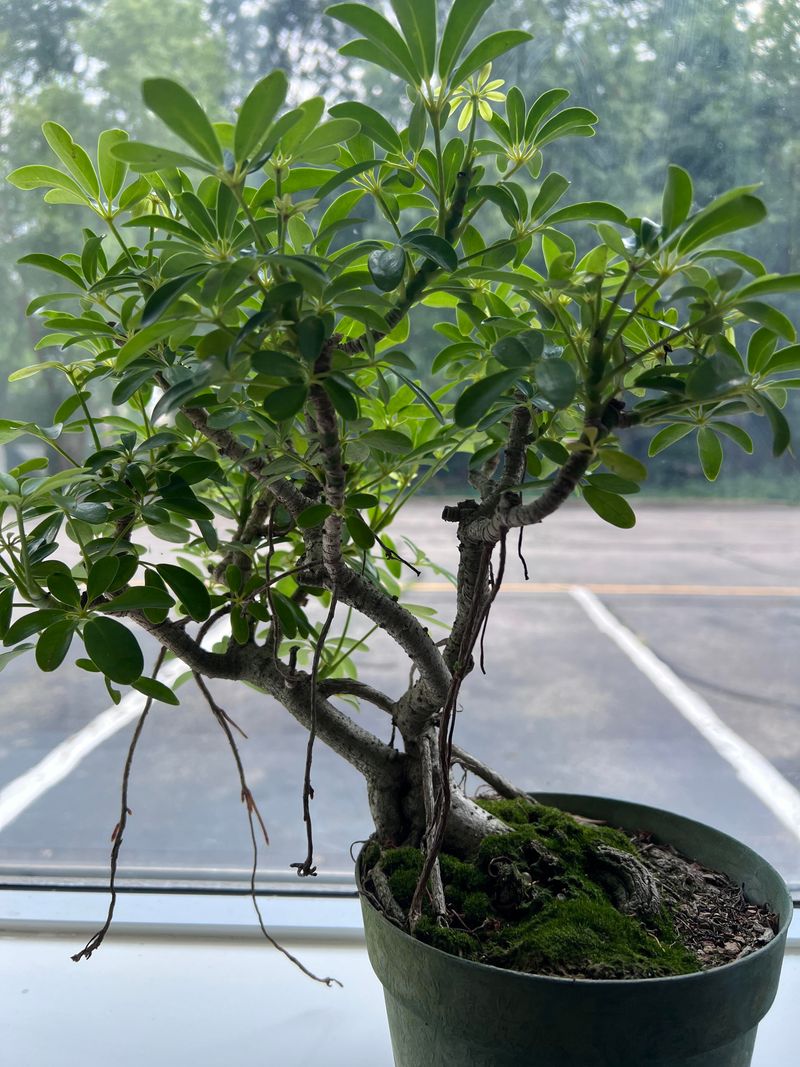
Schefflera varieties differ quite a bit when it comes to bonsai training. Picking the right variety from the start saves you time, effort, and a lot of frustration down the road.
Two main species are popular for bonsai: Schefflera arboricola and Schefflera actinophylla. Arboricola, also called the dwarf umbrella plant, is the clear favorite for indoor bonsai work.
Arboricola has smaller leaves, which works in its favor for bonsai styling. Smaller leaves create better proportion with a miniature trunk, making your tree look naturally aged and balanced.
Actinophylla grows much larger leaves and a thicker trunk. While impressive as a houseplant, its scale makes refined bonsai styling significantly harder for beginners to achieve.
Within the arboricola family, you will find several cultivars worth considering. The variegated forms feature leaves splashed with gold or cream, adding color interest without sacrificing the compact growth habit.
Green-leaf arboricola cultivars are the most common and easiest to find at garden centers. They are also the most forgiving in lower light situations, making them ideal for typical indoor spaces.
When selecting your starter plant, look for one with an interesting trunk base. A trunk that already shows some taper or movement will give your bonsai a head start on character.
Avoid plants with straight, pencil-thin trunks if you want dramatic results quickly. A thicker base means more years of natural growth already built in, saving you significant training time.
Choosing wisely at the nursery is the first real decision in your bonsai journey, and it shapes everything that follows.
Essential Tools And Materials For Bonsai Training
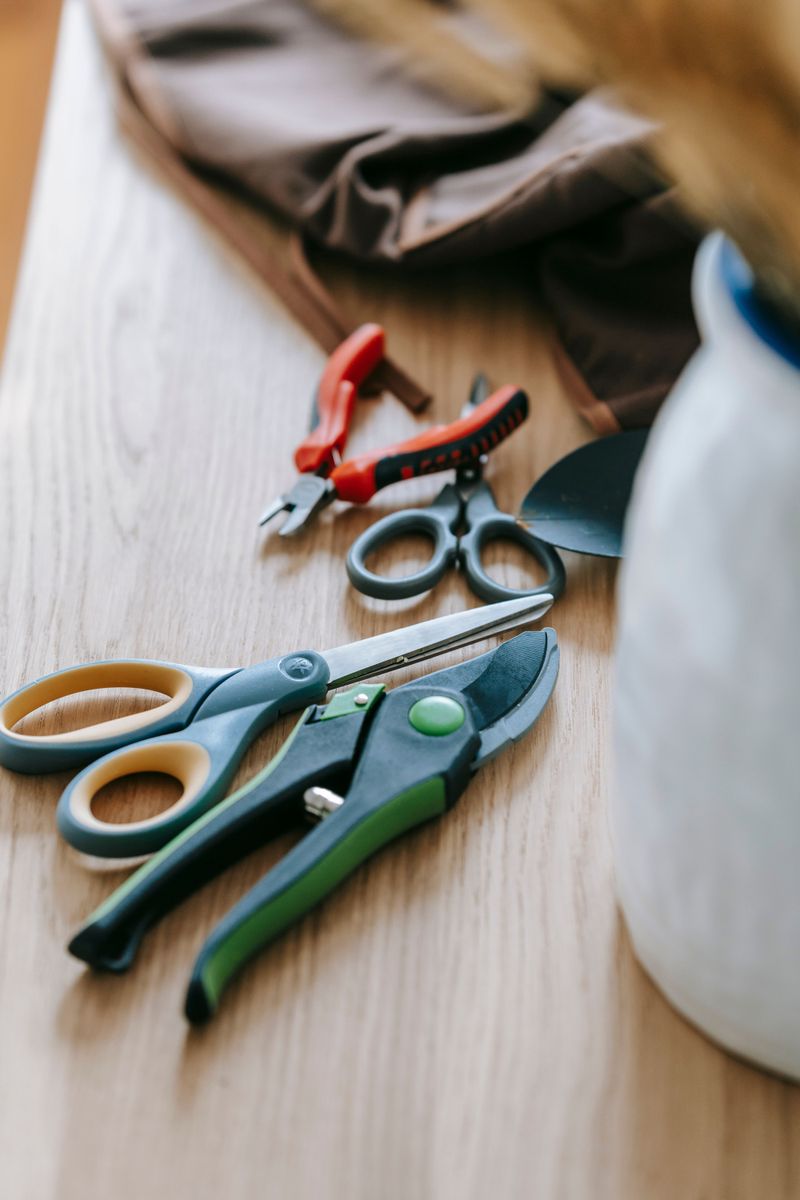
You do not need a garage full of gear to start training Schefflera bonsai. A small, focused collection of quality tools will handle everything a beginner needs in the early stages.
Start with a good pair of bonsai pruning scissors. Sharp, clean cuts heal faster and reduce the risk of infection or ugly scarring on your young tree.
A concave cutter is the next essential tool to add. This specialty tool removes branches flush with the trunk, leaving a slight indentation that heals over cleanly and leaves almost no scar.
Bonsai training wire allows you to bend and position branches into the shape you want. Aluminum wire in 1mm and 2mm gauges covers most of the branch sizes you will encounter on a Schefflera.
A wire cutter designed specifically for bonsai is important because it cuts without twisting. Twisting wire while removing it can snap branches and undo months of careful shaping work.
Your pot choice matters more than most beginners expect. A shallow training pot with good drainage holes encourages the compact root system that gives bonsai trees their distinctive, grounded appearance.
Bonsai soil mix is very different from regular potting soil. It needs to drain fast while retaining just enough moisture, and akadama combined with pumice and lava rock is a popular, reliable blend.
A wooden chopstick is surprisingly useful for working soil around roots during repotting. It loosens compacted areas without slicing through delicate feeder roots the way metal tools sometimes do.
Good tools make the process feel enjoyable rather than clunky. Invest wisely, and your Schefflera will reward the effort.
Pruning And Shaping Techniques For Beginners
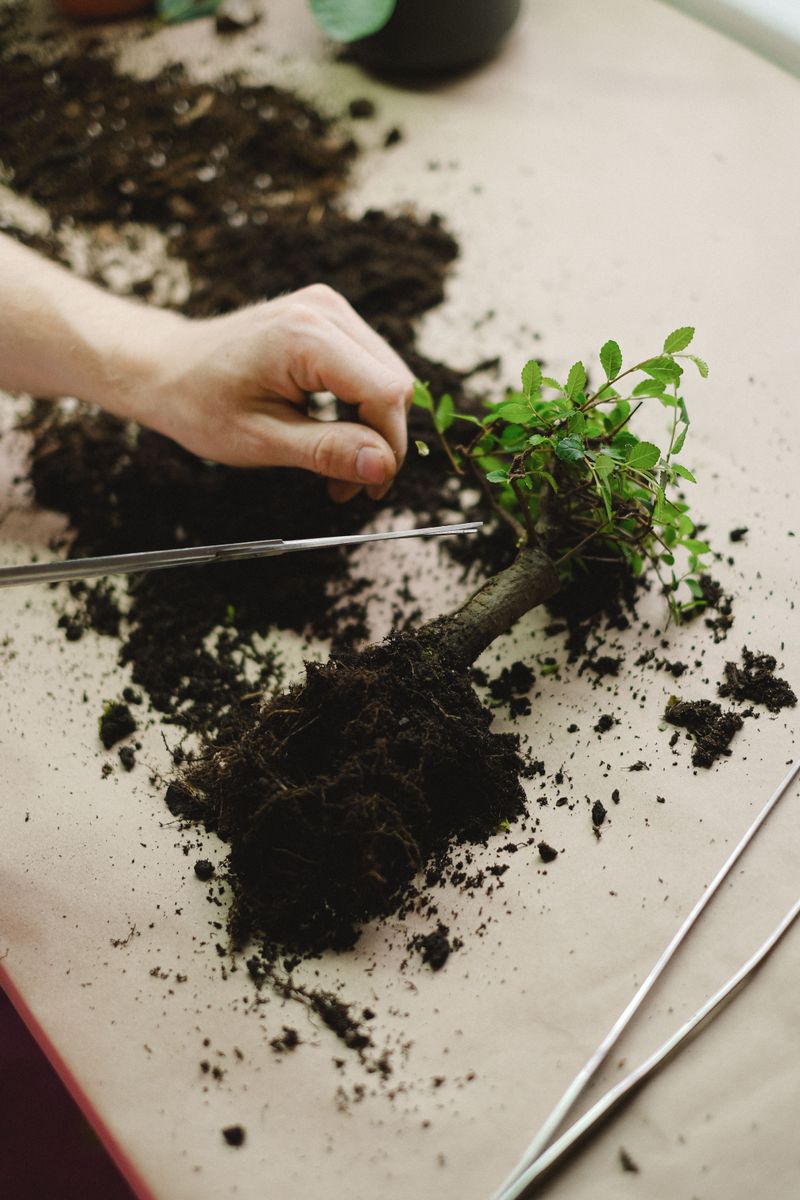
Pruning is where your Schefflera bonsai really starts to take shape, and it is less intimidating than it sounds. The plant responds to cuts with enthusiasm, pushing out new growth almost immediately.
Start by identifying the branches that do not serve your design. Remove crossing branches, downward-growing shoots, and any growth that clutters the interior of the canopy first.
Cut back to a node, the point where a leaf or smaller branch attaches to the stem. Cutting at a node encourages the plant to branch out and fill in naturally.
Leaf pruning, called defoliation, is a technique that reduces leaf size over time. Remove larger leaves selectively throughout the growing season to encourage the plant to produce smaller, more proportional foliage.
Wiring branches lets you bend them into graceful curves that pruning alone cannot create. Wrap wire at a 45-degree angle along the branch, then gently bend it to your desired position.
Check wired branches every few weeks because Schefflera grows fast. If wire starts to cut into the bark, remove it immediately to prevent permanent scarring that detracts from your design.
Trunk development takes patience but delivers the most dramatic visual impact. Letting the tree grow freely for a season before pruning back hard builds girth and taper in the lower trunk quickly.
Every cut shapes the tree’s future growth, so take a moment before making it.
Light, Water And Soil Requirements Indoors
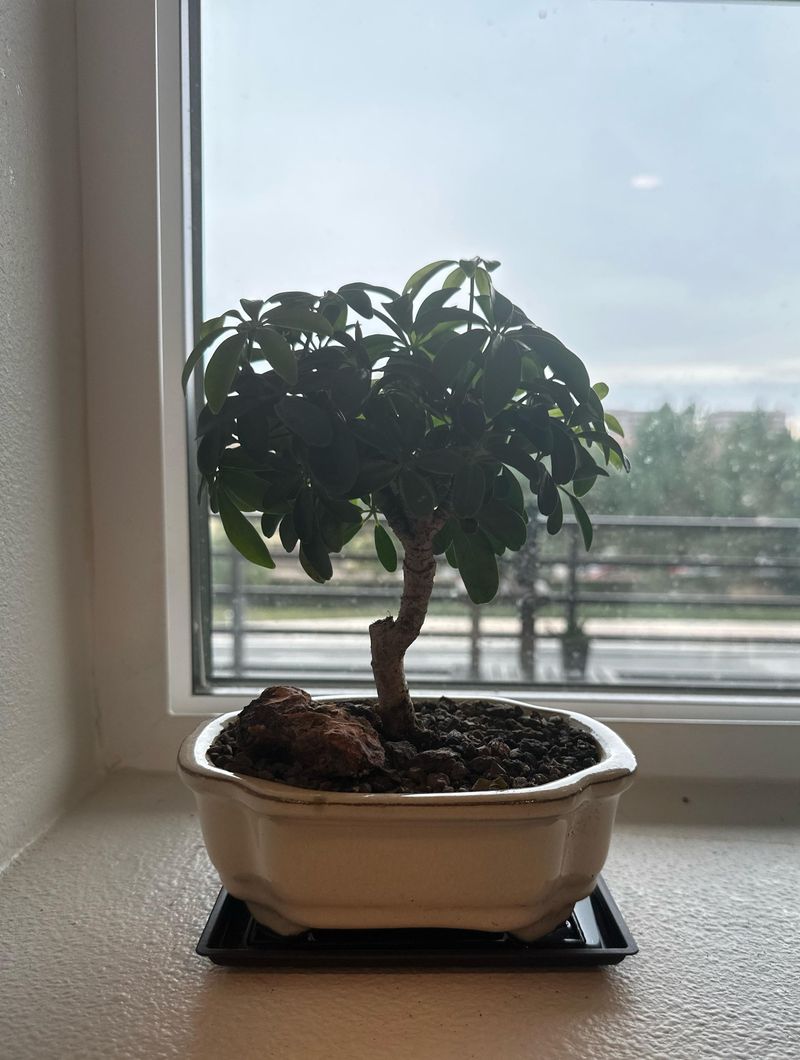
Sunlight drives your Schefflera bonsai’s growth, and placement inside your home plays a major role. A south or east-facing window provides the consistent brightness this plant craves most.
Aim for at least four to six hours of bright, indirect light each day. Direct afternoon sun through glass can scorch the leaves, so a sheer curtain helps diffuse the harshest rays.
Grow lights are a solid backup if your home lacks strong natural light. Full-spectrum LED grow lights placed about twelve inches above the canopy work well for supplementing dim indoor conditions.
Watering correctly is the skill that separates thriving bonsai from struggling ones. Check the soil moisture by pressing your finger about an inch into the soil before reaching for the watering can.
Water thoroughly until it drains freely from the bottom drainage holes. Then wait until the top layer of soil feels dry again before watering a second time.
Overwatering causes root rot, which is the most common reason Schefflera bonsai decline indoors. A fast-draining soil mix paired with disciplined watering habits prevents this problem almost entirely.
Humidity matters more than many beginners realize because Schefflera originates from tropical climates. Misting the leaves lightly or placing the pot on a tray filled with wet pebbles raises the moisture in the surrounding air.
Fertilize monthly during the spring and summer growing season with a balanced, diluted liquid fertilizer. Reduce feeding in fall and stop through the winter months when growth naturally slows.
Get the basics right, and your Schefflera will grow with confidence and speed.
Common Mistakes To Avoid With Schefflera Bonsai
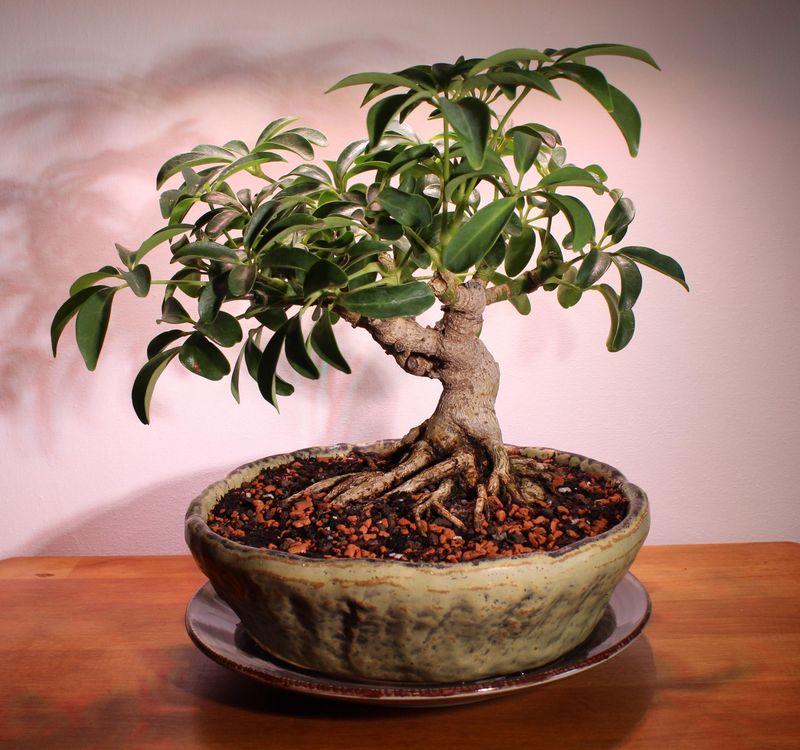
Even the most forgiving plant has its limits, and Schefflera bonsai will show you when something is wrong. Catching common beginner mistakes early keeps your tree on track and your confidence intact.
Overwatering tops the list of problems new growers face. Soggy soil suffocates roots and triggers yellowing leaves, so check moisture levels before adding more water to the pot.
Using regular potting mix is another frequent misstep. Standard soil holds too much water for bonsai containers and compacts over time, blocking the drainage that Schefflera roots need.
Skipping repotting is a mistake that sneaks up on you slowly. Roots that circle the pot endlessly become root-bound, restricting water uptake and stalling growth just when your design is gaining momentum.
Repot your Schefflera every two to three years in spring. Trim about one-third of the root mass and replace the old soil with fresh bonsai mix to keep the tree vigorous.
Placing your bonsai in a dark corner because it looks decorative there is a setup for disappointment. Low light slows growth dramatically and causes the plant to drop leaves and lose its shape.
Wiring branches and forgetting to check them is a surprisingly destructive habit. Wire that bites into bark leaves permanent scars that disrupt the smooth, clean trunk lines you worked hard to develop.
Rushing the process is one of the most common beginner mistakes in bonsai work. Growing Schefflera as an indoor bonsai tree rewards patience, consistency, and small steady steps over time.
Avoid these pitfalls, and your Schefflera bonsai will become the centerpiece you always imagined it could be.