The One Thing North Carolina Gardeners Should Do After Japanese Beetles Or They’ll Be Back Worse
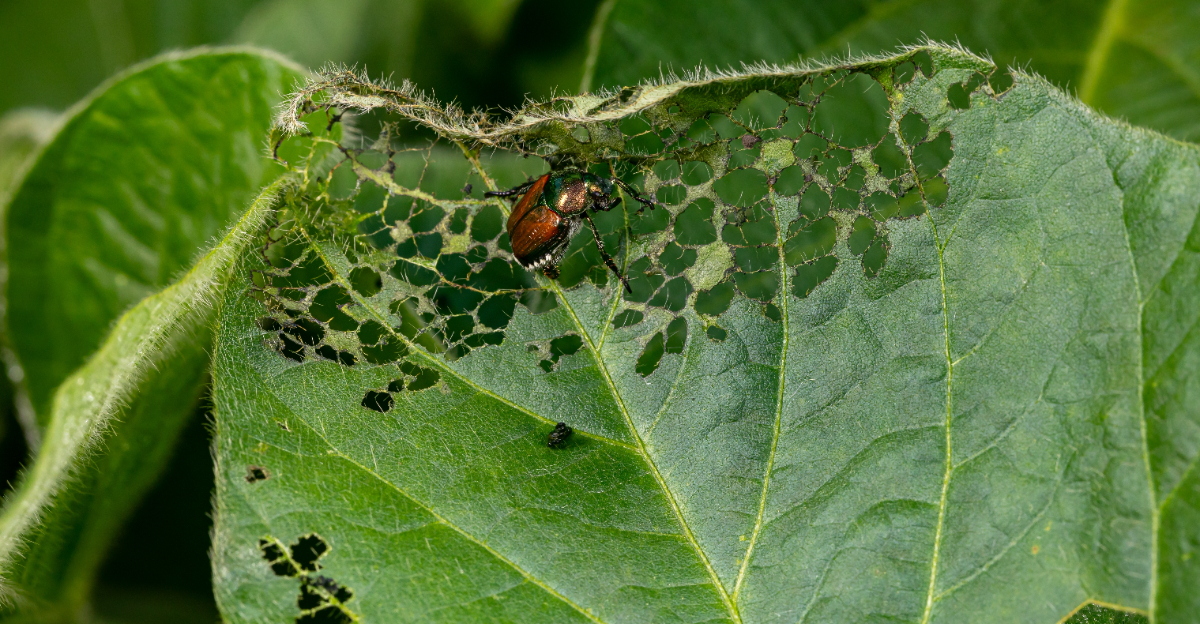
Japanese beetle season ending feels like a reason to exhale and move on, and most North Carolina gardeners do exactly that without realizing the window for meaningful action is still open.
What happens in the weeks immediately after adult beetles finish feeding determines how large next summer’s population will be in that same yard.
The adults that damaged plants in July and August were also laying eggs in nearby lawns and soil. Those eggs are now becoming larvae that will survive the winter and emerge as a new generation next June.
One specific action taken during this post-season window directly reduces that cycle before it completes, and skipping it guarantees a worse infestation the following summer than the one that just finished.
1. Check The Lawn For Grubs After Adult Beetles Show Up
Most gardeners see Japanese beetles and immediately focus on what’s being eaten above ground. That reaction makes total sense, but it only addresses half the problem.
The adult beetles you spot on your plants are just one stage of a two-part issue, and the second part is quietly developing right beneath your feet.
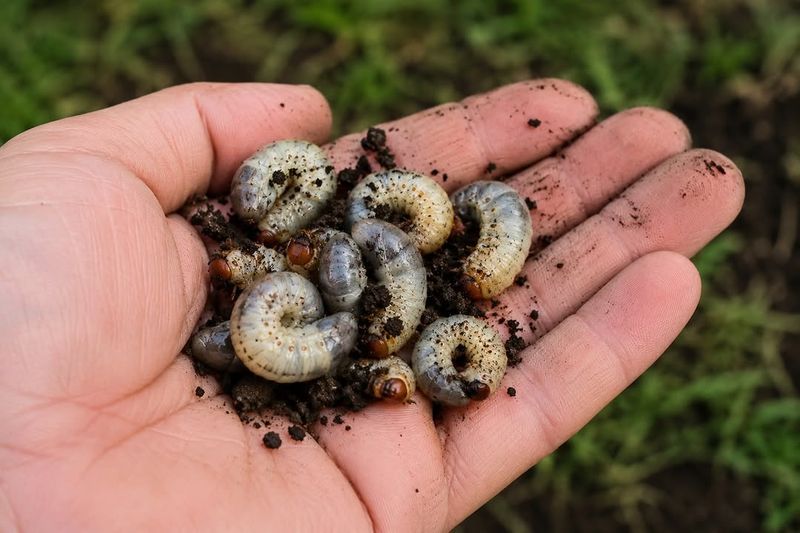
After adult female Japanese beetles feed, they move into the soil to place their eggs, usually during July and into early August in North Carolina. Those eggs hatch into white, C-shaped grubs that begin feeding on the roots of your grass.
You won’t see them without looking, which is exactly why so many gardeners get blindsided by lawn damage weeks or months later.
The best move you can make after spotting adult beetles is to get down and check your turf. Use a flat spade to cut and lift a one-square-foot section of lawn, about three to four inches deep, in areas where the grass looks stressed.
Count the grubs you find. Finding ten or more grubs per square foot is generally considered a threshold worth paying attention to in North Carolina lawns.
Catching grubs early, while they are still small and feeding close to the surface, gives you the best chance of managing them effectively.
Waiting until spring means the grubs have grown larger and moved deeper, making any response far less effective. The adult beetles told you they were here. Now it’s time to check what they left behind.
2. Do Not Focus Only On The Chewed Leaves
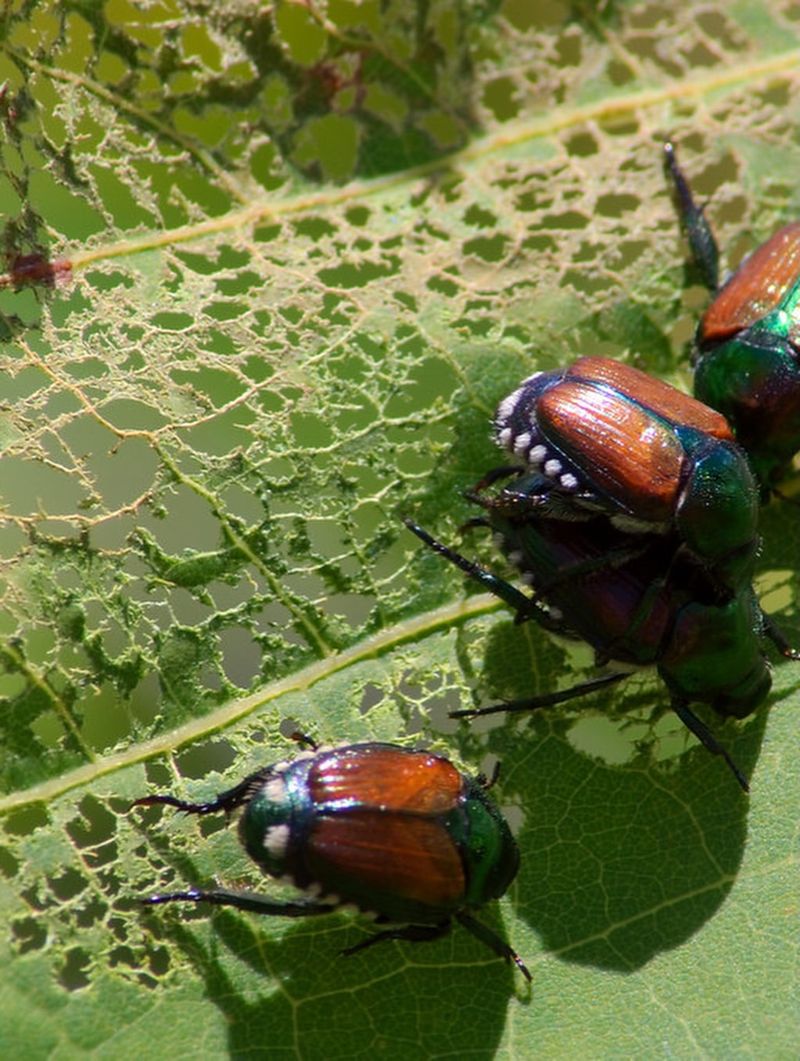
Chewed-up roses, skeletonized grape leaves, and tattered bean plants are hard to ignore. When Japanese beetles move through a garden, the leaf damage is obvious and frustrating.
It’s completely natural to want to fix what you can see, but stopping there means you’re only solving part of the puzzle.
Adult Japanese beetles are strong fliers and can travel up to five miles in search of food. That means the beetles feeding on your ornamentals may have flown in from a neighbor’s yard, a nearby field, or a green space down the road.
Their presence on your plants doesn’t automatically mean your own lawn is loaded with grubs. This is an important distinction that many gardeners overlook.
Your North Carolina Garden Changes Every Week. Your Plan Should Too.
Gardening in North Carolina changes quickly throughout the season. Every Friday you’ll receive a simple weekly plan showing exactly what to plant, prune, fertilize, harvest, and protect so you never miss the right timing.
The lawn stage of the Japanese beetle cycle is where the real long-term turf damage happens. Grubs chew through grass roots underground, weakening the turf from below.
The lawn may look fine for a while, then suddenly develop brown patches that lift like a loose mat because the roots holding the grass down are gone. That kind of damage can take an entire growing season to recover from.
So while it’s worth protecting valued plants from adult feeding, the smarter long-term strategy is to shift some of your attention toward the soil. Checking the lawn after you see adult beetles is the move that actually addresses what comes next.
The leaf damage is temporary, but a grub problem left unchecked can create turf issues that stick around far longer than a single summer season.
3. Watch The Timing After July Beetle Activity
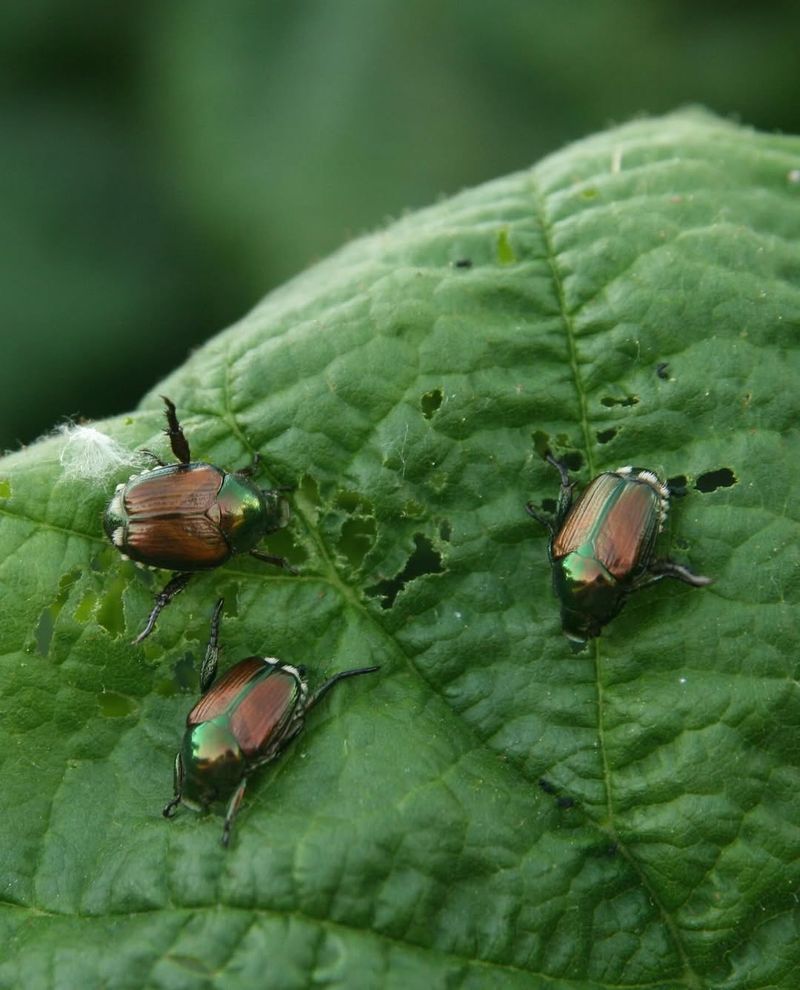
Timing matters more than most people realize when it comes to Japanese beetles in North Carolina. Adult beetles typically peak in July, which is when you’ll see the most feeding activity on your landscape plants.
It feels urgent in the moment, but the clock that really matters starts ticking a little later.
During July, female beetles drop into the soil repeatedly to place their eggs, preferring moist, grassy areas. Those eggs hatch within about two weeks, and the young grubs that emerge begin feeding on grass roots almost immediately.
By late summer, you have a window where the grubs are still small, still close to the surface, and still manageable if you catch them in time.
Waiting until spring to deal with grubs is a common mistake North Carolina gardeners make. By the time spring arrives, grubs have grown significantly larger and have moved deeper into the soil to survive winter.
They come back up briefly in spring before pupating into adults, but that window is short and treatments are less effective against larger, more developed grubs.
Late summer, roughly August through October, is the sweet spot for checking and responding to a grub problem.
The grubs are young, feeding actively, and close enough to the surface that any management approach has the best chance of working.
Think of July beetle activity as your early warning system. When you see those adults, mark your calendar and plan to check the lawn within the next few weeks.
That simple habit could make a real difference in how your lawn looks next year.
4. Inspect Turf Before Reaching For A Treatment
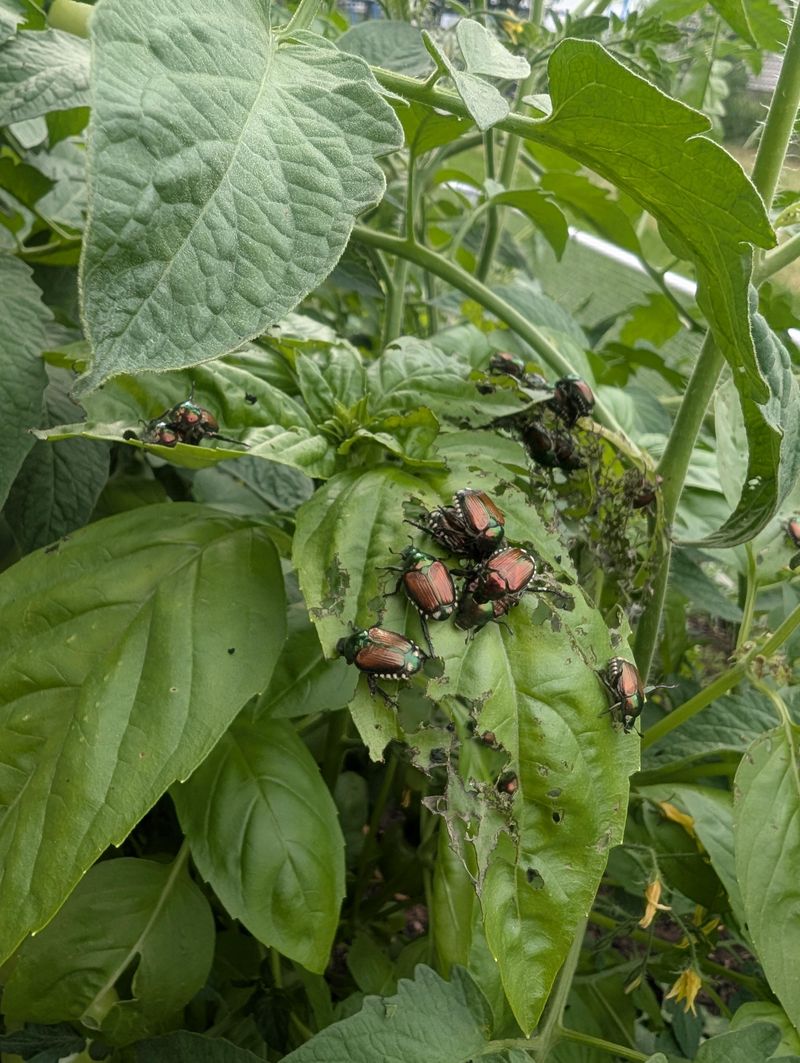
Reaching for a product the moment you see Japanese beetles is a very understandable reaction.
But applying a grub treatment without first checking whether your lawn actually has a grub problem is a bit like taking medicine for an illness you haven’t confirmed you have. It costs money, effort, and time, without any guarantee it’s solving anything real.
Adult Japanese beetles are capable fliers, which means the ones feeding on your flowers or shrubs may have come from yards far away from yours. Their presence on your plants doesn’t prove your soil has a serious grub infestation.
The only way to know for sure is to get into the turf and look. A simple inspection with a flat spade takes about ten minutes and tells you far more than any amount of guessing.
Cut a one-square-foot section of lawn in a few different spots, especially near areas that look thin or slightly off. Flip the turf back and count the grubs you find in the top three to four inches of soil.
In North Carolina, a count of around ten or more grubs per square foot is often used as a general indicator that the lawn may benefit from treatment.
Below that threshold, healthy turf can usually tolerate the feeding without significant visible damage.
Skipping the inspection and treating anyway can also mean applying products at the wrong time or in the wrong areas, which wastes resources and does little good.
A quick look first makes every next step smarter, more targeted, and far more effective for your specific lawn situation.
5. Check Brown Or Loose Lawn Areas First
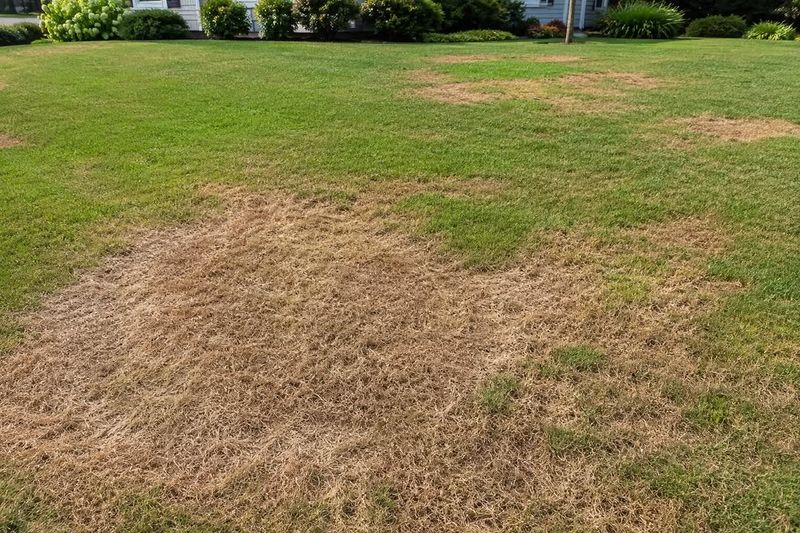
Not all parts of your lawn are equally likely to harbor grubs. Japanese beetle females tend to choose moist, well-maintained turf for egg laying, but the damage they cause underground often shows up in very specific ways.
Knowing where to look makes your inspection faster and far more useful. Start with any area of the lawn that looks stressed, even slightly off.
Brown patches that appeared without an obvious reason, thin spots where the grass seems sparse, and sections where the turf feels spongy or loose underfoot are all worth investigating first.
Grubs feed on the roots that anchor the grass to the soil, so when root damage is significant, the turf can actually be pulled back like a piece of loose carpet. That’s a strong sign something is going on below the surface.
Areas near flower beds, ornamental plantings, and garden borders are also worth checking, since adult beetles often feed nearby before moving into the turf to place their eggs.
Sunny lawn areas tend to attract more egg-laying activity than heavily shaded spots, so keep that in mind as you walk the yard and decide where to dig.
Even if the lawn looks mostly fine, doing a couple of sample cuts in late summer is a worthwhile habit. Grubs can be present before visible damage appears above ground.
Catching them early, before the root feeding reaches a level that causes obvious turf stress, is always better than waiting for the brown patches to show up as your first clue. A proactive look protects the lawn before problems fully develop.
6. Time Grub Control For When Grubs Are Near The Surface
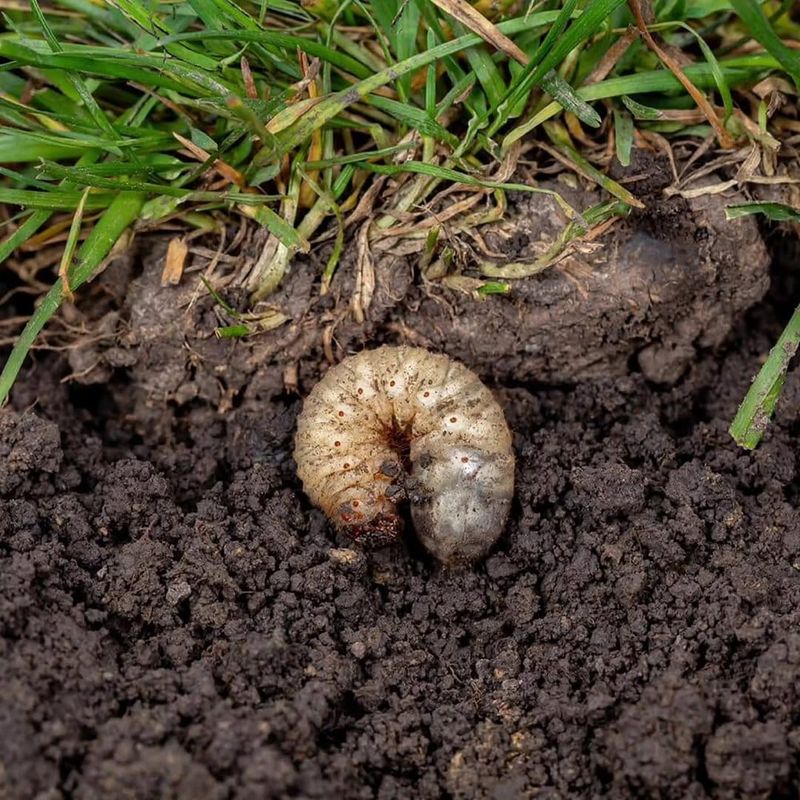
Even when grubs are confirmed in the lawn, timing the response correctly is what makes the difference between effective management and wasted effort.
Grub control products work best when the grubs are actively feeding near the soil surface, because that’s when they’re most exposed and most vulnerable to treatment.
According to NC State University Extension, grubs feed near the surface during two main windows each year. The first runs from August through October, when the newly hatched grubs are small and working through the upper soil layers.
The second occurs from April through early May, when overwintered grubs move back up before transforming into adult beetles. Of these two windows, late summer and early fall is generally the better time to act.
Younger grubs are smaller, more active near the surface, and respond better to management than the larger grubs that survive through winter.
By spring, grubs have had months to grow, and the window for effective response is much shorter before they pupate and emerge as adults.
Acting in late summer means you’re addressing the problem at its most manageable stage.
Watering the lawn lightly before and after applying any granular grub product helps move it into the soil where the grubs are feeding. Always read product labels carefully and follow North Carolina-specific recommendations when available.
Treating at the right time, rather than reacting immediately after seeing adult beetles in July, gives you the best possible outcome. Patience and smart timing together are more powerful than any rushed response.
7. Skip Traps As The Main Plan
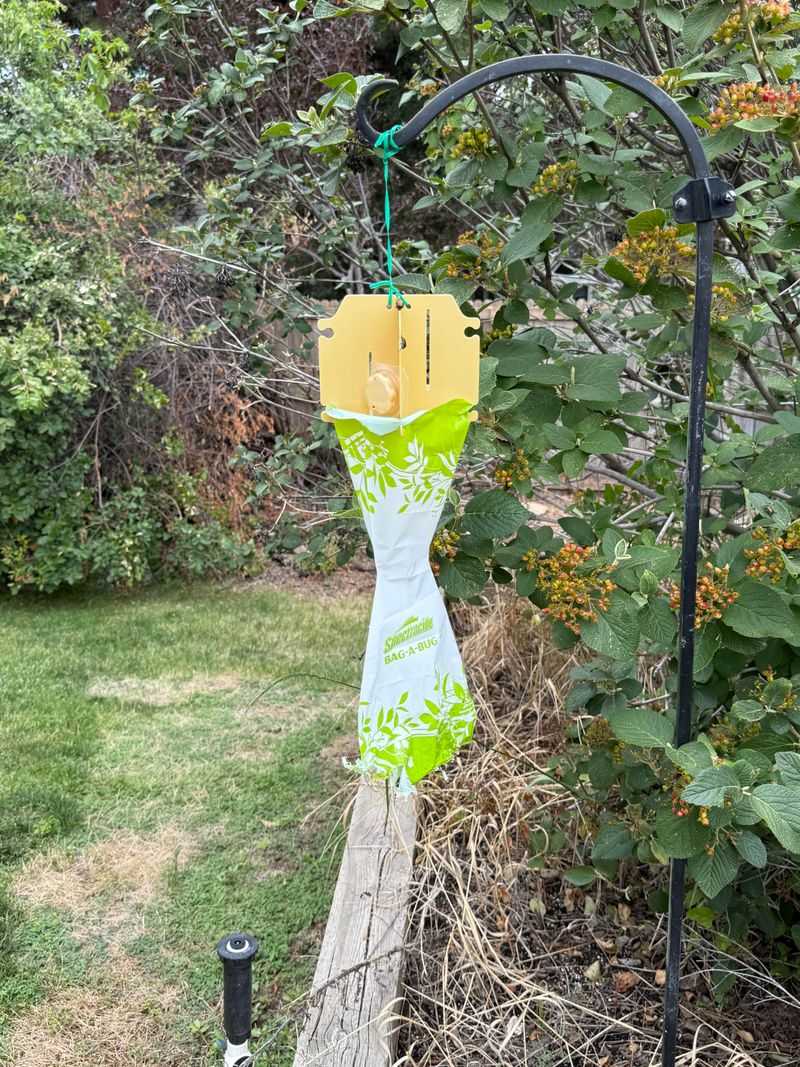
Japanese beetle traps are everywhere in garden centers during summer, and the idea behind them is appealing. You hang them up, the beetles fly in, and the problem seems handled.
It feels satisfying and straightforward, but the reality is a bit more complicated than the packaging suggests.
NC State University Extension points out that Japanese beetle traps have not shown a meaningful impact on the grub population that develops in the soil.
The traps target adult beetles using floral and sex-based attractants, but catching adults doesn’t prevent the eggs already placed in your lawn from hatching.
Grubs develop from eggs that were already in the ground before those adults ever reached your trap.
There’s another concern worth knowing. The attractants used in these traps are very effective at drawing beetles in, sometimes pulling in more adults than would have naturally visited your yard.
Research has suggested that gardens near active traps can actually experience more plant feeding damage than gardens without them, because the traps attract beetles from a wider area and some of those beetles feed on nearby plants before entering the trap.
Traps can serve a purpose as a monitoring tool, helping you gauge how heavy adult beetle activity is in your area. But relying on them as your main strategy after seeing beetles is unlikely to protect your lawn from the grub stage that follows.
Your energy and resources are better directed toward lawn inspection, grub confirmation, and well-timed management rather than hanging a trap and hoping for the best outcome.
8. The Takeaway For North Carolina Gardeners
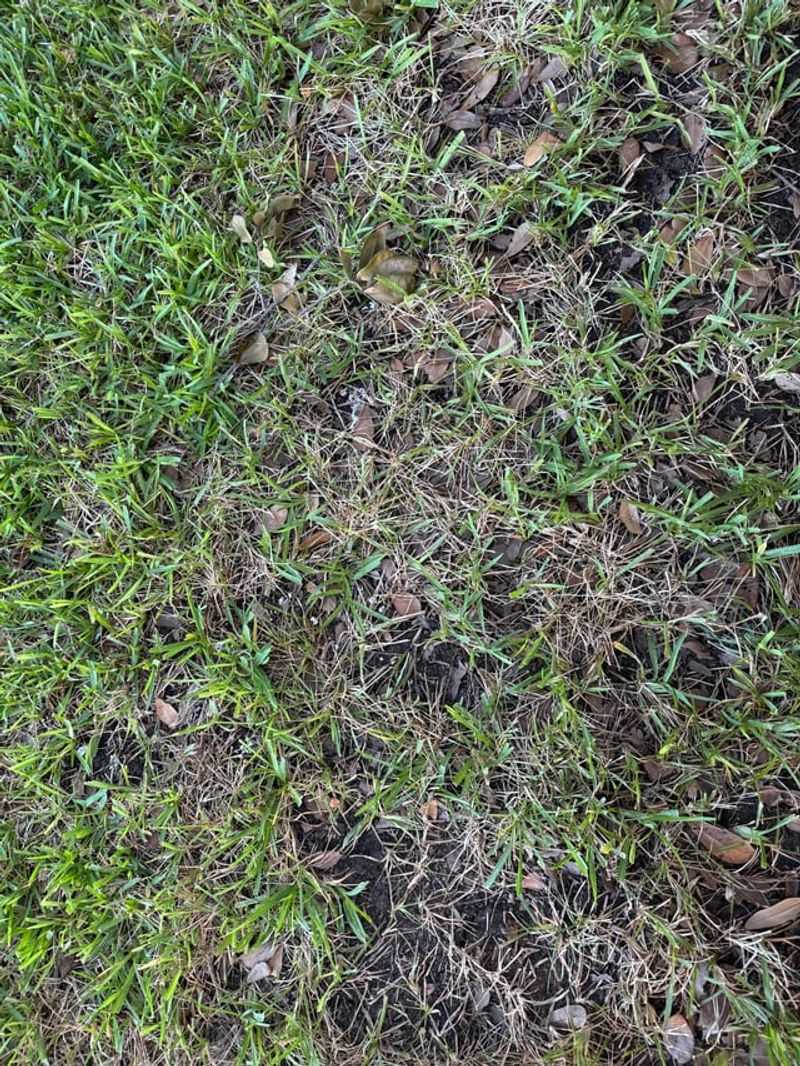
After Japanese beetles show up in your North Carolina yard, the single most important thing you can do is check your lawn for grubs before the season moves on.
The adult beetles get all the attention because their feeding damage is so visible, but the underground stage is where the long-term turf problem quietly develops.
Acting on what you can see without checking what’s below the surface leaves the bigger issue completely unaddressed.
The window that matters most is late summer, roughly August through October. That’s when newly hatched grubs are small, feeding near the surface, and most responsive to any management approach you choose.
Waiting until spring shortens your options significantly and means dealing with larger, more established grubs that are harder to manage effectively. Late summer inspection and response is the smarter, more efficient path forward.
Before applying any grub product, take the time to confirm that your lawn actually has a grub problem worth treating.
Dig a few sample sections, count what you find, and make your decision based on real evidence rather than the presence of adult beetles alone.
Adults can fly in from far away and don’t always mean your soil is heavily infested. Treating without confirmation wastes resources and may not solve anything.
And when it comes to traps, use them as a monitoring tool if you like, but don’t count on them to protect your lawn from the next generation of grubs.
The real solution is simple: inspect the turf, confirm the problem, time your response well, and stay ahead of the cycle before it repeats itself next summer.