This Forgotten Indiana Plant Could Make Summer Evenings More Gnat-Resistant On Your Porch
Gnats own your porch the very moment the sun starts dropping. Nobody warns you how persistent they get by midsummer.
Indiana evenings turn intense once these pests swarm in. Screens fail completely against clouds this thick and stubborn.
Sprays leave your skin sticky and your air heavy. Candles flicker out just when you need them most.
Something quieter and stronger hides in an old garden favorite. Gardeners across Indiana still swear by this forgotten secret.
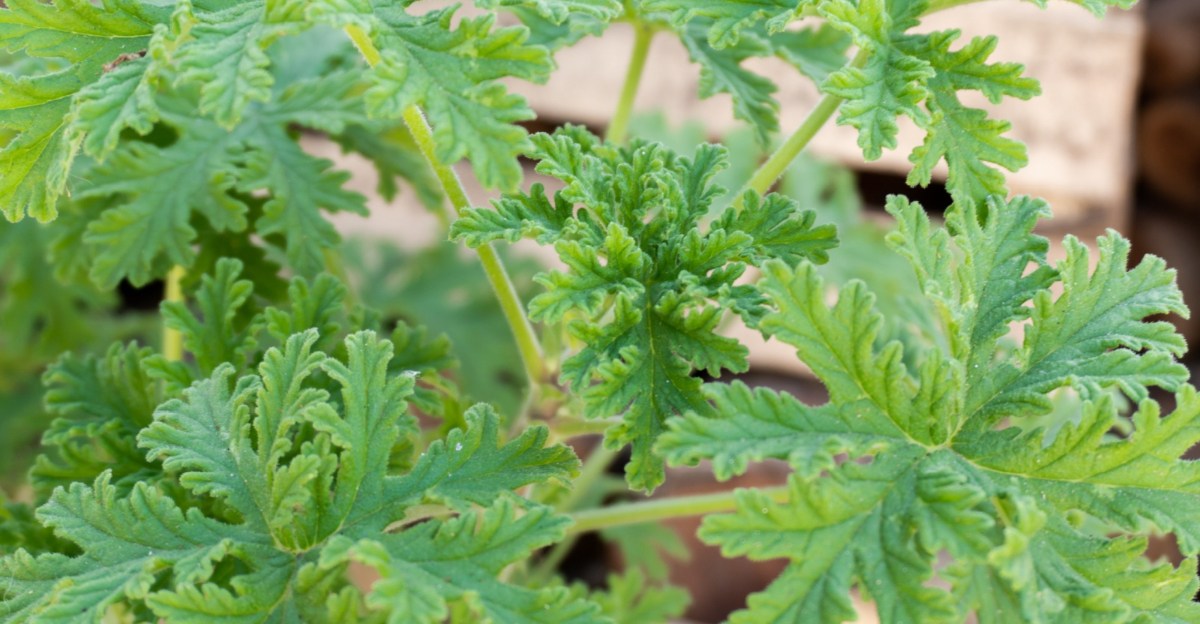
Its leaves release a scent gnats genuinely cannot tolerate. Rubbing them releases fragrance strong enough to repel bugs instantly.
Placed near your chair, it becomes a living shield. Texture, fragrance, and function all collide in a single pot.
Few homeowners realize how powerful this secret truly is. Your porch deserves better than constant swatting and frustration.
Confidence grows fast once you see this secret working. You will never look at your porch the same way.
How One Forgotten Porch Plant Keeps Gnats at Bay
Gnats ruin everything. You set up the perfect porch evening and then tiny flying pests take over the whole space.
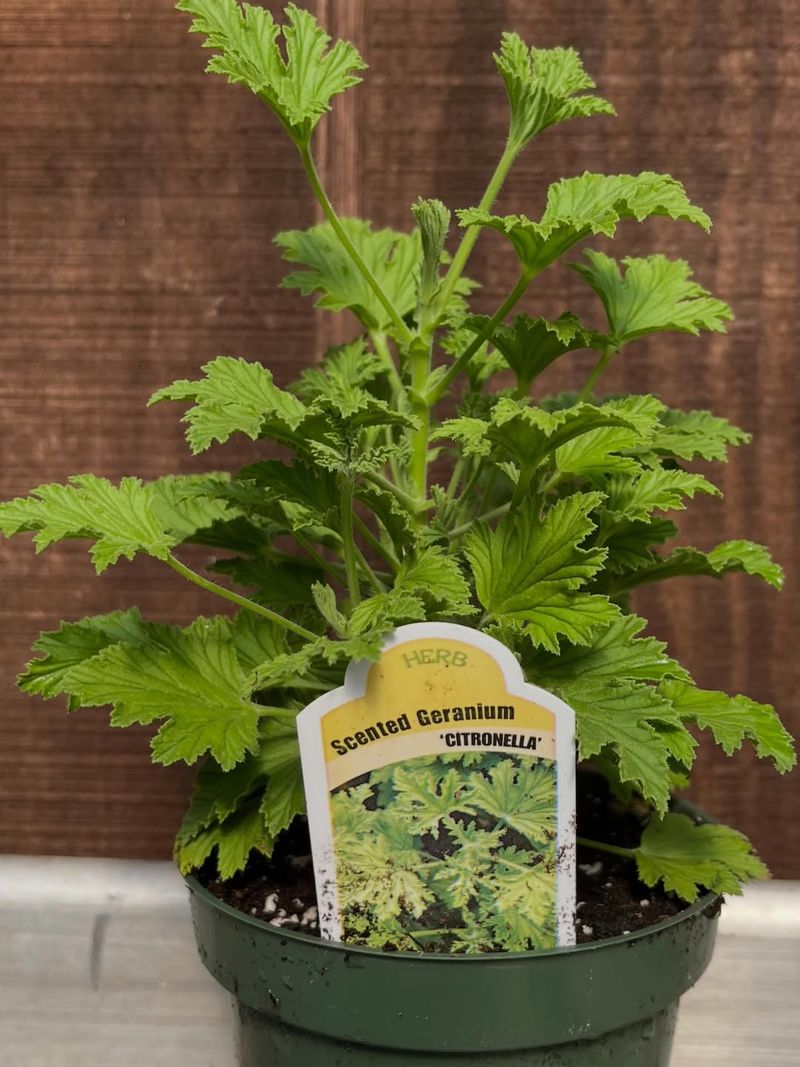
The Citronella Geranium has quietly been solving this problem for generations. Gardeners in the Midwest used to keep it on every porch without a second thought.
This plant releases a strong lemony-citrus scent when its leaves are brushed or crushed. That smell is deeply unpleasant to gnats and many other small flying insects.
The magic comes from a compound called citronellol found in the plant’s oils. It works similarly to commercial bug sprays but without any harsh chemicals or synthetic ingredients.
You do not need to do anything fancy to activate it. Simply rubbing a leaf with your fingers releases enough scent to push gnats away from your immediate area.
Placing a pot near your favorite chair creates a personal bug-free zone outdoors. Some people even rub a crushed leaf lightly on their arms for extra protection.
The plant has roots stretching back to the 1800s and became a familiar sight in many American gardens. Somewhere along the way, modern bug sprays replaced it and people simply stopped planting it.
Now backyard gardeners are rediscovering what their great-grandparents already knew. A single pot of Citronella Geranium on your porch could change your entire summer experience.
The Science Behind Its Natural Scent Defense
Not all plants fight bugs the same way. The Citronella Geranium uses its leaves as tiny scent factories working around the clock.
The leaves are covered in microscopic glands that store aromatic oils. Those oils contain citronellol, geraniol, and linalool, which are all natural insect deterrents.
Gnats rely heavily on smell to find food and navigate their surroundings. When those oils hit the air, gnats get confused and tend to avoid the area completely.
Geraniol in particular has been studied by researchers as a promising natural insect repellent. Some studies suggest geraniol may help reduce mosquito activity, though results vary depending on concentration and application.
The scent is not just functional, it is genuinely pleasant for humans. Most people describe it as a fresh mix of lemon, rose, and mint with a slightly herbal edge.
Your Indiana Garden Changes Every Week. Your Plan Should Too.
Gardening in Indiana changes quickly throughout the season. Every Friday you’ll receive a simple weekly plan showing exactly what to plant, prune, fertilize, harvest, and protect so you never miss the right timing.
The plant does not need to be in full bloom to work. Even a compact leafy plant sitting quietly in a corner will emit enough scent to make a difference.
Warmer temperatures actually boost the scent output of the leaves. That means summer, the season when gnats are worst, is also when this plant performs at its absolute peak.
No batteries, no plug-ins, no refills needed. The Citronella Geranium is essentially a living, breathing, self-renewing bug deterrent that gets stronger as the weather heats up.
Growing Citronella Geranium In Indiana
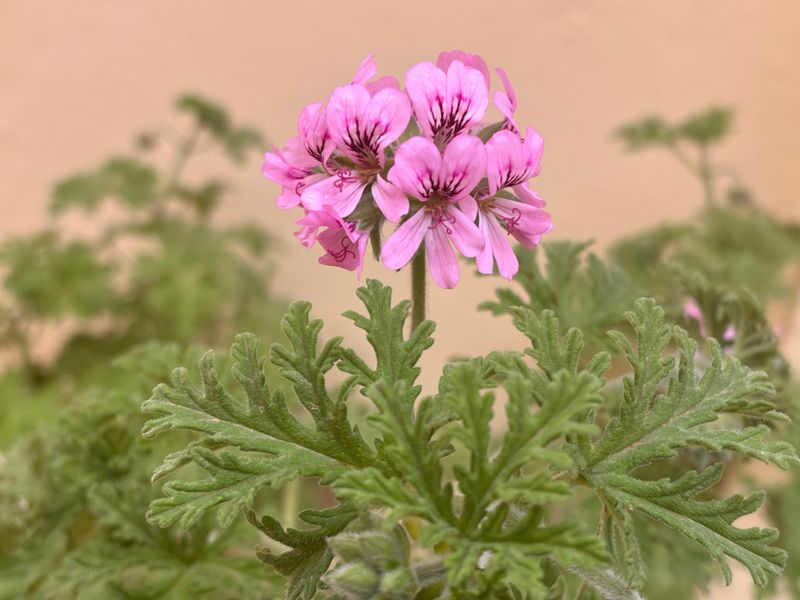
Growing this plant in the Midwest is easier than most people expect. It thrives in warm weather and handles the humid summers of the region without much complaint.
Citronella Geranium is not actually a true geranium in the botanical sense. It belongs to the Pelargonium family, which means it loves warmth and does not tolerate frost at all.
Start your plant indoors about six to eight weeks before the last frost date. Most of the state sees its final frost somewhere between late April and mid-May depending on your exact location.
Once nighttime temperatures stay consistently above 50 degrees, you can move the plant outside. A sunny spot with at least four to six hours of direct light works best for strong growth.
Well-draining soil is essential because soggy roots will quickly damage the plant. A standard potting mix with a little perlite added does an excellent job of keeping moisture balanced.
Container growing is actually ideal for this plant in the Midwest. Pots allow you to move it indoors when fall arrives, letting you keep the same plant for multiple seasons.
Nurseries sometimes carry it in spring, but online plant shops are often a more reliable source. Look for varieties sold as ‘citrosa’ or ‘citronella-scented’ Pelargonium for the best scent performance.
Starting with a healthy cutting or a small nursery plant gives you the fastest results. Your porch could be far more gnat-resistant before the Fourth of July rolls around.
Best Placement For Effective Porch Coverage
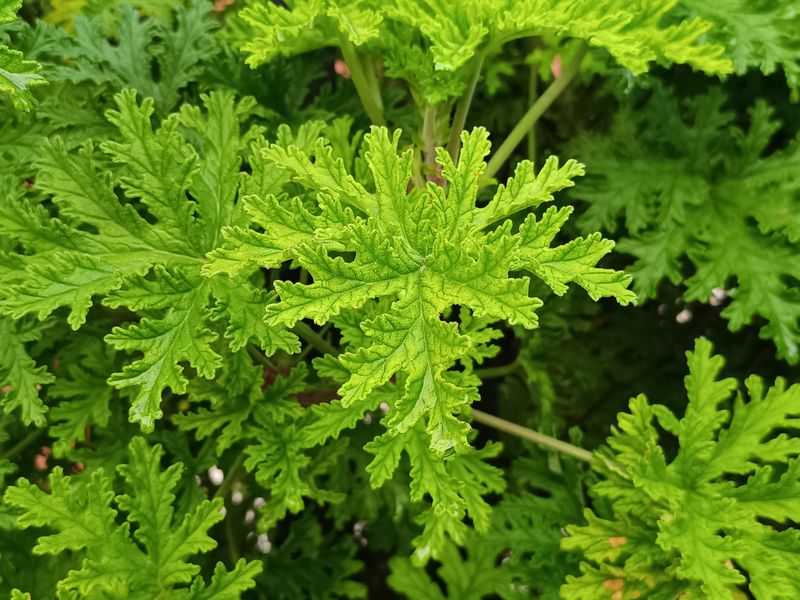
Placement is everything with this plant. Putting it in the wrong spot means you get the looks but miss out on the bug-fighting benefits.
The goal is to create a scent barrier between you and the areas where gnats breed. Standing water, compost piles, and damp soil nearby are prime gnat zones.
Position at least one pot within arm’s reach of where you sit most often. That closeness ensures the ambient scent stays strong enough to deter bugs in your personal space.
Flanking the entrance to your porch with two pots creates a natural scent gate. Every time you or a guest walks through, the leaves get brushed and release a fresh burst of oil.
If your porch has a railing, line several smaller pots along it at even intervals. This creates a continuous scent wall that covers the full perimeter of your outdoor seating area.
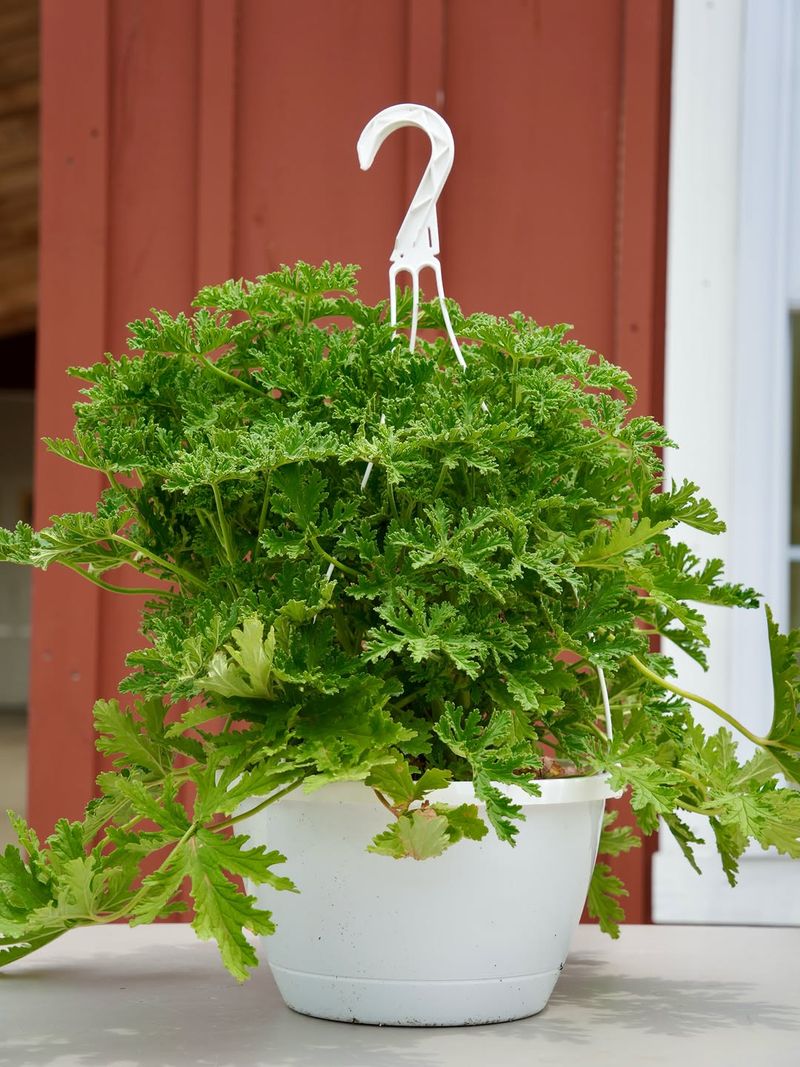
Hanging baskets work especially well for porches with limited floor space. Citronella Geranium grows beautifully in a hanging planter and the elevated position spreads the scent more broadly.
Avoid placing pots in deep shade because low light weakens the plant and reduces oil production. The scent gets noticeably lighter when the plant is struggling for sunlight.
Think of arrangement like setting up a soft invisible fence around your favorite spot. Strategic placement turns your porch into a genuinely comfortable outdoor room all summer long.
Caring For Citronella Geranium Through The Seasons
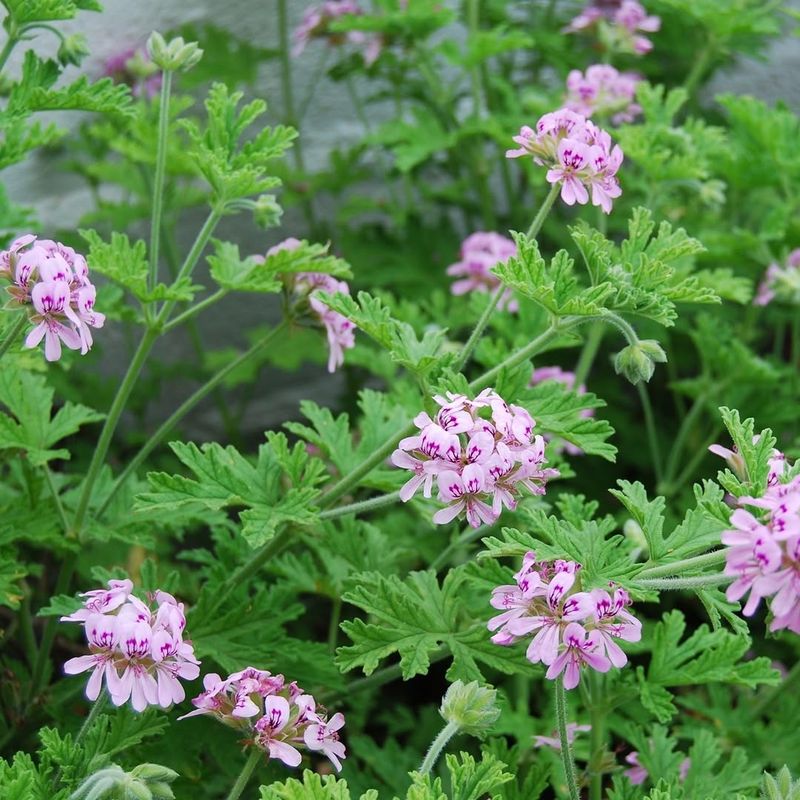
Keeping this plant happy is not complicated, but a few habits make a big difference. Consistent care keeps the scent strong and the leaves full and healthy all season.
Watering correctly is the most important skill to learn with Citronella Geranium. The plant prefers to dry out slightly between waterings rather than sitting in constantly moist soil.
Stick your finger about an inch into the soil before watering. If it still feels damp, wait another day or two before adding more water to the pot.
Feed the plant with a balanced liquid fertilizer every two to three weeks during the growing season. This keeps the foliage dense and the oil production at its highest level.
Pinching off spent blooms and leggy stems encourages the plant to put energy into leaf growth. More leaves mean more scent surface area working for you on the porch.
When fall arrives and temperatures start dropping, bring the plant inside before the first frost warning. A sunny windowsill or a spot under grow lights keeps it alive through winter.
Cut the plant back by about one third before bringing it indoors. This reduces stress and makes it easier to manage in a smaller indoor space during the cold months.
Come spring, move it back outside and watch it grow vigorously again. With proper seasonal care, the same plant can often thrive for several years.
Other Reasons To Bring This Plant Back
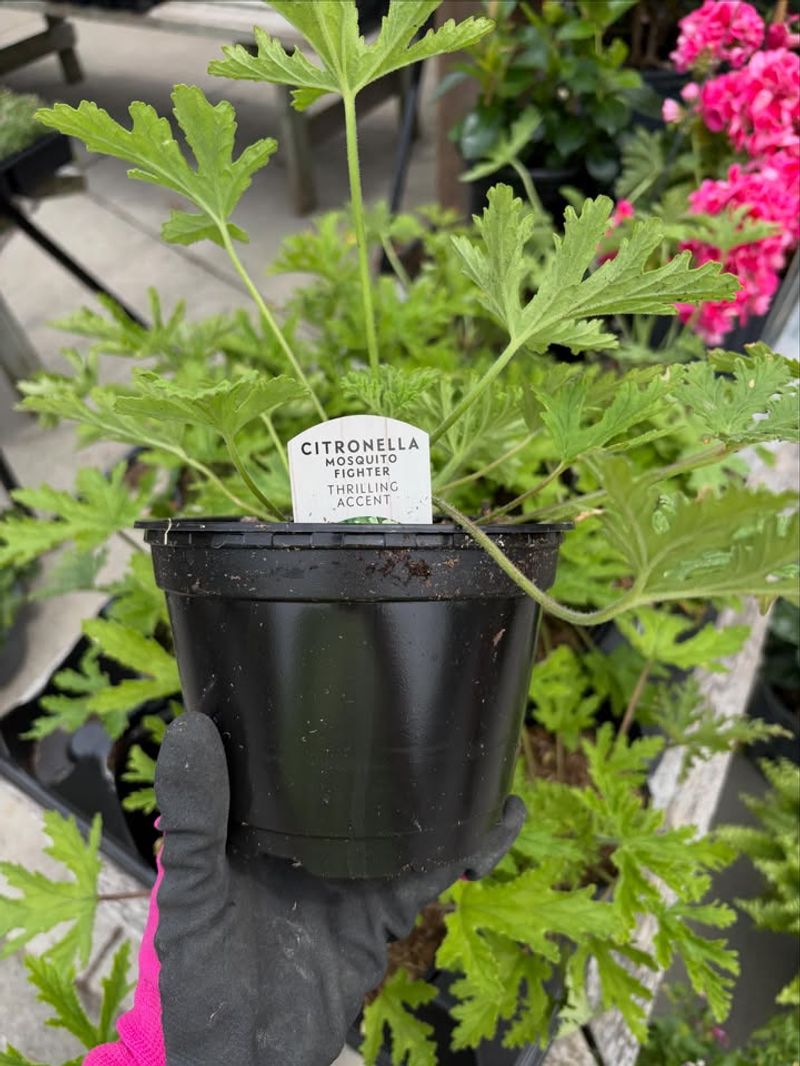
Bug repelling is impressive, but this plant brings a lot more to the table. Once you learn everything it offers, you will wonder why it ever fell out of style.
The flowers are genuinely lovely, with small blooms in shades of pink, lavender, and white. They add a cottage-garden charm to any porch without requiring much effort to produce.
The scent alone makes it worth growing even if bugs were not a factor. That fresh lemon-rose fragrance drifts through an open window and makes the whole porch feel more inviting.
Citronella Geranium produces no smoke or residue like candles and sprays do, though as with many potted plants, it’s best kept out of reach of pets prone to chewing leaves.
Some people use crushed leaves in homemade sachets to freshen closets and drawers. The dried leaves hold their scent surprisingly well and work as a natural air freshener indoors.
Gardeners with small spaces love it because one pot does the work of multiple products. A single plant replaces candles, plug-in repellents, and sprays all at once.
It also pairs beautifully with other container plants like lavender, basil, and rosemary. Together those plants form an effective bug-repelling display that looks attractive and smells wonderful.
Rediscovering the Citronella Geranium means bringing back a plant that is both practical and visually appealing. Your porch deserves a plant that works as hard as you do to make summer evenings worth savoring.
Where To Find Citronella Geranium And How To Get Started
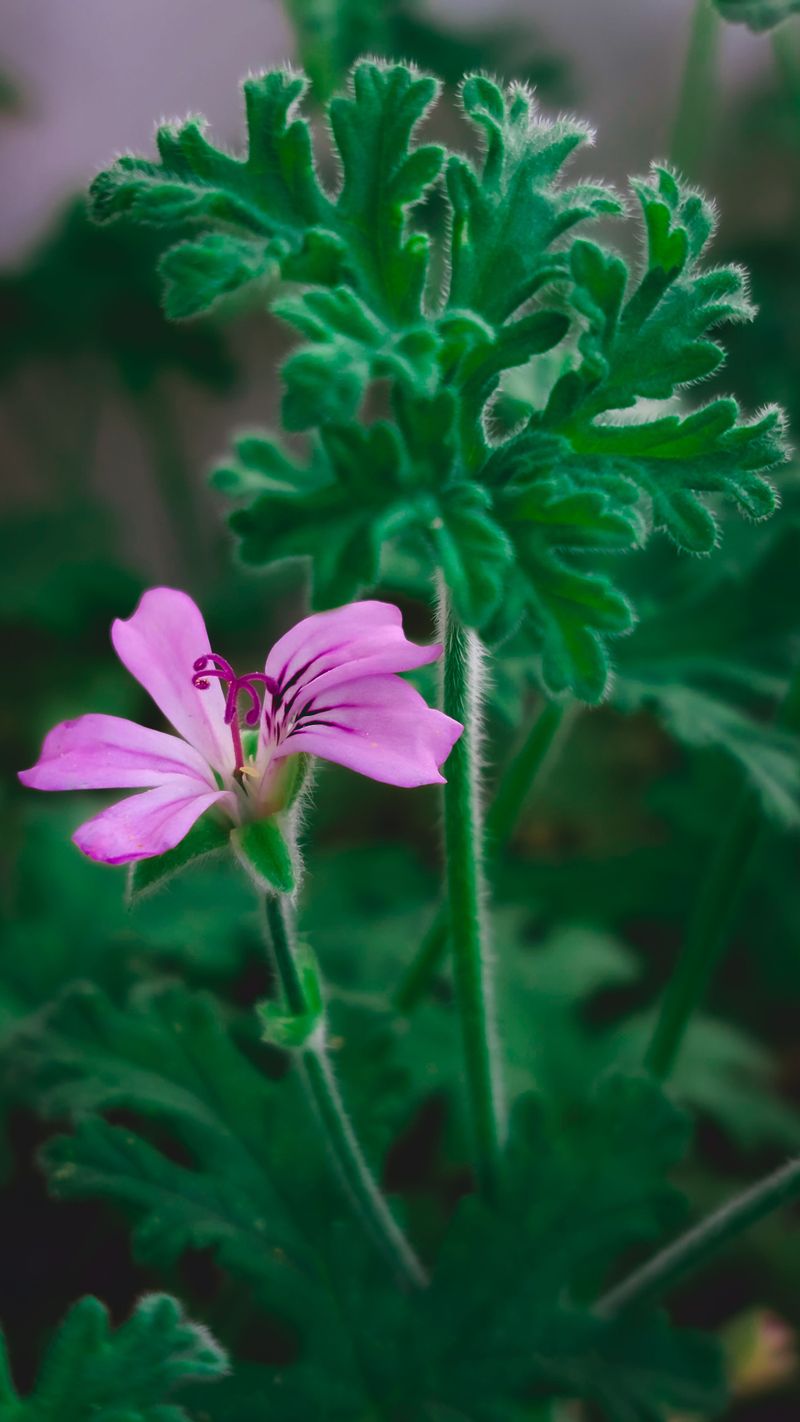
Finding this plant is easier now than it was even five years ago. The growing interest in natural pest control has brought it back to more nurseries and garden centers.
Check local garden centers in April and May when spring inventory is at its peak. Ask specifically for ‘citrosa’ or citronella-scented Pelargonium because staff may not recognize the common name right away.
If local shops come up empty, online plant retailers are an excellent backup option. Sites that specialize in herbs and edible plants often carry healthy starter plants ready to ship.
Buying a small starter plant is the fastest way to get going. A four-inch pot purchased in May can grow into a full bushy plant by the time July arrives.
Cuttings from a friend or neighbor who already grows it are another great option. Citronella Geranium roots easily in water or moist potting mix within two to three weeks.
When choosing a plant at the nursery, look for thick stems and deep green leaves. Avoid any plant that looks yellowed, stretched, or has soil that smells sour or overly wet.
Grab a bag of well-draining potting mix and a medium-to-large container with drainage holes. Getting the setup right from the beginning saves you trouble down the road.
One small plant is all it takes to start making your summer evenings more gnat-resistant on your porch. Start this season, and by next year your porch could be the one neighbors take notice of.