Mow Your Maryland Lawn At This Time Of Day For Better Heat Tolerance

Your mowing schedule might be quietly undermining your lawn. Timing matters more than you think during Maryland summers.
Heat and humidity affect grass cut at the wrong hour. Afternoon mowing tires blades already low on moisture.
Cutting too early traps dew and invites disease. Waiting too late exposes fresh cuts to intense sun.
Maryland lawns demand precision, not guesswork. Watering habits shape how your grass handles the season.
Smart choices now prevent brown patches later. Every blade you cut reacts instantly to temperature and time.
Small adjustments create dramatic differences within days. Nothing about this is complicated, yet everything about it matters.
Momentum builds fast once you get the timing right. Grass color shifts fast once conditions turn difficult.
Roots soften quietly beneath a strained surface. Precision now saves you frustration later this summer. Results show up quickly, for better or worse. You need to know the exact right hour.
Why Timing Your Mow Matters In Maryland’s Summer Heat
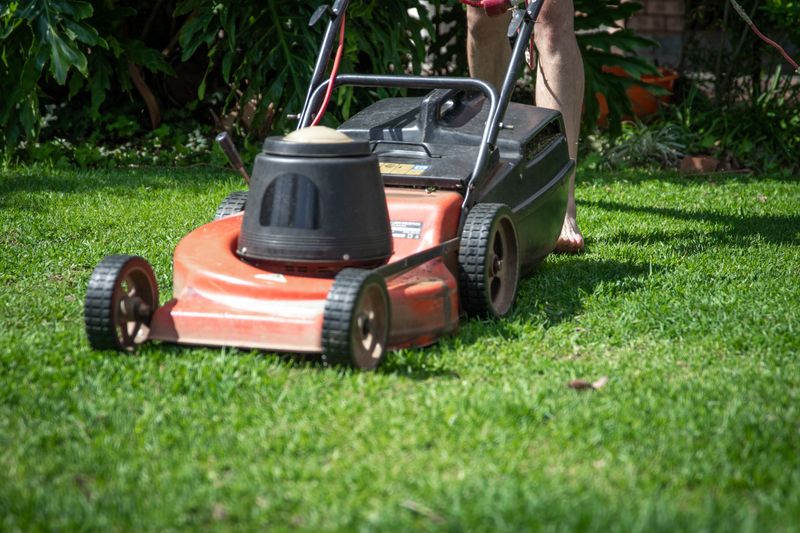
Heat, humidity, and long sun exposure define a Maryland summer. Your grass feels every bit of it.
Mowing at the wrong time adds stress on top of stress. Freshly cut grass loses moisture fast, especially when temps are climbing.
Think of your lawn like skin after a sunburn. Cutting it open when the heat is highest makes recovery much harder.
The best time to mow your Maryland lawn for better heat tolerance is early morning. That single shift changes everything for your turf.
Grass cut in cooler hours seals its wounds before the sun peaks. It holds onto moisture longer and stays greener through the week.
Maryland summers typically bring high temperatures throughout July, especially in central and coastal areas. That kind of heat puts extra strain on lawns that were mowed at noon.
Timing also affects how your lawn handles drought stress. A well-timed cut makes the difference between brown patches and a full, healthy yard.
Lawns in the Mid-Atlantic region deal with both cool-season and warm-season grass types. Each responds differently to heat, but both benefit from smart mowing schedules.
Early morning mowing pairs perfectly with early morning watering habits. Together, they build a lawn that can handle summer stress.
Getting your timing right costs nothing extra. It just takes awareness and a small shift in your weekend routine.
Your neighbors will notice the difference before you even tell them what changed. A green lawn in August is its own reward.
The Best Morning Hours To Mow Your Lawn
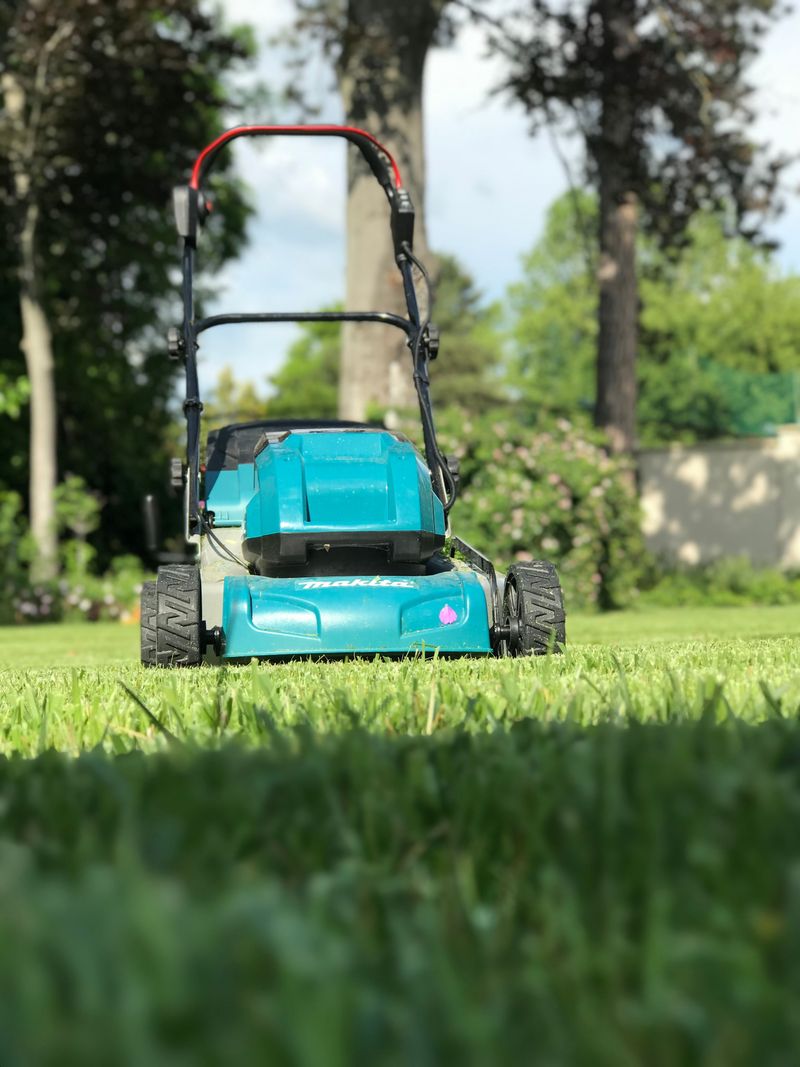
Set your alarm a little earlier and your grass will thank you. The sweet spot for mowing is between 7am and 10am.
During those hours, dew has mostly dried but the air is still cool. Your grass is hydrated and ready to handle a clean cut.
Mowing wet grass causes clumping and uneven cuts. Waiting just an hour after sunrise usually gives the blades time to dry.
Temperatures before 10am stay manageable for both you and your lawn. Grass recovers from cuts much faster in cooler conditions.
Your Maryland Garden Changes Every Week. Your Plan Should Too.
Gardening in Maryland changes quickly throughout the season. Every Friday you’ll receive a simple weekly plan showing exactly what to plant, prune, fertilize, harvest, and protect so you never miss the right timing.
Early morning watering done the night before or at dawn boosts this effect. Hydrated grass handles the mower blade with less shock.
Think of it like getting a haircut when you feel your best. Your lawn performs the same way when it starts the day strong.
Cutting in this window also means the clippings dry out quickly. They break down faster and feed the soil with nutrients.
Fescue and bluegrass, common in Maryland yards, both do well with morning cuts. They bounce back before afternoon heat sets in.
Morning mowing also keeps noise complaints low in most neighborhoods. Many local ordinances allow mowing after 7am on weekends, though rules vary by county.
You get a cleaner stripe pattern when the grass stands upright in the morning. Heat and foot traffic flatten blades by midday.
Make the morning mow a habit and your lawn will stay ahead of the summer heat all season long.
Why Midday Mowing Stresses Your Grass

Noon feels productive, but your lawn pays the price. Mowing between 11am and 3pm is one of the least favorable choices you can make in summer.
Grass is already under heat stress during those hours. Adding a fresh cut forces it to use energy it does not have.
Cut grass loses water through its open tips. In peak heat, that moisture evaporates before the plant can pull more from the roots.
You may notice browning within a day or two of a midday mow in hot weather. It looks like drought damage but the timing caused it.
Soil temperatures also tend to peak in the early afternoon in most Mid-Atlantic yards. Hot soil slows root activity right when the grass needs it most.
Mower engines run hotter at midday too. That extra heat dries out the cut ends of grass blades even faster.
Midday cuts also invite weeds. Stressed turf leaves gaps that opportunistic plants love to fill quickly.
Crabgrass especially thrives when lawns are weakened by heat stress. A poorly timed mow in July can lead to significant crabgrass growth.
Skipping the midday mow is one of the easiest lawn care wins available. You save time, energy, and your grass holds up better.
If you absolutely must mow at midday, water the lawn first. Hydrated grass handles heat stress slightly better than dry turf.
Still, the smarter move is to wait for cooler hours. Your lawn will look noticeably better by the end of the season.
Evening Mowing And The Risk Of Fungal Disease
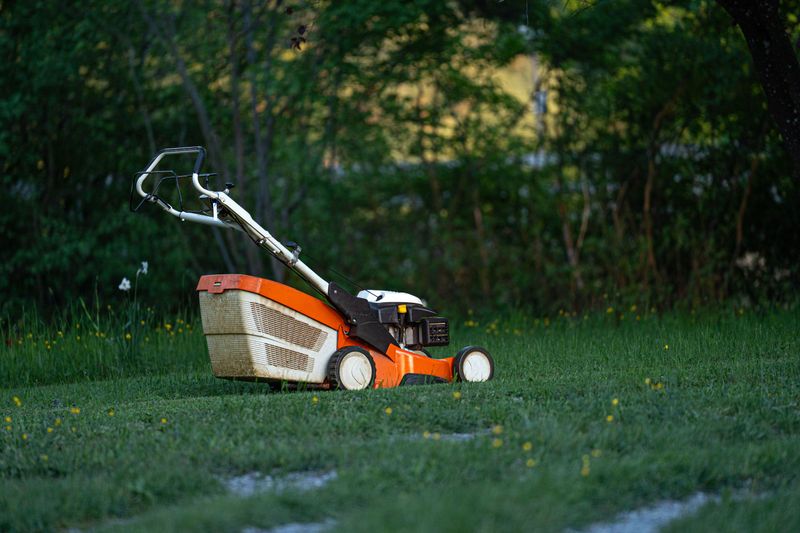
Evening mowing feels like the perfect solution to hot afternoons. The air cools down and the sun has eased off.
But cutting grass after 6pm in humid Maryland summers can create a problem. Fungal disease grows more easily in moist, freshly cut turf overnight.
Brown patch and dollar spot are two of the most common lawn fungi in the region. Both love warm nights with high humidity and wet grass.
When you mow in the evening, the cut tips stay moist through the night. Fungal spores find those open wounds and spread fast.
Maryland summers often bring high overnight humidity. That is a favorable breeding ground for lawn disease.
Early morning watering avoids this problem because the sun dries the lawn during the day. Evening cuts do the opposite by trapping moisture.
A fungal outbreak can spread across a lawn within a matter of days. By the time you notice it, the damage is already done.
Treating fungal disease requires fungicide applications that cost money and time. Prevention through smart mowing timing is far cheaper.
If your only option is evening mowing, avoid watering afterward. Keeping the lawn as dry as possible overnight reduces fungal risk.
Morning mowing eliminates this concern entirely. The grass dries out fast and has all day to recover before night arrives.
Protect your lawn from fungal risk by choosing the right hour. Timing is truly one of your most valuable lawn care tools.
Adjusting Mower Height For Hot Weather
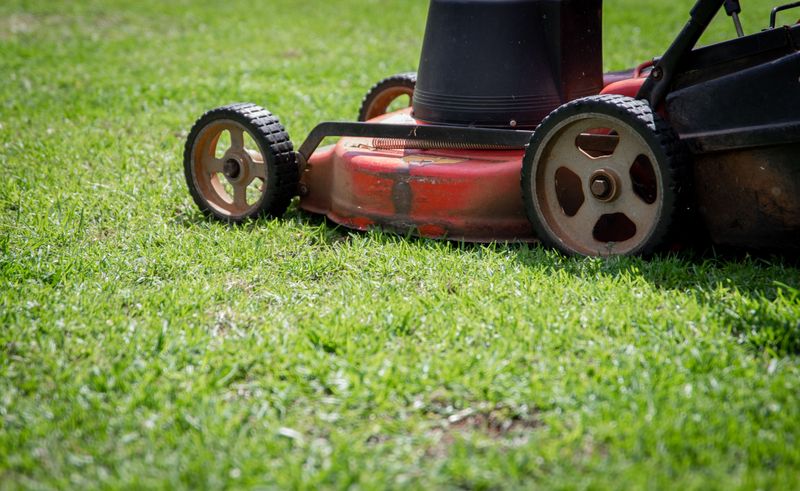
Raising your mower deck is one of the simplest ways to protect your lawn from summer heat. Taller grass shades the soil below it.
Shaded soil stays cooler and holds moisture longer. That means fewer watering sessions and less stress on your grass roots.
Most lawn care pros recommend mowing no lower than three to four inches during summer months. Anything shorter invites heat damage quickly.
The one-third rule is your best guide here. Never cut more than one-third of the blade length in a single mow.
Cutting too much at once shocks the plant and slows its recovery. In summer heat, that recovery window is very small.
Taller grass also competes better against weeds. A thick canopy blocks sunlight from reaching weed seeds at the soil surface.
Fescue lawns, which are popular across the Mid-Atlantic, perform best at three and a half inches in summer. Zoysiagrass does well around two inches.
Check your mower deck height before each summer mow. Blades sometimes shift lower after hitting a rock or curb edge.
Dull mower blades tear grass instead of cutting it cleanly. Torn tips turn brown faster and lose more water than clean cuts do.
Sharpening your blade once a month during mowing season is a smart habit. A sharp blade makes a cleaner cut every single time.
Raise the deck, keep the blade sharp, and your lawn will hold up beautifully even through the toughest Maryland heat waves.
Simple Mowing Habits That Keep Your Lawn Healthier

Small habits build big results when it comes to lawn health. Consistency matters more than any single perfect mow.
Alternate your mowing direction each time you cut the grass. Changing patterns prevents soil compaction and helps blades grow upright.
Upright grass captures sunlight more efficiently and handles heat with less strain. It also looks fuller and more uniform from the street.
Leave your grass clippings on the lawn after mowing. They return nitrogen to the soil and reduce the need for extra fertilizer.
This practice is called grasscycling and it saves both time and money. A mulching mower makes the process even easier and cleaner.
Keep your mowing schedule consistent throughout the season. Letting grass grow too long between cuts forces you to remove too much at once.
That big cut triggers stress responses in the plant. In hot weather, those stress responses can cause visible browning within days.
Edge your lawn after mowing to keep borders clean. Neat edges make the whole yard look more polished and well-maintained.
Avoid mowing drought-stressed grass if possible. If the lawn looks dull gray-green instead of bright green, hold off for a day.
Watering in the early morning before a planned mow hydrates the grass without leaving it too wet to cut cleanly.
Pair smart mowing habits with the right timing and your Maryland lawn stays ahead of summer heat all season. That green yard is closer than you think.