The Fire-Safe Way To Use Potted Plants Around California Entryways
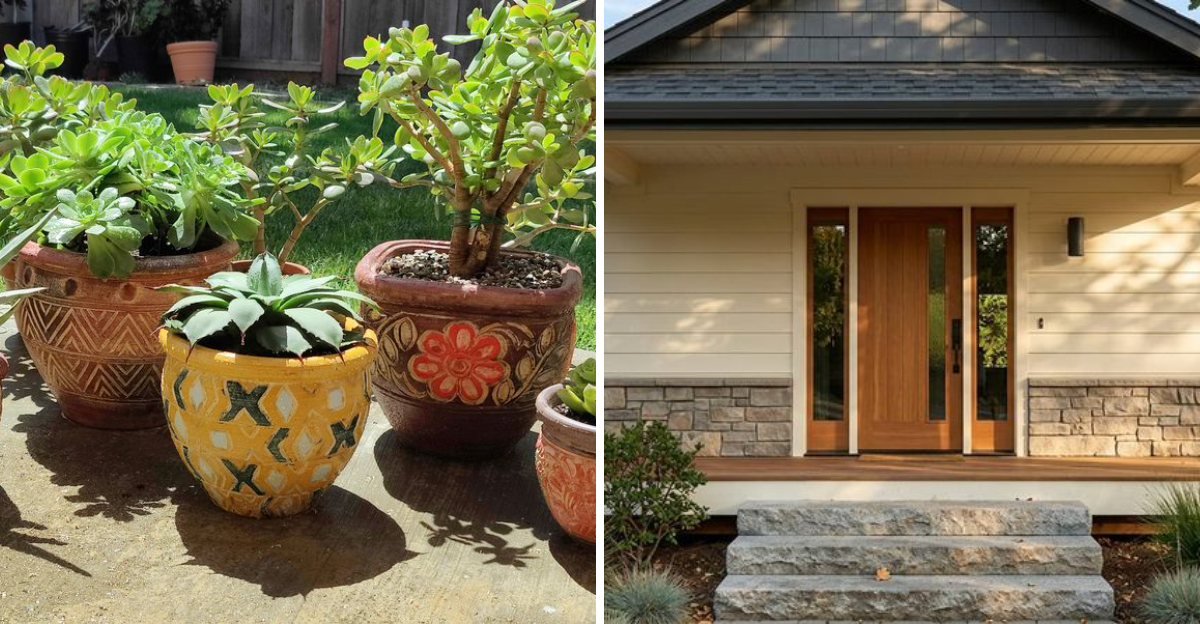
We all love a gorgeous California entryway that looks like a page straight out of a home decor magazine. Potted plants are the ultimate hack to make your front porch look welcoming and alive.
But out here in the Golden State, wildfire season is a very real party pooper. That first five feet around your front door, known as Zone 0, is a major hotspot for flying embers.
Putting the wrong, dried-out plant or a pot stuffed with flammable bark right next to your door is basically rolling out a welcome mat for fire. Luckily, you do not have to live in a barren concrete fortress to stay safe.
Making smart choices about your containers and keeping your porch clean lets you enjoy gorgeous curb appeal without the hazard!
1. Treat The Entryway As Zone 0

Most people think about landscaping in terms of curb appeal, but right at your front door, the stakes are a little different.
In California, the area within five feet of your home is treated as the most critical ember-resistant zone, and your entryway falls squarely inside it.
Embers from a distant wildfire can travel miles on the wind and settle into corners, pots, and dry plant material near your threshold before you even know a fire is close.
Zone 0 is not just about what is planted in the ground. It includes everything sitting on your porch steps, beside your front door, or tucked against your foundation.
A ceramic pot filled with dry potting soil and a drought-stressed plant is still combustible material in a high-risk location. The container may not burn, but the plant, soil amendments, and mulch inside it can catch an ember and hold it.
Thinking of your entryway as Zone 0 shifts how you approach every decision you make there. Instead of asking what looks nice, you start asking what is safest given where you live.
That mindset helps you choose better containers, skip certain plants, and keep the area cleaner overall.
For California homeowners in fire-prone foothill neighborhoods, coastal communities with dry summers, or warm inland areas, treating the front door zone with this level of attention is one of the most practical steps you can take.
2. Use Fewer Pots Near The Door
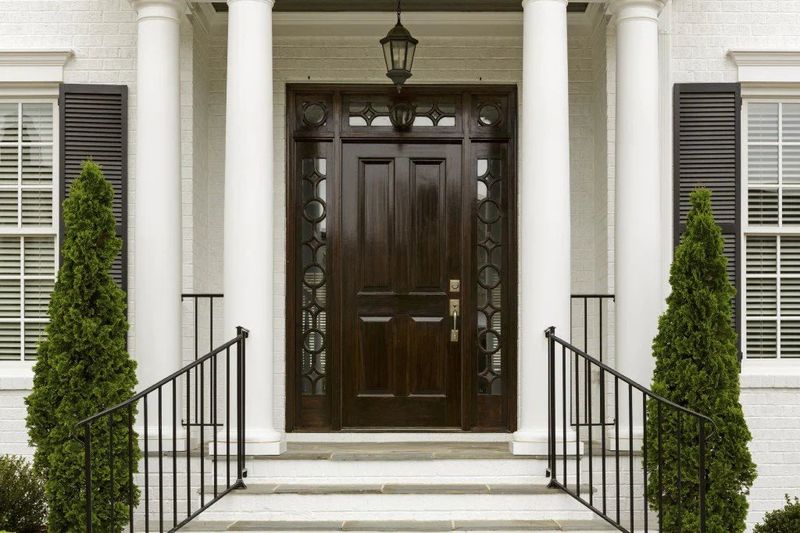
Walk up to almost any California porch in spring and you will likely see a row of pots lining the steps, clustering near the doorframe, and filling every corner with color.
It looks inviting, but near the front door, that many containers can create a chain of combustible material that embers can travel through surprisingly fast.
Reducing the number of pots near your entry is one of the simplest adjustments you can make.
Fewer containers means fewer places for embers to land and linger. It also means less dry foliage, less potting mix, and less overall fuel sitting within the Zone 0 area.
You do not need to remove every pot from your porch entirely. The goal is to be selective and intentional about how many you keep close to the door itself and how much combustible material each one holds.
Your California Garden Changes Every Week. Your Plan Should Too.
Gardening in California changes quickly throughout the season. Every Friday you’ll receive a simple weekly plan showing exactly what to plant, prune, fertilize, harvest, and protect so you never miss the right timing.
A good approach is to keep one or two well-maintained containers near the entry and move the rest further out, ideally beyond the five-foot zone or onto a hardscape area away from the home.
If your porch is small and everything sits close together, that is worth factoring into how many pots you keep there during fire season.
Spacing containers out also helps with airflow and plant health, so it is a practical gardening decision as much as a fire-safety one. Less really can be more when your front door is in a fire-prone California neighborhood.
3. Choose Noncombustible Containers First
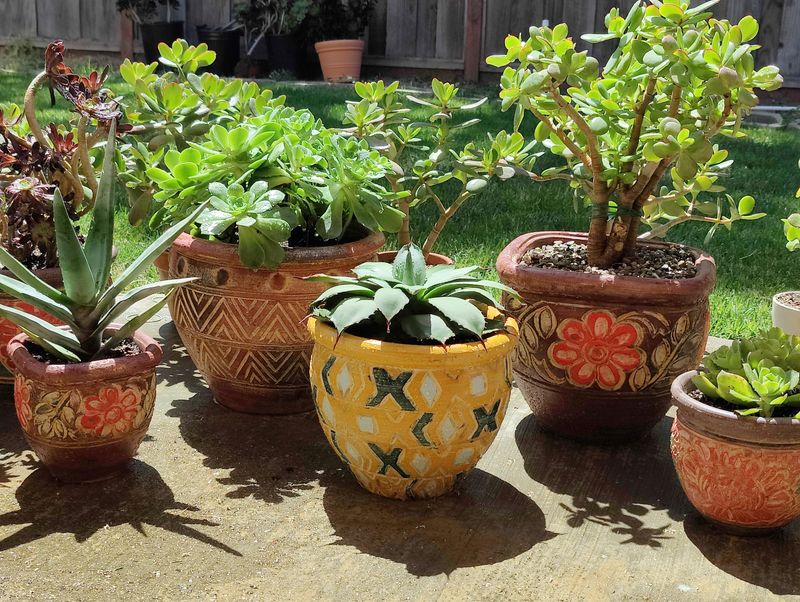
Not every pot is created equal when it comes to fire safety. Plastic containers, wooden planter boxes, and certain resin materials can melt, warp, or ignite when exposed to intense heat or embers.
Swapping those out for ceramic, concrete, metal, or stone containers is a practical first step for any California entryway that sits within the Zone 0 area.
Ceramic and concrete pots are widely available, come in a huge range of styles, and hold up well in California’s warm, dry climate.
They do not add fuel to a fire the way a wooden planter would, and they are less likely to degrade under the kind of radiant heat that can build up near a structure during a wildfire event.
Metal containers can conduct heat, so they are best used with some caution, but they are still a more fire-resistant choice than plastic or wood.
When shopping for containers, check the material before the color or style. Terra cotta is a popular and generally solid choice for California entryways because it is made from fired clay and does not burn.
Glazed ceramic pots offer similar benefits with more decorative options. If you already own plastic or wooden containers and are not ready to replace them all at once, consider moving those specific pots further from the door as a short-term measure.
Over time, replacing combustible containers with noncombustible ones is one of the more lasting improvements you can make to your home’s ember-resistant entryway design.
4. Avoid Woody Plants Against The House
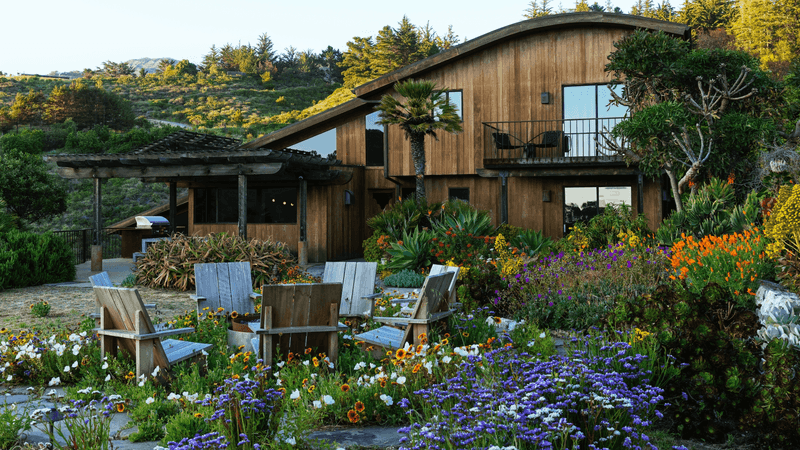
Rosemary, lavender, ornamental grasses, and small woody shrubs are popular choices for California entryway pots, and they often look great in that setting.
The challenge is that many of these plants have woody stems, dry seed heads, or resinous foliage that can ignite more readily than softer, more succulent plants.
When they are sitting right against your house in a pot, that combustibility becomes a real concern.
Woody plants that brush against siding, door frames, or window trim are especially worth reconsidering. Even when they are growing in a container, the physical contact between the plant and the structure creates a path for fire to travel.
Dry stems and spent interior growth that builds up inside the plant can also hold embers the way a nest would, keeping heat and flame going longer than you might expect.
If you enjoy growing rosemary or similar plants, consider keeping them in containers that sit further from the house, in a spot where they are not touching any part of the structure.
Alternatively, look for lower-growing, less woody options that are easier to keep clean and trimmed.
Succulents with high moisture content in their leaves, for example, are often a better fit for the immediate entryway zone in fire-prone California areas.
Keeping plants well-watered and trimming out any dry or woody interior growth regularly also helps reduce the overall risk, especially heading into late summer and fall.
5. Keep Plants Away From Windows And Siding
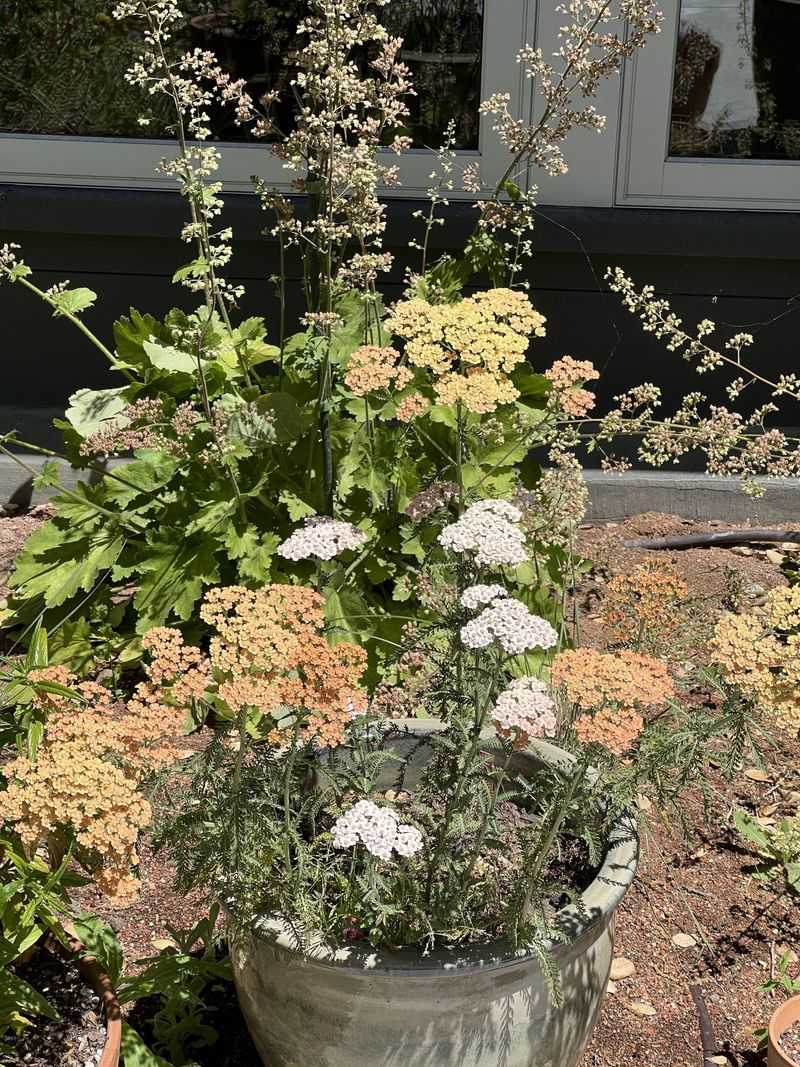
Windows and siding are two of the most vulnerable parts of a home during a wildfire, and potted plants placed directly in front of them can increase that vulnerability.
When a plant grows close enough to touch a window frame or press against wood siding, it creates a direct contact point where heat, flame, or embers can transfer to the structure more easily.
Even vinyl siding can warp or melt under radiant heat.
Single-pane windows are especially susceptible to radiant heat from nearby burning vegetation.
If a potted plant catches an ember right outside a window, the heat generated can crack the glass or soften the frame, creating an opening for fire or smoke to enter the home.
Keeping containers pulled away from windows, even by a foot or two, reduces that direct exposure and gives the window a little more protection.
For California entryways that include side windows, garage windows, or decorative glass panels near the door, this spacing is worth paying attention to. Take a look at where your pots actually sit in relation to any glazing or wood trim.
If a plant is close enough to touch the surface when the wind moves it, that is a sign it needs to be moved further out.
Siding materials like wood, fiber cement, and older stucco can all be affected by nearby combustible plants, so keeping clear space between containers and the home’s exterior is a straightforward protective step.
6. Use Gravel Instead Of Bark Mulch
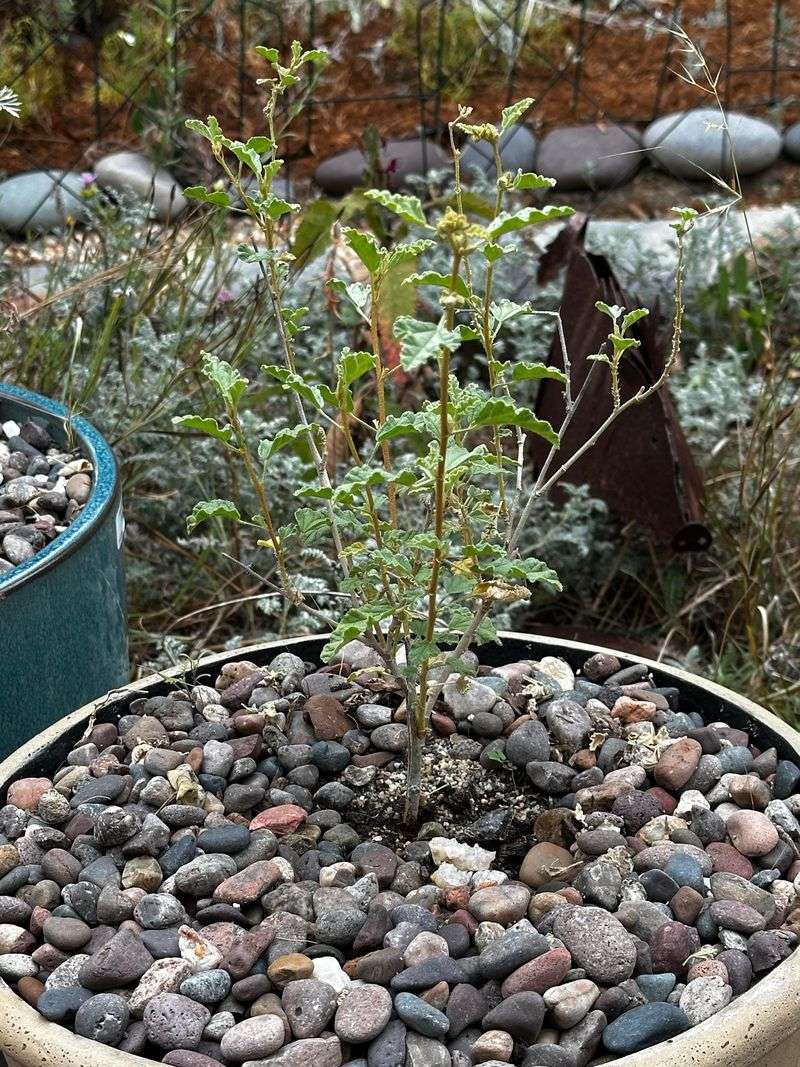
Bark mulch is one of the most common materials used to top off potted plants, and it does a good job holding moisture and making containers look tidy. But near a California entryway, bark mulch is a known ember catcher.
The loose, dry texture of bark chips makes them easy for embers to ignite, and once a pot of bark mulch starts smoldering, the fire can work its way down into the soil and then spread to nearby materials.
Swapping bark mulch for gravel, crushed stone, or decomposed granite as a top dressing is a simple change that makes a real difference.
These materials do not burn, they still help reduce moisture loss from the soil, and they look clean and intentional in a well-designed entryway.
Decorative river rock, pea gravel, and lava rock are all options that work well in California’s climate and come in colors that complement many container styles.
If you have been using bark mulch in your entryway pots for years, this is one of the easier swaps to make because it does not require replacing the whole container or changing your plant selection.
Just scoop out the existing bark and replace it with an inch or two of gravel.
For larger containers, a layer of gravel on top of the soil also helps keep the surface from drying out too quickly during hot California summers, so the change benefits the plant as well as the fire-safety profile of your entryway.
7. Remove Dry Leaves From Containers
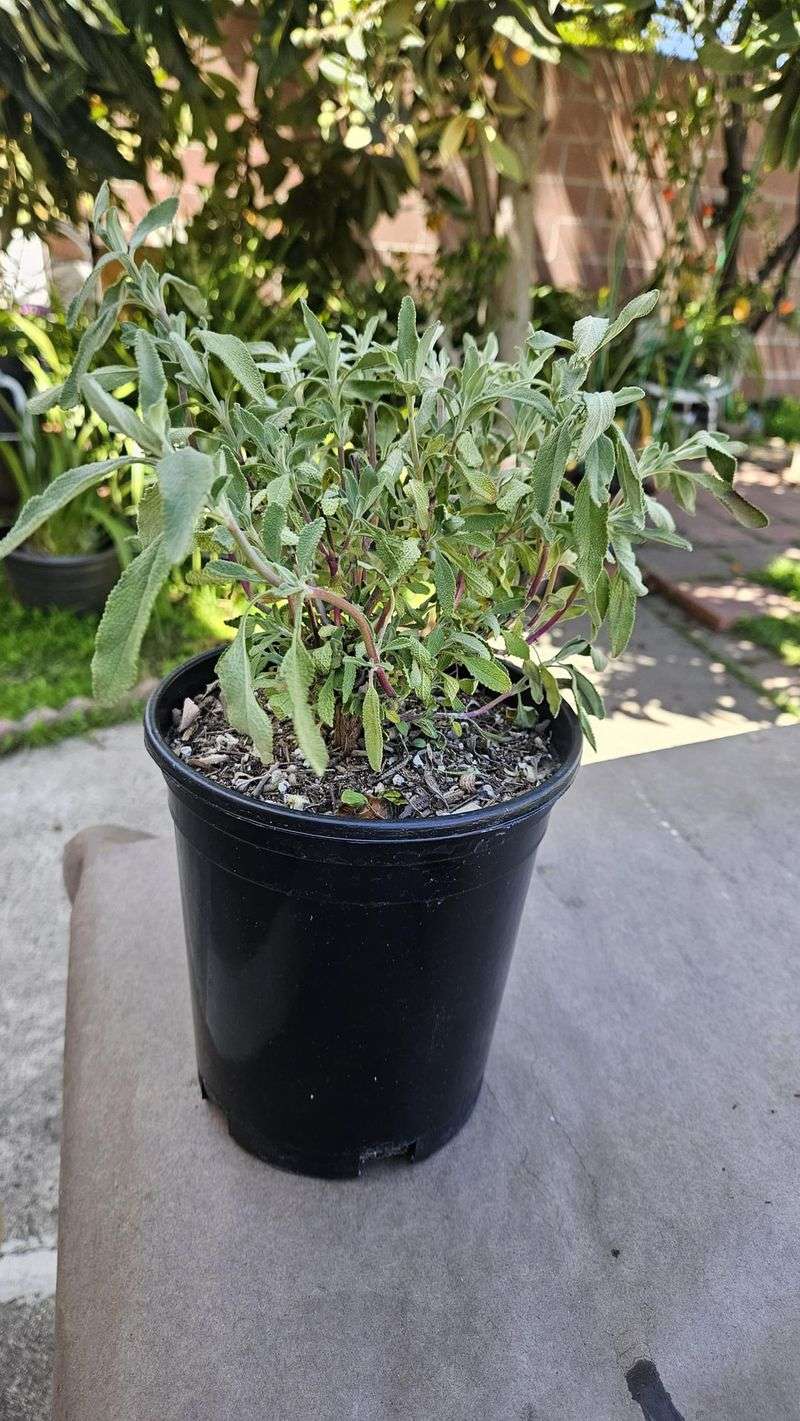
Dry leaves sitting in or around a container are one of those small things that are easy to overlook but genuinely worth addressing in fire country.
When leaves fall into a pot, collect along the rim, or build up between containers on a porch, they create a ready-made tinder pile right at your front door.
An ember landing in a cluster of dry leaves does not need much time to get going.
This is especially relevant in California during late summer and fall, when many plants drop foliage naturally and the dry season is at its peak.
Ornamental grasses, small trees in containers, and even drought-stressed flowering plants can shed a surprising amount of dry material that collects in and around pots.
Getting into the habit of clearing that debris every week or two during fire season is a low-effort maintenance step that keeps your entryway cleaner and safer.
Beyond the containers themselves, check the spaces between pots, the corners of porch steps, and the gap between a planter and the wall.
Dry leaves tend to gather in those sheltered spots where air movement is limited, and those are exactly the kinds of corners where embers can settle and stay warm.
A quick sweep or hand-clearing session takes only a few minutes and makes a noticeable difference.
Keeping your entryway free of dry organic debris is one of the most consistent and practical things you can do to reduce ember risk near your home throughout the California fire season.
8. Move Containers Away During Red Flag Weather
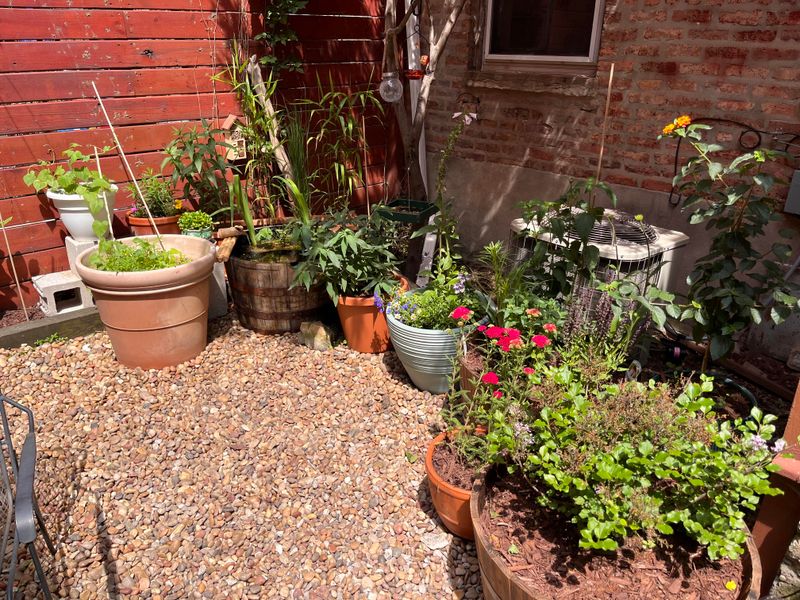
Red Flag days in California bring the conditions that make wildfires most dangerous: low humidity, strong winds, and dry air that can turn a small ignition into a fast-moving fire.
On those days, even a well-maintained entryway with noncombustible containers and gravel-topped soil carries more risk simply because ember travel is so much greater when the wind is strong.
Moving containers away from the entryway on Red Flag days is a proactive step that many California homeowners have started including in their seasonal fire-preparedness routine.
The idea is not to relocate pots permanently but to temporarily shift them away from the front door, off the porch steps, and away from any windows or siding that could be exposed to embers.
Moving them to a driveway, a paved side yard, or another open area away from the structure reduces the combustible material sitting right at the home’s most used entry point.
Red Flag warnings are issued by the National Weather Service and are widely shared through local news, emergency alerts, and weather apps, so you will generally have some notice.
Using that window of time to move the most combustible containers, clear any dry leaves from the area, and do a quick check of the entryway zone is a practical habit worth building.
It takes less than fifteen minutes for most entryways and gives your home a better chance during the hours when fire conditions in California are at their most intense.