Smart Tricks California Gardeners Should Use To Prevent Weeds Along Fence Lines
Fence lines have a remarkable talent for becoming the most weed-infested strip in a California yard, and it happens faster than anyone expects.
Bare soil along boards and posts is basically a seed-catching machine, windblown seeds land there, irrigation overspray keeps things just moist enough, and any weed that gets ignored long enough eventually drops seeds that hang around in the soil for years.
It is a cycle that feels genuinely endless if you do not get ahead of it. The good news is that a smart, layered approach can break that cycle in a pretty satisfying way.
Mulch, cardboard, edging, and a commitment to small regular cleanups might not sound glamorous, but combined they give California gardeners a real and lasting edge over fence-line weeds.
No single trick handles everything, but the right combination gets pretty close.
1. Clear Existing Weeds Before They Set Seed
Weeds growing along a fence line are manageable when they are young, but once they flower and set seed, the problem multiplies fast.
A single mature weed can drop hundreds of seeds into the surrounding soil, and many of those seeds stay viable for years, waiting for the right conditions to sprout.
Getting ahead of that cycle is one of the most useful things a gardener can do.
Along California fence lines, common culprits like bindweed, spurge, and annual grasses tend to sneak in from neighboring yards or blow in on dry summer winds. They often go unnoticed until they are already flowering.
Walking the fence line every week or two during the growing season makes it much easier to catch them early.
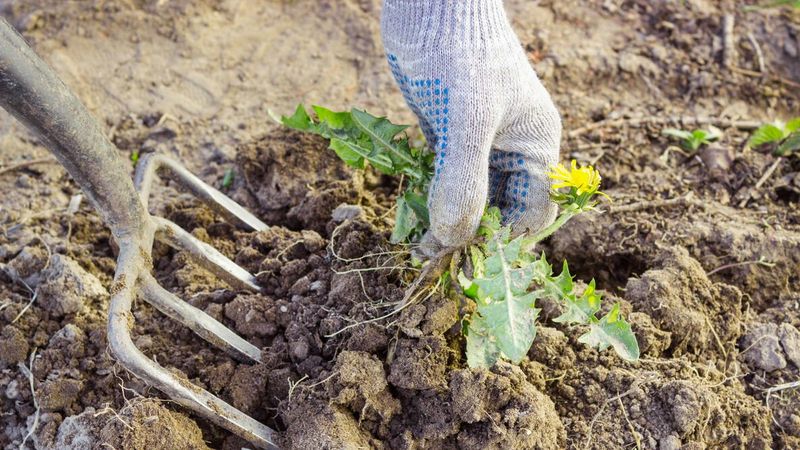
Hand-pulling is usually the most practical approach for home gardens, especially when the soil is moist after rain or irrigation. Grip weeds close to the base and pull slowly to remove as much root as possible.
Toss pulled weeds into a yard waste bin rather than leaving them on the ground, since stems with flowers can still finish setting seed even after they are pulled.
Clearing weeds before seed set is one of the most effective ways to reduce future weed pressure along the fence.
2. Cover Bare Soil With Organic Mulch
Bare soil along a fence is basically an open invitation for weeds. Without something covering the surface, weed seeds that blow in or drop from nearby plants land directly on soil and sprout with very little effort.
Organic mulch changes that equation by blocking light, moderating soil temperature, and making it harder for seeds to reach bare ground.
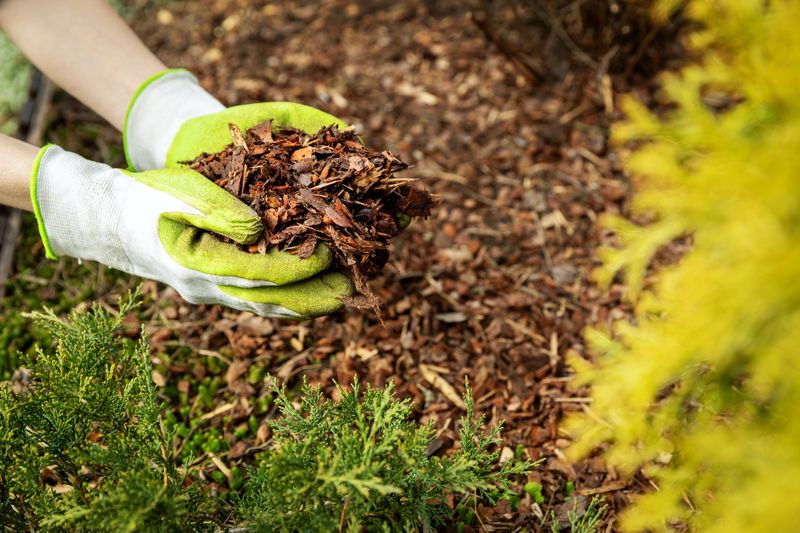
Wood chips, shredded bark, and straw are all reasonable choices for California fence lines. Wood chips tend to break down slowly and work well in ornamental beds and side yards.
Shredded bark gives a tidy appearance in front yards. Straw works well as a temporary option in vegetable garden borders, though it may carry some weed seeds of its own, so it helps to source it carefully.
Spreading mulch right after clearing weeds gives the best results. Aim to cover the entire strip of soil along the fence rather than leaving gaps, since even a small patch of bare ground can host a surprising number of weed seedlings.
Your California Garden Changes Every Week. Your Plan Should Too.
Gardening in California changes quickly throughout the season. Every Friday you’ll receive a simple weekly plan showing exactly what to plant, prune, fertilize, harvest, and protect so you never miss the right timing.
Organic mulch also breaks down over time and adds organic matter to the soil, which benefits nearby plants. Refreshing the layer each season keeps coverage consistent and helps maintain the weed-suppressing effect throughout the year.
3. Keep Mulch Deep Enough To Block Light
Mulch depth matters more than most gardeners realize. A thin layer of mulch, say an inch or less, does very little to block weed seeds from germinating.
Many common California weeds can push through a shallow layer with ease, especially fast-growing annuals like hairy bittercress or common chickweed. A deeper layer makes that much harder.
Most weed-management guidance for home gardens suggests applying organic mulch at a depth of about three to four inches for meaningful weed suppression. That depth blocks enough light to prevent most weed seeds from germinating at the surface.
It also helps the soil retain moisture, which can reduce how often irrigation runs along the fence line, indirectly cutting down on the water that helps weeds thrive.
One thing to watch for is mulch that has been raked thin by foot traffic, pets, or wind. Fence lines along side yards often get disturbed more than open garden beds, so checking the depth a couple of times per season is worthwhile.
Pull back the mulch with a gloved hand to see how much is actually there. If the layer has thinned to less than two inches, adding a fresh top-up can restore its effectiveness.
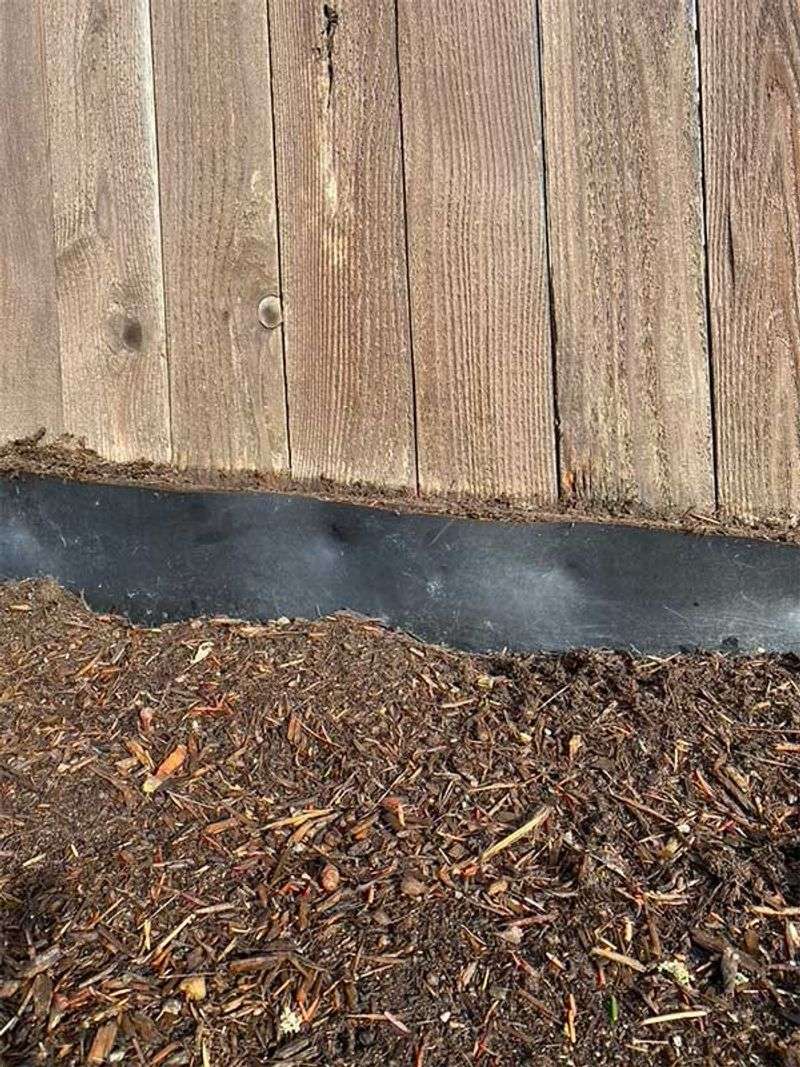
Keeping mulch away from direct contact with fence boards also helps prevent moisture buildup against the wood.
4. Avoid Landscape Fabric In Planting Beds
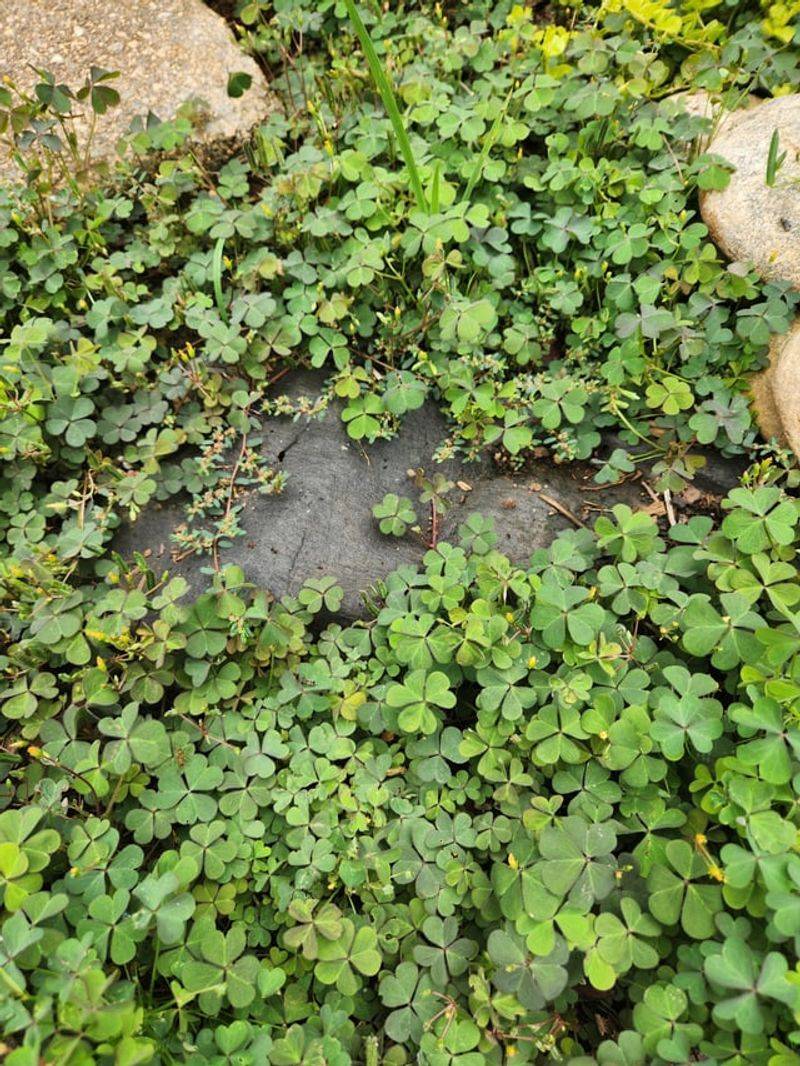
Landscape fabric seems like a logical solution for fence-line weeds, and many gardeners reach for it hoping for a low-maintenance fix. In practice, though, it tends to create more problems than it solves in home planting beds.
Over time, organic matter accumulates on top of the fabric, creating a thin layer of soil where weed seeds happily germinate right on the surface.
Roots from nearby plants and established weeds also work their way through the fabric, making removal difficult without tearing up the entire bed.
In California yards where ornamental plants, native groundcovers, or shrubs share the fence-line strip, landscape fabric can interfere with natural root spread and make it harder for beneficial soil organisms to move through the ground.
Side yards and narrow planting strips are particularly prone to this issue.
For most home garden situations, a good layer of organic mulch without fabric underneath tends to work better over the long term.
It suppresses weeds, breaks down to improve the soil, and does not create a tangled mess when it is time to replant or refresh the bed.
Saving landscape fabric for pathways, gravel areas, or spots without any planting is generally a smarter approach for California fence-line strips where plants are part of the design.
5. Use Cardboard Under Mulch For Tough Spots
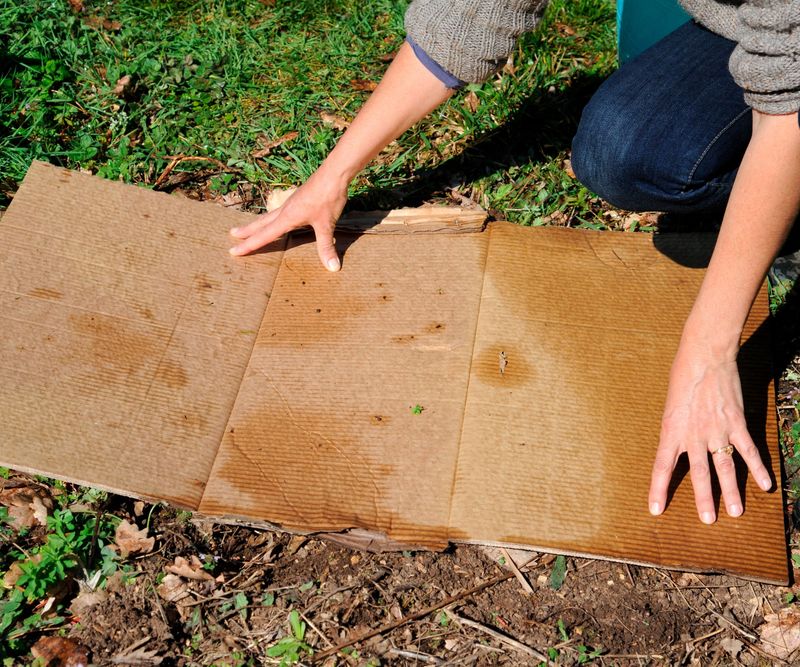
Some spots along a California fence line are just stubbornly weedy. Maybe a patch of bindweed keeps resprouting, or a section of bare soil near the gate always seems to collect seedlings no matter how often it gets cleared.
For those tough areas, cardboard layered under mulch can give weed suppression a meaningful boost.
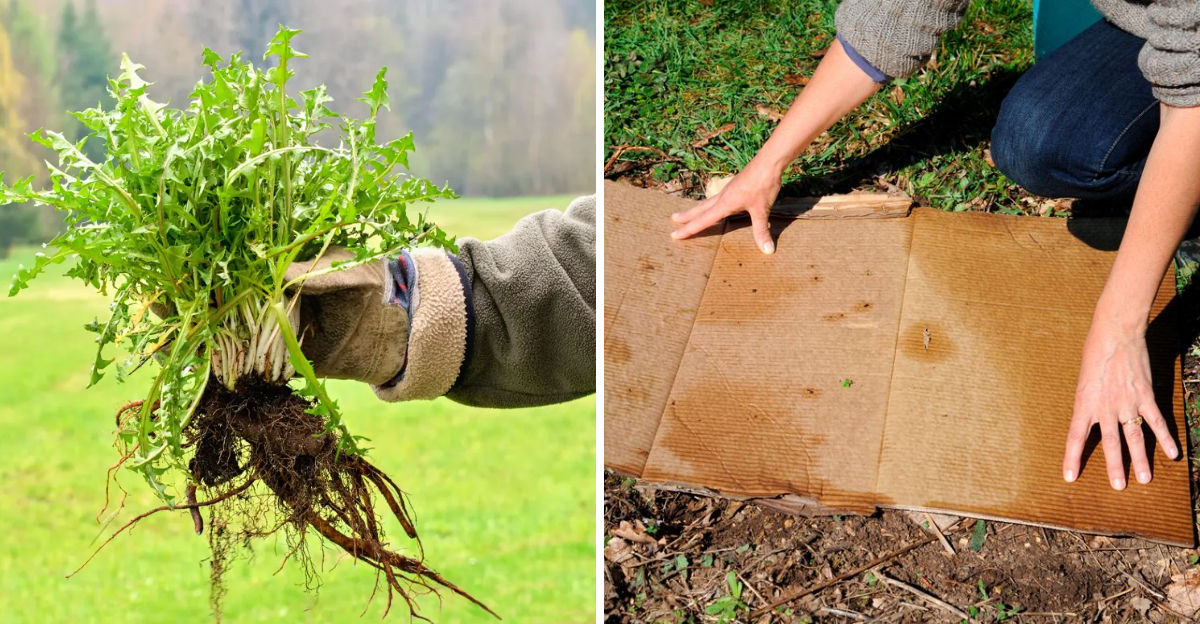
The cardboard works by smothering existing weeds and blocking light from reaching the soil surface. It breaks down naturally over several months, adding organic matter and allowing earthworms to move through it as it softens.
Unlike landscape fabric, it does not leave a permanent synthetic layer in the ground. Overlapping the edges of each piece by several inches helps close the gaps that weeds tend to find.
Before laying cardboard, remove as many existing weeds as possible, especially any with deep roots like dandelion or bindweed. Wet the cardboard thoroughly after placing it so it stays flat and starts breaking down faster.
Then cover it with three to four inches of organic mulch to hold it in place and keep the area looking tidy. Keep an eye on the edges over time, since weed seeds blowing in from outside the cardboard layer can still find bare mulch and sprout.
Topping up mulch regularly keeps the system working.
6. Stop Sprinklers From Watering The Fence Line
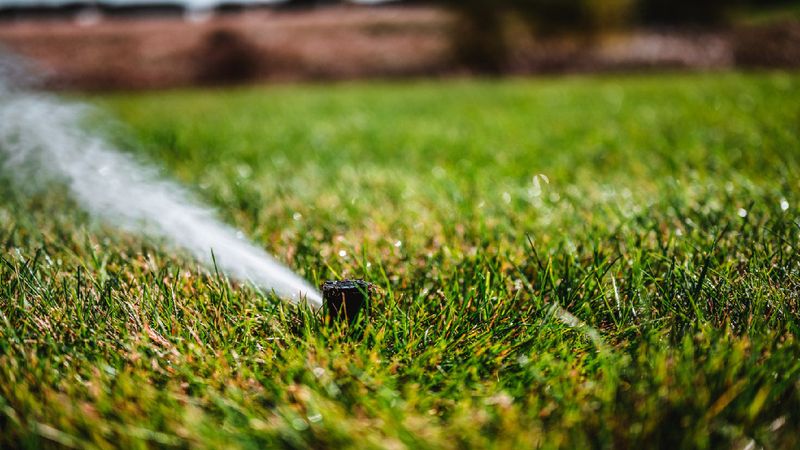
Sprinkler overspray along fence lines is one of the sneakier reasons weeds keep coming back in California yards.
Irrigation systems designed for lawns or garden beds often throw water past the intended area, landing on the narrow strip of soil right next to the fence.
That extra moisture creates perfect conditions for weed seeds to germinate, even in spots that would otherwise stay dry enough to discourage growth.
Adjusting sprinkler heads to reduce coverage along the fence is one of the most practical fixes. Many heads can be turned or fitted with different nozzles to narrow the spray pattern.
Drip irrigation is another option for ornamental beds along the fence, since it delivers water directly to plant roots without wetting the surrounding soil surface where weed seeds are waiting.
In California’s dry summer climate, the fence-line strip often does not need supplemental irrigation at all if it is mulched and planted with drought-tolerant groundcovers or native plants.
Letting that strip dry out between waterings can significantly reduce weed pressure, since many common annual weeds need consistent moisture to get established.
Checking the fence line after running the irrigation system, and looking for puddles or wet soil against the boards, is a simple way to spot overspray problems before they turn into a weed outbreak.
7. Plant Dense Groundcovers Where Space Allows
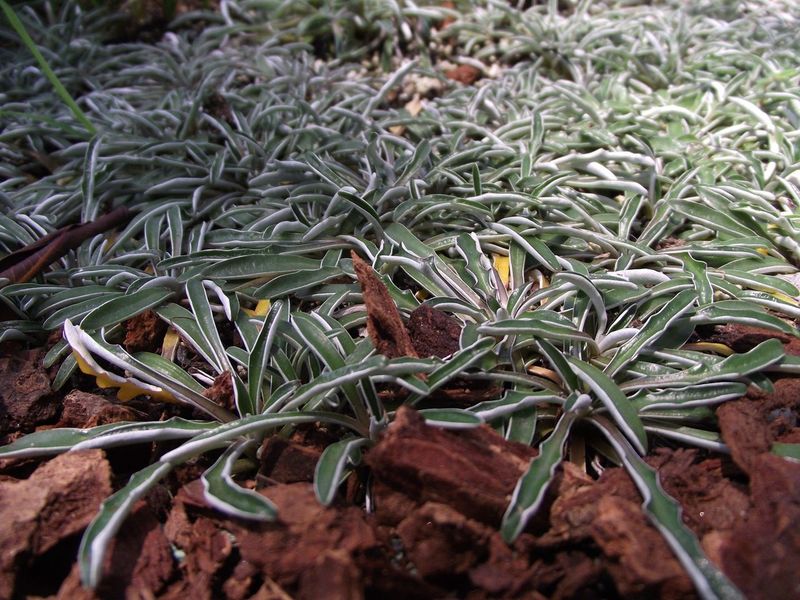
One of the most satisfying long-term strategies for fence-line weed prevention is letting plants do most of the work. Dense, low-growing groundcovers fill in bare soil, shade out weed seeds, and create a living mulch that weeds struggle to compete with.
Once established, a well-chosen groundcover can dramatically reduce the number of weeds that manage to get a foothold along the fence.
California offers a good range of groundcover options suited to different conditions. Dymondia margaretae works well in warm, dry spots and handles foot traffic reasonably well.
Creeping rosemary, coyote brush, and various native sedges are other options depending on sun exposure and soil type.
For shadier fence lines, lippia or native strawberry can fill in nicely without needing much supplemental water once they are established.
The key is choosing plants that are vigorous enough to spread and fill gaps without becoming invasive. Spacing them closer together at planting speeds up coverage and reduces the window when bare soil is exposed.
During the first season or two, weeds will still appear between young plants, so hand-pulling and mulching between them remains important. Once the groundcover fills in fully, maintenance along the fence line tends to drop noticeably.
That payoff makes the initial planting effort well worth it for most California yards.
8. Edge The Strip So Weeds Are Easy To Spot
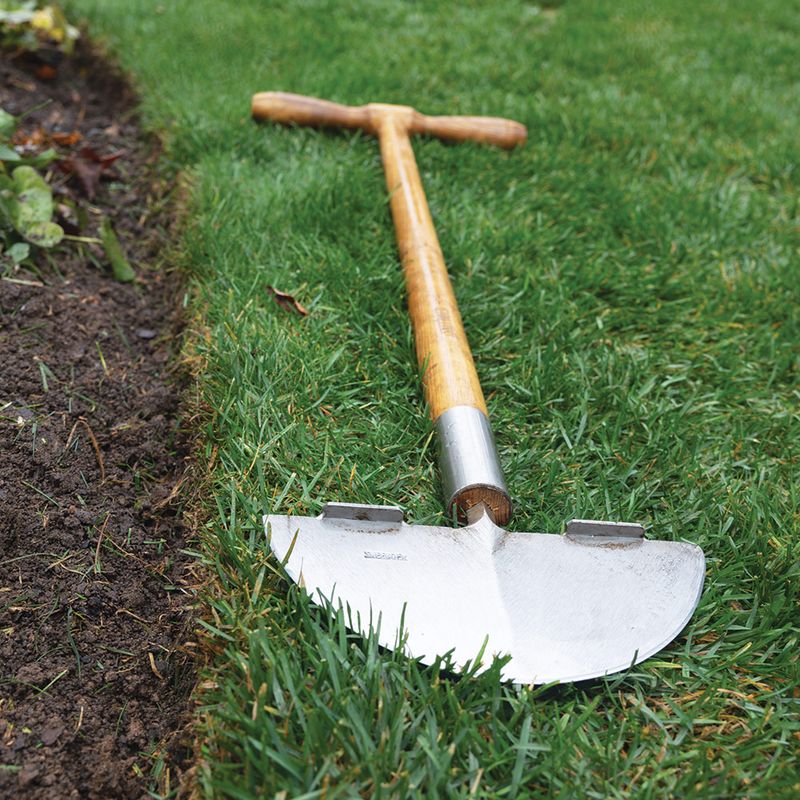
A clean, defined edge along the fence-line strip does more than just look tidy. When the border between the garden bed and the lawn or path is sharp and clear, it becomes much easier to spot young weeds before they grow large enough to set seed.
Weeds hiding in an undefined, overgrown edge are easy to miss during a quick walkthrough of the yard.
Edging the strip with a manual edger, a half-moon edger, or even a flat spade creates a visible boundary that also slows grass from creeping into the mulched area.
In California yards where Bermuda grass or kikuyu grass runs along fence lines, a well-maintained edge can make a real difference in keeping those aggressive grasses from invading the garden strip and mixing with ornamental plants or groundcovers.
Re-edging a couple of times per season keeps the boundary crisp. It also makes hand-weeding faster and more efficient, since the area is clearly defined and easier to work through systematically.
Some gardeners use a narrow strip of metal or plastic edging material to hold the border in place between manual edging sessions. Either approach works well as long as the fence-line strip stays distinct from surrounding areas.
A clear edge is a small investment of time that pays off with a much more manageable weeding routine.
9. Pull Young Weeds After Rain Or Irrigation
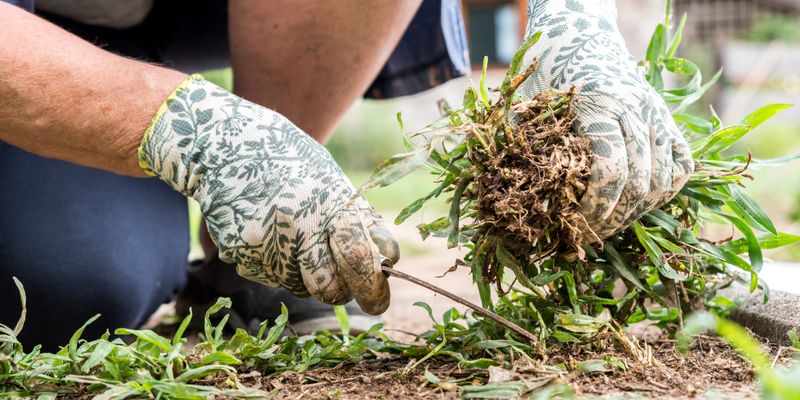
Timing matters a lot when it comes to pulling weeds. Trying to remove weeds from hard, dry soil, which is common in California during the summer months, often means the roots break off underground rather than coming out whole.
Those leftover roots can resprout, and the weed is back within a week or two. Pulling after rain or irrigation, when the soil is soft and moist, makes the job much easier and more effective.
Young weeds, those with just a few leaves and no established root system, come out almost effortlessly from wet soil.
Catching them at that stage, before they develop deep taproots or spreading rhizomes, is one of the most efficient ways to manage fence-line weeds without any special tools or products.
A pair of gloves and a small hand weeder or narrow trowel is usually all that is needed.
In California, the window right after winter rains or a round of irrigation is ideal for a fence-line weed sweep.
Many annual weeds germinate in flushes after moisture arrives, so checking the strip within a day or two of watering can catch a whole batch of seedlings at once.
Dropping pulled seedlings into a bucket rather than leaving them on the mulch surface keeps things tidy and prevents any seeds from finishing development on the ground.
10. Repeat Small Cleanups Before Weeds Spread
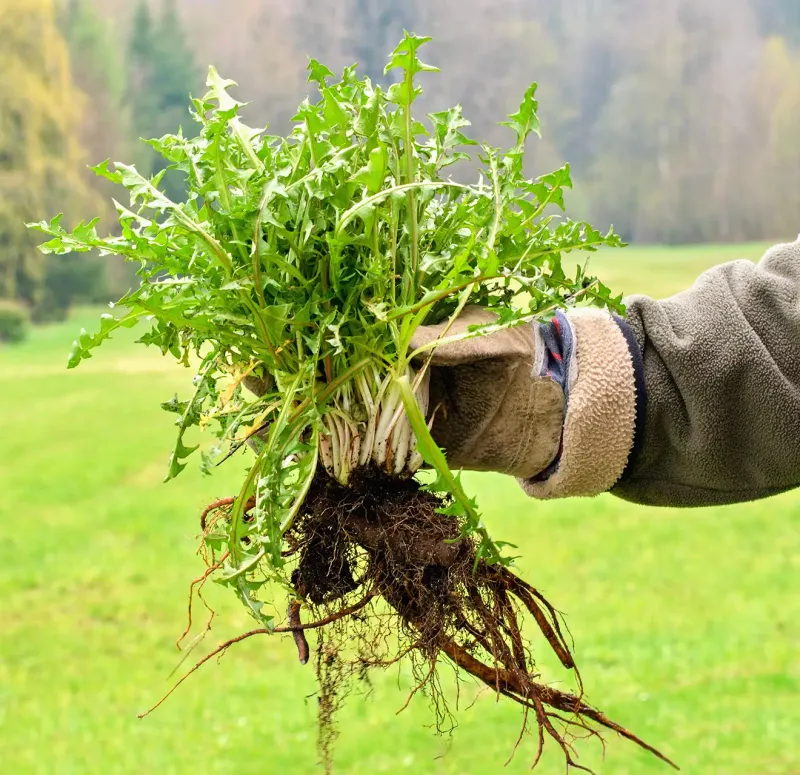
Waiting until a fence line is overrun with weeds before doing anything about it makes the job feel overwhelming. A strip that took a few minutes to maintain each week can turn into a half-day project if it is left unchecked for a full season.
Short, regular cleanups are far less work overall and keep weed pressure from building up to unmanageable levels.
The idea is simple: spend ten to fifteen minutes walking the fence line every week or two, pulling any weeds that have appeared since the last visit. At that frequency, most weeds are still small and easy to remove.
The mulch layer stays intact, the groundcover stays healthy, and the edging holds its shape. It is a rhythm that fits easily into regular yard maintenance without becoming a burden.
California gardeners dealing with particularly weedy fence lines, especially those bordering vacant lots, alleyways, or neighbors with overgrown yards, may find that seeds keep blowing in regardless of how well the strip is managed.
In those situations, accepting that some weeds will always appear and committing to regular small removals is more realistic than expecting a completely weed-free fence line.
Consistency is the real trick here. A little attention on a regular schedule does far more than one big cleanup every few months.